REVIEW · FUJIYOSHIDA
From Tokyo: Mount Fuji Highlights Private Tour
Book on GetYourGuide →Operated by Maji Super Tours · Bookable on GetYourGuide
Fuji magic, without the Tokyo grind. This private 8-hour day wraps together Lake Kawaguchi mirror views, the red Chureito Pagoda classic, and a calm stop at Oshino Hakkai’s spring ponds. I especially like the photo-friendly rhythm of the day and the chance to experience local food in Yamanashi. One consideration: Mount Fuji visibility isn’t guaranteed, so the tour leans on weather-friendly backup plans.
You’ll start with hotel or central-Tokyo pickup arranged after you book, then set the pace with a guide who adjusts timing for your group. That flexibility matters because traffic and weather can change fast around Fuji. Expect light-to-moderate walking, including stairs at Chureito Pagoda, so comfortable shoes are non-negotiable.
In This Review
- Key points to know before you go
- How a private Fuji day runs from Tokyo pickup to return
- Lake Kawaguchi and Oishi Park: Fuji reflections you can chase (and not panic)
- Chureito Pagoda at Arakurayama Sengen Park: the iconic view comes with stairs
- Oshino Hakkai ponds: spring water, traditional streets, and a proper lunch break
- Weather backup options: what happens when Fuji hides or rain shows up
- Price and value: why $304 per group can make sense
- Your guide’s impact: Maik’s style, flexibility, and how to set expectations
- Practical walking notes and packing for an easy Fuji day
- Who should book this Mount Fuji highlights private tour?
- FAQ
- What’s the duration of the From Tokyo: Mount Fuji Highlights Private Tour?
- How many people is the private group limited to?
- Where do you get picked up in Tokyo?
- What stops are included during the day?
- Is the Mount Fuji view guaranteed?
- Is lunch included?
- Are museum tickets included if you switch to a weather plan?
- What kind of walking should I expect?
- What languages is the live guide available in?
- Should you book this private Fuji highlights tour?
Key points to know before you go
- Private pace for real time photo stops: You’re not stuck moving on someone else’s schedule.
- Lake Kawaguchi + Oishi Park: Aim for scenic Fuji reflections and flower-framed views.
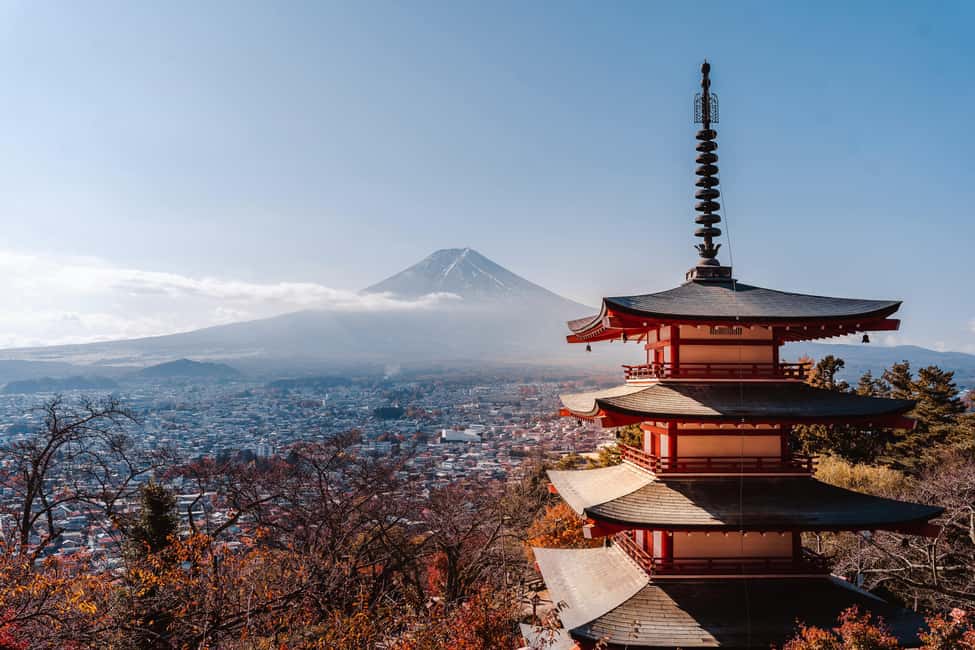
- Chureito Pagoda at Arakurayama Sengen Park: Iconic red pagoda with a short uphill walk and stairs.
- Oshino Hakkai ponds: Traditional village feel, spring-water sampling, and regional eats like hoto noodles.
- Weather backup options: Indoor culture and local tastings if clouds or rain roll in.
- English or German guide: Cultural commentary and on-the-ground recommendations throughout the day.
How a private Fuji day runs from Tokyo pickup to return
This is built as a full-day private outing from Tokyo, priced per group (up to five people) for about 8 hours. The big value in that format is control: you can linger when you want photos, move faster when you just want the viewpoint, and adjust when rain hits or visibility drops.
Pickup is included, but the exact meeting point depends on where you’re staying in central Tokyo. After booking, you coordinate a convenient start location, and the goal is to keep you from wasting time figuring out trains or taxis. In at least one case, a meeting point was proposed away from the hotel to save time, but the tour still supported switching to hotel pickup when requested.
Your day is guided from start to finish, not just “driving you there.” That means you get context for what you’re seeing, plus help making choices—especially on days when Fuji shows up late, early, or not at all.
One practical note: since you’re traveling outward from Tokyo, road conditions can affect timing. The tour’s flexibility is designed for that reality, but you should still plan to stay flexible with your expectations about exact arrival times at each photo spot.
You can also read our reviews of more private tours in Fujiyoshida
Lake Kawaguchi and Oishi Park: Fuji reflections you can chase (and not panic)
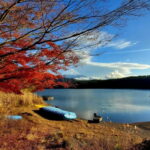
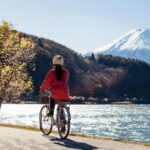
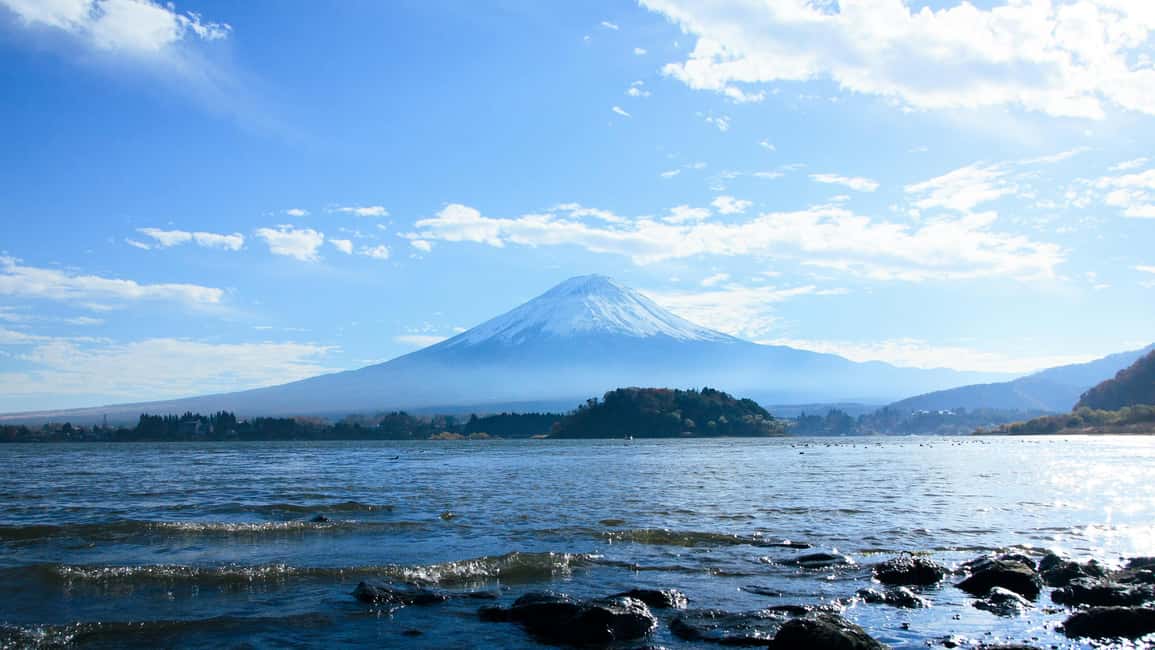
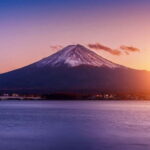
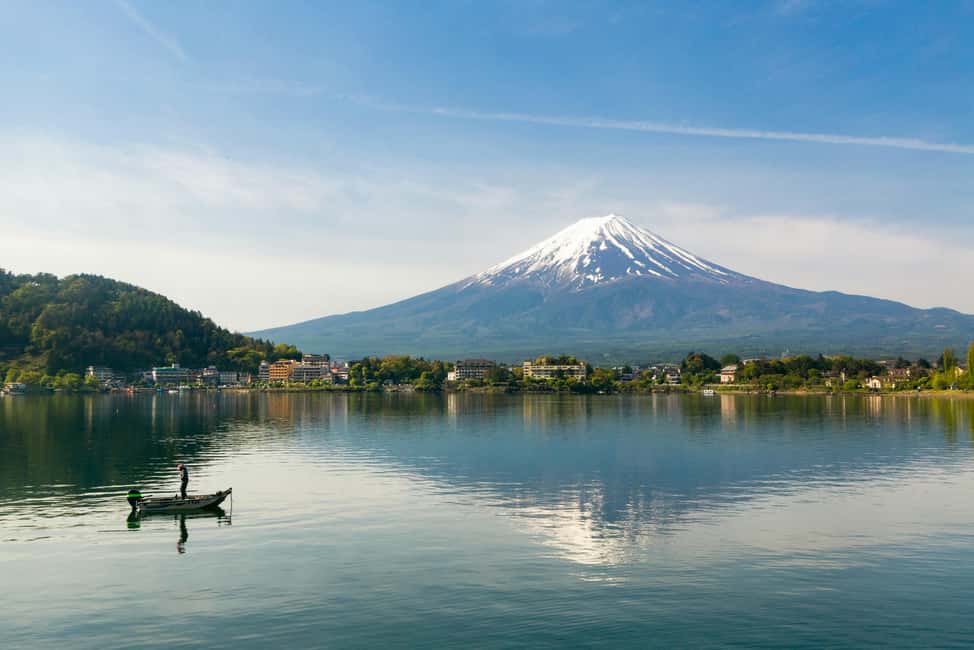
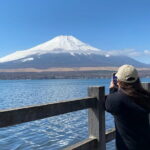
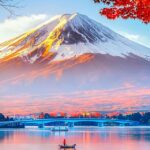
Lake Kawaguchi is the first stop for a reason: when conditions are right, you get those mirror-like reflections of Mount Fuji on the water. This is the classic “wait for the sky to cooperate” moment, and having a private guide is useful here because you can decide whether to wait near the best angle, stroll the lakeside, or switch to alternate viewpoints if the light changes.
From the lake, the tour continues to Oishi Park, an easy add-on that’s all about framing the mountain with seasonal flowers. Think of it as a change of pace: less wandering, more intentional photo time. In clear weather, this is where the Fuji looks extra crisp against flowering foregrounds. If the weather is gray or misty, you’re still getting a scenic break away from the Tokyo rush.
The rhythm of this portion matters. You’re not just ticking off Lake Kawaguchi and moving on; you’re given time to walk, look, and take photos without feeling rushed. That’s a win if your group has mixed interests—someone might be chasing reflections, while someone else wants a calmer stroll.
Tip: because reflections are weather-dependent, I’d treat this stop as both a photo window and a “breathe” moment. Don’t build your whole day around one single outcome. If Fuji is shy today, the tour’s later options help keep the day from feeling like a loss.
Chureito Pagoda at Arakurayama Sengen Park: the iconic view comes with stairs
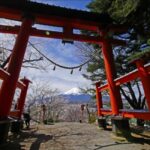
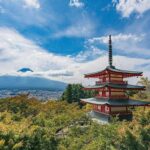
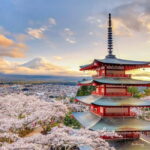
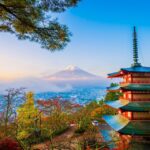
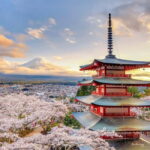
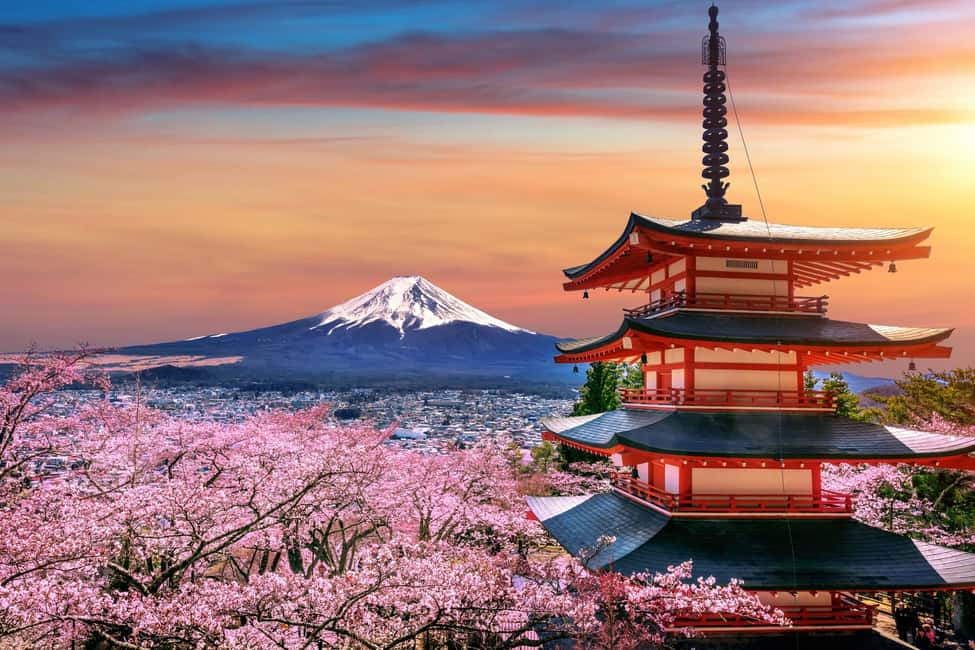
After the lakes, the day shifts to Arakurayama Sengen Park, where you’ll visit the Chureito Pagoda area. The pagoda is the visual payoff: a red five-story structure set against the broader countryside, with Mount Fuji in the background when visibility allows.
This stop is also where you should expect the more physical side of the tour. There’s a short walk uphill, plus stairs, so wear shoes with grip. You don’t need hiking gear, but you do need comfort.
Why this works in a private format: you can time your photo attempts. If clouds move in, you can choose another viewing angle rather than being stuck in a crowd line with no options. A guide can also help you find practical spots for photos—especially when the best angles are busy.
One thing to keep realistic: even on your best day, Fuji can be partially obscured. The red pagoda view still works beautifully on overcast days, but the full “Fuji behind the pagoda” shot depends on the sky.
If your group includes someone who hates stairs, pace matters. You can stop more often, take breathers, and still get the full experience without sprinting to the top.
Oshino Hakkai ponds: spring water, traditional streets, and a proper lunch break
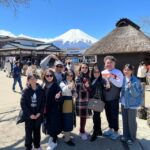
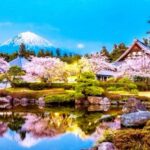
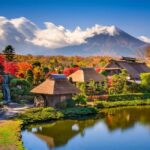
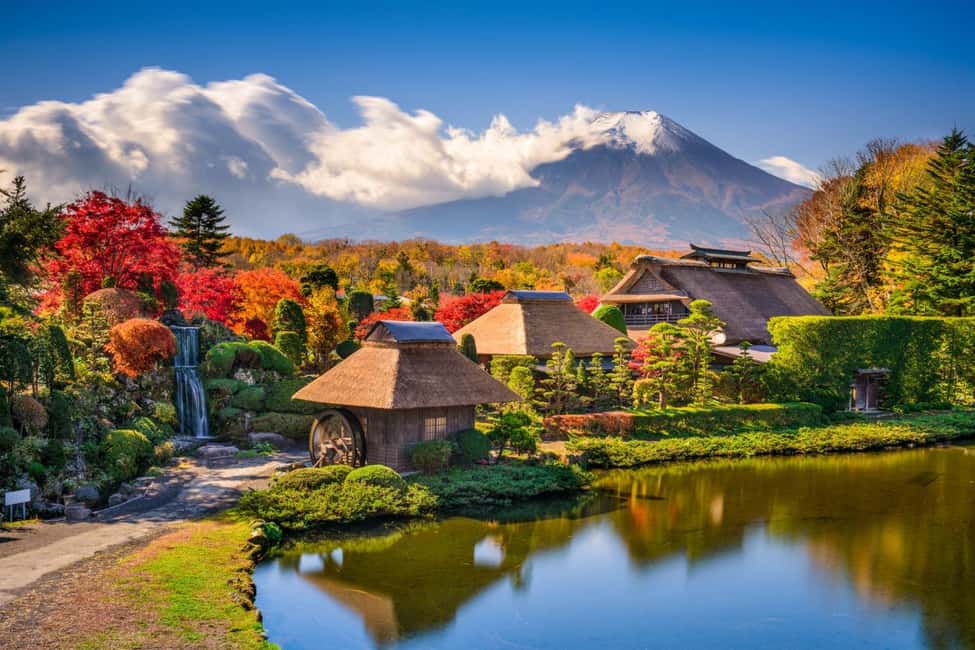
Next up is Oshino Hakkai, a traditional village built around eight spring-fed ponds. This is the calming, cultural counterweight to the more “iconic photo spot” feel of the lake and pagoda.
Here’s what I like about it: it’s not just scenery. You get a sense of why the area matters beyond the mountain view. You can sample fresh mountain water, wander the old-fashioned streets, and pause for small local treats. It’s easy to slow down here because the setting invites it.
Expect to see (and likely taste) Yamanashi-style comfort food options. Depending on what’s available at the moment, the day can include chances to try handmade soba noodles and local snacks such as wasabi croquettes. Many groups also highlight sweets like mochi around this area.
Lunch is a separate consideration. The tour includes time for a lunch break, and regional dishes are part of the plan—hoto noodles are a common Yamanashi pick. But lunch itself isn’t listed as included, so you’ll be paying for your meal directly. The best way to handle that is simple: ask your guide what looks freshest and fits your taste, then plan on paying for what you order.
As a bonus, this stop tends to be more forgiving when weather shifts. Even if Fuji isn’t playing nice, Oshino Hakkai still feels like a full experience—ponds, streets, and local flavors doing their job.
Weather backup options: what happens when Fuji hides or rain shows up
Mount Fuji visibility is not guaranteed, and the tour is built around that fact. When rain rolls in or clouds get thick, the itinerary can shift to weather-proof alternatives so you still end up with a satisfying day.
The listed backup options include:
- Itchiku Kubota Art Museum, known for breathtaking kimono art
- Sake tasting at a local brewery
- Kawaguchiko Music Forest Museum, an indoor-friendly plan
This is one of the most practical features of the experience. Instead of losing half a day to a single cloudy viewpoint, you get alternatives that still feel connected to the Fuji region—art, food/drink, and indoor culture.
I also appreciate the flexibility in timing. In at least one experience, the guide even suggested changing the tour day to improve chances of a clear view. That’s not something you can always plan for on a tight itinerary, but it tells you the team understands what matters most: seeing Fuji when possible, and keeping the day meaningful when it’s not.
Bring a light rain layer even if the forecast looks okay. Rain can move quickly around the mountains, and it’s easier to enjoy the day than to scramble for gear at the last minute.
Price and value: why $304 per group can make sense
At $304 per group for up to five people (for about 8 hours), this sits in the “private day trip” category, not a budget group shuttle. The value comes from three things you’re paying for:
- A private guide for the whole day (not just a driver-drop-off)
- Included entry to Arakurayama Sengen Park for the Chureito Pagoda area
- Real itinerary flexibility, including weather backup options
If you’re coming from Tokyo with a group, sharing the cost can make this feel reasonable compared to piecing together train rides, taxis, and separate guided segments. It also saves effort: you’re not planning connections between lake areas, parks, and Oshino Hakkai.
What isn’t included is just as important. Personal expenses are on you, and lunch and drinks are not included. Optional museum or indoor attraction fees may apply if the itinerary shifts to weather-proof alternatives (they’re only used in the bad-weather plan).
So the best mental math is: pay once for the private guidance and main included sights, then plan your own spending for food, snacks, and any optional admissions that come up in a rain plan.
One caution from past experience: there can be variation in how the ride and “comfort basics” are handled. In one case, a group reported no bottled water during a longer car segment and no spare umbrellas when rain arrived. You can reduce that risk by bringing your own water and a compact umbrella.
Your guide’s impact: Maik’s style, flexibility, and how to set expectations
A big part of this tour’s success is the guide. Multiple experiences mention Maik (from Maji Super Tours) as attentive, flexible, and able to explain what you’re seeing in English or German. That matters because Fuji-area sightseeing can feel repetitive if you don’t know what you’re looking at.
The best guides do two things well:
- they help you find good angles and timing, especially at photo points
- they add context so the day feels more like a place than a checklist
That shows up in compliments about photo spots, cultural explanations, and recommendations for food—like handmade soba noodles and the mochi people rave about in Oshino Hakkai.
Now for the balanced side. One experience raised issues with logistics and communication: a message sent in advance about meeting at Meguro, a small car packed with five people, and missing comfort items like water or umbrellas. That same experience also described frustration about lunch handling and being asked to leave a 5-star review.
You can’t control how your specific guide will operate, but you can manage risk. Here’s what I’d do before you go:
- Confirm the exact pickup spot and time clearly
- Ask if there’s water on the ride and plan to bring your own just in case
- Bring an umbrella
- Decide in advance how lunch costs and ordering will work (and pay directly for your own meal unless you’re told otherwise)
That way, you get the benefits of a private guide without unnecessary surprises.
Practical walking notes and packing for an easy Fuji day
This isn’t a strenuous hike, but it does involve light-to-moderate walking and stairs at Chureito Pagoda. I’d pack for comfort first.
What to wear and bring:
- comfortable shoes with good grip (stairs + outdoor steps)
- a light rain layer and a compact umbrella
- a small water bottle (especially if you’re sensitive to long stretches without it)
- a camera strap or secure bag (you’ll want hands free during photo walks)
If your group includes someone prone to sore feet, plan for slower pacing at the pagoda. The private format helps here—you can take breaks without feeling like you’re holding everyone up.
Also note: Mount Fuji visibility depends on weather. Even when the mountain is hidden, the day can still be worth it because Oshino Hakkai and the cultural stops don’t rely on a perfect view to feel meaningful.
Who should book this Mount Fuji highlights private tour?
This fits best if you want:
- a private day from Tokyo with flexible pacing
- iconic Fuji-region spots like Lake Kawaguchi, Oishi Park, and Chureito Pagoda
- a calmer cultural stop at Oshino Hakkai
- weather backup choices instead of “sorry, it’s cloudy today”
It may not fit if you need wheelchair access. The tour notes it’s not suitable for wheelchair users, and children under 6 are also not recommended.
It’s a strong match for couples, photographers, and small groups who value timing and comfort. If your priority is the best possible view of Fuji, understand that you’re still gambling a bit on weather—but the tour’s backup plans reduce the chance of wasting your day.
FAQ
What’s the duration of the From Tokyo: Mount Fuji Highlights Private Tour?
The tour lasts 8 hours.
How many people is the private group limited to?
It’s priced for a private group up to 5 people.
Where do you get picked up in Tokyo?
You can be met at your hotel or a nearby landmark in central Tokyo. The meeting point is coordinated after your reservation.
What stops are included during the day?
The tour includes Lake Kawaguchi and Oishi Park, Arakurayama Sengen Park (Chureito Pagoda), and a guided exploration of Oshino Hakkai Village.
Is the Mount Fuji view guaranteed?
No. Visibility depends on weather conditions.
Is lunch included?
Lunch is not included. The tour provides a lunch break and you can try regional specialties, but personal expenses like lunch are your responsibility.
Are museum tickets included if you switch to a weather plan?
Optional entrance fees for museums or indoor attractions are not included and apply only if those options are used for bad weather.
What kind of walking should I expect?
You can expect light to moderate walking, including stairs at Chureito Pagoda.
What languages is the live guide available in?
The guide is available in English and German.
Should you book this private Fuji highlights tour?
If you want a smooth, flexible Mount Fuji day with iconic sights and a real cultural stop, this is a good bet. The strongest reason to book is that the plan accounts for weather and visibility, so you still get value even when Fuji clouds up.
Book it if your group wants private pacing, clear photo opportunities at Lake Kawaguchi and Chureito Pagoda, and a slower moment at Oshino Hakkai’s spring ponds. Skip it (or reconsider) if you need wheelchair access, if your group has very young children, or if you’re uncomfortable with the idea that comfort basics like water and rain gear may not be provided—pack your own and you’ll be fine.