REVIEW · TOKYO
Tokyo: Imperial Palace, Edo Castle and Historical Tour
Book on GetYourGuide →Operated by Traveling Tokyo · Bookable on GetYourGuide
Tokyo can feel fast and loud, yet this tour slows it down. You’ll walk the Imperial Palace East Gardens and piece together how Edo Castle once shaped this part of the city. I particularly like how the route is built around what you can see—stone remnants, gates, and moats—so the history doesn’t stay abstract.
I also love the storytelling style. The guide (English) connects the Edo period to the later transition to imperial rule, and you get time for questions along the way. One drawback to consider: it’s a short, structured walk with photo stops, so if you want a long, linger-all-day pace, you may wish you had more time in the gardens.
In This Review
- Key highlights worth your attention
- Imperial Palace East Gardens: why this area feels different
- Meeting at Starbucks by Kokyo Gaien: quick start, easy find
- Tokyo Imperial Palace photo stop: learning what the gates represent
- What to watch for
- Edo Castle stone ruins and moats: the “defense logic” tour
- A practical note on pacing
- Ninomaru Garden: ponds, seasonal color, and gentle Edo design
- How to get the most from this garden walk
- Sakurada-mon Gate: ending with the shogun-to-imperial transition
- Guides make the difference: clear speech, humor, and inclusion
- Price and value: what $22 buys you in Tokyo
- Who should book this Imperial Palace and Edo Castle walking tour?
- Tips to help you enjoy the tour more
- Should you book this tour?
- FAQ
- How long is the Tokyo Imperial Palace, Edo Castle and Historical Tour?
- Where do I meet the guide?
- Is the tour in English?
- What do we see during the tour?
- Is admission to the Imperial Palace East Garden included?
- Is the tour wheelchair accessible?
- What’s the cancellation policy?
Key highlights worth your attention
- Stone ruins of Edo Castle: You’ll see the physical edges of the shogun-era fortress.
- Ninomaru Garden stroll: Seasonal flowers and calm ponds help the whole place feel human.
- Gates like Sakurada-mon: You’ll learn what these openings meant in real defense planning.
- Foundation views and keep imagination: You’ll stand where the castle keep once dominated the skyline.
- English guide who includes everyone: Guides have been praised for clear communication and making space for questions.
Imperial Palace East Gardens: why this area feels different
The Imperial Palace East Gardens are one of Tokyo’s best examples of how Japan preserves the past without turning it into a theme park. The grounds sit in the center of the city, but once you’re walking through the stonework, walls, and gardens, it feels calmer—like the noise drops a few floors down.
What makes this tour especially satisfying is the “reading the site” approach. You aren’t just looking at scenery; you’re learning how the Edo Castle layout used geography, stone, and controlled entry points. When a guide points out where a gate or moat used to matter, you start to understand why the place looks the way it does.
And because you’re only committing about 90 minutes, you can fit it into a busy Tokyo day without sacrificing energy for the rest of your itinerary.
You can also read our reviews of more historical tours in Tokyo

Meeting at Starbucks by Kokyo Gaien: quick start, easy find
You’ll meet in front of Starbucks at the Kokyo Gaien Wadakura Fountain Park area, very close to the Imperial Palace East Garden. For first-timers, I like meeting points that anchor near a well-known landmark—Starbucks is easy to spot, easy to re-find, and it reduces the stress of early-day navigation.
From there, the group moves into the palace grounds for the guided portion. Because the tour is designed to be compact, arriving on time helps you avoid feeling rushed at the first photo stop. If you’re the type who needs a minute to settle in, I suggest you build in a little buffer when you head over from your hotel.
Tokyo Imperial Palace photo stop: learning what the gates represent
The tour begins with a Tokyo Imperial Palace stop that mixes a photo moment with guided explanation. Even if you’ve walked past palace walls before in other cities, Japan’s palace setting is different. The scale is restrained, but the meaning is loud—entry points, stone transitions, and the geometry of access all matter.
This first segment sets the tone. You’ll get oriented to what you’re about to see in the East Gardens and how Edo Castle fits into the bigger story of Tokugawa shoguns and later imperial rule. It’s the kind of framing that makes the rest of the walk click into place, instead of feeling like a series of unrelated sights.
What to watch for
Keep an eye out for how the walk funnels you past gates and along stone edges. Those lines are more than decoration. They’re clues to how the area functioned as a fortress and how ceremonies later shaped the same ground.
Edo Castle stone ruins and moats: the “defense logic” tour
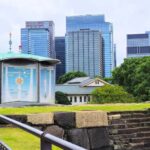
One of the biggest reasons to book this specific tour is that it leans hard into the Edo Castle remains. You’ll explore stone ruins and remnants connected to the samurai-era stronghold, including original gates and moats.
Here’s the value for you: when history is told only through dates and names, it’s easy to forget. But when you stand near stonework and hear how it supported defense—control of movement, protection of key spaces—you start to remember. The explanation gives shape to what you’re seeing.
You’ll also walk in areas where the castle keep once dominated. Even though you’re not reconstructing the entire structure in your head, your imagination has enough pieces to work with—foundations, gate positions, and the overall layout. That mental map is the real souvenir.





A practical note on pacing
This is a walking tour with short guided segments and photo stops. That’s good for most people because it keeps momentum. Just know that you won’t have hours to wander freely on your own during this exact experience. If you want a slow, independent garden day, plan to add time after the tour.
Ninomaru Garden: ponds, seasonal color, and gentle Edo design
Next comes the Imperial Palace East Gardens portion that includes a stroll through Ninomaru Garden. This is where the tour shifts from fortress logic to refined landscape design.
You’ll experience it as a calm circuit of ponds and garden planting. Seasonal flowers are part of what makes Ninomaru Garden feel special, but the deeper point is the style. Edo-period garden design isn’t just about being pretty. It’s about creating composed views—places where your walk becomes a sequence of framed moments.
If you’re a photographer, you’ll like this segment. The garden gives you angles without forcing you into the same crowded spots as big-city landmarks. If you just want a break, this portion is also a nice reset. You’ll be able to breathe, look around, and let the earlier stone ruins settle into context.
How to get the most from this garden walk
Pay attention to the way water sits next to stone and greenery. When the guide connects it to the Edo world, suddenly it reads as designed space, not random calm.
Sakurada-mon Gate: ending with the shogun-to-imperial transition
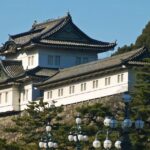
The tour wraps with a stop at Sakurada-mon Gate, again mixing a photo moment with guided sightseeing. This is a strong finishing point because gates are where history becomes tangible. In the samurai-era world, gates weren’t just entrances; they were checkpoints. They shaped who could move, when, and under what rules.
From there, the guide ties the story together: Tokugawa shogunate era, the shift toward imperial rule, and the traditions that still show up in Japan today. You leave with a clearer sense of how power changed hands without erasing the physical footprint of older systems.
I like tours that end with explanation, not only photos. This one gives you a way to connect the stones you saw earlier with the larger narrative that made them matter.
Guides make the difference: clear speech, humor, and inclusion
What really lifts this tour above the “walk and look” level is the guide quality. The names Tony, Jim, and Bell show up with consistent themes: clear communication, friendly engagement, and a willingness to answer questions.
- Tony has been praised for speaking clearly and loudly, especially helpful for deaf participants.
- Jim has a style that connects historical events to the present, and does it with a light, funny touch.
- Bell has been recognized for being considerate and making sure everyone felt included.
That mix matters because the Imperial Palace grounds can feel ceremonial and formal. A guide who knows how to explain without turning it stiff helps you enjoy it more.
If you care about asking questions—about the shogun era, castle design, or why certain places look the way they do—this tour format gives you time to do that.
Price and value: what $22 buys you in Tokyo
At about $22 per person for roughly 90 minutes, the value is decent, especially because admission to the Imperial Palace East Garden is included.
Here’s the practical way to judge it: you’re paying for (1) English guided interpretation, (2) an itinerary that hits both fortress remains and garden calm, and (3) admission. In Tokyo, the cost of convenience adds up fast, and a guided loop saves you from spending your limited energy trying to figure out what’s important on your own.
You also get a focused experience. This isn’t trying to be a full-day museum program. It’s a well-sized history-and-garden walk that fits into a typical Tokyo schedule.
If you’re traveling with limited time but want context, this price-to-time ratio works.
Who should book this Imperial Palace and Edo Castle walking tour?
This tour is a good match if you:
- Want a manageable, guided history walk in central Tokyo
- Like outdoor sightseeing but still want explanations that connect details
- Are interested in Edo Castle remnants, gates, moats, and the imperial story
- Prefer an English-speaking guide and want a route that’s easy to follow
It may not be your best fit if you:
- Want a long free-roam garden day with minimal structure
- Prefer museum-style indoor history rather than walking-focused interpretation
- Need a lot of unbroken time at one spot to take photos slowly
Tips to help you enjoy the tour more
Keep a few things in mind so you feel relaxed, not rushed:
- Wear comfortable shoes. You’ll be walking through stone, gardens, and gate areas.
- Bring a camera, but don’t treat every stop as a timed race. Let the guide’s context shape what you photograph.
- If you’re sensitive to weather, plan accordingly. The tour is outdoors, and it moves between shaded and sunlit areas.
- If you like asking questions, do it early. The guide’s stories make later stops even easier to understand.
Should you book this tour?
I’d book this if you’re a first-time Tokyo visitor who wants central, meaningful sights without committing to an all-day plan. The pairing of Edo Castle stone ruins with Ninomaru Garden gives you both the defensive-meets-ceremonial side of Japan’s past—and it’s exactly the kind of contrast that makes the Imperial Palace grounds memorable.
Skip it only if you already know this area inside out and you’re looking for a longer, self-guided wandering experience. For everyone else, this is a solid, well-paced way to see why this part of Tokyo has such staying power.
FAQ
How long is the Tokyo Imperial Palace, Edo Castle and Historical Tour?
The tour lasts about 90 minutes, with the schedule described as approximately 1.5 to 2 hours.
Where do I meet the guide?
You meet near the Imperial Palace East Gardens at the Starbucks in the Kokyo Gaien Wadakura Fountain Park area. The exact meeting instructions are provided after booking.
Is the tour in English?
Yes, the live tour guide speaks English.
What do we see during the tour?
You’ll visit Tokyo Imperial Palace for a photo stop and guided tour, walk through Imperial Palace East Gardens, see Sakurada-mon Gate for a photo stop and guided sightseeing, and focus on Edo Castle stone ruins, moats, and related remnants.
Is admission to the Imperial Palace East Garden included?
Yes, admission to the Imperial Palace East Garden is included.
Is the tour wheelchair accessible?
Yes, the tour is wheelchair accessible.
What’s the cancellation policy?
You can cancel up to 24 hours in advance for a full refund.