REVIEW · TOKYO
Tokyo: Sumo Morning Practice with journalists. Not fake show
Book on GetYourGuide →Operated by Japan Shine Tour · Bookable on GetYourGuide
Watch real sumo, not a staged performance. This tour delivers journalist-led context plus live stable practice you can actually photograph (with rules), which makes sumo feel human instead of mythical. One thing to consider: the training space is traditional, so you’ll be sitting on the floor, and the tour isn’t a good fit for everyone.
The experience starts at Ryogoku, then moves you into Takasago-beya Sumo Stable for a long, guided session before you circle back toward Ryogoku Station. What makes it special is the permission: you’re not peeking through a fence or watching a pre-made skit.
In This Review
- Key Highlights Worth Marking
- Why This Sumo Morning Practice Feels Different
- Finding Your Meeting Point at Ryogoku (and Getting There Early)
- Takasago-beya Sumo Stable: The 2-Hour Part That Makes It Worth It
- What the guided stable time actually gives you
- The “camera reality” inside the stable
- On-Floor Etiquette: The Part Nobody Mentions Until You’re There
- Commemorative Photos: A Rare Tokyo Souvenir That Doesn’t Feel Cheap
- Ryōgoku Edo NOREN Stop: Culture Context Without Turning It Into a Full Museum Day
- Price and Value: Is $103 Reasonable in Tokyo?
- Who This Tour Fits Best (and When to Skip)
- Practical Tips to Make Your Morning Smoother
- Should You Book This Sumo Morning Practice Tour?
- FAQ
- What’s the meeting point for the tour?
- How long is the experience?
- Is this a live sumo practice or a staged show?
- Are commemorative photos included?
- Can I use flash photography during the practice?
- Are meals and drinks included?
- Is wheelchair access available?
- What should I bring, and what shoes are allowed?
- Can I cancel and get a full refund?
Key Highlights Worth Marking
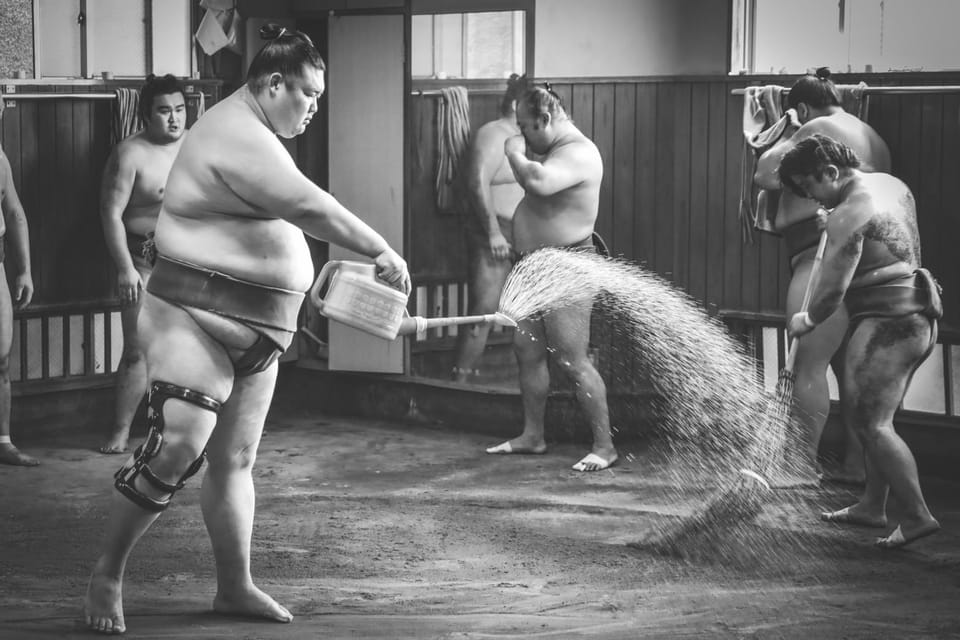
- Real permission from a sumo stable: access that’s usually reserved and rarely open to casual visitors
- A full morning practice in front of you: not a quick snippet, and you’ll learn what you’re seeing
- Journalists and sumo specialists lead the story: history, rituals, and daily life explained in plain English
- Commemorative photos with the wrestlers: a memorable, tangible takeaway
- Q&A time built into the flow: ask as much as you want about rules, rankings, and routines
- Multiple guides with reporting experience show up: names like Shinya Setsu, Karen, and Ray appear in recent groups
Why This Sumo Morning Practice Feels Different
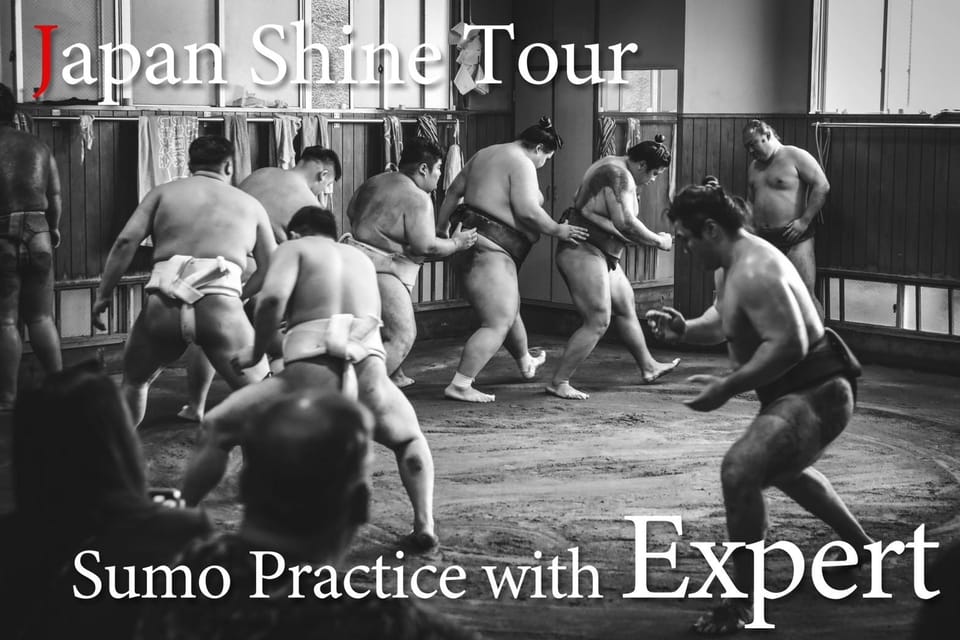
Sumo in Tokyo is easy to experience on paper. It’s also easy to experience wrong. This tour aims at the in-between place: the training morning where wrestlers are serious, focused, and moving with purpose.
I especially like the combination of what you watch and what you’re told while you watch it. A guide who’s spent years around sumo reporting (and in at least some groups, guides connected to national media) helps you translate the scene fast: hierarchy, discipline, and the rhythm of daily training.
There’s also a practical bonus. When you only see tournament bouts, you miss how much work happens before the spectacle. Here, you get the build-up.
You can also read our reviews of more tours and experiences in Tokyo

Finding Your Meeting Point at Ryogoku (and Getting There Early)
The meeting point is Toei Oedo Line Ryogoku Station (E12), Exit A2 at ground level. It’s about a five-minute walk from the east exit of JR Ryogoku Station, and the operator contacts you with details before your tour date.
Two small things make your life easier. First, arrive early so you’re not rushing while your group is getting sorted. Second, keep your camera ready but follow the on-site rules once you’re inside.
If you’re the type who likes calm starts, you’ll appreciate that the tour then transitions quickly into the stable experience rather than wandering around first.
Takasago-beya Sumo Stable: The 2-Hour Part That Makes It Worth It
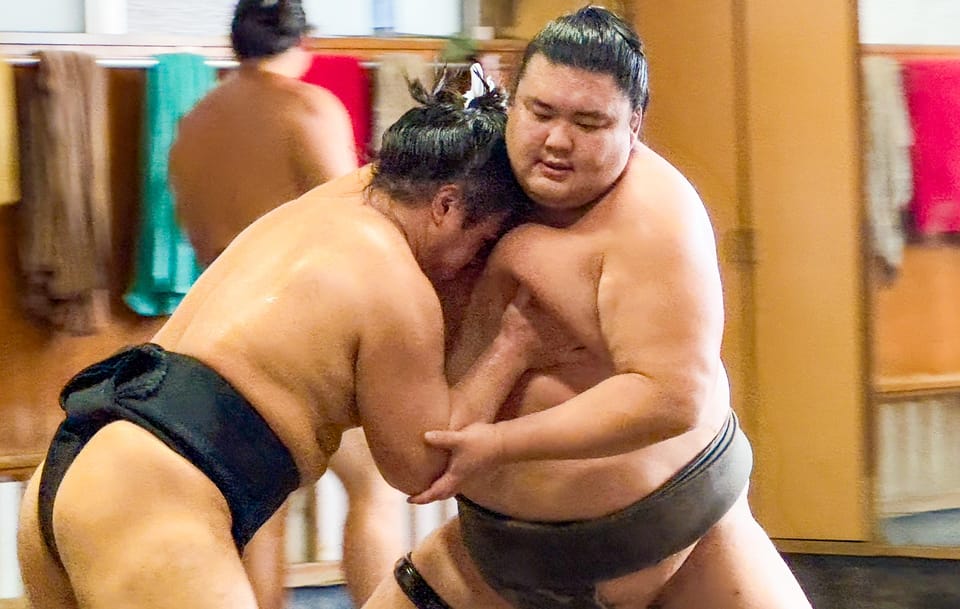
Your main time block is at Takasago-beya Sumo Stable for a guided tour lasting about two hours. This is where the tour earns its reputation as not a fake show.
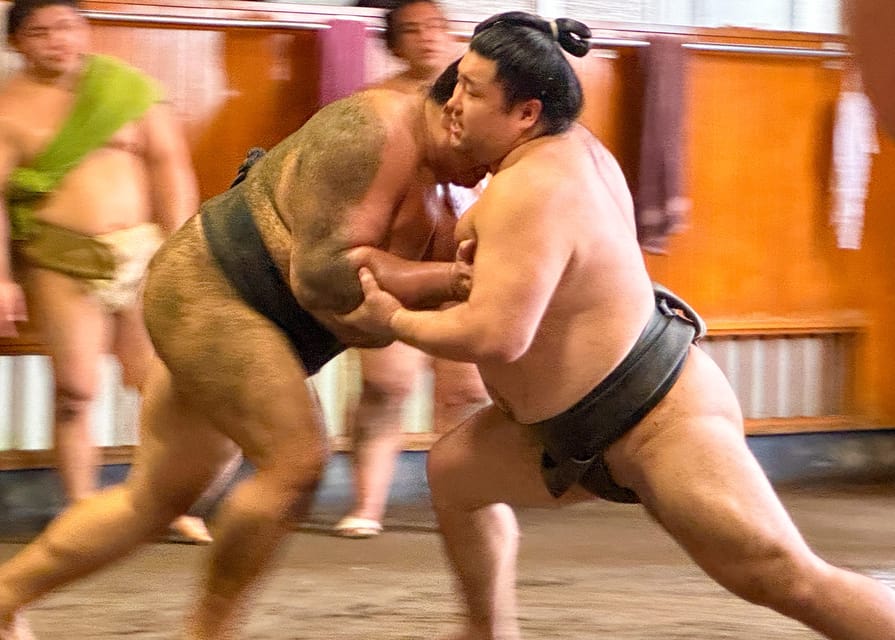
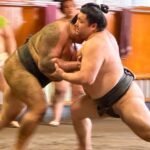
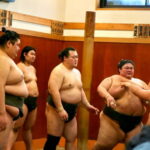
What you’re doing here is simple: learning sumo history and rituals from your guide, then watching a live morning practice. It’s not presented like a performance. The wrestlers are training. The guide helps you see the structure behind it.
What the guided stable time actually gives you
I like that you’re not just told the big-name facts. You get explanations that help you understand how sumo works as a day-to-day system—plus a rare chance to ask questions and keep going until you feel satisfied.
In some groups, guides share strong reporting perspective. Names like Shinya Setsu show up in recent experiences, and the tone tends to be practical: what you’re looking at, why it matters, and how training connects to the sport you see on TV.
The “camera reality” inside the stable
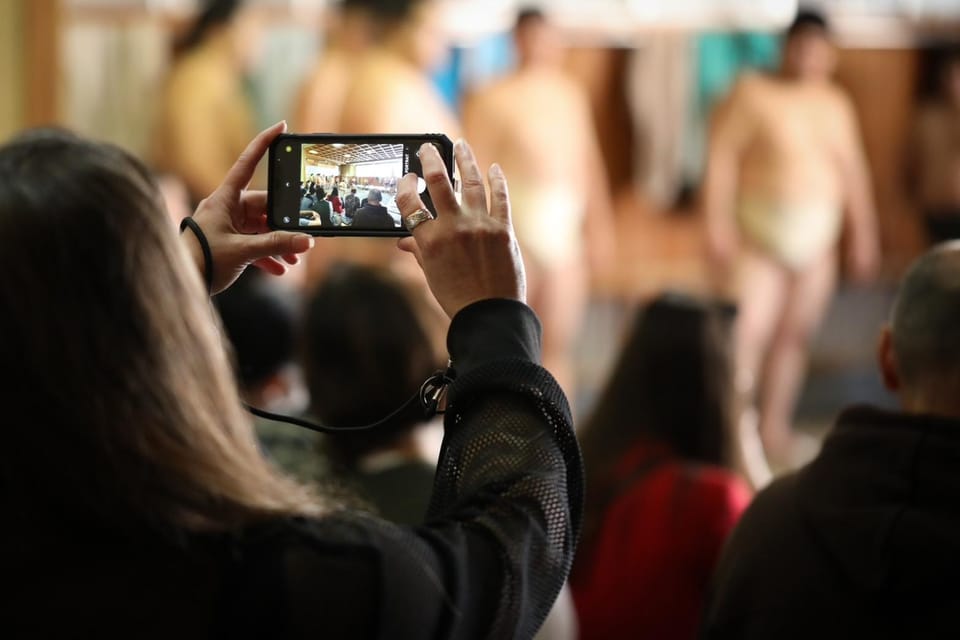
You’re allowed to take photos, and the tour includes commemorative photos too. But there’s an important rule: flash photography is not allowed during the practice.
That means you’ll want to bring a camera you can use in indoor/low-light conditions without flash. If your phone struggles indoors, consider an optional low-light setting rather than relying on a flash.
You can also read our reviews of more tours and experiences in Tokyo
On-Floor Etiquette: The Part Nobody Mentions Until You’re There
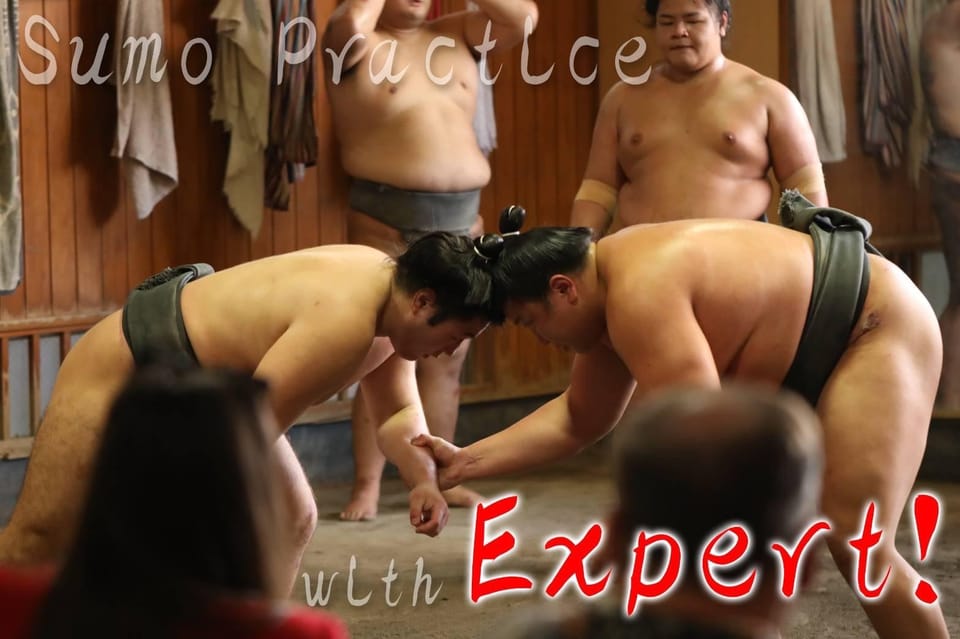
You’ll be sitting on the floor during the practice, so wear comfortable clothes. This isn’t a stiff, theater-style chair situation. Plan for real floor time.
You also need to remember what’s not allowed. Food and alcohol aren’t permitted, and you must avoid indoor shoes. The stable environment is traditional, and the tour runs on respect for that space.
One more note: a few experiences highlight that you may need to stay quiet during parts of the practice. If you’re prone to talking during intense moments, switch that on/off button in advance. Quiet helps you observe better, and it keeps the atmosphere right.
Commemorative Photos: A Rare Tokyo Souvenir That Doesn’t Feel Cheap
The tour includes commemorative photos, and they’re positioned as a memorable end to the viewing portion. That matters because it turns the morning from just an observation into something you can take home.
What I like here is that it matches the tone of the experience. You’re not getting a bland “hold still and smile” photo while the real action is happening behind a barrier. You’re getting an actual connection point after you’ve watched training and learned the context.
If you’re hoping to spot famous names, the tour doesn’t promise specific wrestlers. Still, some recent groups note seeing well-known figures up close, like former ozeki Asamoyamo, depending on who’s training that morning.
Ryōgoku Edo NOREN Stop: Culture Context Without Turning It Into a Full Museum Day
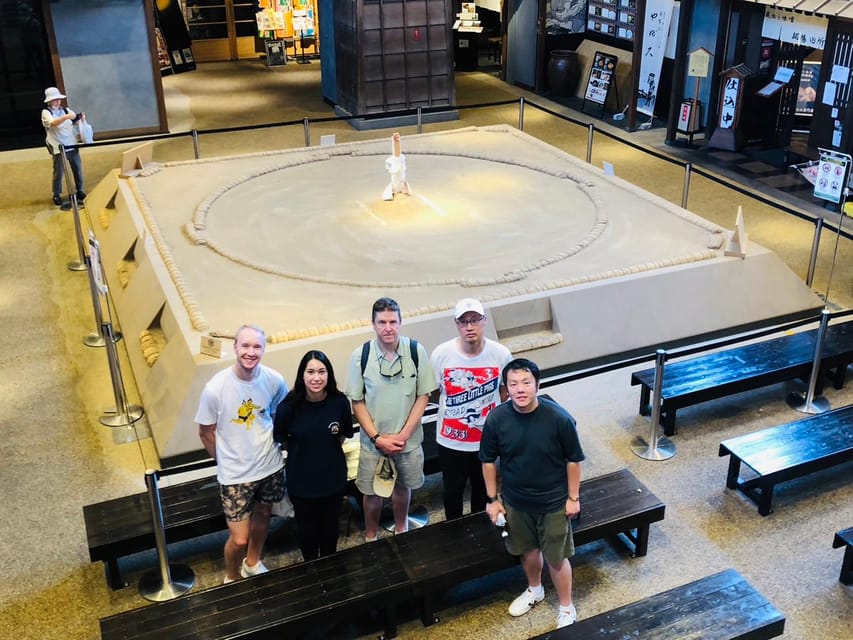
After the stable segment, you move toward Ryōgoku Edo NOREN for a guided visit lasting about 30 minutes. This stretch helps you reconnect what you just saw in the stable to how sumo sits inside Tokyo culture.
In a perfect world, this stop works like a breather: you’re not leaving entirely in wonder with zero explanations. Instead, you get more structured context before finishing back near Ryogoku Station.
That said, it’s the part I’d treat as flexible. One experience notes that the Sumo store stop could feel unnecessary. If you’re hoping for nonstop action, you might find the 30-minute cultural segment less gripping than the stable training itself. The upside is that it keeps the morning rounded instead of ending abruptly.
Price and Value: Is $103 Reasonable in Tokyo?
At $103 per person for about three hours, this isn’t a budget activity. But when I look at what you’re paying for, the number starts to make sense.
You’re paying for:
- Special permission from the sumo stable
- Live access to a morning practice
- Guidance by a sumo specialist and a national newspaper journalist
- Commemorative photos
- A format built around explanations and Q&A
Most cheaper sumo options in Tokyo either sell tickets for tournaments (which are hard to get) or offer general viewing with less context. Here, the access is the expensive part, and the guide effort is the value part.
If you’re a serious sumo fan, or even just a curious one, I think the price is easier to justify because you’re not only watching. You’re learning what you’re watching in real time.
Who This Tour Fits Best (and When to Skip)
This tour is a strong match if:
- you want real stable training rather than a staged show
- you care about learning the rituals, history, and daily structure of sumo
- you like asking questions and getting direct answers
- you value an English guide who can connect details to the sport you’ll recognize on TV
It’s not a great match if:
- you need wheelchair-friendly logistics (the information says the tour is not suitable for wheelchair users due to the traditional setup)
- you’re traveling with a baby under 1 year
- you’re not willing to sit on the floor for a practice viewing
Also, consider your expectations. If your main goal is a long walk around famous buildings or heavy shopping time, this is not that kind of tour. The center of gravity is the stable morning.
Practical Tips to Make Your Morning Smoother
Here’s how to show up prepared and get the most out of it:
- Bring a camera, but plan for no flash during practice.
- Wear comfortable clothes you can sit in for a while.
- Skip food plans during the tour since meals and drinks aren’t included.
- Keep your questions ready. The Q&A time is part of the design.
- Consider arriving a bit early at Ryogoku. One experience emphasizes that the group leaves right on time.
There’s also a useful prep-and-follow-up angle. Some recent groups mention receiving detailed pre-tour emails and post-tour links to documentaries and clips that match what your guide discussed. That turns the morning into a learning loop, not a one-off event.
Should You Book This Sumo Morning Practice Tour?
If your goal is to see sumo training the way it actually happens, I’d book this. The combination of stable permission, a real morning practice, and journalist-level context is exactly the kind of Tokyo experience that makes the sport click.
I’d think twice only if you know you can’t handle floor seating, or if you need a wheelchair-friendly setup. And if you’re mostly chasing a shopping or museum itinerary, the stable time is still the star here, so lean into that.
If you’re wondering whether it’s worth it versus tournament tickets: this tour won’t replace the drama of a full basho, but it may be better for understanding how wrestlers live and train between matches. In short, it’s a rare access morning—and in this case, you’re paying for access, not for packaging.
FAQ
What’s the meeting point for the tour?
You meet at Toei Oedo Line Ryogoku Station (E12), Exit A2 at ground level. It’s about a five-minute walk from the east exit of JR Ryogoku Station, and the operator will contact you with details before the tour date.
How long is the experience?
The tour lasts about 3 hours, with a 2-hour guided visit at Takasago-beya Sumo Stable and additional guided time at Ryōgoku Edo NOREN.
Is this a live sumo practice or a staged show?
It’s a live morning practice viewing with special permission from the sumo stable, plus guidance from a sumo specialist and a national newspaper journalist.
Are commemorative photos included?
Yes. Commemorative photos are included as part of the experience.
Can I use flash photography during the practice?
No. Flash photography is not allowed during the practice.
Are meals and drinks included?
No. Meals and drinks are not included.
Is wheelchair access available?
The activity info lists wheelchair accessible, but it also states the tour is not suitable for wheelchair users due to the traditional setup. If wheelchair access is a priority for you, it’s worth checking with the operator before booking.
What should I bring, and what shoes are allowed?
Bring a camera and wear comfortable clothes. Shoes are not allowed indoors, so plan for a no-shoe environment inside the stable.
Can I cancel and get a full refund?
Yes. You can cancel up to 24 hours in advance for a full refund.