REVIEW · TOKYO
Tokyo: Sumo Tournament with Guide & Assigned Reserved Seat
Book on GetYourGuide →Operated by AMIGO TOURS JAPAN GK · Bookable on GetYourGuide
Sumo is sport, ceremony, and theatre. This Tokyo experience pairs an official tournament at Ryogoku Kokugikan with an English guide who helps you understand what you are seeing.
My favorite part is how the guide turns confusion into confidence—people like Jorge, Mili, George, and Lily kept the rules, rankings, and rituals clear and practical. I also like the assigned reserved seats (B or C class, second floor), so you are not gambling on last-minute ticket luck.
The one thing to think about is the price. At $209 per person, it can feel steep for the ticket alone, even if the guide and guaranteed seating make it easier to justify.
In This Review
- Key takeaways before you go
- Ryogoku Kokugikan: Your reserved seat in Tokyo’s sumo home
- The 30-minute guided start that makes sumo click
- The 4-hour tournament visit: what you should expect to see
- Price and logistics: getting tickets, getting seats, getting value
- Photo moments and the sumo-district vibe
- What to bring and how to pace yourself
- Who this Tokyo sumo package is for
- Should you book this sumo tournament seat-and-guide package?
- FAQ
- How long does the Tokyo sumo tournament experience last?
- Where does the tour take place?
- Is the guide available in English?
- What seats are included?
- Is food or drinks included?
- Are food and drinks allowed during the event?
- Is the tour refundable if plans change?
- Is the tour suitable for people with mobility impairments?
- Can I change or choose different seats after booking?
Key takeaways before you go
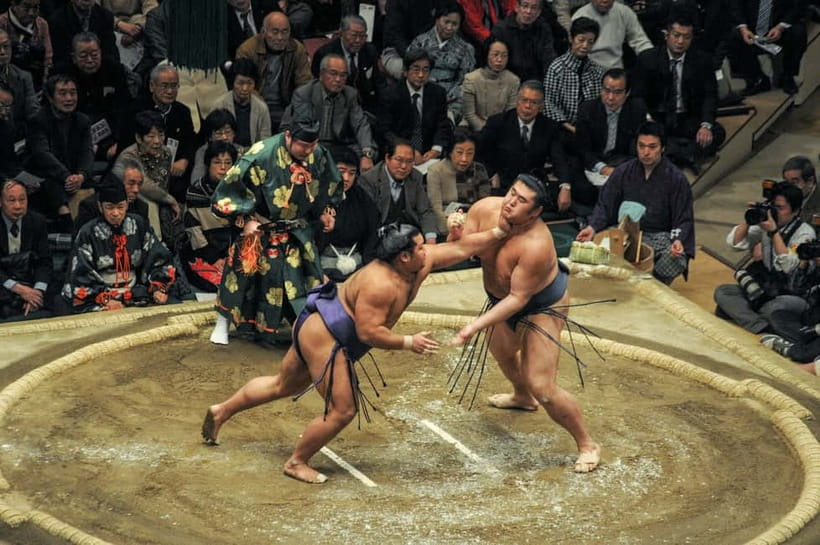
- Guaranteed seating at Ryogoku Kokugikan with reserved B or C class seats on the second floor
- A real sumo expert guide in English who explains rules, rituals, ranking, and techniques
- A focused 30-minute orientation before the tournament visit so you know what matters
- Four hours of live tournament time, not a quick look-and-leave
- Photo-friendly venue atmosphere, including storybook-style spots around the area
- No food and drinks allowed, so plan meals around the event time
Ryogoku Kokugikan: Your reserved seat in Tokyo’s sumo home
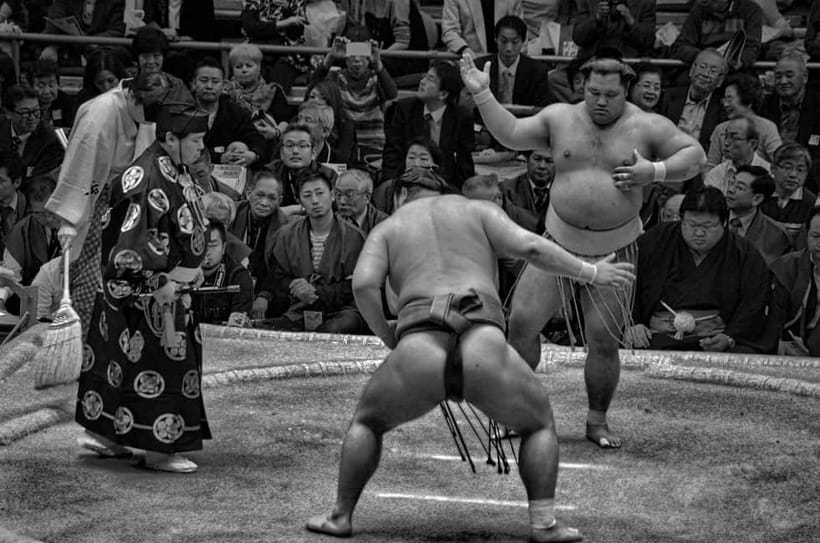
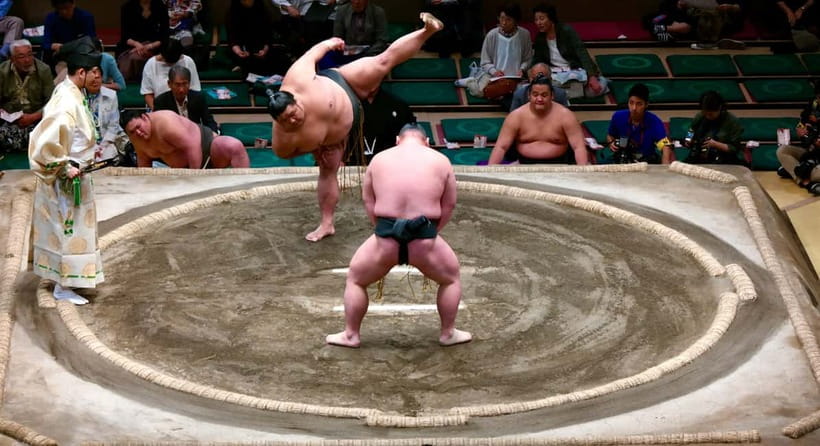
Ryogoku Kokugikan is where Tokyo goes when it wants to feel truly Japanese and truly specific. This tournament experience is built around one goal: getting you into the action at the official venue with seats already handled.
You get reserved seating in B or C class on the second floor. That matters because sumo tickets can be hard to secure, and a guide package like this removes a lot of stress. More than one guide note also suggests the seats are not just an afterthought—people reported that their view was clear enough to follow bouts and atmosphere.
One practical note: second-floor seating usually means you will watch the bout from farther back than the lowest levels. You’ll still see plenty, but if you are very image-obsessed or need the tightest possible views, plan to lean on the guide’s explanations and the energy of the crowd, not just distance.
You can also read our reviews of more guided tours in Tokyo
The 30-minute guided start that makes sumo click
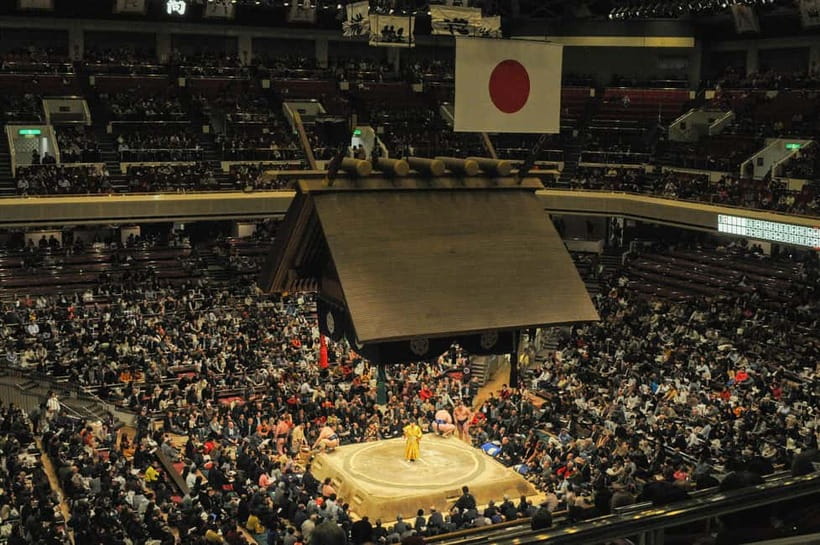
The schedule has a built-in on-ramp. Before you settle in, you get a guided orientation (about 30 minutes) focused on helping you read the tournament.
This is where the guide’s role earns its keep. With a good guide (names like Jorge, Mili, George, Cesar, Erik, and others came up repeatedly), you learn what you’re looking for: the rules, the ranking system, the cultural significance, and the basics of technique. Even if you start as a total beginner, you can leave the pre-tournament window feeling like you know what matters once the bouts begin.
Why that matters: sumo has its own logic, and without context it can feel like wrestling plus noise. With an explanation, you start noticing patterns—how rankings connect to the day’s matchups and how the rituals frame each bout as something bigger than a simple fight. People also said the guide answers questions during the show, which turns the tournament into an ongoing class you can watch.
There’s also a human factor. Some guides were praised for high energy and clear English, while one review mentioned a larger group size made it harder to hear explanations at times. So if your hearing is sensitive, try to stand where you have a good line to the guide during the talk.
The 4-hour tournament visit: what you should expect to see
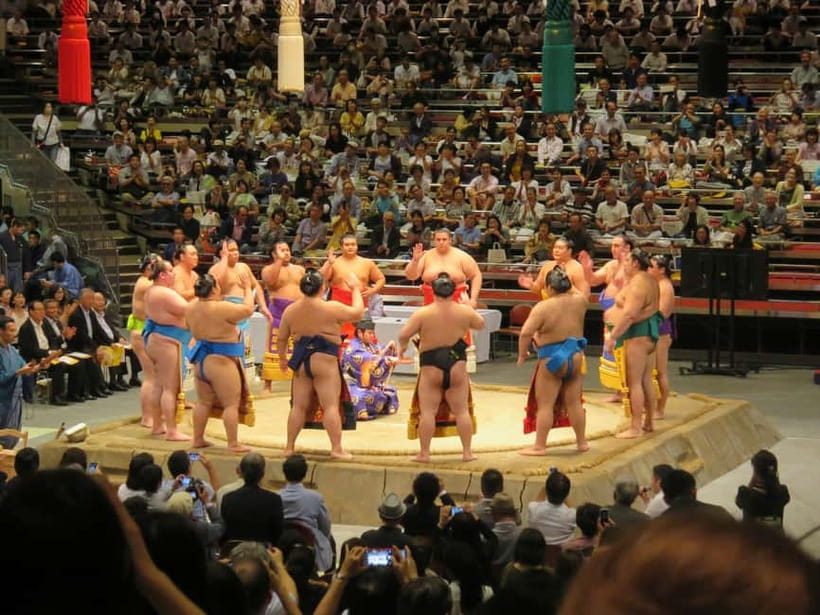
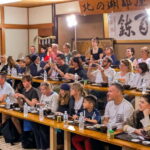
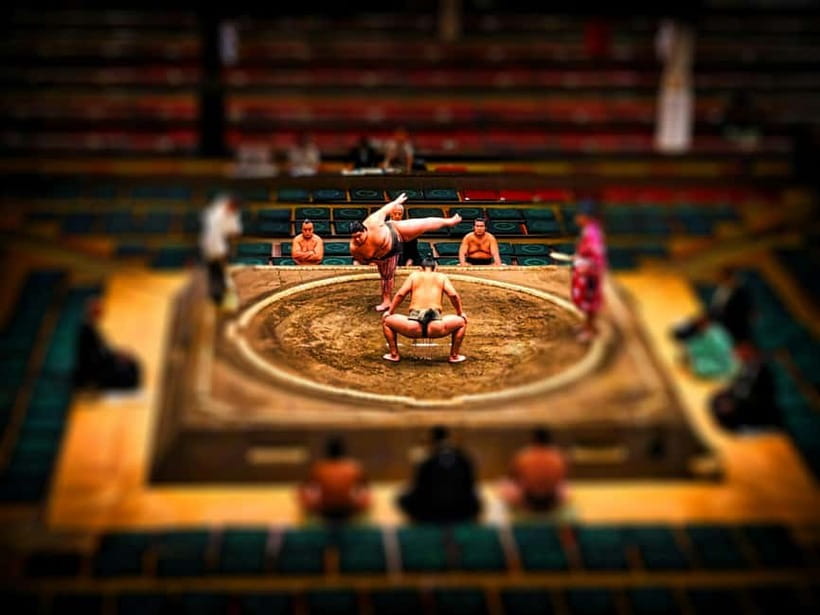
Once you’re inside the Ryogoku Kokugikan tournament portion, you get about four hours of live action. This is not a short taste. You’re meant to sit with the sport, see how the day unfolds, and let the guide’s context help you stay engaged.
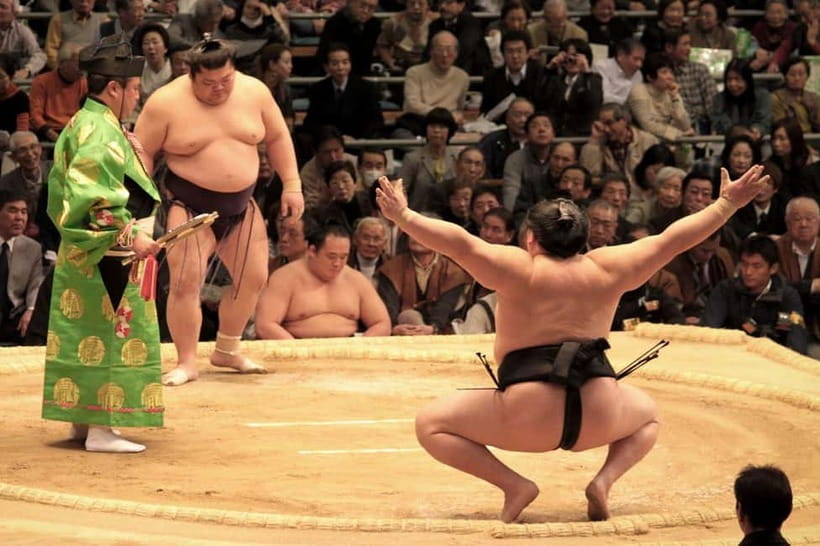
What you should expect is a continuous flow of bouts within an official tournament setting, with rituals and traditions taking center stage. The guide’s job is to keep you from getting lost by translating the culture around sumo into something you can actually follow: why certain practices matter, what the ranking system means, and how techniques connect to outcomes.
A big value here is that you’re not just watching. You’re watching with instructions running in your ear. That helps you notice when something is surprising, strategic, or meaningful rather than random. Several people specifically said the guide made them a fan because the experience turned from spectator mode into understanding mode.
Price and logistics: getting tickets, getting seats, getting value
Let’s be honest: $209 per person is not a budget-friendly add-on. In a few reviews, people directly compared this package to the idea that the base ticket might be far cheaper on its own, and then the guide fee looks like a big markup.
So where does the value come from?
First, access. Multiple comments emphasized that getting tickets through official channels is very difficult, especially when you’re traveling and want a specific date. If you are visiting Tokyo during a busy window and sumo is on your must-see list, paying for a package can beat the time cost and uncertainty cost.
Second, the guide. If you are new to sumo, the difference between watching clueless and watching with explanations can be huge. One review said the guide was worth his weight in gold, and that prepared them so they knew what was happening on arrival. In practical terms, this reduces the number of frustrating moments like not knowing who someone is, what a ranking implies, or why a ritual happens right before a bout.
Third, seat certainty. You get reserved seating in B or C class. Several comments also mentioned that assigned seating reduced the stress of figuring it out at the last minute.
A fair caution, though: some people felt the overall pricing strategy is exploitative, especially when they compared what the ticket might cost without the guide. If you already have sumo knowledge and you can get tickets easily, you might question whether the package is worth it for you. If you do not have that access or knowledge, this starts to look more reasonable.
Photo moments and the sumo-district vibe
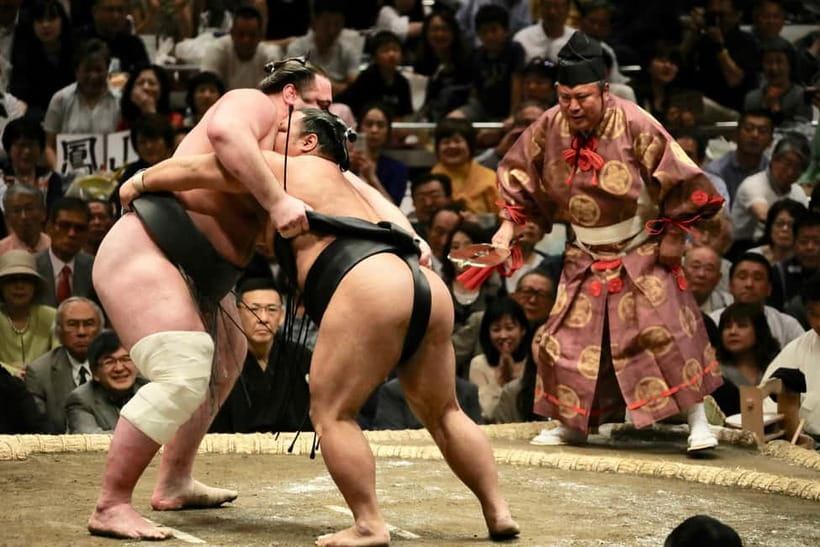
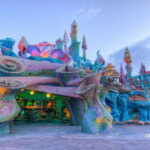
Sumo is visual. Even when you are focused on the bouts, there are photo opportunities around the venue area that make the day feel like a storybook moment. The highlights promise those photo-friendly scenes, and the wider sumo neighborhood energy supports that.
Some departures may also include short stops around the area near the arena, and at least one person described side time at Ekoin temple plus a nearby garden/cemetery area. If your schedule includes extra walking or quieter side spots, you’ll get a more complete Tokyo texture than just stadium time.
One caution from a review: if the group is talking while you’re walking through a noisy street, it can be hard to hear the guide. If you care about capturing the best photos and catching every word, be ready to balance the two and don’t assume every moment will be quiet.
What to bring and how to pace yourself
This experience is 4 to 5 hours long, and it includes both the guided orientation and the long tournament visit. You’ll want to treat it like an afternoon commitment, not a quick activity between train hops.
Here’s what’s clearly stated:
- Food and drinks are not included
- Food and drinks are not allowed
- The tour is English
- It is not suitable for people with mobility impairments
So plan your timing. Eat beforehand, and keep expectations realistic about snacks during the session.
What I’d bring based on the structure: comfortable shoes, a light layer (stadium temperatures can vary), and your best sumo-attention face. If you get bored easily without a plan, the guide explanations help, but you still need to show up mentally ready.
Also, remember you’re in a group. Even when the guide is excellent, larger group dynamics can make hearing less perfect at certain moments, so positioning helps.
Who this Tokyo sumo package is for
This tour is a strong fit if:
- you want to see a Grand Sumo tournament live at Ryogoku Kokugikan
- you have little or no sumo background and want a guide to explain rules, rituals, and ranking
- you want reserved seats without the stress of chasing sold-out tickets
- you enjoy structured cultural experiences where someone answers questions in real time
It may be a bad fit if:
- your priority is the lowest possible price
- you already have tickets and a good grasp of sumo and want only the match
- you need accessibility accommodations, since it is not suitable for mobility impairments
- you strongly rely on eating or snacking during activities, since food and drinks are not allowed
Should you book this sumo tournament seat-and-guide package?
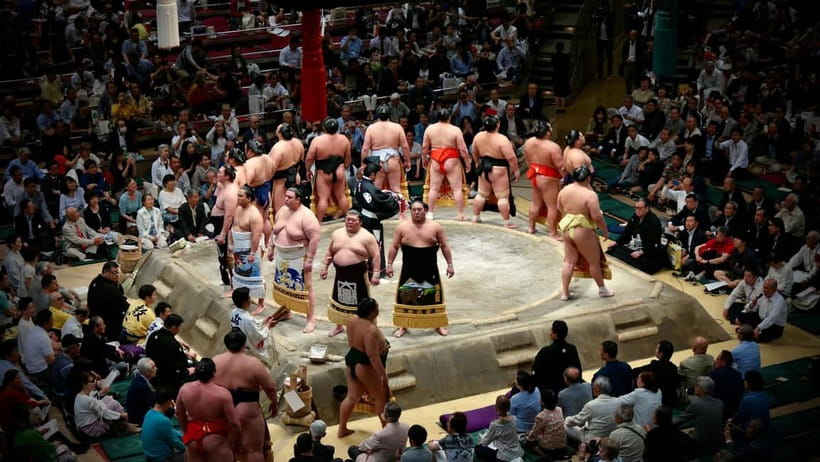
Book it if sumo is a top Tokyo priority and you want the experience to run with less uncertainty. The assigned reserved seats plus an English guide who can translate the rules, rituals, and ranking system can turn a confusing spectacle into something you understand and remember.
Skip or reconsider if you are purely cost-driven and confident you can secure tickets elsewhere without stress. In that case, you may be paying a premium for what you could handle on your own—especially if you already know sumo well.
If you fit the first group, this is one of those Tokyo days that delivers both entertainment and cultural clarity, which is exactly what you want from a once-in-a-lifetime sports tradition.
FAQ
How long does the Tokyo sumo tournament experience last?
The experience runs about 4 to 5 hours, depending on the starting time available for your date.
Where does the tour take place?
It takes place at Ryogoku Kokugikan, the major sumo venue in Tokyo (Honshu, Japan). Your meeting point can vary based on the starting option you book.
Is the guide available in English?
Yes. The live tour guide speaks English.
What seats are included?
You receive a reserved seat in B or C class, located on the second floor.
Is food or drinks included?
No. Food and drinks are not included.
Are food and drinks allowed during the event?
No. Food and drinks are not allowed.
Is the tour refundable if plans change?
No. This activity is non-refundable.
Is the tour suitable for people with mobility impairments?
No. It is not suitable for people with mobility impairments.
Can I change or choose different seats after booking?
The experience is listed as having an assigned reserved seat in the B or C class category on the second floor. Exact seat selection is not described in the provided details.