REVIEW · TOKYO
Tokyo: Meiji Jingu, Harajuku, Shibuya, and Shijuku Tour
Book on GetYourGuide →Operated by ABU · Bookable on GetYourGuide
Tokyo makes more sense with a guide. In four hours, you get Meiji Jingu calm, Harajuku style chaos, then Shibuya Crossing and Shinjuku’s night streets, all by public transport. I really like the contrast built into the route, and I also like that this tour is private and can be tailored in real time, with guides like Joe and Emir praised for fun stories and smart adjustments.
One thing to keep in mind: the pacing is brisk. You’ll have some free time in Shibuya and Shinjuku, but it’s still a 4-hour loop, so plan on choosing a few favorites rather than trying to do everything.
In This Review
- Key Points to Know Before You Go
- A 4-Hour West Tokyo Loop That Hits the Real Stuff
- Meiji Jingu: Shrine Calm in the Middle of Tokyo
- Harajuku: Takeshita Street Energy Plus Real Fashion Context
- Cat Street: A More Laid-Back Shopping Walk
- Shibuya Crossing: The World’s Most Famous Crowd Moment
- Shinjuku at Dusk: Omoide Yokocho and Golden Gai
- How Public Transportation Keeps This Tour Efficient
- Price and Value: What $103 Gets You
- Guides Make or Break the Experience (And Here, They Matter)
- Optional Animal/Snake Café: A Fun Add-On with Extra Fees
- Practical Tips So You Get the Best of Every Stop
- Should You Book This West Tokyo Private Tour?
- FAQ
- How long is the Tokyo: Meiji Jingu, Harajuku, Shibuya, and Shinjuku tour?
- Is the tour private and does it have an English-speaking guide?
- Where can I be picked up?
- What’s included in Shibuya and Shinjuku besides the main sights?
- Are meals included?
- Is there an optional animal or snake café stop?
- Is the tour wheelchair accessible?
Key Points to Know Before You Go
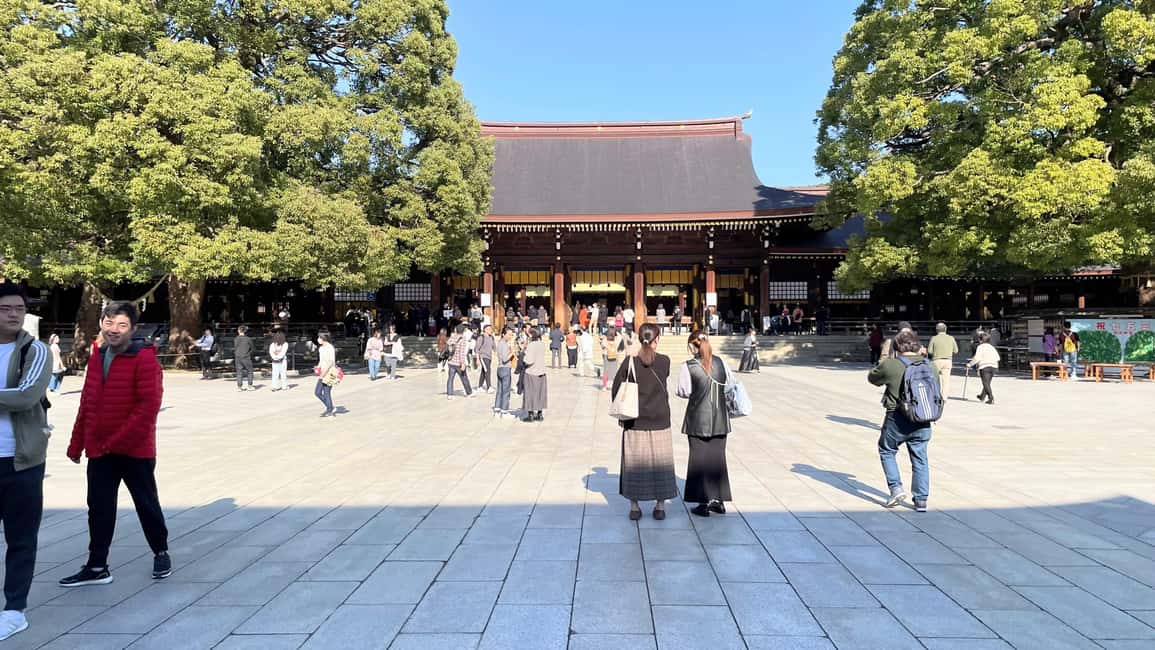
- Meiji Jingu rituals: You can see and join in shrine traditions like ema wishes and temizuya purification.
- Harajuku beyond Takeshita Street: A guided walk through the broader area, plus time for shopping and street art.
- Cat Street style: A more relaxed connector between Harajuku and Shibuya, with a mix of shops.
- Shibuya Crossing at peak photo moment: Watch the crowd move like clockwork when the lights change.
- Shinjuku night texture: Time around Omoide Yokocho and Golden Gai, plus iconic area sights.
A 4-Hour West Tokyo Loop That Hits the Real Stuff
This is the kind of Tokyo tour that helps you avoid the most common first-timer problem: seeing a few famous spots but missing what makes them Tokyo. The route is designed for speed and variety, moving from a sacred shrine setting to fashion streets, then to the city’s busiest pedestrian theater, and finally into Shinjuku’s nightlife backstreets.
You’ll be with a private, English-speaking guide for the whole time, which matters more than it sounds. I like that you’re not stuck following a script, and you can nudge the plan toward what you care about most—whether that’s shopping, photos, or culture notes that actually stick.
Price-wise, $103 per person is not a steal, but it can feel fair when you compare it to what’s included: shrine admission, public transportation, expert commentary, and multiple featured stops across Harajuku, Shibuya, and Shinjuku. Add in the fact that it’s private, and it starts to look more like value than cost.
You can also read our reviews of more tours and experiences in Tokyo.

Meiji Jingu: Shrine Calm in the Middle of Tokyo
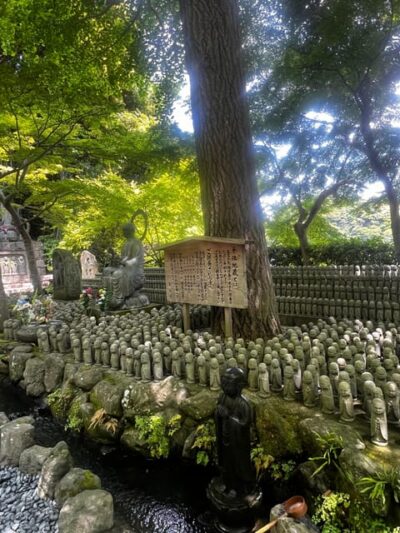
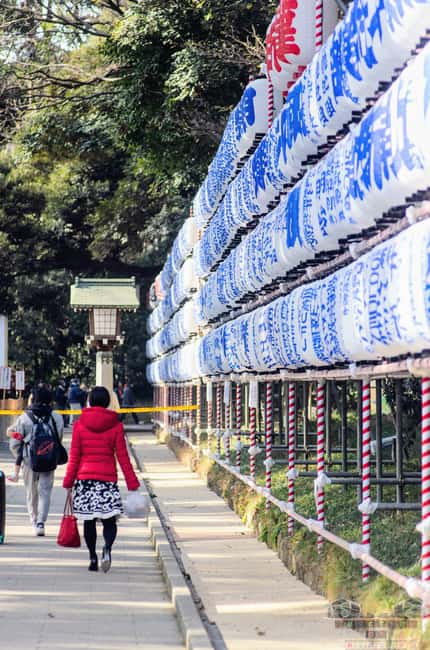
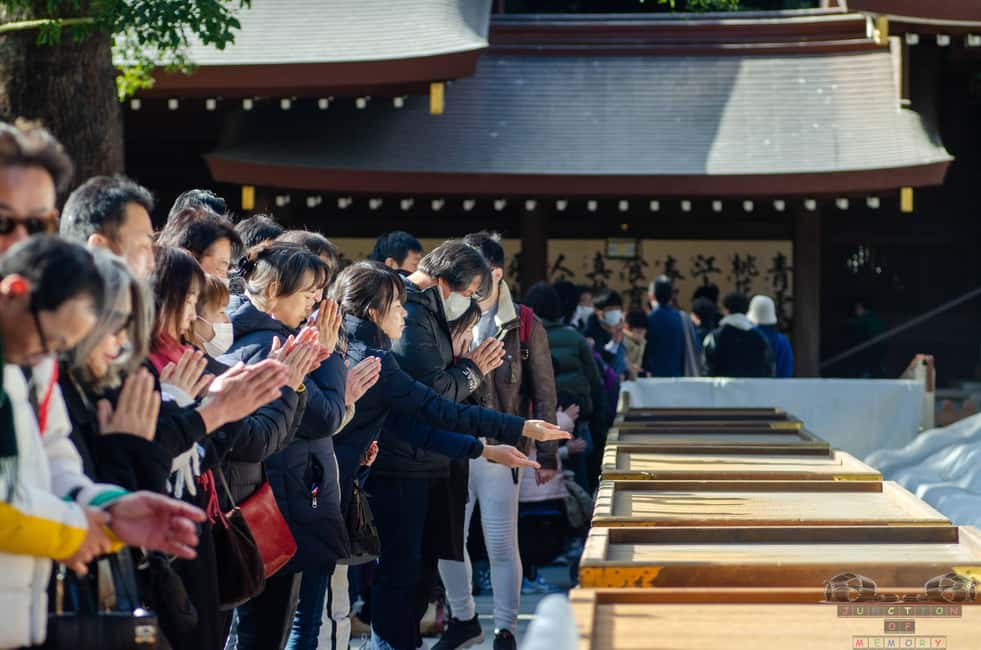
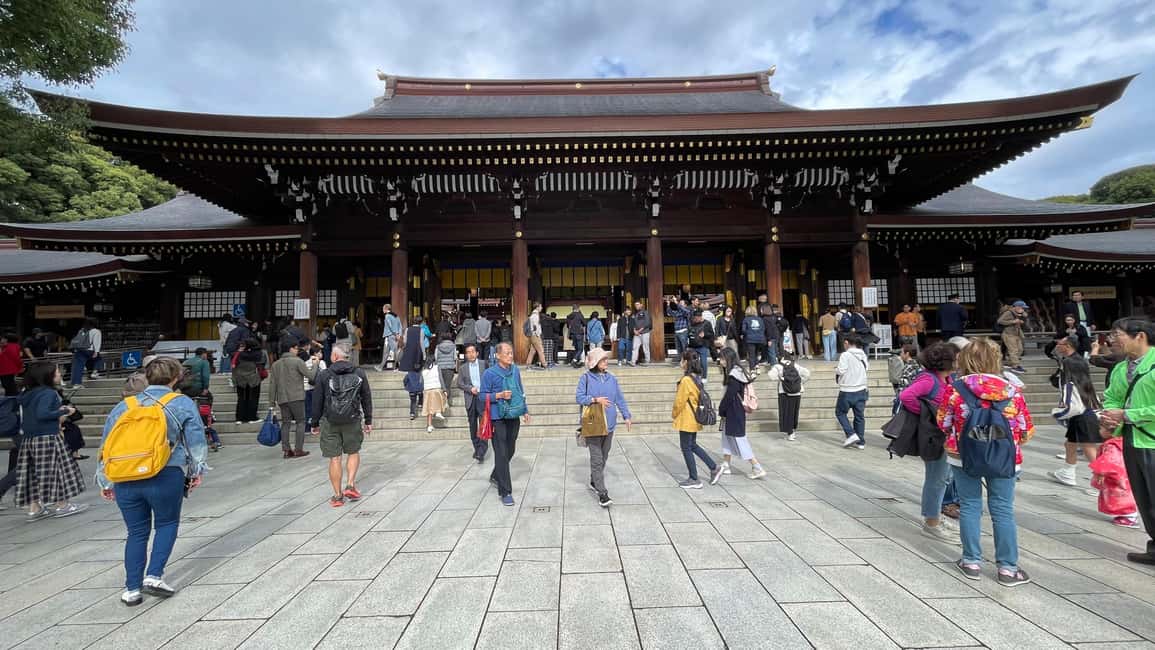
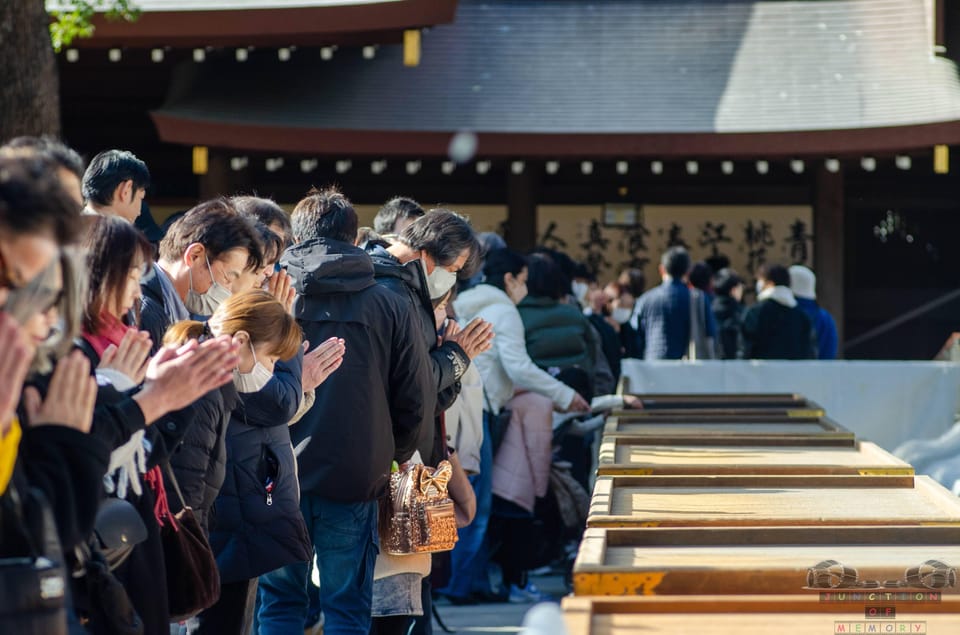
Meiji Jingu is the reset button. You’ll start at the shrine dedicated to Emperor Meiji and Empress Shoken, and the big idea here is atmosphere: a lush, tranquil forest that slows your breathing the moment you enter.
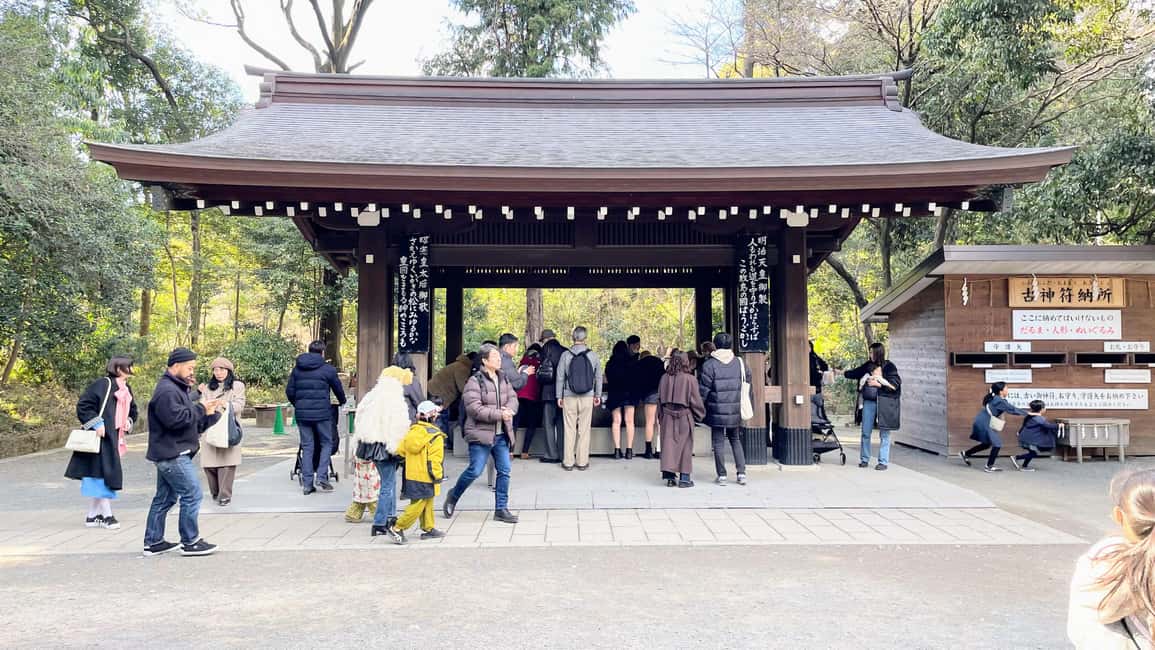
Your guide can walk you through what the place means, and you’ll also have a chance to experience classic Shinto traditions. That includes writing a wish on ema (wooden plaques) and using the temizuya water pavilion for purification rituals. Even if you’re not doing every step, watching how people participate helps you understand the site beyond just photos.
The temple-adjacent rules are simple: be respectful, keep your volume down, and follow signage for where you should walk and stand. The main practical drawback is timing. Meiji Jingu is serene, but in a 4-hour tour you won’t linger for long unless your guide builds extra time, so treat this stop as a meaningful introduction rather than a full deep visit.
Harajuku: Takeshita Street Energy Plus Real Fashion Context
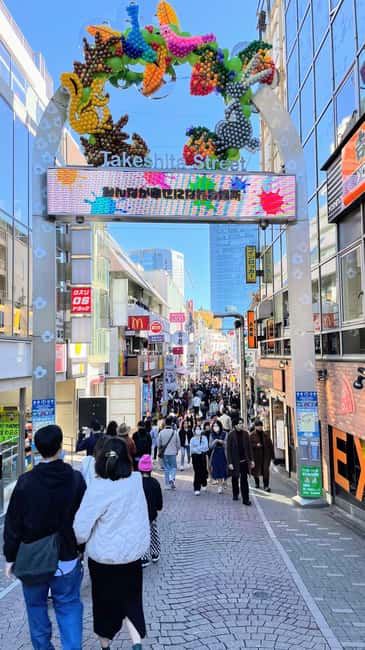
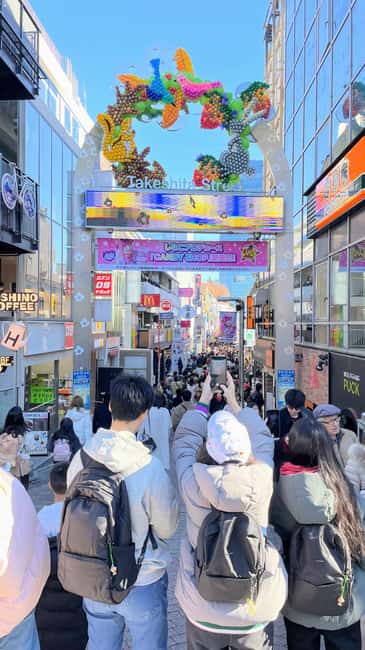
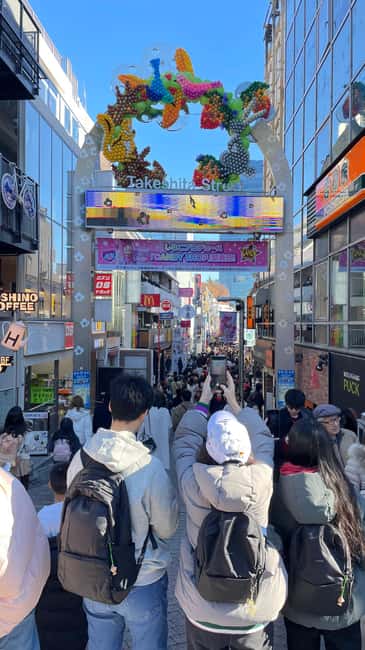
After the calm of Meiji Jingu, Harajuku hits you like a color-coded parade. Takeshita Street is the famous stretch for quirky shops, fashion experiments, and snack stands, and you’ll get a guided walk plus a photo stop and time to shop.
This is where you’ll likely want to indulge a little. Think crepes and rainbow-colored cotton candy—the kind of Tokyo street food you remember because it’s visual as well as tasty. Since meals aren’t included, this is a smart moment to grab a treat that fits your budget.
What makes this tour better than walking Takeshita Street alone is the context. Your guide can explain how Harajuku became a youth fashion hotspot and how the neighborhood has evolved over time. That’s especially helpful if you want to understand why certain styles show up here first.
Cat Street: A More Laid-Back Shopping Walk
Between Harajuku and Shibuya, Cat Street works like the breather. It’s known for a mix of high-end and vintage shops, and the tone is a step less intense than Takeshita Street—more browsing, less sprinting.
You’ll usually see a cleaner mix of styles here: boutiques, smaller storefronts, and a street feel that encourages you to slow down. If you like fashion photography, this is also a good place to stop and compare what you saw at Takeshita Street with what you’re seeing now.
The only catch is that shopping time is limited in a 4-hour format. If you’re serious about buying things, tell your guide early where you want to spend time, so your route doesn’t turn into quick peeks only.
Shibuya Crossing: The World’s Most Famous Crowd Moment

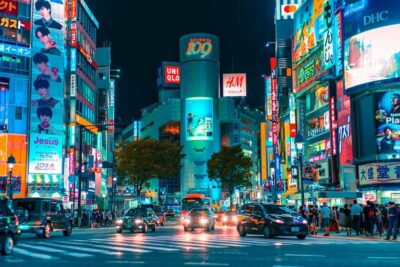
Then you get the moment everyone wants: Shibuya Crossing. This is one of the busiest pedestrian crossings in the world, and when the traffic lights change, hundreds of people move in coordinated waves. Your guide can help with timing and the best general vantage points for photos.
The trick with Shibuya Crossing is not the crossing itself. It’s knowing how to stand, where to look, and when to raise your phone so you actually catch the crowd rather than just watching from the wrong angle.
This tour also builds in time in Shibuya City, including break time and free time. That’s where you can layer in additional interests—especially since the tour includes a visit to the Pokémon Center in Shibuya. If you’re a fan, this can be a fun contrast to the fashion streets. If you’re not, it still gives you a very Tokyo kind of retail experience.
And yes, shopping is part of the plan. You’ll also have time at Don Quijote, a popular discount store that’s useful for practical souvenirs and snacks.

Shinjuku at Dusk: Omoide Yokocho and Golden Gai
Shinjuku is where Tokyo turns up the personality. You’ll end in the district known for nightlife, entertainment, and an endless mix of streets to explore.
One included highlight is Omoide Yokocho (Memory Lane), a narrow alley known for its old-school atmosphere and tiny bars. Nearby, you’ll also spend time around Golden Gai, the cluster of small venues that gives Shinjuku its distinct after-hours texture.
Your guide can point out what to watch for as you walk: the way these areas are organized, the vibe of different spots, and where it’s worth lingering for photos. The itinerary also includes time for sunset and walking, which matters because the lighting changes fast here. If you want atmospheric pictures, aim to keep your phone accessible right as you arrive.
The one consideration is that nightlife areas can get crowded quickly, especially around peak hours. Since this is still a 4-hour tour, you might not have long seat-time at every location. Think of it as a tasting menu of Shinjuku, not a full night out.
How Public Transportation Keeps This Tour Efficient
This tour is designed around public transit, and that’s a big part of the value. You’re not spending the whole time in traffic or doing slow taxi hops. Instead, you’ll take metro/subway segments between neighborhoods and then walk between key zones.
The schedule includes short subway transfers (around 10 to 15 minutes stretches) that keep momentum without feeling like you’re sprinting. That makes the tour manageable even if it’s your first day in Tokyo and you’re still learning how trains work.
Practical tip: when you’re planning footwear, choose shoes you can walk in comfortably for multiple segments. Even with guides and break time, you’ll still cover a lot of ground across shrine paths, street markets, and Shinjuku alleys.
Price and Value: What $103 Gets You
At $103 per person for 4 hours, the real question is what you’re buying besides sightseeing. Here’s what’s included that usually costs extra on your own: private English-speaking guide time, Meiji Jingu admission, public transportation fees, and entry to key experiences like the Pokémon Center visit.
Shopping support is also part of the value. You’ll hit Don Quijote, and you’ll have structured time for exploring Harajuku and Shibuya rather than guessing where to go. That can save you a lot of decision fatigue on a short trip.
Meals and beverages are not included, so you’ll likely buy at least one snack or drink along the way. That’s normal for Tokyo, but it does change budgeting. I’d treat this tour as a cultural and logistics win, then plan for small personal purchases on your own.
If you want extra add-ons—like animal or snake cafes—those can cost extra. The tour can handle that as an option, but it’s not part of the base price.
Guides Make or Break the Experience (And Here, They Matter)
In the reviews, the guides are consistently the reason people sound genuinely happy. Names that pop up: Joe, Ayoub, Maruf, Erica, Emir, and Amir. The common thread is customization and strong communication—people described guides who tailored the route as they went and who were great about answering questions without rushing.
I love the fact that you can get help with photos too. Some guides are specifically praised for taking lots of pictures through each stop, which is useful if you want memories without awkward self-timer photos on crowded sidewalks.
If you’re traveling with kids, pay attention to this feature. One review highlights a guide (Erica) who put extra effort into connecting the tour to a 12-year-old’s interests, including helping with practical things on the first full day in Japan. That’s a good sign if you want Tokyo to feel less intimidating.
Optional Animal/Snake Café: A Fun Add-On with Extra Fees
In Shibuya, there’s an option to visit an animal or snake cafe. These spots let you interact with animals in a controlled, cozy environment, and they can be a memorable Tokyo-specific experience.
But you have to treat this as optional for two reasons. First, additional fees may apply. Second, it needs to be requested at the beginning so your guide can fit it into the time.
If you’re curious, ask right away rather than waiting. A 4-hour tour can’t always absorb a last-minute swap without squeezing other stops.
Practical Tips So You Get the Best of Every Stop
Keep your priorities flexible. The schedule is set up for big hits—Meiji Jingu, Takeshita Street, Cat Street, Shibuya Crossing, and Shinjuku nightlife—but your guide can still adjust based on your interests.
Bring cash or a card plan for snacks and purchases, especially since meals aren’t included. Also, plan on shopping for specific items rather than roaming endlessly—Don Quijote and Harajuku can tempt you into “just browsing,” which eats time.
Weather matters in Tokyo. If it rains, you’ll still do a lot outdoors and in covered areas, so having a small umbrella or light rain layer is smart.
Finally, if accessibility is a concern, good news: the tour is listed as wheelchair accessible. Still, ask your guide about your comfort level with walking portions, especially in Harajuku and Shinjuku side streets.
Should You Book This West Tokyo Private Tour?
Book this if you want a smart first hit of West Tokyo without spending your day figuring out logistics. You’ll get a clean mix of sacred space, fashion streets, iconic street energy, and a Shinjuku nightlife feel—all with a private guide and public transport planning.
Skip or reconsider if you’re the type who needs lots of downtime, or if you plan to shop heavily for hours on end. This is 4 hours, so it’s a focused route, not a long shopping spree or a full-day shrine-and-museum day.
If you want maximum value from a limited schedule—and you like the idea of getting real context from a guide—this tour is a strong match.
FAQ
How long is the Tokyo: Meiji Jingu, Harajuku, Shibuya, and Shinjuku tour?
The tour lasts 4 hours.
Is the tour private and does it have an English-speaking guide?
Yes. It’s a private group tour with a live English-speaking guide throughout.
Where can I be picked up?
Pickup options include Minato City, Shibuya City, Taito City, and Shinjuku City.
What’s included in Shibuya and Shinjuku besides the main sights?
In Shibuya, the tour includes a visit to the Pokémon Center, and shopping/exploration at Don Quijote is included. In Shinjuku, the tour includes time to explore Omoide Yokocho (Memory Lane) and Golden Gai.
Are meals included?
No. Meals and beverages are not included unless specified in the itinerary.
Is there an optional animal or snake café stop?
Yes, you can add an animal or snake café in Shibuya if you request it at the beginning. Additional fees may apply, and your guide can help you choose based on your interests.
Is the tour wheelchair accessible?
The tour is listed as wheelchair accessible.