REVIEW · TOKYO
Tokyo:Stroll in Old traditional culture towns~Yanaka & Nezu
Book on GetYourGuide →Operated by Undiscovered Tokyo Tours · Bookable on GetYourGuide
Old streets beat neon every time. This slow, guided walk through Yanaka and Nezu lets you feel what Tokyo used to be, not just what it sells. I especially love two things: the chance to step into real neighborhood life (kids playing, older folks doing errands), and Sui’s way of turning temples and shrines into something you can actually understand.
One heads-up: this is still 3.5 hours on foot, with staircases, so comfortable walking shoes matter more than you’d think.
In This Review
- Key highlights you’ll care about
- Why Yanaka and Nezu Feel Like Old Tokyo (and not a theme park)
- Meeting at Nippori Station and Settling Into a Relaxed 3.5 Hours
- Nezu Shrine’s Torii Path: Shinto Atmosphere at a Human Scale
- Tennoji Temple and the Bronze Buddha in a Peaceful Garden Setting
- Yanaka Cemetery: Trees, Timing, and a Different Kind of Tokyo Walk
- Meiji-to-Showa Streets: What Old Buildings Tell You
- Yoshida Liquor Store and the Pleasure of Small-Shop Tokyo
- Yanaka Ginza Street Food and Souvenirs (and Why It’s Not Always Included)
- The Sunset Staircase Photo Moment (Popular With Locals for a Reason)
- The Real Secret Weapon: Sui’s Guiding Style
- Price and Value: Does $29 Feel Worth It?
- Sakura season and summer heat: how the tour changes
- Practical tips so the walk feels easy, not exhausting
- Should you book the Yanaka & Nezu walking tour?
- FAQ
- How long is the Yanaka and Nezu tour?
- Where do we meet the guide?
- What places are included on the walk?
- Do you visit Yanaka Ginza in summer?
- Is there a seasonal food or drink included?
- What should I bring?
- Is the tour wheelchair accessible?
Key highlights you’ll care about
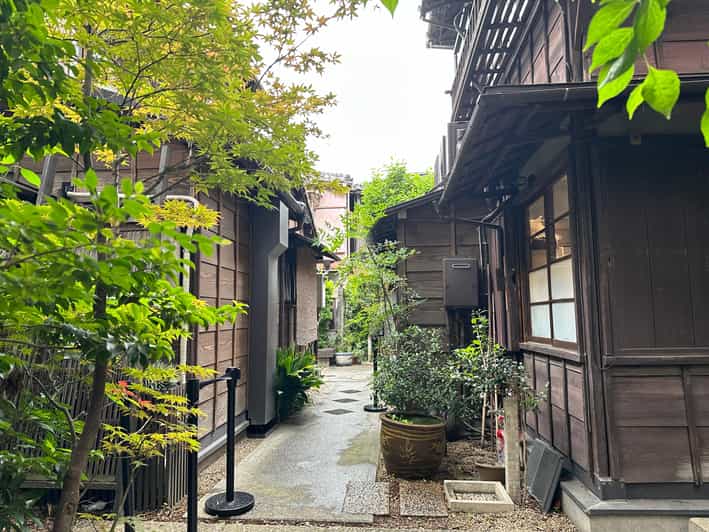
- Yanaka + Nezu in one easy loop: temples, shrines, cemeteries, and old residential lanes without sprinting
- Religion you can see, not just read: Shinto and Buddhist sites explained in plain, human terms
- Old shop culture: stops like a traditional sake shop, plus chances to talk with people you meet
- Quiet photography moments: scenic cemetery trees and a local favorite sunset staircase
- Seasonal extras: sakura mochi in spring, and a shaded café break with a drink in summer
Why Yanaka and Nezu Feel Like Old Tokyo (and not a theme park)
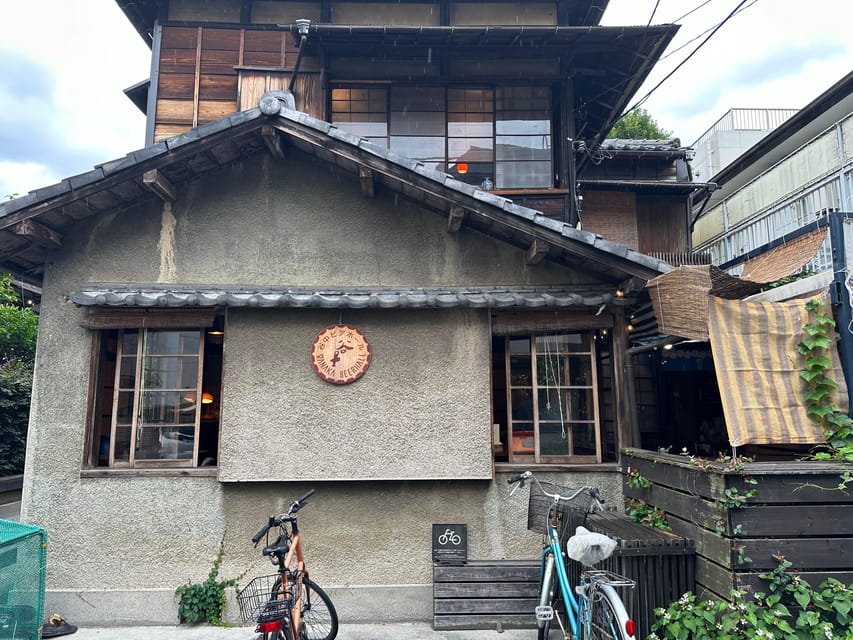
Tokyo can hit you like a wall of sound. Then, one train stop can change the mood completely. Yanaka and Nezu give you narrow streets, weathered buildings, and a slower rhythm—exactly the kind of place where you can look up and realize old Tokyo is still here.
What makes this walk work is the balance: you’re not only hitting a few big sights. You’re also moving through residential areas where daily routines continue. You’ll notice how the neighborhood’s shape—small lanes, gentle detours, quiet corners—makes the experience feel personal instead of rushed.
You can also read our reviews of more tours and experiences in Tokyo.



Meeting at Nippori Station and Settling Into a Relaxed 3.5 Hours
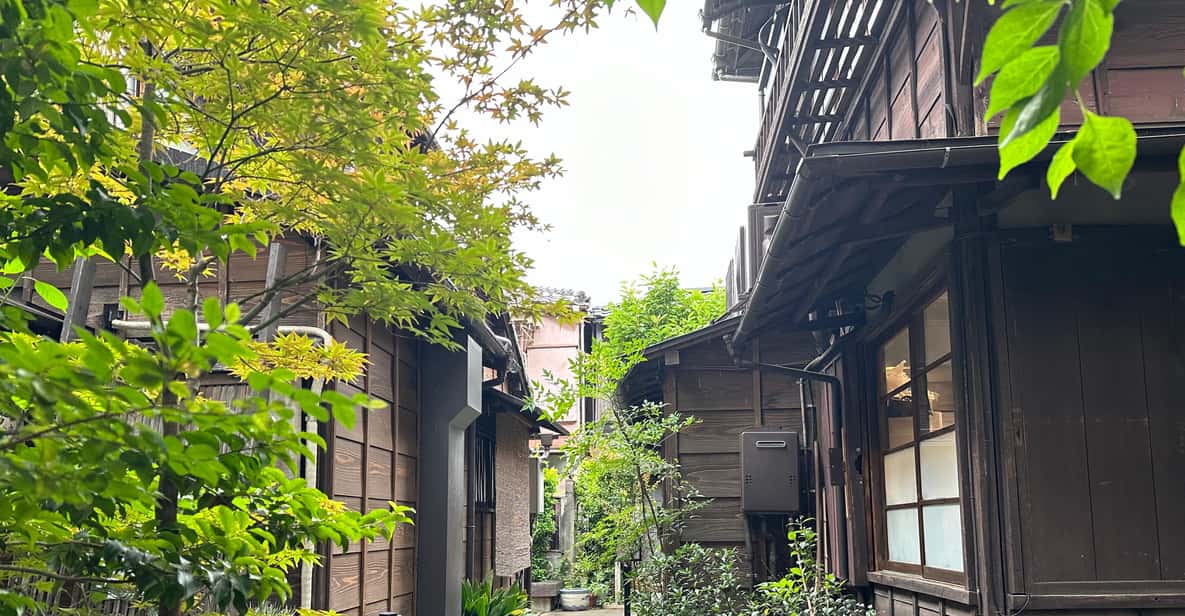
The tour starts at Nippori Station (West Exit). The guide waits at the exit area after you come out, and the group heads out on time. This matters because you’re walking a lot, and the best parts are tied to pacing—stopping when it’s interesting, not when it’s convenient.
You’ll be out for about 210 minutes (the schedule can run a little earlier or later). You’ll also finish at one of three drop-off points: Nippori Station, Yanaka Ginza, or Nezu Station, depending on the flow of the day and the season. That flexibility is handy if you’re planning another activity right afterward.
Small group tours tend to feel tighter and less chaotic. Here, it also gives you room to ask questions and actually talk with Sui as you go.
Nezu Shrine’s Torii Path: Shinto Atmosphere at a Human Scale
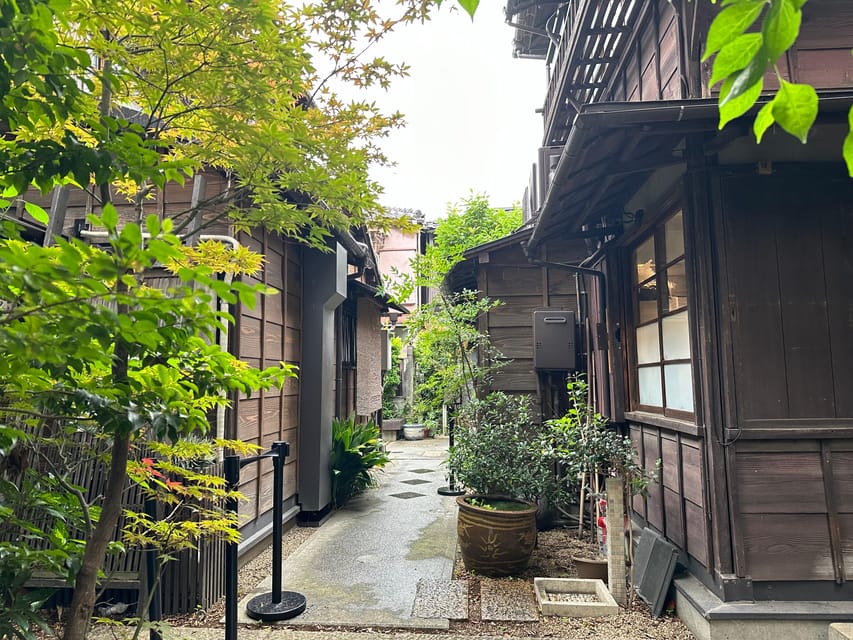
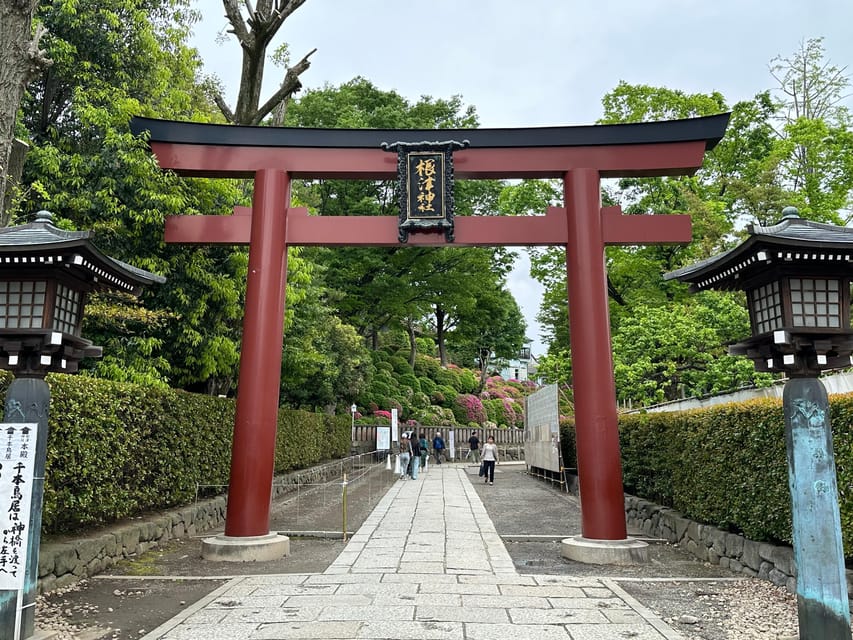
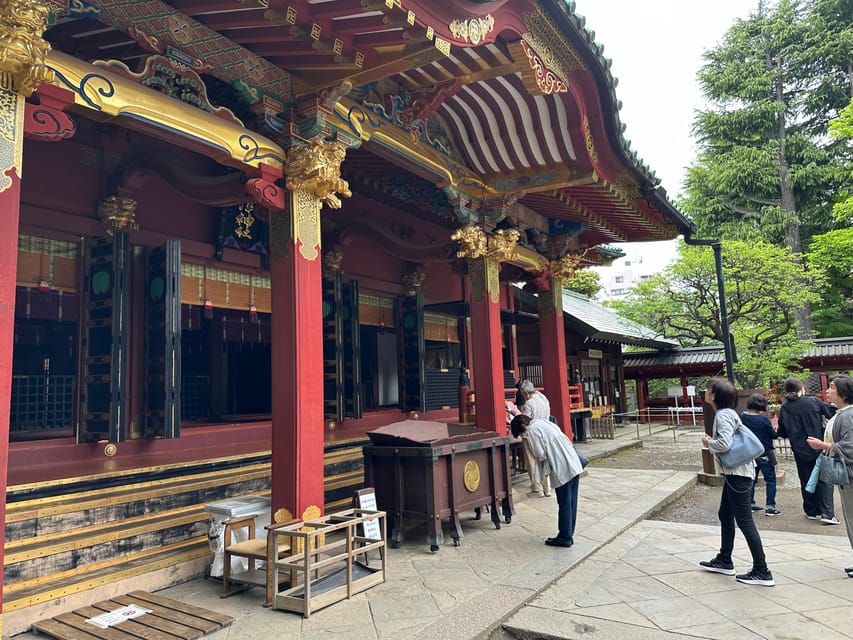
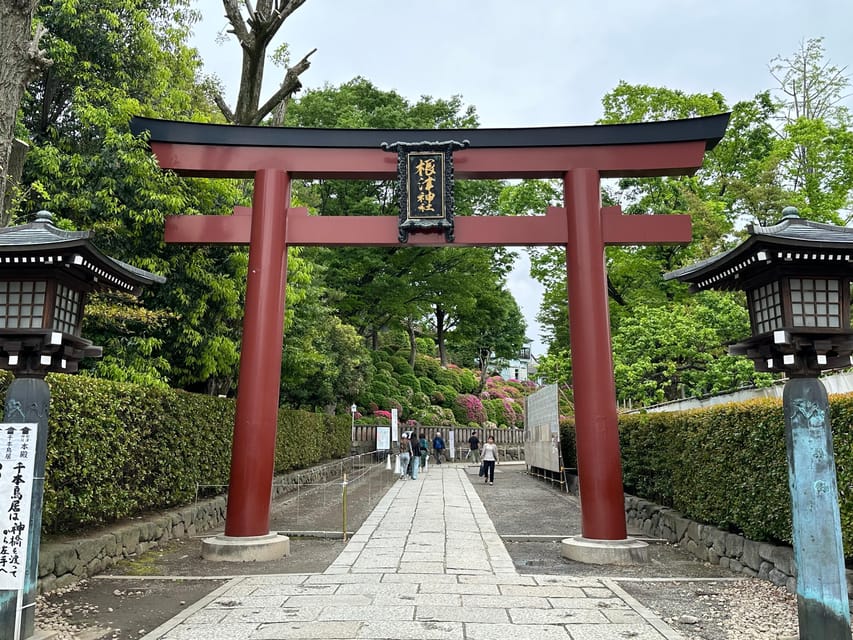
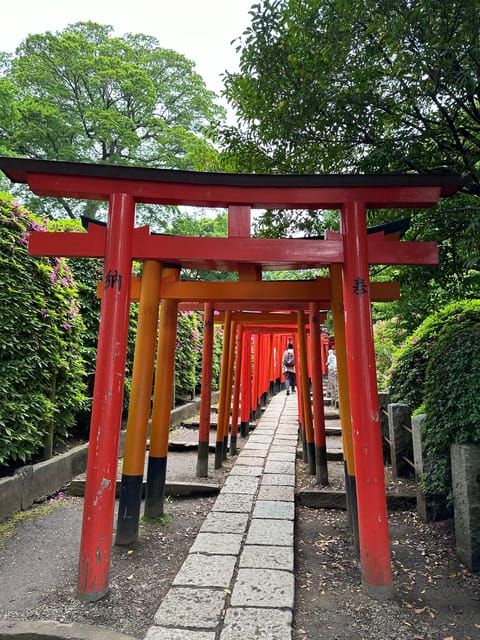
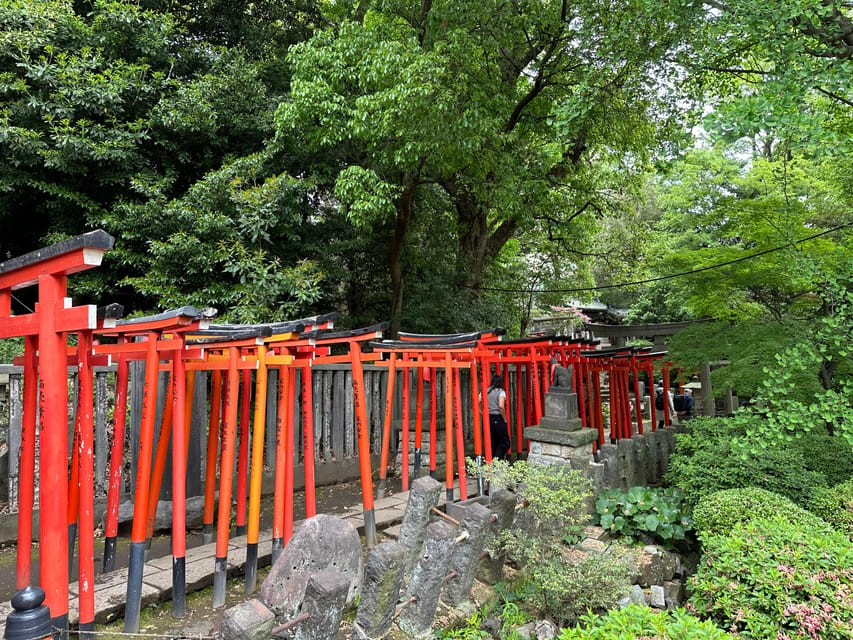
Nezu Shrine is one of Tokyo’s older places of worship, and the approach is part of the magic: a torii-lined pathway that pulls you away from modern streets and into a more ceremonial mood.
This stop is valuable even if you’ve seen shrines before. The guide’s explanations help you connect what you’re looking at—ritual spaces, the layout, and why people come—not just the visuals. And because the neighborhood is quieter than the major tourist zones, you can slow down without constantly weaving around crowds.
What to watch for: the shrine area can involve walking on uneven ground and around steps depending on where you pause for photos and explanations.
Tennoji Temple and the Bronze Buddha in a Peaceful Garden Setting
Next comes Tennoji Temple, with a large bronze seated image of Buddha and a garden that gives you a calm reset. This is the kind of stop where the atmosphere changes from sightseeing mode to quiet attention.
The garden matters because it gives you a moment to breathe. I like when a tour includes at least one pause that’s not just another photo stop. Here, you get that chance to stand, look around, and let the place do some of the work for you.
You’ll also learn how Buddhist spaces function in everyday life—how people relate to the site beyond the architecture.
Yanaka Cemetery: Trees, Timing, and a Different Kind of Tokyo Walk
Yanaka Cemetery is one of Tokyo’s largest and scenic cemeteries, and the layout is what makes it special. The standout detail is the row of trees, which gives the walk-through a strong sense of order and calm.
For many people, a cemetery is not on the usual list of Instagram spots. But that’s exactly why it’s worth including. You see another side of Tokyo culture: memory, respect, and how nature and ritual coexist in the city.
Tip for the vibe: keep your voice down, take your time, and don’t treat it like a quick stroll. The most rewarding moments are the ones you slow down for.



Meiji-to-Showa Streets: What Old Buildings Tell You
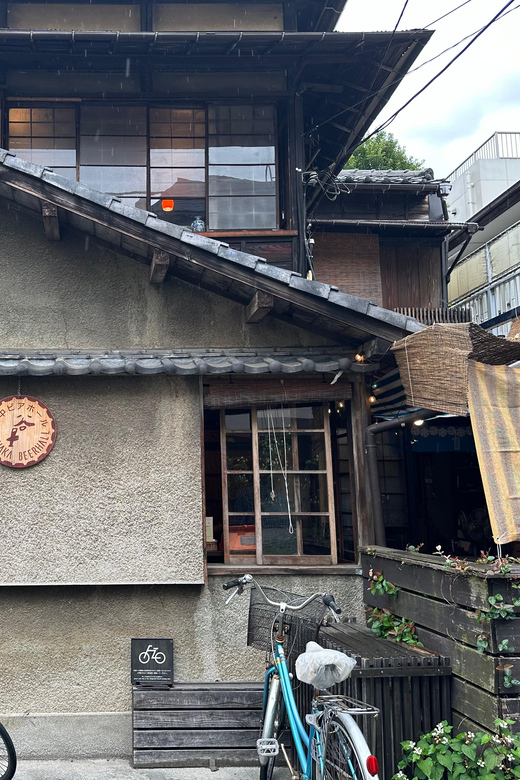
As you walk, you’ll see traditional buildings and structures from before World War II—from the Meiji period (1868 to 1912) through the Showa period (1926 to 1989). That range matters. It’s not just one “old style.” It’s a whole timeline of how the neighborhood kept changing while still retaining character.
This section of the walk is one of the tour’s best arguments for doing it with a guide. Without context, you’d just see old houses and shop fronts. With context, you start noticing patterns: what kind of structures survived, what kinds of streets are built for local movement, and why some areas stayed quieter while other parts of Tokyo exploded into skyscrapers.
In the same breath, you’ll also pass residential houses and smaller spots that don’t scream tourist attraction. That’s where you feel Tokyo as a place where people live, not just visit.
Yoshida Liquor Store and the Pleasure of Small-Shop Tokyo
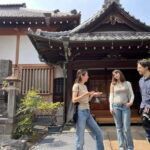
You’ll stop at Yoshida Liquor Store, a traditional sake shop. Even if you don’t buy anything, it’s a strong example of how local commerce works in Japan: long-standing businesses, familiar products, and shopkeepers who know their regulars.
This is also where the tour’s “talk to locals” promise becomes real. You may get chances to interact with people at older shops—ask questions, hear the guide’s explanations, and learn what’s ordinary here.
Practical note: bring some cash just in case something grabs your eye. The tour emphasizes local shops that may have items you can’t easily find everywhere else.
Yanaka Ginza Street Food and Souvenirs (and Why It’s Not Always Included)
Yanaka Ginza is the traditional shopping street, and your guide introduces what to look for—street food, everyday Japanese food, and small souvenir shops.
This part is fun because it feels like walking while you snack, but in a controlled way. You’re not hunting alone; you’re learning what to try and where the culture shows up in the details.
One important seasonal difference:
- In summer, Yanaka Ginza is not visited, and the tour ends at Nezu Station.
- In the rest of the year, it’s part of the regular flow.
So if food streets are a big priority for you, plan your date with that in mind.
The Sunset Staircase Photo Moment (Popular With Locals for a Reason)
You’ll also see the Sunset staircase, a photo spot that’s popular among locals. It’s the kind of place where the neighborhood lines up beautifully, but what makes it special is the context: you’re not rushing to it. You’re arriving after hours of slow walking, so it feels earned.
Even if you don’t care about photos, it’s still a good mental marker—this is the point where the tour’s energy shifts toward a memorable, view-based end.
The Real Secret Weapon: Sui’s Guiding Style
Sui is the main guide, and it shows. People consistently mention her energy, her timing (she’s there early and makes it easy to find her), and her ability to answer questions without turning the walk into a lecture.
What I like most is that she doesn’t just list places. She explains the logic behind them—religion, local lifestyle, why these streets look the way they do, and how people use shrines and temples in daily life. If you’ve ever felt that temple visits in Tokyo are either too fast or too mysterious, this tour hits the middle.
You’ll also get plenty of chances to pause for pictures. Some guides speed you along for group efficiency; this one keeps the human pace. And on many days, Sui offers practical suggestions for food and shops—useful when your next stop isn’t planned down to the minute.
Finally, one small but meaningful detail: there are moments where you learn how to participate respectfully at worship sites. That turns a sightseeing day into something you can actually do correctly.
Price and Value: Does $29 Feel Worth It?
At $29 per person for about 3.5 hours, the value comes from the mix:
- You’re getting multiple major cultural spaces: Nezu Shrine, Tennoji Temple, and Yanaka Cemetery.
- You’re also getting the neighborhood layer: quieter residential lanes, old shop fronts, and daily life you can’t easily spot on your own.
- You get a guide for the entire walk, including time to answer questions and adapt to the group’s interests.
The seasonal inclusions help too:
- Spring includes free sakura mochi (with a fallback if it isn’t available).
- Summer includes a drink at a café in an older traditional-style building.
For a city day where you’d normally spend money on transit plus scattered admissions plus a guided explanation here and there, this tour bundles a lot of interpretation into one affordable outing.
Sakura season and summer heat: how the tour changes
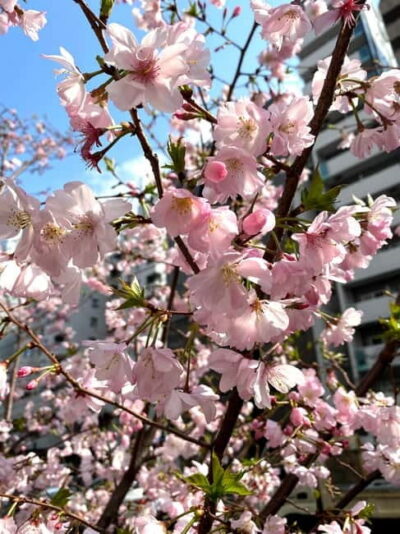
Spring (around sakura time): The tour offers free sakura mochi for everyone in the sakura season window (listed as 25 Mar to 25 Apr 2026, and the bloom period is weather-dependent up to 10 Apr 2026). If the mochi isn’t available, it’s replaced with other traditional Japanese sweets or food.
Summer (1 June to 11 September 2026): Summer adds a stop in a café transformed from an old traditional building, with one drink included. The reason is simple: Tokyo heat can be serious, and the plan avoids staying outdoors too long. Also, Yanaka Ginza is skipped, and the tour ends at Nezu Station.
So the tour isn’t copy-paste year-round. It’s tuned for what your day will actually feel like.
Practical tips so the walk feels easy, not exhausting
This is a walking tour. That sounds obvious, but the details matter.
Bring:
- Comfortable shoes (you’ll do lots of walking)
- Cash (for shops and snacks)
Expect:
- Stairs during parts of the route
- Some shops may be closed depending on the day. Monday closures are common, but you can still enjoy the neighborhood streets.
From experience with how this kind of tour runs, I’d also plan to eat earlier or bring a light snack. The schedule can go through lunchtime, and once you’re deep in temple and cemetery time, it’s not the moment you want to start searching for food.
And if you’re visiting in very hot weather, take the drink break seriously. It’s not a “nice bonus.” It’s part of keeping the day comfortable.
Should you book the Yanaka & Nezu walking tour?
Book it if you want Tokyo that feels lived-in: old streets, worship sites that are meaningful, and a neighborhood pace that lets you actually notice details. It’s a great choice for first-time visitors who already see Shibuya and Shinjuku and want an honest contrast, and it’s also a smart pick if you’re the type who likes history but hates “checklist travel.”
Skip it if you can’t do stairs or long walking days. This isn’t set up for wheelchair users.
If you want a calm, small-group afternoon with a real guide—someone like Sui, who keeps things respectful, interesting, and practical—this is one of those tours that makes Tokyo feel less like a brochure and more like a place you can walk through.
FAQ
How long is the Yanaka and Nezu tour?
It lasts about 210 minutes (around 3.5 hours). The end time may run a little earlier or later depending on the day.
Where do we meet the guide?
You meet at Nippori Station, West Exit. The guide waits at the waiting area after you come out.
What places are included on the walk?
The tour includes stops such as Nezu Shrine, Tennoji Temple, Yanaka Cemetery, traditional buildings from the Meiji to Showa periods, Yoshida Liquor Store, Yanaka Ginza, and the Sunset staircase.
Do you visit Yanaka Ginza in summer?
No. In summer, the tour does not go to Yanaka Ginza, and it ends at Nezu Station.
Is there a seasonal food or drink included?
Yes. Spring includes free sakura mochi for everyone (with a replacement if it’s not available). Summer includes one drink of your choice at a traditional-style café.
What should I bring?
Bring comfortable shoes and cash. Also be ready for stairs during the tour.
Is the tour wheelchair accessible?
No. It is not suitable for wheelchair users.