REVIEW · TOKYO
Tokyo: KABUKI Show at Kabukiza Theatre Admission Ticket
Book on GetYourGuide →Operated by Shochiku Co., Ltd. Kabukiza Theatre Japan · Bookable on GetYourGuide
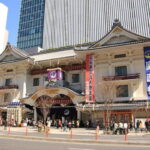
Kabuki isn’t a museum show. It’s live, dramatic, and staged inside Tokyo’s Kabukiza Theatre, the only venue in the world dedicated exclusively to Kabuki. You’ll follow the action with provided caption help, and you’ll hear the show’s music right up close in a historic room.
Two things I really love are the authentic Kabuki setting and the caption service that makes the stories easier to track even if your Japanese is limited. The historic building plus live music adds real emotion, not just entertainment.
One drawback to plan for: the performance runs about four hours, and the traditional seating can feel tight for some people. If you’re sensitive to long stretches, it’s worth reading the comfort tips below before you book.
In This Review
- Quick Hits Before You Go
- Kabukiza Theatre in Ginza: Why This Venue Matters
- Tickets, Seats, and the English or 简体中文 Caption Device
- Before the Curtain: Exhibition and the Shopping Center on Basement Level 2
- Getting Your Physical Ticket: What the Box Office Process Looks Like
- What the 4 Hours Feel Like: Acts, Live Music, and Intermissions
- A Look at Monthly Programs: February and March Examples
- February Program Example
- March Program Example
- Comfort Tips for Tight Seats and Long Performances
- Price and Value: Is $106 Worth It?
- Who Should Book Kabukiza, and Who Might Skip It
- Final Verdict: Should You Book This Kabukiza Ticket?
- FAQ
- How long is the Kabukiza Kabuki show?
- Where is the Kabukiza Theatre located?
- What languages are included with the ticket?
- Can I enter the theater using the GYG voucher?
- Where is the Box Office, and what are its hours?
- When do the theater doors open?
- Is there an intermission during the performance?
- Do programs change over time?
- Is this show suitable for young children?
Quick Hits Before You Go
- Kabukiza is Kabuki-only, so you get the real stage culture without distractions
- Captions in English or 简体中文 are included, helping you follow the plot
- Doors open 30 minutes early, so you have time to find your seat calmly
- The program changes monthly, meaning you get a fresh show lineup each visit
- Intermissions happen during the performance, and snacks or alcohol are available in the theater
- Ticket exchange is at Box Office on Basement Level 2, and you cannot enter with the voucher alone
Kabukiza Theatre in Ginza: Why This Venue Matters
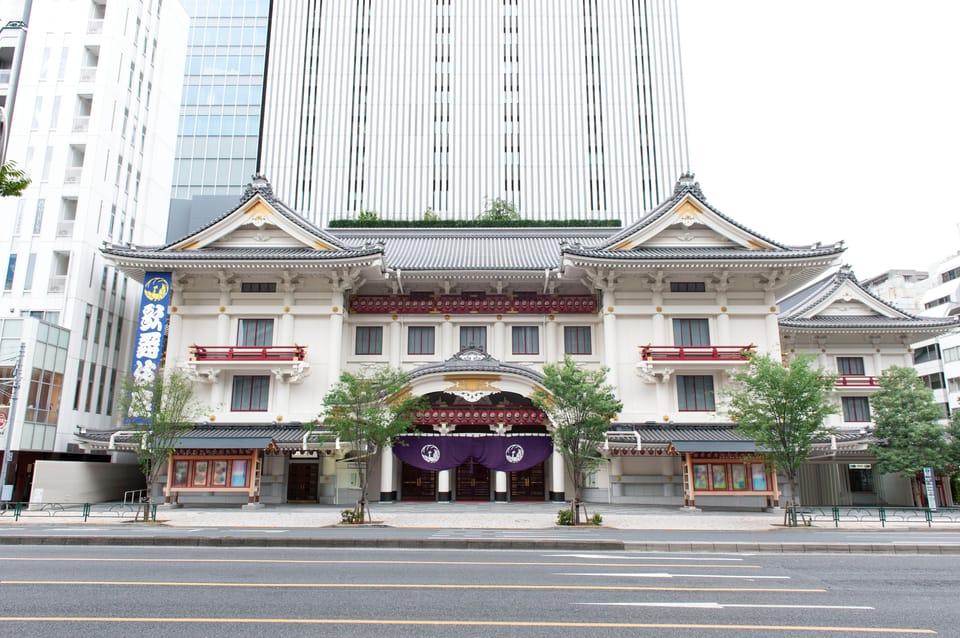
Kabukiza is in Ginza, Tokyo, at Ginza 4-12-15, Chuo-ku. The big reason this experience feels special is simple: it’s the only theater in the world dedicated exclusively to Kabuki. That matters because the whole building is designed around how Kabuki moves, sounds, and performs. You’re not “watching Kabuki in a random auditorium.” You’re in a place that treats Kabuki as the main event.
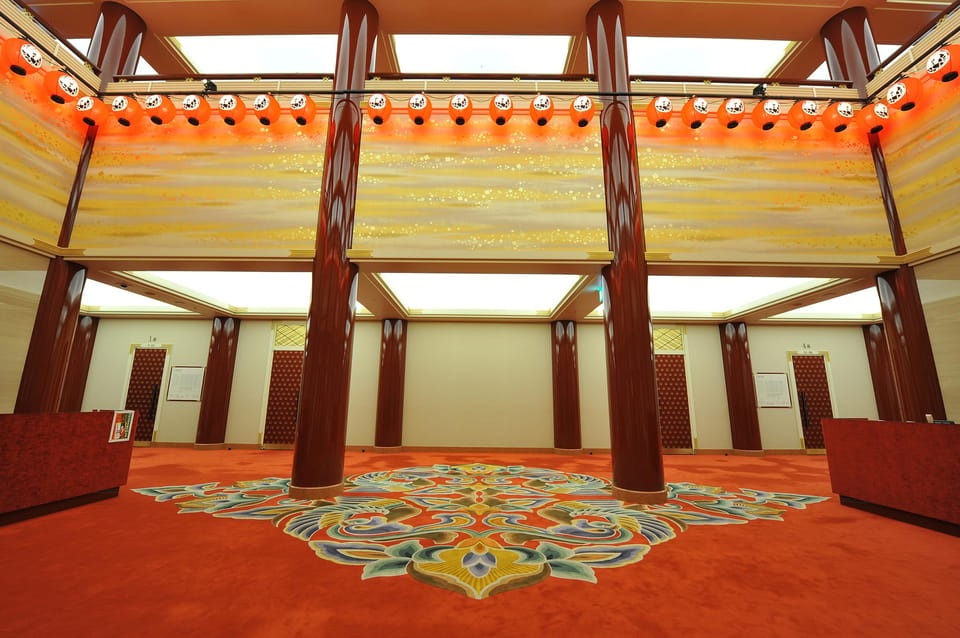
I also like that you’re not just jumping straight into the show. There’s a permanent interactive exhibition available before the performance. Even if you only skim it, it gives you handles for what you’re about to see: Kabuki is visual storytelling, and it helps to know what you’re looking for before the curtain rises.
You can also read our reviews of more tours and experiences in Tokyo



Tickets, Seats, and the English or 简体中文 Caption Device
Your ticket includes the show and the English or simplified Chinese (简体中文) captioning service. In plain terms, this makes the biggest difference for non-Japanese speakers: you can track what’s happening while still watching the stage instead of trying to mentally translate everything.
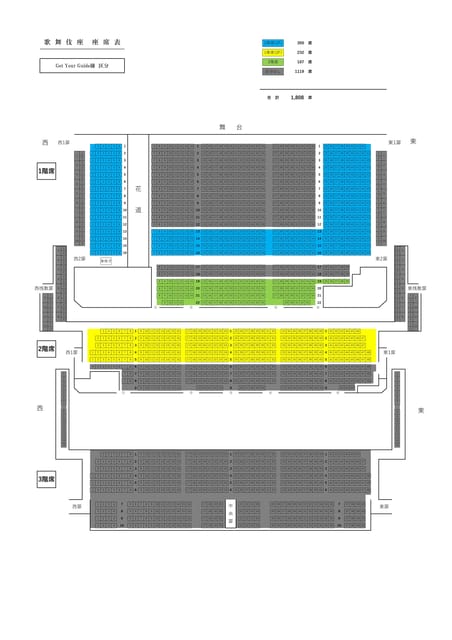
Here’s the practical catch. You cannot specify your seats when you reserve, so where you end up can affect how much facial expression and stage detail you catch. Some performances in Kabuki can hinge on small expression shifts, so if you’re very detail-focused, you may want to arrive early for the best seat-choosing option that’s available to you once you’re in the theater.
Also note the caption guide is part of your plan. You should expect to use it as provided for the most comfortable experience.
Before the Curtain: Exhibition and the Shopping Center on Basement Level 2
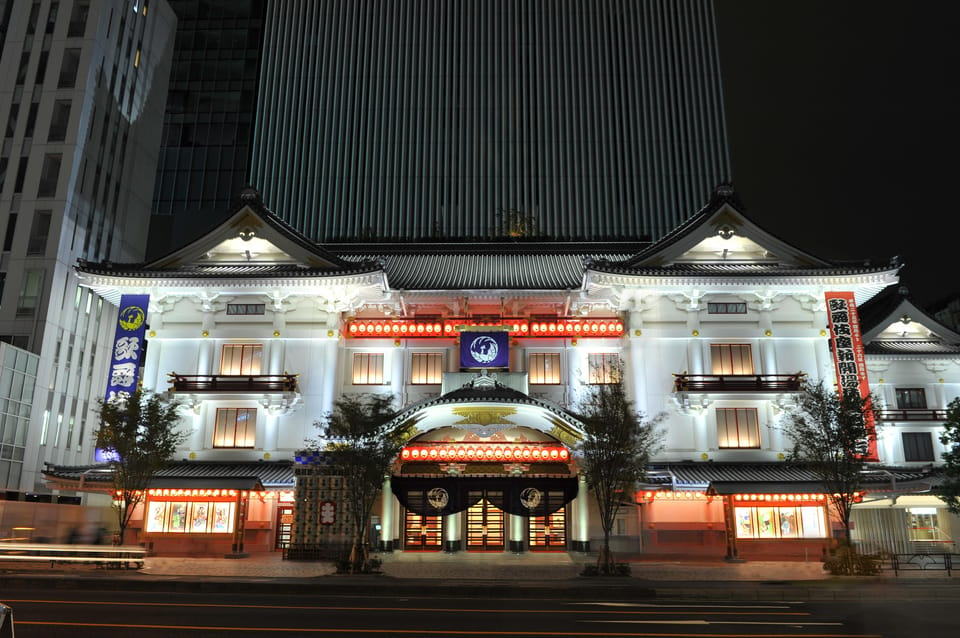
Kabukiza is set up so your visit feels like more than a single ticketed moment. Before the show, you can check out the permanent interactive exhibition. This is the kind of stop that pays off later. Kabuki has a lot of tradition built into movement, costume, and staging, and a little background helps you notice details you would otherwise miss.
Then there’s the shopping center. It’s on the second basement floor, and you can browse Kabuki-related gifts and souvenirs before or after the show. If you like taking home something that actually connects to what you watched, this is a smart place to shop. It’s also a handy way to kill a little time if you’re waiting for the doors to open.
Getting Your Physical Ticket: What the Box Office Process Looks Like
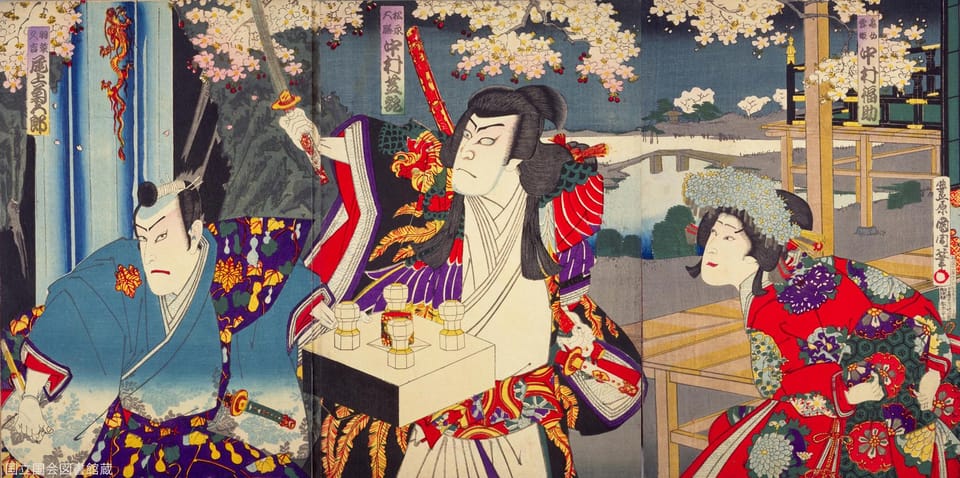
The meeting point is the theatre’s BOX OFFICE on Basement Level 2. You exchange your PDF or mobile GYG voucher for a ticket there on the day of the performance. Important: you cannot enter the theater with the voucher itself.
Box Office hours are listed as 10:00AM to 6:00PM. If you arrive after 6:00PM, you should go directly to the theater entrance.
This is one of those “small process details” that can save you stress. If you’re timing your day tightly, give yourself buffer time to walk in, find the basement level, and get your ticket exchanged before you settle in. The theater doors open 30 minutes before the show start time, so you want to be ready by then.
What the 4 Hours Feel Like: Acts, Live Music, and Intermissions

Kabuki at Kabukiza is not a quick sit-and-scroll evening. Your total experience is listed as about 4 hours, and many people find that accurate once they include time between segments. The structure is part of why it works so well in person: you get multiple pieces, with pauses that keep your attention sharp.
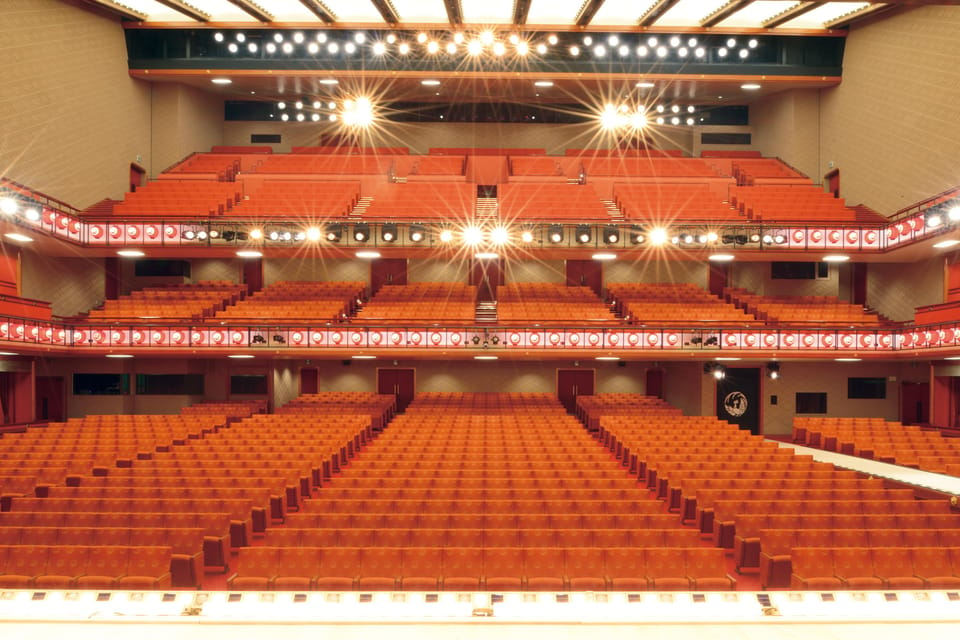
You’ll also experience live music as part of the performance. That’s a huge quality marker. In Kabuki, the sound isn’t background. It helps drive the mood and pacing, and it’s part of the historic atmosphere inside the theater.
There is an intermission during the performance. If you bring something to eat or drink, you’ll likely be more comfortable through the breaks, and the theater also sells snacks and alcohol. The intermission is your time to reset, use the facilities, and reduce the “four-hour endurance” feeling.
Seat comfort is the other big factor. One review noted the chairs can feel uncomfortable for a long time, and another suggested bringing something to cushion your seat if you’re sensitive. That’s not a minor tip, especially if you’re going to watch attentively for hours.
You can also read our reviews of more tours and experiences in Tokyo



A Look at Monthly Programs: February and March Examples
Programs change monthly, so the exact titles and acts are different depending on when you go. To help you picture the kind of lineup Kabukiza offers, here are examples from the data provided.
February Program Example
If you’re attending in February, there’s both a matinee and an evening show.
Matinee (11:00AM to 3:21PM planned) includes:
- O-EDO MIYAGE: A Souvenir from Edo (Modern kabuki)
- TONBI YAKKO: A Footman and a Kite (Dance)
- IYA SAKAE SHIBAI NO NIGIWAI Saruwakaza Shibai Mae: In front of the Saruwakaza Theatre (Domestic play)
- TSUMORU KOI YUKI NO SEKI NO TO: The Snowbound Barrier (Dance)
Evening show (4:30PM to 9:02PM planned) includes:
- ICHINOTANI FUTABA GUNKI Jinmon/Kumiuchi: The Camp Gate and Grappling on the Shore from The Chronicle of the Battle of Ichinotani (Historical play)
- AMAGOI GITSUNE: The Fox Praying for Rain (Dance)
- UME GOYOMI: Tanjirō’s Love Triangle (Modern kabuki)
March Program Example
For March, the data lists:
- Matinee (11:00AM to 3:08PM planned): KAGAMIYAMA GONICHI NO IWAFUJI, including 1st, 2nd, and 3rd Act (Historical play)
- Evening show (4:30PM to 8:21PM planned): A dance praying Kabuki flourish in Spring, plus Three Thieves Named Kichisa (Domestic play)
Why this matters for your planning: Kabuki isn’t one single story told straight through. It’s a collection of pieces (different types, different pacing). If you expect one continuous narrative the whole time, you may be surprised. But if you enjoy variety, it’s a strength. Different sections let you notice different skills: dancing, historical drama, domestic plays, and modern-style segments.
Comfort Tips for Tight Seats and Long Performances
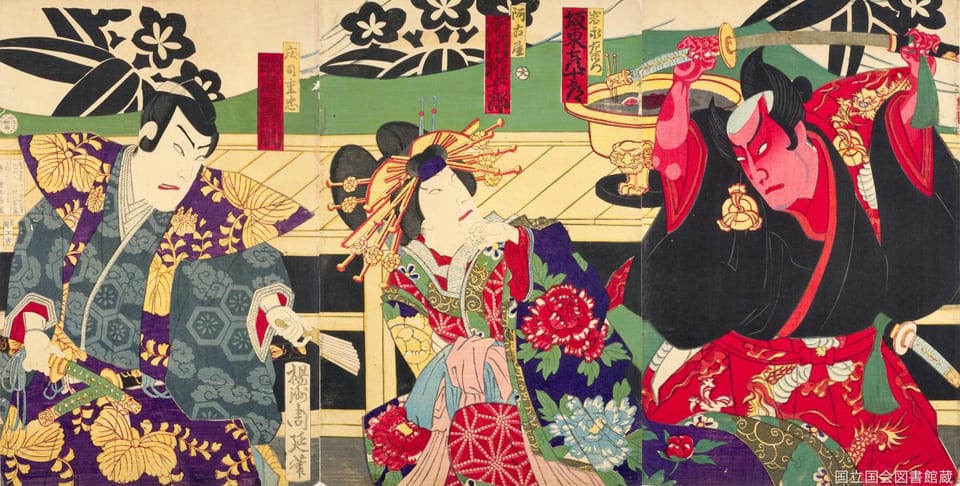
Kabukiza is historic, and that usually means seats are not designed like a modern cinema. One review called out tight seating, and another specifically mentioned old-style discomfort and the idea of bringing a cushion.
So here’s what I recommend you do:
- If you’re going with long legs or a sensitive back, consider a small cushion or padding.
- Dress in layers. The theater is indoors, but you’ll be moving between street air and a large hall for several hours.
- Plan to use intermissions. Don’t try to “power through” without breaks.
Also remember the English or 简体中文 captions are there to help you follow what’s being said. If you look down too often to read, you can miss stage movement, so find a rhythm that works for you: glance at the captions, then re-focus on the actor.
Price and Value: Is $106 Worth It?
The listed price is $106 per person for a 4-hour Kabuki experience at Kabukiza, including the caption service. At first glance, that’s not cheap. But the value argument here is strong because you’re paying for several things at once:
1) A true venue experience
You’re in the Kabuki-only theater, not a one-off cultural program.
2) Live performance with live music
Kabuki at this level is complex and performed by professional actors in a highly controlled setting. You’re not getting a simplified show.
3) Caption support included
Many international visitors consider translation a make-or-break factor for theater. Here, it’s included in your ticket plan.
4) Multiple segments across a long sitting
You’re not paying for a short sampler. The experience is built as a longer program with intermissions, so you get enough time to connect with different parts of Kabuki storytelling.
So the value depends on your priorities. If you’re excited by traditional performance arts and you want the real Kabukiza stage atmosphere, it’s a high-value night. If you’re expecting something like a light, casual 60-minute cultural activity, you might feel the cost more strongly. But if you treat it like a proper cultural show, the price starts to make sense quickly.
Who Should Book Kabukiza, and Who Might Skip It
Kabukiza is ideal if you:
- Want a core Tokyo cultural night that feels genuinely Japanese
- Like theater that blends acting, music, and dance movement
- Prefer live performances where you can still follow the story with English or 简体中文 captions
It might be less ideal if:
- You hate sitting for around four hours with long blocks of performance
- You expect a single, continuous plot. Kabuki programs are made of different pieces and shifts in story type.
- You’re very sensitive to seating discomfort in older venues
One practical note: children under 4 are not suitable, based on the provided activity information.
Final Verdict: Should You Book This Kabukiza Ticket?
If you’re deciding whether Kabukiza is worth your time in Tokyo, I’d say yes for most first-timers. The combination of a Kabuki-only theater, live music, and caption support is exactly what makes this kind of show work for visitors.
Book it if you want a performance you can talk about afterward, because Kabuki is hard to reproduce elsewhere. Book it for the full experience: plan for intermissions, give yourself time before the show for the exhibition and shopping, and bring a small comfort item if tight seating bothers you.
Only skip if your schedule can’t handle four hours, or if you know you won’t like traditional theater formats. Otherwise, this is the kind of Tokyo night that leaves you with more than photos. You’ll come away with a real sense of how Kabuki is built to be watched.
FAQ
How long is the Kabukiza Kabuki show?
The duration is listed as 4 hours.
Where is the Kabukiza Theatre located?
It’s in Ginza, Tokyo at Ginza 4-12-15, Chuo-ku, Tokyo, Japan.
What languages are included with the ticket?
Your ticket includes an English or simplified Chinese (简体中文) captioning service.
Can I enter the theater using the GYG voucher?
No. You must exchange your PDF or mobile GYG voucher for a physical ticket at the venue Box Office before entering.
Where is the Box Office, and what are its hours?
The Box Office is located on Basement Level 2 and is open from 10:00AM to 6:00PM.
When do the theater doors open?
The theater doors open 30 minutes before the show starts.
Is there an intermission during the performance?
Yes. There is an intermission during the performance.
Do programs change over time?
Yes. The theater presents a new program each month, so you should check the official website for the latest details.
Is this show suitable for young children?
Children under 4 are not suitable, based on the provided information.