REVIEW · TOKYO
Tokyo: Sumo Show and Experience in Shinjuku
Book on GetYourGuide →Operated by Traveling Tokyo · Bookable on GetYourGuide
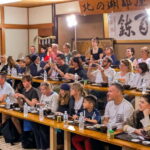
Sumo in Shinjuku feels unreal. This 90-minute event pairs live sparring with the chance to step into the dohyo in traditional gear. Even before the matches, you’re pulled in by the rituals and crowd energy.
I really like how the English MC (often named Dai, Paula, Ari, or Ali in past sessions) makes the rules click without turning it into a lecture. One watch-out: this isn’t a tournament, and late entry may be refused because the show sticks to its time schedule.
In This Review
- Key Highlights That Make This Sumo Experience Worth It
- Why This Sumo Show in Shinjuku Feels Different
- Price and Value: What $69 Buys (And What It Doesn’t)
- Meet at Sekisaku Building: Getting In Without Stress
- What Happens During the 90 Minutes: A Clear Order You Can Follow
- Welcome, introductions, and getting oriented
- Rituals and techniques you’ll actually recognize
- Live sparring matches (not a tournament)
- The crowd-friendly energy
- Suit up, step in, and challenge a wrestler
- The MC Makes or Breaks It: English Explanations That Don’t Feel Like School
- The Sumo Outfit and Ring Challenge: What You Should Expect
- Who This Is Best For (And Who Might Want Something Else)
- Tips to Get the Most Out of It
- Should You Book This Sumo Experience in Shinjuku?
- FAQ
- Is this a sumo tournament?
- How long is the experience?
- Where is the meeting point?
- How do I enter the building for the show?
- Is the tour guide in English?
- What’s included in the price?
- Is food included?
- Should You Book This Sumo Experience in Shinjuku?
Key Highlights That Make This Sumo Experience Worth It
- Live sparring with professional rikishi training in front of you
- Rituals explained in English, including shiko foot stomping and salt throwing
- Hands-on participation: suit up and challenge a sumo wrestler
- Cultural storytelling led by an MC who keeps the pace fun and clear
- Shinjuku location, so this feels easy to fit into a Tokyo day
Why This Sumo Show in Shinjuku Feels Different
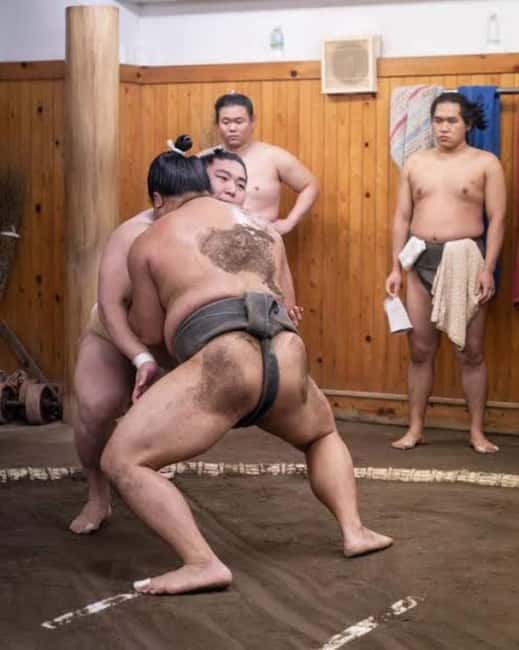
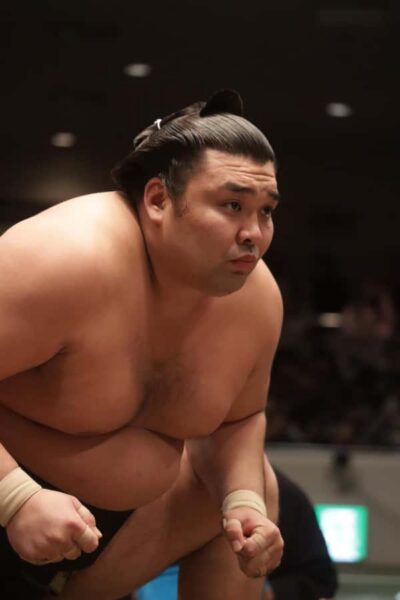
Tokyo is full of amazing performances, but this one has a rare ingredient: you don’t just watch. In just 90 minutes, you see professional sumo technique and then get a real, physical taste of the spectacle by stepping into the ring in a traditional outfit.
What makes it work is the structure. You get explanation first, so the action later makes sense. And because it’s in Shinjuku, you’re not dealing with a long detour, just to experience something iconic.
You can also read our reviews of more tours and experiences in Tokyo

Price and Value: What $69 Buys (And What It Doesn’t)
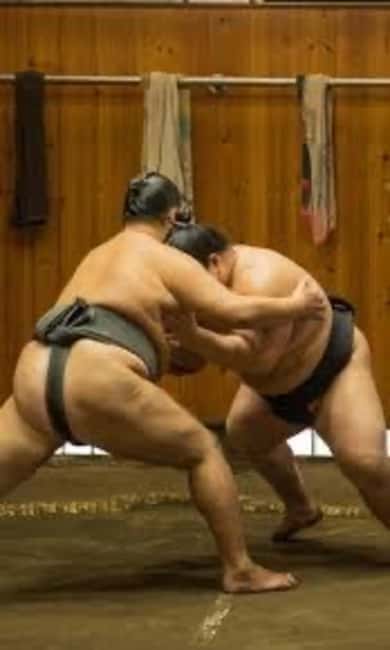
At $69 per person for 90 minutes, you’re paying for three things at once: a live sumo program, an English-speaking guide, and a chance to participate. Many Tokyo attractions are “watch-only.” This one includes the extra wow factor of putting on sumo clothing and challenging a wrestler in the ring.
Two practical notes help you judge value. First, food is not included, so plan to eat before or after. Second, the show is scheduled and time-focused, so you’re getting a compact experience rather than an all-day hangout.
If you want a simple night plan with a strong cultural payoff, this is one of the better formats. You’ll leave with stories to tell and a clearer understanding of how sumo actually works.
Meet at Sekisaku Building: Getting In Without Stress
This is the kind of activity where being early matters. You meet on the second floor of Sekisaku Building in Shinjuku, and entry is only permitted through the front of the building facing the main door next to Daiso.
Here’s the practical mindset I’d use: arrive with buffer time and treat late arrival as risky. The show follows a time schedule, and late entry may not be accepted at the front desk.
In Tokyo, this sort of strict flow is common. It’s not meant to be unfriendly. It’s meant to keep the program running smoothly for everyone in the room.
What Happens During the 90 Minutes: A Clear Order You Can Follow
Even without a written minute-by-minute schedule, the event has a logical progression. You’ll start with the basics and context, then move into demonstrations and live bouts, and finish with the participation moment.
Welcome, introductions, and getting oriented
You’ll get a welcome drink (bottled water) and then settle in as the MC sets expectations. This matters because sumo has a lot of ritual and terminology that can otherwise fly right past you.





Rituals and techniques you’ll actually recognize
Then comes the part that makes sumo feel different from other combat sports. You’ll see key ritual moments such as shiko foot stomping and dramatic salt throwing, with an English MC guiding you through what they mean and when they happen.
You also get demonstrations of techniques, so when live action starts, you know what you’re watching. That’s a big part of why first-timers tend to have such a good time here.
Live sparring matches (not a tournament)
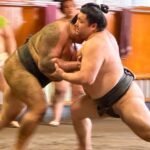
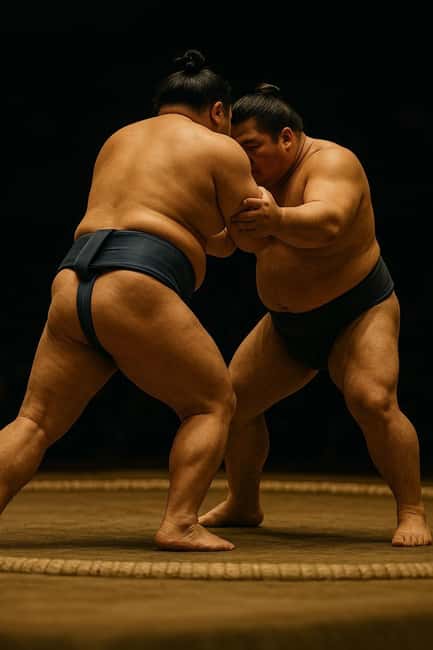
Next you’ll watch professional rikishi in live sparring. Important: this is not a tournament, so don’t expect official bout stakes or a tournament format.
But sparring still shows the real skill. It’s training with intensity, and you can feel the power in the movements even if you’re sitting a few rows back.
The crowd-friendly energy
A repeating theme in the experience is that the MC keeps people engaged. You’re not left to just stare at the ring. The program is built so explanations land quickly, then the action answers those explanations.
Suit up, step in, and challenge a wrestler
After the matches, the most memorable section starts. You’ll get into a traditional sumo outfit and step onto the ring to challenge a sumo wrestler yourself.
You probably won’t win in any literal sense, and that’s not the point. The point is understanding the feel of the dohyo and the presence of a rikishi up close—then walking away with a story that sounds impossible until you’ve done it.
The MC Makes or Breaks It: English Explanations That Don’t Feel Like School
This is one of those rare experiences where the guide’s style shows up in the results. Past sessions highlight English MCs like Dai and Paula, with praise for being engaging, funny, and clear.
What I like about this format is the balance. You learn about rituals and rules, but you’re also entertained. The MCs are good at turning sumo into something you can follow in real time, so you’re not lost while people in the ring do things fast and with purpose.
If you’re the type who wants to understand what’s happening, this is a strong match. If you just want entertainment, the energy still works. Either way, the English narration is a practical advantage.
The Sumo Outfit and Ring Challenge: What You Should Expect
This is the section you’ll remember later, because it turns spectatorship into participation.
You’ll put on traditional sumo attire and step into the ring to challenge a wrestler. It’s usually run with safety and coaching in mind, and you’ll be guided by staff and the wrestlers as the moment happens.
A helpful way to think about it: treat it like a playful test of bravery and etiquette, not a “fight.” You’re there to follow instructions and enjoy the experience. The wrestlers are part performer, part teacher, which is why people walk out with more respect for how disciplined sumo training is.
If you’re with kids, this is often the highlight. Even if a child can’t fully explain the rules afterward, they’ll remember stepping into the ring and the reactions it sparks.
Who This Is Best For (And Who Might Want Something Else)
This fits best if you want an intro to sumo without needing to follow a full tournament schedule. It’s also ideal if you like cultural context plus hands-on fun.
It may be less satisfying if you’re specifically hunting for tournament-style stakes or official ranking bouts. Since it’s not a tournament, the competitive structure will be different.
It’s also a good pick for people who want an English-led experience. The MC is central here, and the event is designed so you can follow even if you’ve never watched sumo before.
Tips to Get the Most Out of It
- Plan to arrive early so you can enter without rushing, using the front door next to Daiso
- Don’t overstuff your schedule right before this; you’ll want some energy for the ring portion
- Keep your phone ready, since people often end up with photos after the main moments (when the staff allows)
- Wear comfortable clothing you can move in, since the participation part is more physical than it looks
Should You Book This Sumo Experience in Shinjuku?
Yes, if you want a compact, English-friendly sumo night that includes both real action and real participation. The $69 price makes sense because you’re not only watching pro wrestlers—you’re also learning the rituals, understanding the sport’s logic, and stepping into the ring yourself.
Skip it only if you’re specifically looking for a tournament format. If your goal is to experience sumo culture in a way that’s easy to follow and genuinely fun, this one is a strong choice for Tokyo.
FAQ
Is this a sumo tournament?
No. This experience is not a tournament, and it is scheduled as a show with demonstrations and matches.
How long is the experience?
It lasts 90 minutes.
Where is the meeting point?
You meet at the second floor of Sekisaku Building in Shinjuku.
How do I enter the building for the show?
Entry is only permitted through the front of the building facing the main door next to Daiso, and the show follows a time schedule.
Is the tour guide in English?
Yes. The MC and guide provide the experience in English.
What’s included in the price?
Included are professional sumo wrestling matches, an English-speaking MC, a welcome drink (bottled water), the opportunity to wear a traditional sumo outfit, and the chance to challenge sumo wrestlers.
Is food included?
No. Food is not included.
Should You Book This Sumo Experience in Shinjuku?
If you’re trying sumo for the first time, this is a smart, high-value way to do it. You’ll get the action, the ritual context, and the hands-on ring moment, all in 90 minutes in Shinjuku.