REVIEW · TOKYO
Tokyo: Asakusa Sightseeing Tour by Rickshaw
Book on GetYourGuide →Operated by Ebisuya Rickshaw · Bookable on GetYourGuide
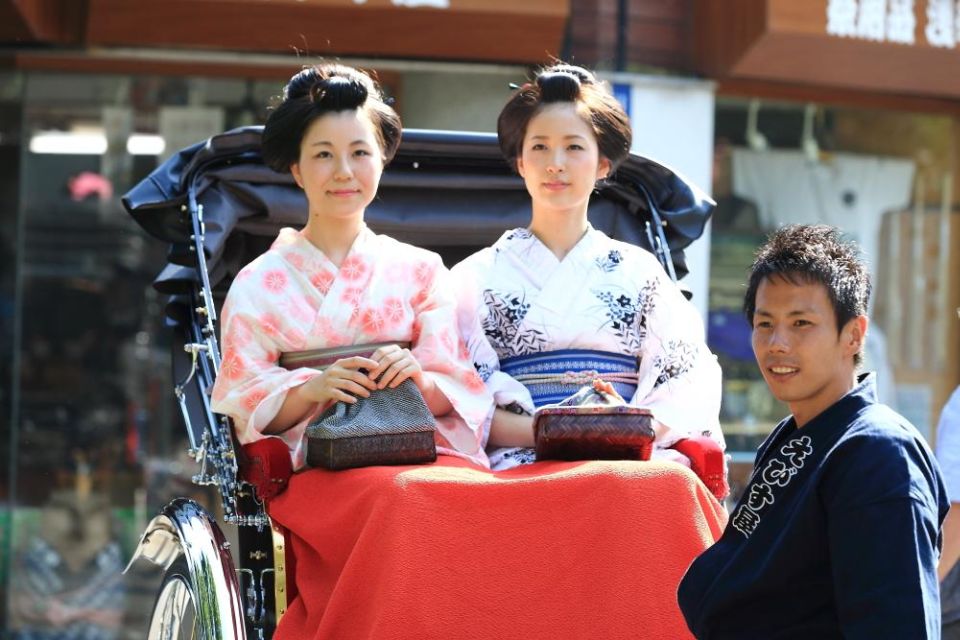
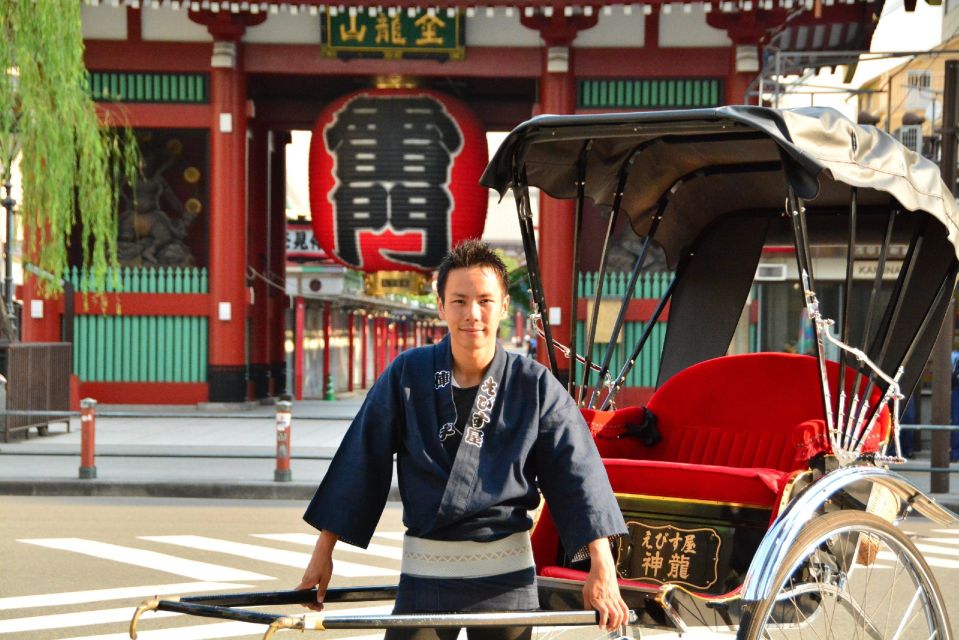
Tokyo slows down when a rickshaw rolls by. I love the private ride through Asakusa at human speed, and you get real context for what you’re seeing instead of random landmark hopping. The route’s focus on places like Bentendo Hall and Asakusa Shrine is what makes this feel special fast.
I also like the way the tour mixes big sights with everyday lanes, from Sumida Park and tree-lined river views to quirky spots like Tanuki-doori and Denpoin Street. One thing to consider: the rickshaw is only about 74 cm wide, so if you’re sensitive to tight spaces or travel with lots of items, plan for comfort (and possibly book individual rickshaws).
In This Review
- Key highlights you’ll care about
- Tokyo rickshaw in Asakusa: why it feels different from sightseeing
- Price and value: what $35 per person buys you
- Asakusa Station exit #1: the meeting point that matters
- Bentendo Hall and Asakusa Shrine: where the tour turns meaningful
- Sumida Park and the river trees: cherry season is the real star
- Hanakawado shoe-shopping streets and old amusement vibes
- Rokku Ward, Tanuki-doori, and the street-life texture
- Denpoin Street and Nishi Shitamachi: the return that feels different
- Guides and comfort: the small details that make or break the ride
- Who this Asakusa rickshaw tour is best for (and who should skip)
- Quick practical checklist before you go
- Should you book this Asakusa rickshaw tour?
- FAQ
- Where is the meeting point for the Asakusa rickshaw tour?
- What’s included in the tour price?
- How long is the tour?
- Are selfie sticks allowed?
- How do children ride on the rickshaw?
- Is the tour wheelchair accessible and stroller friendly?
Key highlights you’ll care about
- Temples and shrines with context, including ritual explanations you can actually use on your own later
- Sumida Park timing, especially great in spring when thousands of cherry trees are in bloom
- Side streets that feel real, including Tanuki-doori and areas like Rokku Ward and Nishi Shitamachi
- Photo help from your guide, with many guides acting as an on-the-spot photographer
- A smooth “Asakusa orientation” that’s hard to match on foot in the same time
- Family-friendly pacing with stroller and wheelchair support (and clear child seating rules)
Tokyo rickshaw in Asakusa: why it feels different from sightseeing
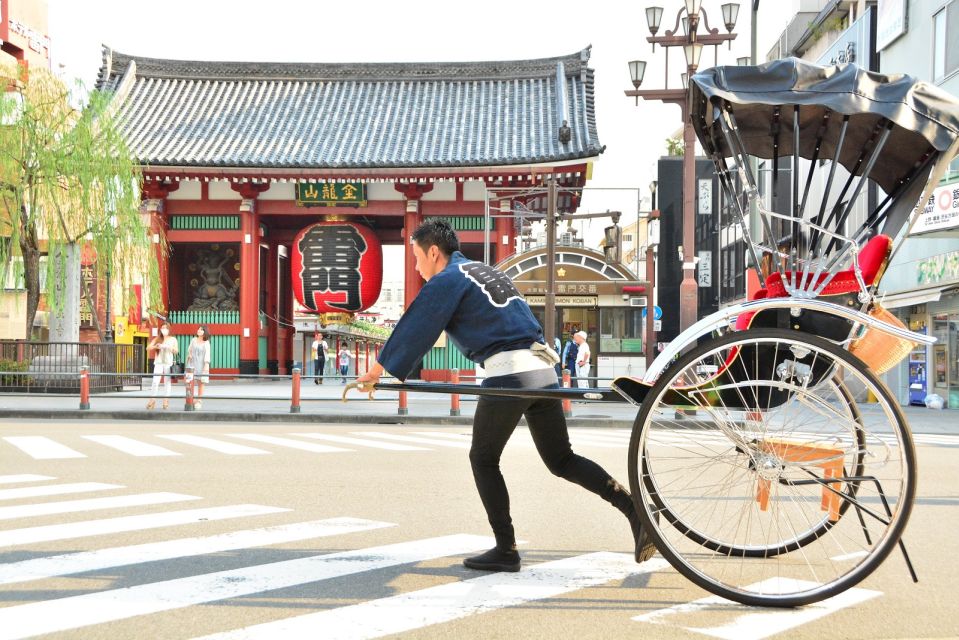
Asakusa is one of those Tokyo districts where you can walk for hours and still feel like you’re skimming the surface. A rickshaw changes the pace. You drift past temple approaches, shop streets, and quiet back lanes in a way that feels more like moving through the neighborhood than checking items off a list.
I like that the ride is private and guided. You’re not just transported—you’re coached on what matters, why it matters, and what you’re looking at when you pause for photos. It’s a simple setup, but the impact is big: your eyes start catching the details that make Asakusa feel unmistakably Asakusa.
You can also read our reviews of more tours and experiences in Tokyo.
Price and value: what $35 per person buys you
The tour price is listed at $35 per person, and it’s priced to feel doable even if you’re not staying long. What makes the value hold up is that the ticket covers two things that are often separate in Tokyo: the ride itself and a live local guide.
Snacks and drinks aren’t included, so you’ll want to budget a little extra for your own water, tea, or street snacks. But you’re also not paying for a full-day meal plan that may not match your tastes. If you’re the type who likes to wander after a tour, this setup works well.
One more value point: you can choose a shorter option if you want a quick orientation, or a longer one if you want more side streets and a deeper look around. The 3-hour option even includes a memorial gift choice: a Hello Kitty doll or an original T-shirt, which can be a fun souvenir upgrade if that fits your travel style.
Asakusa Station exit #1: the meeting point that matters
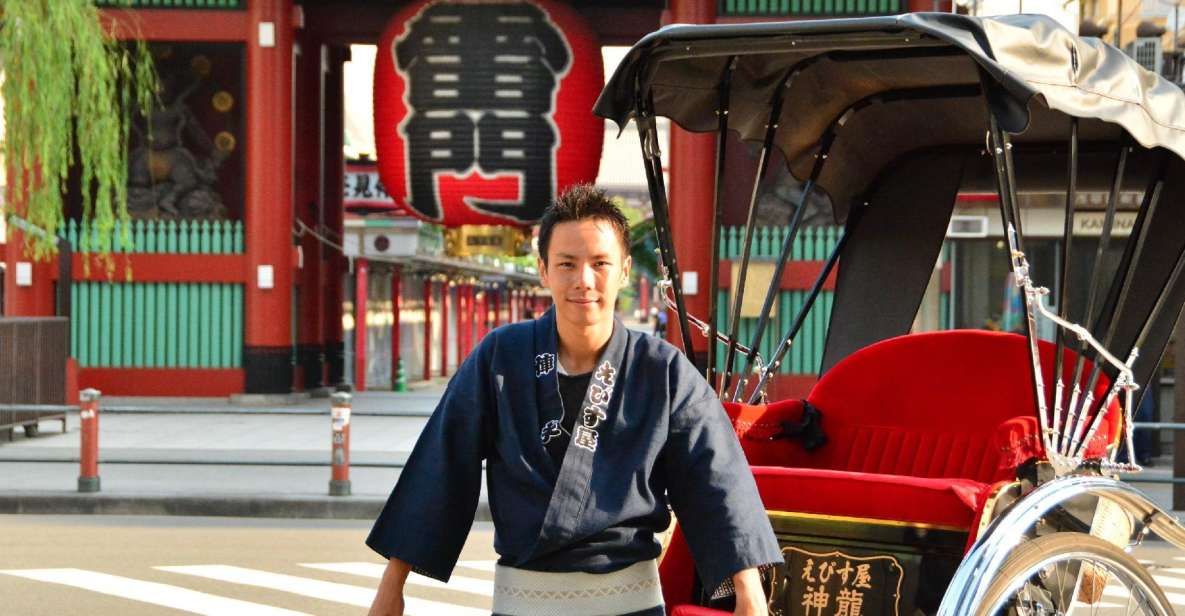
Your meeting point is the rickshaw stand just outside exit #1 of Asakusa Station on the Tokyo Metro GINZA line. Important detail: there are multiple Asakusa stations with the same name but different subway lines. If you pop out of the wrong exit, you’ll waste time—and rickshaw stands aren’t exactly easy to “spot later.”
From the exit, you still need to walk a few meters along the street to reach the stand. The easiest move is to pull up your map before you leave the platform and confirm you’re using the Ginza line exit #1.
Bentendo Hall and Asakusa Shrine: where the tour turns meaningful
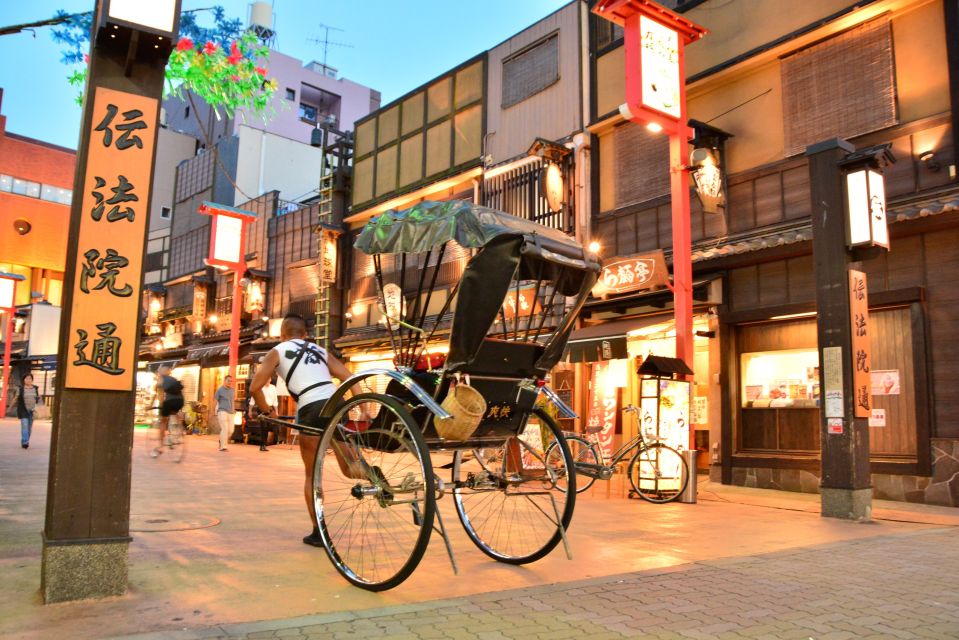
The tour’s heart is the temple-and-shrine zone around Asakusa. You’ll ride past well-known sacred spots, including Asakusa Shrine and Bentendo Hall. Even if you’ve seen photos, this area hits differently in motion: you catch the textures of the approach streets, the incense atmosphere, and the rhythm of people arriving for prayers or sightseeing.
What makes these stops more than just postcard viewing is how the guide frames the rituals. Some guides explain practical details like why people wash their hands and mouth, how incense is handled, and how the ritual steps tie into the space you’re standing in. That’s the kind of info that helps you visit on your own afterward without feeling lost.
Sumida Park and the river trees: cherry season is the real star
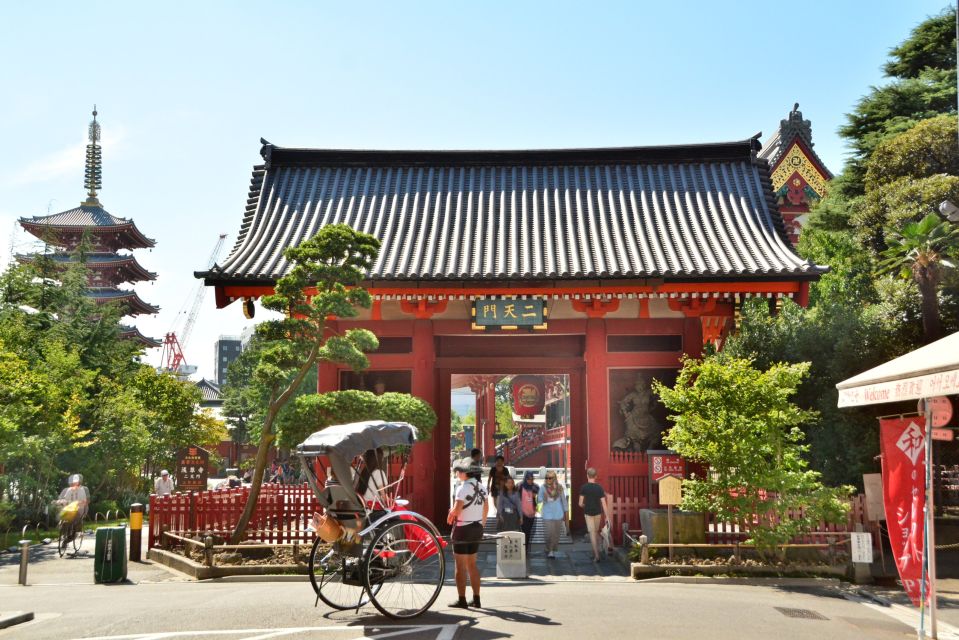
Next, you head toward Sumida Park, which is especially memorable in spring when thousands of cherry trees are in bloom. Even outside peak bloom, you’re still getting what Asakusa does well: calm pockets close to big-city energy, plus river views that give you a breather.
The rickshaw format helps here. On foot, the park can feel like a chunk of walking. On the ride, it becomes a sequence of picture-friendly moments—pause, look, then glide on—while your guide points out what’s worth noticing.
If you’re traveling during cold or wet weather, the ride can still work. People have mentioned things like blankets and heated pads/seats during winter-ish bookings, which can be a lifesaver when Tokyo weather turns sharp.
Hanakawado shoe-shopping streets and old amusement vibes
One of the more fun practical aspects is how the route threads through the everyday shopping side of Asakusa. You’ll pass toward the Hanakawado area, known for its shoe shopping. This is exactly the kind of place you’d struggle to find quickly on a first visit unless you already know the neighborhoods.
Then there’s Hanayashiki, often described as Japan’s oldest amusement park. The tour gives you time for souvenir photos and a sense of how playful Tokyo can be right next to centuries-old religious sites. It’s a neat contrast: history and everyday fun in the same breath.
If you like photos, bring the same energy you’d bring on a market day. Guides often act like photographers and help you get clean shots from the rickshaw and during stops.
Rokku Ward, Tanuki-doori, and the street-life texture
The tour doesn’t only cover the obvious sights. You’ll also check out quirky lanes like Tanuki-doori and see parts of Rokku Ward. One of the reasons I enjoy this segment is that it shows Tokyo that isn’t always on the standard itinerary list.
Rokku Ward can include adult theaters, so if that’s not your comfort zone, you may want to set expectations with your guide ahead of time. The tour is private, and one advantage of private guiding is you can ask for a route that fits your boundaries.
Tanuki-doori, by contrast, is the kind of street detail you remember because it feels characterful. You slow down, notice the small things, then roll on.
Also keep an open mind for unexpected theme references. Some guides have pointed out spots tied to anime, which can be a nice surprise if you or your group enjoys that side of Tokyo pop culture.
Denpoin Street and Nishi Shitamachi: the return that feels different
When you’re on a rickshaw, the return route matters. This one includes Denpoin Street, where it’s said that little has changed since World War II. Whether you connect emotionally to that history or just appreciate the atmosphere, the feel is different from newer commercial streets.
You’ll also pass through areas like Nishi Shitamachi, which helps the tour feel like a neighborhood walk-by rather than a single-file museum tour. The pacing keeps you from feeling rushed, but you still cover enough ground that you’re ready to explore on your own once you’re done.
Guides and comfort: the small details that make or break the ride
The guide quality is the main reason this tour gets such strong satisfaction. People frequently mention guides who are funny, friendly, and active photo-takers. Names that have come up include Tashi and Taisei, Shima, Taku, Ryu Buchi, Sho, and Masa, among others. Different guides bring different personality, but the common thread is that they’re not just reading facts off a script.
One guide experience that stood out in the explanations: a detailed breakdown of temple ritual steps (hand and mouth washing, incense handling, and why people gather incense onto their bodies). If you like learning by doing—standing in the place, seeing the actions, then hearing the meaning—that kind of guidance is exactly what you want.
Comfort tips that are worth knowing:
- The rickshaw is 74 cm wide, so if you’re sharing, it can feel tight. If you can, booking individual rickshaws for each passenger is a comfort upgrade.
- There’s a no-selfie sticks rule. Plan on using your phone/camera handheld or ask your guide to capture photos at stops.
- For cold weather rides, some bookings have included blankets and heated seats/pads, which can keep you comfortable.
Who this Asakusa rickshaw tour is best for (and who should skip)
This is ideal for you if you want a first-time-friendly intro to Asakusa that blends major sights with side streets. It’s also a smart choice if you’re short on time but still want more than temple snapshots.
It’s particularly good if you value:
- Guided explanations instead of wandering without context
- Photo stops that actually look good
- A route that covers both religious landmarks and everyday shopping streets
You should skip it if you’re in the group that the tour warns about. It’s not recommended for people in their first 16 weeks of pregnancy, and it’s also listed as not suitable for pregnant women. If that affects you or your travel partner, plan a different kind of sightseeing where you can control movement and seating more freely.
Also, if tight spaces and light physical effort from waiting/turning aren’t your thing, consider booking separate rickshaws for each passenger. The width is small enough that comfort can be personal.
Quick practical checklist before you go
- Wear comfortable shoes. You’ll still walk a bit from the station exit to the rickshaw stand, and you’ll step out for photo stops.
- Don’t bring selfie sticks.
- Bring a phone/camera ready for guides to help with photos.
- Plan for snacks/drinks separately since they’re not included.
- If traveling with kids, understand the child seating rules: pricing starts at age 6, and younger children can ride for free only if they sit on an adult’s lap (one child per adult, max two adults per rickshaw). If a child needs their own seat, they must book as an adult.
Should you book this Asakusa rickshaw tour?
Yes, if you want an Asakusa experience that feels personal, paced for learning, and built around classic sights plus the quieter streets in between. The biggest reason to book is the combination of private rickshaw time and a guide who explains what you’re seeing, not just where it is.
Book the shorter options if you’re mainly there for an orientation and a couple of key stops. Choose the longer ride if you want more of the side neighborhoods like Rokku Ward and Nishi Shitamachi, plus a better chance to slow down for photos.
If your group is sensitive to tight spaces or any pregnancy-related restrictions apply, then pass and choose a different format. For everyone else, this is one of the more efficient ways to get a real sense of Asakusa without feeling like you’re rushing.
FAQ
Where is the meeting point for the Asakusa rickshaw tour?
You meet at the rickshaw stand just outside exit #1 of Asakusa Station on the Tokyo Metro GINZA line. There are two stations with the same name but different subway lines, so make sure you come to the correct one, then walk a few meters to the stand along the street.
What’s included in the tour price?
The tour includes the rickshaw ride and a local guide.
How long is the tour?
The duration ranges from 30 to 190 minutes, depending on the option you choose. You can check availability to see starting times.
Are selfie sticks allowed?
No, selfie sticks are not allowed.
How do children ride on the rickshaw?
Adult pricing applies to ages 6 and over. Children 5 and under can ride for free if they sit on an adult’s lap (one child per adult; max two adults and two children per rickshaw). If a child 5 and under needs their own seat, they must book as an adult.
Is the tour wheelchair accessible and stroller friendly?
Yes. The activity is listed as wheelchair accessible and also stroller friendly.