REVIEW · FUJIYOSHIDA
From Tokyo:private Mount Fuji tour with guide
Book on GetYourGuide →Operated by SADIQ TRADING CO, LTD. · Bookable on GetYourGuide
A day with Fuji facts and real breathing room. This private Mount Fuji trip from Tokyo is interesting because it mixes classic postcard stops with countryside pacing you control, in an air-conditioned car with an English-speaking guide/driver. I especially like the chance to linger at views like Chureito Pagoda and the calm, less-rushed feel of places such as Oshino Hakkai and Kitaguchi-hongu Fuji Sengen Shrine. One consideration: it’s a long full-day (about 10 hours), and traffic can affect timing, so you’ll want comfortable shoes and a patient mindset.
You’ll see Mount Fuji at multiple angles, not just one photo stop. The schedule also leaves room to adjust how long you spend at each place, which is great if you want more photos at a pagoda or more wandering time around the lake. If you’re hoping for Mount Fuji 5th station by private vehicle, note the seasonal restriction in summer.
In This Review
- Key Points Worth Getting Excited About
- Private Mount Fuji From Tokyo: How the Day Feels
- Pickup, Timing, and the Reality of Traffic
- Oshino Hakkai Ponds: Where Fuji Reflections Feel Close
- Mount Fuji View Time: Flexible Stop, Real Choice
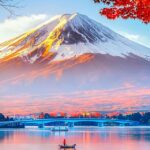
- Lake Kawaguchiko: Fuji in the Water
- Kitaguchi-hongu Fuji Sengen Shrine: Cedar Forest Calm
- Chureito Pagoda: The Most Photogenic Fuji Frame
- Oishi Park: Another Fuji Angle (Good for a Breather)
- Gotemba Premium Outlets: Shopping Time That Changes the Mood
- Lake Ashi and Hakone: A Different Kind of Fuji Day
- Hakone Ropeway and Owakudani: Steaming Views, Worth the Effort
- Glass Forest Museum and Hakone Shrine: Culture + Walk Time
- Return to Tokyo: The End of the Big Loop
- Value Check: Is $332 a Good Deal for You?
- Should You Book This Private Mount Fuji and Hakone Day Trip?
- FAQ
- How long is the private Mount Fuji tour from Tokyo?
- What is the group size and price?
- What’s included in the price?
- What tickets are not included?
- Can the tour go to Mount Fuji 5th station?
- Where does pickup work?
- What should I bring, and what is not allowed?
Key Points Worth Getting Excited About
- Private chartered car for pacing: decide how long to stay, which matters a lot for photo timing and crowds
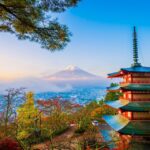
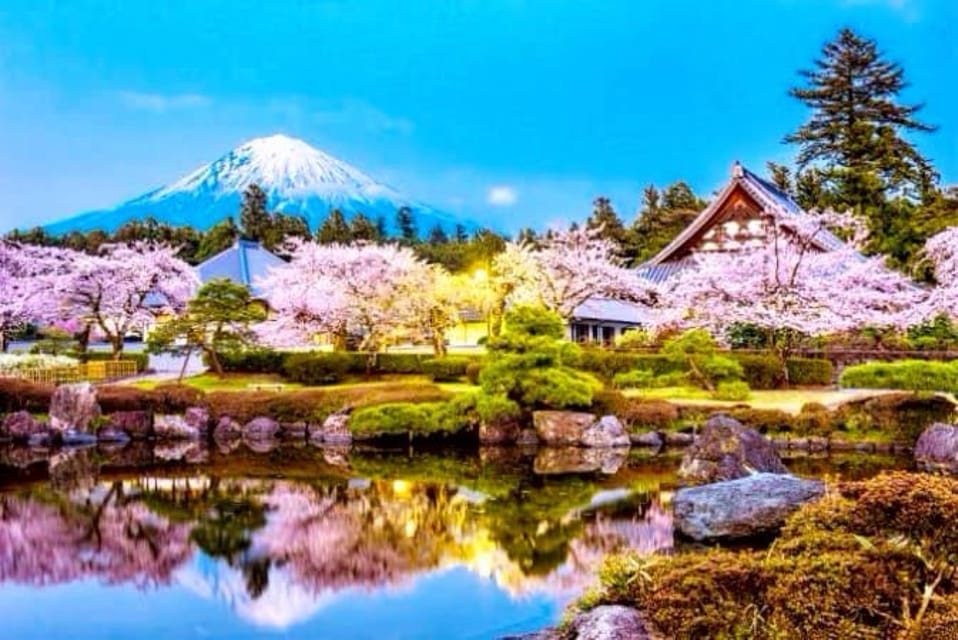
- Chureito Pagoda views: the pagoda frames Fuji, and the seasonal color (cherry blossoms or autumn tones) can make it extra special
- Oshino Hakkai ponds: snowmelt-fed ponds that reflect Fuji in a way that feels almost unreal
- Hakone options are built in: Lake Ashi time, Hakone Ropeway, Owakudani Valley, and more can add variety to the day
- Small group cap (up to 6): it’s one price per group, so it can turn into strong value when you travel with friends or family
Private Mount Fuji From Tokyo: How the Day Feels
This tour is built for people who want to get out of Tokyo and see Mount Fuji without the “stand in line, hurry to the next stop” rhythm. With a price of $332 per group up to 6 for a full-day plan around Fuji, the value really depends on how you travel. If you fill the car with 4–6 people, the cost per person drops a lot versus typical per-seat day tours. Even if you’re a small group, the private setup can still pay off if it helps you avoid wasted time and route confusion.
The experience is also practical. You get a driver and a live guide (English, Japanese, Urdu, Hindi are listed), plus pickup from your hotel or apartment in Tokyo’s 23 wards. Air-conditioning is included, and WiFi is available when needed, which sounds minor until you’re trying to coordinate photo timing or keep maps handy during busy sections.
The day is not short. At around 10 hours, you’re committing to a full travel arc: countryside sightseeing, a shopping stretch, then a Hakone loop (if you follow that part of the plan), before heading back to Tokyo.
You can also read our reviews of more guided tours in Fujiyoshida
Pickup, Timing, and the Reality of Traffic
The good news: pickup is free from hotels and apartments in Tokyo’s 23 wards. That’s a big deal if you’re staying away from major train hubs. Your guide/driver meets you at the hotel lobby, and there’s a small waiting window for customers (10 minutes) plus additional buffer if you’re late. The listing also notes drivers may be late up to 30 minutes because of highway traffic, which is very realistic around Tokyo.
Here’s how I’d plan mentally: treat this as a day where you want to enjoy the ride and the stops, not as a precise timetable like a museum tour. If you’re the type who hates uncertainty, pad your expectations. If you’re flexible, the private format makes that flexibility easier to manage.
Also note a logistical rule that affects planning: private vehicles cannot go to Mount Fuji 5th station during July 1 to September 10. If your heart is set on 5th station, you’ll need the shuttle bus from the parking area, listed at 1000 yen. The tour can still work great without 5th station, but this is worth checking before you book.
Oshino Hakkai Ponds: Where Fuji Reflections Feel Close
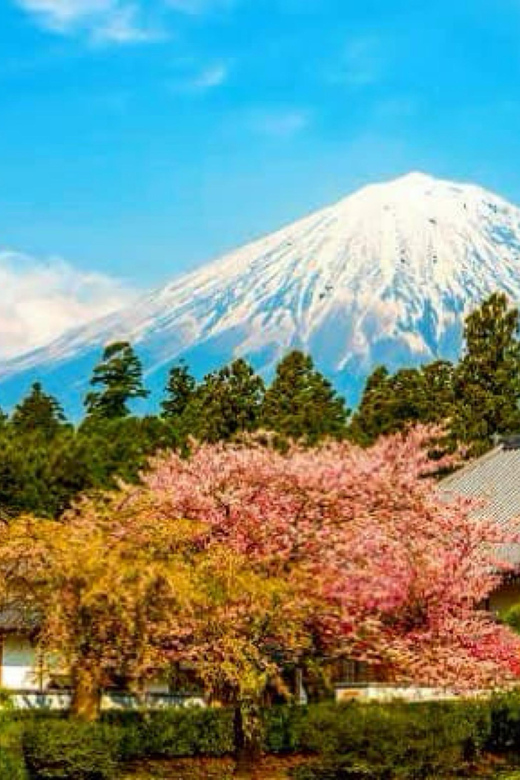
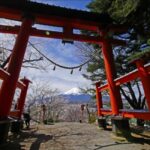
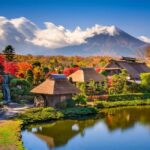
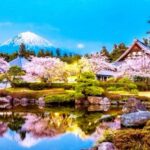
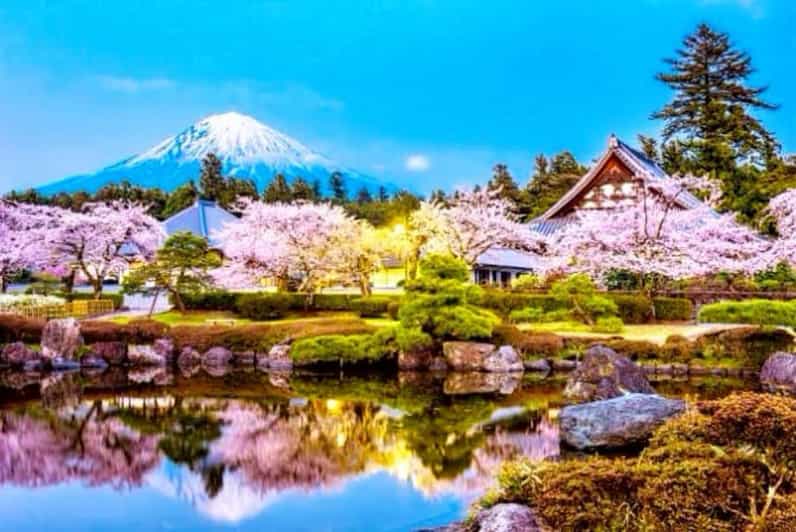
You start your countryside loop with Oshino Hakkai, a place people talk about for a reason: the ponds are fed by snowmelt from Mount Fuji, so the water can look strikingly clear. In practical terms, this means you’re not just looking at Fuji from far away—you’re seeing it reflected in multiple pools and angles.
Expect a guided walk plus free time (about an hour). That mix is ideal here. The guidance helps you know where to stand for the best reflections, and the free time helps you slow down. If you’re chasing photos, you’ll want to watch how light changes on the water during your hour. If you’re more into atmosphere, wander gently through the traditional village feel and gardens.
A small caution: because Oshino Hakkai is a popular sight, you’ll see crowds. The private setup helps because your guide can adjust pacing, and you’re not trapped on someone else’s rigid group schedule.
Mount Fuji View Time: Flexible Stop, Real Choice
After Oshino Hakkai, you head toward a Mount Fuji stop with another guided segment and about one hour of free time. This is the part of the day where the private format can feel surprisingly valuable: you can often decide what to prioritize, how long to stand, and when to move.
If your travel style is “give me the view and let me take my time,” this section fits you. If your style is “show me the story,” the guide helps connect what you’re seeing to the bigger Fuji region.
One practical tip: come prepared for weather swings. Mount Fuji areas can change fast, and you’ll be outdoors at multiple stops. Comfortable layers beat fancy gear here.
Lake Kawaguchiko: Fuji in the Water
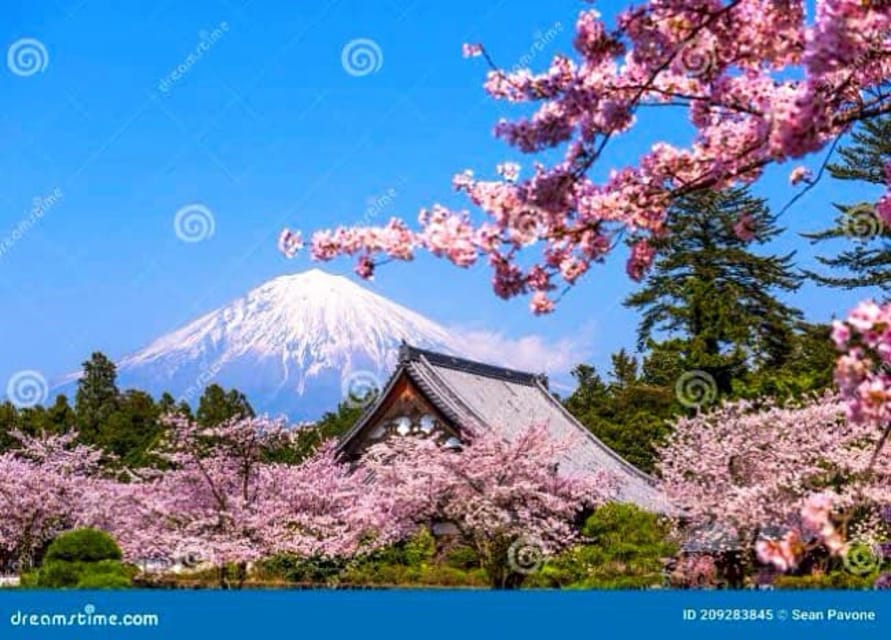
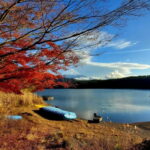
Next up is Lake Kawaguchiko, one of the Fuji Five Lakes, with about 1.5 hours including guidance and free time. This is where Fuji usually goes from a mountain you’ve been staring at to a mountain you feel like you’re standing beside.
Why this stop works so well: you’re looking for reflections. The listing emphasizes the still blue waters mirroring Mount Fuji. In real life, reflections depend on wind and light, and those can change even within an hour. That’s another reason the schedule matters—having a bit of time (not just a photo sprint) increases your odds of catching a calmer surface.
What you can do with that time:
- Walk lakeside for different angles
- Pause for photos when the lighting shifts
- Keep your expectations realistic if clouds move in
Then you’re on to a more spiritual, shaded part of the region.
You can also read our reviews of more private tours in Fujiyoshida
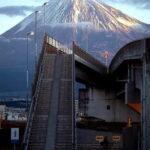
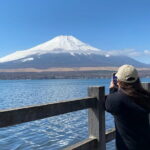
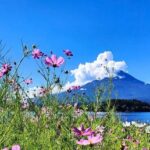
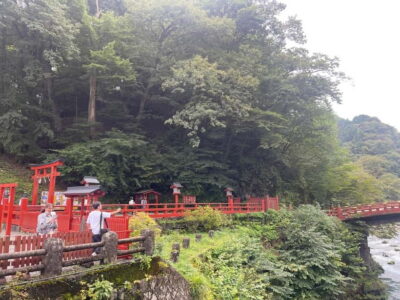
Kitaguchi-hongu Fuji Sengen Shrine: Cedar Forest Calm
This stop is Kitaguchi-hongu Fuji Sengen Shrine, a sacred site connected to Fuji pilgrimage traditions. The big vibe difference here is the setting: a shrine atmosphere in a cedar-lined forest. Even if you’re not into religion, this is a nice break from the open view points.
You get about one hour total, with guidance and free time. The guided piece helps you understand what you’re looking at and why it’s significant. The free time helps you slow your pace, which you’ll appreciate after earlier outdoor photo efforts.
If you’re the kind of traveler who likes one quiet, meaningful stop in the middle of a long day, this is it.
Chureito Pagoda: The Most Photogenic Fuji Frame
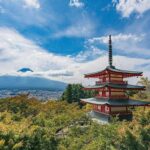
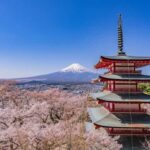
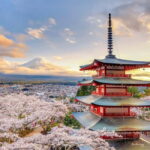
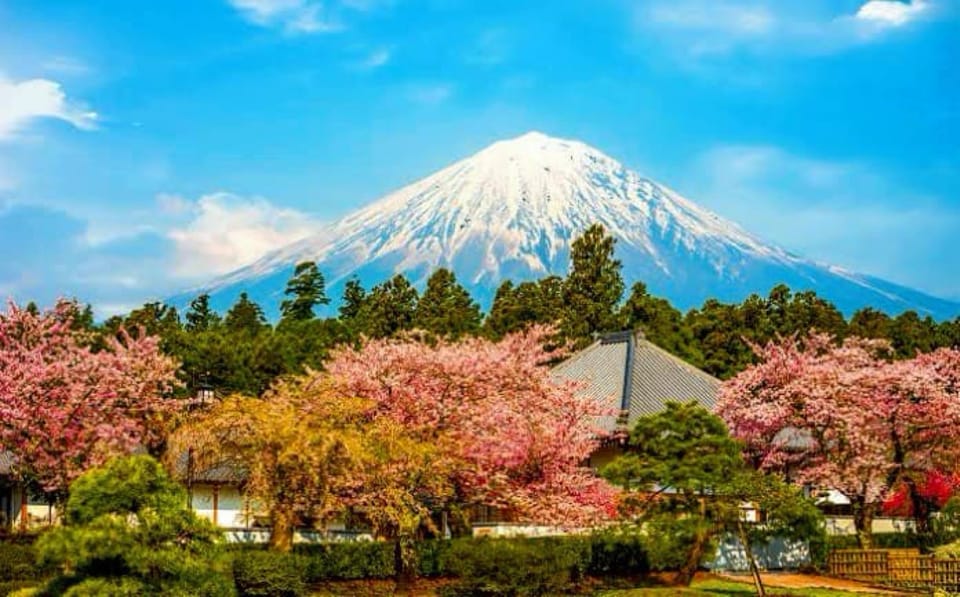
Then comes the classic: Chureito Pagoda for about one hour, with guided visit time and free time. This is where the “postcard view” phrase actually holds up. The pagoda’s five stories frame Mount Fuji in the background, and the seasonal colors can add something extra.
Depending on when you go, you might see cherry blossoms behind the scene or autumn tones later in the year. Either way, the key is timing and perspective. The private format helps because you’re not just herded into one spot and told to move on.
If you can, use your free time for a couple of different angles. One spot gives you the famous composition; another spot can give you a slightly different relationship between pagoda lines and Fuji’s silhouette.
Oishi Park: Another Fuji Angle (Good for a Breather)
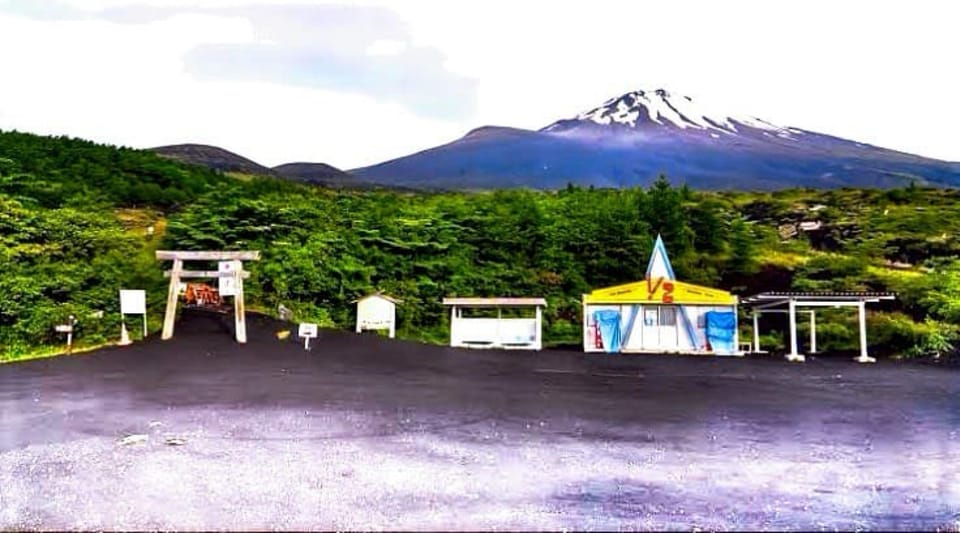
After the pagoda, you’ll visit Oishi Park with guided time and about an hour including free time. This stop is a good mid-afternoon breathing space. It’s still outdoors and Fuji-focused, but it tends to feel less like a single-photo mission and more like a viewpoint you can enjoy at your pace.
This is also where you’ll want to check your energy. By now, you’ve done reflections, shrine time, and pagoda photos. If you need a moment to regroup—this is where it’s easiest to do it without ruining the day.
Gotemba Premium Outlets: Shopping Time That Changes the Mood
Then you go to Gotemba Premium Outlets for about 3 hours. If you’re a shopaholic, this part may feel like your reward. If you didn’t picture a shopping center in the middle of Fuji day plans, it can feel like the odd one out.
Here’s how to treat it: use it strategically. If you want a quick break from walking outdoors, this is a rest zone. If you want snacks and a chance to warm up (or cool down), it’s handy. But don’t mistake it for sightseeing. It’s a shopping stop, and your time will be what you make of it.
Lake Ashi and Hakone: A Different Kind of Fuji Day
Now the day shifts from Fuji Five Lakes country into Hakone territory. You’ll have time at Lake Ashi (with a photo stop, visit, guided tour, and walking/hiking time noted). Lake Ashi is known for Fuji views from the water, and the program also references an option to cruise across the lake on a traditional-style boat—though the motorboat ticket isn’t included.
If you’re planning to do a boat-style ride, keep in mind that tickets may be extra. If you skip it, Lake Ashi still gives you walking space and water-and-mountain photo chances.
Then you head into the more dramatic volcanic scenery.
Hakone Ropeway and Owakudani: Steaming Views, Worth the Effort
Hakone Ropeway comes next with photo stops and sightseeing, followed by Owakudani Valley. This is where the Fuji day gets more adventurous. The listing highlights volcanic landscape and steaming sulfur vents, with big panoramic views.
Even if you’re not a “volcano person,” Owakudani can be a memorable contrast: Fuji’s elegance against a harsher, active landscape. The ropeway experience also changes perspective quickly, which helps if Fuji is hiding behind cloud at ground level.
One practical note: ropeway tickets are not included, so plan for that added cost if you want to ride.
Glass Forest Museum and Hakone Shrine: Culture + Walk Time
After Owakudani, the day includes Hakone Venetian Glass Museum (Glass Forest), with guided visit time. This is a more indoor, slower-paced stop—helpful if the weather turns.
Then you wrap up at Hakone Shrine with photo stop, visit, guided tour, and walk time. This gives you one last structured cultural moment before the long return drive.
By this point, your group will likely be happy to get back in the van and rest your feet.
Return to Tokyo: The End of the Big Loop
The program then includes a return stretch (about 2 hours of van time noted), bringing you back to Tokyo.
If you’re traveling with family or older kids, this part matters. You’ll have a full day of sitting and getting out, so plan simple snacks and hydration. You also have water included in the tour, which helps.
And one more reality check: because traffic can be unpredictable, your return time depends on road conditions. The driver timing notes in the listing are a good warning to keep your evening plans flexible.
Value Check: Is $332 a Good Deal for You?
For a private group up to 6, $332 total can be a strong deal. Here’s the quick math:
- If you fill 6 seats: it can work out to around the mid-$50s per person
- If you’re 2 people: it’s closer to the high $150s per person
The private part is what you’re paying for: door-to-door pickup in Tokyo, a chartered vehicle, and a guide who can adjust pacing. If you’re a couple who doesn’t want to fuss with trains, it can still be worth it. If you’re solo or just two and you want the full range of Hakone and Fuji stops, you might consider whether you’d rather split costs with friends.
Also think about what you value most:
- If you care about time flexibility, this tour shines
- If you care most about being outdoors and viewing Fuji nonstop, the shopping stop at Gotemba may feel like less value
- If you’re okay mixing views, shrine time, and a glass museum, the pacing tends to feel varied enough to stay interesting
Should You Book This Private Mount Fuji and Hakone Day Trip?
Book it if you want a private chartered car out of Tokyo, multiple Fuji viewpoints in one day, and a guide who can keep the plan moving without rushing you out of each stop. It’s especially appealing for small groups (up to 6) who can spread the cost and who prefer comfort over squeezing onto public transit.
I would skip or rethink it if you:
- Only want Mount Fuji 5th station (because private vehicles can’t go there in summer; shuttle is required)
- Hate shopping stops and would rather spend that time purely on scenic walking
- Are very sensitive to schedule uncertainty (traffic can shift timing, and the day is long)
If your travel style is flexible and your priority is to see Fuji from several angles with less stress, this is the kind of day trip that makes Tokyo feel like less of a bottleneck.
FAQ
How long is the private Mount Fuji tour from Tokyo?
The total duration is listed as 10 hours.
What is the group size and price?
It’s priced at $332 per group and is for a private group up to 6 people.
What’s included in the price?
Included items are an English-speaking driver, an air-conditioned vehicle with WiFi when needed, hotel pickup and drop off, and water. A live tour guide is included, with languages listed as English, Japanese, Urdu, and Hindi.
What tickets are not included?
Tickets not included include Mr Fuji 5th station entry ticket, ropeway or motorboat ticket, and Saiko iyashi no nemba village entry ticket.
Can the tour go to Mount Fuji 5th station?
During July 1 to September 10, private vehicles cannot go to 5th station. If you want to go during that time, you must use the shuttle bus from the Mount Fuji parking lot (listed at 1000 yen).
Where does pickup work?
Pickup is available from hotels, hostels, airbnbs, apartments, or other addresses in Tokyo’s 23 wards, but it is not available from airports, ports, and stations.
What should I bring, and what is not allowed?
Bring a camera, comfortable clothes, and cash. Smoking in the vehicle is not allowed.