REVIEW · TOKYO
Tokyo After 5: Local Eats, Drinks & Culture Walk
Book on GetYourGuide →Operated by Intrepid Urban Adventures - Japan · Bookable on GetYourGuide
Tokyo nights have a special smell of smoke. This small-group Tokyo After 5 walk strings together Depachika snacks, hands-on Monja-yaki, and after-work yakitori in neighborhoods you’d miss on your own. I love how you actually learn the why behind what you’re eating, and I love the way the guide steers you through etiquette so you don’t feel like you’re guessing. One thing to keep in mind: this isn’t a sit-everywhere tour, and it involves walking plus subways with stairs.
Meeting at Ginza, you start with a basement food-hall crawl (yes, Depachika), then shift to Yurakucho’s lantern-lit backstreets and end back in Ginza with wagashi. If you’re picky about food—no vegetarian, vegan, or gluten-free swaps are listed—you’ll want to plan ahead. Also, alcohol is optional, but Japan’s legal drinking age is 20, so under-20 guests get non-alcoholic drinks.
In This Review
- Key things I’d circle on your Tokyo food planner
- Ginza first: finding the Lion and getting your bearings
- Depachika basement food hall: the smart way to start eating
- Yurakucho after-work yakitori: where the smoky alley feeling is real
- Tsukishima Monja Town: sitting at the hotplate and learning Monja-yaki
- Wagashi in the final stretch: tasting seasons, not just sweets
- Food amount, drinks, and what you actually pay for
- Pace, group size, and the one thing you should think about
- Who this tour suits (and who should choose another plan)
- Should you book Tokyo After 5? My take
- FAQ
- What is the duration of the Tokyo After 5 tour?
- How much does the tour cost?
- What’s included in the food and drinks?
- What’s the group size?
- Are vegetarian, vegan, or gluten-free options available?
- Where do I meet the guide?
Key things I’d circle on your Tokyo food planner
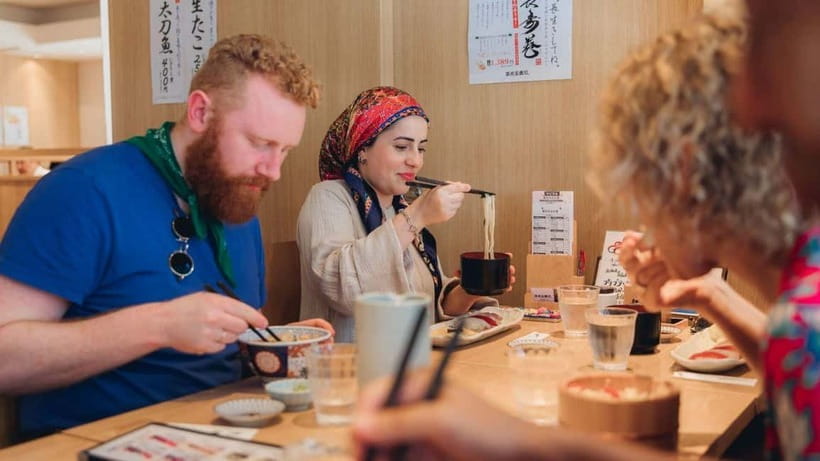
- Depachika start: a guided primer on how Tokyo-style comfort foods and seasonal sweets get chosen
- Yurakucho yakitori timing: office-worker energy, smoky alleys, and skewers grilled right in front of you
- Tsukishima Monja Town hotplate cooking: you sit close and learn the Monja-yaki technique as it cooks
- Wagashi with meaning: seasonal ingredients and how shape, color, and flavor connect to Japan’s calendar
- Max 8 people: easier questions, more chat with your guide, and calmer restaurant visits
Ginza first: finding the Lion and getting your bearings
This tour starts in Ginza at Mitsukoshi. Look for the life-scale sitting Lion statue outside, then go to the ground level near the A7 exit of Ginza Station. It’s one of those meet-up points that makes sense once you’re there, but it can take a minute to spot if you’re rushing or juggling trains. I’d give yourself an extra 10 minutes so you’re not doing a frantic restaurant-and-Lion scavenger hunt.
Why this matters: Ginza puts you in the middle of Tokyo’s transit web, so the tour can hop neighborhoods without wasting time. You’ll use public transport for quick moves, and the guide keeps the flow so you’re not coordinating lines in the evening.
Your tour ends back in Ginza. That’s handy when you want an easy follow-up plan after you’ve eaten your way through three different styles of Japanese comfort food.
You can also read our reviews of more walking tours in Tokyo
Depachika basement food hall: the smart way to start eating
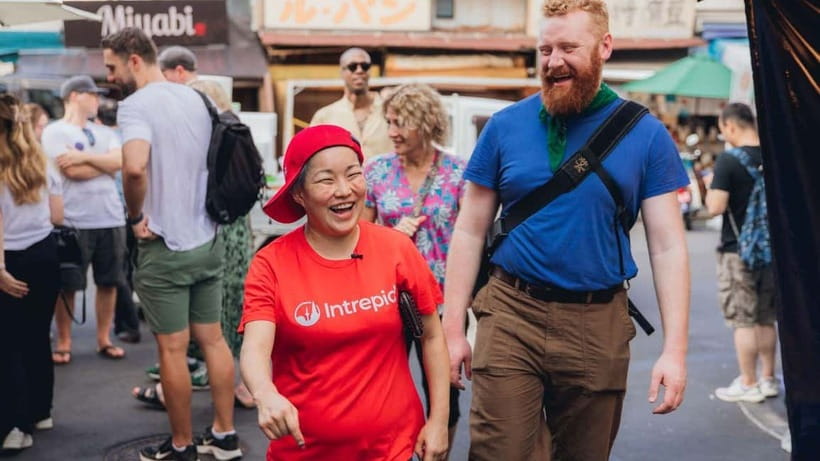
The night kicks off with a Depachika experience. These are basement food halls in department stores, and Tokyo locals use them like a weekly snack lab: they check what’s seasonal, they grab small portions, and they treat food as part of the fun of the day.
On this tour, your guide helps you understand what you’re seeing and tasting—how flavors are built, what’s considered normal etiquette, and why seasonal items matter. You’re not just sampling randomly. You’re learning how Japanese food culture turns small bites into something meaningful.
In practical terms, you’ll want to go in hungry enough to enjoy multiple stops, but not so hungry that your stomach feels like it’s sprinting. Depachika is usually your “warm-up” stop: it sets the flavor tone for the night, especially for sweets you’ll see again later when you reach wagashi.
Yurakucho after-work yakitori: where the smoky alley feeling is real
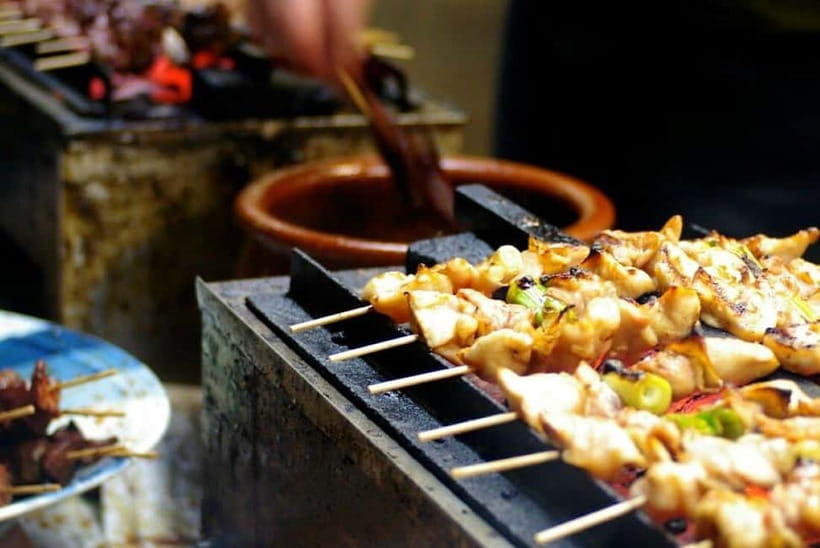
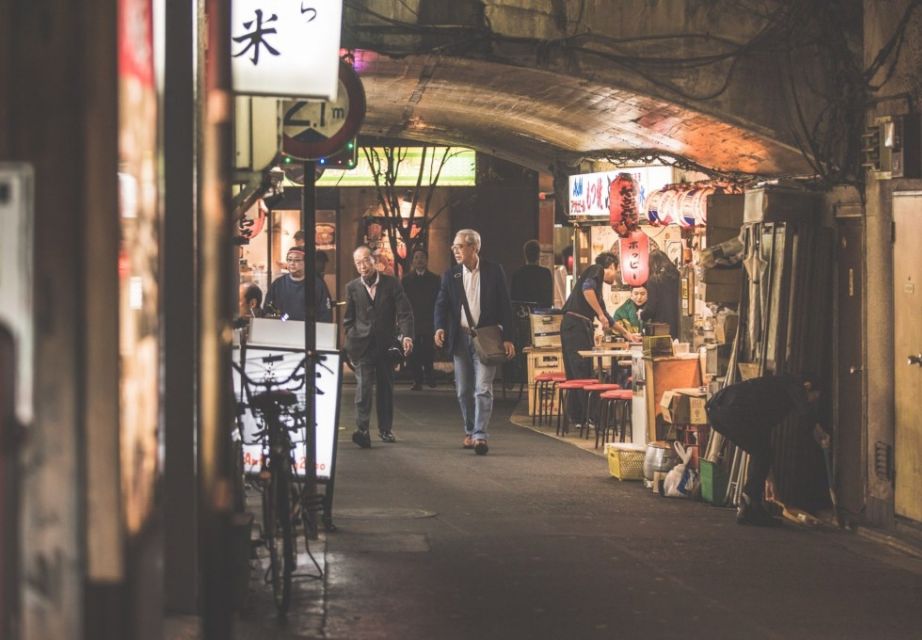
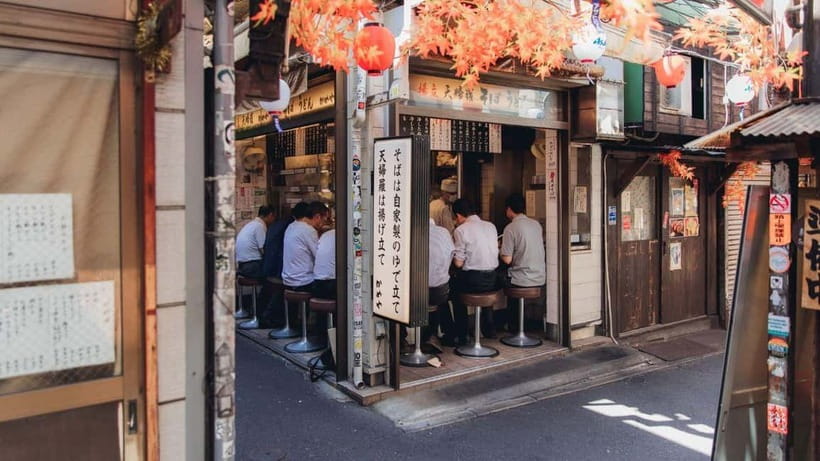
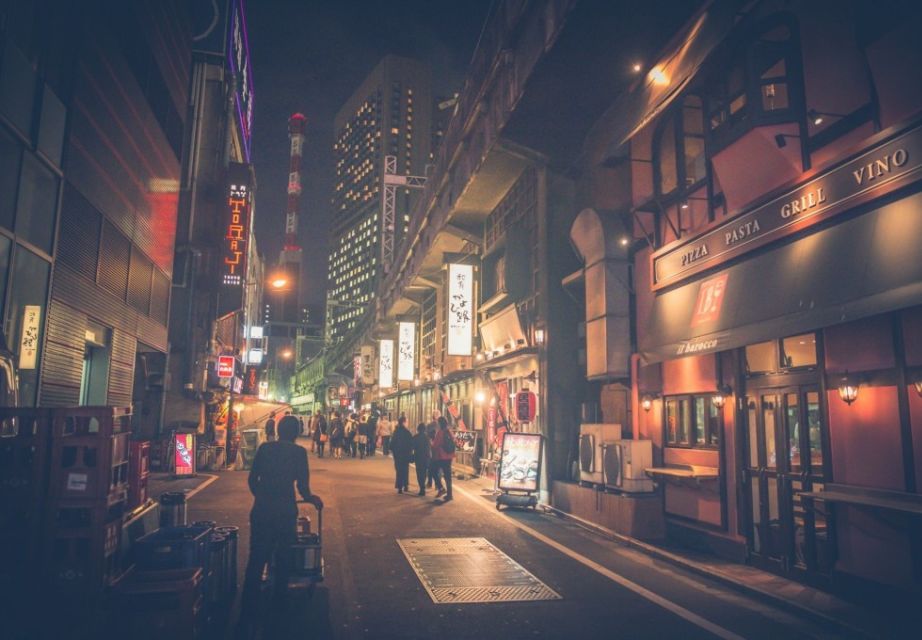
Then you shift gears to Yurakucho, one of those Tokyo neighborhoods where the after-work crowd makes everything feel like it’s happening right now. The alleys are lantern-lit, and the atmosphere is built for quick conversation, grilled food, and a low-key celebration after a long day.
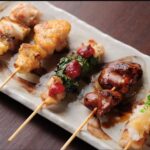
Here you’ll taste yakitori—freshly grilled skewers—and you’ll learn how the skewers are prepared and why this smoky style is such an “everyday Tokyo” thing, not just a tourist activity. This is a big part of the value of a guided food tour: you’re eating food, sure, but you’re also getting the shortcuts to understanding what makes yakitori yakitori.
A small-group format helps a lot here. When seats are tight (and they often are in places like this), you don’t want a crowd that can’t ask questions. With a group capped at 8, you can actually talk to your guide and still fit into the rhythm of the restaurant.
One more practical note: don’t expect giant portions at every stop. The goal is variety and technique—so your “full” feeling comes from stacking several tastings, not from one mountain plate.
Tsukishima Monja Town: sitting at the hotplate and learning Monja-yaki
Next comes Tsukishima Monja Town, closely tied to Monja-yaki. If you’ve only ever had Japanese pancakes or okonomiyaki, Monja-yaki feels related but different in spirit and texture. You’ll sit near the cooking surface and watch your meal get cooked in front of you—this is food where the process is part of the product.
What I like about this stop is that it turns a snack into a mini lesson. You don’t just eat; you get hands-on with the cooking technique. That’s where the guide earns their keep: they help you understand the method so you don’t just make a hot mess and hope for the best.
This is also where the “local chef energy” matters. Even if you’re not taking over the whole pan, being close enough to see how ingredients are handled makes Monja-yaki click. It’s not abstract Japanese cuisine. It’s a working, sizzling, interactive meal that you can experience rather than just photograph.
Tip for enjoyment: wear something comfortable and be ready for the smell of the hotplate to cling to your clothes a bit afterward. That smell is part of the deal, like grill smoke is part of summer.
Wagashi in the final stretch: tasting seasons, not just sweets
To close, you’ll stop at a traditional wagashi shop. Wagashi are Japanese sweets often made with bean paste and shaped with care. What changes from stop to stop is the seasonal theme—ingredients and presentation shift with the calendar.
Your guide explains the cultural meaning behind what you’re tasting: how Japan’s seasons show up in sweetness, color, texture, and even the idea of what a treat should represent. That context makes a big difference. Without it, wagashi can seem like “pretty dessert.” With it, you start noticing why the design choices feel like part of the food, not decoration.
You’ll likely try options built around traditional flavors (including red bean paste and mochi-like textures). If you don’t love red bean flavors, this is the one stop that could land differently for you. Still, it’s a valuable cultural moment because wagashi is a Japan-specific way of thinking about taste and time.


Food amount, drinks, and what you actually pay for
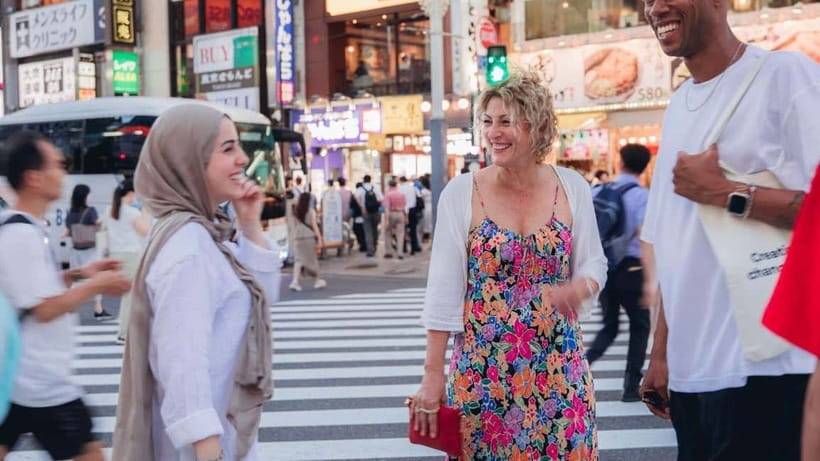
The price is $89 per person for about 210 minutes (a little over 3 hours). That sounds like a lot until you map what’s included:
- Three tastings: yakitori, Monja-yaki, and wagashi
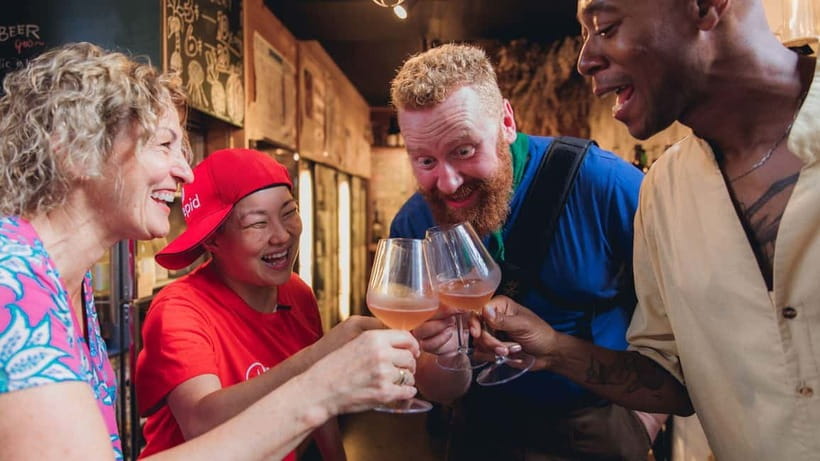
- Two drinks: sake, beer, or soft drink
- Hands-on cooking for Monja-yaki (and an interactive yakitori experience)
- A local English-speaking guide plus neighborhood access
- Public transportation using 2 subway tickets
Value-wise, you’re paying for three things that are hard to DIY:
1) you’re not just eating; you’re learning what to notice and how to act in small local restaurants,
2) you’re getting taken to neighborhoods like Yurakucho and Tsukishima Monja Town on a timeline that works,
3) you’re sampling multiple Japanese food styles in one evening with the social comfort of a small group.
Also, the tour is operated by a B Corp certified company with a stated carbon neutral approach. I always like that when it’s part of the business model, not just a marketing line.
One more real-world point: plan for a fair chunk of evening walking. A past participant described it as around 9,000 steps, and that matches the way a three-stop food circuit usually feels once you include moving between subway stations and tight restaurant entrances.
Pace, group size, and the one thing you should think about
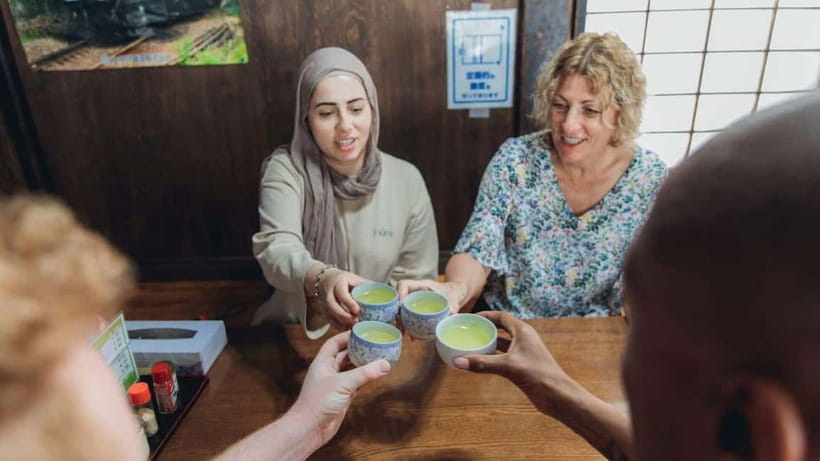
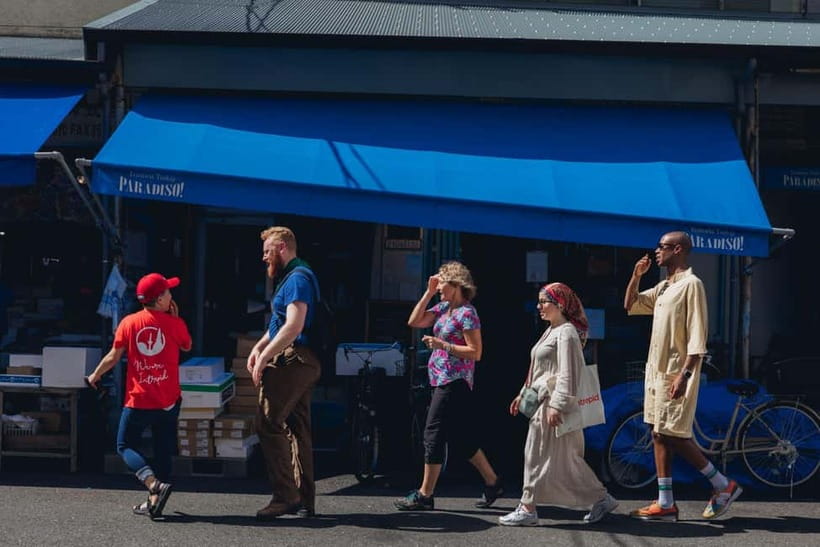
This is designed for small groups: maximum 8 guests. That’s a key reason it tends to feel fun rather than chaotic. With fewer people, your guide can keep the timing tight, explain more at each stop, and help the group handle cramped seating without stress.
Still, this is not a slow, wheel-your-way-around Tokyo evening. There are subway rides and stairs involved, and the walking is part of the experience. If you need lots of breaks or you’re managing mobility limitations, I’d take that into account before you book.
Dietary restrictions are also clear: the tour doesn’t list vegetarian, vegan, or gluten-free options, and the stops can’t accommodate all needs. If you have a serious allergy or a strict diet, you’ll want to double-check with the operator before committing—because the tour plan is built around specific local restaurants.
Who this tour suits (and who should choose another plan)
This fits you best if you want:
- an easy entry into Tokyo’s evening food culture without speaking Japanese,
- a guided route through Ginza, Yurakucho, and Tsukishima that makes sense in one night,
- a hands-on cooking moment (Monja-yaki) rather than only tasting.
It’s also great if you’re the kind of traveler who likes meeting people and asking questions. Several guides have been highlighted by name in past experiences—like Tsunematsu Hidenori, Yuki (listed as snoopy), Kirir, and Meg—and the common theme is that the guide role isn’t just logistics. It’s storytelling and patience, with enough detail to help food choices feel confident.
Skip this (or consider a different style of tour) if:
- you need vegetarian/vegan/gluten-free meals,
- you don’t do well with walking and stair-heavy subway transfers,
- you dislike the idea of trying traditional sweets like wagashi made with classic fillings.
Should you book Tokyo After 5? My take
If your goal is a short Tokyo night that feels local—smoky yakitori alleys, Tsukishima hotplate cooking, and wagashi with seasonal meaning—this is a strong pick. The small group size, the hands-on element, and the mix of Depachika + after-work street food + Monja Town + wagashi make the $89 feel like a “you get the culture with the food” deal, not just a tasting sampler.
Book it if you can eat a normal range of Japanese flavors and you’re okay with walking. Pass if your diet is strict or your mobility is limited.
Bottom line: this is the kind of Tokyo experience that makes you feel like you understand how the city eats after work—without needing a friend who lives there.
FAQ
What is the duration of the Tokyo After 5 tour?
The tour runs for about 210 minutes (around 3.5 hours).
How much does the tour cost?
The price is listed at $89 per person.
What’s included in the food and drinks?
You get three local food tastings (yakitori, monja-yaki, and wagashi) plus two local drinks (sake, beer, or soft drink).
What’s the group size?
It’s a small-group tour with a maximum of 8 participants.
Are vegetarian, vegan, or gluten-free options available?
No. The tour notes that it cannot cater all dietary requirements and does not offer vegetarian, vegan, or gluten-free options.
Where do I meet the guide?
Meet at Mitsukoshi Ginza, in front of the life-scale sitting Lion statue outside, near the A7 exit of Ginza Station. The address is 4-6-16, Ginza, Chuo-ku, Tokyo.