REVIEW · TOKYO
Imperial Palace Tour: Discover Samurai History with a Guide
Book on GetYourGuide →Operated by YURAGI - Japan Guide Tours - · Bookable on GetYourGuide
Samurai stories walk beside Tokyo’s walls. This Imperial Palace tour takes you through the calm East Gardens and points out Edo Castle remnants, with a guide turning stones, gates, and watchtowers into clear stories about power in Japan.
I love two things most: the small-group pace (up to 8 people), which makes questions easy, and the way the route names specific Edo Castle features like the Tenshudai base and the Tatsumi Yagura tower, so samurai history feels grounded in what you’re actually seeing.
One consideration: this is still a walking tour. If you have low fitness or need extra support for standing and moving between areas, it may feel like more than you want, and it is marked as not suitable for pregnant women.
In This Review
- Key tour takeaways
- Samurai and the Imperial Grounds: What This 90-Minute Walk Covers
- Finding Your Guide at Starbucks Near the East Gardens
- Tokyo Imperial Palace Orientation: Gates, Stones, and Shifting Power
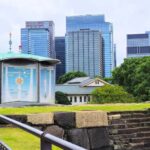
- East Gardens and Edo Castle Ruins: Tenshudai and Tatsumi Yagura
- How the Guide Makes Samurai History Click (With Real Answers)
- Price and Value: Why $24 Can Make Sense in Tokyo
- Who Should Book This Tour (and Who Might Skip It)
- Practical Tips for an Imperial Palace East Gardens Visit
- Should You Book the Imperial Palace Tour with YURAGI?
- FAQ
- How long is the Imperial Palace tour?
- How many people are in the group?
- What languages are available?
- Where do we meet the guide?
- What should I bring?
- Is the tour wheelchair accessible?
- Are service animals allowed?
- Is the tour suitable for pregnant women?
- Is it suitable for people with low fitness levels?
- What is included in the price?
- Can I cancel and get a refund?
Key tour takeaways
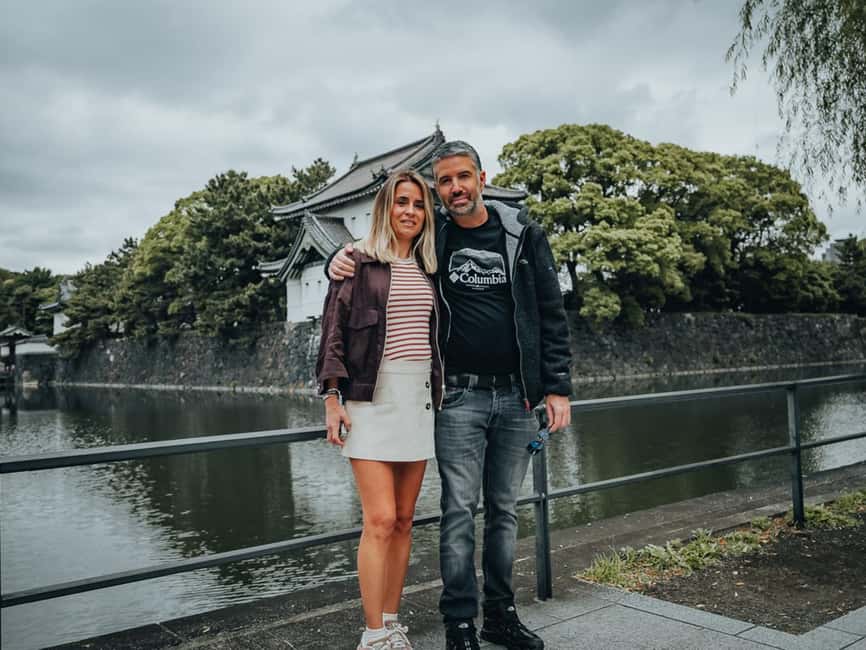
- Small group of up to 8 people keeps it interactive and not rushed
- Edo Castle ruins like the Tenshudai base and Tatsumi Yagura tower make history concrete
- English, Spanish, and French guiding helps you get the stories clearly
- Tokyo Imperial Palace East Gardens combine walking paths with iconic landmarks
- Bring comfy shoes and water so you can enjoy the whole route comfortably
Samurai and the Imperial Grounds: What This 90-Minute Walk Covers
This tour is built for one goal: helping you connect what samurai and shogun-era power meant to the real layout of Tokyo. You’re not just looking at pretty grounds. You’re getting a guided way to read the site like a map of political control.
The experience centers on the Tokyo Imperial Palace area and then shifts into the Imperial Palace East Gardens. Along the way, you’ll pass stone ruins and gates that tie back to the time when Edo Castle stood on (and shaped) this part of the city. The guide’s job is to connect the physical details to the human story: emperors, the samurai class, and the military-backed leadership that actually ran daily life.
If you like your history practical and place-based, you’ll probably enjoy this more than a lecture-style tour. You walk, you stop, you learn, and then the next landmark makes the last explanation make sense. That rhythm is a big part of the value.
You can also read our reviews of more guided tours in Tokyo



Finding Your Guide at Starbucks Near the East Gardens
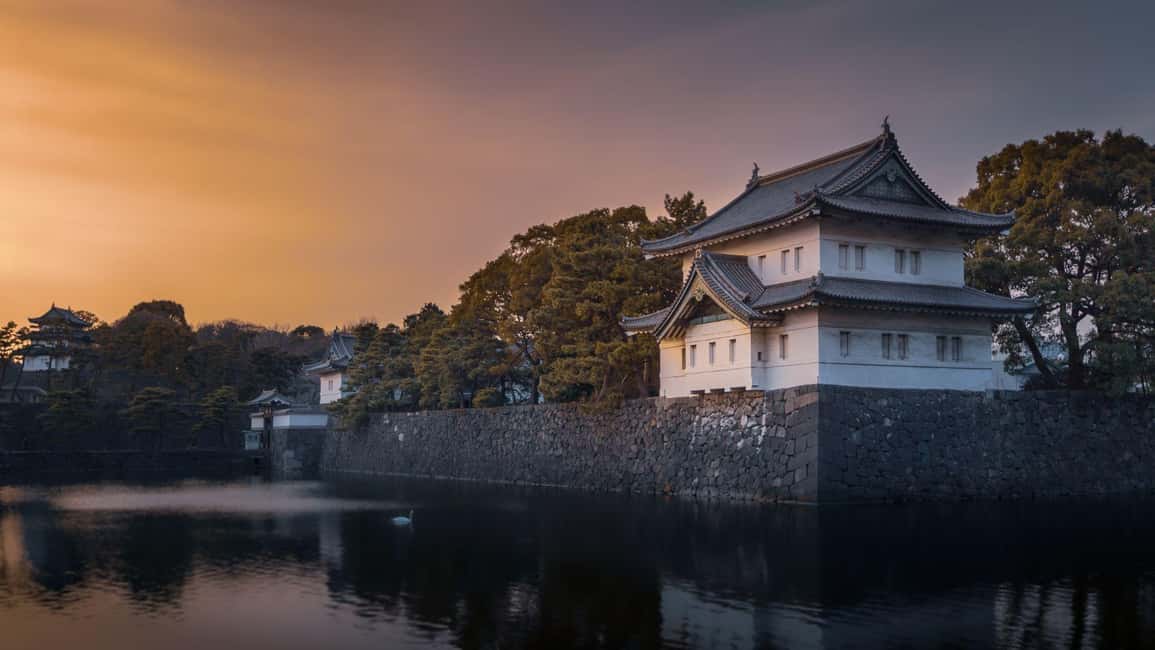
Meeting up is refreshingly simple. Your guide stands in front of Starbucks at 皇居外苑 和田倉噴水公園店. They’ll hold a signboard for the inbound tour service YURAGI, so you’re not hunting silently while jet-lagged.
Why I like this meeting setup: it’s a real, easy-to-spot landmark in a busy city area. And if you get stuck, the tour provides a way to contact the guide directly by WhatsApp or phone, which reduces the stress of “Did I miss them?”
It also helps to be on time. With a small group, the tour benefits from starting together. If you’re late, you may be split from the main walking flow, which is the opposite of what you want on a guided history route.
Tokyo Imperial Palace Orientation: Gates, Stones, and Shifting Power

You start with a focused visit around the Tokyo Imperial Palace area (about 30 minutes). This is the part that helps you orient your brain. Even if the grounds look calm and orderly today, the guide helps you understand what those boundaries meant when the site was tied to Edo Castle and the Tokugawa shogunate.
What you’ll take away here is context: how the imperial household and the shogunate interacted, and how samurai power fit into the political system. The tour doesn’t treat samurai as just sword heroes. You learn the behind-the-scenes reality: who held authority, what that meant for governance, and why military leadership shaped Japan for generations.
The practical drawback of this kind of stop-and-explain orientation is that you’ll want to pay attention rather than drifting into photo mode. If you just want sweeping views, you may feel like you’re waiting for the “best part.” But if you enjoy learning first and looking second, this pacing works well.
East Gardens and Edo Castle Ruins: Tenshudai and Tatsumi Yagura
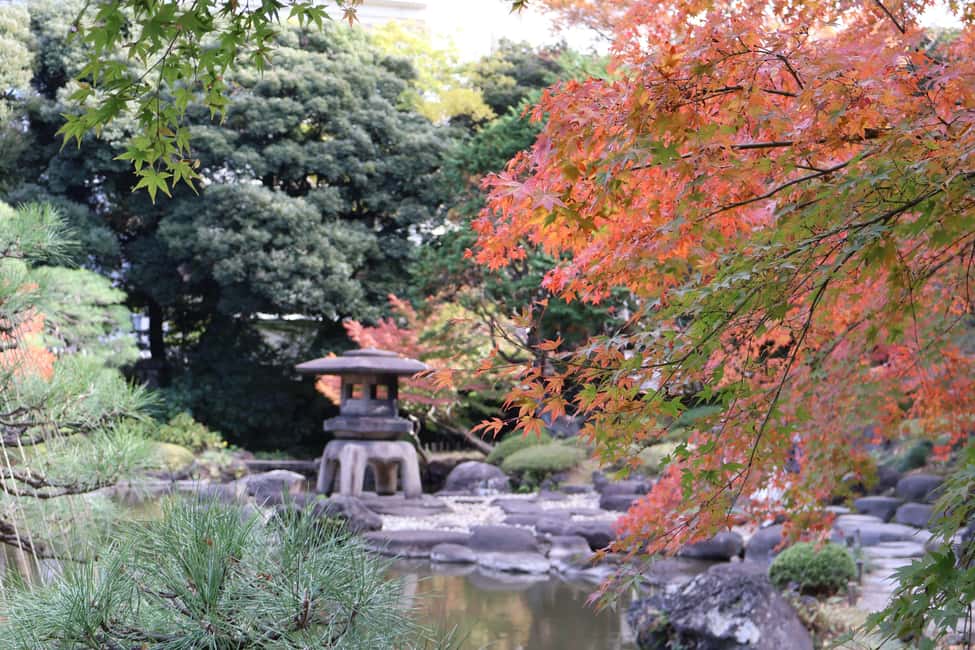
The heart of the tour is the Imperial Palace East Gardens area (about 70 minutes). This is where the walking starts to feel like an outdoor classroom—paths, stone remnants, and landmark structures that hint at Edo Castle’s original scale.
Two stops stand out in the description you’ll be following along with:
- Tenshudai base: this is part of the Edo Castle footprint and gives you something tangible to anchor the story to. Instead of hearing about the castle as an idea, you see the physical base connected to it.
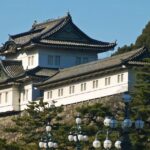
- Tatsumi Yagura tower: the watchtower is one of those iconic structures that instantly makes the site feel like it had purpose beyond scenery—watching, controlling, and defending.
As you move between areas, the guide’s commentary helps you connect what you’re seeing to how samurai-era systems worked. Stone ruins and gates aren’t just decoration here. They’re evidence of how the Tokugawa shogunate organized security and authority.
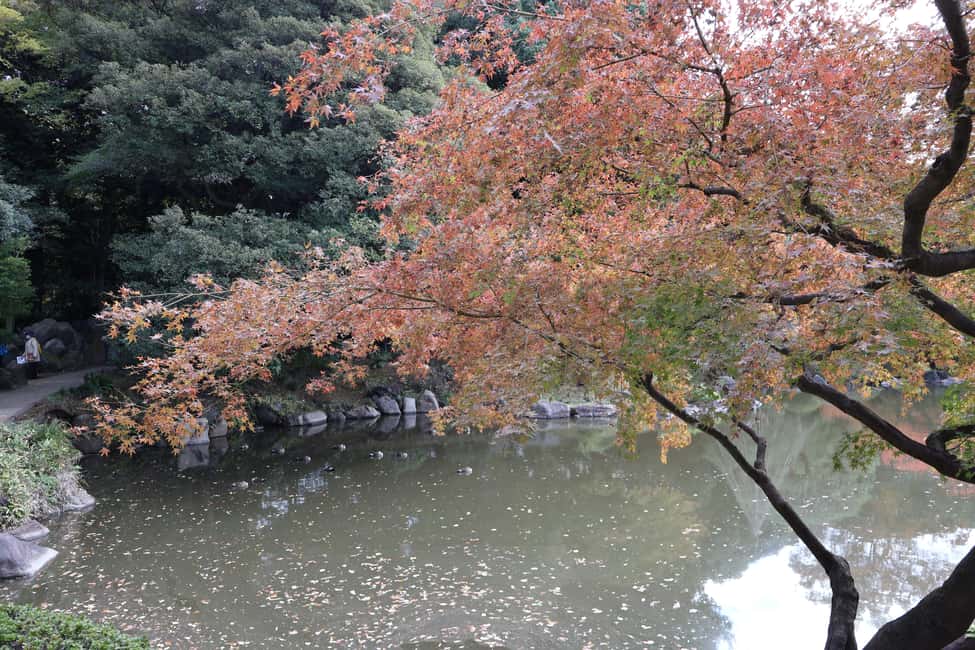
One more small but important detail: the gardens are well maintained, so you’ll be walking on paths rather than chaotic terrain. Still, expect to spend time standing and looking at points of interest, and bring comfortable shoes so you don’t end up rushing through the explanations.
How the Guide Makes Samurai History Click (With Real Answers)
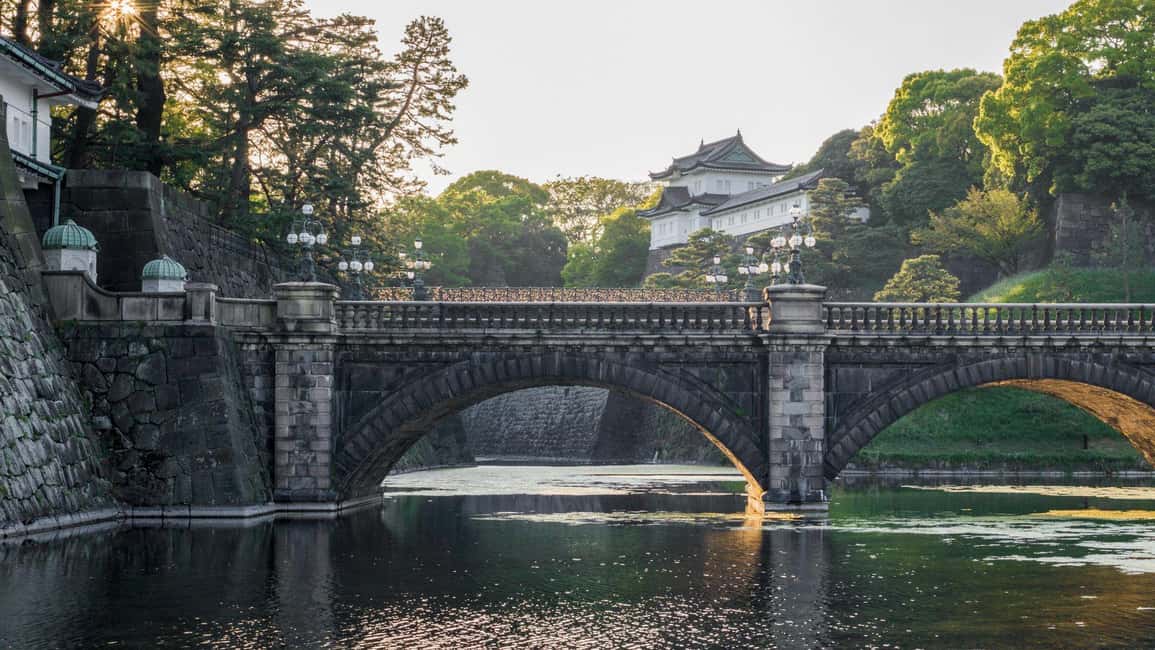
This tour stands or falls on the guide. And here, the tour is designed for a small group, which changes everything. When there are only up to 8 participants, you’re more likely to get direct answers to your questions instead of waiting for a pause in the group chatter.
The language options matter too. You can join in English, Spanish, or French, which helps you follow the story without straining. That clarity is especially important when the topic involves roles and timelines—emperors, samurai warriors, and the shogunate are connected, but not interchangeable.
You may encounter guides such as Hina, Delfo, Taku, Hiroshi, or Naoki Sugar. Across the information provided, these guides are described as warm, friendly, and willing to explain clearly. That style matters because the tour asks you to do a little “reading” of the landscape. A good guide doesn’t just point; they help you interpret.
If you’re someone who likes to ask why something is where it is, this tour gives you that space. And if you’d rather just listen and absorb, you’ll still get value because the commentary is tied to specific landmarks you can see.
You can also read our reviews of more historical tours in Tokyo


Price and Value: Why $24 Can Make Sense in Tokyo
At $24 per person, this is priced for a short, guided, small-group experience. The math is simple: you’re paying mainly for a professional local guide plus the convenience of a structured route through the Imperial Palace area.
Is it the cheapest thing you can do in Tokyo? Probably not, but it also isn’t trying to be. The value comes from:
- Guide-led context that turns what could feel like sightseeing into a coherent story
- Small-group format (max 8) that keeps the experience personal
- Targeted landmarks connected to Edo Castle remnants, not random photo stops
Think of it as paying for orientation and interpretation. Tokyo can be overwhelming when everything is on your own timeline. A guided walk like this helps you get your bearings fast, and you leave with a clearer mental picture of why the Tokugawa shogunate mattered to samurai history.
Who Should Book This Tour (and Who Might Skip It)
I’d point you toward this tour if you:
- enjoy history but prefer it tied to real places
- want a guided walk in a quieter part of central Tokyo
- like small groups and don’t want to fight for attention with a large crowd
- want explanations in English, Spanish, or French
I’d hesitate if you:
- have low fitness levels (the tour isn’t marketed for that)
- need to accommodate pregnancy-related limitations (it’s marked as not suitable for pregnant women)
- want a fully “no-standing, no-walking” experience
Also, consider the tour’s best rhythm. It’s designed as a walking history route, not a museum-style deep reading. So plan to stay engaged while you move, and you’ll probably feel the pay-off.
Practical Tips for an Imperial Palace East Gardens Visit
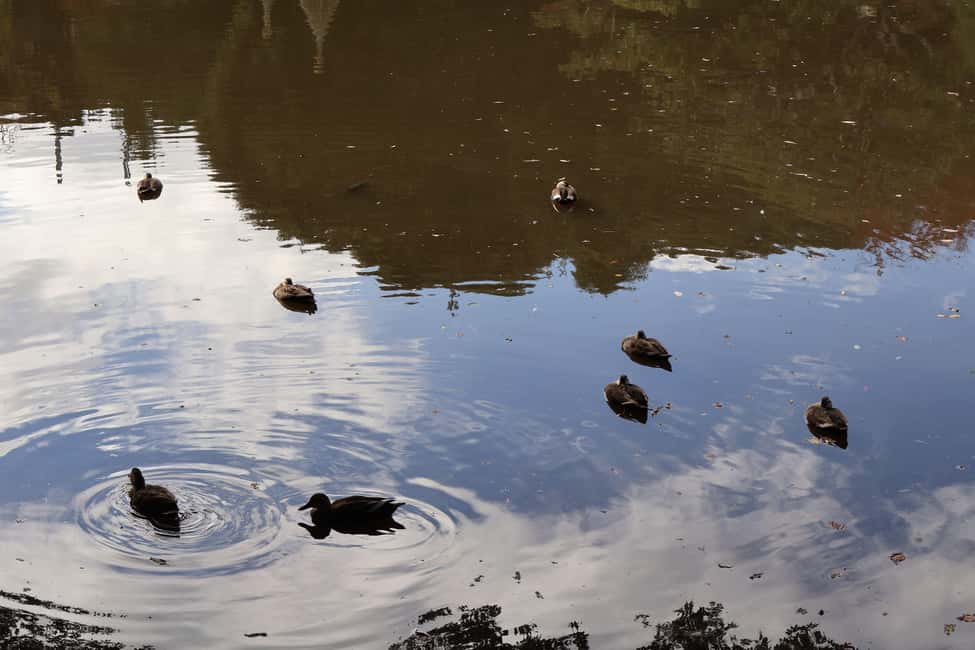
A few small choices make a big difference on a guided grounds walk.
Bring:
- Comfortable shoes (you’ll be moving along paths and pausing at points of interest)
- Water (Tokyo walking + time outside adds up)
- A camera (stone ruins, gates, and the tower area are visually memorable)
Wear plan:
- Lightweight layers help if the weather shifts while you’re outside.
- Keep your phone charged, since you’ll likely want to capture landmarks like the Tenshudai base area and the Tatsumi Yagura tower points.
Timing tip:
- If you’re trying to fit this into a jam-packed day, treat it like a focused block. The value is in the flow between stops, so don’t schedule it as a “quick stop” between other long tours.
Getting there:
- The meeting area is near public transportation, which makes it easier to slot into your Tokyo route without a long detour.
Should You Book the Imperial Palace Tour with YURAGI?
If you want a guided walk that connects samurai history to the actual shape of the Tokyo Imperial Palace East Gardens, this is a strong choice. The small group size, multilingual guiding, and emphasis on identifiable Edo Castle remnants (including Tenshudai and Tatsumi Yagura) give you a clear sense of place.
I’d book it if you’re the type of traveler who enjoys learning while walking rather than just looking. It’s also a good option for your first visit to this area, because the route helps you understand what you’re seeing without requiring prior knowledge.
If walking and sustained attention feel like a struggle, or if your needs don’t match the tour’s stated suitability, you may prefer a slower alternative.
FAQ
How long is the Imperial Palace tour?
The tour lasts 90 minutes.
How many people are in the group?
The group is limited to 8 participants.
What languages are available?
The live tour guide is available in English, Spanish, and French.
Where do we meet the guide?
Meet in front of Starbucks at 皇居外苑 和田倉噴水公園店. The guide will be holding a signboard for YURAGI.
What should I bring?
Bring comfortable shoes, a camera, and water.
Is the tour wheelchair accessible?
Yes. The tour is listed as wheelchair accessible and stroller accessible.
Are service animals allowed?
Yes, service animals are allowed.
Is the tour suitable for pregnant women?
No. The tour is marked as not suitable for pregnant women.
Is it suitable for people with low fitness levels?
No. The tour is marked as not suitable for people with low level of fitness.
What is included in the price?
The price includes a professional local guide.
Can I cancel and get a refund?
Yes. You can cancel up to 24 hours in advance for a full refund.