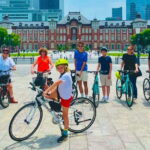
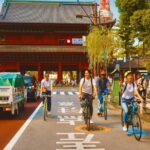
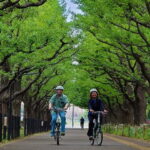
E-bikes make Tokyo feel close. This 3-hour guided ride is one of the easiest ways to see famous sights and local-feeling streets without walking yourself into a heat crash. I like that the route is run by an English-speaking guide who adds context as you roll past landmarks and into quieter neighborhoods.
What I especially like is the easy electric assist. Even when the course goes through hillier areas, the bike does the heavy work so you can focus on photos and the “how is this so close?” factor of Tokyo street life.
One consideration: you will share space with pedestrians and traffic. If you’re nervous about biking near moving cars or quickly dodging around footpath crowds, go in calmly and let the guide set your pace.
In This Review
- Key things to know before you ride
- Why 3 hours on an e-bike changes how you see Tokyo
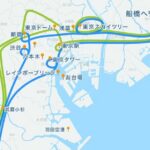
- Choosing the right route: City, Bay sunset views, or Tokyo Tower photos
- The Tokyo City Route: classic sights plus a calm garden stop
- The Tokyo Bay Route: flat, wide roads and big views
- The Tokyo Tower Route: temples, hills, and park time
- What the ride feels like: e-assist ease meets real street sharing
- Stop-by-stop on the Tokyo City Route: Ginza to the Japanese garden and shrine
- Stop-by-stop on the Tokyo Bay Route: bridges, shrines, and the sunset payoff
- Stop-by-stop on the Tokyo Tower Route: Zojo-ji, Tokyo Tower, and Hibiya Park
- The gardens, shrines, and snack stops that make it feel like Tokyo
- Price and value at about $65 for 3 hours
- Logistics that matter: meeting point timing, group pacing, and where you end
- Who this tour suits best (and who should reconsider)
- Should you book this Tokyo e-bike tour?
- FAQ
- How long is the Tokyo e-bike tour?
- What routes are available?
- What’s included in the price?
- Who can join the tour?
- When should I arrive at the meeting point?
- What happens if it rains?
Key things to know before you ride
- Three route choices: City, Bay, or Tokyo Tower, each with a different feel and photo moments
- Guides who talk the whole way: names you may hear include Shinobu, Hiro, Yugo, and Miki
- A break built in: you’ll stop for a traditional Japanese snack, plus a garden or shrine stop depending on the route
- Electric assist does the work: you can keep up without turning the trip into a workout
- You ride as a group: be on time for the briefing, and plan to return at the end to the meeting point
Why 3 hours on an e-bike changes how you see Tokyo
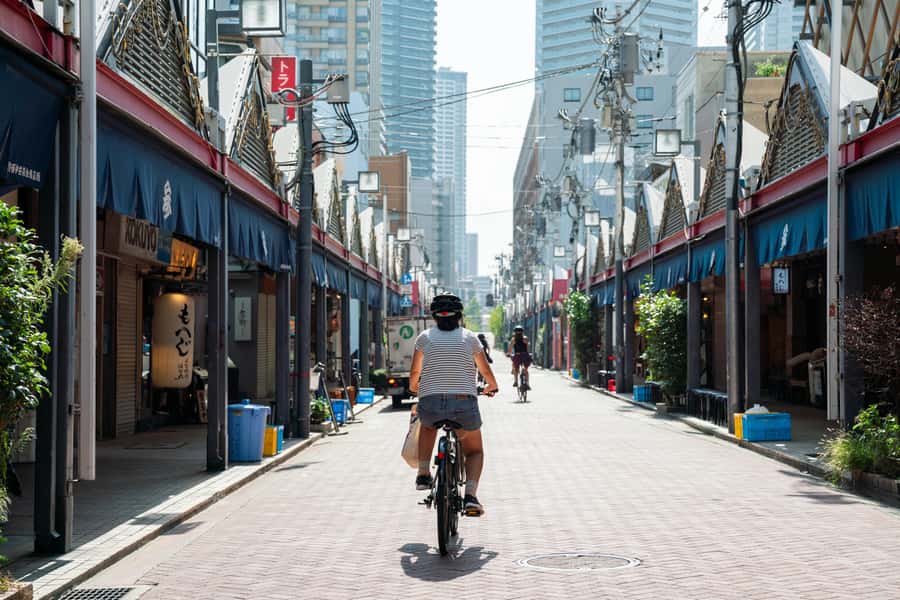
Tokyo is big, and it’s easy to spend your days bouncing between train stations and “must-see” stops that feel far from real life. This tour is designed to fix that. You cover ground fast, but you’re still close enough to notice details you normally miss from a bus window or a subway platform.
The big win is motion. You feel how neighborhoods shift block by block. You also get the kind of perspective you can’t easily recreate on your own, because the guide is steering you toward efficient streets and worthwhile stops. And the electric assist means the ride stays fun rather than punishing.
It’s also a nice middle option if you want something more active than a walking tour, but less stressful than handling a regular bicycle in Tokyo traffic.
You can also read our reviews of more cycling tours in Tokyo

Choosing the right route: City, Bay sunset views, or Tokyo Tower photos
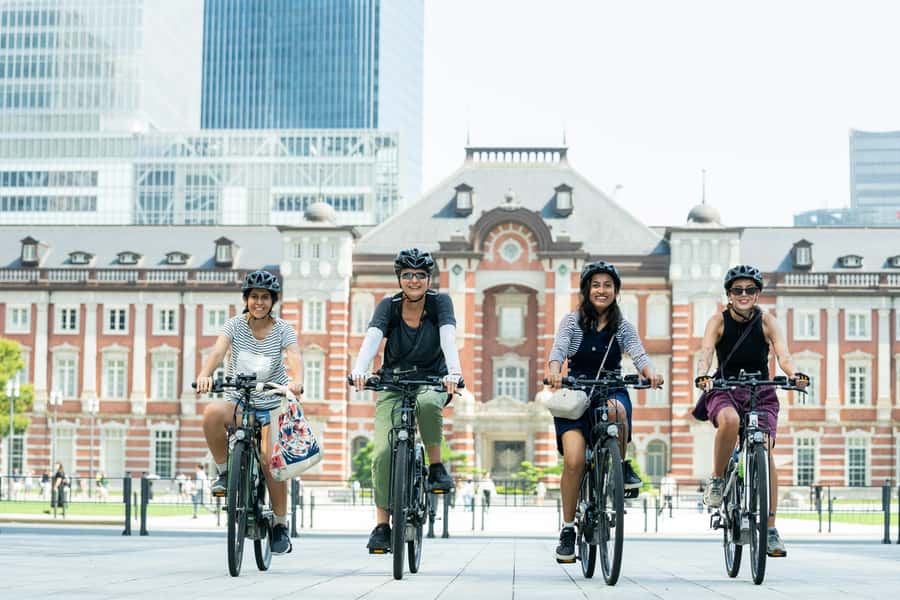
You’ll pick one of three routes. The ride style and the scenery both change, so choose based on what you want most from your Tokyo day.
The Tokyo City Route: classic sights plus a calm garden stop
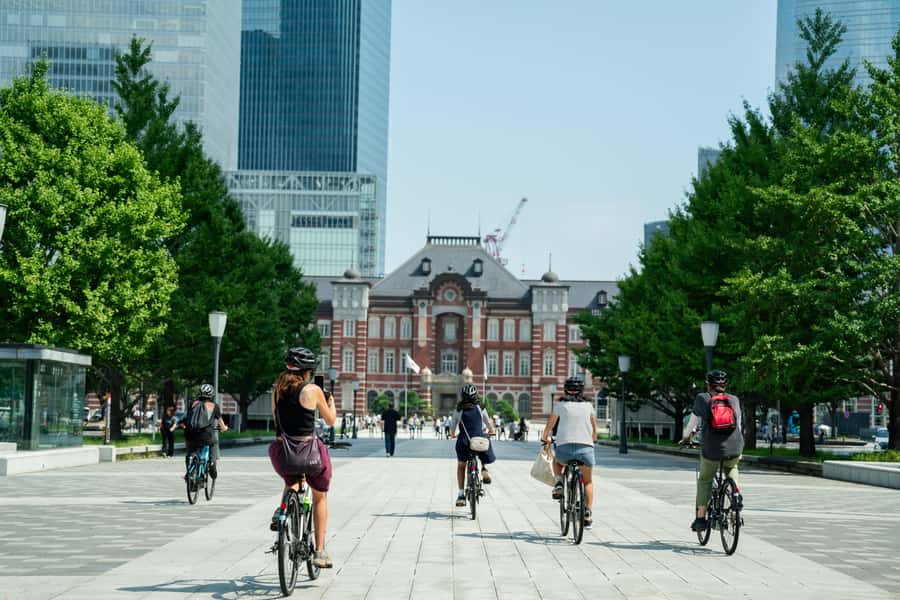
This course mixes fast passes by big-name spots with slower, more interesting moments. You’ll cruise through central areas like Ginza and Tokyo Station, then roll toward the older merchant-street vibe around Nihonbashi. The ride includes a traditional snack stop, a chance to enter a Japanese garden, and then a shrine visit at Tomioka Hachimangu.
If you’re a first-time visitor, this is the best “start here” option. You get recognizable landmarks without turning the trip into a checklist.
The Tokyo Bay Route: flat, wide roads and big views
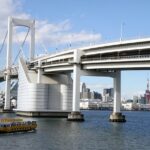
This one is made for scenery. You ride out around Odaiba, including bridges with sea breeze and open views across Tokyo Bay. The route includes several photo moments and landmark passes: Gundam Statue, Statue of Liberty in Odaiba, and Rainbow Bridge.
It also leans heavily into sunset and night views. The starting time can shift depending on the month, which matters because the timing is part of the payoff.
The Tokyo Tower Route: temples, hills, and park time
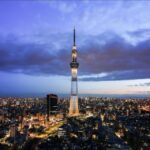
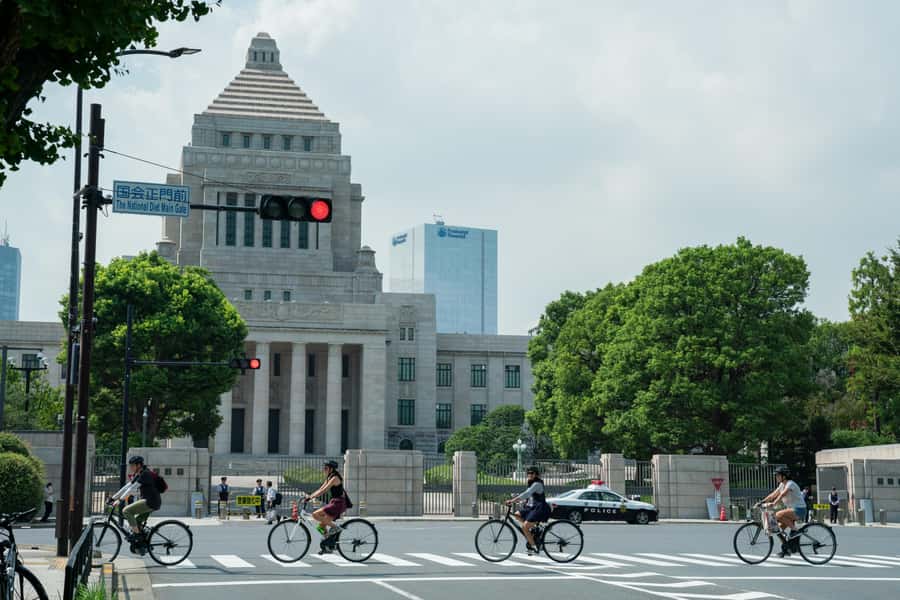
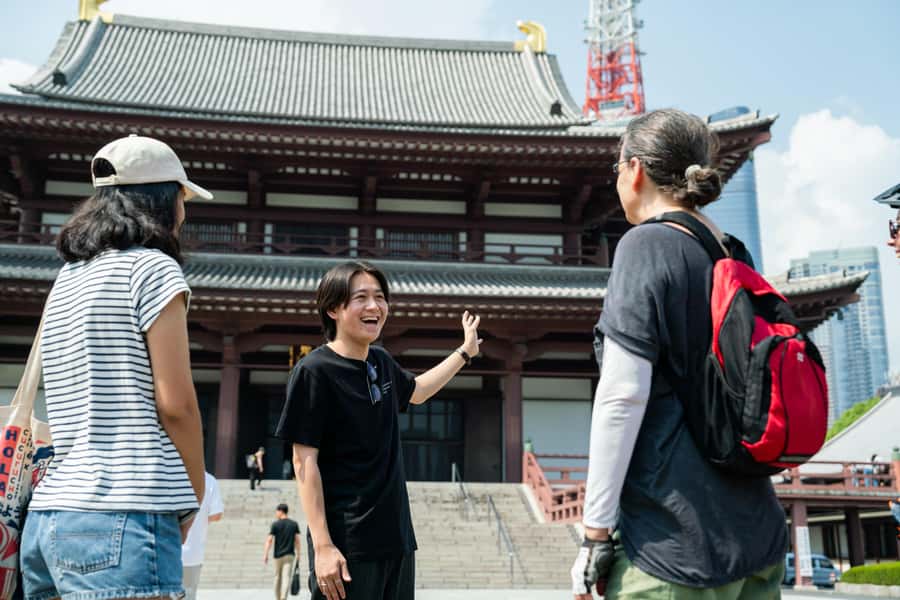
This route is for contrast. Expect a temple start with Zojo-ji, then a Tokyo Tower photo stop, and shrine time at Atago Shrine. You’ll also pass by the National Diet Building and the Imperial Palace area, then end with Hibiya Park.
It goes through hillier Tokyo streets. The e-assist helps a lot, but it still feels like you’re touring with intention rather than riding in a straight line.
You can also read our reviews of more guided tours in Tokyo
What the ride feels like: e-assist ease meets real street sharing
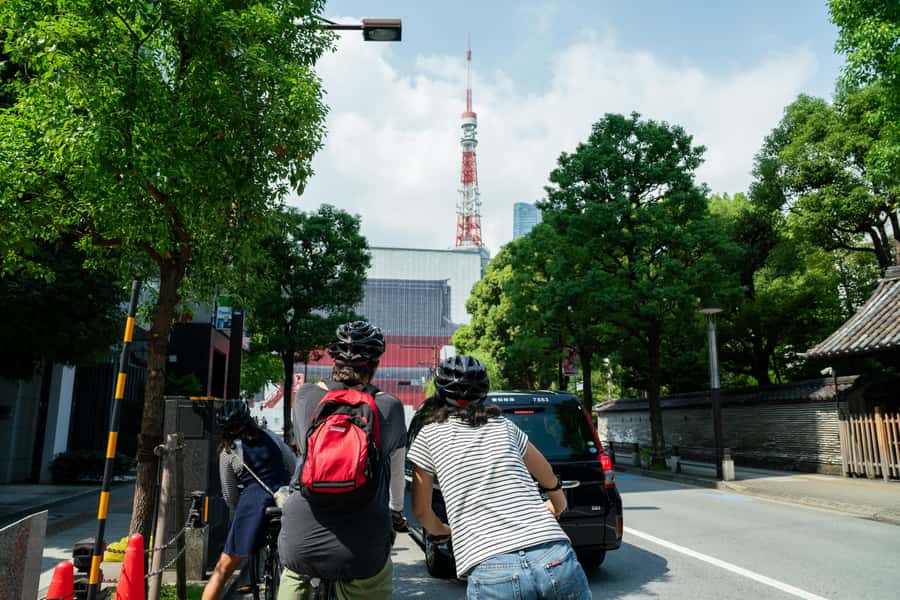
These e-bikes are the reason most people feel comfortable doing the trip. The assist helps you keep moving smoothly without needing strong legs. That’s why the tour works for a wide range of ages and fitness levels—so long as you meet the restrictions.
Safety is practical here: you get a helmet, and your guide keeps the group informed and together. One rider noted the operation was very well managed and that they felt safe throughout.
That said, Tokyo isn’t closed road biking. You should be ready for moments with moving traffic and shared spaces. One review specifically pointed out that there can be a lot of riding on shared footpaths with many pedestrians. Translation: watch for people stepping out, keep your speed controlled, and don’t treat it like a bike lane video.
Stop-by-stop on the Tokyo City Route: Ginza to the Japanese garden and shrine
This is the route that helps you balance “I want to see the icons” with “I want to feel the neighborhoods.”
You’ll start by riding out from the Tokyo fish market neighborhood area, then head toward central sights. Expect passes by Ginza and the Imperial Palace area. These are mostly sightseeing cruising moments, not long dwell times.
Next comes Tokyo Station and then Nihonbashi. These stops matter because they’re gateways to older Tokyo energy. Even when you’re just passing, it helps you connect major city infrastructure to the surrounding streets.
Then you grab a snack—traditional Japanese style—right in the middle of the ride. It breaks up the motion and gives you something local to taste without planning a food stop yourself.
The best “slow down” portion is the Japanese garden at Kiyosumi. You get the chance to enter and walk around for a bit. It’s a calmer pocket that offsets all the urban motion.
The ride ends with a shrine visit at Tomioka Hachimangu Shrine. It’s a classic Tokyo cultural stop that feels different after you’ve been cycling through busy districts.
Stop-by-stop on the Tokyo Bay Route: bridges, shrines, and the sunset payoff
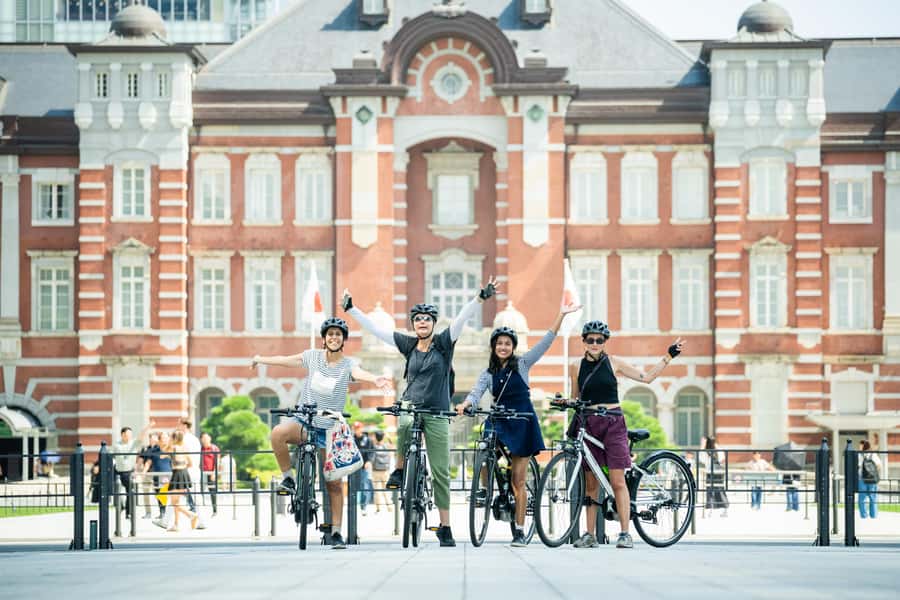
If you love views, this is the one. The Bay route leans into flat, comfortable cruising around Odaiba, and the wide roads make the ride feel less squeezed.
You begin with stops that set a more traditional tone, including Sumiyoshi Shrine and Tsukuda Tendai temple (described as a hidden temple). Then you shift into modern Tokyo visuals with passes by Team Lab Tokyo and Tokyo Big Sight.
Next, you hit the landmarks that make Odaiba memorable: Gundam Statue, then the Statue of Liberty in Odaiba. These aren’t “quiet and subtle” stops. They’re photo stops that practically beg you to slow down.
You’ll also stop for a Japanese snack at Odaiba Aqua City. It’s a simple way to keep your energy up while you’re still in sightseeing mode.
The ride closes with Rainbow Bridge pass-by views. This final stretch is where timing really matters. The tour is known for beautiful sunset timing and dramatic night views across the bay.
Stop-by-stop on the Tokyo Tower Route: Zojo-ji, Tokyo Tower, and Hibiya Park
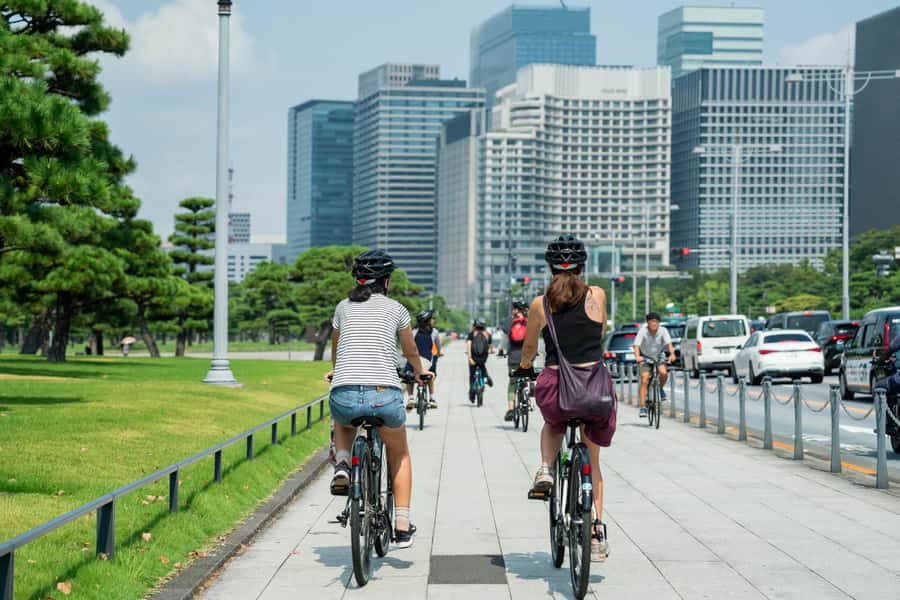
This route gives you Tokyo’s layered look: older religious sites, government-scale architecture, and a city park ending.
You start with Zojo-ji temple. Then it’s straight to Tokyo Tower, including a chance to take a picture at a dedicated photo spot. That stop is built for the classic photo you came for, without forcing you to stand in tourist chaos for hours.
From there you ride to Atago Shrine. You’ll also get a snack stop during the course, which keeps the ride comfortable on a full 3-hour timeline.
You’ll pass by the National Diet Building and then loop past the Imperial Palace area. Even if these are pass-by moments, they add perspective—Tokyo isn’t only temples and neighborhoods. It’s also systems and institutions.
Then you end at Hibiya Park. After cycling through streets (and some hills), the park time feels like a cooldown. It also gives you a place to regroup and take a breath before you head back into your own evening plans.
The gardens, shrines, and snack stops that make it feel like Tokyo
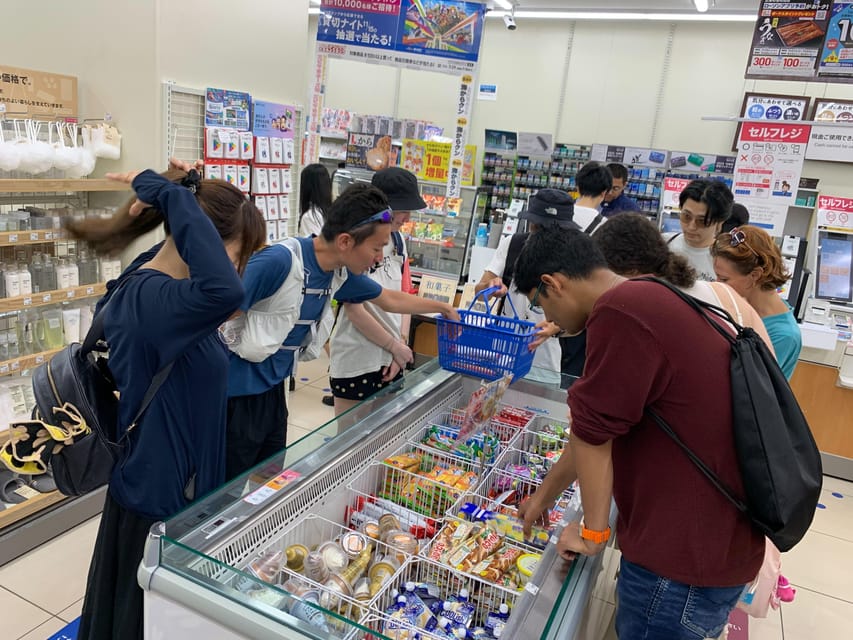
The tour’s structure is smart: it doesn’t just move you around. It gives you pauses that deepen the experience.
A Japanese garden stop (on the City Route) is a highlight because it offers a different tempo. You go from traffic and crosswalk energy into a space that feels designed for slowing down.
Shrines and temples (on all routes) add variety too. Tomioka Hachimangu Shrine appears on the City Route, while Bay includes Tsukuda Tendai temple and Sumiyoshi Shrine. Tokyo Tower Route pairs Zojo-ji and Atago Shrine with park time at Hibiya.
Then there’s the traditional snack. People consistently talk about the included treat as a fun mid-ride break, and it also makes the tour feel like it’s sharing everyday Tokyo choices, not just major monuments.
Price and value at about $65 for 3 hours
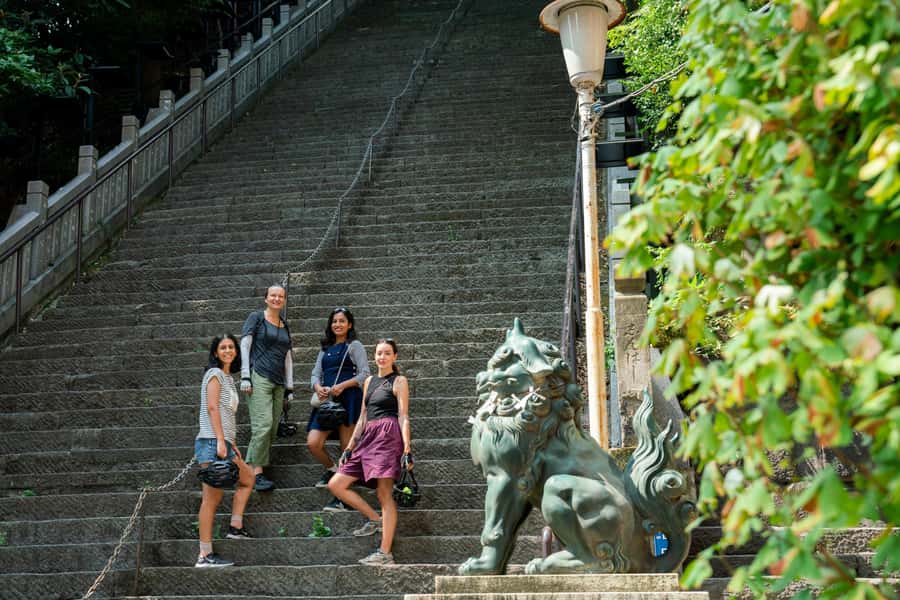
At $65 per person, you’re paying for more than a bike rental. You get the guided route, the bike, and key gear like a helmet. You also get luggage storage support and a snack, plus gloves in winter season.
Value-wise, the big benefit is time. Tokyo is expensive in both money and energy. This tour gives you an efficient way to see multiple areas in one go, and the electric assist prevents the trip from turning into a full workout that exhausts you for the rest of your day.
If you’re choosing between a walking tour and a self-guided bike rental, the guide is the difference-maker. You get direction, pacing, and stops chosen for the ride—not just for a map pin.
Logistics that matter: meeting point timing, group pacing, and where you end
The tour runs on a schedule. You need to arrive at the meeting point about 15 minutes early for briefing. Being late can mean you miss joining once the ride starts, and the bikes can’t be dropped off anywhere except the predetermined end point.
Also, plan for some delay. The end time may run about 30 minutes later depending on traffic or the course. That’s normal for Tokyo, and it’s worth factoring into your day if you have other bookings.
The tour is structured as a group experience, so you’ll be riding with others at the same pace. It helps to be ready to follow instructions, especially when moving through busier pedestrian areas.
Who this tour suits best (and who should reconsider)
This tour is a strong fit if you want a first “Tokyo rhythm” day, especially if you feel you’d waste time finding the right streets.
It also works well for repeat visitors who want a different angle on the city—one rider summed it up as seeing Tokyo from a unique perspective that walking and trains don’t deliver.
You should consider another option if any of the restrictions apply. The tour is not suitable for children under 13. It also has a height minimum (not suitable under 147 cm) and a weight limit (not suitable over 120 kg). It’s also listed as not suitable for pregnant women, people with heart problems, and wheelchair users.
If you’re new to biking, don’t panic. The electric assist helps a lot. Just be honest with yourself about comfort riding close to crowds and occasional traffic.
Should you book this Tokyo e-bike tour?
Yes, if you want a guided way to cover big distances, see landmark areas, and still get into quieter pockets. I’d book it when you’re short on time, you want structure, and you like the idea of mixing major sights with a garden or shrine stop.
Book Bay if sunset and skyline views are your priority, and you like the idea of breezier riding around Odaiba. Choose City if you want Tokyo Station, Nihonbashi energy, and the Japanese garden. Choose Tokyo Tower if you want temples plus the classic tower photo, ending with park time.
Skip it or shop around if biking near pedestrians and traffic sounds stressful. In that case, a walking-and-transit plan may feel calmer.
If you match the restrictions and you show up ready to ride, this is one of the more efficient, fun ways to understand Tokyo in half a workday.
FAQ
How long is the Tokyo e-bike tour?
The tour is 3 hours long, and it ends back at the meeting point.
What routes are available?
There are three route options: Tokyo City Route, Tokyo Bay Route, and Tokyo Tower Route. Each one has a different sequence of stops and scenery.
What’s included in the price?
The price includes e-bike rental, an English-speaking guide, a helmet, luggage storage (and a knapsack if needed), a traditional Japanese snack, and winter gloves.
Who can join the tour?
Children under 13 are not permitted. It’s also not suitable for participants under 147 cm, over 120 kg, pregnant women, people with heart problems, or wheelchair users.
When should I arrive at the meeting point?
You should arrive 15 minutes before the tour start time for the briefing.
What happens if it rains?
If the tour cannot be held due to rain or other reasons, you’ll be notified by email on the day before the tour. If weather changes during the day, the tour may be canceled for safety reasons and you’ll be notified by email.