REVIEW · TOKYO
Shibuya Kart: Premium Go-Karting Tour through Shibuya, Tokyo
Book on GetYourGuide →Operated by ShibuyaKart · Bookable on GetYourGuide
One street, two speeds, no boredom. Shibuya Kart turns the usual Shibuya photos into real motion, with go-karting past Tokyo Tower, Roppongi, and Shibuya Scramble Crossing, plus a guide-led ride that keeps you moving at a safe pace. I really like the safety briefing and clear driving instructions, because you spend your energy having fun, not guessing what to do. The main drawback is simple: you can only drive if you have a valid international driving permit (IDP) in the right format, and you need the hard copy.
Plan on a 45 to 90 minute experience that starts and ends at their shop in Togoshi. Along the way you’ll have photo moments, a choice of costumes and accessories for playful pics, and lockers for your stuff, all with an English or Japanese speaking guide. The ride is small-group style, and the overall score is strong (4.6 with 463 reviews), with many people also praising the way the karts and transport are handled.
In This Review
- Key Things I’d Circle on Your Map
- Getting to Tokyo at Go-Kart Speed (Without the Chaos)
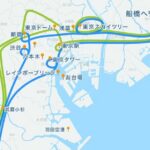
- The Route: Tokyo Tower, Roppongi, Shibuya Scramble, and Omotesando
- Starting Point in Togoshi: Your Warm-Up Phase
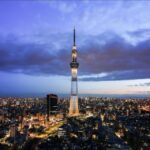
- Zip Past Tokyo Tower: Classic Tokyo, From a New Angle
- Roppongi: Flashy Streets and Fast Moving Scenes
- Shibuya Scramble Crossing: The Photo Moment That’s Actually Fun
- Omotesando: Style Street at Kart Pace
- Costumes, Guides, and Photos That Keep the Day Moving
- Guides Like San, Omar, Ren, Ten, and Alice
- Costumes and Accessories: Silly Fun With Real Payoff
- Digital Delivery (and Sometimes Printed Photos)
- Price and Value: Why $63 Often Feels Fair
- IDP Rules in Japan: The One Thing You Must Get Right
- Timing Tips: Daylight, Night Lights, and Getting Around Smoothly
- What to Bring (and What to Skip) for Comfort
- Who This Tour Fits Best (and Who Should Pass)
- Should You Book Shibuya Kart?
- FAQ
- How long is the Shibuya Kart tour?
- Where does the tour start and end?
- What price should I expect?
- Is the tour guided in English?
- What are the main sights on the route?
- What’s included in the price?
- What is not included?
- Do I need an international driver’s permit?
- What countries’ licenses need extra steps?
- What’s not allowed during the ride?
Key Things I’d Circle on Your Map
- Shibuya Scramble Crossing in a go-kart: See it from street level at speed, not from a sidewalk crowd.
- Tokyo Tower and Roppongi on the same route: You’re not just “doing Shibuya”; you’re sampling Tokyo’s different vibes.
- Photo shooting plus digital photo data: You get the fun documentation without stopping your whole day for it.
- Costumes and accessories: Silly? Yes. Memorable? Also yes, and they make the night photos pop.
- Lots of safety coaching in plain language: People consistently mention thorough instructions and patient guides.
- Small-group feel: You’re not stuck in a huge tour bottleneck.
Getting to Tokyo at Go-Kart Speed (Without the Chaos)
This is the kind of activity that makes Tokyo feel smaller in the best way. You start with a safety briefing and driving instructions, then you roll into busy streets where the route is planned for karts. The big win is that the guide doesn’t just wave you along. They manage the flow, handle traffic stops when needed, and keep you pointed the right direction so the ride stays fun instead of stressful.
The karts themselves are fast enough to feel like a real thrill ride, but what matters more is control. In reviews, people repeatedly highlight how safe it felt thanks to the thorough setup and ongoing guidance. You’ll also notice the choreography: slower sections so you can learn, then quicker stretches so you can enjoy the speed.
One practical reality: you’re doing this as an active, outdoors experience in city weather. Wind can get into your eyes, and cold weather can make you grip the steering wheel a little harder than usual. The good news is that the staff provides comfort items like gloves and hats when it’s chilly, and that helps a lot.
You can also read our reviews of more tours and experiences in Tokyo.
The Route: Tokyo Tower, Roppongi, Shibuya Scramble, and Omotesando
Think of the route as a “Tokyo sampler” where the famous scenes aren’t static. You’re moving past them, turning corners, and getting quick-hit views that are hard to recreate any other way.
Starting Point in Togoshi: Your Warm-Up Phase
You meet at a shop in Togoshi, and the tour ends back at the same place. The start usually feels like the settling-in period: you get the rules, learn how to drive smoothly, and get a rhythm for stopping and turning. This matters because later you’ll be in heavier visual mode with lights, buildings, and lots of photo moments.
If you’re nervous behind the wheel, this early phase is what helps. Guides are known for being patient and reassuring, and people specifically mention feeling comfortable once they got the hang of driving in traffic.
Zip Past Tokyo Tower: Classic Tokyo, From a New Angle
One of the highlights is zipping past Tokyo Tower. From the kart, you get vertical drama—tower views framed between streets—plus motion that makes the photos look more like action shots than postcards. It’s also a nice confidence boost. Early on, you’re still learning, but Tokyo Tower gives you a big visual payoff without requiring you to be an expert driver.
Roppongi: Flashy Streets and Fast Moving Scenes
Roppongi shows up as the next big “wow” segment. This part of the ride tends to feel slick and modern, and it’s where your speed starts to feel more like play. You’ll be watching buildings and street energy at the same time, and that’s what makes the experience feel like Tokyo instead of just “driving around.”
Shibuya Scramble Crossing: The Photo Moment That’s Actually Fun
Shibuya Scramble Crossing is the star. The difference here is that you see it while moving through the area, not just standing behind a barrier. People mention this part as especially memorable, especially when they ride later in the day and catch the intersection with a different mood.
You’ll also likely hit traffic stops for safety and photo opportunities. That’s not a downside; it’s a chance to reset, get photos, and see your group framed together before you roll on again.
Omotesando: Style Street at Kart Pace
Omotesando rounds out the route. It’s one of those Tokyo neighborhoods where street design and architecture help the ride feel more like a city tour and less like a driving game. You get shots that look “fashion Tokyo,” and the ride ending segments help you finish with confidence rather than fatigue.
And then you’re back to the shop in Togoshi, done with the driving but with photos and costume memories ready to go.
Costumes, Guides, and Photos That Keep the Day Moving
This isn’t just a thrill ride; it’s also a photo experience with minimal effort on your side. Included photo shooting and digital photo data means you’re not constantly pulling out your phone while trying to drive.
Guides Like San, Omar, Ren, Ten, and Alice
Names keep popping up in feedback. San is frequently described as fun, safety-focused, and great at taking photos. Omar also gets praise for making the experience smooth from start to finish. Ren and Ten are mentioned for being amazing and helpful, with clear explanations. Alice, too, comes up as informative and supportive.
What I like about this pattern is that it suggests the guides aren’t just “present.” They’re actively steering the experience: explaining how to operate the cart, pointing out where you are, and getting the group photos when it counts.
Costumes and Accessories: Silly Fun With Real Payoff
You get a choice of eye-catching costumes and accessories. People mention that the costumes help make the ride feel playful, and they also make night photos more distinctive. Even if you don’t care about costumes, it’s included—so you might as well lean in for the pictures.
Digital Delivery (and Sometimes Printed Photos)
In reviews, I saw mentions that photos were shared digitally, including via phone sharing methods, and some people even describe printed photos being provided. If you care about keeping physical copies, it’s worth asking what’s available on your day, but don’t count on every group getting prints unless they confirm it at the shop.
Price and Value: Why $63 Often Feels Fair
At $63 per person, this can look like a splurge—until you break down what’s actually included.
You get:
- a professional local guide
- safety briefing and driving instructions
- go-kart vehicle rental, plus fuel
- costume and accessories
- lockers
- photo shooting and digital photo data
- insurance for the customer
What’s not included is kart insurance for the vehicle itself (and the note specifically calls out that personal insurance isn’t the same as kart coverage). In plain terms: you’re paying for the experience and guided operation, but don’t treat it like a “don’t worry about anything” contract. If you’re the type who likes extra coverage, consider your own travel insurance before you go.
For many people, the value is that you’re getting both sightseeing and action in one chunk of time. Instead of burning your whole day arranging transportation and waiting for crowded photo angles, you get motion, landmarks, and photos wrapped into one guided session.
IDP Rules in Japan: The One Thing You Must Get Right
If you take one thing away, take this: you need the right driving documents, in the right format.
You’re required to bring:
- passport or ID card
- an international driver’s license
The instructions are strict about paperwork:
- You need hard copies of international driving permits; digital versions don’t count.
- Japan uses the 1949 Geneva convention for accepted IDPs, and validity is limited.
- Some countries (including Switzerland, Germany, France, Taiwan, Belgium, and Monaco) require a Japanese translation via JAF instead of an international driving license alone.
- If your license is from a country not covered by the 1949 Geneva convention (examples listed include Mexico, Kuwait, China, Colombia, Saudi Arabia), you can’t operate in Japan.
- If you don’t have a valid IDP for Japan, there’s no refund.
If you’re from India, the guidance says there are multiple types of IDP that may or may not be legally accepted, so you should contact the operator before booking rather than guessing.
Also note the simple rule: people without a driver’s license aren’t suitable for this activity. No license, no ride.
Timing Tips: Daylight, Night Lights, and Getting Around Smoothly
When you ride changes the vibe a lot.
People mention that riding earlier in the day can mean easier driving because there’s less traffic stress. One review called out an early slot around 10am for easier zipping. That makes sense: you spend less time negotiating heavier flows, and the intersections feel more manageable.
Night is where the city looks cinematic. A review describes a 90 minute night ride as especially amazing, with Shibuya Scramble Crossing and Tokyo Tower lit up from the kart. If you like lights, plan for later slots.
One practical middle choice: a 3:30pm start was described as excellent because it’s before it gets fully dark. That gives you a mix of daylight clarity and evening mood.
One more real-world tip: if your day includes crowded train connections, give yourself extra time around rush hour to arrive calmly. You want to start the ride focused, not rushing to check in.
What to Bring (and What to Skip) for Comfort
You don’t need much, but a few items can make the ride easier.
Bring:
- passport or ID
- the hard copy international driving permit (IDP)
- anything personal you need for cold/wind comfort
Some reviews offer extra comfort tips:
- bring sunglasses because wind can get cold in your eyes
- consider a face mask if you’re sensitive to exhaust fumes (one review notes the exhaust can be noticeable)
- if you have an action camera like a GoPro, consider bringing it; people also mention you can rent GoPros if needed
What not to bring:
- intoxication
- drinks in the vehicle
- alcohol and drugs
The staff provides gloves and hats when it’s cold, so you may be fine even without heavy gear, but sunglasses are an easy win.
Who This Tour Fits Best (and Who Should Pass)
This is a strong pick for people who want Tokyo with energy. If you like hands-on activities, good photos, and the idea of driving through famous neighborhoods, you’ll get a lot out of it.
It also works well for:
- couples looking for a shared “only in Tokyo” moment
- small groups and friend groups who want one planned activity together
- anyone who values safety coaching and wants clear instructions before driving
It’s not suitable if:
- you don’t have a driver’s license (the activity is designed around you operating the kart)
- you don’t have a valid, accepted IDP hard copy for Japan
And if you’re sensitive to cold wind, plan your timing and bring comfort items.
Should You Book Shibuya Kart?
Book it if you want a guided activity that combines real driving with landmark sightseeing, and you care about getting photos without stopping your day. At $63, the included guide, karts, fuel, costumes, lockers, and photo capture make it feel more like a package than a gimmick.
Pass or double-check first if your IDP paperwork is uncertain or your driving documents might not match Japan’s rules. In Japan, the documents are the gatekeeper here. If you’ve got that sorted, this is one of the more memorable ways to experience Tokyo in a short time.
FAQ
How long is the Shibuya Kart tour?
The tour runs for 45, 60, or 90 minutes, depending on the option you choose.
Where does the tour start and end?
It starts and ends at the shop in Togoshi.
What price should I expect?
The price is listed as $63 per person.
Is the tour guided in English?
Yes. The live tour guide speaks English and Japanese.
What are the main sights on the route?
The highlights include Tokyo Tower, Roppongi, Shibuya Scramble Crossing, and Omotesando.
What’s included in the price?
Included items are the professional local guide, safety briefing and driving instructions, photo shooting with digital photo data, go-kart rental, fuel, costume and accessories, lockers, and insurance for the customer.
What is not included?
Kart insurance is not included. The note also clarifies that personal insurance is not the same as kart coverage.
Do I need an international driver’s permit?
Yes. You need an international driving permit (IDP), and the instructions specify hard copies only (no digital versions).
What countries’ licenses need extra steps?
For licenses from Switzerland, Germany, France, Taiwan, Belgium, and Monaco, the note says you must obtain a Japanese translation from JAF rather than relying on an international driving license alone.
What’s not allowed during the ride?
Intoxication is not allowed, and you can’t drink in the vehicle. Alcohol and drugs are also prohibited.