REVIEW · TOKYO
Akihabara: Anime & Gaming Adventure Tour (Group or Private)
Book on GetYourGuide →Operated by MagicalTrip · Bookable on GetYourGuide
Akihabara can overwhelm fast. This 3-hour tour gives you a planned route through retro video games and modern anime shopping, plus the full maid cafe experience with guaranteed seating. I love that it mixes old-school gaming stops with the kind of Tokyo pop culture most people feel awkward trying alone. I also like the photo add-ons (like Purikura) that turn random shopping into actual souvenirs. One consideration: the pace can feel a bit tight, and some stops aren’t stroller/wheelchair friendly.
You meet at the Electric Town Gate area outside JR Akihabara Station, then get taken through a set of stores and mini-activities that make sense for first-timers. Guides are praised for strong English and for being locals who point out what to look for, including during shopping time. In past tours, names like Yuki, Kenji, Minnie, and Joey show up in feedback, and the common theme is clear direction so you don’t waste time wandering.
If you’re coming for the maid cafe and shopping, this tour is a good hit of value for one evening. If you’re only into one narrow slice (say, only fighting games or only vintage hardware), you might want more time—or a private format that can steer the shopping budget toward your exact interests.
In This Review
- Key points to know before you go
- Entering Akihabara Electric Town the right way
- Super Potato: the retro shopping stop that makes the tour click
- Akiba Cultures Zone and the Gachapon Hall: collect without the stress
- Maid cafe with guaranteed seating: how to enjoy it (and not feel awkward)
- Purikura and the Polaroid with a maid: instant souvenirs with personality
- The local café stop: dance show and coffee tasting
- Price and value for a 3-hour Akihabara hit
- Timing, pacing, and when 3 hours feels tight
- Practical tips: heat, shoes, and shop-smart behavior
- Who should book this Akihabara adventure tour?
- Should you book MagicalTrip’s Akihabara Anime and Gaming Adventure?
- FAQ
- Where does the tour meet?
- How long is the Akihabara tour?
- How much does it cost?
- What’s included in the price?
- Is the maid cafe visit guaranteed?
- What language is the guide?
- Is the tour wheelchair or stroller friendly?
- What if I have allergies or dietary restrictions?
- Can I cancel for a refund?
Key points to know before you go
- Retro game store first: you start with a game-lovers’ playground and nostalgia fuel.
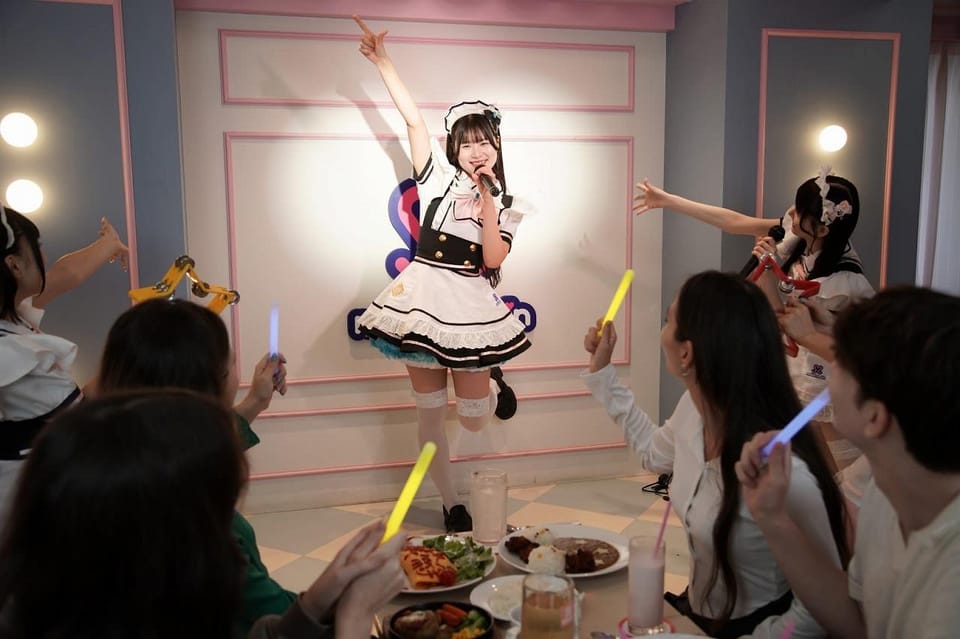
- Maid cafe with guaranteed seating: you get in smoothly without guessing how it works.
- Game shopping with a guide: you’re not left stuck at street level trying to figure out which shops matter.
- Gachapon stop included: capsule toys are fast, fun, and easy to take home.
- Photo extras built in: Purikura is included, and Polaroid with a maid is offered for purchase.
Entering Akihabara Electric Town the right way
Akihabara has a super specific energy: lights, screens, characters, and sound all at once. That’s fun, but it can also make you lose time. I like that the tour starts by getting you oriented right in Electric Town, so you’re not spending your first 15 minutes trying to figure out which street is the real center of gravity.
This first stretch is your chance to absorb the vibe and get practical context from your guide. Expect a real mix of old and new—Japan’s “game culture” isn’t just retro nostalgia here. It’s current merch, arcade-style gaming, and a constant stream of releases and collectibles. The guide’s job isn’t to lecture; it’s to point you toward places that fit what you like so you can spend your money and time without second-guessing.
Why this is good value: on your own, Akihabara is easy to do half-blind—especially if you want retro hardware and specific character goods. With a planned route, you spend less time wandering and more time buying what you actually came for.
Possible drawback: Electric Town can be crowded. A guided group keeps things moving, but you’ll still feel the “Tokyo shoulder-to-shoulder” reality.
You can also read our reviews of more private tours in Tokyo


Super Potato: the retro shopping stop that makes the tour click

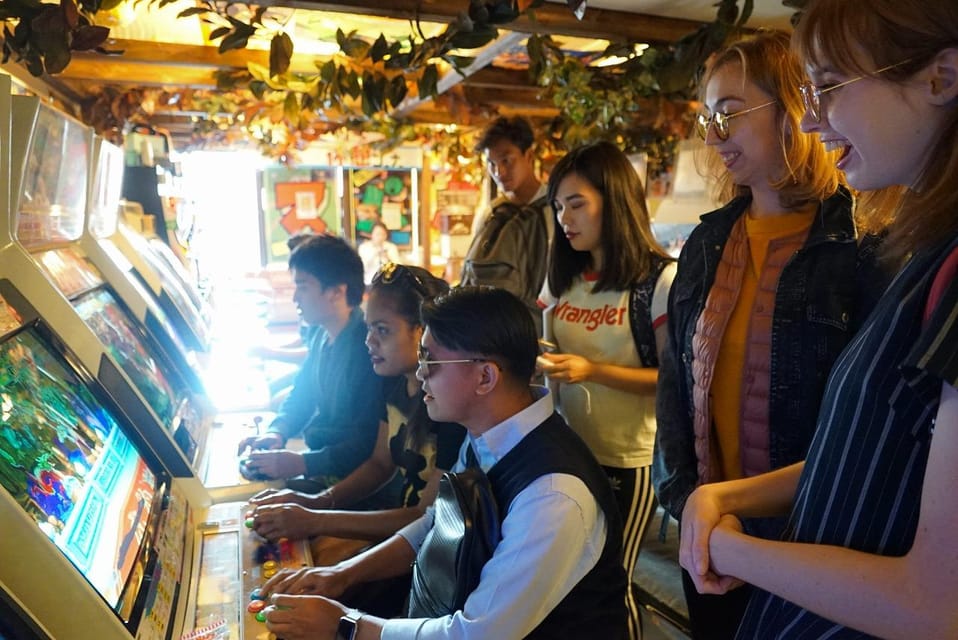
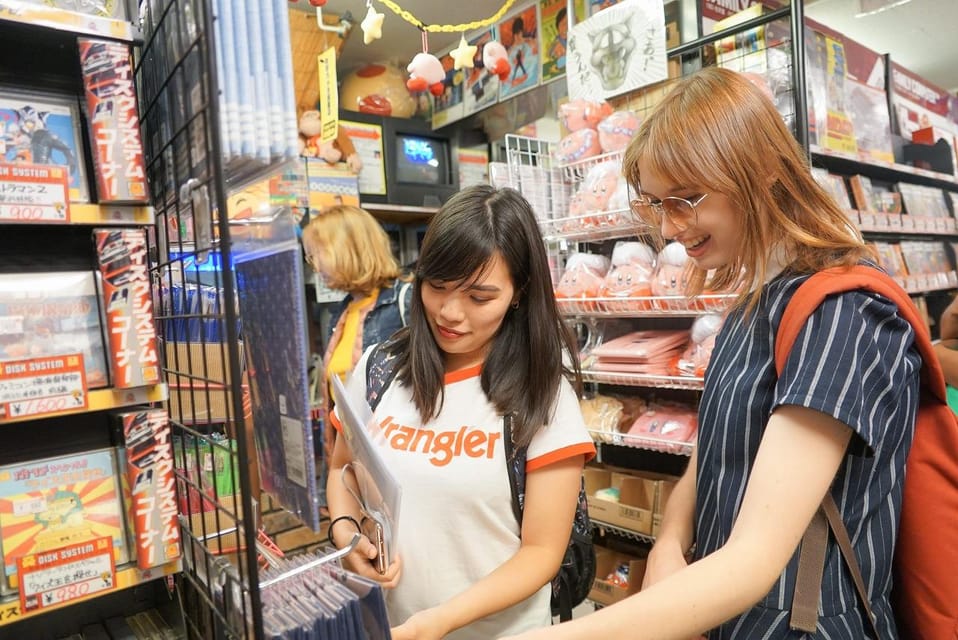
Super Potato is the heart of the retro experience. This is where you shift gears from “looking” to “finding,” and it’s one of those shops that makes you understand why people fall hard for Japanese game culture.
Here’s what to expect in plain terms: you’ll spend dedicated shopping time moving through retro game machines and disks. If you grew up watching Japanese releases or you’re the type who still loves older hardware, this stop tends to feel like a time machine. If you don’t know exactly what to buy, your guide helps you track down options that make sense for your interests—so you’re not stuck staring at shelves and hoping for the best.
I also love that the tour doesn’t treat retro as a museum exhibit. It’s positioned as living culture. You’re encouraged to enjoy the hunt and ask questions about what you’re seeing.
What to watch for: shopping time is limited. If you spot something you really want, don’t wait for the next store to “think about it.” You’ll want to decide while you’re still in the right zone for that kind of inventory.
Akiba Cultures Zone and the Gachapon Hall: collect without the stress

After the retro stop, the tour moves into more focused collectibles. Akiba Cultures Zone is built for browsing—good if you like figures, character items, and the sort of merch you can’t easily spot at the big chains.
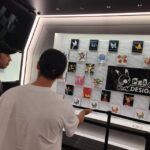
The Gachapon Hall is an entirely different kind of fun. You’re looking for capsule toys—small, themed prizes you get from vending machines. It’s fast, playful, and a great way to walk away with something even if you didn’t want to spend big on game hardware. Plus, it’s easy to enjoy as a group without it turning into a “who’s moving faster” situation.
Why these stops work in a 3-hour tour: they’re high payoff. You can leave with items that actually feel Akihabara-specific, without needing to know the store system in advance.
A practical note: collectibles add up quickly. If you’re budget-minded, set a quick cap before you enter the capsule hall.
Maid cafe with guaranteed seating: how to enjoy it (and not feel awkward)

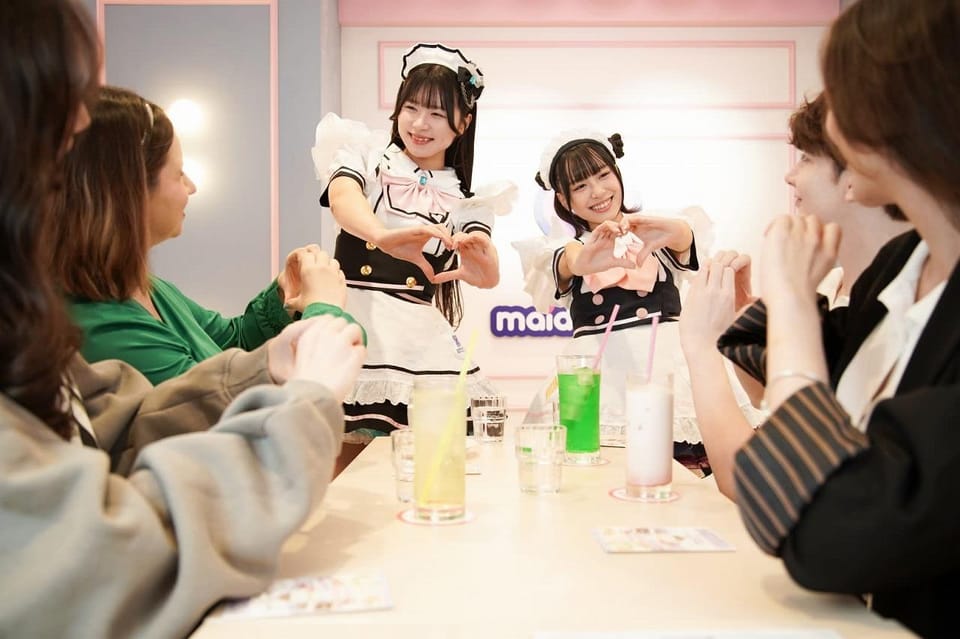
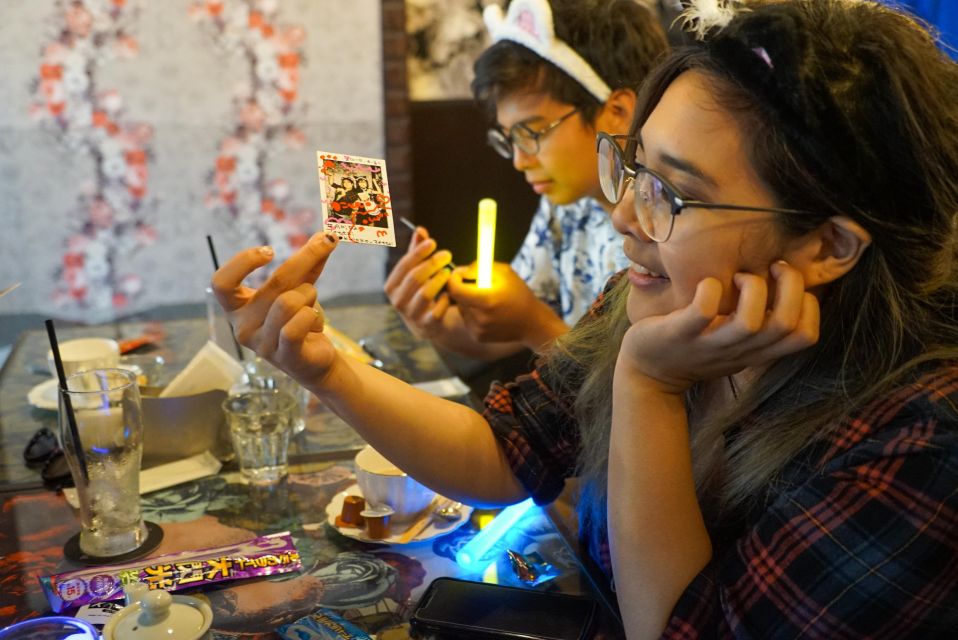
The maid cafe is the headline experience, and in this tour it comes with guaranteed seating—big deal in a neighborhood where lines and timing can get tricky. Your guide brings you in, explains the vibe, and helps you make the experience feel less like you’re playing a role you don’t understand.
What you can expect:
- a themed setting with servers who interact in character
- food and drink service tied to that experience
- the chance to get spells cast on your food (the fun, theatrical element)
The tour includes entrance and one drink. There’s also a vegan menu available, which is a helpful detail if your diet has constraints. Just keep in mind: the tour notes you can’t count on every allergy requirement being handled perfectly, since food is prepared in kitchens that don’t belong to the tour operator. If you have serious allergies, plan to confirm with the cafe directly.
How to get the most out of it: treat it like performance art, not just dinner. If you’re shy, this is exactly why the guide matters—your group has structure, and you’re not guessing what to do.
Possible drawback: for people who dislike staged service or character interactions, the concept won’t magically become their favorite thing. It’s meant to be playful.
Purikura and the Polaroid with a maid: instant souvenirs with personality
One reason I like this tour is that it builds in photo experiences instead of letting you improvise. You’ll do Japanese photo booth fun with Purikura, which is included in the tour.
Purikura is different from normal photos—it’s the Japan-only “make it cute” style print booth culture. If you’ve ever wished your trip had a souvenir that feels local (not just a generic selfie), this is the move.
There’s also a Polaroid photo shooting with a maid that’s available for purchase. Since it’s offered as an add-on, you can decide on the spot if you want to spend extra. Even if you skip it, the included Purikura gives you a tangible memory you can take home right away.
Tip for your photos: wear something you’re comfortable photographing in. Booth lighting can be flattering, but it’s still a “ready in a moment” setup—no time for outfit changes.



The local café stop: dance show and coffee tasting
The final portion slows the pace and shifts from shopping to “Tokyo variety.” You’ll spend time at a local café that includes a dance show and coffee tasting, plus that included maid cafe drink earlier.
This stop matters because Akihabara shopping is exciting, but your brain can get overloaded—there’s so much to see. A show and tasting gives you a break and a different kind of cultural texture. You’re not just collecting items; you’re experiencing an atmosphere.
What to expect time-wise: about one hour here. If you tend to get restless in quiet settings, you’ll likely enjoy this because it has scheduled activity (the dance show) rather than feeling like a random sit-down.
Price and value for a 3-hour Akihabara hit

At $88 per person for 3 hours, you’re paying for more than “walking and watching.” Here’s what makes the value feel real:
- A live English/Japanese guide (the biggest time-saver in Akihabara)
- Maid cafe entrance fee plus one drink
- Japanese photo booth experience (Purikura)
- A structured set of game and merch stops that match common interests
On your own, the cost of the maid cafe, photo booth, and simply getting your bearings would add up. The guide’s role is what turns the area from chaotic into intentional—especially for retro gaming shopping, where knowing what’s worth your money is half the battle.
One consideration about value: the tour includes select shopping stops, but shopping itself is still on you. If you’re the type who wants to buy a lot, your total spending will be higher than the tour price.
Timing, pacing, and when 3 hours feels tight
Three hours in Akihabara is both perfect and slightly challenging. It’s perfect because you won’t lose half a day in one neighborhood. It’s challenging because you’re compressing a lot of different experiences—retro browsing, collectible hunting, a maid cafe, and photos—into a short window.
A review note suggested the experience can feel a bit rushed, and that tracks with what you’re doing here. If you like to linger in shops, you’ll need to move efficiently. The guide helps, but you still have to make decisions quickly—especially if you spot something rare.
My advice: go in with 2–3 priorities. For example:
- priority 1: retro game store finds
- priority 2: maid cafe + photos
- priority 3: capsule toy souvenir
If you try to do everything equally, you’ll feel time pressure.
Practical tips: heat, shoes, and shop-smart behavior

Japan’s summers are hot and humid, and this tour offers a good reminder: bring water and wear a hat to avoid overheating. Akihabara is outdoors much of the time between indoor shops, so heat can hit harder than you expect.
Other practical points:
- Wear comfortable shoes. You’ll be standing and walking through crowded storefront areas.
- Bring a little cash or be ready for card use, since you’ll encounter opportunities to buy games, merch, and photo add-ons (like the Polaroid).
- Plan for shopping energy. The tour helps you find places, but you’ll still want to shop with intention.
Also note: some stops are not accessible by wheelchair or stroller. If mobility is part of your planning, it’s worth thinking early about whether this route will work for your needs.
Who should book this Akihabara adventure tour?
This tour is a great fit if:
- you want an easy first visit to Akihabara without getting lost
- you’re into anime figures and cosplay-style goods
- you specifically want the maid cafe experience with guaranteed seating
- you care about retro games and want help finding the right store types
- you’d like a guide to point out what to buy instead of guessing
It may be a less ideal fit if:
- you hate character-based service settings
- you need lots of time to browse slowly
- you require strict allergy accommodations (the tour can’t guarantee allergy-free food or substitutions)
Should you book MagicalTrip’s Akihabara Anime and Gaming Adventure?
Yes—if you want a focused, high-impact taste of Akihabara in limited time. The combination of retro game shopping, a properly handled maid cafe visit, and included photo booth culture is what makes this feel like a real experience rather than just a normal walk through Electric Town.
If you’re on the fence, ask yourself one question: do you want a guide to make your shopping decisions easier? If the answer is yes, this tour is strong value for its 3-hour structure and the included experiences. If you’re hoping for unlimited browsing time or fully custom dietary support, you might want to plan differently.
FAQ
Where does the tour meet?
You meet in front of the Ticket Office right outside the Electric Town Gate of JR Akihabara Station. Your guide will be holding a red/orange sign saying Magical Trip.
How long is the Akihabara tour?
The tour runs for 3 hours.
How much does it cost?
It’s $88 per person.
What’s included in the price?
Included are the guide, maid cafe entrance fee, one drink at the maid cafe (vegan menu available), a Japanese photo booth experience (Purikura), and a Polaroid photo shooting with a maid that is available for purchase.
Is the maid cafe visit guaranteed?
Yes. The maid cafe experience is described as having guaranteed seating.
What language is the guide?
The live tour guide offers English and Japanese.
Is the tour wheelchair or stroller friendly?
Some locations on the route are not accessible by wheelchair or stroller, so you should plan accordingly.
What if I have allergies or dietary restrictions?
You can’t count on allergy-free food or guaranteed dietary accommodations, since meals are prepared in kitchens not belonging to MagicalTrip. Substitutions may not be possible at certain stops, though compensation efforts are mentioned.
Can I cancel for a refund?
You can cancel up to 24 hours in advance for a full refund.