REVIEW · TOKYO
Tokyo: Mount Fuji Private Tour with Scenic Lunch Experience
Book on GetYourGuide →Operated by Travel On Peaks · Bookable on GetYourGuide
Mount Fuji, minus the stress of crowds. This private 10-hour day is built for real viewing time, with a scenic lunch in the countryside and a route that feels thoughtfully planned rather than rushed. I also like the customizable timing, because your guide can shift breaks and stop priorities to match your pace and interests.
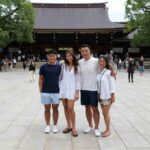
One possible consideration: you’ll hit viewpoints with stairs and uneven paths, so comfortable walking shoes matter a lot, especially around shrine areas.
In This Review
- Key things you’ll notice
- How the private format changes everything in the Fuji season
- Pickup, drive time, and the Fuji “arrival moment”
- The 5th Station and Chureito Pagoda: classic Fuji, but with breathing room
- Iyashi no Sato Healing Village: where Fuji viewing meets local craft
- Arakura Fuji Sengen Shrine and Pagoda: big views, real stairs
- Saiko Lake and Bat Cave: forests, quieter nature time
- Oshino Hakkai, Kitaguchi-hongu Fuji Sengen Shrine, and Yamanakako: choosing your pace
- Fuji-view lunch: where the day turns from sightseeing to savoring
- Hot spring in the Hakone area: unwind before the drive back
- Price and value: $330 per group for up to 6 people
- Guides, pacing, and what to watch for on a long day
- Who should book this Fuji private tour
- Should you book it
- FAQ
- Is this tour private?
- How long is the tour?
- What are the main stops included?
- Is the tour guided, and what languages are offered?
- Does the tour include lunch and hot spring time?
- What should I plan for in terms of walking?
Key things you’ll notice
- Private van with Wi‑Fi and bottled water so the drive feels easier from Tokyo
- Fuji-view lunch at either a Lake Kawaguchi overlook or a family-run farmhouse-style setting
- Iyashi no Sato artisan workshops in a restored thatched-roof hamlet
- Arakura Fuji Sengen Shrine and Pagoda for big views, with a stair climb that’s worth planning for
- Saiko Lake and Bat Cave for quieter nature time away from the main crowds
- Photography help from your guide so you get better angles without hunting for the right spot
How the private format changes everything in the Fuji season
This is not a bus day. You’re in a private car/van with pickup and drop-off in Tokyo’s 23 wards, plus hotel pickup logistics that keep you from playing transit roulette. The van also includes Wi‑Fi and bottled water, which sounds small until you’re sitting in traffic with everyone else’s snack and phone dying at the same time.
The bigger win is how flexible your guide can be. Mount Fuji days live and die by weather, light, and crowd levels. With a private setup, you can trade a few minutes here and there—longer at a viewpoint that’s working, faster past a stop that’s fogged out.
You’ll also notice the day has a gentle rhythm: photo stop, visit time, then time to reset. That matters because some of these places are step-heavy, and a long day gets easier when you’re not constantly moving on someone else’s timetable.
You can also read our reviews of more private tours in Tokyo
Pickup, drive time, and the Fuji “arrival moment”
You start with pickup from Tokyo (within the 23 wards), then head out by van for about two hours toward Fuji’s quieter countryside. That drive is part of the experience. You get out of the city noise before you’re asked to make decisions about where to stand, where to take photos, and how to time your walking.
The tour includes a Mt. Fuji 5th Station stop for about an hour (photo + visit). Even when the view isn’t perfect, this is where the day starts to feel real—altitude, weather changes, and the sense that you’re right up against the mountain rather than just looking at it.
Tip for your comfort: keep a layer handy. Even in seasons that feel mild in Tokyo, mountain areas can cool off quickly.
The 5th Station and Chureito Pagoda: classic Fuji, but with breathing room
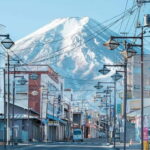
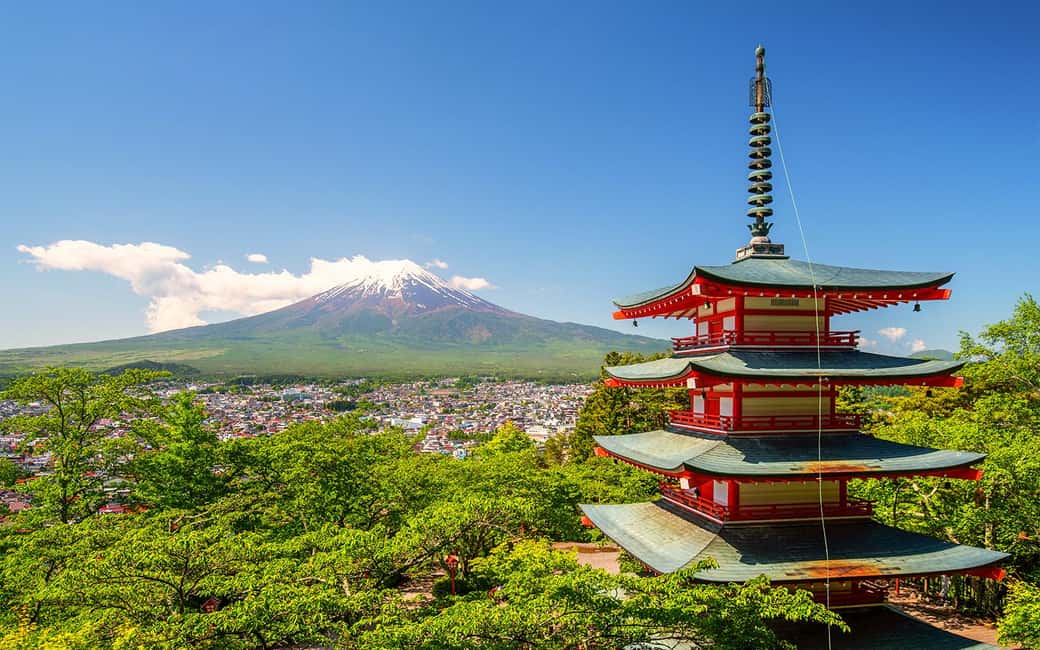
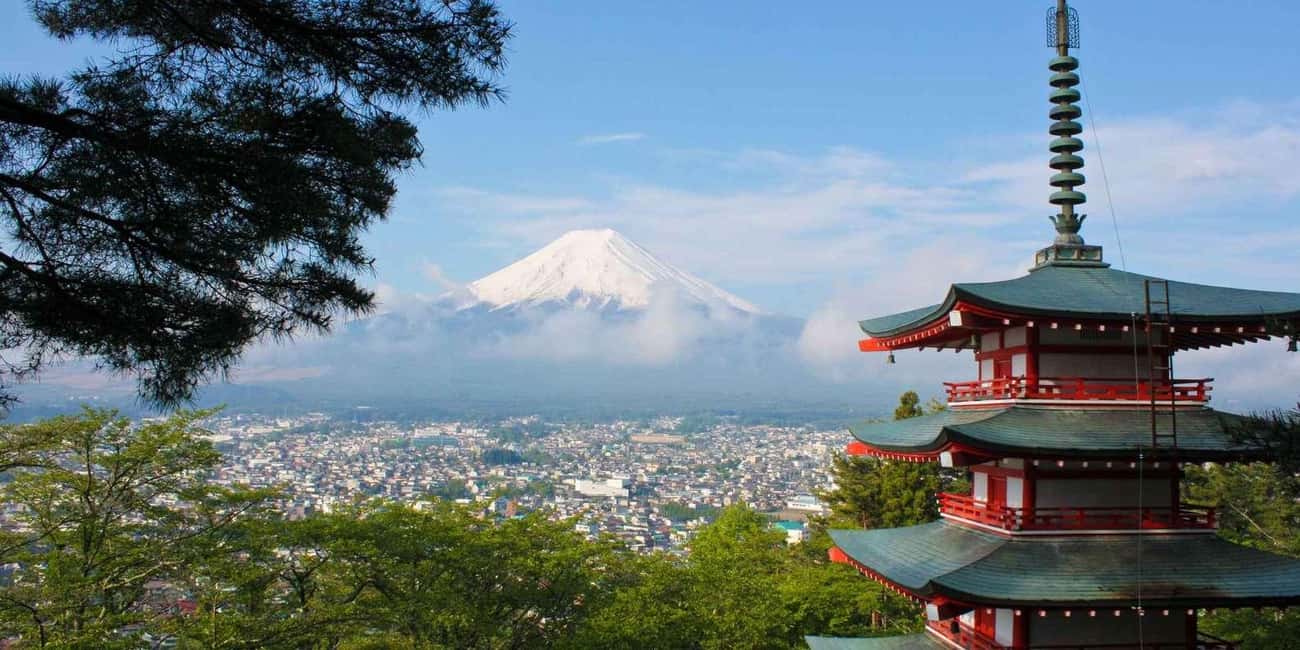
Two names pop up again and again for good reason: the 5th Station and the Chureito Pagoda (often called Chureito). You’ll get around an hour at the pagoda for photo stop + visit.
This combo works because it gives you contrast. The 5th Station has that high-altitude, wind-and-sky feel. The pagoda view gives you the famous composition people travel for. And because this is private, you’re not stuck waiting through a slow parade of tour groups before you get your turn.
Still, don’t treat it like an easy stroll. Shrine and viewpoint areas can be packed, and the walking paths can be uneven. Build in a slow pace and you’ll enjoy it more.
Iyashi no Sato Healing Village: where Fuji viewing meets local craft
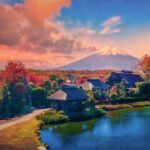
One of the most charming stops is Iyashi no Sato Healing Village. You’ll spend about an hour there, and it’s designed as a restored thatched-roof hamlet with artisan workshops.
What I like about this kind of stop is that it changes your Fuji day from only “look up” to “look around.” Instead of just chasing the next photo angle, you get a calmer sense of place—traditional buildings, workshop activity, and the feeling of a slower, older countryside life.
This is also a good reset if the morning gets busy. Sit, walk the lane edges, and watch what’s happening in the workshops. It’s one of those spots that’s easier to enjoy when you’re not rushing.
Arakura Fuji Sengen Shrine and Pagoda: big views, real stairs
This is a standout stop for sheer payoff. You’ll visit the Arakura Fuji Sengen Shrine and Pagoda and spend about an hour there.
The viewpoint is famous for a reason, and you’ll often get clearer angles here than at some other spots. But plan for effort. A portion of this area involves a stair climb (including hundreds of steps in total routes people take), so you’ll want to go at your pace rather than trying to keep up with anyone else.
Small practical tips:
- Wear shoes with grip. Stone steps can be slick when wet.
- Bring cash for small purchases. You might find snack stands or coin-style attractions near viewpoints that aren’t card-first.
If your goal is the classic “Fuji framed by a shrine/pagoda view,” this is the place to prioritize.
You can also read our reviews of more tours and experiences in Tokyo

Saiko Lake and Bat Cave: forests, quieter nature time
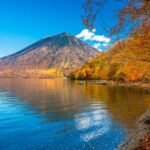
After the shrines, the day slows down in a good way. You’ll head to Saiko Lake and Bat Cave, with about an hour for photo stop + visit.
This stop feels different from the more iconic crowd-heavy areas. The lake sits in a forest setting, and the Bat Cave area adds a sense of exploration. Even if you don’t go deep into cave details, the experience is about nature atmosphere—trees, quiet, and the kind of scenery that feels less like a checklist.
If you’re traveling with kids or older relatives, this can be a great “stretch your legs” break—just manage expectations for walking surfaces and the amount of time you’ll want outdoors.
Oshino Hakkai, Kitaguchi-hongu Fuji Sengen Shrine, and Yamanakako: choosing your pace
The middle and later part of the day focuses on traditional and lakeside stops around the Fuji region.
You’ll likely include:
- Oshino Hakkai for about 30 minutes
- Kitaguchi-hongu Fuji Sengen Shrine for about 30 minutes break/photo/visit
- Yamanakako for about an hour photo/visit
Oshino Hakkai is known for the area’s water features and traditional ponds, and it can be busy. That doesn’t mean you should skip it; it just means your private guide’s timing matters. Use your time there for strolling, photos, and a quick look rather than expecting a slow, quiet wander.
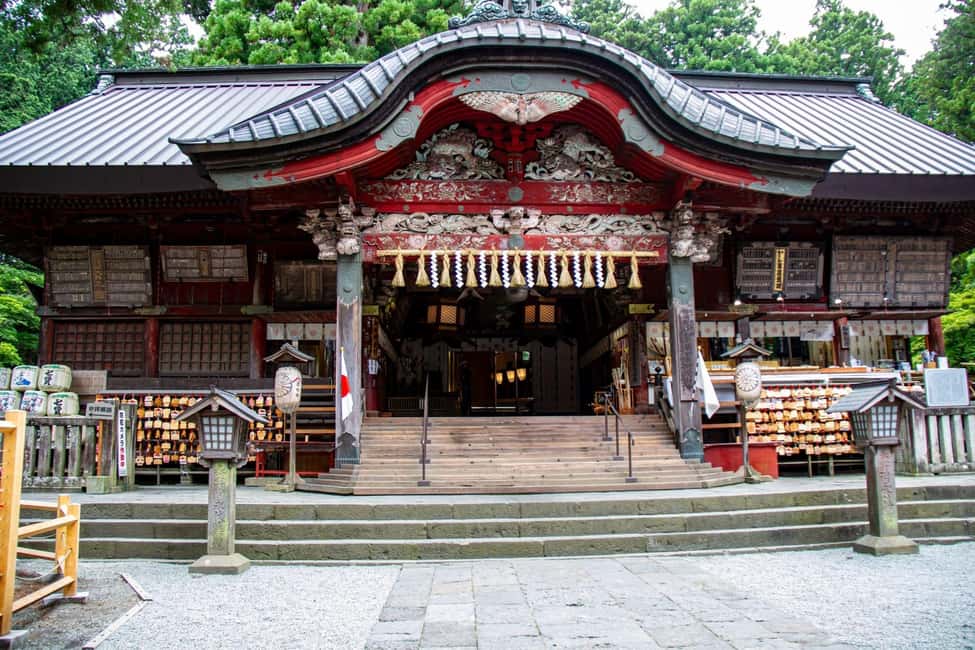
Kitaguchi-hongu Fuji Sengen Shrine is older (about 1,900 years) and tends to feel more peaceful than the more commercial areas. If you care about atmosphere—trees, torii-style entry, calm grounds—this is one of the better moments to slow down.
Yamanakako rounds things out with lakeside scenery and another chance at Fuji views depending on weather. It’s also a good place to catch your breath before the next drive leg.
Fuji-view lunch: where the day turns from sightseeing to savoring
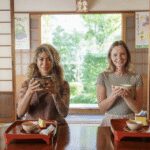
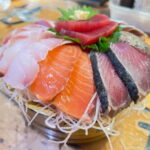
If you remember only one part of this tour, make it lunch. You’ll stop for a countryside meal at a hidden restaurant with Fuji scenery. The tour includes a selection choice, depending on the day:
- a restaurant overlooking Lake Kawaguchi with Mount Fuji in the background, or
- a family-run farmhouse-style eatery with seasonal Japanese dishes and garden views
Either way, this is the moment where the tour earns its price. Being fed well in a calm setting changes your energy levels for the rest of the day. You’re not wolfing down something fast near a parking lot—you’re getting a proper pause with a view.
Practical note: bring some yen. The tour advises that not every countryside shop or restaurant accepts credit cards. Also, if you’re buying small snacks or souvenirs after lunch, having cash saves time.
Hot spring in the Hakone area: unwind before the drive back
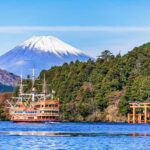
Later, you’ll visit a hot spring with a guided tour and about two hours of free time. Then you continue with photo stops through Hakone and along Lake Ashi, each around an hour including stop time.
This part is smart for two reasons:
1) it gives you a decompression break in the middle-to-late afternoon, and
2) it adds variety—your day stops being only about Fuji towns and viewpoints.
The hot spring itself can be a reset for your legs after stairs and uneven paths earlier. And Lake Ashi and Hakone photos tend to deliver a different mood: water, mountain silhouettes, and the slower feeling of the region.
Price and value: $330 per group for up to 6 people
At $330 per group (up to 6 people), this tour prices like private travel, not budget commuting. On paper, it can look steep if you’re comparing to group-bus options.
Here’s the value logic I’d use:
- You’re paying for a private vehicle, English-speaking guide, and the time management that keeps you from wasting hours.
- Entry/parking/tolls/fuel costs are included, which prevents the usual “surprise add-ons” that show up on your bill later.
- You get dedicated time for several Fuji viewpoints plus culture stops (Iyashi no Sato, Oshino Hakkai, shrine visits), rather than skimming everything with tight group turnarounds.
If you’re traveling as a pair or small family, the cost becomes more reasonable when you compare it to paying multiple adults for separate taxis or trains plus guide time.
The other value angle: flexibility. When weather or visibility changes, you want a guide who can adjust stops. This kind of private pacing protects your day.
Guides, pacing, and what to watch for on a long day
The best private tours feel easy, and this one is designed to feel that way: English-speaking guide, photo assistance at the right spots, flexible breaks, and the ability to tailor stops to your interests.
In practice, guides can make or break how much you enjoy the day. Several recent experiences highlighted guides who were patient, friendly, and good at explaining what to look for. You’ll also benefit from photography help—especially around busy viewpoints where standing in the wrong spot can ruin a shot.
One watch-out: English can vary by guide. If clear explanations matter to you, consider messaging your expectations ahead of time so you’re paired accordingly.
Also, alcohol and drugs are not allowed, which keeps the day focused.
Who should book this Fuji private tour
This tour suits you if:
- you want more time per stop and less waiting
- you care about a specific type of experience: shrines, lakes, traditional villages, and a real hot spring break
- you’re traveling with mixed ages and want a pace that can be adjusted
- you want better odds of a smooth day if weather shifts (and you don’t want to fight logistics)
It’s less ideal if you hate stairs, long walks, or long driving days. You’ll be fine if you manage pacing and wear proper shoes, but the day is built around walking and steps at viewpoints.
Should you book it
Yes, if your idea of a perfect Fuji day includes a countryside lunch with actual scenery, more than one viewpoint, and a calm break midstream. The private van, photo help, and customizable pacing are what make this more than a simple sightseeing loop.
If you’re very mobility-limited, double-check access for the specific stops ahead of time. The tour is wheelchair accessible in general, but not every location is guaranteed to be.
If the weather cooperates, you’ll come away with the kind of Fuji memories that feel earned, not rushed.
FAQ
Is this tour private?
Yes. It’s a private group experience with hotel pickup and drop-off in Tokyo and a private car/van for your group (up to 6 people).
How long is the tour?
The total duration is 10 hours.
What are the main stops included?
You’ll visit places such as Mt. Fuji 5th Station, Chureito Pagoda, Lake Kawaguchi, Saiko Lake and Bat Cave, Iyashi no Sato Healing Village, Arakura Fuji Sengen Shrine and Pagoda, Oshino Hakkai, Kitaguchi-hongu Fuji Sengen Shrine, Yamanakako, a hot spring, plus photo stops in Hakone and at Lake Ashi.
Is the tour guided, and what languages are offered?
Yes, it includes a live tour guide with English and Japanese.
Does the tour include lunch and hot spring time?
Yes. It includes a scenic countryside lunch with Mount Fuji views and includes a hot spring visit with a guided tour plus free time.
What should I plan for in terms of walking?
Some stops involve stairs and uneven paths, so comfortable walking shoes are recommended.