REVIEW · TOKYO
Tokyo: 1 Day Bus Tour with Meiji-Jingu,Odaiba,lunch&Skytree
Book on GetYourGuide →Operated by Hato Bus Co., Ltd. · Bookable on GetYourGuide
One day can feel like four different Tokyo moods. This Hato Bus route strings together Meiji-Jingu, Odaiba, Asakusa, and the Tokyo Skytree view from above.
What I like most is the English-speaking guide you travel with all day, sharing culture and practical tips (I’ve heard names like Mina, Aki, Junko-san, and Azumi attached to great guiding). I also love that key sights are handled for you: bus + lunch + Tembo Deck entry are included, so you’re not doing ticket math all day.
One heads-up: the included buffet lunch doesn’t work for everyone. The tour can’t accommodate vegetarian or halal menus, and that can matter if food rules are non-negotiable.
In This Review
- Key things to know before you go
- One day, four Tokyo neighborhoods: why this route makes sense
- Meeting in Shinjuku or Tokyo Station: how to start without stress
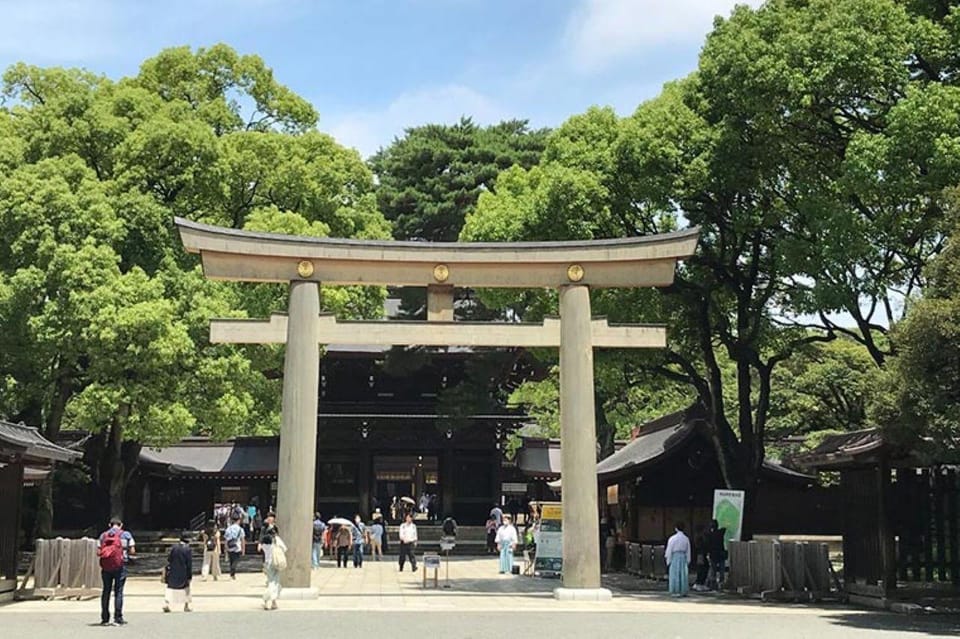
- Meiji-Jingu: torii gates and a rare quiet hour in the city
- Imperial Palace Plaza: photos of the moat and bridges
- Rainbow Bridge and Odaiba: waterfront views and real free-time
- Lunch at Villa Fontaine Grand Haneda Airport: good fuel, one constraint
- Asakusa in 50 minutes: Senso-ji and Nakamise Street on foot
- Tokyo Skytree Tembo Deck (350m): the view payoff
- Price and pacing: what $83 buys you in real terms
- Accessibility and audio: workable, with a couple of real-world notes
- Who should book this Hato Bus day tour, and who should skip
- Should you book this Tokyo highlights bus tour?
- FAQ
- How long is the Tokyo bus tour?
- Where do I meet the bus?
- Is hotel pickup and drop-off included?
- Is lunch included, and what style is it?
- Is entry to Tokyo Skytree included?
- Is the Tembo Galleria ticket included?
- Is there an English-speaking guide?
- Is the tour wheelchair accessible?
- Can the lunch accommodate vegetarian or halal meals?
- What’s the cancellation policy?
Key things to know before you go
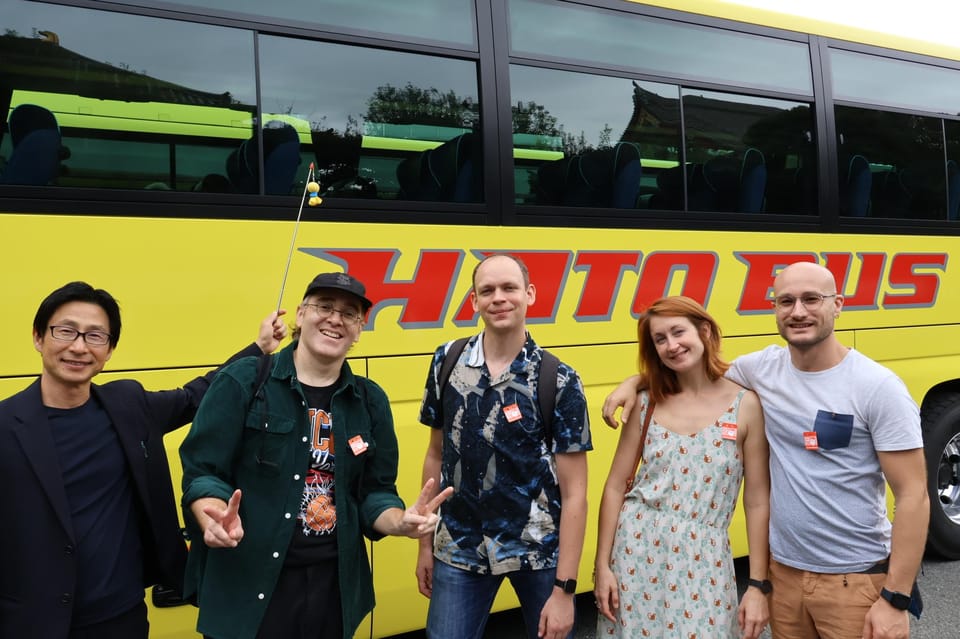
- Hybrid coach comfort: smooth-riding, large bus that keeps you moving between neighborhoods without draining your legs.
- Tembo Deck is included (350m): you pay once and get the main deck ticket; the higher Tembo Galleria option costs extra.
- Meiji-Jingu’s forest calm: a full hour at a Shinto shrine with big torii gates and a peaceful atmosphere right inside the city.
- Odaiba free time on Tokyo Bay: time to wander, shop, and grab photos with Rainbow Bridge in the mix.
- Tea break + included lunch: a casual tea ceremony vibe plus a Western-style buffet reset mid-day.
One day, four Tokyo neighborhoods: why this route makes sense
Tokyo is big. If it’s your first time, trying to “optimize” the city on your own can turn into a full-time job: train transfers, lines, and decisions at every stop. This day tour solves the planning stress with one main advantage: you get a structured hit of Tokyo—without spending the day stuck on routes.
You also get a good mix of Tokyo styles. You start in a shrine setting that feels like a pocket of quiet. Then you swing toward futuristic waterfront views in Odaiba. After lunch, you shift to an older-feeling part of town around Asakusa, and you end with a high-altitude city panorama at Skytree. It’s a practical “see the big stuff” plan.
And the guides matter. When the English is clear and the person leading you can explain not just what you’re seeing but how to read it, the day feels smoother. Based on the guide feedback linked to this tour, many guides keep the energy lively and answer questions patiently—one reason this works well even if you’re traveling solo or new to Japan.
You can also read our reviews of more tours and experiences in Tokyo

Meeting in Shinjuku or Tokyo Station: how to start without stress
Your pick-up is one of two Hato Bus meeting points: Tokyo Station (via the Tokyo office) or Shinjuku Station East Exit. There’s no hotel pickup, so plan to arrive at the station area a bit early and be ready to find your bus.
This tour runs for about 9 hours, so that early positioning matters. If you’re late, you can miss part of a tight first stop—one of the key constraints on any full-day bus plan. The good news is that the tour is designed around station boarding, so once you’re lined up, the rest of the day is handled.
Also, bring comfortable shoes and clothes. You will walk at least a bit at each cultural stop, and you’ll be stepping on and off the coach a few times.
Meiji-Jingu: torii gates and a rare quiet hour in the city
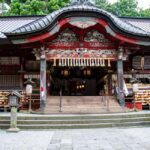
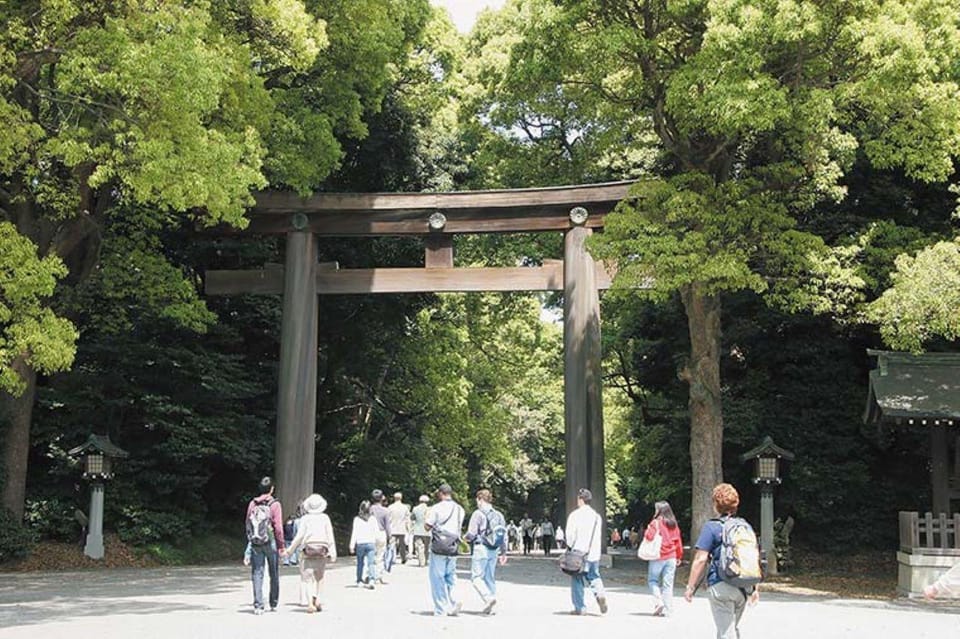
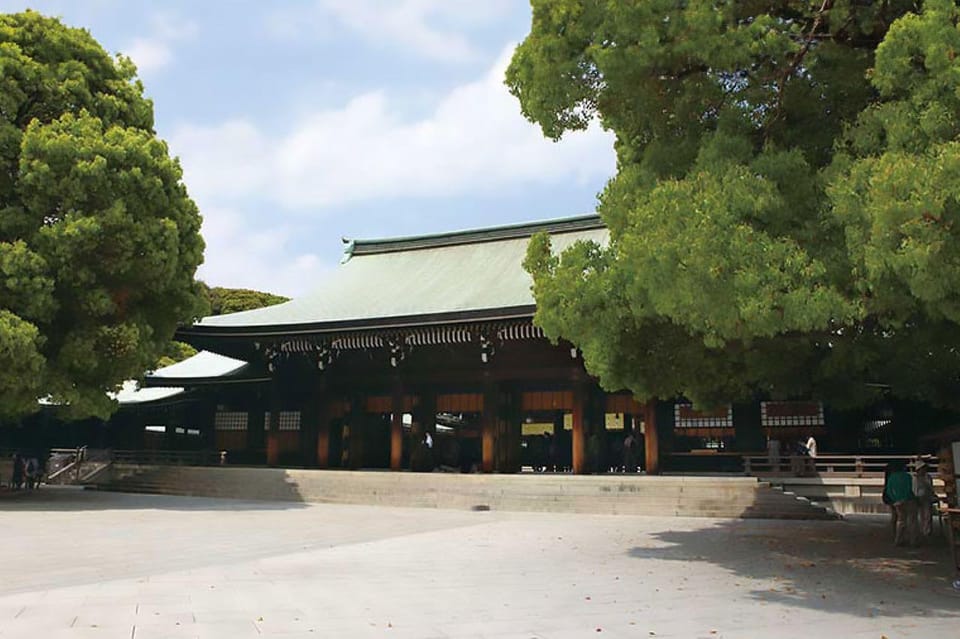
Meiji-Jingu is a strong starting point for a one-day overview. You get about 1 hour at the shrine, which gives you time to slow down rather than sprint through the highlights.
This Shinto shrine is dedicated to Emperor Meiji and Empress Shoken, and the feel is about respectful calm and forest air. The big entry points—especially the massive torii gates—set the tone fast. Even if you’re not a shrine expert, you’ll understand why people treat this place as a reset button.
One more bonus from the tour description: there’s a casual tea ceremony moment where you sip Japanese tea. That kind of break is not just a “fun add-on.” It gives your brain a breather between sightseeing zones, so you can enjoy the rest of the day with less hurry.
Imperial Palace Plaza: photos of the moat and bridges
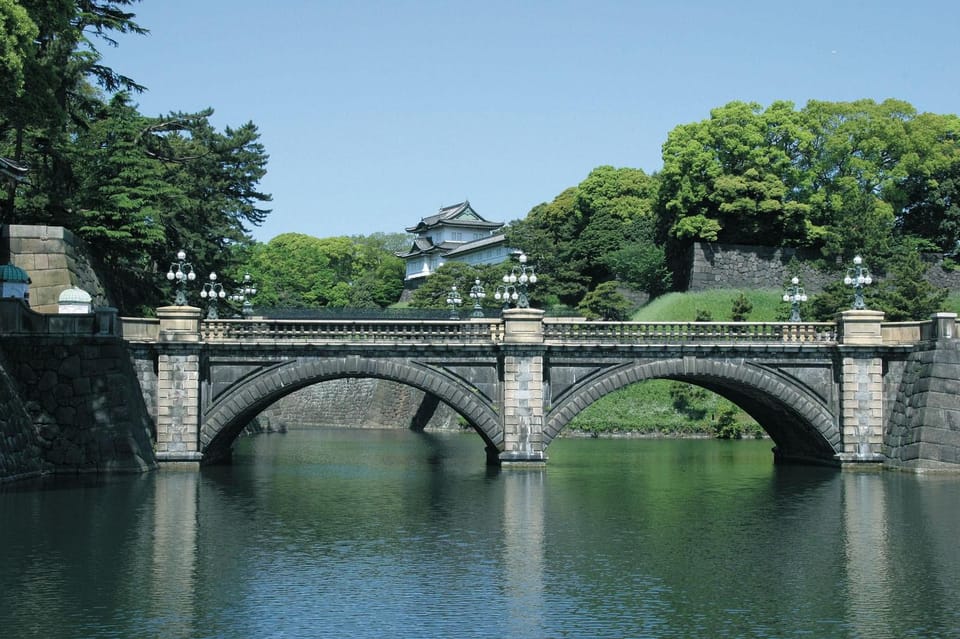
After Meiji-Jingu, you head to Tokyo Imperial Palace Plaza for a photo stop (about 30 minutes). Entry to the palace itself is restricted, but you still get the key visual parts: the outer moat, famous stone bridges, and well-kept landscaped areas.
This is the right amount of time if your goal is a quick “I’ve seen it” check. If you want to linger for long walks inside palace grounds, you’d need a separate plan. But for a bus tour that has several major stops, this photo-focused stop keeps the schedule realistic.
Practical tip: take your photos early in the stop. In a group, later angles get crowded fast, and bus tours move on whether you got the shot you wanted or not.
Rainbow Bridge and Odaiba: waterfront views and real free-time
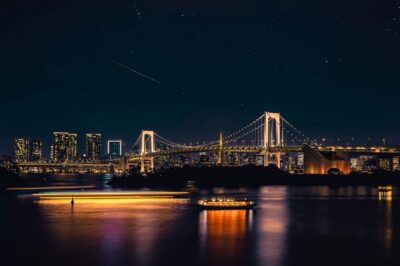
The tour passes by Rainbow Bridge, then gives you Odaiba free time for visiting and shopping. Odaiba is on Tokyo Bay, and it has that modern, waterfront feel—entertainment complexes, striking architecture, and open views that are easy to photograph.
This is the section where you can choose your own pace. If you like wandering, Odaiba can feel like an outdoor shopping and photo zone. If you’re tired from earlier walking, you can keep it light and just enjoy the sea breeze and views.
One small pacing reality: Odaiba is popular, and you’ll likely want more than the given time. A couple of reviews flagged that some stops can feel like “you see the highlights, then move on.” For Odaiba, that usually means you’ll want to decide what matters most to you before you arrive—views, snacks, shopping, or a quick photo loop.
You can also read our reviews of more tours and experiences in Tokyo


Lunch at Villa Fontaine Grand Haneda Airport: good fuel, one constraint
Lunch is included as a Western-style buffet at Hotel Villa Fontaine Grand Haneda Airport. You get about 1 hour, and this part of the day is more valuable than it sounds.
First, a buffet reset is useful after shrine and city walking. Second, having lunch organized takes pressure off you. You don’t need to search, translate menus, or guess what’s open.
The trade-off is clear: the tour cannot accommodate vegetarian or halal menus. If your dietary needs are strict, plan to eat elsewhere on your own, or choose a different tour. If you eat normally, this lunch stop is a solid value because you’re getting both food and a break from transit.
Asakusa in 50 minutes: Senso-ji and Nakamise Street on foot
Then you shift to Asakusa, one of Tokyo’s most historic neighborhoods. You get about 50 minutes, which is enough for a focused hit of the area if you’re okay moving steadily.
You’ll visit Senso-ji Temple, described as Tokyo’s oldest Buddhist temple with over 1,300 years of history. The atmosphere there is classic old-Tokyo: temple grounds, people milling around, and that lively sense that this neighborhood is built for walking.
After that, you stroll Nakamise Street, lined with traditional shops that sell snacks and souvenirs. This is where you can pick up small gifts that feel more local than airport buys. It’s also a great place to sample street snacks, but go easy on your stomach—Skytree is next and you’ll want your energy.
The drawback is timing. With only 50 minutes, you don’t get a long sit-down. If you’re the type who likes slow browsing, you’ll need to be choosy about what you want to stop for.
Tokyo Skytree Tembo Deck (350m): the view payoff
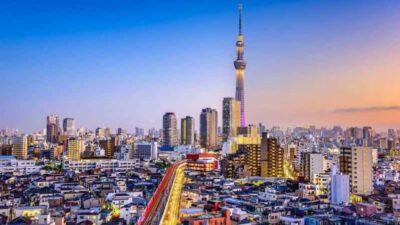
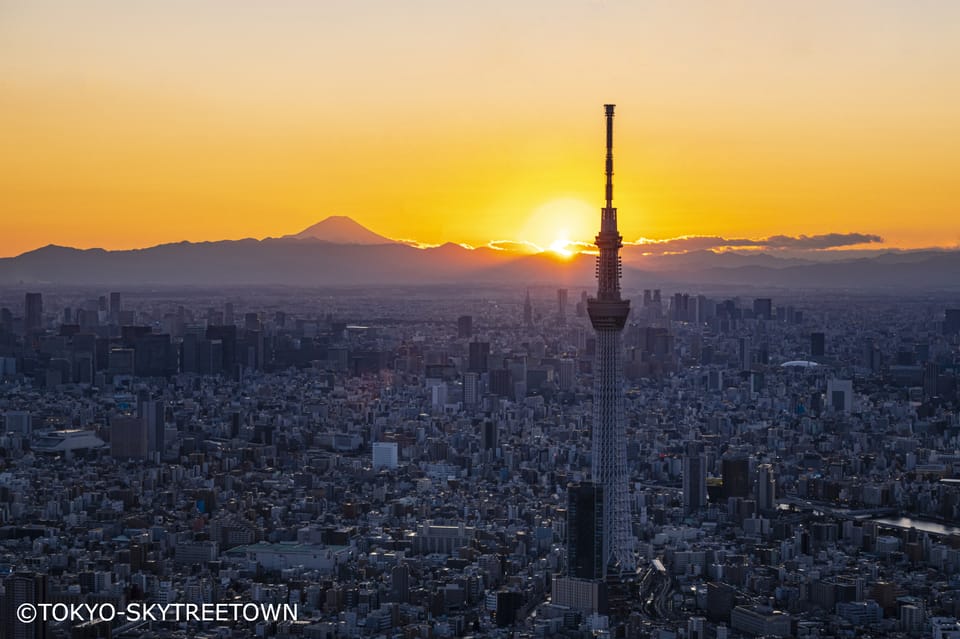
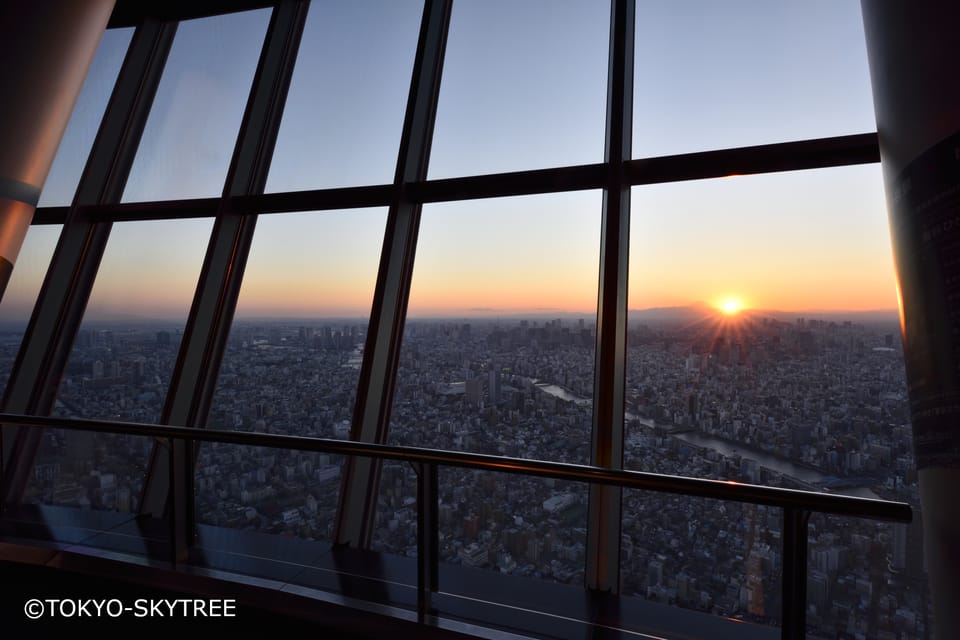
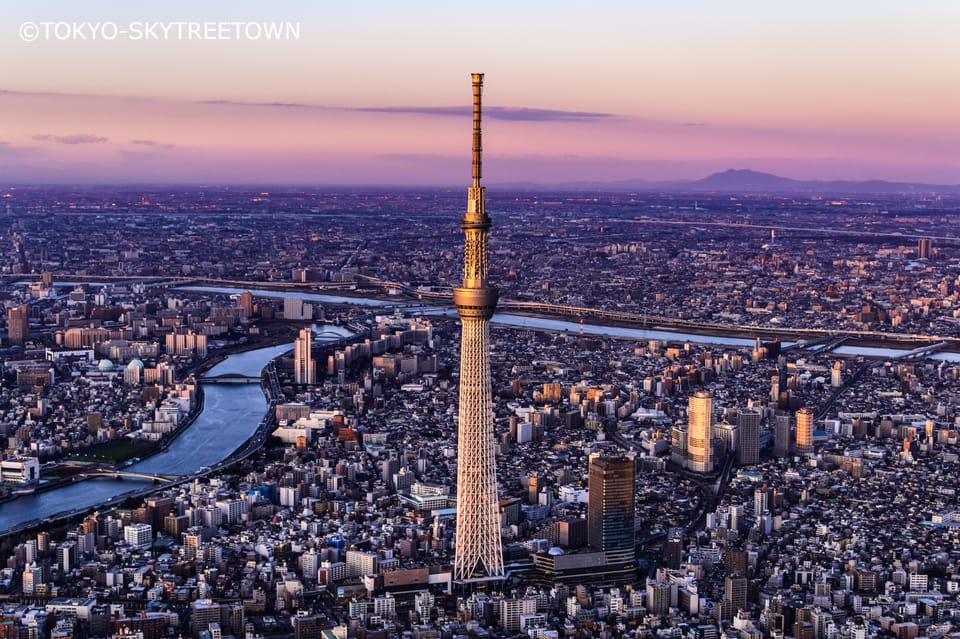
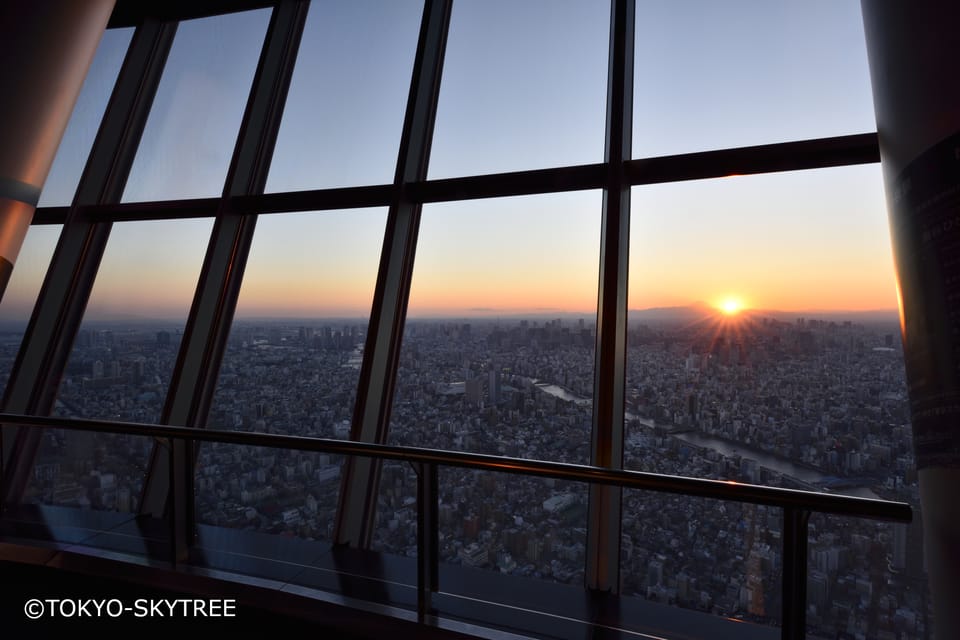
The final big wow comes at Tokyo Skytree, with about 1 hour on site. The tour includes entry to the Tembo Deck (350 meters), which is the main panoramic viewpoint. From that height, the view can stretch wide, and on clear days you can even see Mount Fuji.
This is one of the best ways to end a one-day highlights plan. The morning gave you cultural structure; the afternoon gave you neighborhood variety. Skytree ties it together by showing you how everything fits in one city.
You should also know the upgrade detail: the Tembo Galleria (450 meters) ticket is not included. If you want that extra height, you’ll need to pay separately. Think of it like buying the “premium view” add-on—nice if you care about perspective, optional if you just want the main deck.
If your day ends later or skies are clear, you may also want to linger. The tour description notes you’re welcome to stay for the night skyline, but your schedule time still depends on the day’s run.
Price and pacing: what $83 buys you in real terms
At around $83 per person for roughly 9 hours, this tour is priced for people who want a guided overview with fewer moving parts.
Here’s the math that matters for value: you’re paying for bus transport, an English-speaking guide, a buffered lunch, and Skytree Tembo Deck entry. Individually, those can add up fast in Tokyo. The included ticket is a big deal because Skytree can involve time costs—this way you’re not scrambling to plan around lines and ticket steps during the busiest time slots.
The pacing is also designed for first-timers. You’re not trapped at one museum for hours. You’re getting a sequence of stops, with coach travel between them so you can conserve energy. That said, the day is full. If you want deep time in one place—like spending half a day in Asakusa or browsing Odaiba for hours—this tour won’t replace that kind of day trip. It’s a “cover the highlights” plan.
Accessibility and audio: workable, with a couple of real-world notes
The tour is listed as wheelchair accessible, which is a real plus. Still, you should note there are a few steps when getting on and off the bus. That means you’ll want to be comfortable with boarding logistics, or have help if you use a mobility aid.
On top of that, one review noted that in a larger group, a microphone during walks could help people hear the guide better. So if you’re sensitive to sound or sit farther back on the sidewalks, aim to stay closer to the guide during the walking parts.
Who should book this Hato Bus day tour, and who should skip
This tour is a strong match if:
- You’re seeing Tokyo for the first time and want a guided overview.
- You like the idea of included tickets and an organized lunch.
- You’d rather ride a bus between neighborhoods than spend your day navigating transfers.
- You want your guide to explain culture and customs, not just point at buildings.
You might skip it if:
- Your food needs are vegetarian or halal, since the included lunch can’t adapt.
- You dislike “short stop” sightseeing and prefer slower, longer hangs in fewer places.
- You want a specific Tokyo Tower-focused experience and Skytree isn’t enough. The description mentions Tokyo Tower views, but the concrete day payoff here is Skytree’s included deck, so double-check that your expectations match the route.
Should you book this Tokyo highlights bus tour?
If you want the most stress-free way to hit Meiji-Jingu, Asakusa, and Skytree in one day, I’d book this. The biggest reason is practical: it bundles transport, English guidance, lunch, and the key Skytree ticket into one price, which makes Tokyo feel less chaotic.
If you’re picky about lunch or you’re hoping for long time in every neighborhood, plan differently. But if you can handle a full day and want a clean, guided sampler of Tokyo’s best-known areas, this is the kind of tour that earns its place—especially for a first trip.
FAQ
How long is the Tokyo bus tour?
It runs for about 9 hours (listed as 570 minutes).
Where do I meet the bus?
You can meet at one of two starting points: Hato Bus Tokyo office or Hato Bus Shinjuku Station East Exit. The exact meeting point may vary by option booked.
Is hotel pickup and drop-off included?
No. Hotel pickup and drop-off are not included.
Is lunch included, and what style is it?
Yes. Lunch is included as a Western-style buffet.
Is entry to Tokyo Skytree included?
Yes. Entry to the Tembo Deck (350m) of Tokyo Skytree is included.
Is the Tembo Galleria ticket included?
No. The Tembo Galleria (450m) ticket is not included.
Is there an English-speaking guide?
Yes. The tour is conducted in English with a live English-speaking guide.
Is the tour wheelchair accessible?
The tour is listed as wheelchair accessible. However, you may need to navigate a few steps when getting on and off the bus.
Can the lunch accommodate vegetarian or halal meals?
No. Vegetarian and halal menus can’t be accommodated because of the buffet lunch.
What’s the cancellation policy?
Free cancellation is available up to 24 hours in advance for a full refund.