REVIEW · TOKYO
Tea Ceremony Experience in a Private Tea Room in Shibuya
Book on GetYourGuide →Operated by EAST GREEN MATCHA · Bookable on GetYourGuide
Shibuya gets quiet, one whisk at a time. This private tea ceremony in Shibuya pairs an authentic room with a lesson on matcha, from production to proper drinking, plus the chance to use EAST GREEN MATCHA in a formal style.
I especially like the rare ingredient story and the hands-on training. The matcha is an organic brand where the product comes from only 2% of the harvest in Japan, and you also get to make your own bowl with guidance, not just watch.
One thing to plan around: there’s no toilet in the tea room, so use the facilities before you step inside.
In This Review
- Key things that make this Shibuya tea ceremony worth your time
- From Shibuya Station to Tea Room Kakoi: Finding the Calm
- EAST GREEN MATCHA and the 2% Harvest Story: Why the Matcha Here Matters
- The Flow of the Tea Ceremony: From Matcha History to a Formal Bowl
- Wagashi With Over 200 Years of Tradition: The Sweet Match for Matcha
- Making Your Own Matcha: Technique, Not Just Etiquette
- Tea Room Kakoi in Shibuya: Small Space, Big Peace
- Optional Matcha and Tea Tool Shopping: Take the Lesson Home
- Price and Value: What You Get for $30 in Shibuya
- Who This Shibuya Tea Ceremony Fits (and Who Should Skip It)
- Should You Book This Shibuya Tea Ceremony?
- FAQ
- What language is the tea ceremony experience offered in?
- Where do we meet for the Tea Room Kakoi ceremony?
- How far is it from Shibuya Station to the meeting point?
- Is there a toilet in the tea room?
- What is included in the $30 per person price?
- Can I buy matcha or tea tools after the ceremony?
- Is the matcha caffeinated?
- Is this experience suitable for children or babies?
- What is the cancellation policy?
Key things that make this Shibuya tea ceremony worth your time
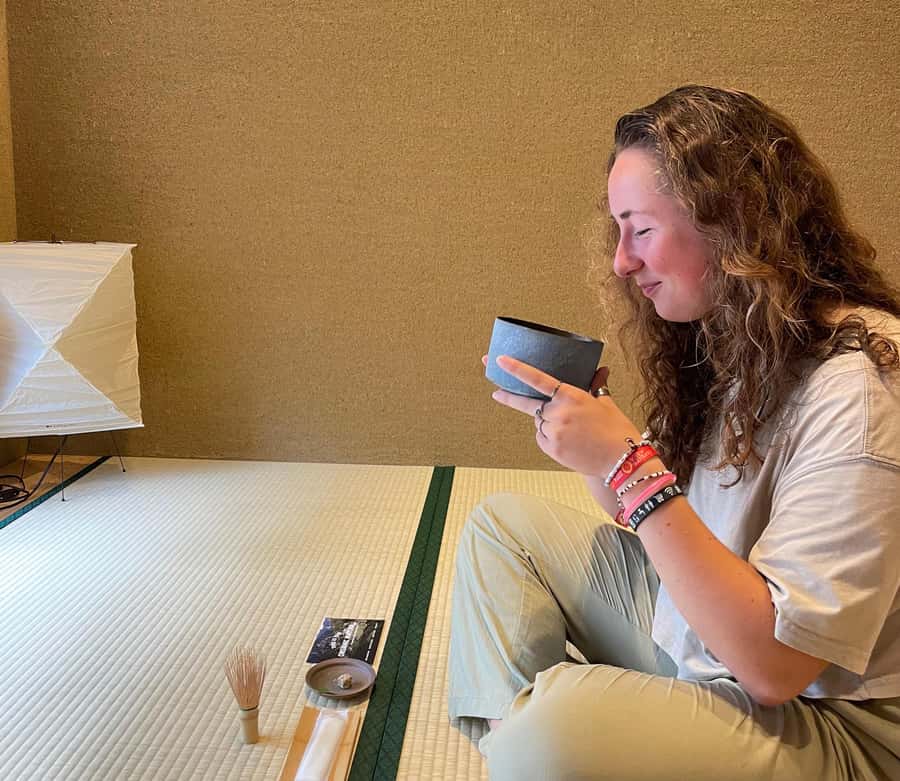
- Tea Room Kakoi, tucked near Shibuya Station: easy walk, but the inside is calm.
- EAST GREEN MATCHA focus: organic matcha with a clear “why it’s special” story tied to limited harvest.
- Formal matcha prep, then your turn: you’ll learn the technique and not just the etiquette.
- Wagashi with a long legacy: traditional sweets from a wagashi shop with over 200 years of history.
- English and Japanese-led experience: explanations are set up for visitors, with time for questions at the end.
- Souvenir options: you can purchase high-quality organic matcha and original tea tools if you want to keep practicing.
From Shibuya Station to Tea Room Kakoi: Finding the Calm
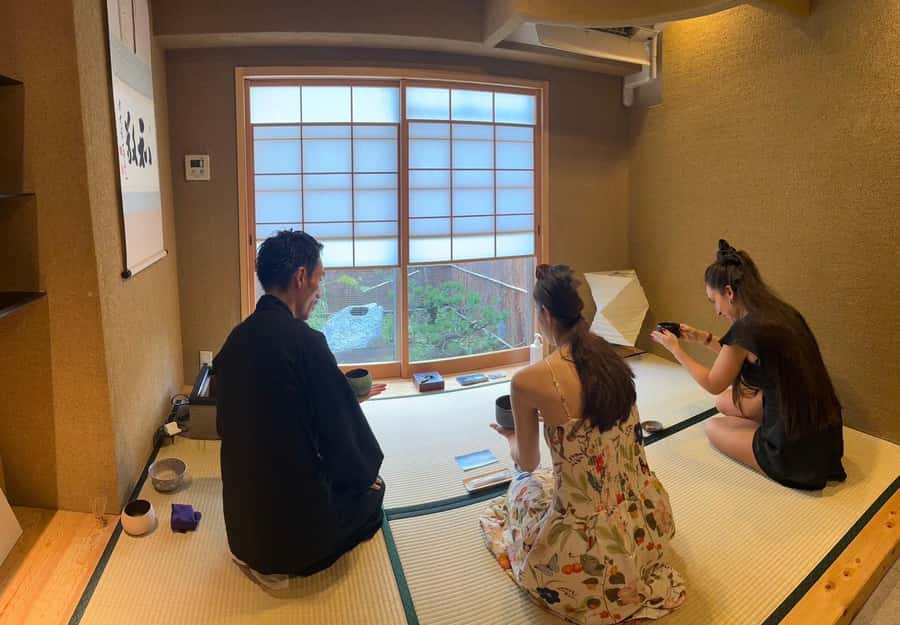
This experience starts at a clear meeting point: in front of The OneFive Tokyo Shibuya hotel (1-8-11 Jinnan, Shibuya-ku). Your guide will hold a signboard reading TEA ROOM KAKOI.
From Shibuya Station, you’re looking at about an 8-minute walk. That matters because Shibuya can feel like information overload, and a short, straightforward walk helps you get into the right mindset before the ceremony begins.
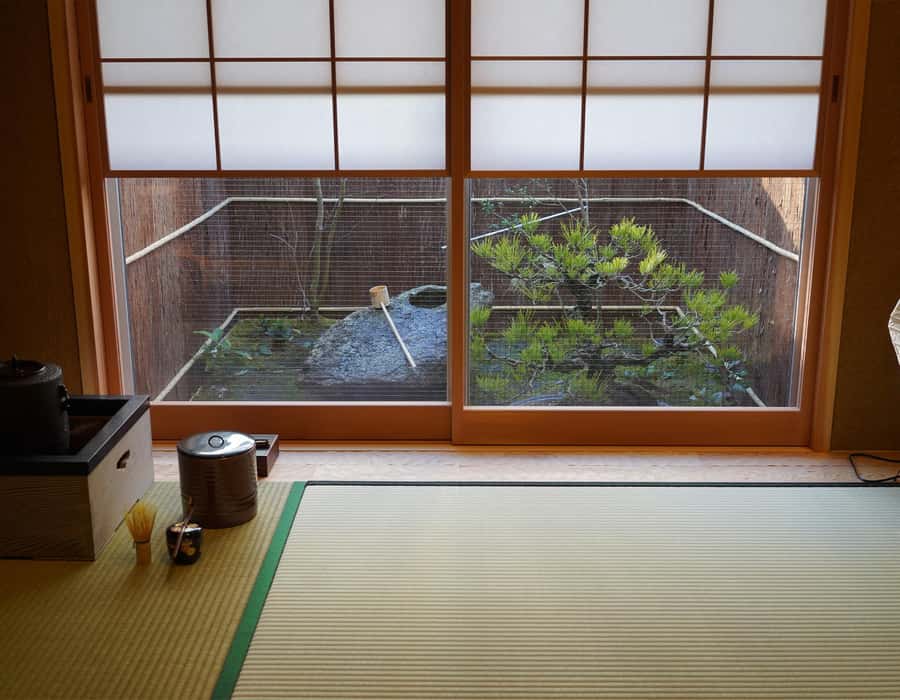
Once you arrive, don’t expect a “big venue” feel. The ceremony happens in a private tea room, and that small scale is part of the charm. You’ll be able to hear the guidance without competing with street noise—exactly what you want for matcha.
You can also read our reviews of more private tours in Tokyo
EAST GREEN MATCHA and the 2% Harvest Story: Why the Matcha Here Matters
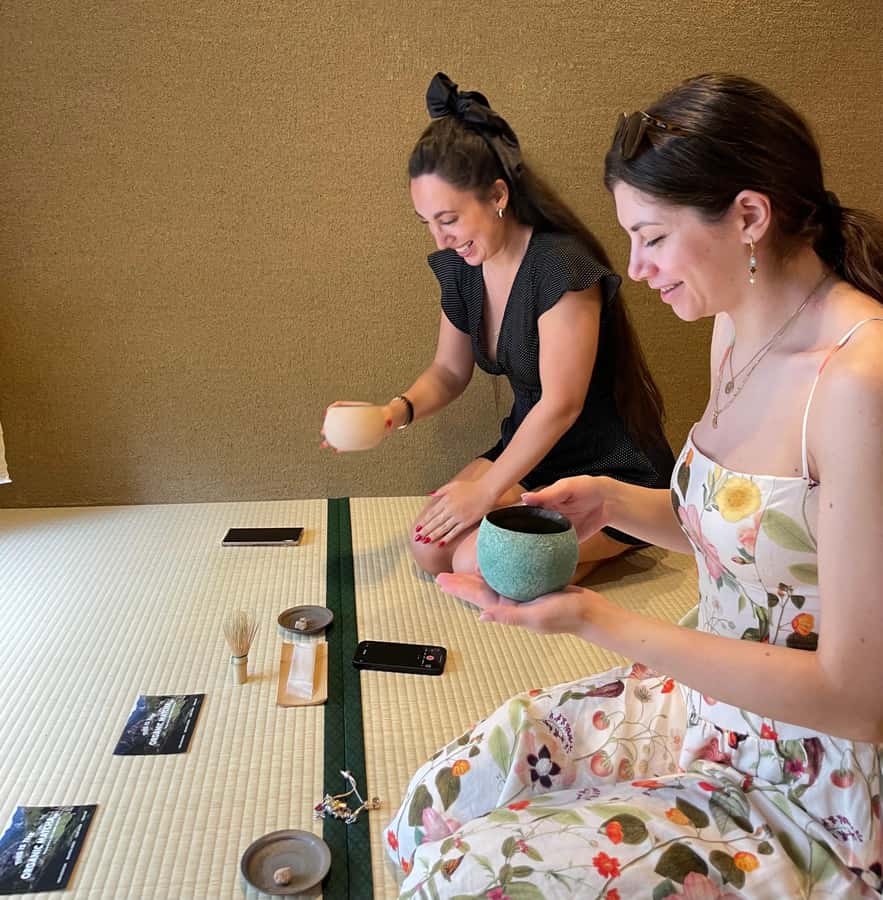
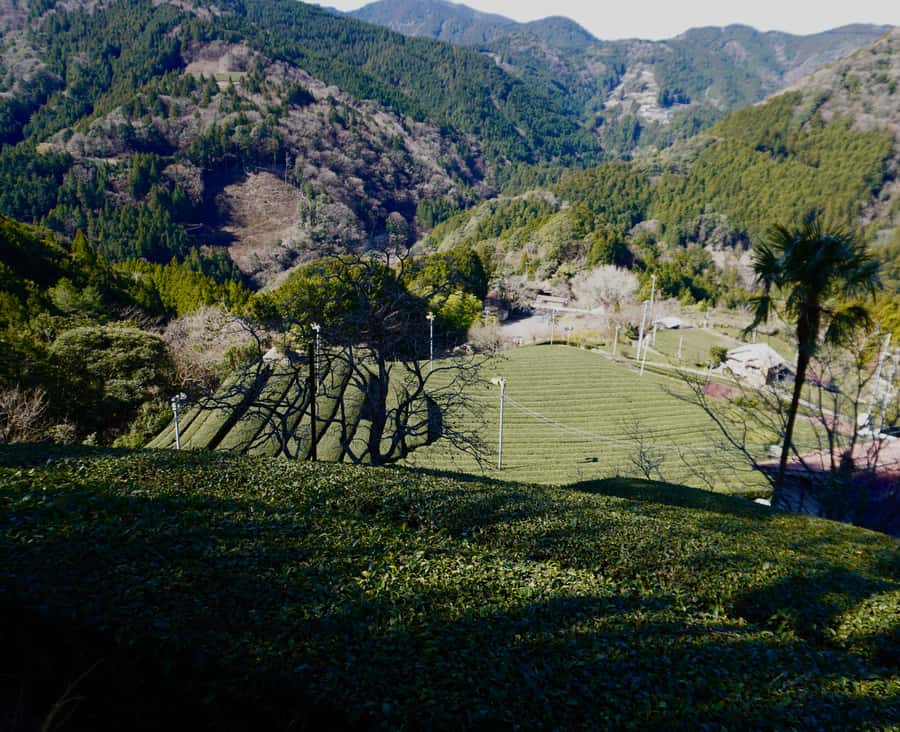
The matcha is the star, and the experience gives you a reason beyond hype. You’ll enjoy premium organic matcha provided by EAST GREEN MATCHA, and it’s described as coming from only 2% of the harvest in Japan.
That 2% detail isn’t just marketing math. It signals that you’re tasting a carefully sourced ingredient, the kind that’s meant for ceremonial-style preparation. In practical terms, it helps explain why your cup tastes different from the everyday powdered green stuff you might find in convenience stores.
You’ll also learn about matcha’s background and how it connects to Japan’s tea ceremony traditions. The host talks through the history of matcha and the produce side of it—where it comes from, and how it’s handled—so you understand what you’re drinking.
Quick heads-up: matcha contains caffeine. Plan your timing accordingly if you’re sensitive, or if you’re pairing this with a late-night Shibuya crawl.
The Flow of the Tea Ceremony: From Matcha History to a Formal Bowl
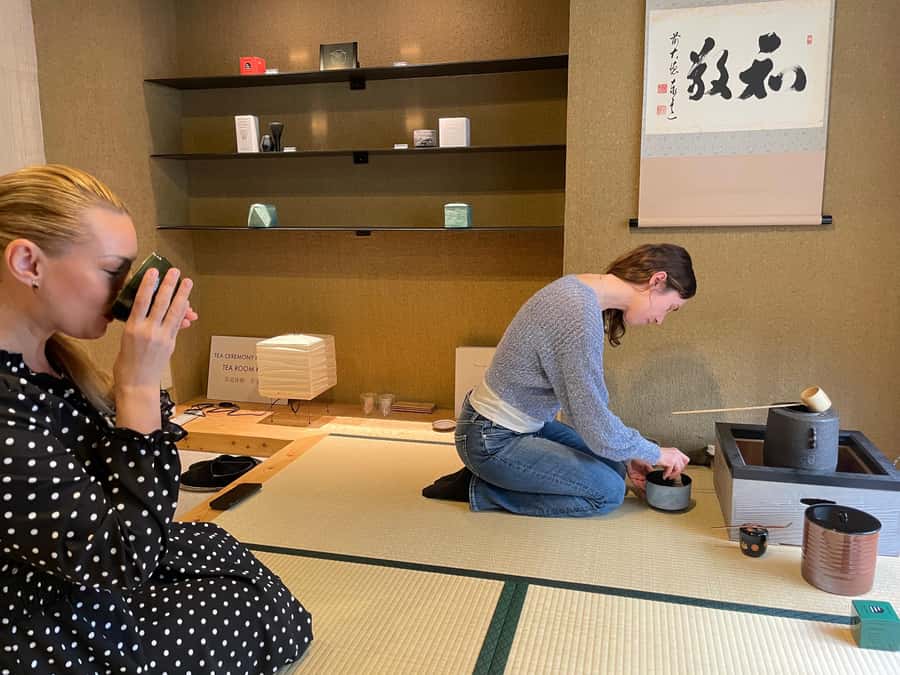
The ceremony is structured, and that structure is what makes it relaxing instead of confusing. You’ll start with an explanation of Japan’s tea ceremony traditions and the produce history behind matcha—why matcha became so central to the ritual, and what makes ceremonial matcha preparation distinct.
Then comes the practical part: you’ll watch matcha being prepared in a formal tea style and served with traditional sweets. This isn’t a fast “one-and-done” demo. The guide takes you through the steps so you can see the logic behind each motion.
A big theme throughout is respect—respect for the objects used, the pacing, and the idea that you slow down on purpose. In a room this quiet, that’s not just theory. It changes how you drink and how you notice flavors.
After the tea is served, you’ll have time at the end to ask questions about the ceremony and matcha. That Q&A time is useful because it lets you tailor what you learn: some people want tool details, others want the ingredient basics, and others are just chasing the “what am I tasting?” answer.
Wagashi With Over 200 Years of Tradition: The Sweet Match for Matcha
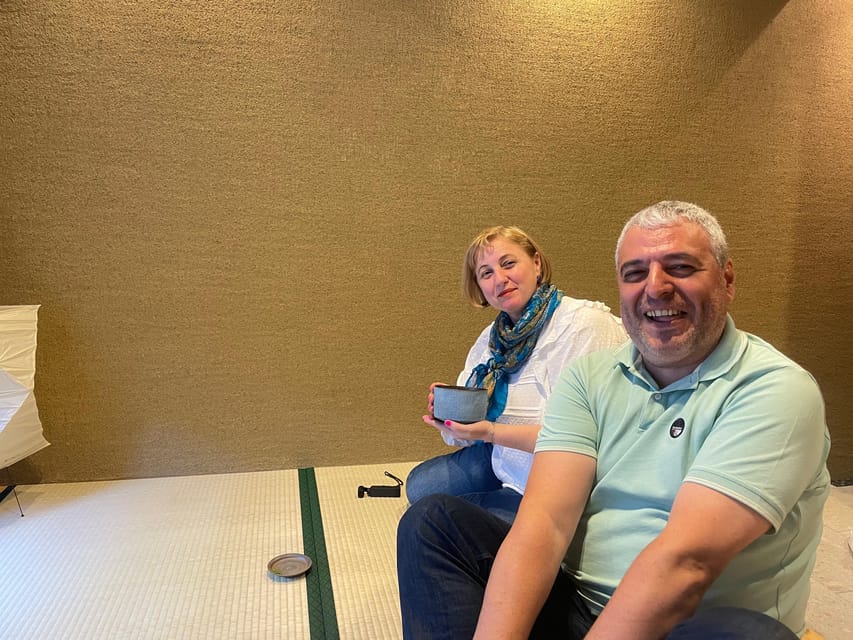
Tea ceremony matcha is rarely meant to be a solo act. You’ll be served Japanese traditional sweets—wagashi—from a wagashi shop with over 200 years of history.
Even if you don’t know wagashi vocabulary, you’ll understand the role it plays. These sweets are usually designed to complement the tea’s bitterness and grassy notes, and the ceremony format makes the pairing feel intentional rather than random.
This is also where the experience feels more “Japanese culture” than “just a drink class.” Wagashi helps you experience matcha in the context it was designed for: a small moment of seasonal balance, slow rhythm, and careful presentation.
Making Your Own Matcha: Technique, Not Just Etiquette
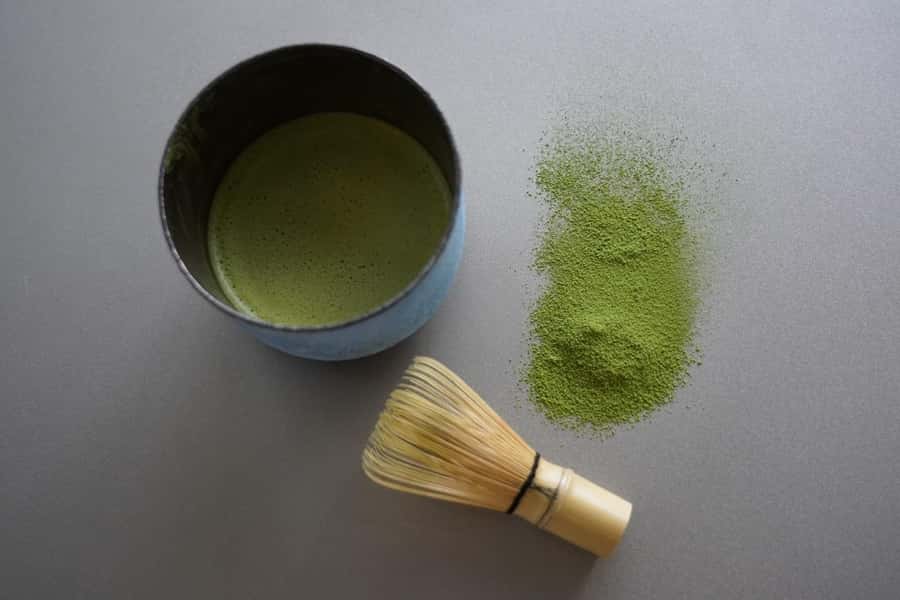
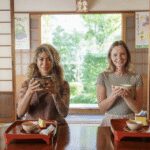
The best part for most people is what happens after the watching. You’ll get guided instruction to make your own matcha, with the host explaining the meaning behind the techniques and how to perform them.
That matters because whisking matcha isn’t just mixing. You’re learning how to get the right texture and how to work with the tools properly. The guide will walk you through the process step by step, and you’ll get a chance to do it yourself rather than staying on the sidelines.
You’ll also be guided on how to drink tea properly. This isn’t about being stiff—it’s about timing, attention, and doing the ritual steps in a way that helps you taste and notice what’s happening in the cup.
If you like learning by doing, this is where the value shows up. For $30, you’re not paying just for a drink. You’re paying for instruction, the ceremonial context, and the chance to take home a better understanding of how matcha should feel in your mouth.



Tea Room Kakoi in Shibuya: Small Space, Big Peace
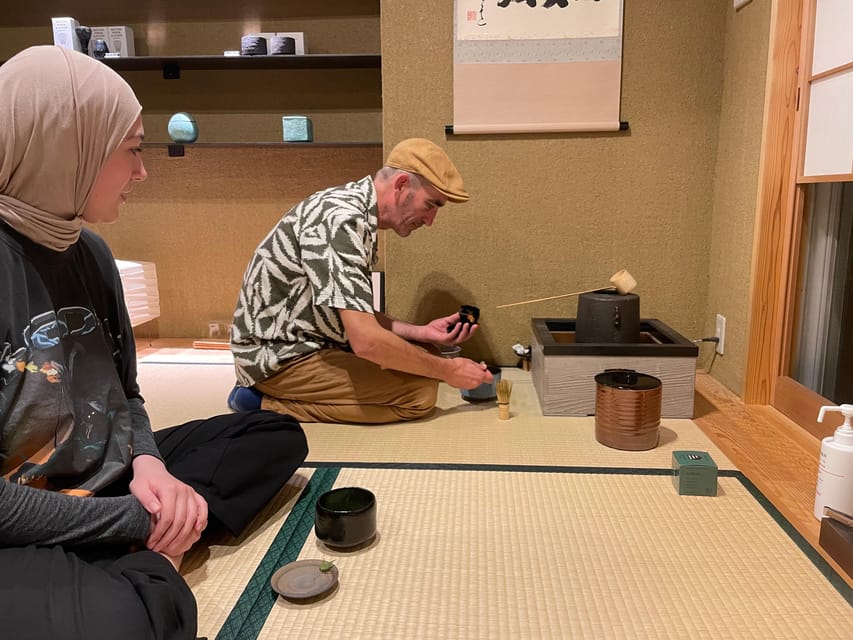
The tea room experience is private, and it creates an unusual contrast with the outside world. You’ll be in the heart of Shibuya—near famous stops like the Hachiko Statue, Meiji Shrine, and the Shibuya Scramble Crossing—but once inside the room, the pace drops fast.
Expect the room to feel intimate. One of the reasons people recommend this is that it doesn’t feel like a “tour production.” Instead, it feels like stepping into a quiet pocket of Japan where the ritual takes center stage.
Another bonus: because the setting is calm and the session is structured, it’s easier to take photos and video without ruining the mood for everyone else. The ceremony is designed for attention, but it’s also visitor-friendly.
At the end, you get free time for questions about matcha and the tea ceremony. If you want to know what makes ceremonial matcha different, or how to use tools correctly, that’s your moment.
Optional Matcha and Tea Tool Shopping: Take the Lesson Home
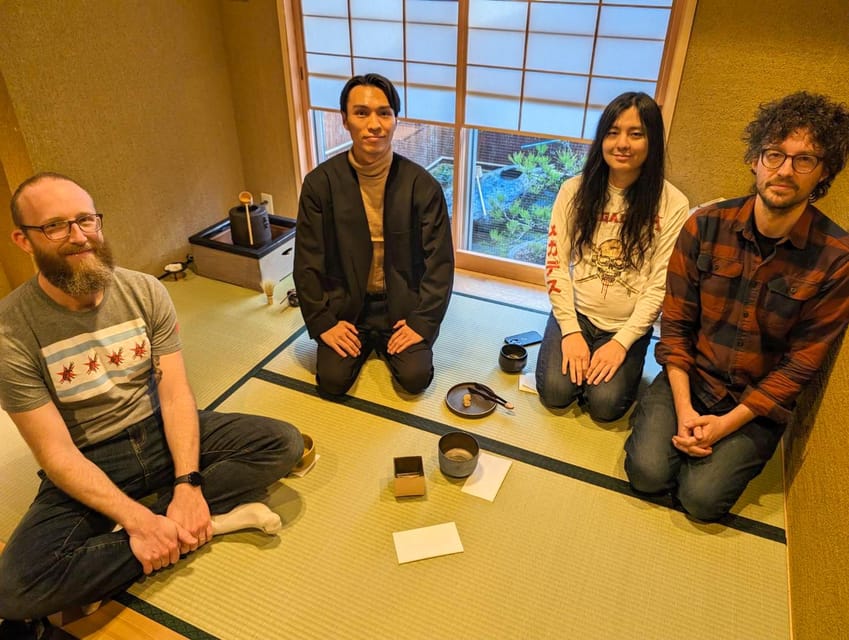
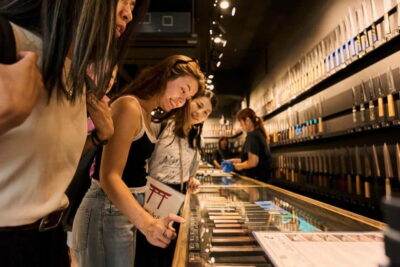
When the session wraps, you can purchase high-quality organic matcha and original tea tools as souvenirs if you’d like. This is a nice option because it turns the experience into something you can practice later.
Just keep your expectations practical. You’re not guaranteed a full market-style shopping spree inside the room, but you do have the chance to buy the same kind of matcha you were using during the ceremony and basic tools that support proper preparation.
If you’ve ever bought matcha and wondered why it didn’t taste the same later, this kind of lesson plus a proper ingredient can make a big difference.
Price and Value: What You Get for $30 in Shibuya
At $30 per person, the value comes from what’s included—not just the tea.
You’re getting:
- Organic matcha (premium ceremonial-style matcha from EAST GREEN MATCHA)
- Traditional wagashi sweets from a long-established shop (over 200 years of history)
- A matcha-making session where the host guides you through the process
- Everything you need for the experience
So you’re paying for a full ritual sequence: explanation, formal preparation, serving, and hands-on practice. That’s why the price tends to feel fair even in central Tokyo.
Who gets the best payoff? People who want more than a quick tasting. If you’re the type who enjoys technique—whisking, texture, proper drinking—you’ll feel you gained something real.
Who This Shibuya Tea Ceremony Fits (and Who Should Skip It)
This tea ceremony fits best if you:
- want a peaceful cultural break in the middle of Shibuya
- like hands-on instruction
- care about ingredient quality and want to learn what makes ceremonial matcha different
- prefer a format that includes time to ask questions at the end
It’s not for everyone. The experience isn’t suitable for:
- Children under 10
- Pregnant women
- Babies under 1
- Pets (assistance dogs are allowed)
Also remember the practical limitation: no toilet in the tea room, so plan ahead.
Should You Book This Shibuya Tea Ceremony?
Book it if you want a real, guided Japanese tea ceremony in Shibuya—not just a photo stop—paired with rare organic matcha and a chance to make your own bowl. The combination of formal technique, wagashi pairing, and Q&A time makes it a strong “culture + skill” experience for a short window in Tokyo.
Skip it if the no-toilet factor would be an issue for you, or if the age/pregnancy limits don’t work with your group. And if you’re looking for a high-energy, entertainment-style activity, this won’t be that. This is slow on purpose.
If that sounds like your kind of Tokyo, you’ll probably come away with something better than a souvenir: a matcha routine you can use again.
FAQ
What language is the tea ceremony experience offered in?
The experience is offered in English and Japanese, so you can follow along with the instructions and history.
Where do we meet for the Tea Room Kakoi ceremony?
Meet at the front of The OneFive Tokyo Shibuya hotel. Your guide will hold a sign board that says TEA ROOM KAKOI.
How far is it from Shibuya Station to the meeting point?
You can reach the place from Shibuya Station in about 8 minutes on foot.
Is there a toilet in the tea room?
No. There is no toilet in the tea room, so it’s smart to use facilities before your session.
What is included in the $30 per person price?
The price includes organic matcha, traditional Japanese sweets (wagashi), and a matcha-making session with guidance. Everything you need for the experience is included.
Can I buy matcha or tea tools after the ceremony?
Yes. If you wish, you can purchase high-quality organic matcha and original tea tools as souvenirs at the end.
Is the matcha caffeinated?
Yes. Matcha contains caffeine.
Is this experience suitable for children or babies?
No. It is not suitable for children under 10, and it is also not suitable for babies under 1 year.
What is the cancellation policy?
You can cancel up to 24 hours in advance for a full refund.