REVIEW · TOKYO
Tokyo: Not a show- a professional sumo practice with experts
Book on GetYourGuide →Operated by Japan Shine Tour · Bookable on GetYourGuide
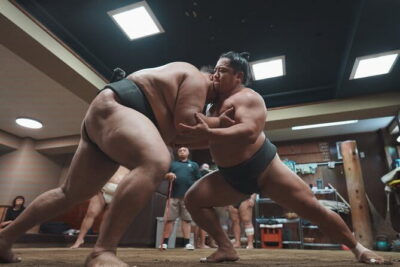
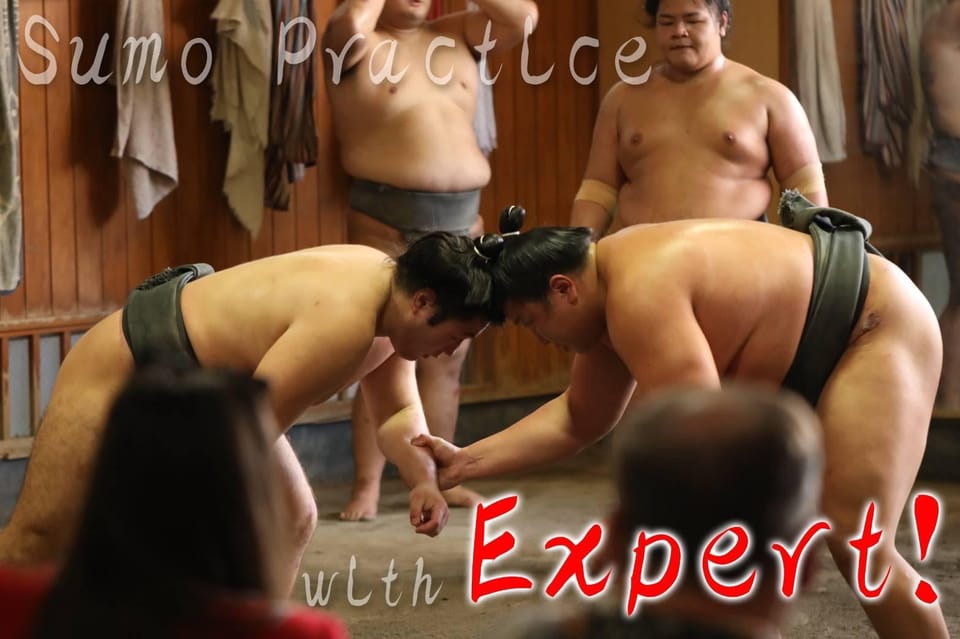
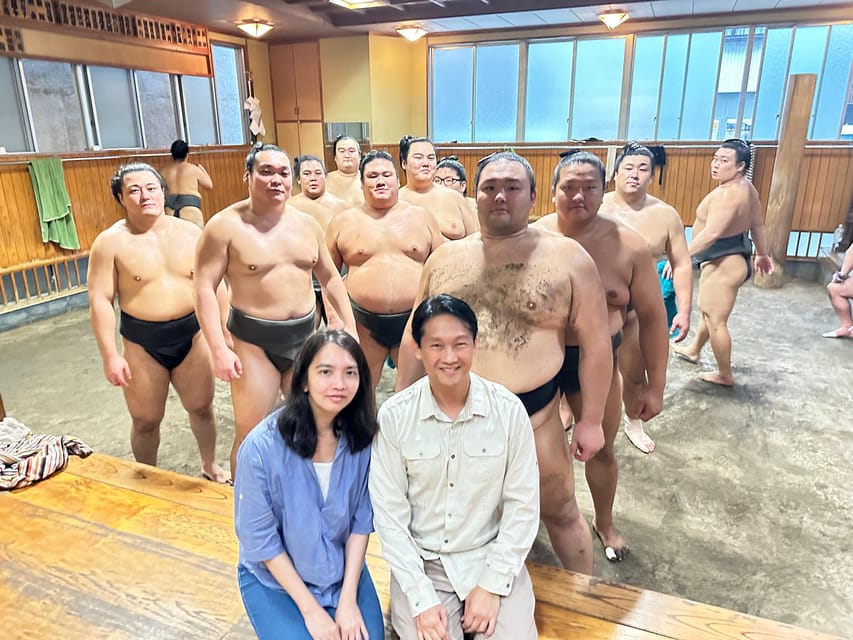
Sumo, not a staged show. In Ryogoku, you watch real stable training at Takasago-beya and get photo time with the wrestlers, with a guide who can explain what you’re seeing. This is one of the few ways to experience sumo as a working sport, not a performance.
I also like the Q&A led by Shinya, who’s a long-time sumo specialist and has worked in sports journalism. The one real catch is the floor seating: you sit on the tatami floor (cushions are available), and after a while it can feel pretty serious.
The rest of the tour keeps you in the sumo world around Ryogoku, with a short guided walk through the Ryogoku Kokugikan area and time at Ryōgoku Edo Noren to look around and grab souvenirs. With a small group capped at 10, it stays personal and question-friendly.
In This Review
- Key Points You’ll Actually Care About
- Ryogoku: Tokyo’s Sumo Neighborhood You Can Read Without a Scoreboard
- Takasago-beya Morning Practice: The Main Event, Up Close and Real
- Being in the Stable: Etiquette, Seating, and What to Do With Your Phone
- Shinya’s Q&A: When Your Curiosity Actually Gets Answered
- Ryogoku Kokugikan and Ryōgoku Edo Noren: Where the Tour Turns Into a Stroll
- Price and Value: Why $103 for 3 Hours Can Make Sense
- Who This Tour Is Best For (and Who Should Skip It)
- Should You Book This Tokyo Sumo Practice Tour?
- FAQ
- How long is the Tokyo sumo practice tour?
- Where do I meet the guide?
- Is this a small group experience?
- What’s included in the price?
- Is food or drink included?
- Is the tour offered in English?
- Can children join?
- Are there any rules during the tour?
- Can I cancel?
Key Points You’ll Actually Care About
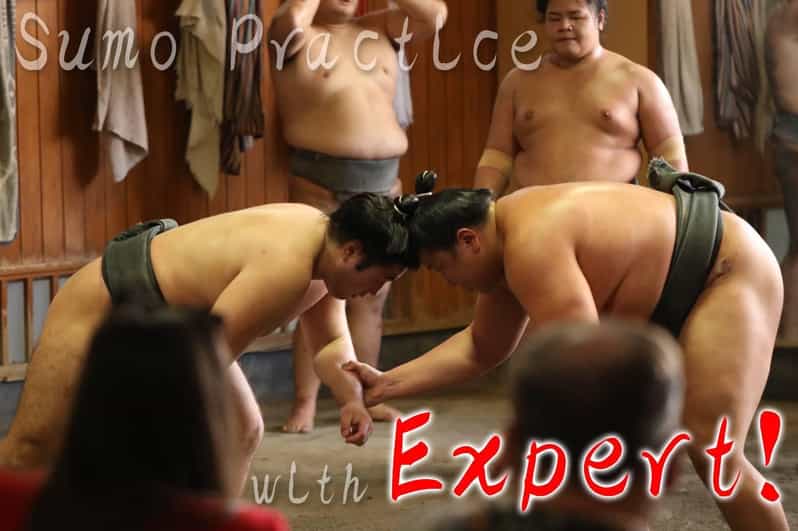
- A professional heya practice at Takasago-beya, with techniques and intensity visible up close
- Photo with sumo wrestlers plus time for respectful interaction
- Q&A with Shinya, a long-time sumo expert and sports journalist
- Ryogoku Kokugikan + Ryōgoku Edo Noren, so you’re not stuck only inside the stable
- Small group limit of 10, which makes it easier to hear explanations and ask questions
Ryogoku: Tokyo’s Sumo Neighborhood You Can Read Without a Scoreboard
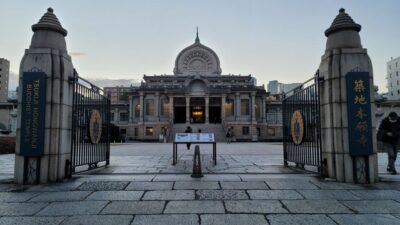
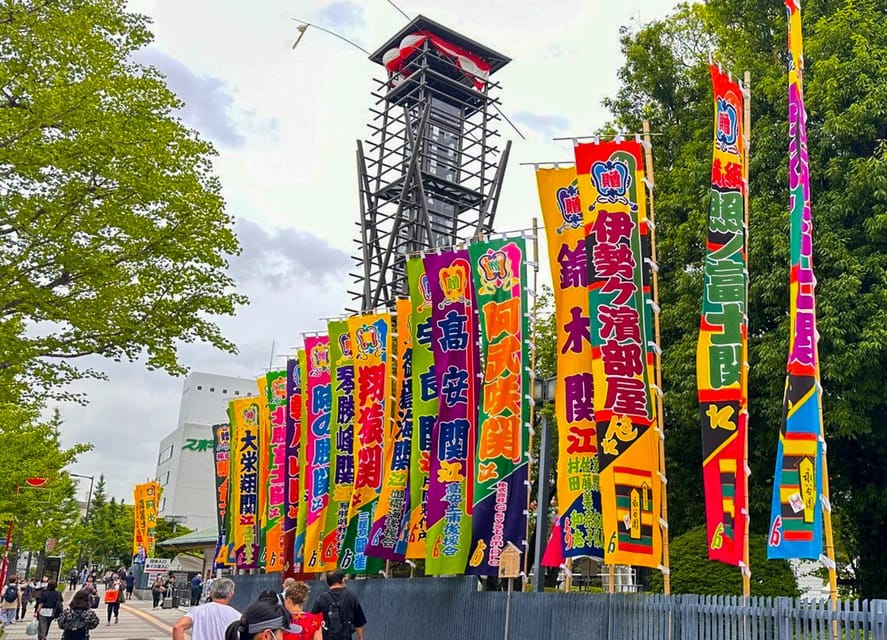
Ryogoku is the place in Tokyo where sumo feels like part of daily life, not a tourist theme park. You’re basically walking through the sport’s home turf: stables, venues, and all the visual cues that make sumo look and sound like a living tradition.
What I like here is the tone of the area. Even before you reach the stable, the setting helps you understand why this sport has such a strong sense of identity. And because you’re staying in the Ryogoku zone, the tour doesn’t feel like “we did one thing and left.” It feels like you’re getting oriented to the culture around the sport.
If you’re coming to Tokyo with limited time, this helps. You can pack in a rare experience without bouncing across the city all morning. And since this tour is built around a professional training session, you’re seeing sumo in its real rhythm, not a scripted version designed for crowds.
You can also read our reviews of more tours and experiences in Tokyo

Takasago-beya Morning Practice: The Main Event, Up Close and Real
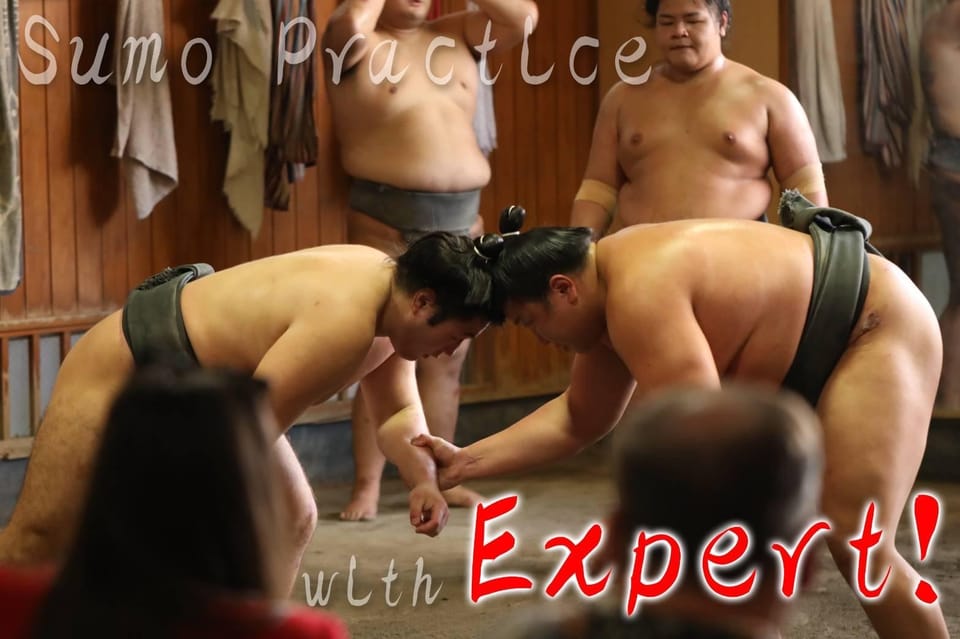
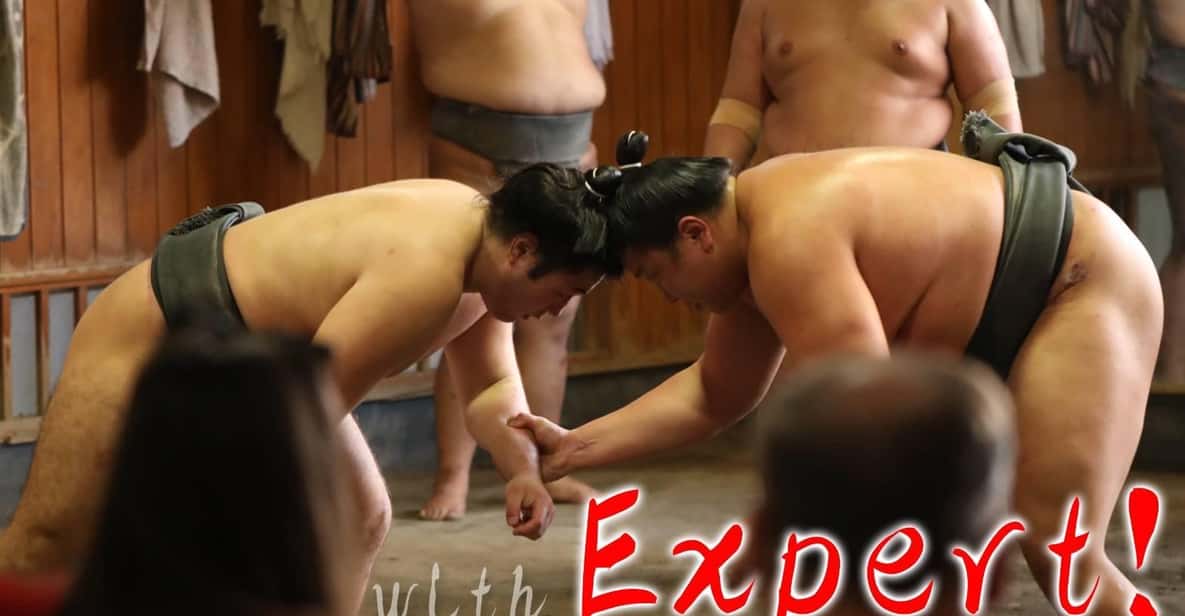
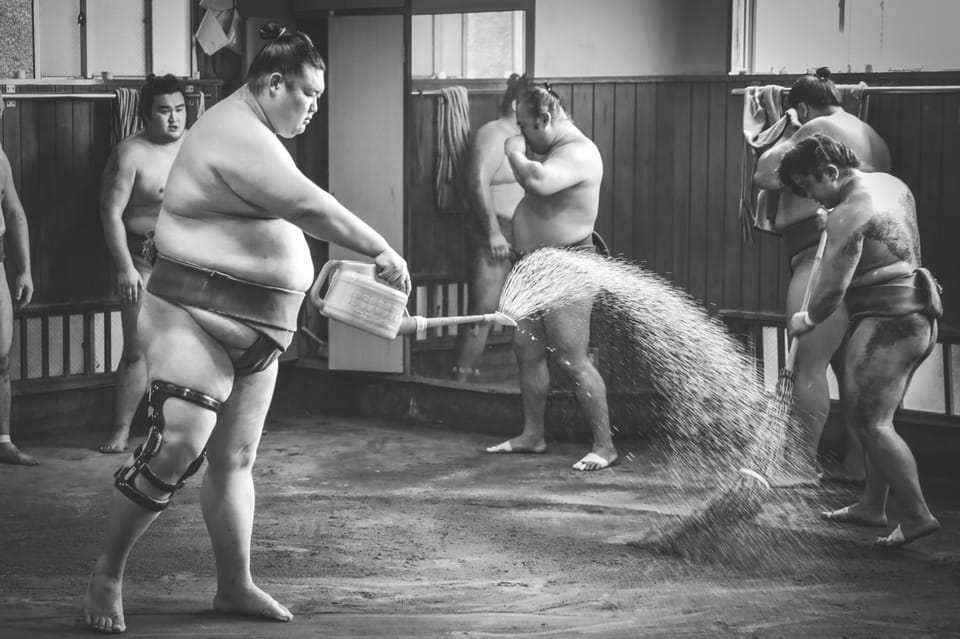
The heart of this experience is your visit to Takasago-beya Sumo Stable. Expect a structured morning session: you start with explanations about sumo’s history and rituals, then you settle in to watch training as it’s happening.
This is where the experience gets serious in the best way. The closer you are to the wrestlers, the more you notice the fundamentals: repetitive drills, focused movements, and the way the training flows from one activity to the next. It’s not just “pretty sport.” It’s preparation, conditioning, and discipline.
You’ll also get a rare look at how older wrestlers support and guide younger ones during training, which is one of the details that makes sumo feel like a community, not just a competition. And because this is a professional stable with special permission, you’re not stuck with the usual tourist substitutes.
Practical note: you’ll be watching from the floor. There’s a floor cushion available, but you should still plan for a session where your legs may not be thrilled after a bit. If you’re someone who gets stiff quickly, building comfort into your plan matters.
Being in the Stable: Etiquette, Seating, and What to Do With Your Phone
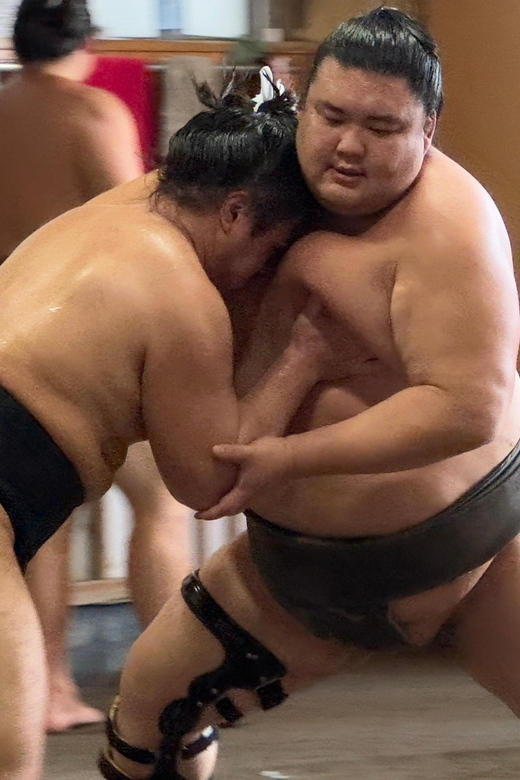
Sumo training has rules, and the stable expects respect. The good news is you don’t need a fancy handbook. Think quiet, patient, and aware of where people are moving.
A few things to keep in mind:
- No smoking indoors
- You sit on the floor to watch, with a cushion provided
- Keep your phone off during the session so you don’t disrupt the practice
The photo moment is its own mini-event. You’ll get a photo with a sumo wrestler, and that’s a highlight because it’s a real stable setting, not a staged meet-and-greet table. Still, treat it as part of the training environment, not a free-for-all. That mindset makes everything smoother for you and for the people working around you.
If you’re the type who loves to document everything, this is where you need a little discipline. The tour’s value is in paying attention. When you’re told when it’s okay to film or take photos, follow that. The session is short enough that you’ll remember more than you think.
Shinya’s Q&A: When Your Curiosity Actually Gets Answered
What makes this tour feel different is the specialist behind it. Your guide, Shinya, brings long-time sumo expertise and experience as a journalist covering the sport. That matters because he doesn’t just explain what happens. He also helps you understand why it matters.
The tour includes time for Q&A, and you should use it. One of the smartest moves you can make is arriving with a few questions you genuinely want answered, because you’re getting a chance to talk to a real sumo insider.
Here are the kinds of questions that tend to land well:
- What specific parts of training build certain skills
- How wrestlers progress and how stable life supports that
- What tournament context looks like from the stable side
Also, the format of the tour can mean you won’t have constant narration during every movement of the day. So if you want detailed answers, don’t wait until the last minute. Save your best questions for the dedicated Q&A stretch.
The result is that you leave with more than “I saw sumo.” You leave with a clearer lens for how sumo works as a sport, a culture, and a system with rituals that people take seriously.
Ryogoku Kokugikan and Ryōgoku Edo Noren: Where the Tour Turns Into a Stroll
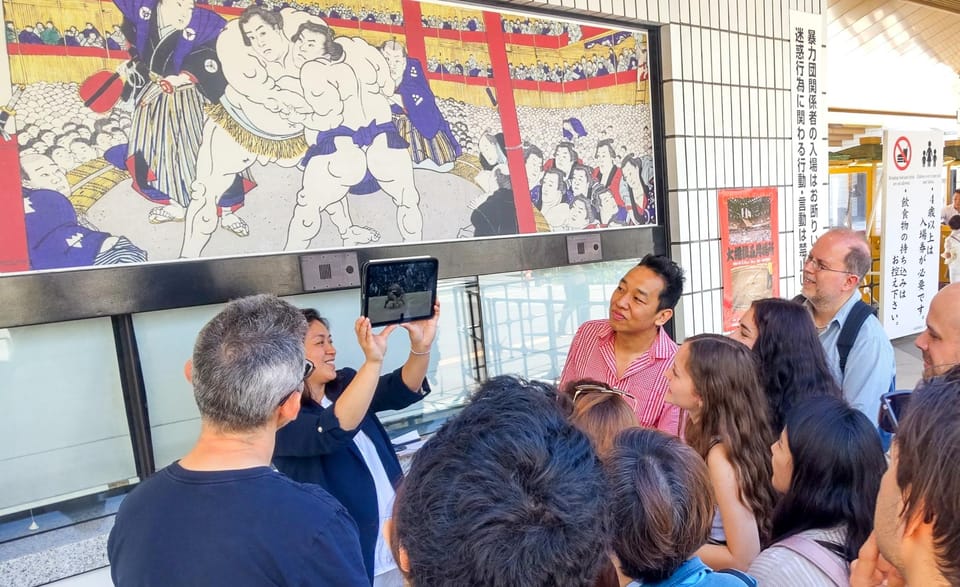
After the stable training, you shift into the wider Ryogoku sumo area. You get a guided tour of Ryogoku Kokugikan (about 15 minutes), plus another guided stop and time around Ryōgoku Edo Noren for sightseeing and shopping.
This part is short, but it’s useful. The stable shows you the training side. Kokugikan shows you the public side. Together, it helps you connect what you saw in the morning to where sumo goes when it’s time for tournament drama.
Ryōgoku Edo Noren adds the human scale: storefront energy, souvenirs, and the kind of browsing that helps you turn an intense sport experience into something you can remember later. Since the tour has a limited group size, you can move at a comfortable pace without feeling rushed.
If you like photos, this is a better moment to slow down. The stable is more controlled. In Ryōgoku, you can breathe and explore the area that frames sumo for visitors and locals alike.

Price and Value: Why $103 for 3 Hours Can Make Sense
At $103 per person for about 3 hours, you’re paying for access. Not access to a museum exhibit. Access to a working training environment at a real sumo stable with special permission.
You also get specific built-in value:
- An English-speaking guide
- A photo with sumo wrestlers
- Q&A with Shinya, the sumo specialist
- A small group (up to 10 people), which helps the experience stay personal
Is it cheap? No. But the pricing lines up with the rarity of what you’re getting. Many sumo experiences are built around staged performances. This one is centered on a professional practice session, which is a very different thing to watch. You can feel the difference in how the wrestlers move, how the session runs, and how seriously the stable treats the day.
Another cost factor: the tour does not include food or drinks. Plan for that. Bring water, and keep a light snack strategy for before or after if you need one. You’ll enjoy the session more when you’re not thinking about hunger every ten minutes.
Who This Tour Is Best For (and Who Should Skip It)
This tour is best for adults and families who want authenticity over entertainment. If you’re curious about sumo culture, training discipline, and the real stable world, you’ll probably find this one of the strongest Tokyo experiences of its type.
It’s especially good if:
- You want an experience more real than staged sumo shows
- You like asking questions and getting direct answers
- You’re comfortable sitting on the floor for training
On the other hand, it may not be a fit if:
- You have very young children. It’s not suitable for children under 5
- Floor seating is a deal-breaker for you, even with a cushion
If you’re planning this as your one “sumo thing” in Tokyo, it’s a smart choice. But if you’re mainly looking for casual sightseeing, you might find it a little too sport-focused and etiquette-oriented for your style.
Should You Book This Tokyo Sumo Practice Tour?
If you want sumo as a working sport with real access, I’d book it. The combination of Takasago-beya stable training, a photo moment, and Q&A with Shinya makes the experience feel genuinely different from the usual tourist options.
My recommendation comes down to this: you’re paying for access and context, not just watching something. If that’s what you care about, you’ll likely feel the value quickly.
Before you go, do two things:
- Bring a few questions for the Q&A so you get your money’s worth
- Plan for floor seating. Even with cushions, comfort still matters
If that fits your travel style, this is one of those Tokyo mornings you’ll remember because it felt real from start to finish.
FAQ
How long is the Tokyo sumo practice tour?
The tour lasts 3 hours.
Where do I meet the guide?
Meet at 両国HANAWAビル. For transit, use Toei Oedo Line, Ryogoku Station (E12), Exit A2 (Ground Level), then walk about 5 minutes from the east exit of JR Ryogoku Station. The operator will contact you with details before the tour date.
Is this a small group experience?
Yes. It’s limited to 10 participants.
What’s included in the price?
Included are an English-speaking guide, a photo with a sumo wrestler, and Q&A with a long-time sumo expert (Shinya).
Is food or drink included?
No. Food and drinks are not included.
Is the tour offered in English?
Yes. The tour is listed as English and Japanese.
Can children join?
It’s not suitable for children under 5.
Are there any rules during the tour?
Smoking indoors is not allowed. You’ll also sit on the floor to watch, and a floor cushion is available.
Can I cancel?
Yes. You can cancel up to 24 hours in advance for a full refund.