REVIEW · TOKYO
Tokyo: Nagano Snow Monkeys and Zenkoji Tour with Temples
Book on GetYourGuide →Operated by Prime Tour Japan · Bookable on GetYourGuide
Snow monkeys in steam sounds like a dream. I really like how this day strings together two big Nagano draws—Jigokudani hot-spring monkeys and Zenko-ji Temple—so you feel like you got the best of the region in one go. One catch: it’s a long day with plenty of time on the road, so you’ll want comfy shoes and patience for winter conditions.
If you’re doing this from Tokyo, what makes it easier is the private, climate-controlled transport and door-to-door pickup options. You’re not juggling trains, transfers, and timed entry plans, and the driver/guide team helps keep everything on schedule. The tour also includes onboard Wi‑Fi, water, and even photo/video assistance if you want help getting shots without stopping your flow.
The day runs about 12 hours, and meals aren’t included. That means you’ll want to plan your own lunch strategy at the right moments, or you’ll finish the day feeling a little hungry instead of relaxed.
In This Review
- Key highlights at a glance
- Jigokudani and Zenko-ji in one day: the smart pairing
- Jigokudani Monkey Park: the hot-spring moment you’ll plan around
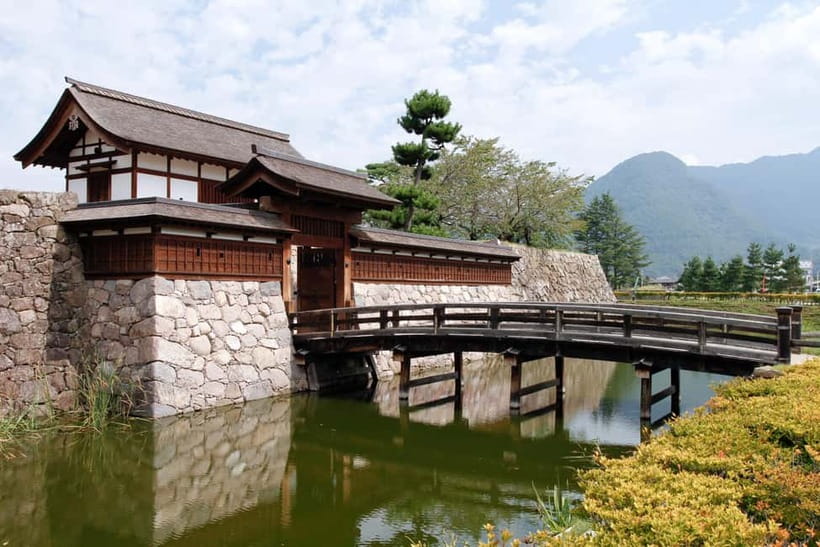
- Matsushiro Castle Ruins: a history stop that doesn’t steal the day
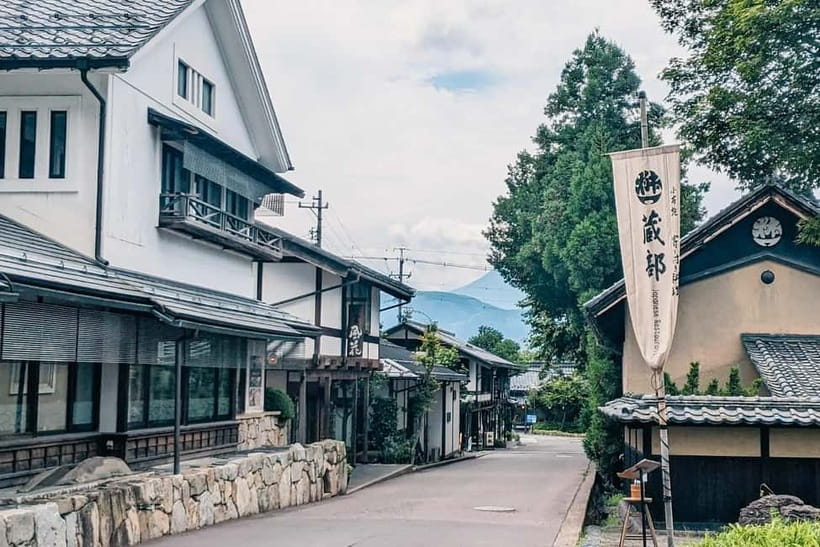
- Shibu Onsen village: where you slow down for photos
- Obuse: street-view Nagano with a local pace
- Zenko-ji Temple: a revered stop with guided help
- Getting there from Tokyo: the private transport advantage
- Price and value for $510 per group
- What you’ll actually need to bring (and what to avoid)
- Guides, languages, and small service details
- Who should book this, and who should skip it
- Should you book this Nagano Snow Monkeys and Zenko-ji tour?
- FAQ
- How long is the Nagano snow monkeys and Zenko-ji tour?
- What is the group size limit?
- Is pickup included, and where can it be from?
- Are meals included?
- Are attraction entry tickets included?
- Is onboard Wi‑Fi available?
- Do you skip the ticket line?
- Which languages are available for the live guide?
- Is the tour wheelchair accessible and are child seats available?
Key highlights at a glance
- Jigokudani Monkey Park hot-spring viewing with a focused, guided walk time built in
- Zenko-ji Temple visit and walk that balances reverence with practical sightseeing time
- Obuse and Shibu Onsen photo stops for classic streets-and-scenery Nagano vibes
- Matsushiro Castle Ruins photo stop for a history break without going full museum-mode
- Private group up to 6 with a driver who can handle pickup changes smoothly
- English/Urdu/Japanese/Hindi live guidance depending on what’s available for your booking
Jigokudani and Zenko-ji in one day: the smart pairing
Nagano works best when you see it as two different sides of Japan. One side is nature doing its thing—snow, cold air, and a strange, wonderful sight of monkeys warming themselves in steaming hot-spring pools. The other side is cultural calm, where temples slow you down and make you notice details you’d otherwise rush past.
This tour pairs those worlds on purpose. You start with the snow monkey experience, which is usually the most weather-dependent part of the day. Then you shift gears to temple and town time, where the pace is more flexible. The result is a day that feels varied without feeling scattered.
Also, the private format matters more than you might think. A full-day day trip can feel like a blur when you’re sharing shuttles and waiting for everyone to catch up. Here, you’ve got a dedicated driver and a guided flow, which keeps the day feeling manageable.
You can also read our reviews of more tours and experiences in Tokyo
Jigokudani Monkey Park: the hot-spring moment you’ll plan around
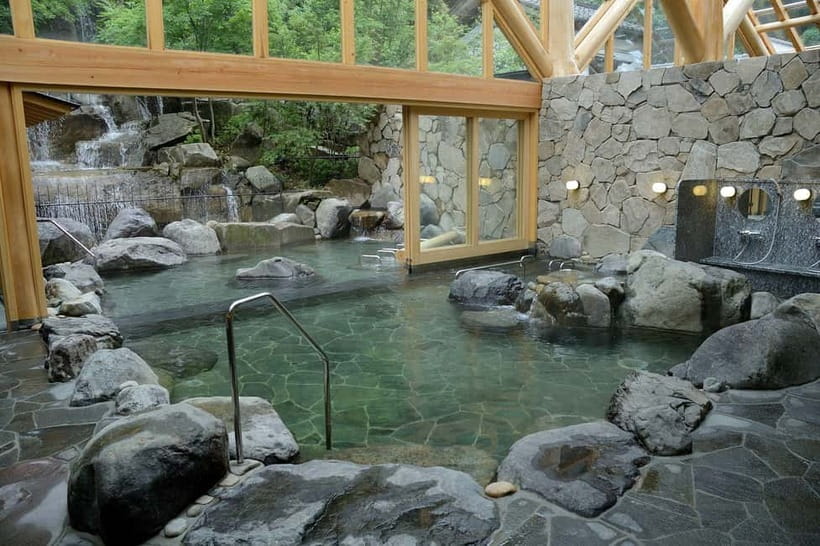
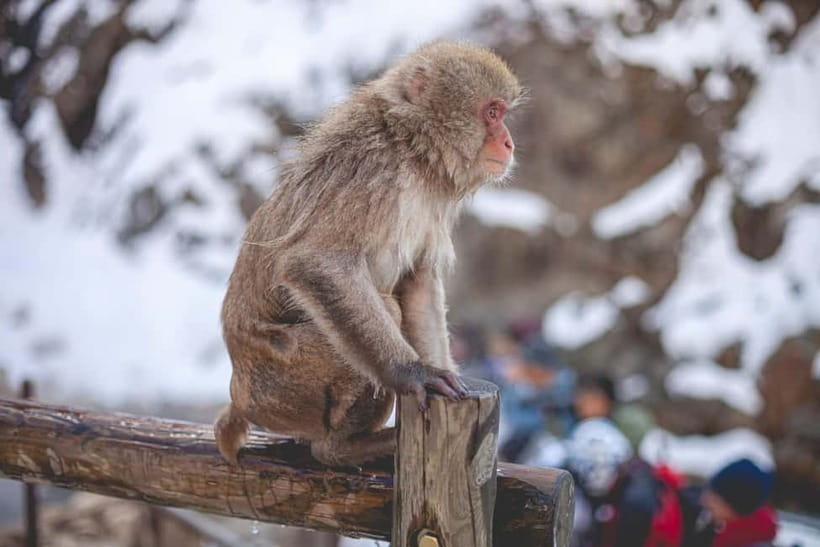
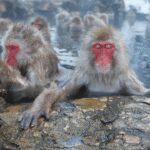
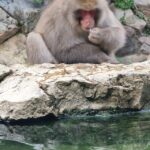
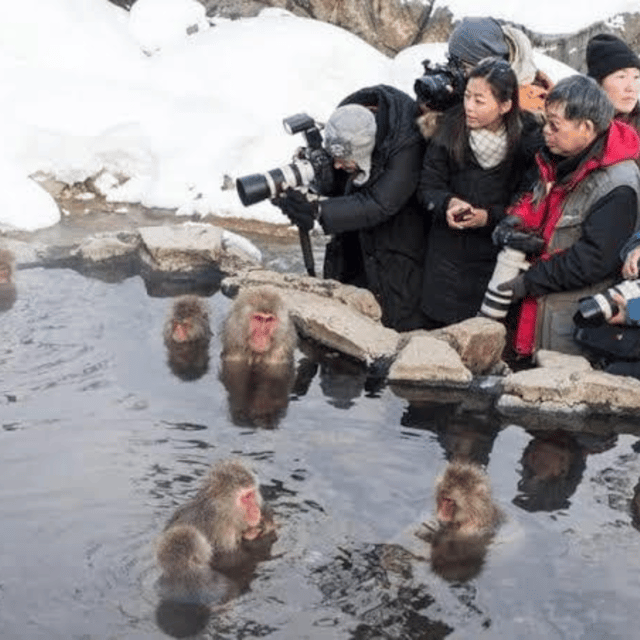
Jigokudani Monkey Park is the main event, and it’s built around one idea: watch the famous snow monkeys in their natural hot-spring setting. You get a photo stop and then time for a guided visit plus walking. The walking time is about an hour, which is enough to take in what’s happening without feeling stuck on the path for the entire day.
Practical tip: treat this as a winter photography assignment. The monkeys are moving, steam is rising, and lighting changes fast as you shift angles. Dress for cold, and don’t rely on your camera battery staying happy—cold drains power quicker than you expect.
What I like about the way this is scheduled is that it’s not just a quick look from the roadside. You’re given time to actually watch behavior: monkeys coming up, settling in, and moving around the springs in their own rhythm. That’s the difference between seeing a photo online and experiencing what makes the place famous.
Potential drawback: winter can be unpredictable. If conditions limit visibility or footpaths, you may not get the same viewing time you hoped for, and the day can be rescheduled due to weather or unforeseen circumstances.
Matsushiro Castle Ruins: a history stop that doesn’t steal the day
After the monkeys, you shift to Matsushiro Castle Ruins. You’ll have a photo stop and guided sightseeing for about an hour. This part of the day works well because it’s a shorter, low-stress historical break. You’re not dealing with a giant site or a long museum-style layout. You get context, see the setting, then move on.
I find stops like this valuable on a day trip because they add variety. Without it, your day might turn into two heavy “big ticket” moments back-to-back. With Matsushiro, you get a change of pace—something quieter and more reflective before you head into towns and temples.
If you’re the kind of person who loves understanding why a place feels the way it does, the guided time is the key. Ruins aren’t always obvious on first glance. A guide helps you connect what you’re seeing to the wider story.
Shibu Onsen village: where you slow down for photos
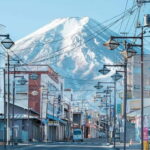
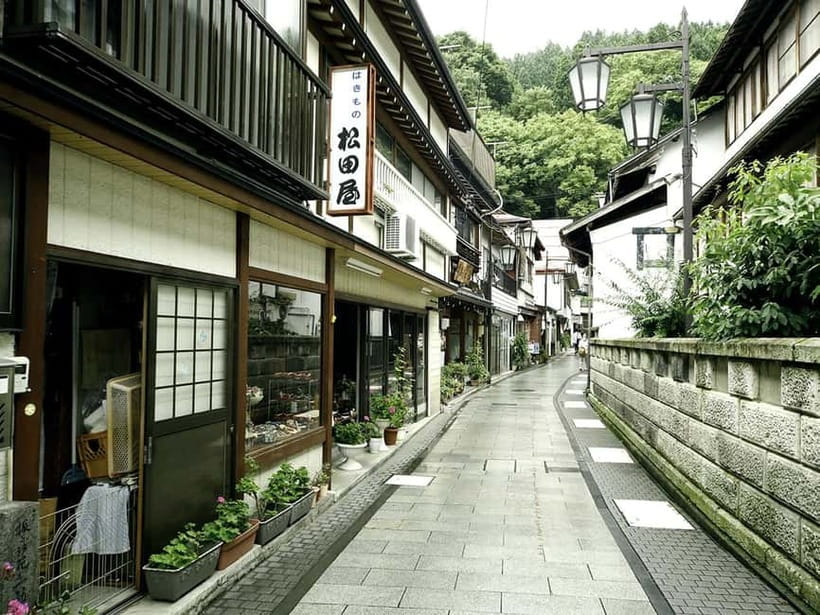
Shibu Onsen is the kind of stop that’s easy to enjoy even if you’re not chasing an official spa experience. Here, you get a photo stop plus guided sightseeing time for about an hour. Think streets, scenery, and the warm-cozy atmosphere associated with onsen towns—perfect for a breath of fresh air and a few “this is Japan” photos.
One smart choice in this kind of itinerary is placing Shibu Onsen after the temple. By then, you’ve already walked through a serious cultural site, so the onsen town time feels lighter. You’re not stuck in “attention mode” for every minute.
Practical tip: winter mornings can be bright but harsh. If you want photos, plan on taking a few when the light hits the streets, then let the rest of the time be for wandering and taking it in rather than hunting for the perfect shot.
Obuse: street-view Nagano with a local pace
Obuse adds charm through its street views and cultural atmosphere. You get a photo stop, guided tour, and about an hour for sightseeing. This stop feels like a breather between monuments. You can look around at your own pace while still having guidance to point out what’s worth noticing.
What makes Obuse useful on a full day trip is that it gives your brain something familiar. Temples and natural parks are full of “see this, remember this.” Town wandering is more about “slow down, look, notice small details.” That balance helps keep the day from feeling relentless.
If you like shopping for small souvenirs, snacks, or gifts, this kind of town stop is usually where you’ll actually have time to browse. Just remember you’re on a tight schedule, so don’t let one shop turn into an hour-long detour.
Zenko-ji Temple: a revered stop with guided help
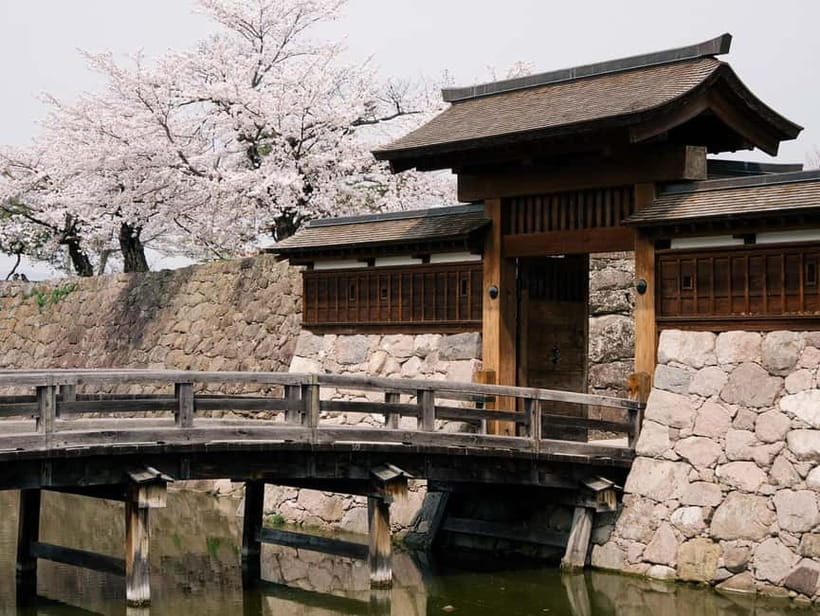
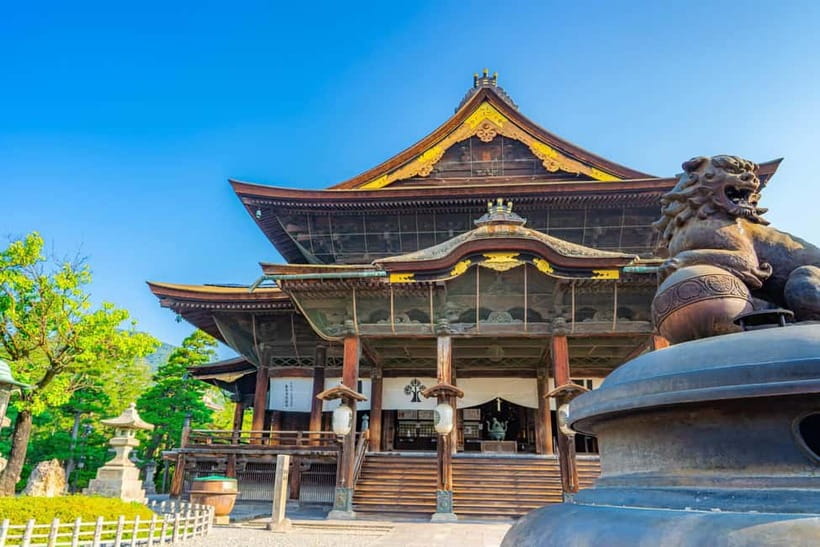
Zenko-ji Temple is one of Japan’s best-known Buddhist sites, and this tour gives it time to feel meaningful rather than rushed. You’ll have a photo stop, a guided visit, and about an hour of sightseeing and walking.
Here’s what I’d focus on: this is the part of the day that rewards attention. Even if you don’t read Japanese signs fluently, a guide can help you understand what you’re seeing—why certain areas matter, and what visitors typically should look for. It also helps you navigate the flow so you’re not wasting time figuring out where to go next.
A practical note: temples are often busy, and winter weather can make people move slower or wear extra layers. Wear shoes you can walk in comfortably, because the walking time is real. You’ll want your hands free for photos and your mind ready to switch from monkeys and steam to stone and ritual.
Getting there from Tokyo: the private transport advantage
This is a full-day tour—about 12 hours—with pickup and drop-off options that include Tokyo areas and also parts of Nagano and nearby prefectures. Depending on your booking, pickup locations can include places like Tokyo’s 23 wards, Saitama, Kanagawa, Nagano, Hakuba, and Obuse. If you’re staying in Tokyo proper, pickup is available from accommodations in many central wards.
The big comfort win is the vehicle choice and the “let’s make this easy” attitude. Prime Tour Japan uses a fleet that can include models like Prado, Alphard, Crown, Vellfire, and Hiace, customized to your preferences. That matters on a long day trip because you’ll actually arrive ready to enjoy—not stiff and tired from a cramped commute.
The tour is designed as a private group for up to 6 (the description also mentions up to 7 in one place, so check your exact booking details). The driver can wait up to 60 minutes beyond the scheduled pickup time, which is helpful if your train runs late or you’re stuck doing the quick, real-world scramble of travel days.
Two additional perks I like for day trips:
- Onboard Wi‑Fi hotspot, so you can handle quick updates without burning your phone battery.
- Water included, which is a small thing that keeps you comfortable when you’re out walking in winter air.
Price and value for $510 per group
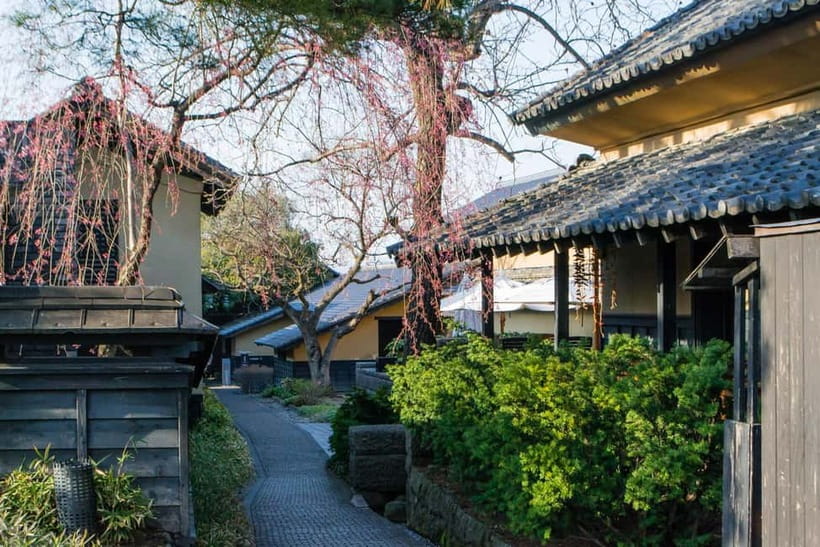
The price is $510 per group for up to 6 people. That’s not cheap if you’re traveling solo or as a couple. But day trips from Tokyo that hit multiple destinations usually cost more than you’d expect—especially when you add private transport and guided time.
Here’s the simple value math:
- If you fill the group at 6 people, it works out to roughly $85 per person.
- If you book with 2–3 people, your per-person share goes up fast, and it starts to look more like a premium splurge.
So I’d think of this tour as “good value with the right group size.” The private format, the ability to handle pickup changes, the onboard Wi‑Fi and water, and the guided flow through multiple stops are what you’re paying for. You’re essentially buying time and convenience as much as you’re buying sightseeing.
One more value check: attraction entry tickets and meals aren’t included. That means your true total day budget should allow for those costs, especially if lunch isn’t something you can fit in casually between stops.
What you’ll actually need to bring (and what to avoid)
This is one of those tours where packing matters because winter walking is part of the plan. Bring comfortable shoes, warm clothing, and a camera if you care about photos. Layers work better than one bulky jacket, because you’ll warm up sitting in the vehicle and cool down fast when you’re out walking.
Also note what’s not allowed: alcohol and drugs aren’t permitted, and making fire or fireworks is also prohibited. It’s a small but clear list, and it’s the kind of rule set that helps keep the experience respectful and safe.
If you’re worried about fitting everything in, focus on comfort and warmth. A good day trip doesn’t come from packing more. It comes from moving easier.
Guides, languages, and small service details
One reason this tour earns such high marks is that the human part feels well-managed. In past bookings, guides such as Salar, Tahseen, and Ali are mentioned for being kind, professional, and accommodating—especially when plans change. That’s a real quality: a day trip can get messy with late arrivals, different pickup points, or weather delays. When the guide adapts smoothly, the day stays fun.
Language options are also a plus. The live guide availability includes English, Urdu, Japanese, and Hindi, which can make the temple and guided explanations much more satisfying.
If you want help with photos, photo and video assistance is available. On a private tour, that’s a practical perk because it means fewer awkward “can you take a picture of us” interruptions.
Who should book this, and who should skip it
This works especially well if:
- You want a smooth, guided Nagano day without train planning stress.
- You care about hitting Jigokudani and Zenko-ji in one day.
- You’re traveling with a small group (or your family) and want comfort and flexibility.
It’s also wheelchair accessible, and child seats are available upon request, so it can be a considerate option for mixed needs. Still, the tour notes it isn’t suitable for people over 95 years, which you should take seriously when deciding.
If you’re the type who loves independent travel and prefers to move at your own pace without guidance, this might feel structured. But if you want the day to run well and stay comfortable, the private setup is the point.
Should you book this Nagano Snow Monkeys and Zenko-ji tour?
I’d book it if your priority is one high-impact day that combines hot-spring snow monkeys with a real temple visit, plus town stops that don’t feel like filler. The itinerary flow makes sense: start with the most attention-grabbing natural experience, then shift into cultural and town atmosphere once you’re warmed up for walking.
I wouldn’t book it if you hate long days or you’re traveling solo and want the lowest possible cost per person. This is a group-friendly premium experience, and the convenience is what you’re paying for.
If you can go as part of a group up to 6, wear warm layers, and plan to handle your own meal during the day, you’ll likely end the day with exactly the kind of Nagano memories people hope for: steam, monkeys, temple calm, and charming street scenes in one clean package.
FAQ
How long is the Nagano snow monkeys and Zenko-ji tour?
The duration is listed as 12 hours.
What is the group size limit?
The tour is a private group with up to 6 people noted in the pricing and group description. One part of the information also mentions up to 7, so confirm the exact limit for your booking.
Is pickup included, and where can it be from?
Pickup is included, with options such as Tokyo, Tokyo 23 wards, Saitama, Kanagawa, Nagano, Hakuba, and Obuse (and accommodations within those areas).
Are meals included?
No. Meals are not included.
Are attraction entry tickets included?
No. Attraction entry tickets are not included.
Is onboard Wi‑Fi available?
Yes. An onboard Wi‑Fi hotspot is included.
Do you skip the ticket line?
The tour description states you can skip the ticket line.
Which languages are available for the live guide?
Live guide languages listed are English, Urdu, Japanese, and Hindi.
Is the tour wheelchair accessible and are child seats available?
Wheelchair accessibility is listed, and child seats are available upon request.