REVIEW · TOKYO
Tokyo: Challenge Sumo Wrestlers and Enjoy Meal
Book on GetYourGuide →Operated by Beauty of Japan (BOJ) · Bookable on GetYourGuide
Sumo in Tokyo, with lunch included. One moment you are hearing classic wrestling terms in English, and the next you are stepping into a sumo costume and trying your own moves in the dohyo ring. It’s a very “small moment, big meaning” kind of experience that turns a sport you’ve only seen on TV into something you can feel with your own body and appetite.
I especially like how the event is run like a real lesson, led by retired sumo wrestlers who explain what matters and how the sport works. I also like the food option, with tonkatsu for lunch or sukiyaki for dinner, so the day does not end right after the ring action.
One thing to keep in mind: the session is short, and the best seats by order of booking matter for hearing the explanations and Q&A. If your group ends up farther back, you might need to lean in to catch the commentary.
In This Review
- Key things to know before you go
- What makes this sumo show feel different from watching on TV
- Where you meet: Kikukawa Station and a short walk to the hall
- The core timeline: demonstration, your turn, then food and Q&A
- 1) Welcome and explanation in English
- 2) The exhibition match in the dohyo
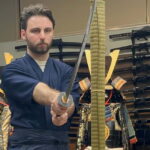
- 3) Put on the sumo costume and try it yourself
- 4) Photo time with the wrestlers
- 5) Lunch or dinner plus a relaxed reset
- 6) Questions and answers to close
- Tonkatsu vs sukiyaki: choosing your meal option
- The costume and ring practice: fun, but also more than a gimmick
- Photos, seating, and hearing the English commentary
- Value check: is $117 per person worth it?
- Who this suits best (and who might want a different plan)
- Etiquette and behavior rules you should know
- Should you book this Tokyo sumo and meal experience?
- FAQ
- How long is the sumo and meal experience?
- Is lunch or dinner included, and how do I choose?
- What language is the explanation in?
- Where do I meet the group?
- Can I bring my own food or drinks?
- Are there any dietary requirements I should tell the host?
Key things to know before you go
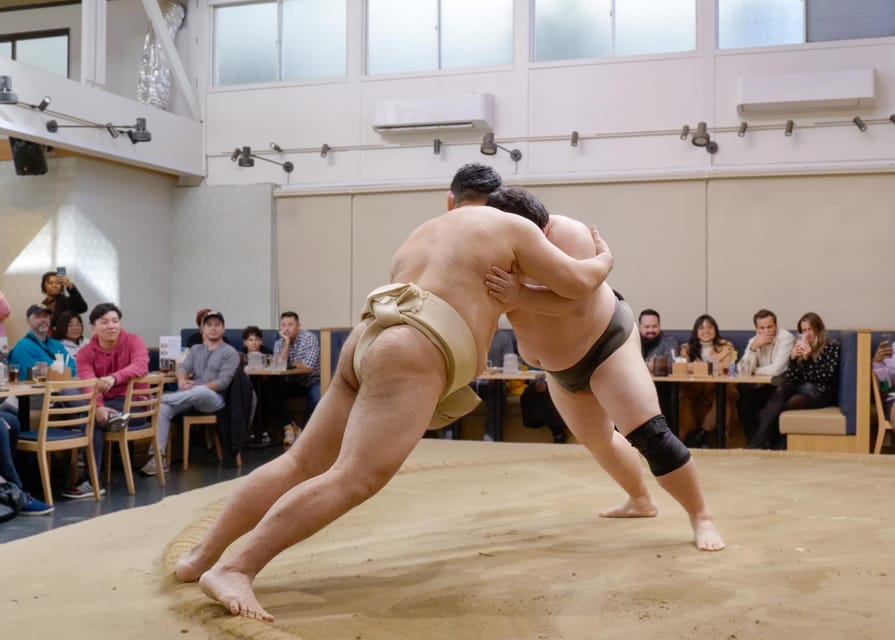
- Former wrestlers lead it: expect English explanations and hands-on guidance from people who lived the sport
- Costume + ring time: you do not just watch; you try on the sumo outfit and step into the action area
- Meal is part of the deal: tonkatsu lunch or sukiyaki dinner is built into the experience flow
- Photo moment is planned: you get a clear chance to capture the moment alongside the wrestlers
- Q&A happens: you can ask questions and get answers after the demonstration
- Hearing matters: seat placement can affect how well you follow the commentary
What makes this sumo show feel different from watching on TV
This is not just a demonstration where you sit, clap, and go home. You’re guided through sumo in a way that connects the sport to everyday Japanese culture: ring etiquette, terminology you’ll hear during tournaments, and the rhythm of how matches are presented in the dohyo space.
What’s refreshing is the balance. You get a proper show with retired wrestlers putting on the technique, but the format also invites you to participate. When you try the sumo costume and practice the basic movements, you start understanding why certain stances and pushes look powerful from the outside, yet feel clumsy and heavy up close. It’s the kind of contrast that makes the whole sport click.
And yes, the meal is not an afterthought. It’s scheduled as part of the experience, so you’re not juggling hunger while trying to pay attention.
You can also read our reviews of more tours and experiences in Tokyo.



Where you meet: Kikukawa Station and a short walk to the hall
The meeting point is easy enough if you can handle one small navigation task: take the Shinjuku Line to Kikukawa Station, then walk about 5–8 minutes from Exit A1.
This matters because Tokyo is big and crowded. Having a clear, rail-based start point reduces stress. Also, since the tour does not include hotel pickup or drop-off, you’ll want to build in a little buffer for getting from your hotel to the station and then walking to the venue.
A practical tip: wear shoes you can move in. You’ll be standing around for explanations, and you’ll want stable footing once the costume and ring activity begins.
The core timeline: demonstration, your turn, then food and Q&A
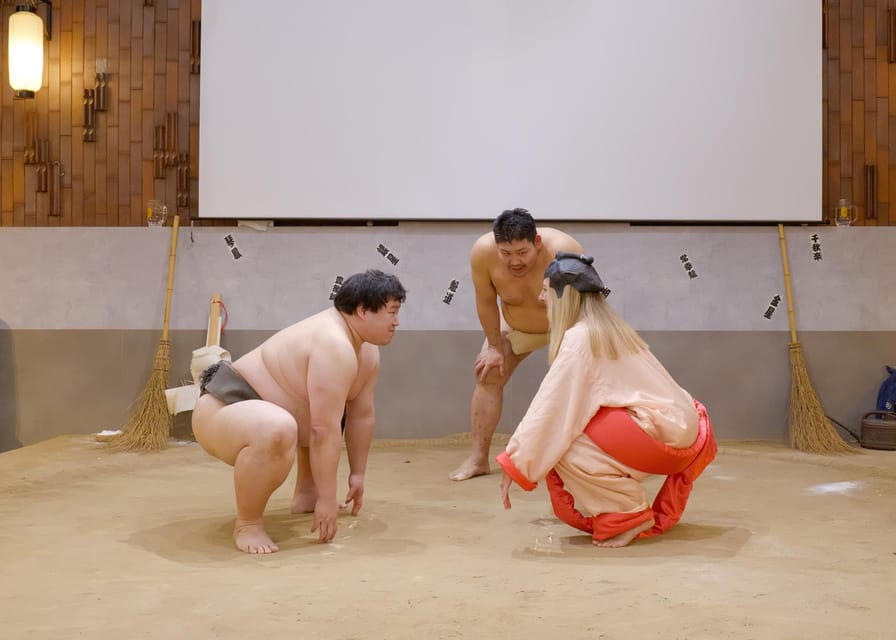
The whole experience runs around 1.5 hours, and the exact starting times depend on availability. In practice, plan for a session that feels closer to about 2 hours from start to finish, since you’ll have a natural flow of demonstration, photo time, meal, and questions.
Here’s how the structure typically feels:
1) Welcome and explanation in English
You’ll get an English explanation of what you’re about to see. This is where the tour earns its value. Instead of treating sumo as a mysterious spectacle, you get the common terminology and a sense of what to watch for when retired wrestlers demonstrate key movements.
2) The exhibition match in the dohyo
Then the retired wrestlers step into the dohyo and perform. Even if you’ve seen sumo before, watching in this kind of setting changes the sound, the pace, and the seriousness of the movement. It’s still entertainment, but it’s built on real technique.

3) Put on the sumo costume and try it yourself
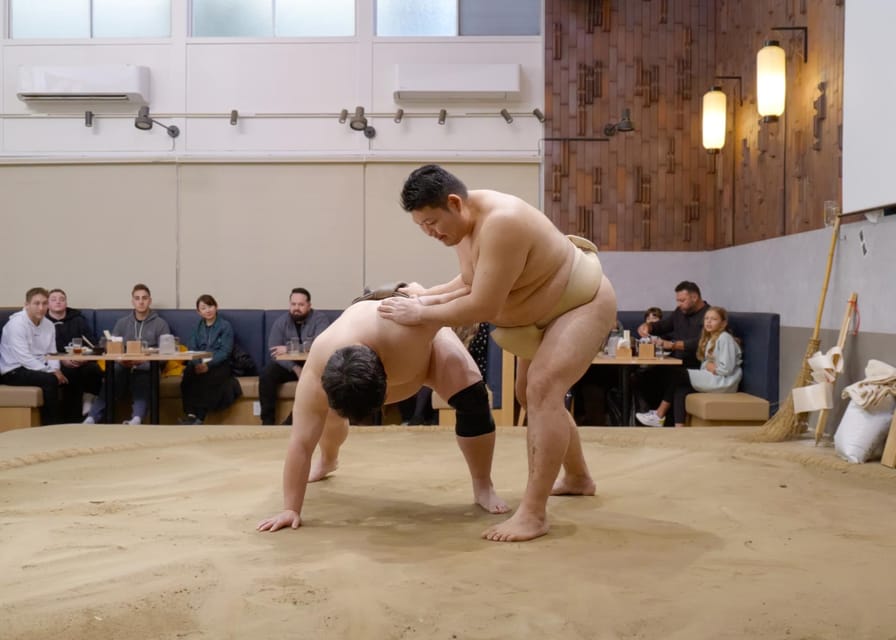
Next comes the hands-on part. You step into the sumo outfit, then get a chance to test your technique in a friendly, guided way. This isn’t about becoming a pro in one hour. It’s about understanding how stance, balance, and momentum work—especially when you’re physically limited by the costume and the ring setup.
If you’re traveling with kids, this section is often the reason they stay engaged. Adults like it too, because it turns theory into muscle memory. You’ll get that moment where you realize the sport is harder than it looks.
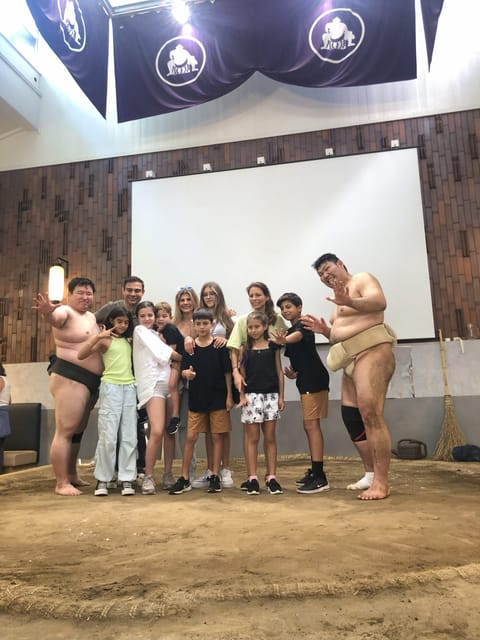
4) Photo time with the wrestlers
You’ll have an organized photo moment alongside the wrestlers. This is one of those “do it while it’s there” parts of the schedule. Take a couple photos, ask staff where to stand, and you’ll be done faster than trying to figure it out at the last second.
5) Lunch or dinner plus a relaxed reset
After the ring excitement, you eat. The tour offers tonkatsu for lunch or sukiyaki for dinner depending on what you select at booking.
Food is where the event feels like a Tokyo day plan, not a single-thing activity. One review note you might hear is that the meal can show up as a packed lunch option, and some people mentioned a lunchbox style serving and chanko-like elements. Even with variations, the key point for your planning is simple: you will eat as part of the experience, so you don’t need a separate meal reservation right after.
6) Questions and answers to close
Finally, you get Q&A time. This is where the experience becomes personal. If you’re curious about careers, training routines, or what certain traditions mean, this is the moment to ask. Staff will guide the flow, so even shy questions usually get answered.
Tonkatsu vs sukiyaki: choosing your meal option
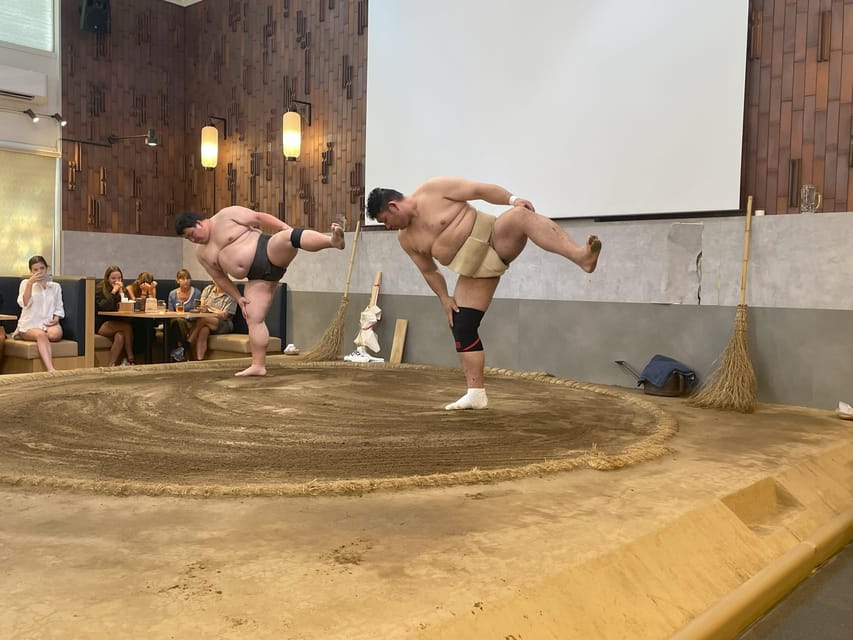
This is one of the easiest booking decisions because the food options are clear.
- Lunch option: tonkatsu
Expect the classic Japanese comfort feel: breaded pork cutlet, fried and served with typical tonkatsu-style sides. If you want something straightforward and filling, this is the safer pick.
- Dinner option: sukiyaki
Suikyaki is a warm, sweet-savory hot pot with beef and vegetables in a soy-based broth. If you’re tired at the end of the day after walking Tokyo, this feels like a practical recovery meal.
What I’d do: If you prefer to keep your evening flexible, book the lunch session so you’re not tied to dinner timing. If you want a cozy reset after sightseeing, go sukiyaki dinner.
Also, if you have dietary requirements, advise staff. And if you’re traveling with picky eaters, remember the guidance says it’s acceptable to bring your own food and drink.
The costume and ring practice: fun, but also more than a gimmick
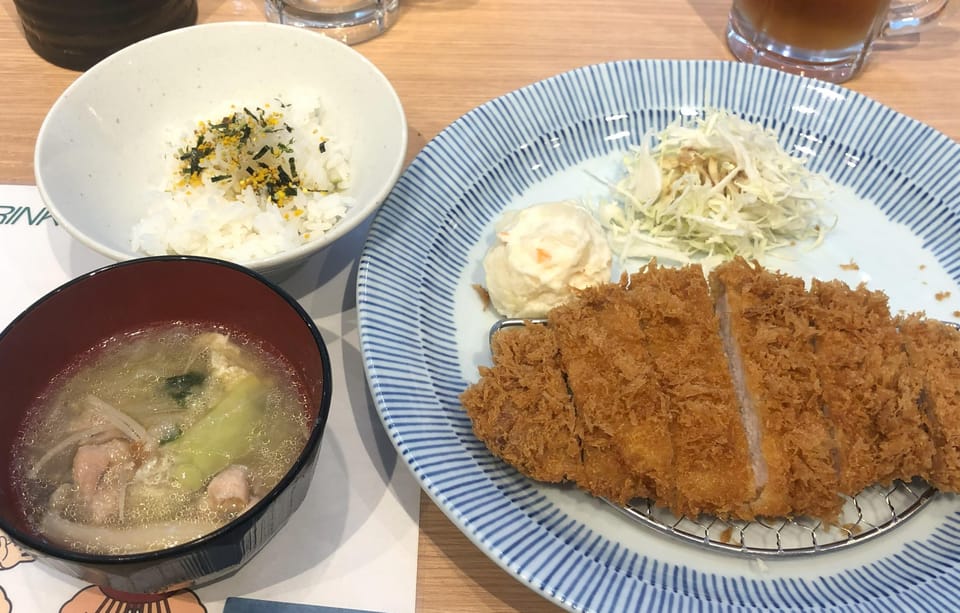
Putting on the sumo costume is a huge part of why this experience works. It’s playful, but it also forces you to notice physical reality: the outfit changes your movement, and the ring setup makes balance and pushing feel different than standing in a normal space.
When you try technique with guidance, you quickly learn what most TV coverage can’t teach. You see the angle of stance, the way weight shifts, and how controlled pressure can look powerful without needing speed. It’s one of those “I get it now” moments that stays with you longer than a lecture.
The retired wrestlers usually keep it light too. That combination—real athletic authority plus a friendly teaching tone—is why people rank this experience highly.
Photos, seating, and hearing the English commentary
This tour includes photo time, and that’s worth planning for. You’ll likely have a designated moment where everyone can get a photo alongside the wrestlers. If you want the best results, you’ll do better by listening to staff instructions about when and where to stand.
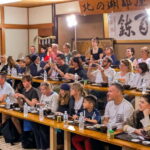
Seat choice is a hidden factor. The best seats are assigned by order of booking, and the biggest practical difference is not just view—it’s hearing the commentary and Q&A. If you’re the type who reads along with explanations, you’ll care about this. If you’re mostly there for the demonstration and costume time, you can tolerate less-than-perfect hearing.
So if this is your priority activity, book early in the schedule you want.
Value check: is $117 per person worth it?
Let’s talk value plainly. At $117 per person, you’re paying for three things bundled together:
1) Instruction and demonstration from retired wrestlers
2) Your participation (costume + ring practice)
3) A meal (tonkatsu lunch or sukiyaki dinner)
You are not paying separately for a guide, a performance ticket, a culture class, and then food. That bundling matters in Tokyo, where standalone meals and ticketed activities add up fast.
Also, the experience lasts about 1.5 hours, which is long enough to feel like an event but short enough to fit into a day plan. You’re not committing an entire afternoon to a single activity where you might get restless.
One more point: hotel pickup is not included, and transportation to and from the restaurant is on you. So your real cost is the ticket plus your local transit. Even so, the package still tends to feel fair because the meal and hands-on instruction are baked in.
Who this suits best (and who might want a different plan)
This works best for you if:
- You want something interactive, not just a show
- You like learning basic cultural context along the way
- You’re hungry during your Japan day and want that meal handled
- You’re traveling with kids who do better when they get to try something
It might be less ideal if:
- You hate any kind of structured group activity
- You expect a long event with multiple stages and stops
- You’re sensitive to room noise and worry about hearing explanations from farther back
If you’re hoping to watch actual training like you’d see at a sumo stable, this is not that. This is a curated demonstration with participation and a meal.
Etiquette and behavior rules you should know
This is a formal setting, even though it’s friendly and fun. You’ll be expected to follow staff instructions, use good judgment, and act considerately. If behavior becomes troublesome, you may be asked to leave the hall with no refund.
That’s not meant to scare you. It just means: treat it like a small cultural venue. Keep your voice down during explanations, listen for photo and timing cues, and you’ll have a smooth experience.
Should you book this Tokyo sumo and meal experience?
I think you should book it if you want a high-satisfaction cultural activity with real participation. The hands-on costume and ring practice, led by retired wrestlers, gives you more than entertainment. The included tonkatsu or sukiyaki keeps it practical, so you’re not scrambling for food between activities.
Skip it only if your goal is strictly tournament-style sumo watching or if you know you’ll be unhappy if seating affects how well you hear the commentary.
If you’re planning your first Japan trip or you’re trying to balance big-name sights with smaller, hands-on moments, this one fits well.
FAQ
How long is the sumo and meal experience?
The experience is listed as about 1.5 hours. Starting times vary based on availability.
Is lunch or dinner included, and how do I choose?
Yes. The package includes lunch or dinner depending on what you select when booking. Lunch is tonkatsu, and dinner is sukiyaki.
What language is the explanation in?
The explanation is available in English and Japanese.
Where do I meet the group?
You meet at Kikukawa Station. Take the Shinjuku Line, get off at Kikukawa Station, and walk about 5–8 minutes from Exit A1.
Can I bring my own food or drinks?
Yes, it is acceptable to bring your own food and drink.
Are there any dietary requirements I should tell the host?
If you have specific dietary requirements, you should advise them during booking. Infant rates apply only if the infant does not occupy a seat, and infant meals are not included.