REVIEW · TOKYO
Tokyo: Shinjuku Nightlife Tour with Karaoke and Bar Hopping
Book on GetYourGuide →Operated by Local Guide Stars · Bookable on GetYourGuide
Neon first, questions later. This Shinjuku nightlife tour strings together old-school alleyways, a local izakaya stop, and a karaoke finale with your new crew—exactly the kind of night that feels like Tokyo has its own private soundtrack. I especially like that you get a real English-speaking guide walking you through the backstreets, and I also like the social payoff of singing with people from different countries. One possible drawback: the night can include extra venue fees (like seating charges), and the exact add-ons may feel unclear unless you ask upfront.
You’ll start at Shinjuku Station’s east side and spend about three hours moving through the entertainment zone at a relaxed pace, in a group capped at 10. I think this format works well if you want the fun parts of Shinjuku without spending your evening guessing which door to choose. Still, since food and drinks aren’t included, you should plan to budget for what you order along the way.
If you’re okay with a bit of “expect the unexpected” (in a good way), this tour can be a fast route to understanding Shinjuku after dark. If you prefer lots of deep factual lectures, you’ll want to manage expectations about how much explanation you get between stops.
In This Review
- Key highlights you’ll feel in the moment
- Entering Shinjuku’s Night Scene Without the Guesswork
- Where You Meet: Shinjuku Station East Exit Police Box
- Omoide Yokocho: Alleyway Dinner Energy and Easy Conversation
- Kabukicho Backstreets: Neon Signs Meet Local Context
- Golden Gai: A Last Hour of Small-Bar Atmosphere
- Karaoke Finale: The Social Payoff (and the Questions to Ask)
- Price and Value: How the $30 Adds Up
- Timing, Pacing, and the Reality of Night Walking
- Small Group Size: Why Cap at 10 Helps
- Who Should Book This Tour—and Who Might Skip It
- Quick FAQ About the Shinjuku Nightlife Tour
- FAQ
- How long is the Shinjuku nightlife tour?
- Where do I meet the guide?
- Is the tour conducted in English?
- What’s included in the price?
- Are food and drinks included?
- Do I need to bring anything?
- Is the tour wheelchair accessible?
- Should You Book This Shinjuku Nightlife Tour?
Key highlights you’ll feel in the moment
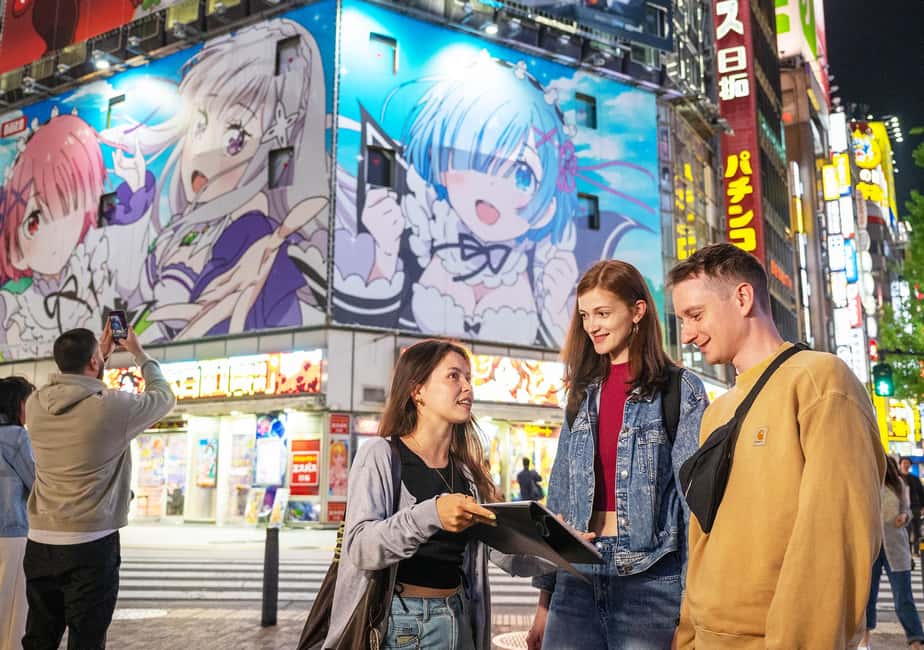
- Small group of 10 means you’re not lost in a crowd when you hit the alleys and narrow lanes.
- Omoide Yokocho + Kabukicho + Golden Gai covers three different Shinjuku nightlife “flavors,” not just one street.
- Local izakaya time gives you a taste of how Tokyo nights are paced: drinks, snacks, and casual conversation.
- Karaoke with your group turns the tour into a shared experience, not just sightseeing.
- English live guide helps you navigate places that feel tough to figure out solo.
- Cash needed because you’ll likely pay for drinks/snacks and any venue add-ons in person.
Entering Shinjuku’s Night Scene Without the Guesswork
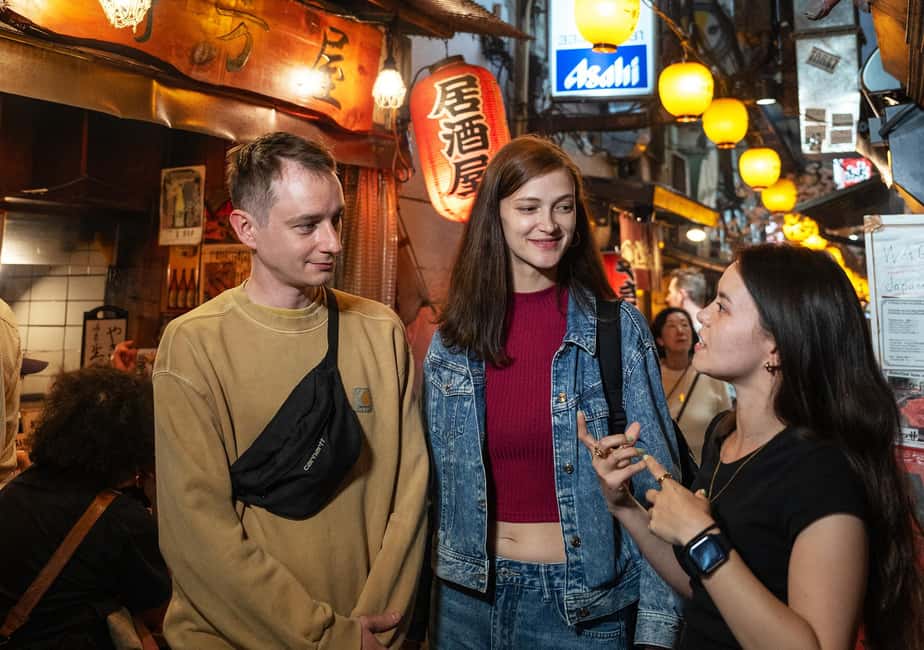
Shinjuku after dark is one of those places where your first instinct might be to freeze and stare at the lights. This tour helps you avoid that by giving you a clear route and a guide who knows how to move through the maze. Instead of you doing trial-and-error at every turn, the night has structure.
Two things make that valuable. First, it helps you connect the dots between neighborhoods that look similar from a distance but feel different up close. Second, it makes the whole experience more social: you’re with the same small group through multiple stops, so you actually get to talk, not just pass each other in line.
The tradeoff is that you’ll be part of a set evening plan. If you want to linger for 45 minutes on one corner or skip karaoke entirely, the tour’s flow may feel a little limiting. That said, the total time is only about three hours, so it won’t eat your whole night.
You can also read our reviews of more nightlife experiences in Tokyo
Where You Meet: Shinjuku Station East Exit Police Box
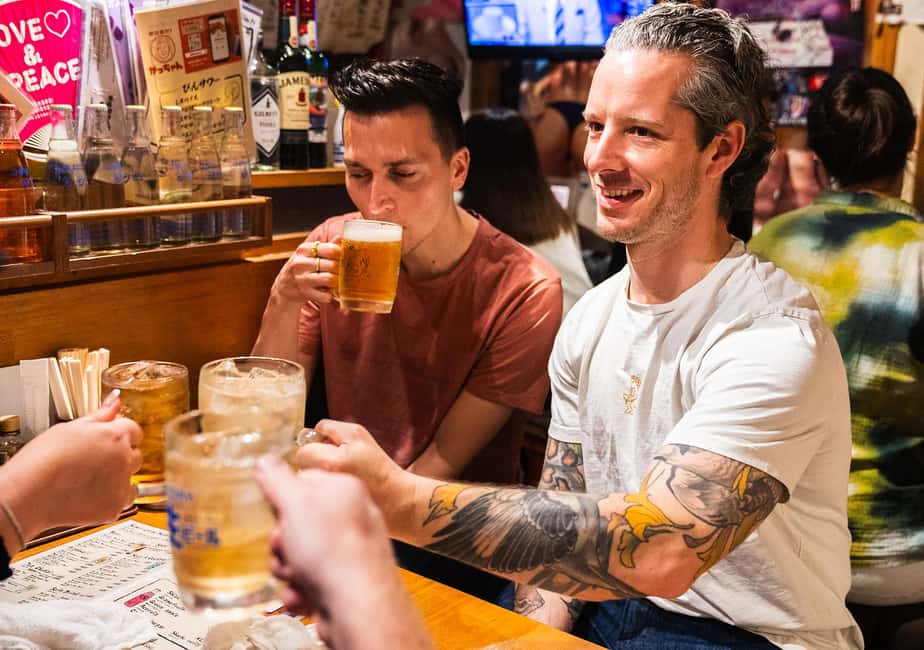
Your start point is easy to find if you orient yourself to the east side of Shinjuku Station. Meet at the Shinjuku Police Station Shinjuku East Exit Police Box, specifically at the East Exit area—look for the guide holding a sign that says Local Guide Stars.
Why this matters: Shinjuku Station can feel like a city inside a city. A clear landmark meeting point reduces stress, especially at night when it’s darker and the crowds are thicker. Arriving 10 minutes early is a smart move here, even if you’re familiar with stations.
There’s no hotel pickup, so you’ll want to plan your route to the station on your own. Once you’re there, the tour organization should do the rest.
Omoide Yokocho: Alleyway Dinner Energy and Easy Conversation
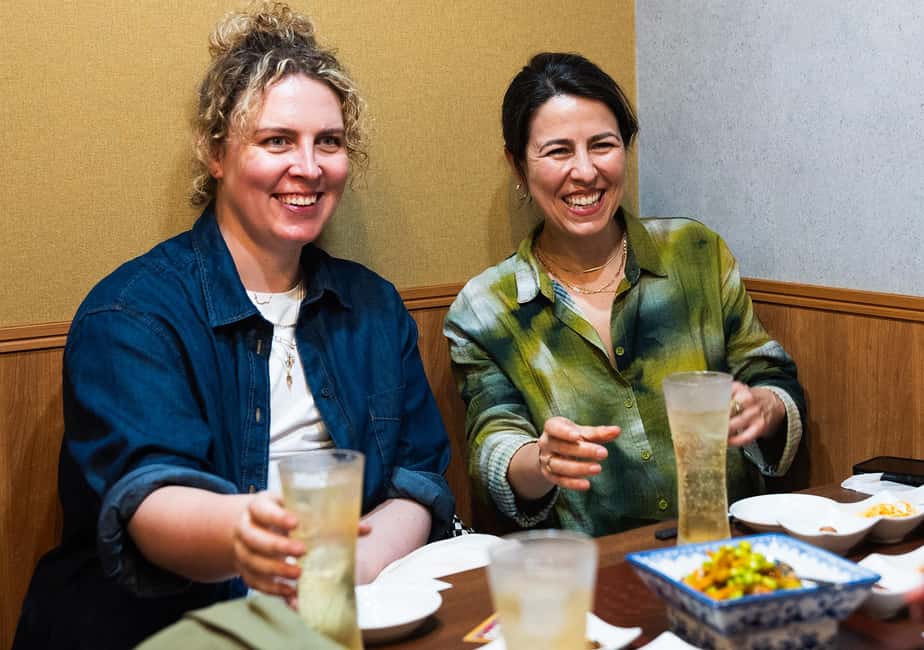
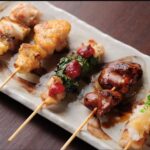
The first real stop is Omoide Yokocho, with about an hour set aside for dinner and a guided walk. This area is famous for its narrow lanes and compact bar-and-snack vibe, the kind of place where the whole street feels like one long conversation.
I like Omoide Yokocho for one specific reason: it’s friendly to small groups. You’re close to each other, the atmosphere pushes you to talk, and it’s easier to get comfortable quickly than in wider, more spread-out districts.
What to expect in practice: you’ll have a guided experience through the area and time to get drinks and snacks at local spots. Food and drinks aren’t included, so you’ll be paying as you go—plan on bringing enough cash for what you order.
Potential drawback to keep in mind: small alleyway venues sometimes have separate seating charges, and some nights may carry extra surcharges. That doesn’t mean you should avoid it; it just means you should ask clearly what’s included before you settle in.
Kabukicho Backstreets: Neon Signs Meet Local Context
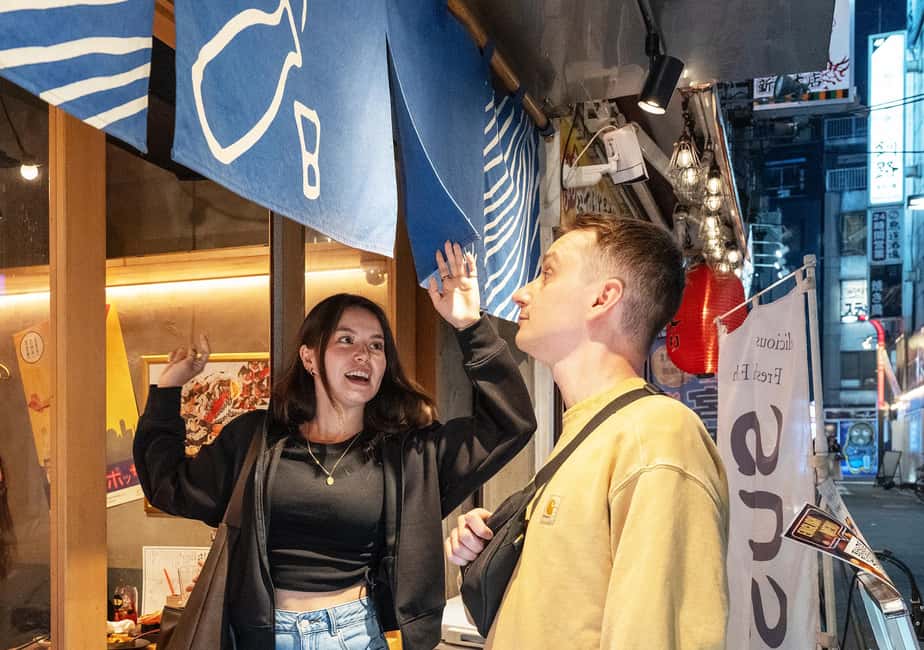
After Omoide Yokocho, you shift into Kabukicho for another hour of guided exploration. Kabukicho is the big-name Shinjuku nightlife district—neon, loud energy, and lots of doors into different styles of bars.
This stop is where the guide’s role gets especially useful. Kabukicho can look like an overwhelming wall of signage if you’re wandering on your own. With a guide, you get the logic behind the lanes and the general “why this place, not the next one” approach, which makes the district feel less random.
I also like that the tour doesn’t just point at lights. It’s meant to be an evening you experience—so you’re expected to move around and interact, not stand still for photo ops.
One consideration from real-world feedback: some guests felt the tour’s explanation of the area wasn’t as detailed as the marketing can imply, and that pricing details weren’t always clear. You can protect yourself from this by doing two things: ask about any seating fees before ordering, and ask the guide how the evening’s costs usually break down at each venue.
Golden Gai: A Last Hour of Small-Bar Atmosphere
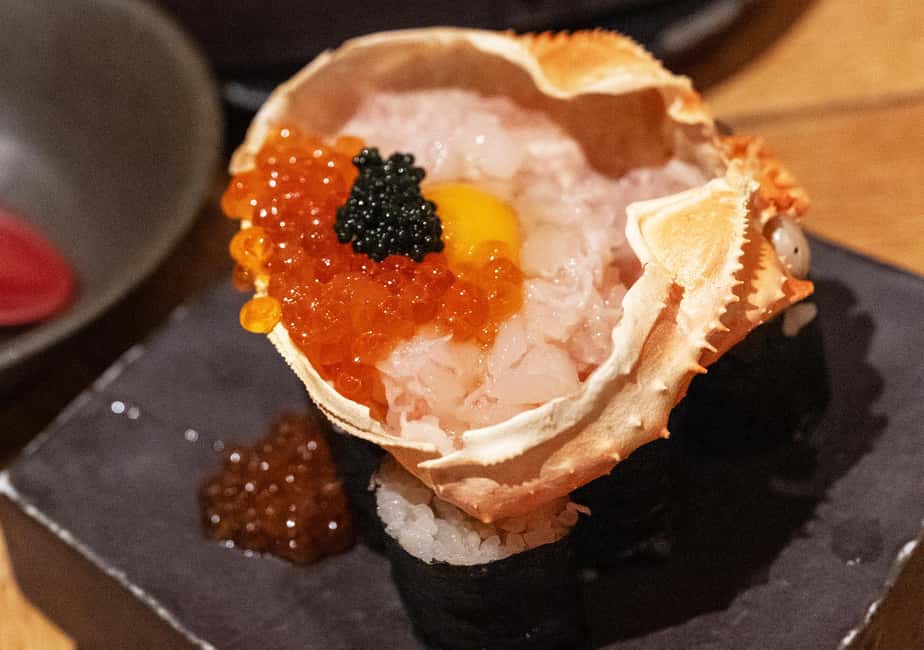
The final nightlife stop is Golden Gai, with about an hour allocated for guided exploration. Golden Gai is known for being made up of many tiny bars clustered closely together, so the vibe is more intimate than the big open sections of Kabukicho.
Why it works well as a finale: after you’ve already had time to loosen up in Omoide Yokocho and get oriented in Kabukicho, Golden Gai can feel like the finishing chapter—compact, character-heavy, and easy to hop between without the “where are we going now?” feeling.
In terms of what you’ll do there, expect walking and guided time through the area. Since drinks and snacks aren’t included, you’ll still decide what you want once you arrive at venues in the neighborhood.
If you’re the type of person who likes observing how people actually live and socialize—this is a good match. It’s less about big sights and more about atmosphere and social texture.
You can also read our reviews of more drinking tours in Tokyo
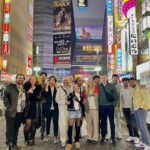
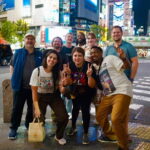
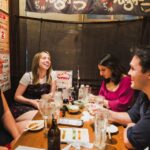
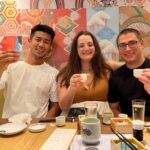
Karaoke Finale: The Social Payoff (and the Questions to Ask)
After the bar-hop segments, the night ends with karaoke. This is the part designed to turn strangers into a group. You sing with your new friends, and it’s usually the moment where the tour shifts from “seeing” to “doing.”
A key practical note: your evening may include extra charges depending on the karaoke setup and the time of year. One piece of feedback mentioned unclear seating charges and an extra surcharge during New Year periods. You don’t need to fear it—but it’s smart to ask what’s expected before you commit.
If you want to make karaoke low-stress, come with the mindset that you’re there for fun, not perfection. Even if you’re not a confident singer, karaoke in a group setting tends to be forgiving. The laughs matter more than the notes.
Price and Value: How the $30 Adds Up
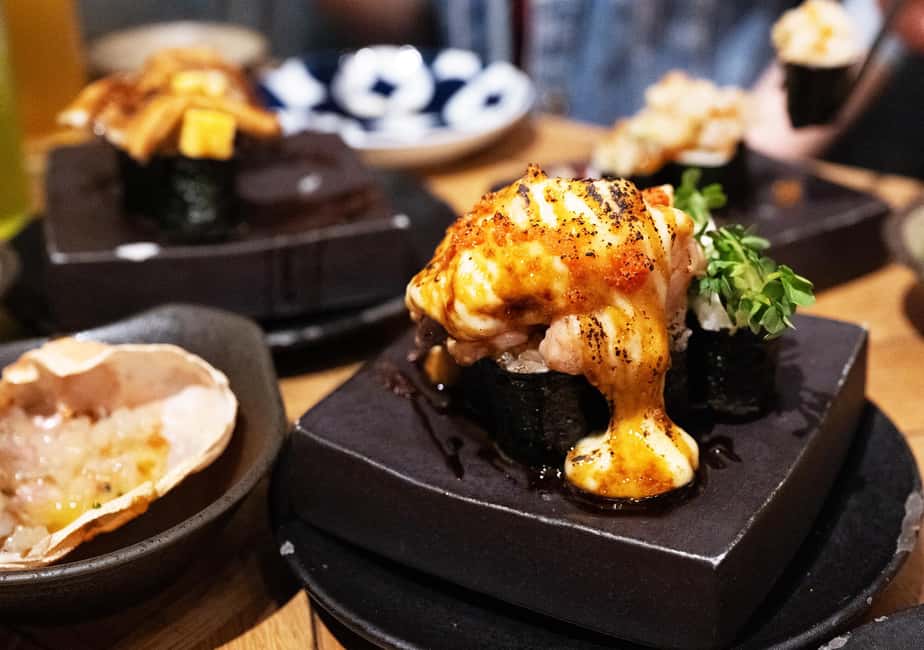
The price is $30 per person for a 3-hour experience. That cost covers the friendly local guide and the guided exploration of Shinjuku nightlife. It does not include food or drinks, even though you’ll be spending time at izakaya-style spots where you’ll likely purchase what you want.
So where does the value come from? From two things:
1) Navigation and access in neighborhoods that are confusing at night.
2) Social structure in a small group so you can enjoy the evening with less awkward solo wandering.
For $30, you’re paying for the “how to do this right” factor and the guided route—not a fully catered night out. If you already enjoy ordering a couple drinks and a snack while you explore, this can be a very reasonable deal. If you’re trying to keep spending ultra-low, you’ll want to set a strict budget before the tour starts.
Timing, Pacing, and the Reality of Night Walking
Three hours is long enough to hit multiple neighborhoods and still short enough that you won’t feel like you’ve been “out all day” at night. The tour ends back near the starting landmark after an on-foot wrap-up.
This pacing is useful if you’re visiting Shinjuku for the first time and want to understand the layout quickly. It’s also a good length if you have another plan afterward, since you won’t be locked into a late-night marathon.
Comfort tip: wear shoes you’re happy to walk in. Shinjuku’s lanes and doorways are tight, and you’ll be moving between areas rather than sitting for most of the night.
Small Group Size: Why Cap at 10 Helps
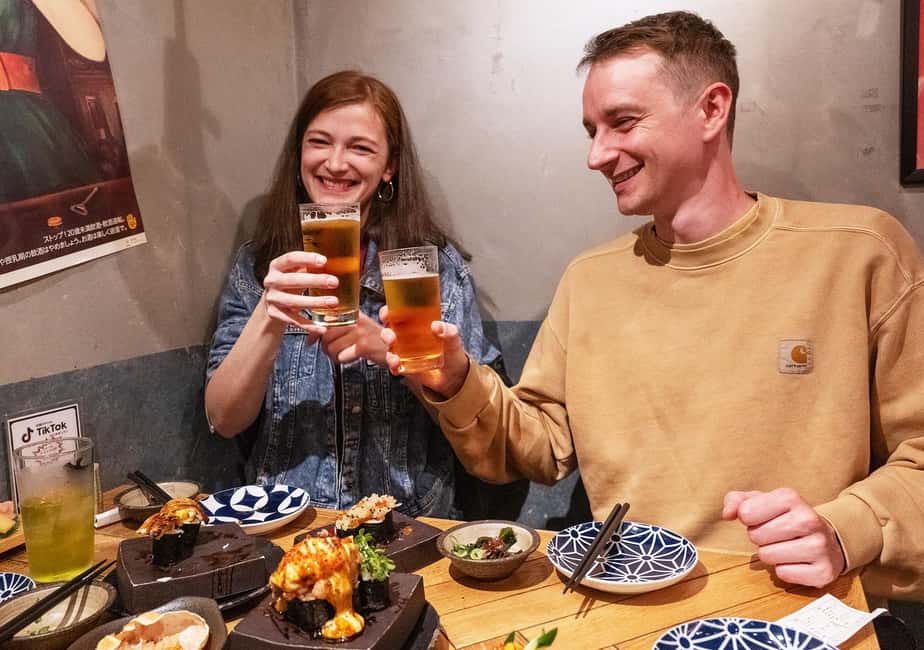
Limited to 10 participants, the group size changes the vibe. You’re more likely to stay together, actually hear your guide, and feel comfortable at venues that aren’t built for large crowds.
This also helps with karaoke. When you’re in a smaller group, the singing and social interaction are more inclusive. You’re less likely to feel like you’re standing off to the side while others get pulled into the fun.
If you prefer loud group tours with big schedules, this might feel a bit more intimate than you want. But for most people, a cap at 10 is a sweet spot.
Who Should Book This Tour—and Who Might Skip It
This tour is a strong fit if you:
- Want a guided introduction to Shinjuku nightlife without figuring out every doorway yourself.
- Like social experiences like karaoke, where you can meet people quickly.
- Enjoy izakaya-style evenings—drinks, snacks, casual conversation, and atmosphere.
It may not be ideal if you:
- Need very detailed factual explanations at each stop. You might find the context more practical than lecture-like.
- Are trying to avoid any surprise costs. Since drinks/snacks aren’t included and some venues may add seating or holiday surcharges, you’ll want to budget and ask questions.
Also, it’s not suitable for people under 20, so this is aimed at an adult nightlife crowd.
Quick FAQ About the Shinjuku Nightlife Tour
FAQ
How long is the Shinjuku nightlife tour?
It runs for about 3 hours.
Where do I meet the guide?
Meet at the Shinjuku Police Station Shinjuku East Exit Police Box on the east side of Shinjuku Station (3-38-1 Shinjuku, Shinjuku-ku, Tokyo).
Is the tour conducted in English?
Yes, the live tour guide speaks English.
What’s included in the price?
The price includes a friendly local guide and guided exploration of Shinjuku.
Are food and drinks included?
No. Food and drinks are not included, so you’ll pay for what you order.
Do I need to bring anything?
Yes—bring cash.
Is the tour wheelchair accessible?
Yes, it’s listed as wheelchair accessible.
Should You Book This Shinjuku Nightlife Tour?
Book it if you want a simple, fun route into Shinjuku after dark: Omoide Yokocho for alley energy, Kabukicho for neon orientation, Golden Gai for small-bar atmosphere, and karaoke for the social payoff. The structure and small group size are the big reasons this works, especially if you’re not sure how to handle nightlife neighborhoods on your own.
Skip it (or go in with eyes open) if you dislike uncertainty around venue add-ons or if you’re expecting heavy factual storytelling. The best approach here is practical: bring cash, ask about seating fees and any holiday surcharges at the start, and treat the night as a guided hangout more than a detailed history lesson.