REVIEW · TOKYO
Tokyo: Shinjuku Nightlife & Secret Backstreets Walking Tour
Book on GetYourGuide →Operated by Local Guide Stars · Bookable on GetYourGuide
Neon Shinjuku has stories you can’t Google. This 90-minute night walk turns Tokyo’s backstreets into a guided history lesson, with time at Tokyu Kabukicho Tower and a calm reset at Hanazono Shrine.
I love the fact that you don’t just see signs and neon. You get human-scale guidance, from Omoide Yokocho alley atmosphere to the tiny-bar world of Golden Gai.
One thing to consider: this is nightlife territory, so you’ll be on crowded streets at night and doing steady walking. If you want a quiet, low-stimulation evening, plan accordingly.
In This Review
- Key things to know before you walk Shinjuku at night
- Starting at Shinjuku East Exit Police Box: find the right human
- Omoide Yokocho: the alley you smell before you see
- Kabukicho’s back alleys: why this “only slum area” history is part of the story
- Tokyu Kabukicho Tower: views, a breather, and a reset for your feet
- Golden Gai: tiny bars, loud personalities, and how not to act lost
- Vending-machine spotting: soda in a slot-machine wrapper
- Hanazono Shrine after dark: where the noise drops for a minute
- How this tour helps you understand Shinjuku in real life
- Price and value: why $22 can feel like a bargain in Tokyo
- Who should book this Shinjuku night walk
- Quick verdict: book it, or save your night for something else
- FAQ
- Where is the meeting point for the tour?
- How long is the Tokyo: Shinjuku Nightlife & Secret Backstreets Walking Tour?
- What are the main places you visit?
- What languages are the guides?
- Does the tour run in bad weather?
- Is the tour wheelchair accessible?
- What’s included in the price?
- Is there a cancellation deadline for a full refund?
- Can I reserve without paying right away?
- What should I wear?
Key things to know before you walk Shinjuku at night
- 90 minutes, focused route that covers the highlights without turning into an all-night marathon
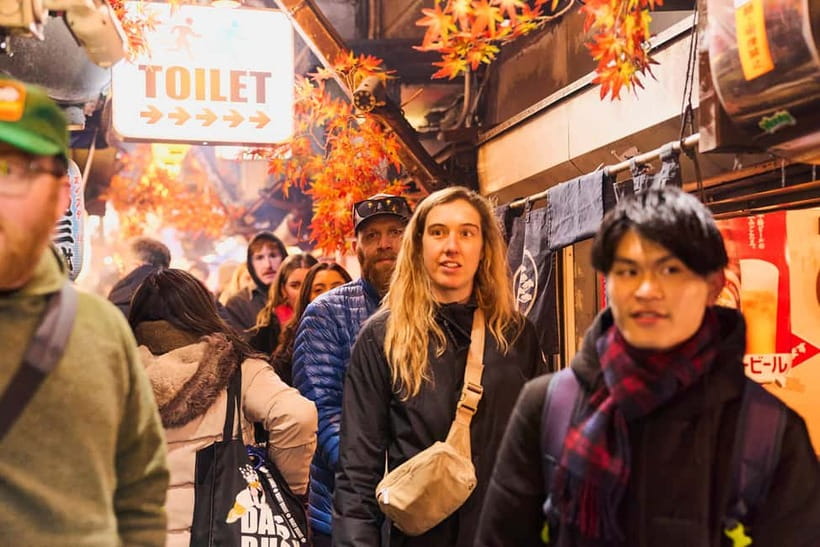
- Omoide Yokocho gives you that old-school alley vibe fast
- Kabukicho backstreets connect today’s fun to darker, older chapters of the area
- Tokyu Kabukicho Tower adds a “pause for views” moment to break up the walking
- Slot-machine-style vending is part sightseeing, part Tokyo comedy
- Hanazono Shrine after dark cools the energy when the neon gets loud
Starting at Shinjuku East Exit Police Box: find the right human
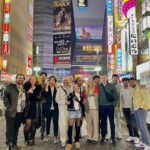
Meet at 新宿警察署 新宿駅東口交番 by Shinjuku Station’s East Exit Police Box. The guide should be holding a sign that says Local Guide Stars, which is your easiest way to lock onto the group.
This meeting point matters because Shinjuku station is a maze when you’re tired and jet-lagged. The tour stays simple: you start here, and you end back here too.
Bring your umbrella if rain is in the forecast. The tour runs rain or shine, and Shinjuku’s sidewalks don’t get any wider just because it’s wet.
You can also read our reviews of more walking tours in Tokyo

Omoide Yokocho: the alley you smell before you see
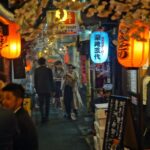
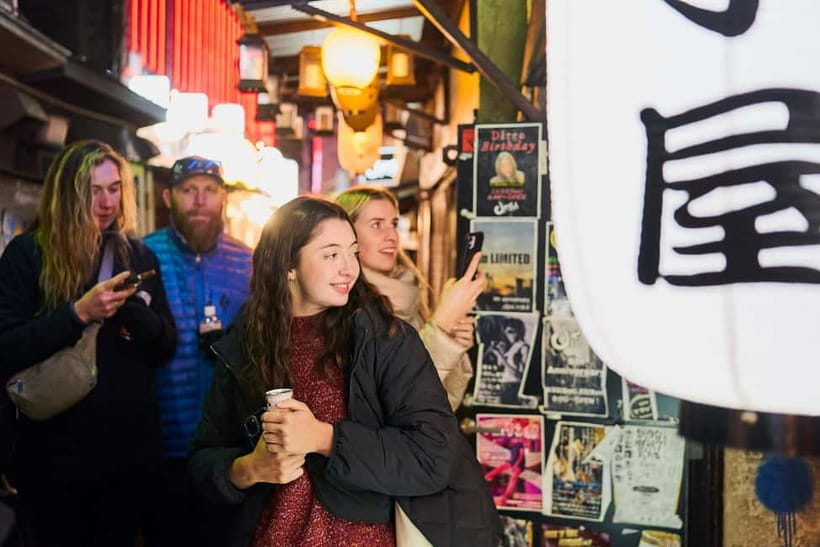
One of the first stops is Omoide Yokocho, known for its packed little lanes and old-school atmosphere. Even from outside, it feels like the district is cooking at street level.
This is a great early moment because it sets the tone: Shinjuku at night isn’t only big buildings and billboards. It’s also narrow alleys where the whole vibe comes from crowd energy, food smoke, and the rhythm of tiny eateries.
In practical terms, this is where you start training your eyes for what to look for. You’ll notice small signage, narrow entrances, and how people actually move through the space.
Kabukicho’s back alleys: why this “only slum area” history is part of the story
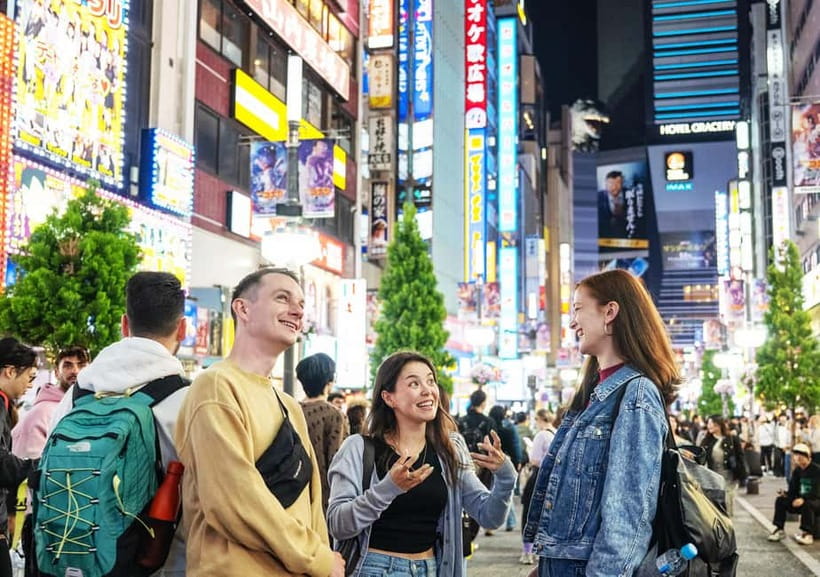
Next comes Kabukicho, the entertainment district most people arrive at through neon. But this tour pushes past the obvious lights and focuses on how the area changed over time.
You’ll learn its history as a former red-light area that evolved into the nightlife hub it is today. The route also points toward the area’s rougher past—especially the parts people usually skip when they only want photos.
Here’s the real value for you: learning the context changes how you feel while you’re there. Instead of seeing only distractions, you start noticing how the district functions—where people gather, where they wander, and where it feels safe to slow down and take a moment.
Tokyu Kabukicho Tower: views, a breather, and a reset for your feet
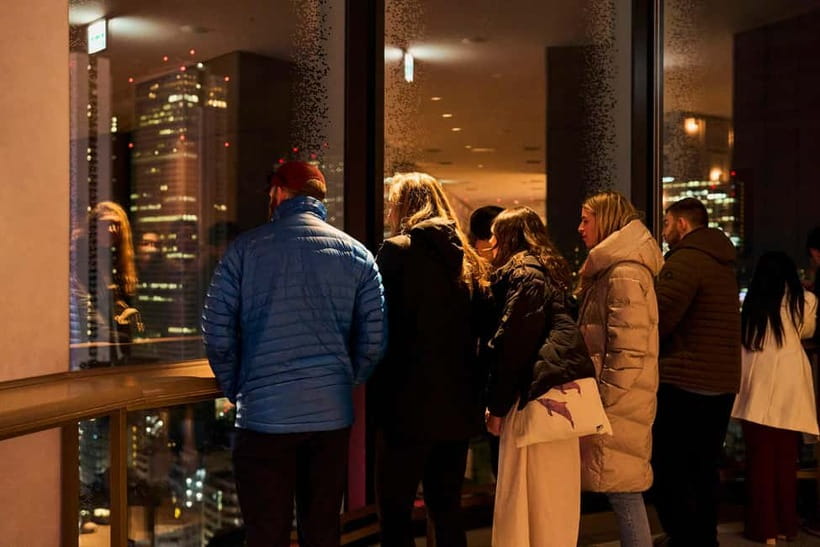
You’ll spend about 30 minutes at Tokyu Kabukicho Tower, which is a smart pacing choice in a tour like this. It gives you time to step out of the street flow, regroup, and look at Shinjuku from a higher angle.
In the reviews shared with this operator, the tower time is often remembered for an observation-area experience. The big takeaway isn’t just the view—it’s getting your bearings so the rest of the neighborhood makes more sense.
If you’re traveling with kids, this stop can also help. One minute you’re dealing with crowds; the next you’re getting a calmer vertical perspective where everyone can catch their breath.
Golden Gai: tiny bars, loud personalities, and how not to act lost
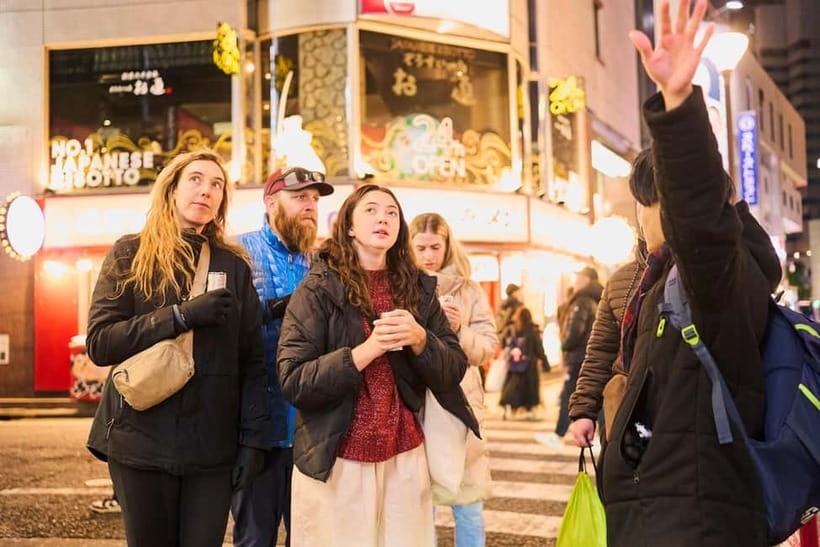
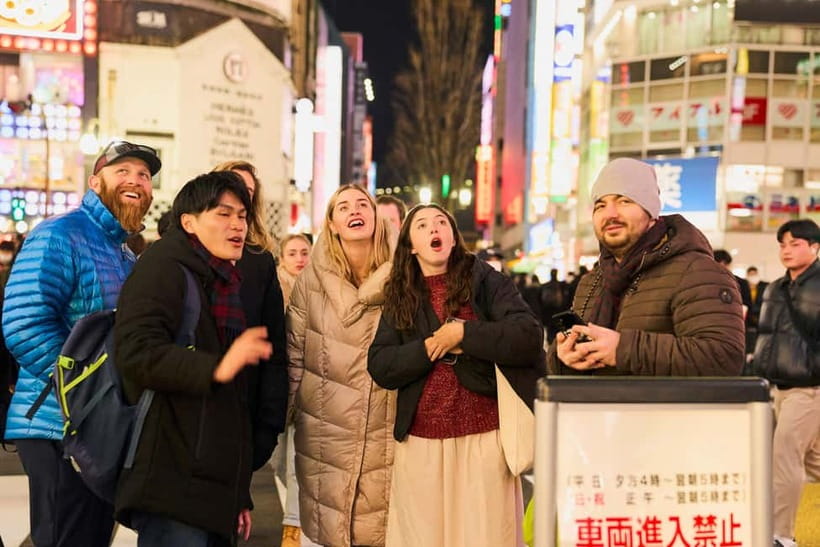
Then it’s on to Golden Gai, famous for its dense cluster of extremely small bars tucked into narrow lanes. From the outside it can look like a maze, and that’s exactly why a guide helps.
You’ll get a guided orientation so you understand what you’re looking at: these places are built for proximity and conversation, not for wandering in large groups. You also get tips that help you choose what fits your mood without turning it into a random bar hop.
Golden Gai is also a good reminder that Tokyo nightlife has rules, even when it looks chaotic. Your guide’s job is to show you where the energy is meant to be friendly—and where it’s best to keep moving.
You can also read our reviews of more nightlife experiences in Tokyo


Vending-machine spotting: soda in a slot-machine wrapper
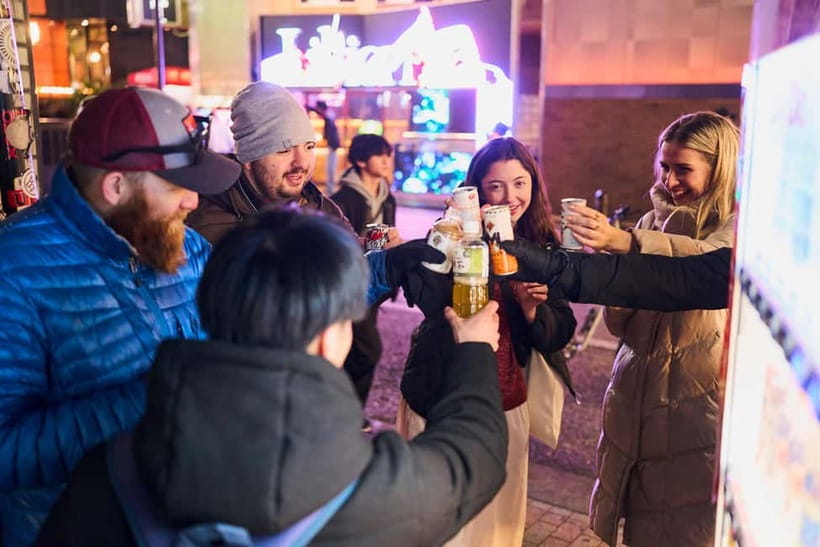
This tour includes time connected to vending machines with slot-machine features. It’s not just a visual gag—this is one of those Tokyo details that sticks in your memory because it’s so specific.
You’ll get at least one drink recommendation tied to what the guide sees as a good fit. And yes, it’s also a practical moment: you’re out walking, it’s night, and a small refresh helps you keep going without turning the tour into a snack hunt.
One caution from the provided information: there’s at least one report where the vending drink part didn’t land as expected. I’d treat it as a nice bonus, and keep a little extra cash on hand if you want a backup plan.
Hanazono Shrine after dark: where the noise drops for a minute
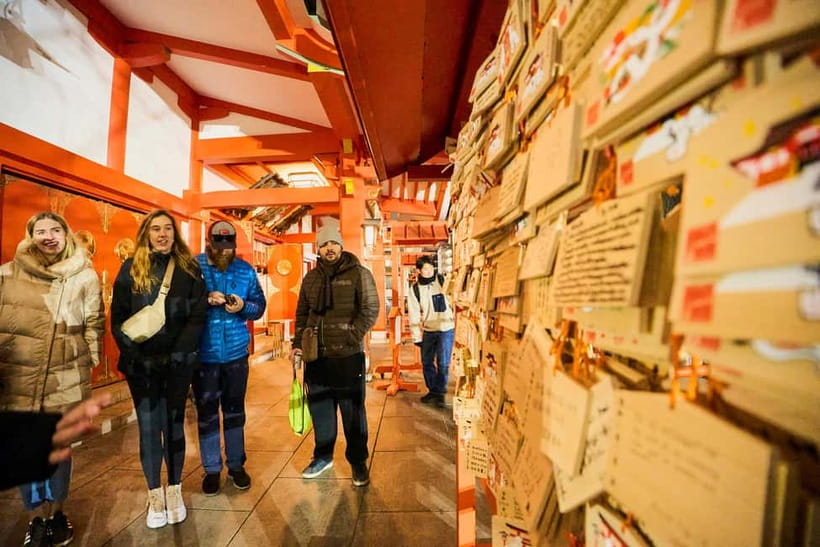
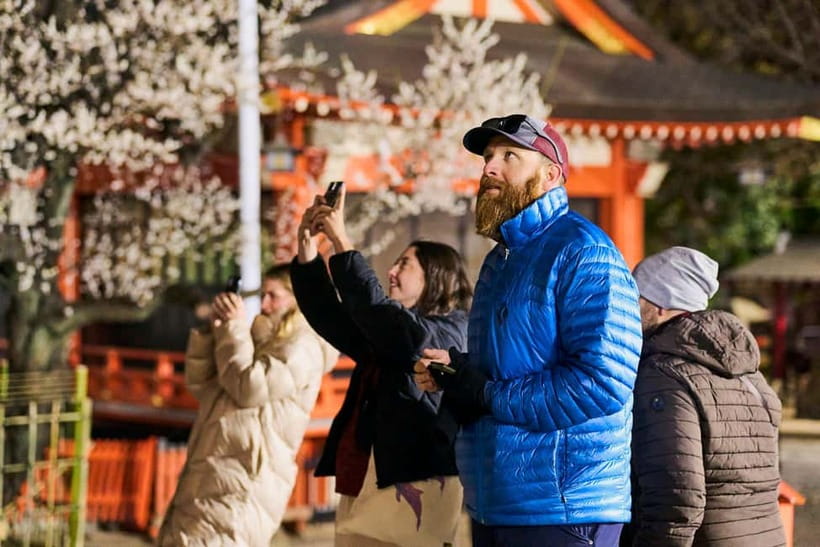
The tour ends with Hanazono Shrine (about 15 minutes). This is the perfect counterbalance to Kabukicho. The neon doesn’t vanish, but the mood softens as you step into a shrine space at night.
This stop works because it’s not just a photo op. It gives you a clear “time to slow down” moment, so you can actually process what you just learned about the district.
If you’re the type who likes meaning behind the scenes, this is one of the reasons the tour feels more than entertainment. It connects the area’s street-life energy to Japan’s long-running ritual presence.
How this tour helps you understand Shinjuku in real life
Shinjuku can overwhelm first-timers. It’s bright, loud, and full of choices that look similar at a glance. This is where a local guide is more useful than any map app.
A few practical benefits I’d count on:
- You learn where the interesting lanes are without constantly stopping to figure out direction.
- You get context for what you see, which helps you enjoy the nightlife instead of just surviving it.
- You leave with a mental shortlist of places to revisit later, so your next evening doesn’t start from zero.
The guides also appear to run the walk with Q-and-A in mind. Names like Sota, Kawa, Ai, Mao, Sakura, Akira, Hannah, and Chihiro show up in the provided experiences as guides who answered questions and adjusted their explanations to the group’s interests. That flexibility is a big deal when your group includes different ages or different comfort levels with nightlife.
Price and value: why $22 can feel like a bargain in Tokyo
At $22 per person for 90 minutes, this is strong value for Tokyo. You’re paying for (1) guided route knowledge and (2) time planning so you’re not wandering blind through the busiest parts of the district.
The included value is small but real: a guided walk plus a recommended vending drink. Even without the drink, the guide’s job is to point you toward the places you’d miss if you only relied on exterior photos.
To judge the price honestly, ask yourself one question: how much would you spend if you tried to recreate this route on your own and still had to stop to figure everything out? In a place like Shinjuku, that cost is often time, not money.
Who should book this Shinjuku night walk
I’d book this if you want:
- A first-night orientation so you know where to go next
- A guide to explain how Shinjuku’s past and present connect
- Nightlife sightseeing that includes a spiritual pause at a shrine
- A route that stays efficient instead of meandering for hours
It also sounds like it works for mixed groups, including families. One provided experience mentions guides being accommodating with a baby and another mentions a group that included kids and teens, which suggests the guides are used to adjusting pacing and explanations.
If your travel style is strictly museum quiet, this may not be your best match. But if you enjoy real street atmosphere with guided context, this hits the sweet spot.
Quick verdict: book it, or save your night for something else
Book this tour if you want an organized way to experience Shinjuku’s nighttime identity without getting lost in neon. The mix of Omoide Yokocho, Kabukicho back alleys, Golden Gai, Tokyu Kabukicho Tower, and Hanazono Shrine makes it a smart sampler that teaches you how to see the district, not just how to pass through it.
Skip it if you dislike crowded nightlife areas or you’re looking for a fully restful evening. And if you’re counting on the vending drink being provided exactly as described, bring a little extra cash so you’re not stuck hunting for a refresh after all that walking.
FAQ
Where is the meeting point for the tour?
You meet at 新宿警察署 新宿駅東口交番 (Shinjuku Station East Exit Police Box), at 3-38-1 Shinjuku, Shinjuku-ku, Tokyo. The guide will be holding a sign that says Local Guide Stars.
How long is the Tokyo: Shinjuku Nightlife & Secret Backstreets Walking Tour?
The tour lasts 90 minutes.
What are the main places you visit?
You’ll go from the Shinjuku Station East Exit Police Box to Omoide Yokocho, then Kabukicho, visit Tokyu Kabukicho Tower, see Golden Gai, and finish at Hanazono Shrine before returning to the meeting point.
What languages are the guides?
The tour is offered in English and Japanese.
Does the tour run in bad weather?
Yes. The tour runs rain or shine, so bring an umbrella or raincoat if it’s raining.
Is the tour wheelchair accessible?
Yes, it is listed as wheelchair accessible.
What’s included in the price?
Included items are the vending machine drink recommended by the guide and the walking tour with a local guide.
Is there a cancellation deadline for a full refund?
Yes. You can cancel up to 24 hours in advance for a full refund.
Can I reserve without paying right away?
Yes. The option is reserve now & pay later, so you can book your spot and pay nothing today.
What should I wear?
Wear comfortable shoes for walking, and bring warm clothing for the night.