REVIEW · TOKYO
Tokyo: Shinjuku Night Walking Tour with Secret Alley
Book on GetYourGuide →Operated by Traveling Tokyo · Bookable on GetYourGuide
Shinjuku at night can feel like information overload, but this tour gives it a clear path. I like how the walk ties Kabukicho, Omoide Yokocho, and Golden Gai into one story, and I also really like that you get a Shinto shrine stop that most people miss. You’ll leave with neighborhoods you can actually recognize, plus the behind-the-scenes context that makes the streets make sense.
One thing to consider: this is a walking tour, so you’ll want comfortable shoes and the willingness to move through nightlife areas where it can be noisy and bright. If you’re hoping for a quiet, sit-down museum-style experience, this one is more about street-level Tokyo than stillness.
In This Review
- Key things to notice before you go
- Shinjuku Night in 90 Minutes: What This Walk Actually Adds
- Meeting at Happy Lemon: Easy Start, Clear Goal
- Kabukicho After Dark and the Stories That Explain It
- Kabukicho Tower: Seeing How Shinjuku Keeps Rebuilding
- Omoide Yokocho Memory Lane: Narrow Lanes, Old Tokyo Smell
- Hanazono Shrine: The Quiet Break You Didn’t Know You Needed
- Golden Gai Finish: Tiny Bars With Their Own Personalities
- The Real Value: Why the Price Makes Sense for Tokyo
- Who This Tour Fits Best (and Who Might Prefer Another Plan)
- What Makes the Guides’ Style Matter
- Should You Book This Shinjuku Night Walking Tour With Secret Alley?
- FAQ
- How long is the Shinjuku night walking tour?
- What is the meeting point?
- What does the tour include?
- Is the tour offered in English?
- Which areas do you visit during the tour?
- Do you pass Kabukicho Tower?
- How much does the tour cost?
- What kind of experience is this: food, nightlife, or culture?
- Is there free cancellation?
- Is there an option to pay later?
Key things to notice before you go
- Kabukicho-to-shrine-to-bars flow: you get a full range of Shinjuku moods in 90 minutes
- One guide, real stories: the night districts come with context, not just photos and names
- Kabukicho Tower sightline: you pass a newer landmark that signals how Shinjuku changes
- Omoide Yokocho Memory Lane: tiny lanes that feel like a step back in time
- Hanazono Shrine: a quiet pause tucked between nightlife and skyscrapers
- Golden Gai finish: small themed drinking spots that are part history, part culture
Shinjuku Night in 90 Minutes: What This Walk Actually Adds
Shinjuku isn’t one neighborhood. It’s several, stacked on top of each other like Tokyo’s version of a playlist. This tour works because it doesn’t try to cover everything. Instead, it strings together a few places that represent different sides of the area, then connects the dots with stories from your guide.
You start in Kabukicho, the entertainment and nightlife zone people associate with Shinjuku. Then the route shifts to Omoide Yokocho, which trades neon and large crowds for narrower lanes and older-feeling barfronts. After that, you hit Hanazono Shrine, which changes the tone quickly in the middle of all the city noise. Finally, you close in Golden Gai, where the bars are tiny and the atmosphere is all about conversation and character.
The best part is that the tour doesn’t treat these places like random photo stops. It gives you an explanation for why the districts look and feel the way they do. That’s what makes the walking tour feel worth the time, even if you’ve been to Tokyo before.
You can also read our reviews of more walking tours in Tokyo

Meeting at Happy Lemon: Easy Start, Clear Goal
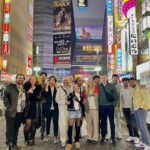
You’ll meet in front of happy lemon near Shinjuku Station. I like meeting points like this because you can orient fast. If you’ve already been using Shinjuku’s train connections, this makes the start simple: you don’t need to hunt for some obscure corner.
The tour is 90 minutes, in English, with a live guide. That timing matters. It’s long enough to see distinct pockets of Shinjuku in one go, but not so long that you lose the thread or end up exhausted before the best district (Golden Gai) finishes the night.
If you’re planning your evening, treat this as the anchor. Do other nearby plans before and after, but let this be the segment where you get your bearings and learn what to come back to.
Kabukicho After Dark and the Stories That Explain It
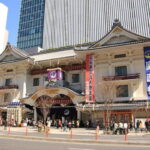
Kabukicho is the loud opening act. Think neon signs, themed restaurants, and izakayas with people flowing in and out. This tour begins here on purpose: Kabukicho is where Shinjuku’s nightlife identity is most obvious, so your guide can set the context early.
What I like most is the way the stories add meaning. Your guide shares how the area evolved—from post-war black market roots to the entertainment center it is today. That shift is key. Without that background, Kabukicho can feel like a blur of signage. With it, you start seeing layers: commerce, nightlife, reinvention, and survival all in the same few blocks.
Practical tip: Kabukicho is bright and crowded compared with many parts of Tokyo. If you’re sensitive to noise or need a breather, keep an eye on your pace. The guide’s walking rhythm keeps you moving through the area, but you can still slow down when you need to.
Kabukicho Tower: Seeing How Shinjuku Keeps Rebuilding
Before you switch gears into the older-feeling lanes, you pass Kabukicho Tower. This is one of Shinjuku’s newer landmarks, and the whole point of the stop (really, the sightline) is to show how the district keeps changing.
This matters because it reinforces a theme you’ll feel throughout the night: Shinjuku doesn’t just preserve history. It mixes it with new entertainment formats. Your guide connects that with how modern Tokyo keeps reshaping its own identity, often right in the middle of where people already go for fun.
If you’re a design-and-city-watching type, you’ll appreciate this brief contrast. You get the feeling of a neighborhood that’s always under construction, even when it looks finished from a distance.
Omoide Yokocho Memory Lane: Narrow Lanes, Old Tokyo Smell
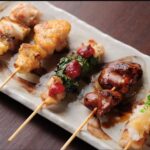
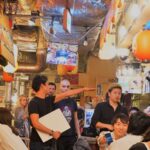
Next comes Omoide Yokocho, also known as Memory Lane. This is where the tour slows down emotionally. The lanes are narrow, and the atmosphere is about small spaces, not huge venues. You’ll find tiny yakitori shops and retro-style bars packed into a layout that feels intentionally small.
The details matter here. The air carries the scent of grilled skewers, and the cozy lantern-lit lanes give you a different rhythm than Kabukicho. Instead of big neon statements, you get repeated little signs and warm light that pulls you down the alley step by step.
For me, this is one of the strongest parts of the tour because it shows how “old Tokyo” isn’t just a museum concept. It’s lived daily in compact neighborhoods like this. It also helps you understand why Shinjuku can be confusing: it’s not only modern nightlife. It’s also older patterns of eating and socializing, squeezed into tight spaces.
One consideration: Omoide Yokocho is a popular night district. If your goal is quiet sightseeing, this won’t be that. But if your goal is atmosphere and texture, this is where the tour delivers.
You can also read our reviews of more evening experiences in Tokyo



Hanazono Shrine: The Quiet Break You Didn’t Know You Needed
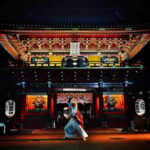
Then the route shifts in a way that feels almost like a reset button. You visit Hanazono Shrine, a sacred Shinto site that has stood in Shinjuku for centuries. It’s often missed by tourists, and that’s exactly why it works as a tour highlight.
Here’s what I like about including a shrine in a night itinerary: it prevents you from thinking you understand Shinjuku just because you saw nightlife. A Shinto shrine stop reminds you that this area isn’t only about entertainment. It’s also a place for worship and tradition, positioned right next to the high-energy parts of town.
Your guide explains the setting and helps you spot how the shrine fits between the hectic Kabukicho zone and the surrounding skyscraper world. That contrast is the point. You experience a rare kind of Tokyo calm without leaving the neighborhood that defines the city’s nights.
Practical note: treat this as a respectful pause, not a quick photo sprint. Even if you only spend a short time there, that shift in tone can be the best mental break of the entire evening.
Golden Gai Finish: Tiny Bars With Their Own Personalities
To end, you head to Golden Gai, one of Shinjuku’s best-known nightlife districts made of tiny themed bars. This is where your guide’s storytelling style pays off. By the time you arrive, you’ve already learned what Shinjuku was, how it changed, and how it still holds onto tradition in unexpected corners. Golden Gai is the final piece: small rooms, distinct identities, and lots of character in a very tight footprint.
This district is famous for a reason. Each bar feels like its own world. Some are frequented by locals, artists, and curious visitors, which gives the area a social mix you can’t fully replicate by walking into a larger venue.
I also like that Golden Gai works as a practical ending. After the tour, if you want to come back, you know where to head. You have a mental map of the district and the context behind why it feels the way it does.
If you plan to keep going after the tour, pace yourself. Golden Gai’s vibe is more about staying and chatting than running through multiple spots in rapid succession.
The Real Value: Why the Price Makes Sense for Tokyo
At $32 per person for 90 minutes, this isn’t a budget “just walk around” deal. The value is the guiding and sequencing. You’re not only paying for movement from point A to point B. You’re paying for explanations that connect Kabukicho’s evolution, Omoide Yokocho’s retro feel, the shrine’s role, and Golden Gai’s micro-bar culture into one coherent night route.
Also, you’re getting English-language commentary with a live guide, which matters in Shinjuku where signs and street energy can overwhelm you. If you’re the type who likes learning while you walk, this price is easier to justify because your “translation layer” is included.
How to decide quickly: if you’re spending only one night in Shinjuku (or only one planned evening), this tour can give you more directional clarity than a self-guided wander. If you already know these districts well and you just want nightlife, you might skip it and build your own plan. But most first-time and mid-time Tokyo visitors benefit from having a guide organize the chaos.
Who This Tour Fits Best (and Who Might Prefer Another Plan)
This Shinjuku night walk is ideal if you:
- Want a compact overview of Kabukicho, Omoide Yokocho, Hanazono Shrine, and Golden Gai in a single evening
- Like street-level Tokyo with context, not just a list of locations
- Prefer small district texture and stories over big scenic viewpoints
- Appreciate a route that changes tone, from nightlife to spiritual calm and back again
It may not be ideal if you:
- Want a quiet tour where you can hear yourself think the whole time
- Don’t enjoy walking through nightlife areas with lots of light and activity
- Are looking for a food-focused experience (food is part of the atmosphere and setting, but the provided details emphasize walking and stories)
What Makes the Guides’ Style Matter
The reviews highlight a pattern: guides take questions seriously and add lots of small, useful details tied to each stop. Names that have appeared include Haydn and Karen, plus Yota/Ryota and Nao. The common thread is that your guide doesn’t just point. They explain, and they can answer what you’re noticing right there on the street.
That’s a big deal in Shinjuku. Without guidance, it’s easy to feel like you’re seeing a lot but understanding little. With the guide’s direction, you start collecting the right facts in the right places.
Should You Book This Shinjuku Night Walking Tour With Secret Alley?
If you’re going to spend time in Shinjuku anyway, I think this is a smart add-on. You get a tight 90-minute loop that covers three major nightlife areas plus a shrine pause you probably wouldn’t plan on your own. For $32, the combination of timing, English live guiding, and the district-to-district storytelling makes it good value for Tokyo.
Book it if you want the night to feel understandable, not random. Skip it if you already know Shinjuku well and you only want unstructured nightlife time.
FAQ
How long is the Shinjuku night walking tour?
The tour lasts 90 minutes.
What is the meeting point?
You’ll meet in front of happy lemon, close to Shinjuku station.
What does the tour include?
It includes a guide and a walking tour of Shinjuku.
Is the tour offered in English?
Yes, the live tour guide offers English.
Which areas do you visit during the tour?
You explore Kabukicho, Omoide Yokocho, Hanazono Shrine, and finish in Golden Gai.
Do you pass Kabukicho Tower?
Yes, the route includes passing Kabukicho Tower.
How much does the tour cost?
The price is $32 per person.
What kind of experience is this: food, nightlife, or culture?
It’s a mix, with nightlife districts (Kabukicho and Golden Gai), Memory Lane (Omoide Yokocho), and a cultural/spiritual stop at Hanazono Shrine.
Is there free cancellation?
Yes. You can cancel up to 24 hours in advance for a full refund.
Is there an option to pay later?
Yes. It offers reserve now & pay later, so you can book and pay nothing today.