REVIEW · TOKYO
Tokyo: Asakusa, Skytree & Akhihabara Go-Kart City Experience
Book on GetYourGuide →Operated by Monkey Adventure Kart · Bookable on GetYourGuide
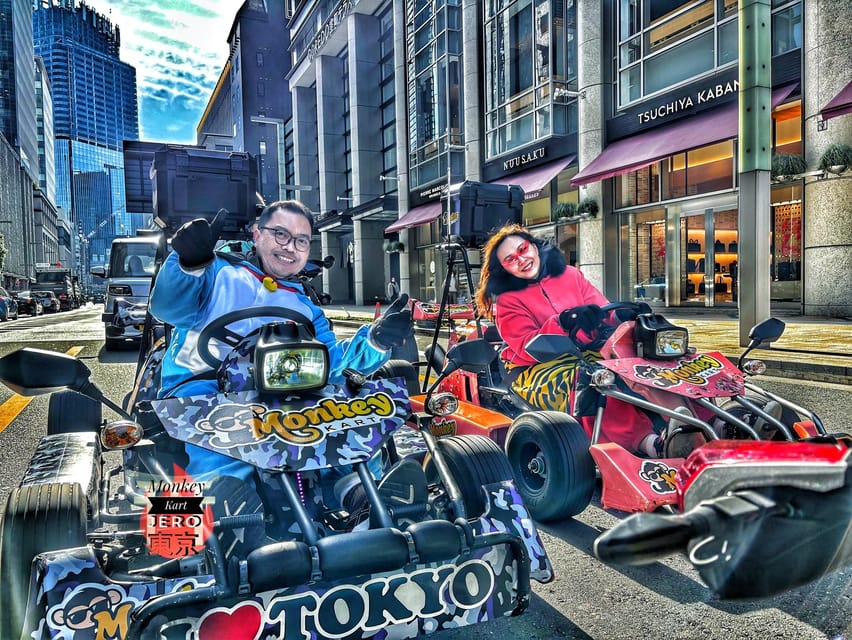
Tokyo feels faster from behind a go-kart wheel. I love how you get real street-level views of Asakusa and the Tokyo Skytree area, not just postcard angles, and I love that your guide handles the photo moments so you can focus on driving. The one real catch is the Japan driving paperwork: you must have a valid hard-copy 1949 Geneva International Driving Permit, and some licenses need an extra Japanese translation.
I also like that the experience runs with a small group (limited to 8) and an English-speaking guide, so you get clear instructions instead of chaos. In the recent guides called out by name, people like Ayrton and Frederico were praised for keeping things fun while still feeling safe—exactly what you want when you’re driving in real Tokyo traffic.
Most sessions run about 70 minutes starting from 4-chōme-9-9 Yokokawa, about a 7-minute walk from Oshiage Station. Arrive 20 minutes early so you’re not rushed at the safety briefing and costume pick.
In This Review
- Key points before you book
- Entering Yokokawa: the Oshiage meeting point setup
- Your 70-minute loop: Asakusa to Skytree Town to Akihabara by go-kart
- The paperwork that can’t be skipped: hard-copy 1949 Geneva IDP
- Costumes and photo service: the fun factor is built in
- Safety briefing and the “follow the guide” rhythm
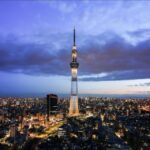
- Tokyo Skytree Town: the photo stop and when sunset changes the whole mood
- Riding Asakusa: old-street Tokyo at a pace your feet can’t match
- Akihabara: pop-culture Tokyo without the navigation headache
- Price and value: is $96 worth it for 70 minutes?
- Should you book this go-kart tour or skip it?
- FAQ
- What driving permit do I need to drive in Japan for this tour?
- Where is the meeting point, and how early should I arrive?
- How long is the experience?
- Are costumes and photos included?
- Is alcohol or drug use allowed?
- Can I cancel and get a refund?
Key points before you book
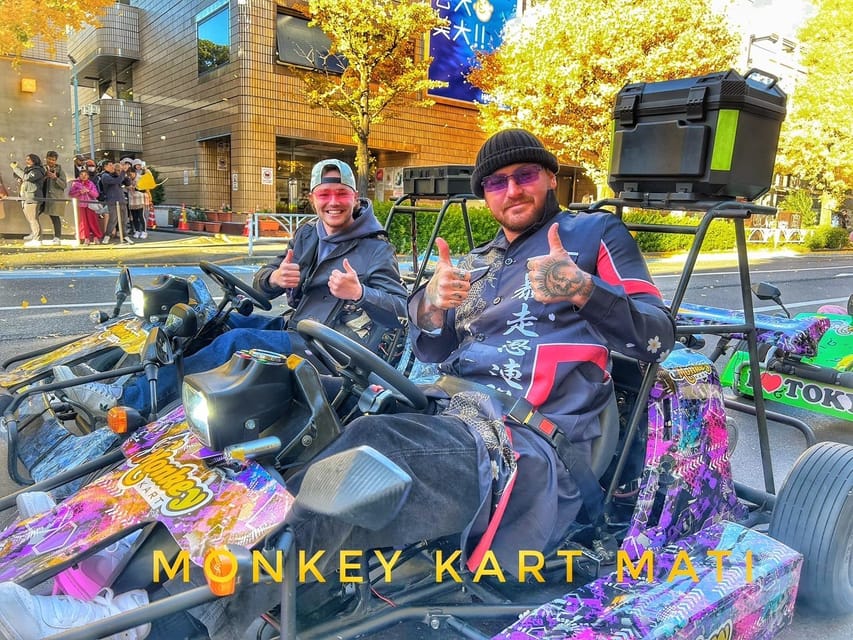
- Street-level route through Asakusa, Skytree Town, and Akihabara for a Tokyo feel you won’t get from tour buses.
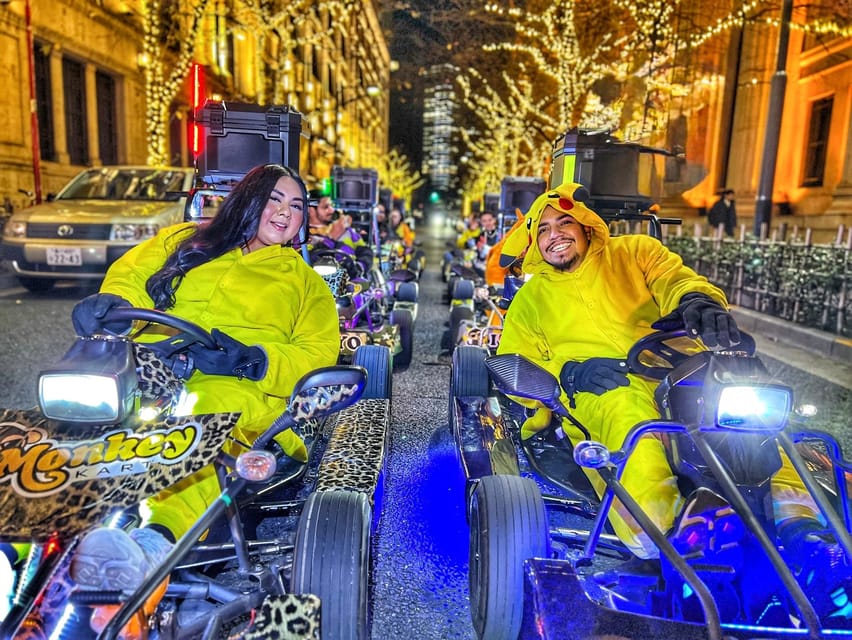
- Costumes are included, and they make the photo stops way more fun.
- Guide-taken photos + sharing by AirDrop or email, plus one hard-copy photo.
- Action camera support with an included mount (Action Camera or Insta 360).
- Tight group size (up to 8) helps the ride stay organized and easier for first-timers.
Entering Yokokawa: the Oshiage meeting point setup
This tour starts at 4-chōme-9-9 Yokokawa. Plan on a 7-minute walk from Oshiage Station, then add time to get settled before you even touch the karts. The experience asks you to arrive 20 minutes early, and that matters because you’ll go through check-in, a safety briefing, and costume selection.
You’ll get welcomed by staff, then briefed on how the ride will work. In a city like Tokyo, that prep is what makes the whole thing feel smooth instead of stressful. And yes, water is included—small detail, big difference on a warm day.
You can also read our reviews of more city tours in Tokyo
Your 70-minute loop: Asakusa to Skytree Town to Akihabara by go-kart
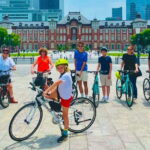
You’re not “passing” Tokyo from a bus window. You’re driving a custom-built, street-legal go-kart through three of the city’s most recognizable areas: historic Asakusa, Tokyo Skytree Town, and Akihabara.
That combination is the magic for first-timers. Asakusa gives you traditional, old-town Tokyo energy. Skytree Town is your landmark moment—wide views and a clear sense of where you are in the city. Then Akihabara adds the pop-culture soundtrack: electronic stores, game culture, and that instantly recognizable Tokyo vibe.
What I like about this setup is pacing. You’ll get the “wow” moments without needing to plan three separate sightseeing days. And because you’re moving, you see street life—pedestrians waving, shop signs, side streets—things that are harder to catch on foot.
The paperwork that can’t be skipped: hard-copy 1949 Geneva IDP
This part is not optional. To drive in Japan on this tour, you need a valid hard-copy paper booklet International Driving Permit (IDP) issued under the 1949 Geneva Convention. Online copies and soft copies are not valid.
Japan has strict rules here, and your tour notes spell out the exceptions clearly:
- 1968 Vienna Convention permits are not recognized.
- Other categories listed as not recognized (FIA, IDA, IAA, etc.) won’t work either.
- Some countries’ permits are not allowed, and the list includes places like Indonesia, Pakistan, Saudi Arabia, Mexico, Brazil, Costa Rica, Colombia, Kuwait, Qatar, and others.
If your license is from France, Switzerland, Taiwan, Germany, Monaco, or Belgium, you need a Japanese translation of your local license, available as a physical document from the JAF office (Japan Automobile Federation).
Also note the tour requires drivers to be over 18. And there are physical limits: not suitable for pregnant women, and height/weight restrictions include over 150 kg (331 lbs) and over 180 cm (5 ft 9 in).
If you’re thinking, I’ll sort it out in Japan, don’t. Get your permits before leaving your country, and double-check you have the correct 1949 Geneva hard-copy paperwork.
Costumes and photo service: the fun factor is built in
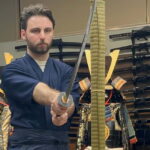
This is not just go-karting. The tour includes a costume, and you can pick from a selection before you ride. The result is that you don’t just look like another tourist in a helmet—you look like a character in Tokyo.
Even better: your guide takes photos at key moments. You don’t need to stop the fun to play photographer. After the ride, the photos are shared with you via AirDrop or email. You also get one hard-copy photo, so you leave with something physical.
A couple reviews also mention extra practical tips that fit the included gear:
- People recommend using your own GoPro if you bring one, and checking it’s charged.
- Some carts include a front pouch that helps with keeping your phone accessible during the ride.
The overall vibe is that the photo work is “handled,” not “hope for the best.” If you’re the type who hates trying to time your own shots while holding a phone, this is a big value point.
Safety briefing and the “follow the guide” rhythm
Before departure, staff run a safety briefing. You’ll also notice how much the tour is designed around staying organized with cars spaced properly. The guide leads from the front, and you follow instructions through the streets.
This is where the English-speaking guides earn trust. Reviews highlight guides like Adam, Julian, Mathias, and others for clear guidance and keeping everyone feeling safe. You’ll likely feel nervous at first—totally normal in Tokyo traffic—but the structure is what helps.
One small consideration: if you’re toward the back of the group, it can be harder to see hand signals coming from the lead vehicle. The fix is simple: keep your head up, watch the guide’s car closely, and if anything feels unclear, ask during the briefing. You’re not supposed to guess.
Also, alcohol and drugs are not allowed, and intoxication is prohibited. That’s not just a rule on paper—it’s what protects the vibe for everyone.
Tokyo Skytree Town: the photo stop and when sunset changes the whole mood
One of the schedule highlights is the Tokyo Skytree Town portion. Expect a photo stop, some guided tour and sightseeing, and time built in so you can enjoy the area. The notes even mention sunset, which is a clue that timing can make a big difference.
If you can choose your departure time, I’d aim for later in the day. One review specifically recommends doing it around 4pm to catch night life. Even if your exact route varies by timing, the overall payoff is similar: Tokyo’s light show starts to kick in, and your photos feel more dramatic than mid-day shots.
Practical tip: when you stop for photos, move quickly and cooperate with the guide. The stop is there to capture the landmark moment, and you’ll get more out of it if you’re ready when they position the group.
Riding Asakusa: old-street Tokyo at a pace your feet can’t match
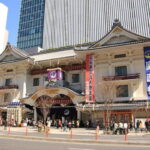
Asakusa is one of those neighborhoods where walking is great—but slow. This tour lets you experience it with motion. You drive through and around historic streets, which means you see more of the area in the same amount of time, and you don’t feel stuck covering every corner by foot.
From the back seat of a bus, Asakusa can look like a postcard. From a go-kart, it feels like you’re part of the street scene. You get quick glimpses of storefronts and pedestrians, and because the karts are street-legal and guided, you’re not just sprinting past everything.
A big advantage here: the guide helps you connect what you’re seeing. You’re not only watching scenery—you’re understanding the neighborhoods as you go.
Akihabara: pop-culture Tokyo without the navigation headache
Then you roll into Akihabara. The description calls out its electric atmosphere and pop-culture charm, and that’s exactly the feel. It’s the part of Tokyo that’s easiest to understand even if your Japanese is limited—signage, storefront displays, and the sheer density of themed spots.
Driving helps in two ways. First, it reduces the “where do we go next?” friction. Second, it gives you a different vantage point than walking. You’re still seeing the neighborhood, but you’re also getting that fast, street-level sense of Tokyo as a living city.
One thing you’ll appreciate: you don’t need to think about the route. The guide handles the pace and the turns, and you just focus on the ride and the sights.
Price and value: is $96 worth it for 70 minutes?
At $96 per person for about 70 minutes, this isn’t the cheapest activity in Tokyo. But it’s not priced like a basic ticket either. You’re paying for a few things that add real value:
- A street-legal go-kart experience in real Tokyo traffic
- A professional guide (English) driving and guiding the group
- Costume included, so you get more than a standard helmet-and-sunwear snapshot
- Photo service included, with photos shared via AirDrop or email, plus one hard-copy photo
- Water included
- Action camera or Insta 360 mount (so you can capture without improvising)
Where the price can feel more reasonable is if you compare it to what you’d spend on a similar “high effort, high fun” activity plus the time and labor of arranging photos. Here, the photos are part of the product.
What’s not included: optional insurance. If you’re someone who likes extra coverage, you’ll need to consider that separately. If you’re comfortable with the included safety structure, you might not feel the need.
Should you book this go-kart tour or skip it?
Book it if you want a Tokyo experience that mixes movement, famous neighborhoods, and built-in fun. It’s a strong choice for first-time visitors and return travelers who feel like they’ve seen the big sights but haven’t felt the city from the street.
You’ll be especially happy if you care about photos. The guide takes them, you get them afterward via AirDrop or email, and the costume makes the results feel playful rather than stiff.
Skip it (or at least don’t plan to drive) if you don’t have the required hard-copy 1949 Geneva IDP and, if applicable, the necessary Japanese translation. Also skip if you’re outside the size limits or if you’re pregnant.
My final take: this is one of those Tokyo activities where the value is less about the time and more about how many things you get in one go—driving nerves handled by a guide, landmark areas you recognize instantly, and photos that you don’t have to chase while you’re riding.
FAQ
What driving permit do I need to drive in Japan for this tour?
You need a valid hard-copy International Driving Permit (IDP) issued under the 1949 Geneva Convention. Online or soft copies are not valid. If your license is from France, Switzerland, Taiwan, Germany, Monaco, or Belgium, you also need a Japanese translation of your local license.
Where is the meeting point, and how early should I arrive?
The starting location is 4-chōme-9-9 Yokokawa, and it’s a 7-minute walk from Oshiage Station. You should arrive 20 minutes before your time.
How long is the experience?
The tour duration is 70 minutes.
Are costumes and photos included?
Yes. Costume selection is included, and your guide does a photoshoot. Photos are shared with you via AirDrop or email, and you also get one hard-copy photo.
Is alcohol or drug use allowed?
No. Alcohol and drugs are not allowed, and intoxication is prohibited.
Can I cancel and get a refund?
Yes. You can cancel up to 24 hours in advance for a full refund.