REVIEW · TOKYO
Tokyo: Imperial Palace East Gardens Walking Tour
Book on GetYourGuide →Operated by Localized Walking & Food Tours · Bookable on GetYourGuide
Cherry season turns Tokyo quiet. This Imperial Palace East Gardens walking tour is a calm way to read Japan’s past in real space, from shogun-era planning to today’s manicured park design. I especially like how the walk points out the small, physical details—stone walls, guard-house remnants, and garden layout—so history feels practical, not abstract.
My second favorite part is the mix of Old Tokyo and New Tokyo stories, where you learn how Edo Castle functioned and why the grounds still matter. The one catch: the tour stays in the East Gardens and does not go inside the Imperial Palace buildings, so don’t expect an interior visit.
In This Review
- Quick reasons this tour is worth your time
- Meet at Kokyo Gaien Starbucks and start with context
- Walking the East Gardens: ponds, bridges, bonsai, and seasonal color
- Honmaru remnants: how Edo Castle’s layout shaped defense
- Ninomaru Garden: traditional design you can actually see
- Stone walls and guard-house artifacts that turn the grounds into a map
- Old and New Tokyo stories: shoguns, emperors, and modern royal context
- Why the guide matters: names you’ll hear and teaching styles to look for
- Price and logistics: $19 worth it for a focused 2.5-hour guided route
- Practical tips for a smoother walk (and better photos)
- Who should book this tour
- Should you book the Tokyo Imperial Palace East Gardens walking tour?
- FAQ
- Does this tour include entry into the Imperial Palace?
- Where do I meet my guide?
- How long is the walking tour?
- Is the tour in English and is there a live guide?
- Is the tour wheelchair accessible?
- How much does it cost?
Quick reasons this tour is worth your time
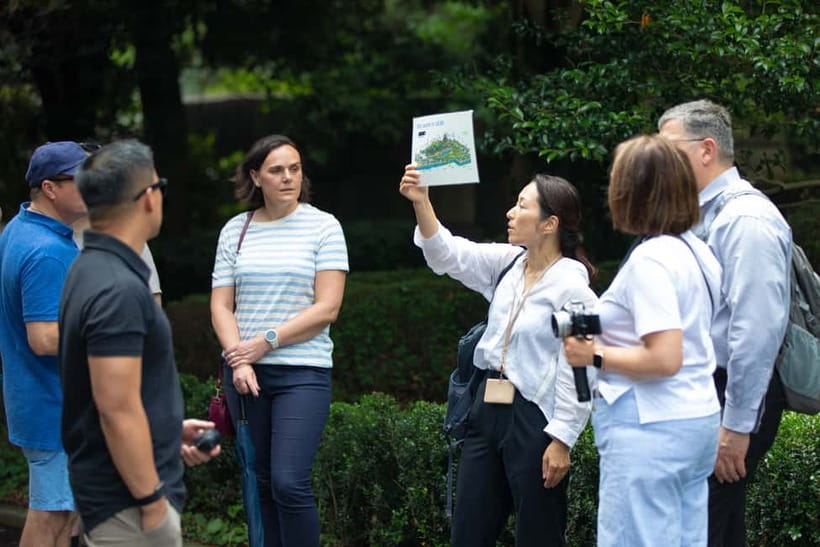
- Honmaru ruins explained in plain language: you’ll see foundation and gate remnants tied to how Edo Castle was defended.
- Ninomaru Garden viewing spots: guides help you notice traditional layout choices like stone lantern placement and carefully arranged trees.
- Seasonal photo moments: cherry blossoms in spring and fall foliage in autumn are built into the route’s best viewpoints.
- Artifact hunting, not sightseeing-by-checkbox: stone walls, watch-tower/guard-house features, and bridge-and-pond compositions.
- Guides who bring clarity (and often humor): English narration is lively, and many guides use visual aids like laminated maps.
- Good value for a 2.5-hour guided walk: $19 buys you a focused route with interpretation, not just open time.
Meet at Kokyo Gaien Starbucks and start with context
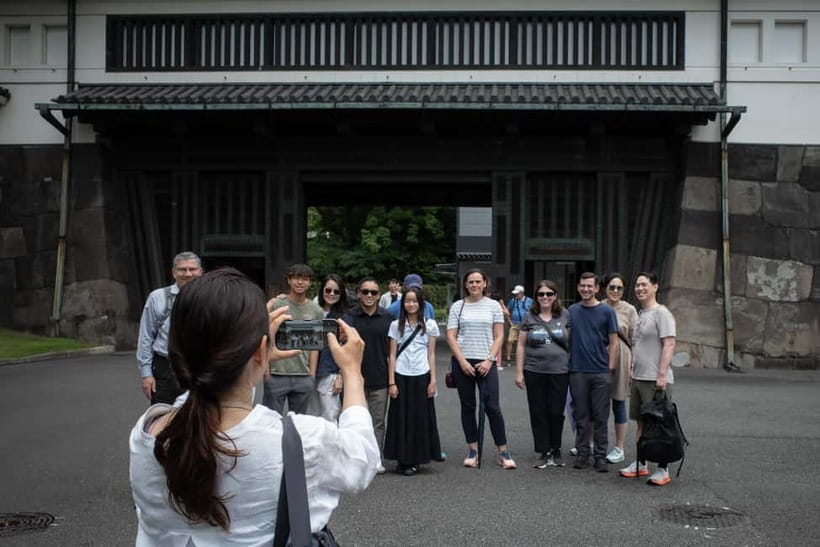
The meeting point is at Starbucks Coffee – Kokyo Gaien Wadakura Fountain Park, near the East Gardens area. This matters because once you start walking, you’ll want your mental map ready—this tour moves through multiple historical zones, not one single pond and a gift shop stop.
A simple move before you head out: grab a coffee or water there and use the first minutes to settle your pace. One of the best parts of tours like this is that the guide can correct your “where am I” confusion early, which makes every later explanation easier to follow.
You can also read our reviews of more walking tours in Tokyo


Walking the East Gardens: ponds, bridges, bonsai, and seasonal color
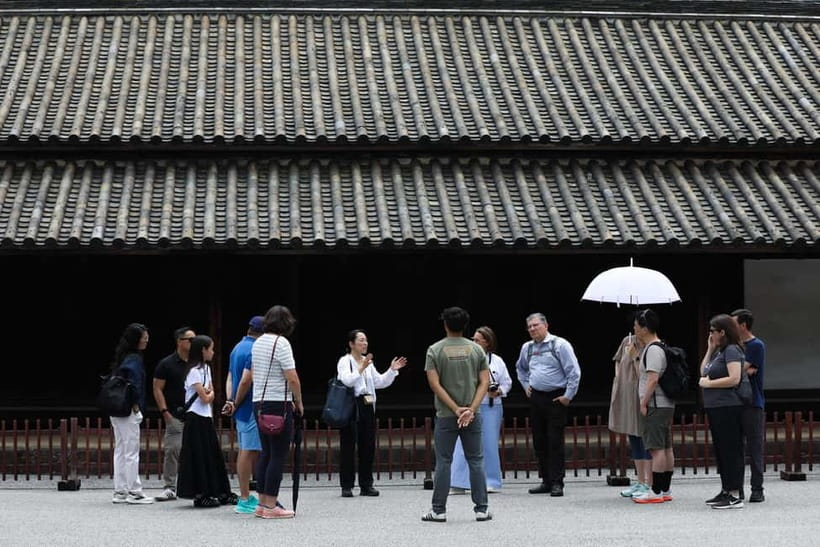
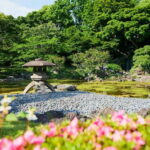
The heart of the experience is your guided walk through the East Gardens, which sit on the former Edo Castle grounds. You’re not just looking at trees—you’re walking through a designed landscape where ponds, bridges, pruned shapes, and stonework all carry meaning.
You’ll likely notice the rhythm of the garden layout: stroll a path, pause at a bridge view, catch a pond reflection, then move to the next architectural clue. That rhythm is a big reason this tour feels more rewarding than a casual garden wander—you get told what to look for while you’re still in the exact spot.
Season is a real factor here. In spring, the route is set up for cherry blossoms, and in fall the grounds can look like someone turned up the color. Even when weather shifts (rain happens in Tokyo), guides tend to keep the flow moving—one guide was praised for keeping the group cheerful and on track during rainy weather—so you still get the full interpretive walk.
Honmaru remnants: how Edo Castle’s layout shaped defense

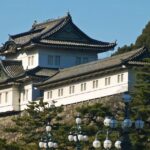
A standout portion of the tour focuses on the Honmaru area, which was the main compound of Edo Castle. The key point for you: most of what you’ll see is not intact buildings, so the value is in the interpretation—seeing ruins and foundation remnants and understanding how they fit into a working fortress.
Honmaru is where you learn the connection between the physical layout and defensive strategy. Even if the structures are gone, remnants of gates, foundation lines, and defensive features help you picture how people and security moved through space. It’s one of the few ways to get castle logic without needing an entire museum lecture.
And because this is a walking tour, the route makes the layout feel logical. You can stand where a segment once formed a boundary, then hear how that affected movement and protection. That’s the moment when the East Gardens stop being “just pretty” and start acting like a readable historical plan.
Ninomaru Garden: traditional design you can actually see
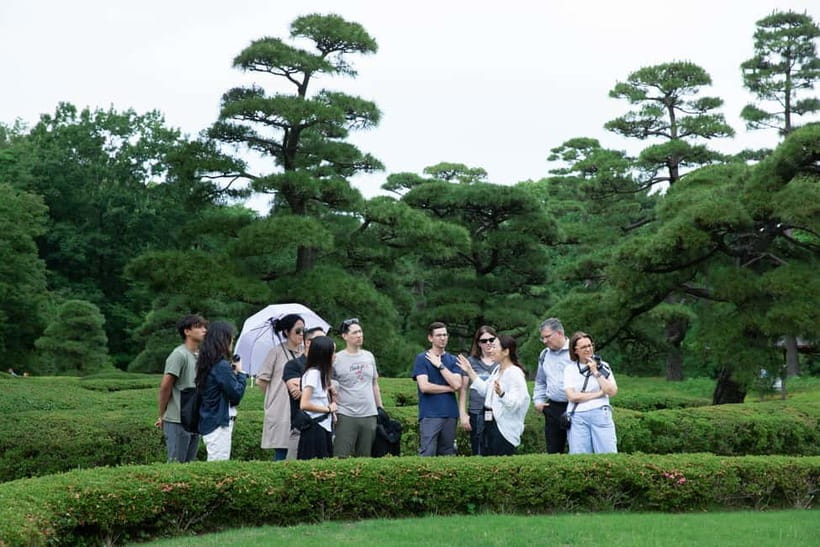
After Honmaru, you’ll shift your attention to the Ninomaru Garden, known for its classic Japanese design approach. This part of the walk is about composition: how trees and shrubs are arranged, how stone lanterns work as visual anchors, and how paths guide your attention rather than just carry you forward.
You’ll also get the chance to appreciate the garden in a quieter mode. A good guide will slow you down at the right moments so you can look from the correct angle—especially for the planned sightlines that make the garden feel balanced.
This is the section I’d point to if you want Tokyo that feels less like traffic and more like contemplation. It’s also the easiest place to take a breath if you’ve been rushing around the city—because the pacing naturally invites pauses, not constant marching.
Stone walls and guard-house artifacts that turn the grounds into a map
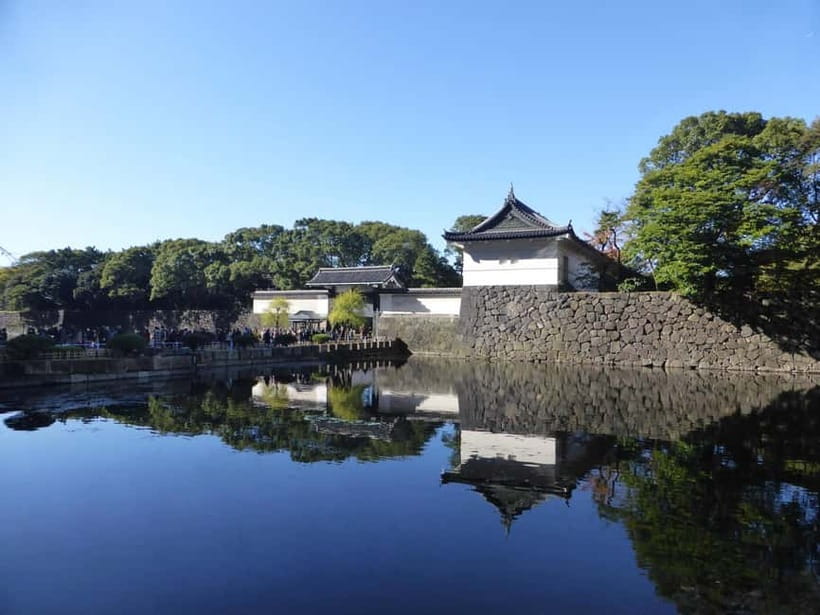
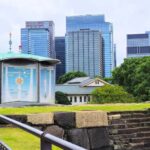
Throughout the East Gardens, the tour calls your attention to historical artifacts and structural clues—things like stone walls and remnants tied to guard houses and watch areas. This is where guides really earn their fee.
Instead of treating the grounds like a theme park, the tour makes those features into signposts. You’ll start recognizing what kind of element you’re standing near (boundary wall type, defensive feature type, garden structure type), and then the guide’s story clicks into place.
If you like photos, this is also the segment where images come out better. Stone textures, lantern shapes, and bridge-and-pond framing are built for photography, but you still need the guide’s help to know which direction and which angle tells the story best.





Old and New Tokyo stories: shoguns, emperors, and modern royal context
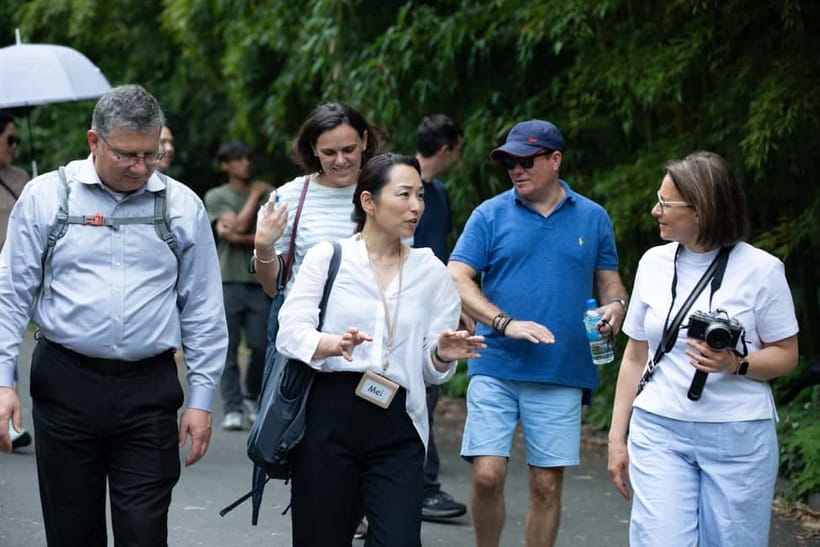
The tour does a smart job of connecting the past to what you see today. You’ll hear how the Tokugawa shoguns shaped life around Edo Castle, and you’ll also get context that helps you understand why the site is still relevant.
Many guides bring humor into the explanation, including playful notes about the modern royal family. It’s not gossip for its own sake—it’s a way to keep the stories human while still grounded in the mechanics of how the system worked.
This is also where the tour shines if your Tokyo itinerary includes modern neighborhoods. After learning the fortress logic and the garden design intent, you’ll be able to look at the city with better instincts: you’ll notice how Tokyo keeps layering new forms on top of older frameworks.
Why the guide matters: names you’ll hear and teaching styles to look for
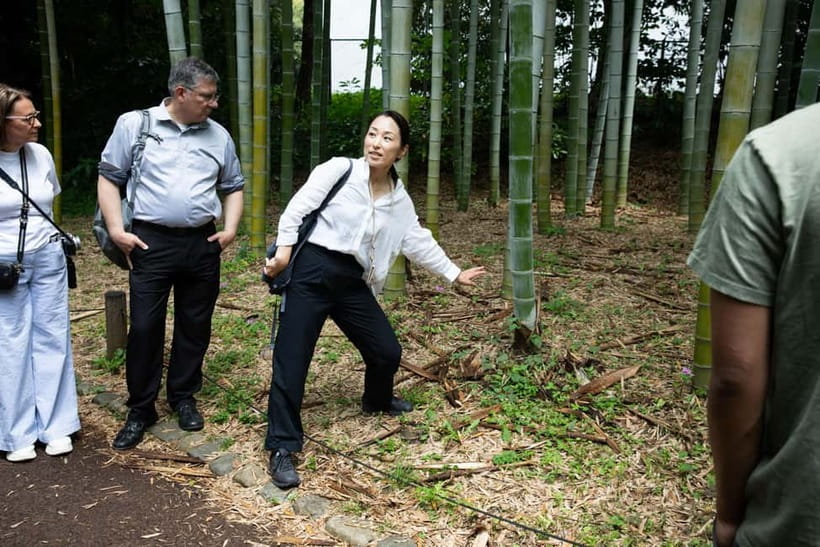
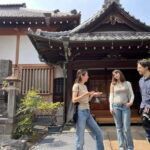
The difference between a “walk and point” tour and a memorable one comes down to the guide’s presentation. In feedback for this tour, you’ll see repeated praise for guides such as Kei, Mei, Laura, Miko, Miyu, Tatsie, Loc, Wakana, and Midori—and the common thread is clarity that sticks.
Here’s what I think you should watch for while you’re there:
- Your guide should connect the visible ruins to how the castle operated.
- You should be offered help to follow maps and layout logic (some guides use laminated map visuals to show what’s no longer standing).
- You should get photo support, not just history (some guides will offer to take pictures and suggest spots at the right moments).
- You should feel free to ask questions; guides are repeatedly praised for answering people patiently.
If you end up with a guide like Mei or Laura, you’re likely to hear story structure that makes the place feel organized rather than random. And if you get someone like Kei or Wakana, expect a friendly, fast-moving explanation style that keeps the group engaged without making the walk feel rushed.
Price and logistics: $19 worth it for a focused 2.5-hour guided route
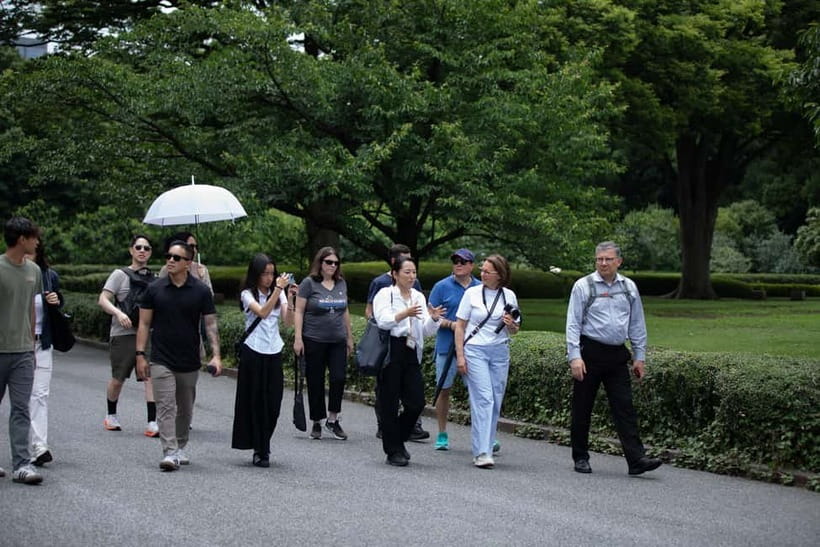
At $19 per person for about 150 minutes, this tour is strong value because you’re paying for interpretation. You’re not just entering a garden—you’re guided through multiple historical zones and told what the features mean.
Also, the tour doesn’t include entry to the Imperial Palace, and it does not go inside. For some people, that’s the only deal-breaker. If you want a building interior visit, you’ll need a different plan. But if you want the story you can see—ruins, gardens, and layout—this is priced like a thoughtful, efficient history walk.
Timing helps too. You get enough time to move from Honmaru remnants toward Ninomaru Garden without feeling like the guide is speed-running. And because it’s a walking tour, it fits neatly into your Tokyo schedule in a way that museum-only days don’t always do.
Practical tips for a smoother walk (and better photos)
First, wear comfortable shoes. The route is a garden walk with time spent standing and looking, and you’ll want your feet to stay happy.
Second, bring a light layer. Tokyo weather shifts quickly, and a rainy day shouldn’t stop you from getting value out of the tour—guides have handled rain well in the past, keeping the explanation going while still letting you enjoy the grounds.
Third, plan your camera use. The most photogenic spots aren’t always where you automatically stop; the best angles are often tied to the garden layout. If your guide offers picture help, take them up on it—you’ll get cleaner compositions because they’ll steer you to the right place.
If you’re visiting during cherry blossom season or peak fall color, arrive with the mindset that crowds can make the garden feel tighter. The guide can still help by timing your pauses at the most informative viewing points.
Who should book this tour
This tour is ideal if you want:
- A guided, structured way to understand Edo Castle remnants without needing specialized background.
- A blend of quiet garden time and on-the-ground historical explanation.
- A low-pressure activity that still feels meaningful in the middle of a busy Tokyo schedule.
It also works well for couples and small groups who prefer walking over buses. If you’re traveling with anyone who gets bored by purely indoor history, the mix of ruins plus gardens makes it easier to keep attention.
If you’re only interested in seeing Imperial Palace interiors, then this won’t satisfy that specific wish. But for most people, it hits the best compromise: you learn the place while you’re standing in it.
Should you book the Tokyo Imperial Palace East Gardens walking tour?
Yes, if you want a value-priced guided walk that teaches you how Edo Castle’s layout connects to what’s still visible today. It’s especially worth booking for the Honmaru explanation and the Ninomaru Garden focus, where the design choices become obvious once someone points them out.
I’d skip it only if your top goal is palace building interiors. If your goal is to understand Tokyo through its preserved grounds, stonework clues, and seasonal beauty, this tour is an efficient, well-paced way to do it—without turning your day into a rushed checklist.
FAQ
Does this tour include entry into the Imperial Palace?
No. The tour does not go inside the Imperial Palace, and Imperial Palace entry is not included.
Where do I meet my guide?
Meet at Starbucks Coffee – Kokyo Gaien Wadakura Fountain Park (near the East Gardens). Your guide waits nearby.
How long is the walking tour?
The tour runs for about 150 minutes.
Is the tour in English and is there a live guide?
Yes. You’ll have a live English-speaking guide.
Is the tour wheelchair accessible?
Yes, the tour is listed as wheelchair accessible.
How much does it cost?
The price is $19 per person.