REVIEW · TOKYO
Tokyo: Matcha and Kimono Experience
Book on GetYourGuide →Operated by Matchaful · Bookable on GetYourGuide
Wear a kimono, taste real matcha. This near-Shinjuku workshop blends tea ceremony, Teaism, and a hands-on matcha lesson, plus you get to try an exclusive first flush matcha from a 100+ collection. You’ll start with an easy-to-wear kimono, then move through a guided tasting and tool-based practice so you can actually repeat it at home. One thing to plan for: you’ll need to bring socks and follow the quiet/no-strong-fragrances rules.
I love that the matcha focus is serious: you learn how to spot differences, including the compare real match vs fake matcha lesson, and you’ll taste from an ultra-specific first flush selection. Another plus is that the kimono is designed for simpler wear, so the experience stays on schedule instead of turning into a long dress-up marathon. A possible drawback: if you’re expecting a big, flashy show, this is more about careful preparation and manners than a party vibe.
In This Review
- Key highlights (what makes this one worth your time)
- Price and what $57 buys you near Shinjuku
- Where it starts: finding the LUUP stand by Yotsuya
- Kimono time, but make it easy
- Choosing your matcha: senses, not stereotypes
- The culture lesson: Tea ceremony and Teaism, explained clearly
- Real match vs fake matcha: the practical part most people skip
- Tools, technique, and making a bowl you’d actually serve
- Sweets, welcome drink, and the full pacing
- Group size and the instructor feel
- Practical rules you’ll notice (and why they’re there)
- How this near-Shinjuku location changes your day
- Who this experience is best for
- Should you book it? My take
- FAQ
- What’s included in the Tokyo matcha and kimono experience?
- Where is the meeting point near Shinjuku?
- Do I need to bring anything?
- Is this experience hands-on or mostly a lecture?
- What matcha does the experience use?
- Are there any items or behaviors that are not allowed?
- What language is the instruction available in?
- How strict is the start time?
- Is the experience suitable for young children?
Key highlights (what makes this one worth your time)
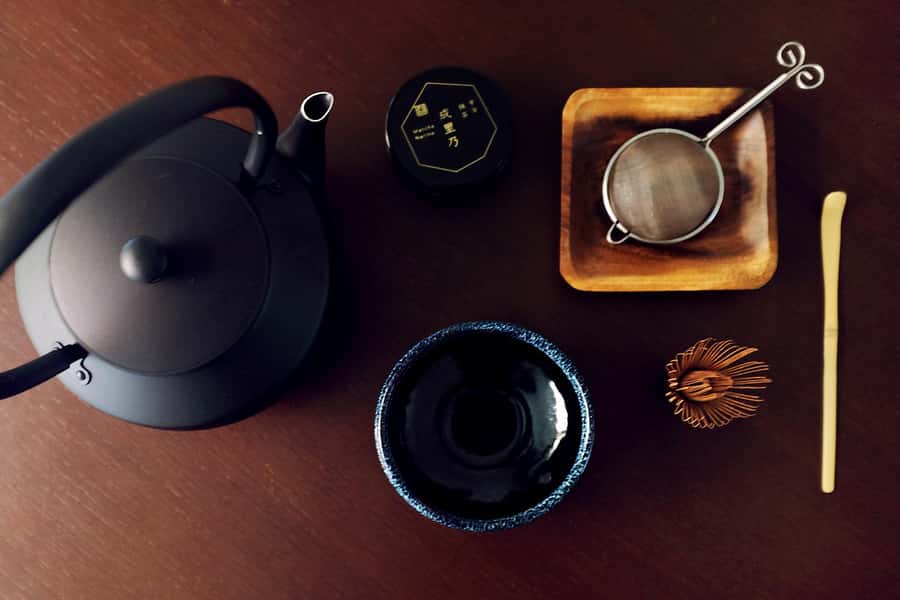
- Exclusive first flush matcha picked from a 100+ collection, with a tasting built around your senses.
- Teaism + tea ceremony explained in plain, practical terms, not just rules for show.
- Easy-to-wear kimono that skips the usual slow routine (you can get in fast).
- Hands-on matcha tools lesson, so you practice making a bowl, not just watching.
- Real vs fake matcha comparison, plus Japanese vs overseas differences.
- Sweets, welcome drink, and proper drinking manners to finish the whole flow.
Price and what $57 buys you near Shinjuku
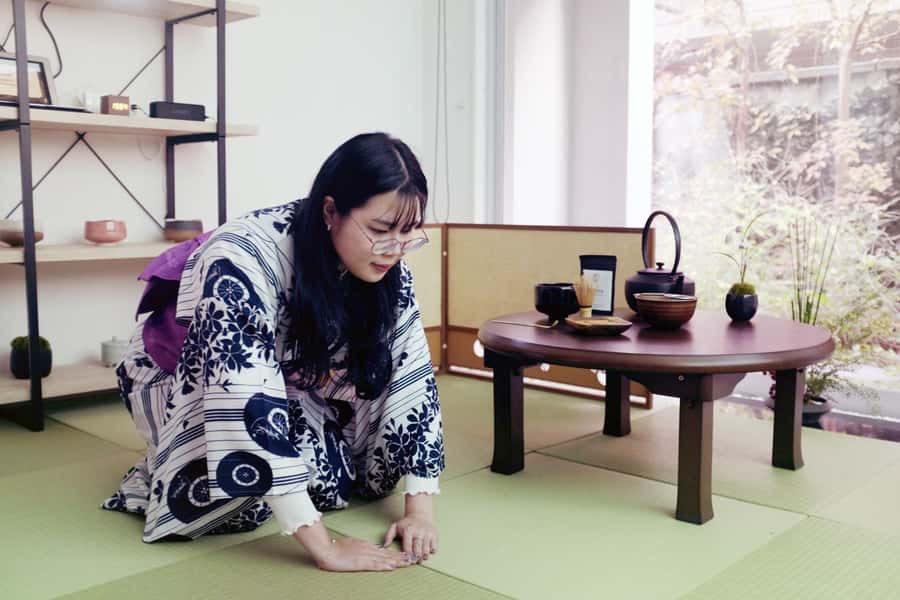
At $57 per person, this sits in the sweet spot for a Tokyo cultural workshop: you’re paying for more than a lecture. You get a kimono to wear, an organized matcha tasting and instruction, tea tools rental, and a small set of extras like a welcome drink and traditional sweets.
Tokyo has plenty of tea experiences that are mostly “taste and take photos.” This one is structured around learning: you’ll go from understanding what makes matcha different, to practicing the steps for making a beautiful bowl yourself. If you want something you can repeat later—especially the part where you’re taught the keypoints—it’s better value than a basic tasting-only stop.
You can also read our reviews of more tours and experiences in Tokyo.



Where it starts: finding the LUUP stand by Yotsuya
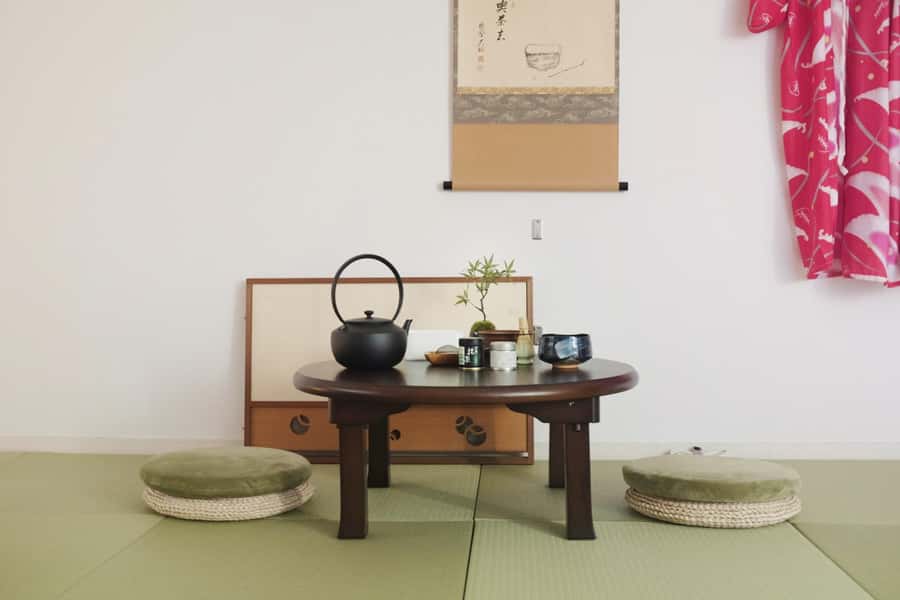
The meeting point is easy once you know what to look for. Your guide is waiting in front of the LUUP scooter stand next to the ACN Yotsuya Building, with a workshop sign.
It’s about a 6-minute walk from Yotsuya Station, and it’s in the Shinjuku area. That matters because it keeps the experience from feeling like a half-day detour. You can pair it with other Shinjuku sightseeing without the stress of crossing the city.
One practical note: the start time is strict. Your booking is automatically canceled after 10 minutes of delay, so give yourself buffer time. In Tokyo, trains can be smooth, but walking in a busy station area can still eat time.
Kimono time, but make it easy
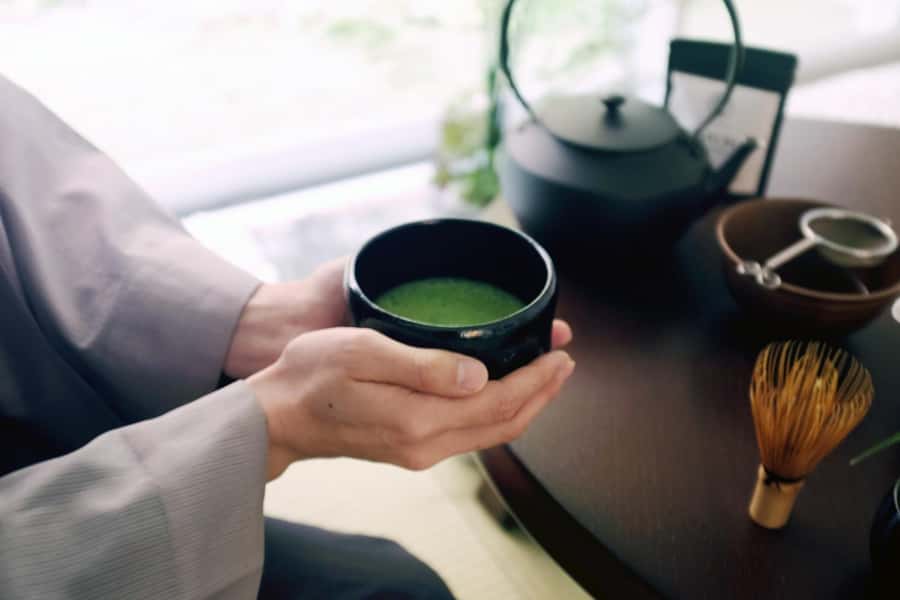
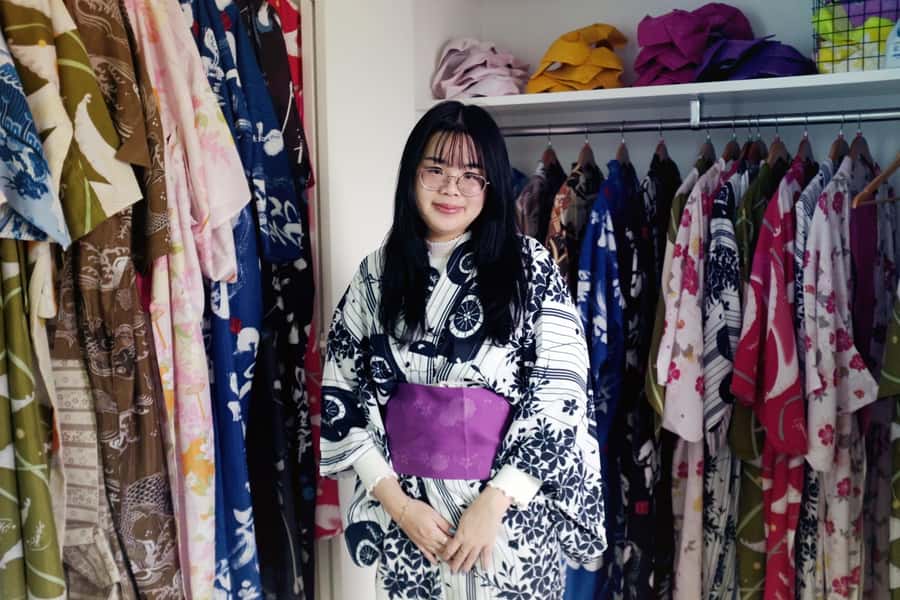
Before the tea part begins, you’ll put on a kimono designed to be easier to wear quickly. Standard kimono can take around 30 minutes to get right, and here the design is meant to help you dress faster without feeling rushed.
This is one of those details that quietly changes the whole experience. When the outfit takes less time, you spend more time learning the culture and fewer minutes worrying about posture, fit, or whether you’re doing it wrong. You’ll also get instruction on wearing it properly during the session, not just handed a costume.
What to bring matters: you need socks to protect the traditional flooring. If you forget them, you’re asked to buy them at the workshop place. So put socks in your day bag right away. It’s a small thing, and it prevents a lot of awkwardness.
Choosing your matcha: senses, not stereotypes
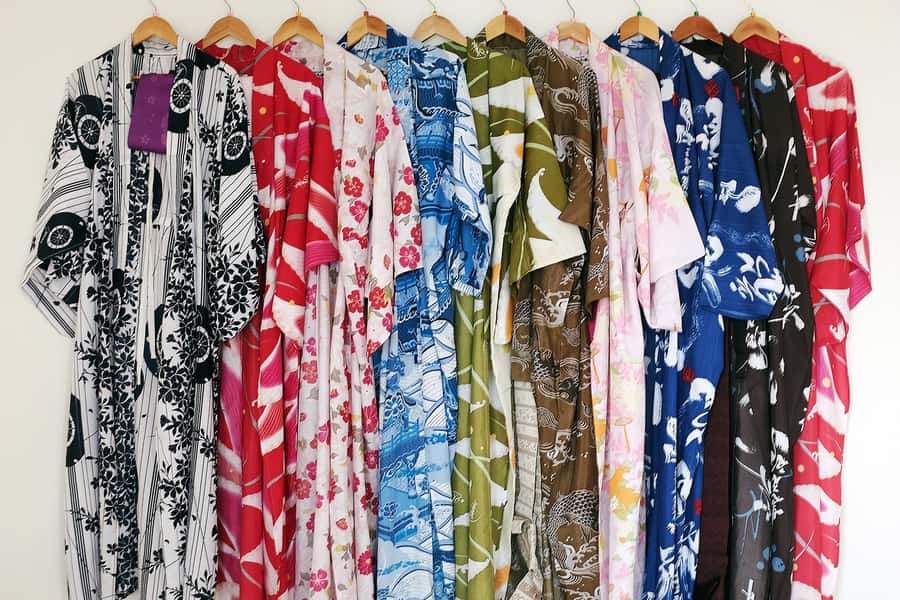
One of the most fun parts is the matcha selection. You don’t just get one sample and move on. You’ll be guided through exploring an exclusive first flush matcha, chosen from a 100+ matcha collection from across Japan.
You’ll learn how to find your favorite matcha using your senses—looking, smelling, and tasting. That’s important because matcha isn’t just “green powder that tastes like grass.” Your preferences actually come from how the aroma and flavor show up, and the guide helps you understand what you’re noticing.
The session also includes a lesson comparing Japanese vs overseas matcha, which can be a real eye-opener if you’ve only had matcha bottled or sweetened outside Japan. A lot of people assume matcha is matcha. Here, you’ll see why the differences matter.
The culture lesson: Tea ceremony and Teaism, explained clearly
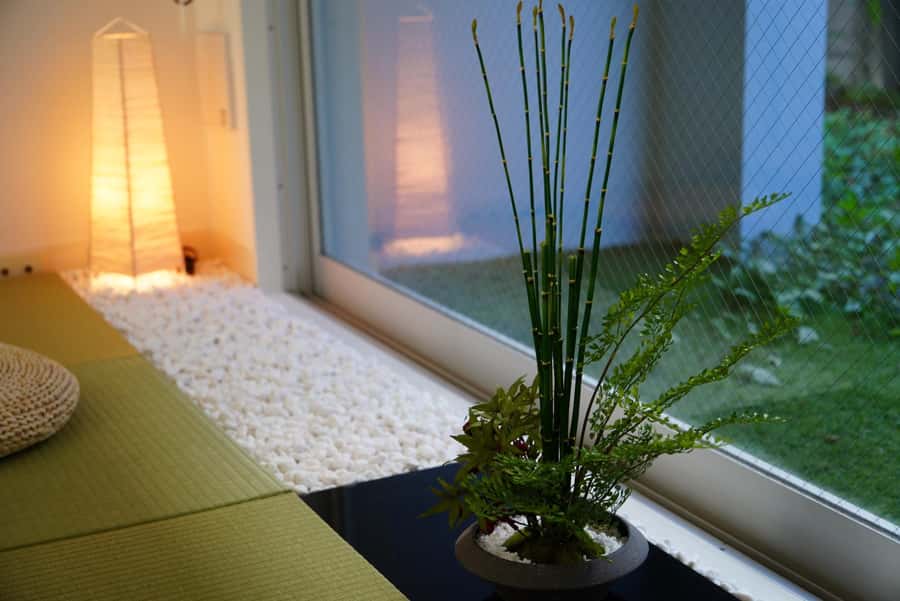
After the tasting setup, the lecture portion moves into the meaning behind what you’re doing.
You’ll cover multiple pieces of Japanese tea culture, including:
- the tea ceremony itself
- Teaism (the philosophy side)
- the differences between types of teas such as green, black, and Chinese varieties (as part of learning what matcha sits within)
This is one of the highest praised parts of the experience. The goal isn’t to make you memorize gestures. It’s to help you understand why the ritual exists: how attention, respect, and technique connect to the final bowl you’re drinking.
You’ll also learn basic manners for drinking matcha. That sounds small, but it’s actually a big part of what makes the experience feel genuinely Japanese rather than like a themed food class.




Real match vs fake matcha: the practical part most people skip
The workshop includes a lesson that compares real matcha vs fake matcha. That’s one of the most valuable segments if you’re a matcha fan who’s ever wondered why some matcha tastes thin, flat, or oddly sweet.
This isn’t about fear-mongering. It’s about giving you tools—so later, when you’re shopping at home, you can ask better questions and make smarter choices.
If you buy matcha online or in convenience stores, this section alone can change how you evaluate what you’re getting.
Tools, technique, and making a bowl you’d actually serve
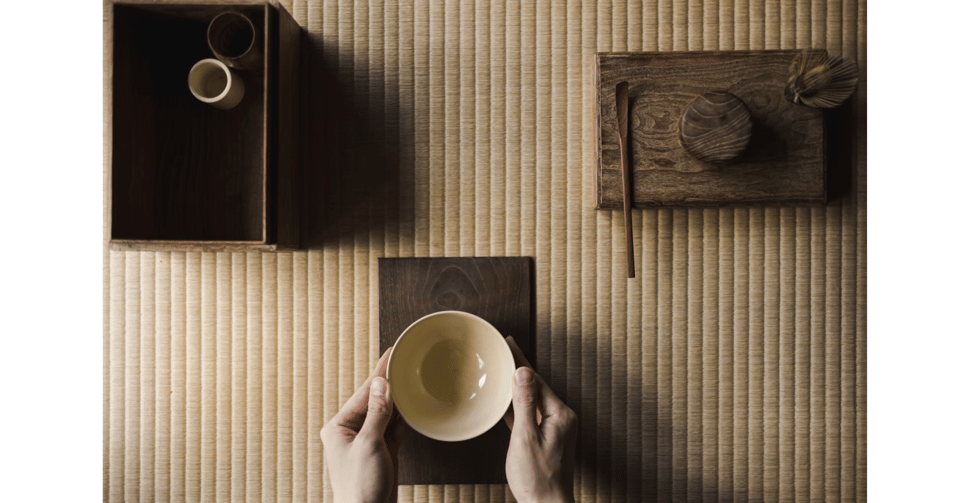
Then you get to the part you came for: preparing matcha with tea tools.
The lesson guides you through the steps to make a beautiful bowl, and it’s built around mastering 4 keypoints. The goal is not just mixing powder and water. You’ll learn the technique so the texture and flavor come out right.
A big value here is that the tools are provided. You’re not stuck guessing what’s missing at home. You get rental access to the tea ceremony tools during the session, so you can practice what matters.
You’ll also be taught the correct way to handle and prepare the bowl as part of the ritual. That practice makes the final taste more satisfying, because you understand what you did differently compared to a basic at-home method.
And yes, you’ll drink what you make. That’s the fastest way to learn: taste, compare, adjust.
Sweets, welcome drink, and the full pacing
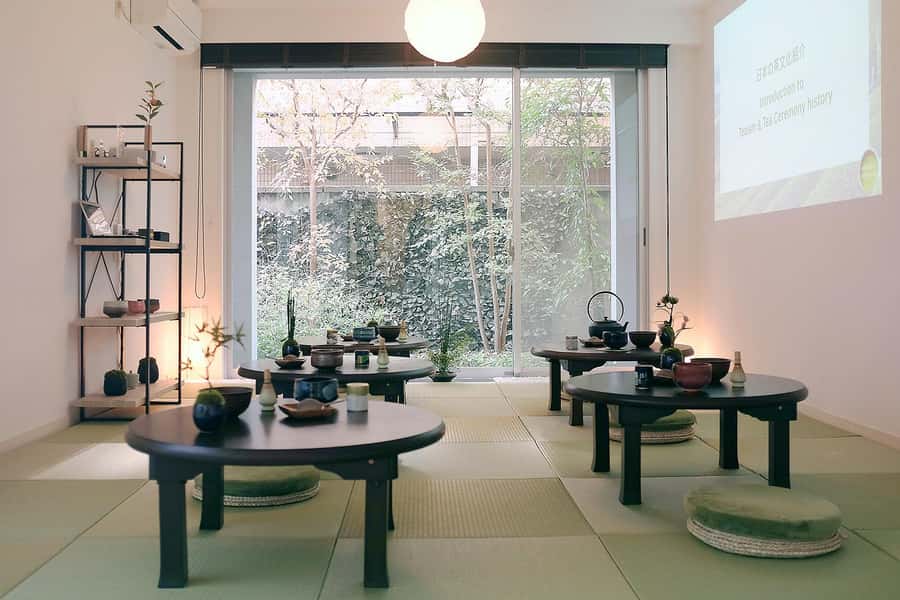
Between the explanation and the hands-on work, you’ll also have:
- a welcome drink
- Japanese traditional sweets
This kind of pacing matters. It keeps the experience from feeling like nonstop instruction. It also gives you a chance to reset before the final practical drinking manners and matcha practice.
One more subtle benefit: snacks and a warm drink make the cultural moment feel complete. It’s not just a classroom moment. It’s a tea-time flow.
Group size and the instructor feel
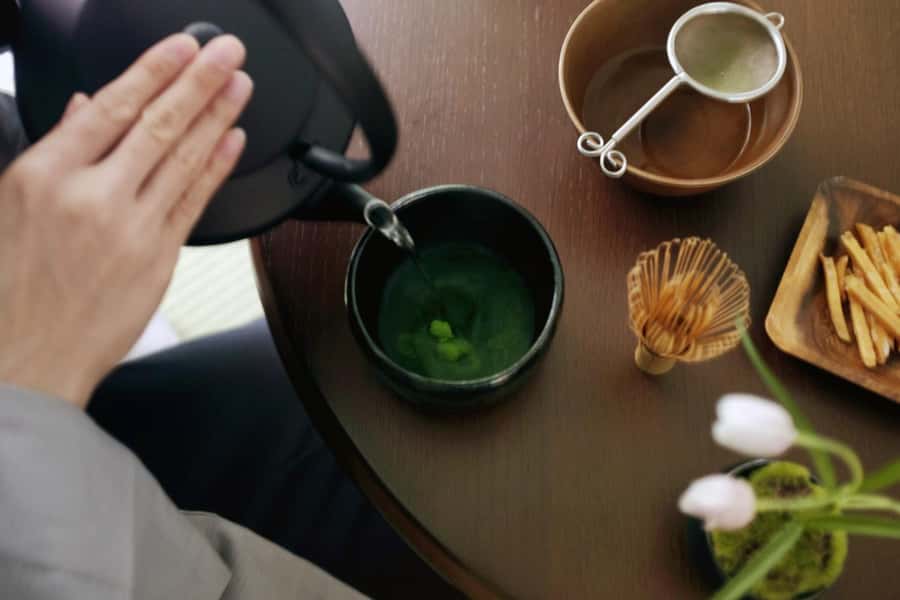
This format works best because instruction tends to stay personal. The experience can be small-scale—one session was reported at about five people total—which usually means you get more hands-on help.
Your guide is Komei (host/tea master role). Multiple notes highlight that Komei is warm, fun to talk with, and serious about matcha and tea culture. If you like asking questions, this is the kind of tour where the answers actually connect to what you’re doing in the room.
Practical rules you’ll notice (and why they’re there)
You’ll be asked not to use strong fragrances, not to bring alcohol or drugs, and to keep noise low.
These rules sound strict, but they make sense in a tea context. Matcha is all about aroma and taste, and strong scents can mess with that. Quiet rules help you focus on technique and manners.
If you’re the type who likes chatting loudly on tours, plan to switch gears for this one. It’s a calmer, more respectful experience.
How this near-Shinjuku location changes your day
Because this starts near Shinjuku/Yotsuya, you don’t have to carve out a full transport day. It’s roughly in the area of where many people already are—so you can do it without feeling like Tokyo has tricked you with time drains.
It also ends back at the meeting point. That’s a convenience you’ll appreciate when your legs are tired and you want a smooth finish instead of figuring out a new transfer.
Who this experience is best for
I’d especially recommend this if:
- you’re a matcha fan who wants to know why good matcha tastes different
- you want more than a tasting—you want a method you can repeat at home
- you care about Japanese culture but prefer a hands-on class to a museum-only visit
- you’re traveling with someone who enjoys food craft and small cultural rituals
If you’re traveling with kids under 5, it’s not suitable based on the experience rules. And if you’re expecting a long sit-down restaurant-style meal, this is more workshop than dinner.
Should you book it? My take
Book it if you want a Tokyo experience that’s both photogenic and practical—kimono dressing plus real tea technique plus tools, not just “try this and move on.”
Skip it if your main goal is a high-energy, sightseeing-heavy day. This is a structured cultural workshop with clear behavior expectations. If you’re cool with that and ready to learn how to make matcha properly, it’s a smart use of time.
FAQ
What’s included in the Tokyo matcha and kimono experience?
You get a matcha experience, a kimono to wear throughout, a Teaism and matcha lecture by a tea expert, a matcha-making lesson, an exclusive first flush matcha, Japanese traditional sweets, a welcome drink, and tea ceremony tools rental.
Where is the meeting point near Shinjuku?
Your guide waits in front of the LUUP scooter stand next to the ACN Yotsuya Building, with a workshop sign. It’s about a 6-minute walk from Yotsuya Station.
Do I need to bring anything?
Yes. Bring socks to protect the traditional flooring. If you forget them, you may be asked to buy them at the workshop place.
Is this experience hands-on or mostly a lecture?
It’s both. You’ll get a lecture about tea ceremony and Teaism, then you’ll practice making matcha using tea tools, including proper drinking manners.
What matcha does the experience use?
You’ll taste an exclusive first flush matcha, selected from a 100+ matcha collection from across Japan.
Are there any items or behaviors that are not allowed?
Alcohol and drugs are not allowed. Strong fragrances and making noise are also not allowed during the experience.
What language is the instruction available in?
The experience is offered in English and Japanese.
How strict is the start time?
Your booking is automatically canceled after 10 minutes of delay from the appointment time, with no refund accepted in that case.
Is the experience suitable for young children?
It is not suitable for children under 5 years.