REVIEW · TOKYO
Tokyo: Sumo Experience and Chanko Nabe Lunch
Book on GetYourGuide →Operated by H.I.S. Co Ltd(TIC) · Bookable on GetYourGuide
Tokyo sumo, served with lunch.
This hands-on experience teaches you the sport’s rituals and rules from former professional wrestlers, in clear English, then lets you test your balance in a playful face-off. I also love how the meal is part of the show: you get Chanko Nabe, a hearty hot pot prepared by the wrestlers themselves.
One thing to plan for: participation is fun and interactive, but not every audience member will be chosen for costume or ring demos. The schedule is tight too—this starts at 1:00 PM, and you’ll want to arrive before the doors open at 12:40.
In This Review
- Key reasons this sumo experience is worth your time
- Sumo in the flesh: what you’ll really learn in 2 hours
- Mondays in Asakusa, Thursdays in Ryogoku: choosing the right day
- Inside the workshop: rituals, rules, and a real chance to play
- Chanko Nabe lunch: warm, filling, and part of the culture
- Price and logistics: is $95 a fair deal
- Who should book this sumo experience in Tokyo
- Should you book? My take
- FAQ
- Where does the sumo experience run in Tokyo?
- How long is the experience?
- Is the tour in English?
- What’s included in the price?
- Do I get to participate in sumo?
- Is it wheelchair accessible?
Key reasons this sumo experience is worth your time
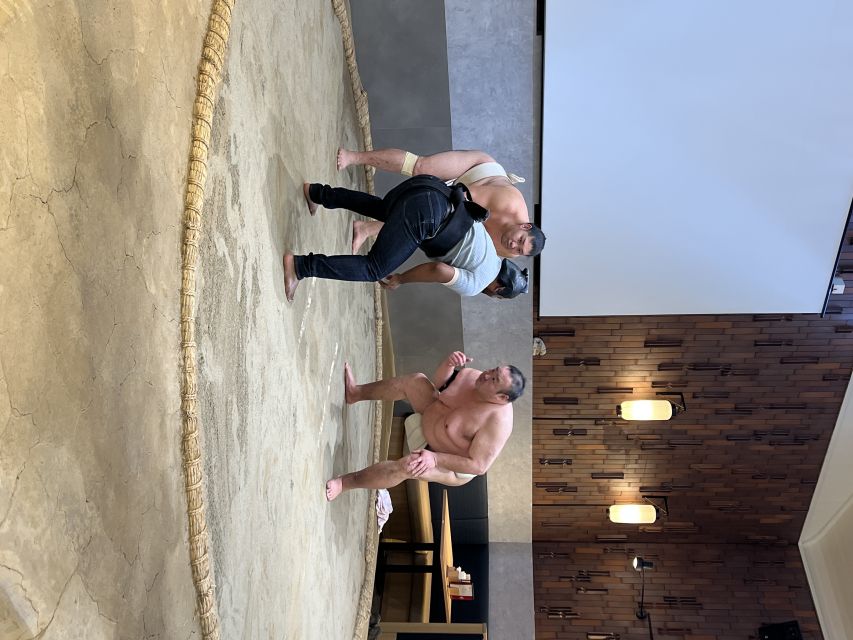
- English explanations you can actually use so the rituals and rules make sense fast
- Playful sumo practice where you’ll get a chance to test strength and technique (with guidance)
- Rikishi-made Chanko Nabe hot pot served after the workshop for real stamina
- Small group of up to 6 for better interaction and easier photos
- Different locations by day: Mondays in Asakusa, Thursdays in Ryogoku
- You might get a costume moment during the demonstration, though selection isn’t guaranteed
Sumo in the flesh: what you’ll really learn in 2 hours
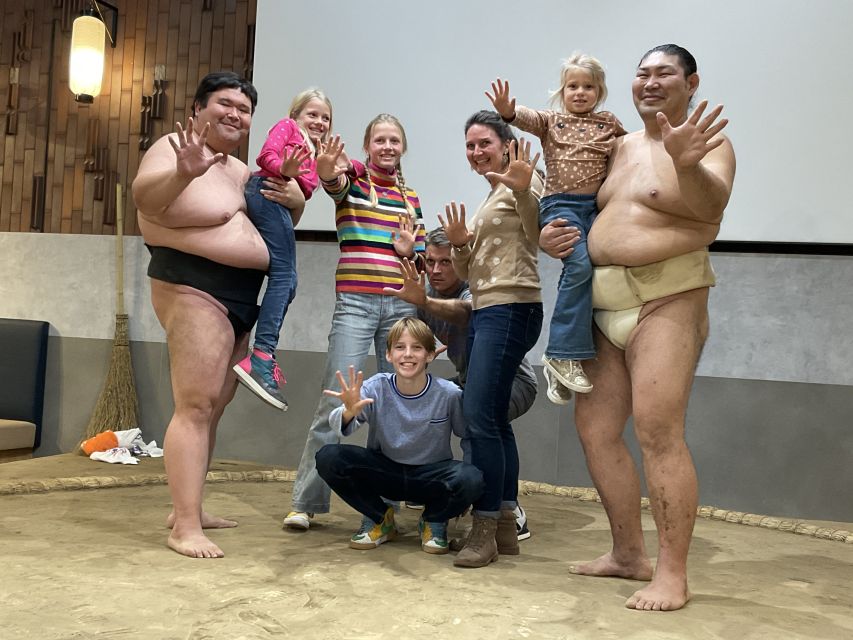
Tokyo sumo can look like a spectacle from the outside. Two wrestlers, a quick burst of action, and lots of tradition that can feel hard to decode. The best part of this workshop is that it translates what matters. You’re not just watching throws happen; you’re learning why they happen, and what the pre-fight rituals are trying to communicate.
The instructors are former professional sumo wrestlers, and you’ll feel the difference right away. They don’t teach sumo like a textbook. They teach it like the job they used to do: stance, footwork, grip habits, breathing, timing, and the mindset behind the performance. With English explanations, even first-timers usually walk away understanding the basics of how bouts work and why sumo is treated like a national sport, not just a competition.
You also get the fun factor without it turning into a circus. The interactive part is playful. That’s key. You’re not being asked to do anything dangerous or heroic. Instead, you’ll get a controlled taste of what it feels like to move with someone trained to shove and steer you with power.
You can also read our reviews of more tours and experiences in Tokyo


Mondays in Asakusa, Thursdays in Ryogoku: choosing the right day
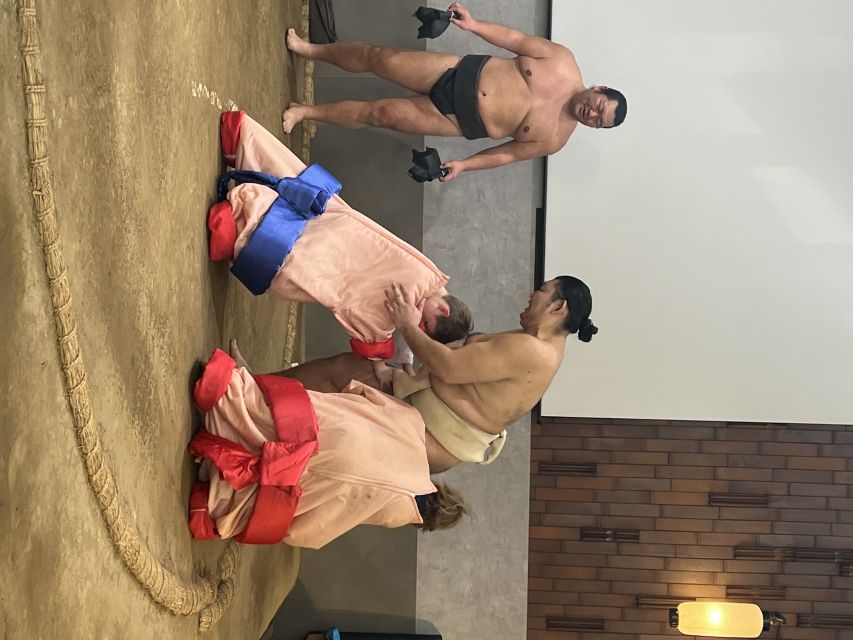
This experience runs in two Tokyo neighborhoods depending on the day:
- Mondays: Asakusa
- Thursdays: Ryogoku
If you’re already planning time around traditional sights, Asakusa is an easy fit. You’ll often pair it with temple and street-food time nearby. If you like sports history vibes, Ryogoku is a strong match for sumo culture. Either way, the tour includes a voucher with a map to the exact meeting place, and the activity ends back at that same meeting point, so you’re not stuck chasing a “new location” after lunch.
The location swap is also useful for planning. If your Tokyo days are busy, you can anchor this workshop to a specific morning/afternoon rhythm. It’s a straightforward way to add something memorable without rewriting your whole schedule.
Inside the workshop: rituals, rules, and a real chance to play
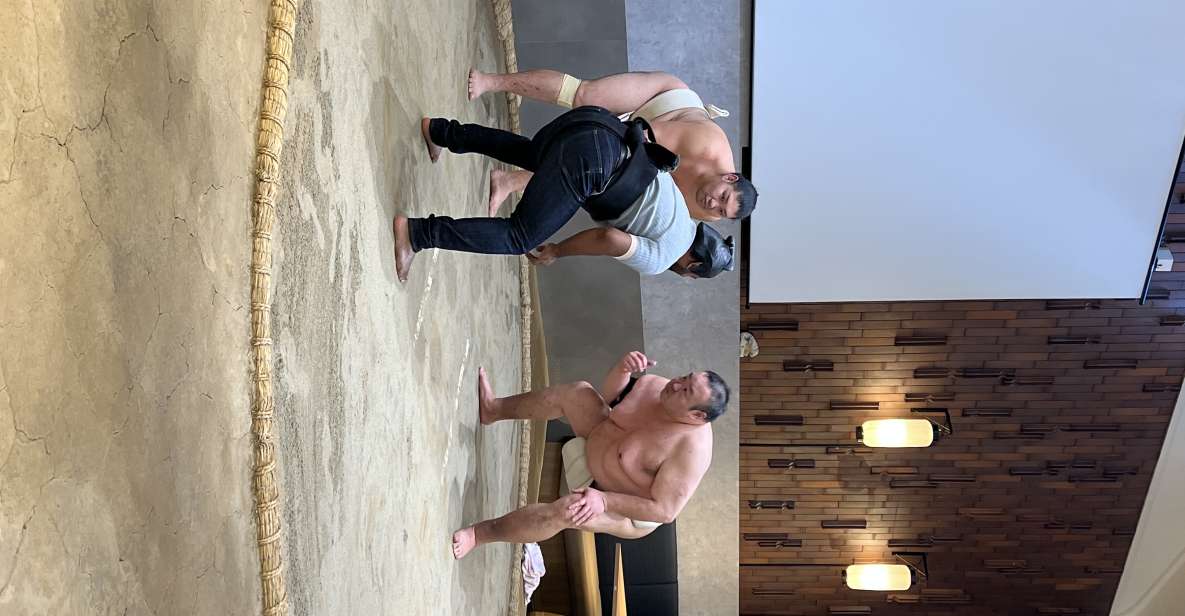
The session is built like a compact sumo lesson. You start with explanations in English about the sacred national sport, its long history, and the rituals that often confuse newcomers. The point isn’t to overwhelm you with trivia. It’s to help you read what you’re seeing later and understand why sumo feels so formal even when the bout is over in seconds.
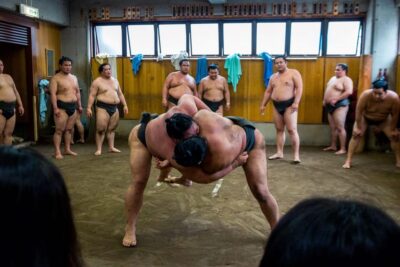
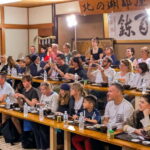
Then comes the demonstration phase. This is where the experience usually grabs people. Former rikishi show technique and explain what the audience should watch for, from how wrestlers set distance to how they use balance and leverage. You’ll also notice the tone: it’s informative but not stiff. In fact, a number of people mention how funny and warm the demonstrations can feel, which makes it easier to relax and ask questions if you want clarity.
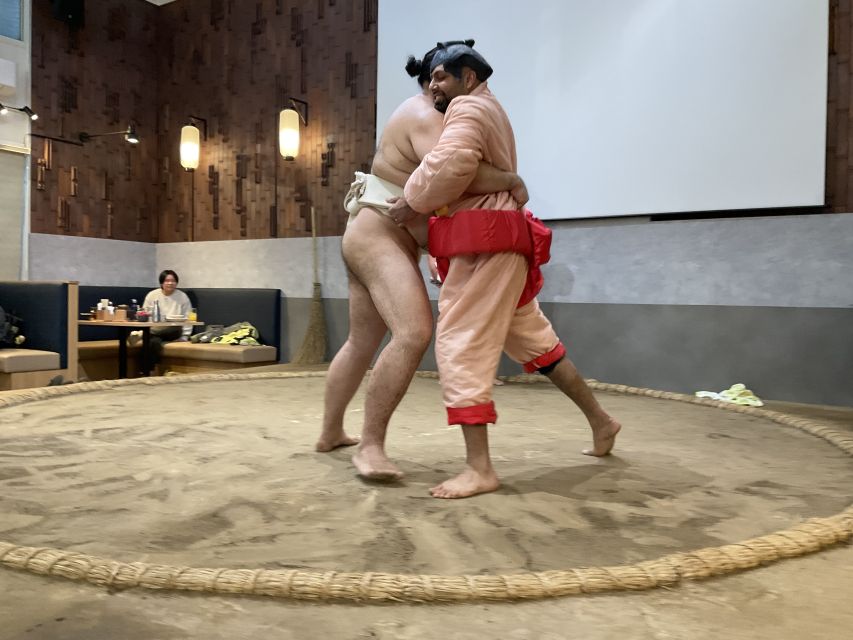
And yes, you can take part. The activity includes a playful duel where you go up against the wrestlers in a guided way. Think of it as sumo as a “try it once” sport, not a training camp. You’ll likely get a sense of how much strength and body positioning matter, and why sumo training produces such unusual power.
One more detail that helps set expectations: the format includes optional audience moments. Some participants might be picked to voluntarily put on a sumo costume and help with the demonstration. Not everyone gets selected, but it adds an extra layer of showmanship if you do.
Practical tip: this is a small-group format, limited to 6 participants, so arrive ready. If you’re comfortable being in the center of attention for a minute, you’ll get more out of it.
Chanko Nabe lunch: warm, filling, and part of the culture
After the workshop, lunch is served: Chanko Nabe, a Japanese hot pot that’s known for providing stamina. In sumo culture, food isn’t just fuel. It’s a big part of life around training and community, and this meal reflects that spirit.
What makes this meal especially good value here is the “made by the wrestlers themselves” element. You’re not just eating at the end; you’re eating with the people who taught you. That makes the meal feel like a continuation of the lesson, not a separate tourist checkbox.
Chanko Nabe is served hot, and it’s designed to be hearty. If you’re the type who likes to build your Tokyo day around one great meal, this fits well. It also works nicely for mixed groups, because hot pot is easy to share and straightforward to enjoy, even if you’re new to Japanese comfort food.
From a timing standpoint, you’re not waiting forever either. The whole experience is about 2 hours, so lunch feels like a payoff, not a detour. And because it’s included in the price, you don’t have to spend energy hunting a restaurant right after the workshop.
Price and logistics: is $95 a fair deal
At $95 per person, you’re paying for three things bundled together:
- a workshop led by English-speaking former pro wrestlers
- participation time (including the playful duel)
- lunch, served as Chanko Nabe
A key way to judge value in Tokyo is whether you’re buying access. This is not just a performance you watch from the sidelines. You’re getting interactive instruction and participation. For many people, that access is the difference between “cool” and “wow.”
Could you find cheaper food in Tokyo? Of course. But cheaper options don’t give you the same teaching-from-the-ring experience, and they don’t put a retired rikishi next to you explaining what you’re seeing and what it means.
Logistics are also simple:
- Meeting point is exact via a voucher map
- Pickup/drop-off isn’t included
- The experience ends back at the meeting point
One more schedule detail matters: it starts on time at 1:00 PM, and the door opens at 12:40. If you show up late, you might miss the most important part of the teaching and the early demonstration flow.
Accessibility note: this experience is listed as wheelchair accessible. If you’re traveling with mobility needs, it’s a strong sign that they’ve designed the space for access rather than treating it as an afterthought.

Who should book this sumo experience in Tokyo
I think this is an excellent fit if you’re one of these:
- a first-time sumo fan who wants the meaning behind the rituals
- a foodie who likes cultural meals that connect to the main activity
- a family traveling with kids who enjoy hands-on experiences
- a traveler who wants a small-group moment with real experts, not a large bus tour
It also works for people who don’t consider themselves “sports people.” The format is social and playful, and the English teaching makes it easier to follow even if you’ve never watched a bout before.
A possible mismatch: if you strongly prefer passive sightseeing, the interactive parts might feel like “too much attention.” You’ll still observe and learn, but the experience is clearly designed for participation.
Should you book? My take
Yes, book it if you want a Tokyo activity that feels both authentic and personal. The combination is rare: English instruction from retired professionals, a playful taste of sumo technique, and a hot pot lunch prepared in the same spirit as the sport itself.
If your schedule can handle a tight 2-hour block and you’re okay arriving before 12:40, this is one of the more memorable ways to experience sumo without needing any prior knowledge.
FAQ
Where does the sumo experience run in Tokyo?
On Mondays, it takes place in Asakusa. On Thursdays, it takes place in Ryogoku.
How long is the experience?
It lasts about 2 hours. The exact start times can vary, so check availability for the day you want to go.
Is the tour in English?
Yes. Explanations and instruction are provided in English.
What’s included in the price?
The price includes the entrance fee, participation fee, and lunch (Chanko Nabe).
Do I get to participate in sumo?
You may join in a playful duel and demonstrations. Some audience members can also be picked to put on a sumo costume, but selection isn’t guaranteed.
Is it wheelchair accessible?
Yes, it’s listed as wheelchair accessible.
If you want, tell me what day of the week you’re in Tokyo and who’s coming (adults, kids, mobility needs). I can help you decide whether Asakusa or Ryogoku fits your itinerary best.