REVIEW · TOKYO
Private Tour in Tokyo with Local Guide
Book on Viator →Operated by Juan Pablo · Bookable on Viator
Tokyo by your own rules.
This private tour with a local guide lets you shape the day around what you care about, with hotel pickup and a mobile ticket so you can start fast and worry less. I like that you can keep moving at your pace, and if you spot something you want to linger over, the plan can bend. It also hits Tokyo’s big personality zones in one go: Senso-ji, Akihabara, Harajuku, and Shibuya.
Second, I love the way Juan Pablo works with your wishes ahead of time, then uses his know-how to connect cultural stops, shopping, and even a proper break into a clean route. The only real drawback is that this is mainly on foot, and food, drinks, and transport fees are on you, plus any paid attraction fees you choose to add.
In This Review
- Key highlights at a glance
- A private Tokyo day that actually fits your interests
- Hotel pickup and a mobile ticket: less friction, more day
- Stop 1: Senso-ji Temple, Kaminarimon Gate, and Nakamise street snacks
- Stop 2: Akihabara for electronics, anime goods, and collectible hunts
- Stop 3: Harajuku’s fashion sprint, then Meiji Shrine calm
- Stop 4: Shibuya crossing, Hachiko, and major shopping streets
- How much it costs, and where the value really comes from
- Included vs not included: plan your day like an adult (in a good way)
- Timing, pace, and walking comfort (the part people underestimate)
- Who this private Tokyo tour suits best
- Should you book this tour?
- FAQ
- FAQ
- How long is the private Tokyo tour?
- Is this tour private?
- Do I get picked up from my hotel?
- Which parts of Tokyo are included in the tour?
- What’s included in the price?
- What costs are not included?
- Is the tour mostly walkable?
- Can I cancel for a full refund?
Key highlights at a glance
- Pickup from your hotel so you don’t waste time finding trains
- Truly private pacing with stops that can flex if you want to linger
- Senso-ji temple culture plus omikuji fortune slips and the water purification fountain
- Akihabara for electronics and anime collectibles including themed-cafe style options when you want them
- Harajuku fashion contrast with Takeshita Street and a calmer walk at Meiji Shrine
- Shibuya essentials on foot like the crossing, Hachiko, and major shopping streets
A private Tokyo day that actually fits your interests
A lot of Tokyo tours feel like checklists. This one feels more like a plan you control. You get a local guide, you get picked up from your hotel, and you get a day built around your interests, not someone else’s schedule. If you’re the type who wants to shop for a specific figurine, hunt for gadgets, or find the kind of place locals actually eat, you’ll appreciate the freedom to slow down when the moment calls for it.
The format also helps you avoid the “Tokyo fatigue” problem. You’re not constantly switching lines, translating signage, and trying to guess how long a stroll will really take. Yes, you’ll still do walking (this is mostly an on-foot experience), but you’re doing it with a route and a guide who can keep your day logical.
You can also read our reviews of more guided tours in Tokyo
Hotel pickup and a mobile ticket: less friction, more day
The biggest practical win here is the hotel pickup. Tokyo is easy to get around, but first-time navigation can feel like a second job. Starting with pickup means you’re spending your energy looking at Tokyo, not hunting for the right entrance.
You’ll also have a mobile ticket, which is one of those small things that matters more than it sounds. Fewer papers, fewer steps, fewer chances to miss the meeting point. It’s a private tour too, so you’re not trying to match the pace of a larger group.
One more thing: the tour is designed for comfort and flow. You can pause for photos, take a longer look at something, or simply rest. That flexibility is the difference between a tour that feels rushed and one that feels like your day got better.
Stop 1: Senso-ji Temple, Kaminarimon Gate, and Nakamise street snacks
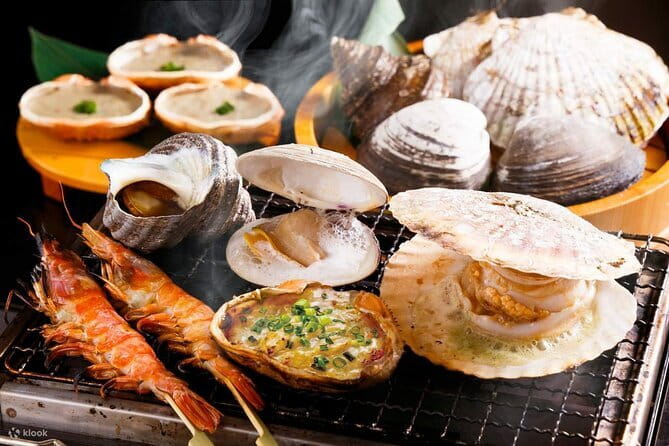
Senso-ji is one of those places that gives you an instant Tokyo snapshot. You start at Kaminarimon Gate, with the giant red lantern that marks the entrance to one of Japan’s most revered cultural landmarks. Right away, you get that classic arrival moment, where the crowd energy is part of the experience.
Then it’s time for Nakamise shopping street, where you can browse traditional souvenirs. This is also where you’ll find the kind of small treats that make you stop without thinking. If you’re curious about what to try, look out for ningyo-yaki—little cakes filled with red bean paste. Even if you don’t buy a lot, walking the street gives you a feel for the flavors and textures of traditional Tokyo shopping.
At the temple itself, you get the main hall and the five-story pagoda view. More importantly, your guide can explain the Buddhist elements in plain language so it doesn’t feel like memorizing facts. You’ll also have hands-on options. You can draw an omikuji (a paper fortune), and you can use the purifying water fountain for a ritual reset before you continue.
What to consider: Senso-ji is a major stop, so expect people. If you hate crowds, you’ll want to lean on your guide’s pacing choices and spend your time where you can actually see and absorb, not just shuffle.
Stop 2: Akihabara for electronics, anime goods, and collectible hunts
Akihabara is where Tokyo stops feeling mysterious and starts feeling fun. You’ll spend around three hours here, and the point is variety. You’re not limited to one kind of store. You can move through big electronics shops and also find specialty areas that cater to anime merchandise and collectibles.
This is a strong stop if you like Japanese pop culture. You’ll also have options around pop-culture venues such as manga cafes and retro gaming arcades, and themed-cafe style experiences like maid cafes if that’s your interest. The best part of a private guide is that you can choose what fits you. If you’re mostly after electronics, you can focus there. If you want figurines and rare-looking finds, your guide can steer you toward what’s worth your time.
From a practical angle, Akihabara can eat hours if you wander without a plan. With a local guide, you’re more likely to leave with something you actually wanted, not just random souvenirs that looked cool in the moment.
What to consider: If you’re traveling with limited time and a tight budget, decide early if you’re shopping for one big item or browsing many smaller ones. Akihabara can make both paths easy, but it’s on you to choose.
Stop 3: Harajuku’s fashion sprint, then Meiji Shrine calm
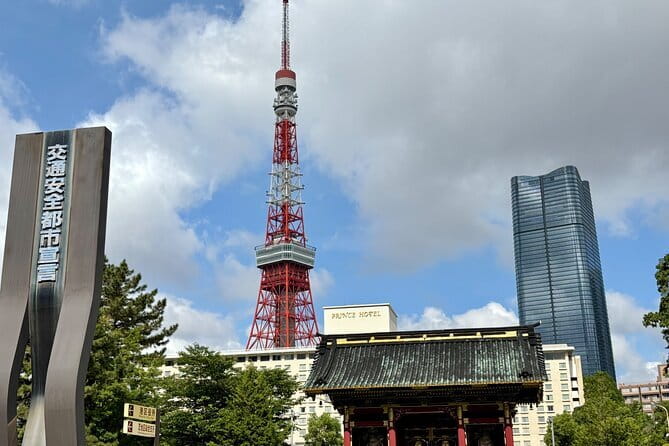
Harajuku is the funhouse mirror side of Tokyo. You’ll start on Takeshita Street, where the energy comes from the style and the sheer variety of shops. This is where you’ll find kawaii accessories and quirky fashion pieces, plus snack stands that tempt you at every turn. Rainbow cotton candy and crepes are the classic street-food targets.
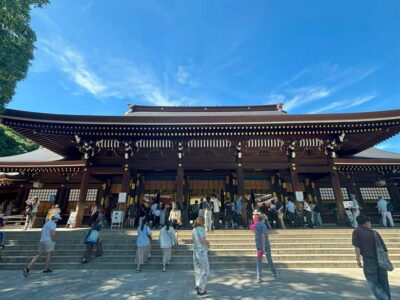
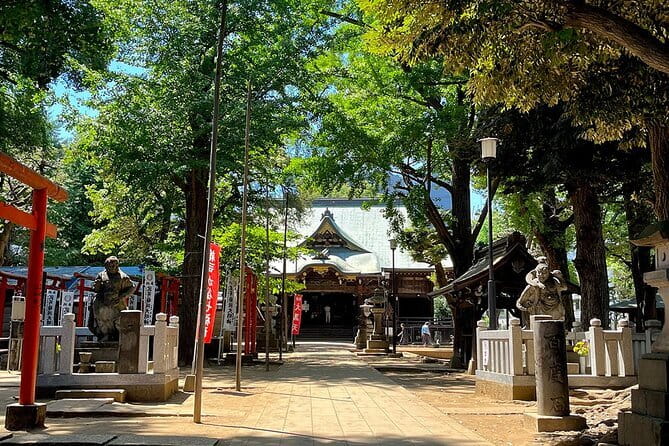
After the fashion intensity, you’ll get a contrast at Meiji Shrine. The shift matters. Instead of shopping and crowds, you get a quieter walk through forested grounds and a better sense of Shinto traditions. If you’ve had a busy day already, this is the stop that helps you reset.
Then there’s Omotesando for people who like the fashion angle beyond street style. It’s a tree-lined avenue with more upscale boutiques, which gives your day a nice spread: street trends, temple calm, then sleek shopping.
What to consider: Harajuku can be a lot visually. If you get sensory overload, tell your guide early and ask for a slower pacing. Private means you don’t have to sprint.
You can also read our reviews of more private tours in Tokyo

Stop 4: Shibuya crossing, Hachiko, and major shopping streets
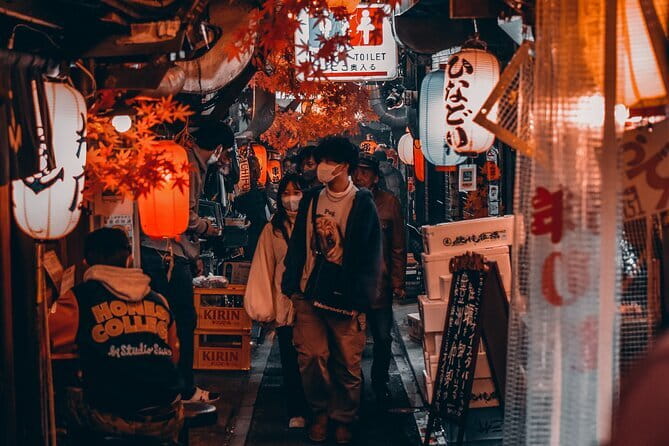
Shibuya brings Tokyo into its modern mode. The headline is Shibuya Crossing, the famous pedestrian intersection where the flow of people feels almost choreographed. It’s one of the easiest places to get those iconic Tokyo photos, especially if you time it right and don’t try to photograph while constantly dodging feet.
You’ll also check out the Hachiko statue, a meeting point with a story people care about. Your guide can explain why it’s meaningful in a way that doesn’t feel like a school lecture.
From there, it’s shopping and neighborhoods on foot. You can pass by Shibuya 109 for youth fashion, and you can also look toward places like Shibuya Hikarie depending on your interests. The plan is flexible, so if you want to focus on stores, you can. If you want to focus on food and simple wandering, you can do that too.
Food note: the tour plan doesn’t include meals, but this is exactly the sort of stop where having a guide helps. In past tours, Juan Pablo has helped people find a local restaurant that fit the day, which is a huge time-saver when you’re hungry and decision-fatigued.
What to consider: Shibuya is also a busy area, so wear comfortable shoes and keep your belongings organized. This is a walking-heavy day.
How much it costs, and where the value really comes from
The price is $160 per person, and it’s typically booked about 69 days in advance. That’s not a cheap add-on, so you should ask yourself what you’re paying for.
You’re paying for four things:
- A local guide who can explain context at each stop, not just point
- A truly private schedule where you can adjust on the fly
- Hotel pickup, which removes a big chunk of logistical stress
- A day that combines culture and shopping without you building the whole route alone
Where it can be especially good value is when you’re trying to see multiple Tokyo areas in one day but you don’t want to spend that day switching directions, translating transit steps, and guessing what’s worth your time.
Where it can feel less like a bargain is if you only want a short list of photos and don’t care about customization. In that case, you might prefer a cheaper group tour or DIY route.
Included vs not included: plan your day like an adult (in a good way)
Included:
- Local guide service
- Personalization based on your interests
- Pickup at your hotel
- Mostly on-foot experience (other transport can be used, but at your expense)
Not included:
- Food and drinks
- Transport fee
- Any fee from attraction you want to experience
That last line matters. The main stops in the plan are marked as admission ticket free, but if you add optional paid attractions, you pay those. If you’re the kind of traveler who likes paid museum time, bring a buffer.
Food and drinks being not included also means you can choose what fits your preferences. If you want casual snacks, you can do casual. If you want a full meal, you can do that too. The guide can help with choices, but the bill still comes from you.
Timing, pace, and walking comfort (the part people underestimate)
The tour runs about 5 to 9 hours. Your itinerary is built around:
- Senso-ji (about 2 hours)
- Akihabara (about 3 hours)
- Harajuku (about 1.5 hours)
- Shibuya (about 2 hours)
That adds up to roughly the longer end of the range, but the private setup means it can flex. If you want a shorter day, you can likely cut time at shopping-heavy spots or shorten stops. If you’re in shopping mode, you can keep it going.
Because it’s mostly on foot, you should be ready for moderate walking. Comfortable shoes are non-negotiable. Also, plan for small breaks. In past experiences with Juan Pablo, he’s been the kind of guide who will include a coffee break when it helps your day, not just when it sounds nice on paper.
Who this private Tokyo tour suits best
This works best if you:
- Want a customized day instead of a fixed-group schedule
- Like the mix of traditional sites and modern neighborhoods
- Plan to shop for specific items, especially anime and collectibles
- Care about learning context, not just collecting photos
- Prefer hotel pickup over figuring out the meeting point
It may be less ideal if you want an ultra-fast highlight sprint with minimal walking, or if you don’t want to pay for food/transport on top of the tour price.
Should you book this tour?
If you’re planning a Tokyo trip and you want one guide-led day that covers major areas without turning into a stressful puzzle, I’d say yes. The combination of hotel pickup, flexible pacing, and a local like Juan Pablo who adapts to what you want makes it feel like you’re getting Tokyo guidance, not just movement.
Book it when:
- You want customization
- You’re excited about Senso-ji, Akihabara, Harajuku, and Shibuya in one day
- You’ll benefit from a guide for shopping choices and cultural context
Skip it when:
- You only want quick photos and no guidance
- You don’t want to budget for food and getting around during the day
FAQ
FAQ
How long is the private Tokyo tour?
It runs about 5 to 9 hours, depending on how your day is paced.
Is this tour private?
Yes. It’s a private tour/activity, so only your group participates.
Do I get picked up from my hotel?
Yes. Hotel pickup is included.
Which parts of Tokyo are included in the tour?
The planned stops are Senso-ji Temple, Akihabara, Harajuku (including Takeshita Street and Meiji Shrine), and Shibuya (including Shibuya Crossing and the Hachiko statue).
What’s included in the price?
Included are the local guide service, personalization of your experience, hotel pickup, and the experience on foot (with other transport only if needed and at your expense).
What costs are not included?
Food and drinks are not included. Transport fees are also not included, and any fee from an attraction you choose to experience is not included.
Is the tour mostly walkable?
Yes, it’s mainly on foot and is listed as suitable for travelers with a moderate physical fitness level.
Can I cancel for a full refund?
Yes. You can cancel up to 24 hours in advance for a full refund. If you cancel less than 24 hours before the start time, the amount paid is not refunded.