REVIEW · TOKYO
Tokyo: Meiji Jingu, Yoyogi Park & Takeshita Street Tour
Book on GetYourGuide →Operated by TripGuru Japan · Bookable on GetYourGuide
Meiji Jingu slows Tokyo down. This short, 3-hour tour strings together Meiji Jingu and Harajuku in a way that feels both calm and fun, with an English-speaking guide helping you understand what you’re seeing. I love the forest hush around the shrine, and I love how the walk also explains the meaning behind Harajuku’s street-scene energy instead of treating it like random shopping. One heads-up: this is a walking tour, and it’s not a good fit if you’re pregnant, have mobility challenges, deal with respiratory issues, or have high blood pressure.
You’ll meet at JR Harajuku Station West Exit and spend the rest of the afternoon moving between three very different sides of Tokyo. Expect an easy pace, small-group options, and stops that blend traditional culture with youth fashion and modern shopping streets—so you don’t need to plan a whole day just to sample the city’s range.
In This Review
- Key things that make this tour worth your time
- From Harajuku Station to a shrine in the trees
- What you’ll pick up before you even reach the shrine
- Meiji Jingu Shrine: tradition you can actually feel
- The museum detail (and what it means for your budget)
- A practical tip for the shrine visit
- Yoyogi Park: the calm between Harajuku’s two personalities
- Why this stop matters (beyond “pretty park”)
- Takeshita Street: youth fashion, fun chaos, and smart guidance
- What you’ll actually experience here
- If you get overwhelmed easily
- Omotesando Avenue: style without the theme-park noise
- What I like about ending here
- Price and time: why $36 can be a good deal here
- When this tour is best value
- What to bring (and what to skip)
- Who this tour fits best
- Should you book this Tokyo tour?
- FAQ
- Where do I meet the guide?
- What’s the tour length?
- How much does the tour cost?
- What’s included in the price?
- Is the Meiji shrine museum included?
- What should I bring?
- Is there free cancellation?
- Can I reserve now and pay later?
- Is the tour suitable for everyone?
Key things that make this tour worth your time
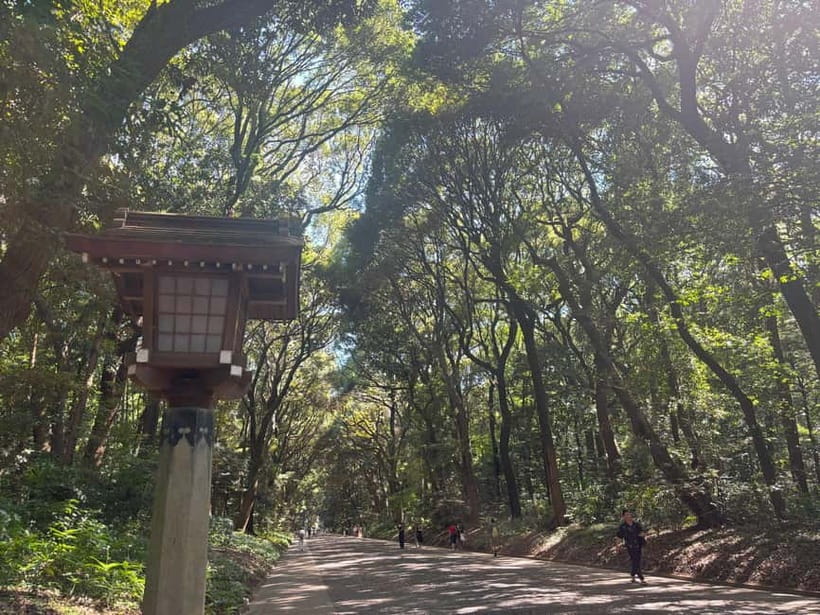
- Meiji Jingu in a forest setting: a shrine visit that feels like a breather inside the city
- Yoyogi Park as a reset: green space you can enjoy without overthinking it
- Takeshita Street with context: fun shops and street energy plus explanations
- Omotesando Avenue for modern Tokyo: stylish streets after the Harajuku buzz
- English guides with personality: expect humor and practical cultural stories (guides like Aska, Ritsuko, and Chit Ng Li are noted for this style)
From Harajuku Station to a shrine in the trees
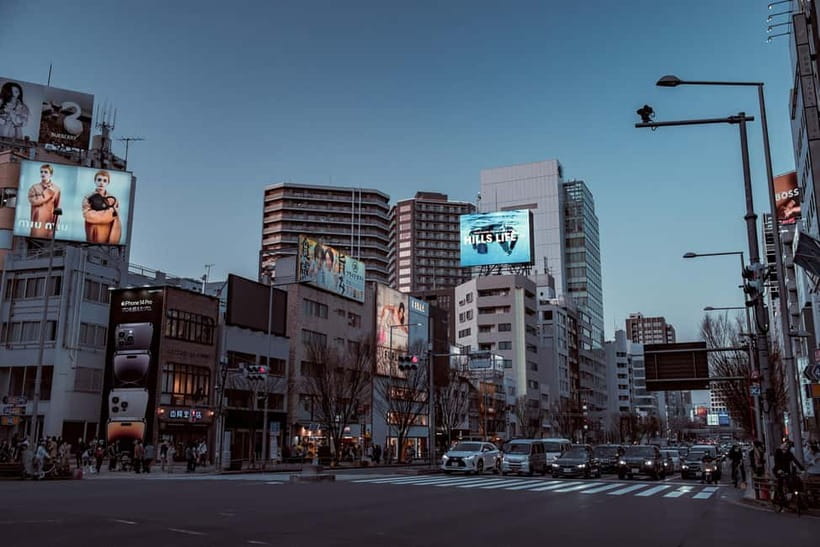
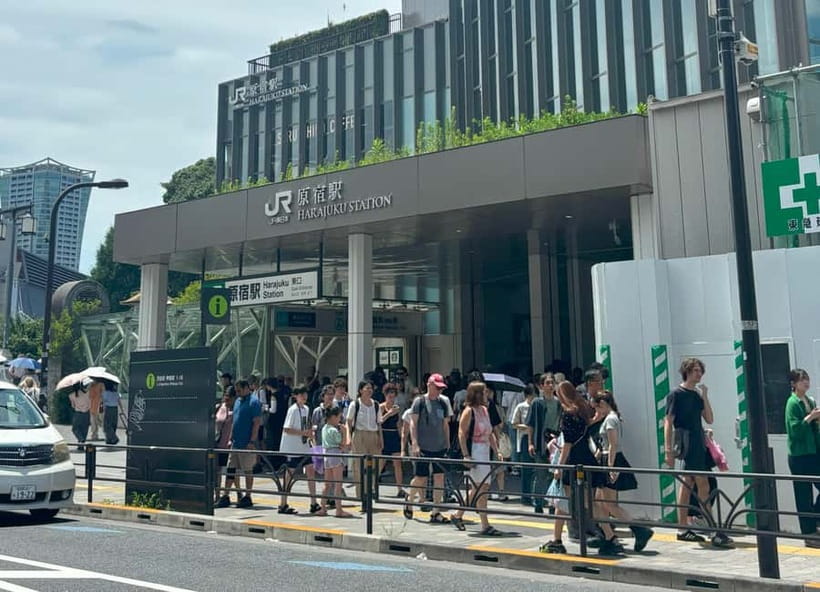
The day starts at JR Harajuku Station (West Exit). Go a little early—at least 10 minutes—because your guide won’t wait much past the start time. Look for a guide in a TripGuru shirt or holding a TripGuru sign so you can link up quickly and get moving.
This is a smart start for first-timers. Harajuku sits at a “you’re in Tokyo now” intersection of train lines and street life, and you can feel that change of pace immediately. Within minutes, you’re trading neon storefronts for a calmer footpath.
A tour like this works best because you don’t just look—you’re guided through the rhythm of the area. You get enough structure to know where to go next, but it’s still a walking experience that doesn’t feel like a classroom. And since the guide is English-speaking, you’re not stuck figuring out the meaning of everything on your own.
You can also read our reviews of more tours and experiences in Tokyo.



What you’ll pick up before you even reach the shrine
Even in the first stretch, a good guide helps you understand how the space is meant to be used. With Meiji Jingu nearby, that matters. If you show up knowing what to notice—ceremonial spaces, movement patterns, and the idea of respect in the layout—you’ll feel more grounded when you arrive.
Also: wear comfortable shoes. This isn’t “sit and sightsee.” You’ll be walking through multiple neighborhoods in a compact 3-hour block.
Meiji Jingu Shrine: tradition you can actually feel
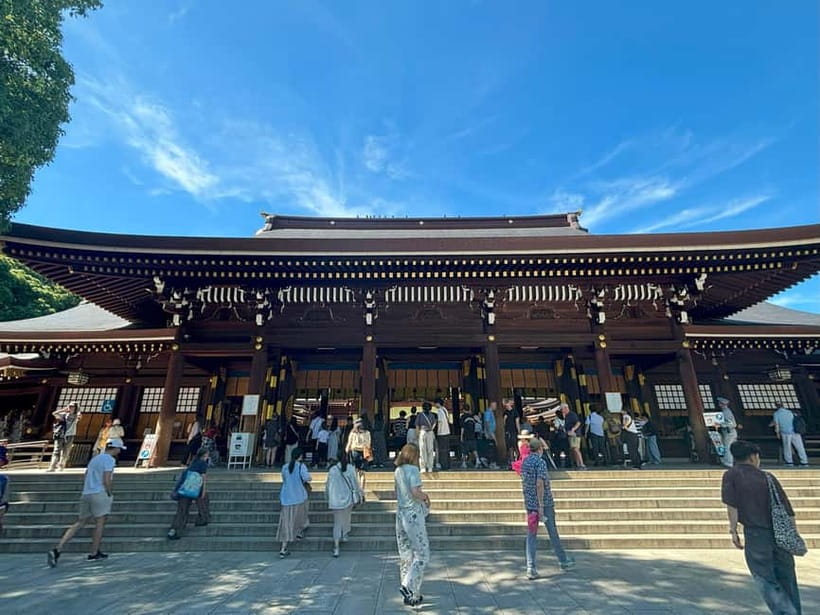
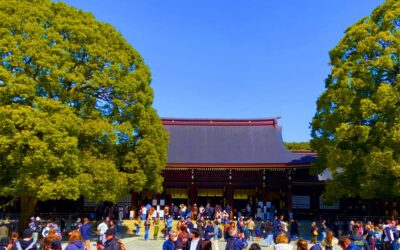
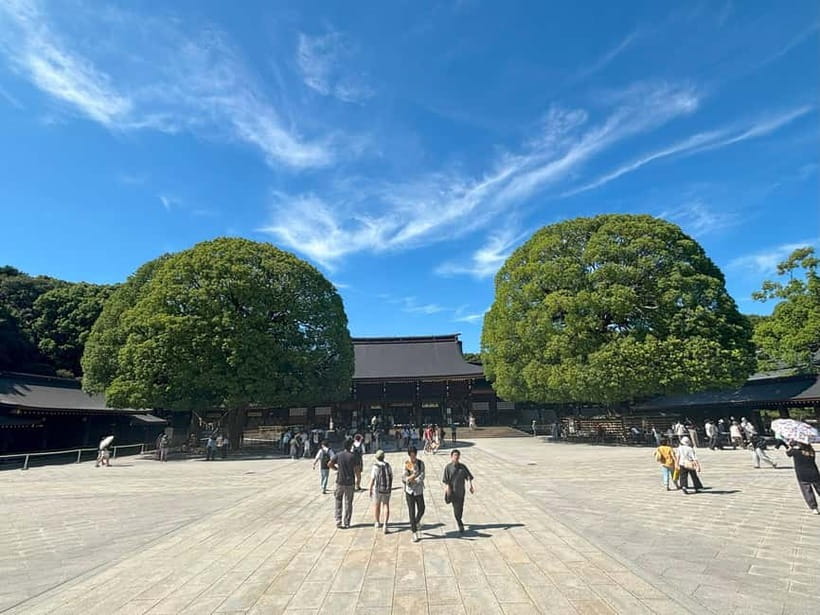
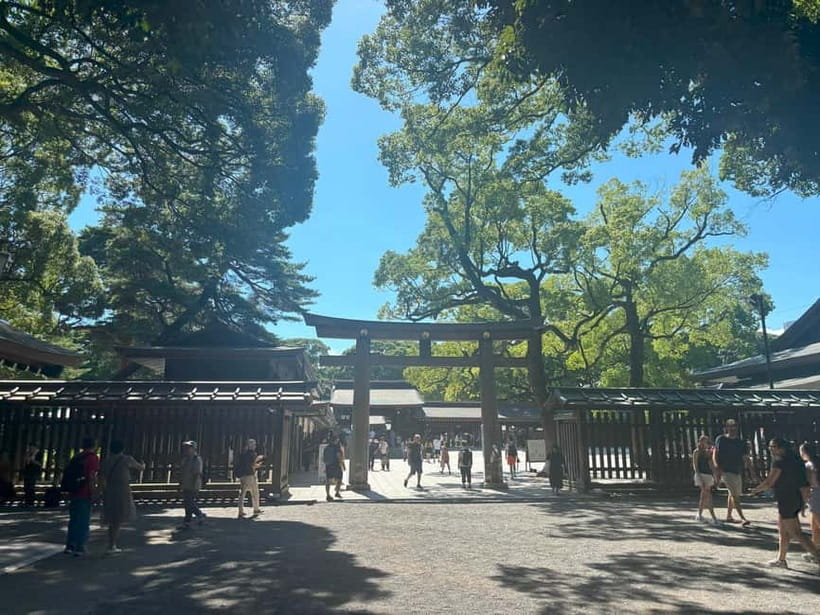
Meiji Jingu is the tour’s anchor. The main draw is simple: it’s Tokyo’s famous Shinto shrine, and it’s surrounded by a forest that cools the whole mood. You’re not just going to a landmark; you’re entering a place designed for quiet attention.
You’ll have time to visit with your guide, which is the difference between a rushed look and a meaningful one. A guide can explain the traditions and rituals in a way that makes the scene make sense, not just look interesting. That’s exactly the kind of moment people praise—guides sharing what’s happening and why, so the shrine visit feels special instead of like another stop.
The museum detail (and what it means for your budget)
There’s also a Meiji shrine museum option. The entrance fee is 1,000 yen per person and it’s not included in the tour price. If you’re the type who likes cultural context (artifacts, explanations, background), plan for it. If you’re more focused on the outdoors and the shrine atmosphere, you can treat it as an optional add-on and keep moving.
A practical tip for the shrine visit
Bring sunglasses and sunscreen if it’s sunny, and an umbrella if weather is uncertain. The walk between green areas and open patches can make you feel the day more than you expect. Comfortable shoes are non-negotiable here; you’ll want to walk slowly enough to absorb details.



Yoyogi Park: the calm between Harajuku’s two personalities
After the shrine, you get that welcome breather: Yoyogi Park. This is where Tokyo shifts gears. You’re still in the middle of the city, but the greenery helps you exhale. It’s a local favorite for a reason—people come to relax, watch the day happen, and enjoy seasonal scenery.
Your guide keeps the pace comfortable and offers simple context so you’re not just wandering. Even if you’re not sure what to look for, a short guided window helps you find the right corners and settle into the atmosphere.
Why this stop matters (beyond “pretty park”)
Harajuku is famous for pop culture, fashion, and loud visuals. If you go there right after a long train ride, it can feel like sensory overload. Yoyogi Park is a pressure-release valve. It helps your brain re-set before you step back into the youth-fashion intensity of the next stop.
It also makes the whole tour feel balanced: you get nature and ritual first, then shopping street after.
Takeshita Street: youth fashion, fun chaos, and smart guidance
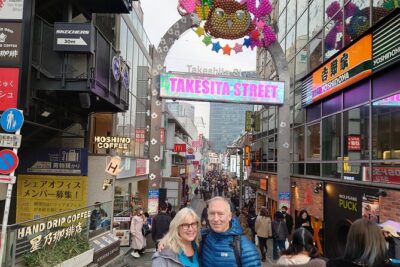
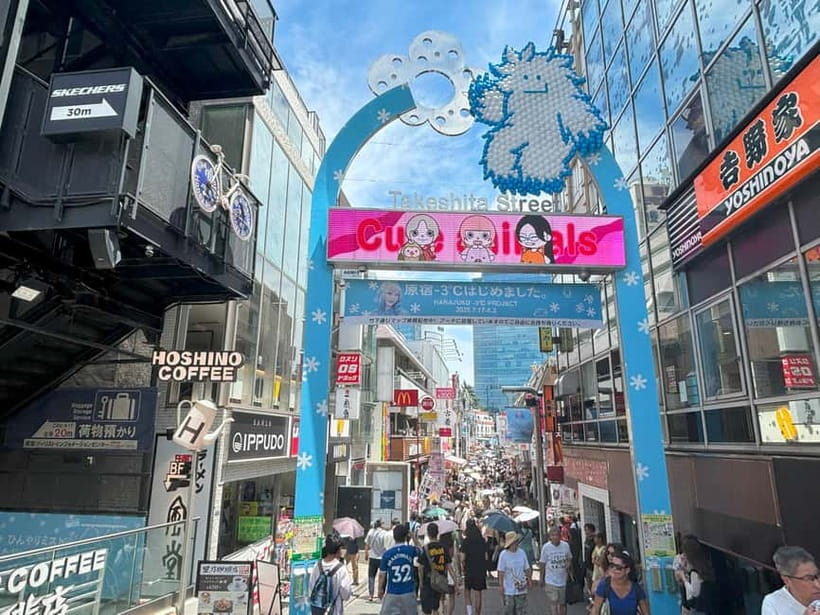
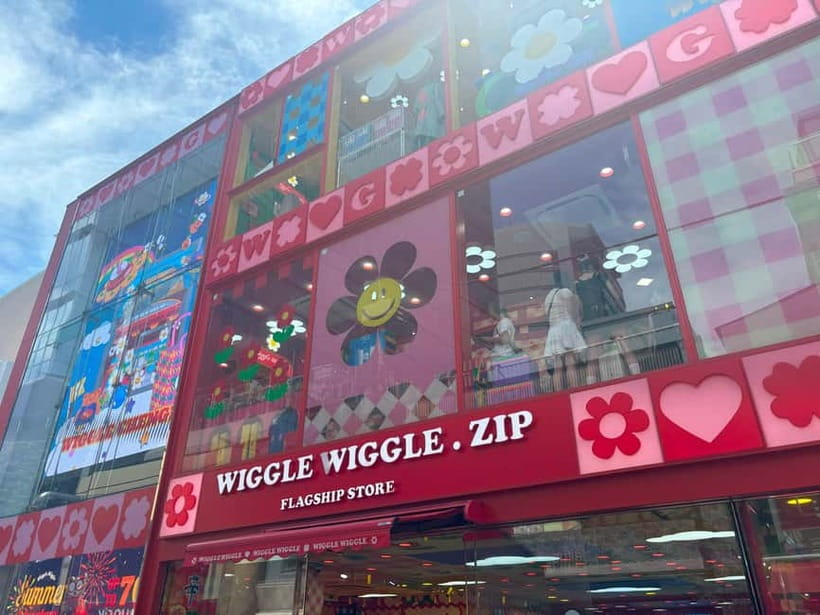
Now the tour leans modern. Takeshita Street is Harajuku’s hub for youth fashion and pop culture. Expect quirky shops, street snacks, and a lot happening on both sides of the sidewalk.
This is the kind of place where you can easily get lost or just walk past the best storefronts without realizing it. That’s why the guided part helps. A good guide doesn’t just point you toward popular things; they help you navigate the street’s vibe so you can browse with confidence.
What you’ll actually experience here
- Short bursts of shopping and browsing energy
- People-watching that’s actually interesting (not just random crowds)
- Street-level fashion that’s more creative than “just brands”
You’ll also likely get suggestions for what’s worth a look based on what your group likes. Small-group tours are particularly good for this, because the guide can adjust on the fly.
If you get overwhelmed easily
Takeshita Street can be a lot. Go in with a plan: treat it like a “choose-your-own-adventure” shopping street rather than an everything-stops-at-once mission. If you want photos, aim for the edges and side lanes where it’s easier to move. If you want snacks, grab something quickly and get back to walking—standing still takes the fun out of it.
Omotesando Avenue: style without the theme-park noise
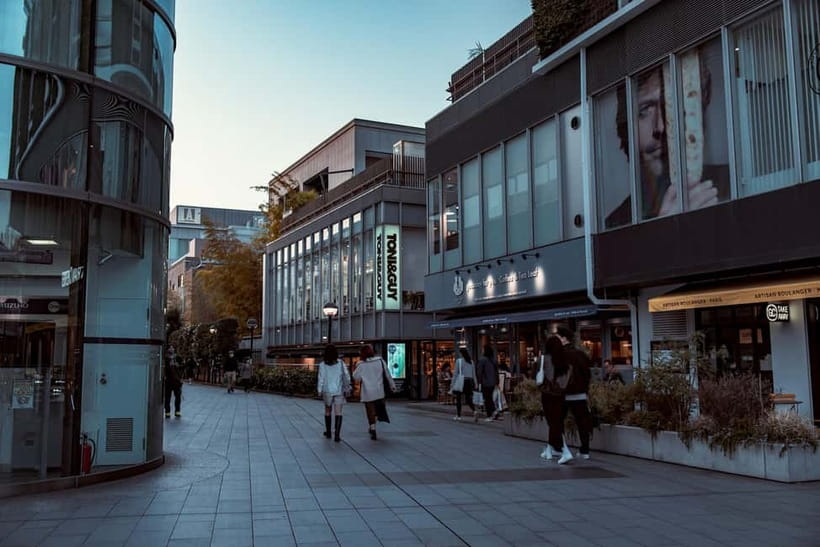
The tour ends in Omotesando Avenue, often compared to a stylish lifestyle corridor—modern architecture, boutiques, and upscale café culture. This part feels calmer than Takeshita Street, but still very “Tokyo,” with design-forward streetscape and a different kind of fashion crowd.
It’s a great finale because it changes the question from What is Harajuku? to What does modern Tokyo look like? After the playful street energy of Takeshita, Omotesando reads like the mature, polished cousin.
What I like about ending here
You don’t finish the tour drained. You finish curious. It leaves you with ideas for what to do next—maybe stepping into a boutique area, grabbing a coffee, or using the street layout to orient yourself for the rest of your day.
Since the tour is only 3 hours, the goal isn’t to exhaust the neighborhoods. It’s to set you up so you can keep exploring afterward without feeling completely lost.
Price and time: why $36 can be a good deal here
$36 per person for a 3-hour English-guided walking tour is reasonable when you think about the mix of stops. You’re covering three famous areas in a tight window: a major shrine, a central park reset, and two iconic fashion districts.
What you’re paying for isn’t just someone walking beside you. You’re paying for:
- An English-speaking guide to explain what you’re seeing
- A route that links distant-sounding neighborhoods into one smooth afternoon
- Built-in “what to notice” help, especially at the shrine
The only clear extra cost mentioned is the Meiji shrine museum entrance fee (1,000 yen) if you choose to go inside.
When this tour is best value
This tour is strongest if:
- You want a fast, organized taste of multiple Tokyo neighborhoods
- You don’t want to spend hours planning train routes and what to prioritize
- You enjoy explanations that make photos and sightseeing more meaningful
If you already know exactly where you want to go and you’re comfortable navigating alone, the value drops a bit. But for most first-timers, the guided flow makes the price feel fair.
What to bring (and what to skip)
You’ll enjoy the day more if you pack for comfort first. Bring:
- Comfortable shoes
- Sunglasses
- Umbrella
- Sunscreen
- A reusable water bottle
That’s the practical core. For “what to skip,” I’d avoid heavy bags. This kind of walking tour is easier if you can move quickly through crowds and storefronts without constantly adjusting your belongings.
Also keep in mind the meeting rule: be on time. Your guide will wait a maximum of 10 minutes past the meeting time, then the tour starts.
Who this tour fits best
This is a good fit if you want a clear, guided route that balances culture, calm, and style. It suits:
- First-time visitors who want a lot of variety in a short span
- People who like their sightseeing explained in plain English
- Travelers who prefer small groups and the option for a bit of flexibility
It’s not a good fit if you fall into any of these categories: pregnant women, people with mobility impairments, people with respiratory issues, or people with high blood pressure. The walking nature and pace aren’t set up for those situations.
Should you book this Tokyo tour?
If your goal is to see Tokyo’s traditional landmark side and its fashion street side in one compact afternoon, I think this is a smart booking. The combination works: shrine forest calm first, Yoyogi Park reset next, Harajuku youth energy after, then a stylish modern finish in Omotesando.
Book it if you:
- Want an English guide to explain the shrine and the street culture
- Prefer a structured route over “wandering and hoping”
- Like finishing with inspiration for your next neighborhood walk
Skip or reconsider if you can’t do a walking tour comfortably, or if you’re mainly looking for a deep, museum-heavy day. In that case, you’d likely want a different type of experience with more time in fewer places.
FAQ
Where do I meet the guide?
Meet at JR Harajuku Station West Exit. Look for a guide wearing a TripGuru shirt or holding a TripGuru sign.
What’s the tour length?
The tour runs for 3 hours.
How much does the tour cost?
The price is $36 per person.
What’s included in the price?
You get an English-speaking tour guide and a 3-hour guided walking tour.
Is the Meiji shrine museum included?
No. The Meiji shrine museum entrance fee (1,000 yen per person) is not included.
What should I bring?
Bring comfortable shoes, sunglasses, an umbrella, sunscreen, and a reusable water bottle.
Is there free cancellation?
Yes. You can cancel up to 24 hours in advance for a full refund.
Can I reserve now and pay later?
Yes. You can reserve now & pay later, meaning you can book your spot and pay nothing today.
Is the tour suitable for everyone?
No. It’s not suitable for pregnant women, people with mobility impairments, people with respiratory issues, or people with high blood pressure.