REVIEW · TOKYO
Tokyo full day private tour with Guide
Book on GetYourGuide →Operated by LUXY Tour & Travels · Bookable on GetYourGuide
Tokyo can feel huge. This day tour keeps it simple. You get a private luxury vehicle with door-to-door transfers, then a tightly planned route that hits the food markets, classic temples, and big-city viewpoints. I especially like the comfort of riding in a Toyota Vellfire or Crown (or Land Cruiser) style luxury car with air conditioning, and I also like that you can customize the itinerary so the day fits how you like to travel.
One thing to consider: the word guide can mean different things. In one case it sounded more like a driver doing point-to-point transfers than an active storyteller, with limited English and fewer explanations once you arrived. If you want real history and on-the-spot answers, I’d suggest setting expectations early and confirming you’ll have guided commentary at stops.
In This Review
- Key things to know before you go
- How this private Tokyo day works (pickup, timing, and customization)
- Tsukiji Fish Market: why a guided hour is worth it
- Sensō-ji Temple in Asakusa: the classic approach, with extra time to breathe
- Imperial Palace and the East Gardens: a calmer break inside the city
- Meiji Jingu forest shrine: the Tokyo contrast that actually helps
- Shibuya Crossing and Odaiba: modern Tokyo in one long storyline
- Imperial Palace East Gardens back-to-back with viewpoints: how to avoid “Tokyo fatigue”
- Tokyo Skytree and Tokyo Tower: two icons, one skyline day
- Luxury transportation and the guide question: what you should confirm before you book
- Price and value: $329 for a private day for up to 2 people
- Who should choose this tour, and who should skip it?
- Should you book this tour or plan your day yourself?
- FAQ
- How much does the Tokyo private day tour cost?
- How long is the tour?
- What stops are included in the tour?
- Is the tour private, and do we get door-to-door pickup?
- What vehicles are used for the luxury transportation?
- What languages are available for the live guide?
- Is the tour wheelchair accessible?
- Can I cancel for a refund or pay later?
Key things to know before you go
- Private door-to-door pickup: you start and end in Tokyo, no train transfers required
- Luxury ride options: Toyota Vellfire & Crown, plus Land Cruiser, with air conditioning
- Food + temples + viewpoints: Tsukiji, Sensō-ji, Meiji Jingu, plus Shibuya, Skytree, Tokyo Tower
- A second Sensō-ji block: plan to use the extra time to shop, snack, or slow down near the gates
- Observation choices at Skytree: Tembo Deck and Tembo Gallery, connected by a curved ramp
- Seven Plus Destinations claim: they pack a lot in, with a customizable flow rather than a rigid script
How this private Tokyo day works (pickup, timing, and customization)
This is built for one simple goal: reduce Tokyo friction. You’re picked up in Tokyo and dropped back at the end of the day, using a private luxury vehicle and a chauffeur. That matters because Tokyo is great, but getting across town can eat half a day if you’re relying on trains, taxis, and walking directions.
Your day runs about 9 hours on the schedule you choose, with the overall tour described as an all-day private experience of roughly 10 hours. The route is packed, but it’s also designed so you aren’t only rushing from one landmark to the next. You get multiple guided or sightseeing blocks, with specific on-the-ground time at places like Tsukiji Fish Market and Sensō-ji.
The biggest practical advantage is flexibility. The plan is customizable, so you’re not locked into one pace. If you love food, you can lean more into Tsukiji time and the surrounding streets. If you want quieter moments after busy areas, you can use the shrine and palace gardens to reset.
Also, don’t ignore the small comforts. They include complimentary free coffee and tea plus bottled drinks, which is the kind of detail that saves your mood when you’re in and out of markets and lines and sidewalks.
You can also read our reviews of more guided tours in Tokyo
Tsukiji Fish Market: why a guided hour is worth it
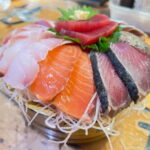
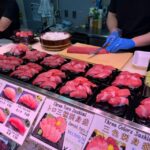
Tsukiji is often called Japan’s Food Town, and that label fits. It’s not just a place to look at seafood. It’s a whole food ecosystem: retail streets, wholesale activity, and lots of small spots where people eat what’s fresh and seasonal.
With a guided visit timed at about 1 hour, you’re not trying to absorb everything at once. You’ll get oriented first, then use the time to focus. This is also one area where a guide’s direction can help you avoid common tourist mistakes, like wandering the wrong lanes or missing the practical food windows.
What you can expect from the way Tsukiji is presented here is very hands-on. The market is described as a place where you can purchase ingredients chosen with expertise, have a meal, and even find activities such as learning how to cut fish. Even if your exact option depends on timing and what’s operating, the spirit of the market is action and food knowledge, not museum-style sightseeing.
My tip for your Tsukiji time: come with a plan for what you want to spend money on. If you’re hoping to taste seafood in several ways, keep purchases limited until you know what you like. If you’re buying ingredients, decide what you’d realistically use back home. In this kind of setting, spending can get emotional fast.
Sensō-ji Temple in Asakusa: the classic approach, with extra time to breathe
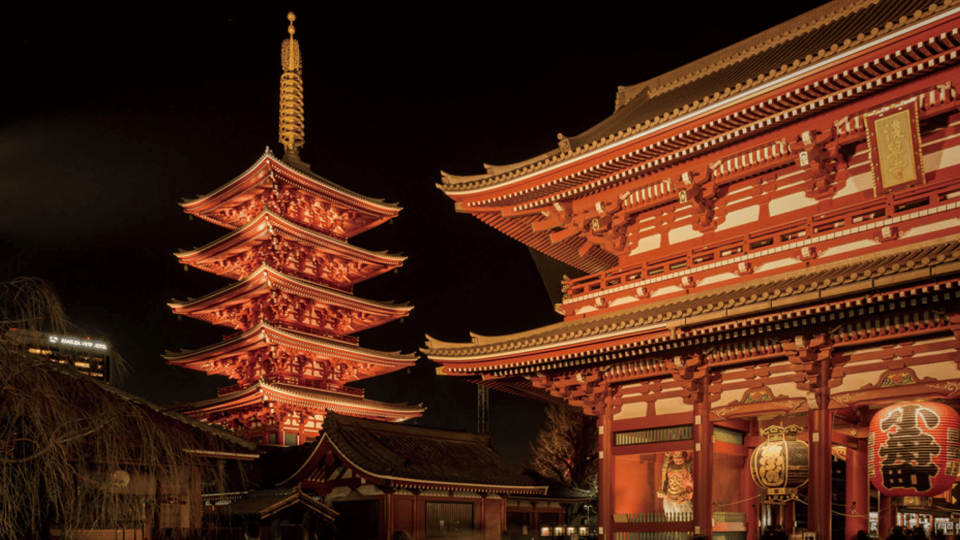
Sensō-ji is Tokyo’s most famous temple vibe, and you’ll feel it the moment you step into Asakusa. You’re seeing architecture and worship spaces, plus gardens and the traditional marketplace energy that wraps around the temple grounds. It’s one of the oldest temples in Tokyo and it’s devoted to Kannon, the Buddhist goddess of mercy.
In this day, you get two Sensō-ji moments: one guided visit of about 105 minutes, and later a walk/sightseeing block of about 1 hour. That second entry is quietly smart. It gives you a chance to return without feeling behind, whether you want to revisit the approach street, slow down near the statues and gate areas, or simply walk and take photos at a less hectic pace.
There’s also a lot of symbolic detail at Sensō-ji. The route includes gates, shrines, and hallways watched over by statues of various gods. Even if you’re not a religion scholar, noticing what’s where makes the experience click. A good guide can connect what you’re seeing with the meaning behind it.
One practical note: the itinerary wording here suggests the day can be very structured. If you care about explanations like years of construction or the meaning of key features, ask for that directly. Based on a real-world service pattern, this is the kind of question that separates a true guided tour from a transfer-only day.
Imperial Palace and the East Gardens: a calmer break inside the city
After Tsukiji and temple time, the day needs a reset. That’s what the Imperial Palace stop and East Gardens are for. The Imperial Palace has housed successive Emperors from 1868 to the present, and it includes both formal residences and the Imperial Palace complex.
Even if you’re visiting at a non-ceremony time, the context matters. You’re walking in a place where the formal Imperial Residence exists, and you’re also in the area where public events and ceremonies can be held.
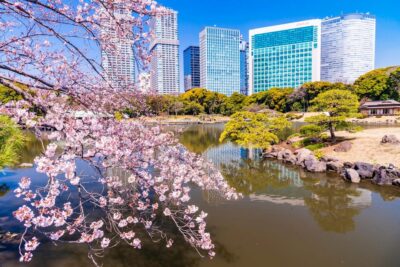
Then you get the East Gardens of the Imperial Palace, which are accessible to the general public. This is a great mid-tour “exhale” option. You go from crowded streets and market energy into controlled calm and wide open space.
My way to use this time: don’t just speed-walk for photos. Take a few minutes to look around and note the difference in how Tokyo “sounds” here. That shift can be more valuable than squeezing in one extra photo angle.
Meiji Jingu forest shrine: the Tokyo contrast that actually helps
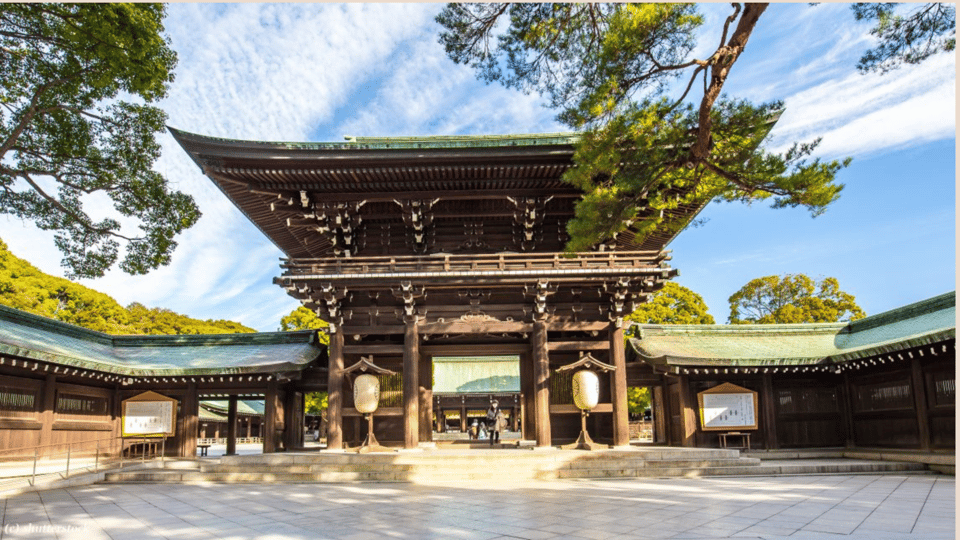
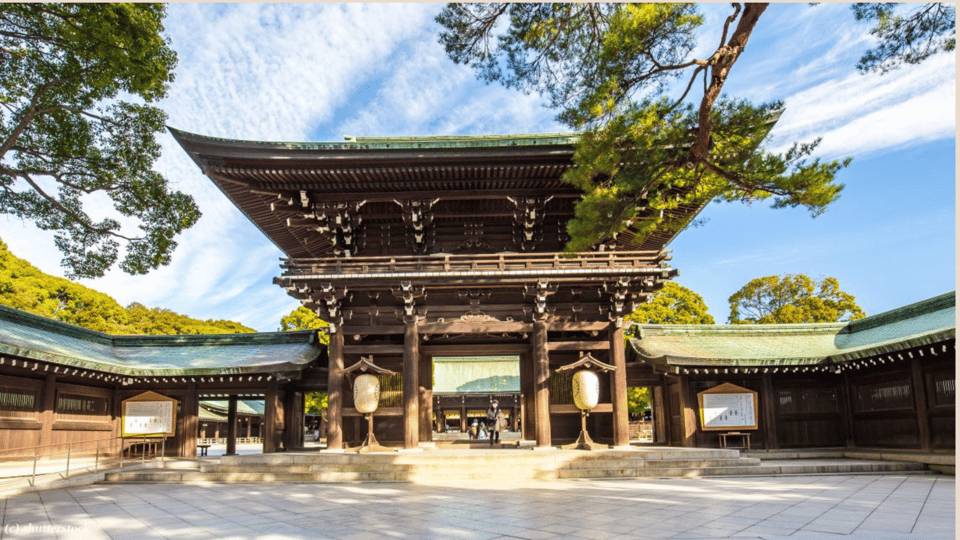
Meiji Jingu is a Shinto shrine in central Tokyo, surrounded by a forest-like area of about 70 hectares. When you step into it, you genuinely feel like the city noise gets muted behind you.
This stop is described as being founded in 1920 to honor Emperor Meiji and Empress Shoken, who helped drive Japan’s modernization. The shrine is open daily, but hours change with the seasons, so this is one of the places where your timing matters.
In a day tour that also hits Shibuya, Skytree, and Odaiba, Meiji Jingu gives you contrast. It also gives your feet a break from constant sidewalk energy. You’re walking through a space designed for reflection and ritual flow, not for constant crowds moving in every direction.
If you’re the type who likes meaning and atmosphere more than ticking landmarks, Meiji Jingu is often the most satisfying stop of the day.
You can also read our reviews of more private tours in Tokyo

Shibuya Crossing and Odaiba: modern Tokyo in one long storyline
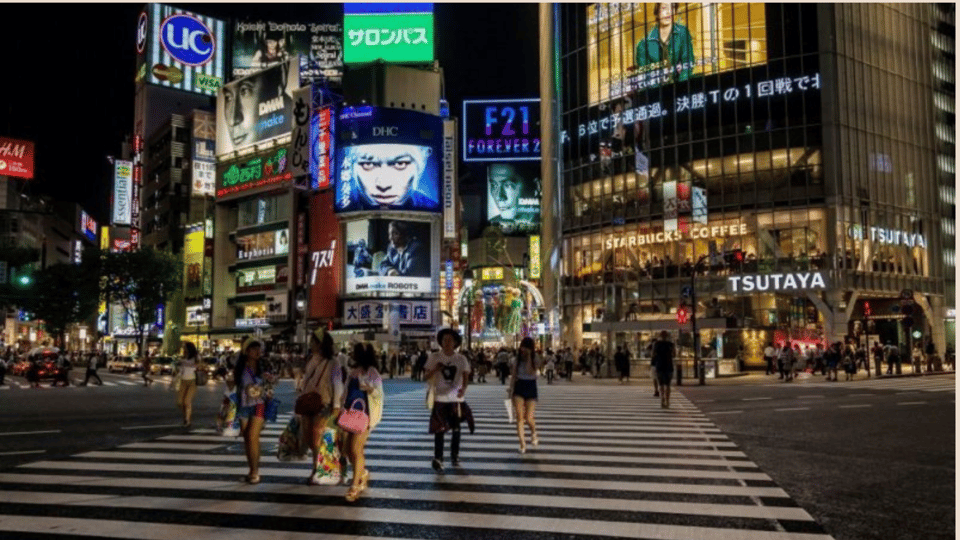
Shibuya Crossing is the kind of Tokyo scene that makes jet lag feel real. Outside Shibuya Station you get a man-made island area with a major scramble intersection, huge screens on buildings, and a nonstop flow of pedestrians in multiple directions. Even the lighting and advertising around the intersection keep going through the day.
Here, your visit is about guided time plus sightseeing/walking time. In practice, this is your “move with the city” block. You’ll see the rhythm, get your bearings quickly, and learn what to look at so you’re not just standing in the crowd scrolling a phone.
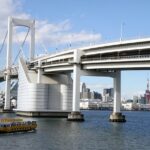
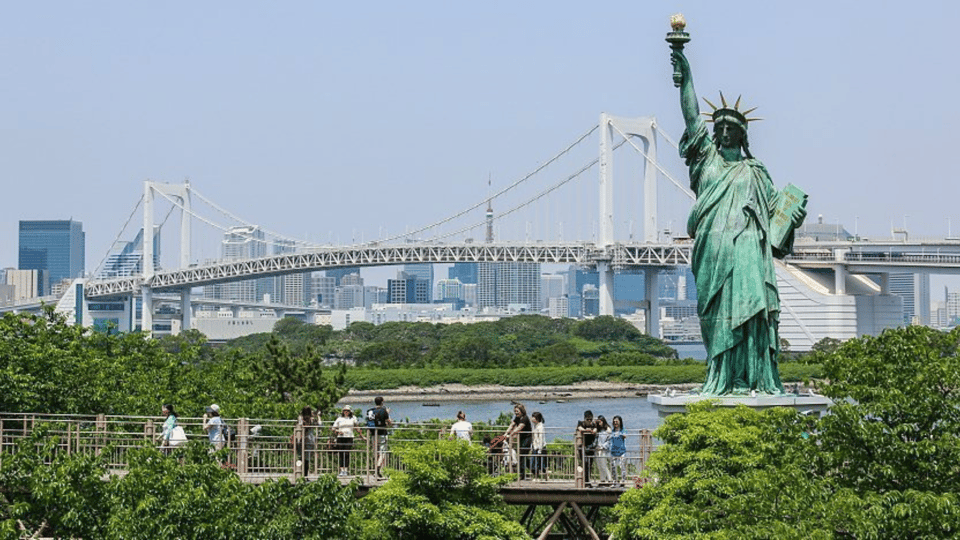
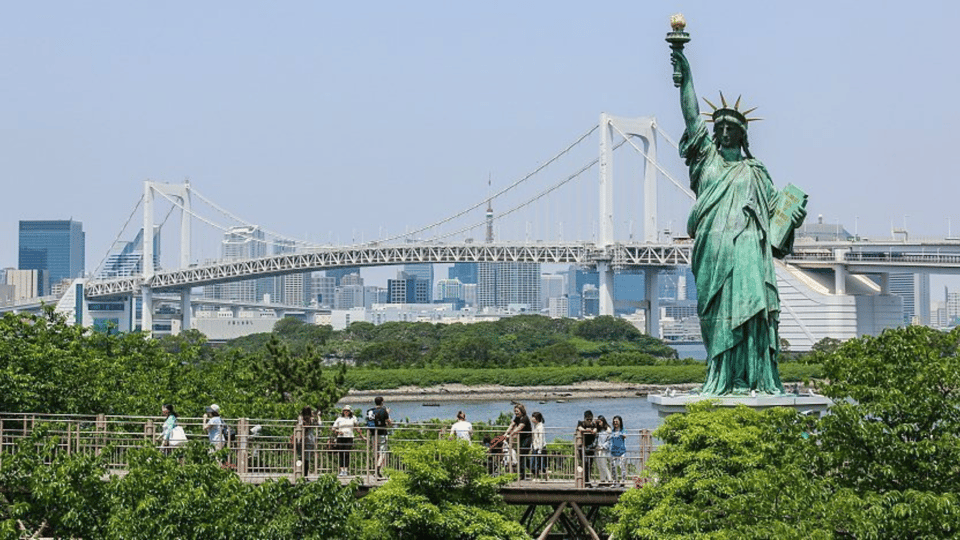
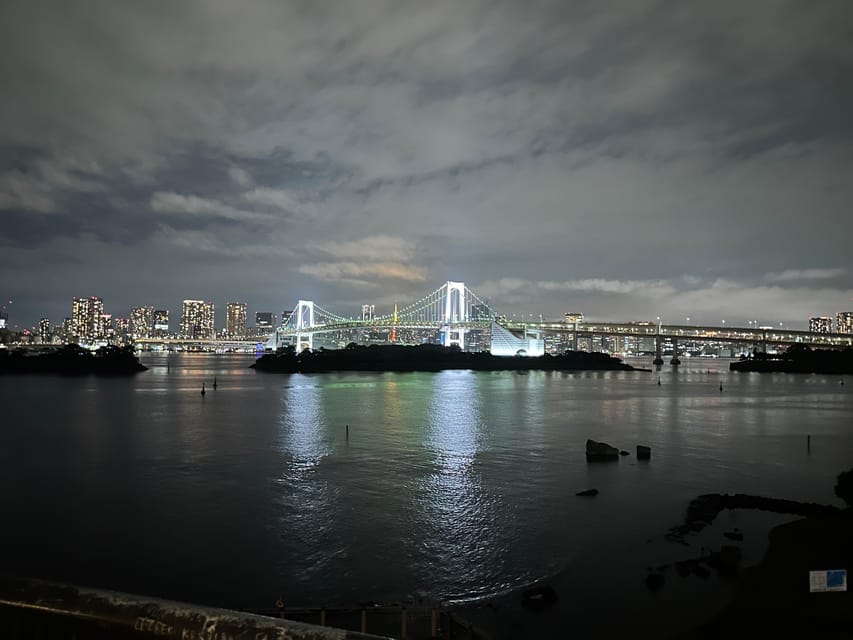
Then you shift to Odaiba, a popular retail and leisure zone on a man-made island in Tokyo Bay. The origin story is part of what makes the area interesting: daiba literally refers to fort islands built in the late Edo Period to defend Tokyo from maritime attack, especially in response to Commodore Perry’s gunboat diplomacy.
Odaiba tends to feel more “planned” than older neighborhoods. It’s a good place to walk, browse, and refuel between sightseeing blocks. In this itinerary, Odaiba gets a longer visit window (about 2 hours), which helps because it’s not only about seeing one monument. It’s a place where you can adjust your pace and let your interests steer you.
Imperial Palace East Gardens back-to-back with viewpoints: how to avoid “Tokyo fatigue”
This itinerary includes multiple big-feeling stops without huge gaps: Imperial Palace/East Gardens, then later Skytree and Tokyo Tower. That’s why the tour’s pacing and your personal strategy matter.
If you try to treat every stop like a museum gallery, your energy can drop fast. Instead, think like this:
- one stop for atmosphere (Meiji Jingu)
- one stop for meaning (Imperial Palace / East Gardens)
- one stop for city spectacle (Shibuya Crossing)
- one stop for skyline payoff (Skytree and Tokyo Tower)
The East Gardens and the shrine both offer calm walking. Use them to reset before you hit your tower time.
Tokyo Skytree and Tokyo Tower: two icons, one skyline day
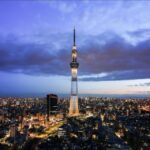
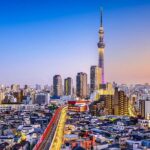
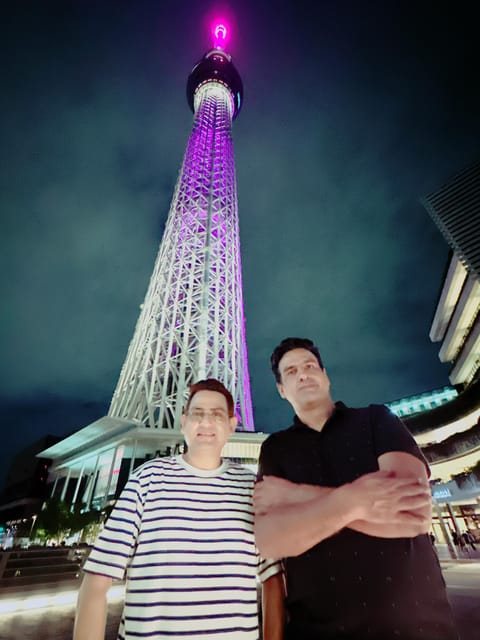
Tokyo Skytree is a communications and broadcasting tower that opened on May 22, 2012, and it was described as the second-tallest building in the world at 2,080 feet (634 meters). Public observation access is split between two decks: Tembo Deck and Tembo Gallery (also called Galleria).
The Tembo Gallery is divided into two levels connected by a curved circular ramp. That detail matters because in a short visit window, you might prefer a route that gives you the most view time with the least backtracking.
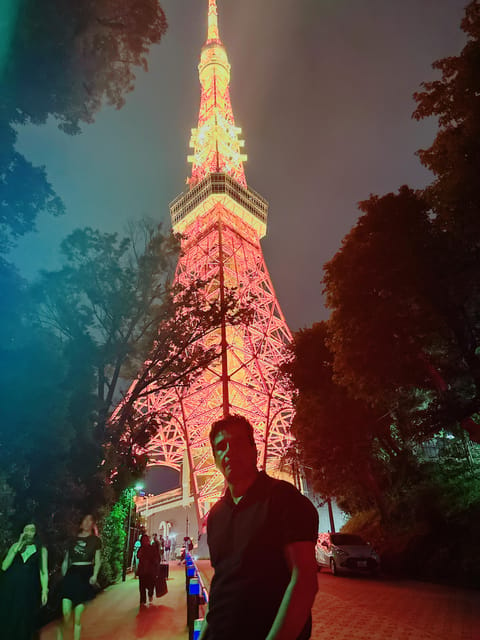
Skytree and Tokyo Tower together can feel like overkill. But the value here is perspective: you’re seeing Tokyo from two different icon viewpoints on the same day. You also get more chances for light and weather shifts. If one tower view feels washed out, you can still enjoy the other.
Your tour block at Skytree is about 1 hour for sightseeing/walking, and Tokyo Tower is about 1 hour as well. That timing can work if you’re decisive. If you want both observation floors at Skytree, you might need to move briskly. If you mainly want the view and photos, you can spend more time looking out and less time reading.
Luxury transportation and the guide question: what you should confirm before you book
Let’s talk straight about the “private guide” promise. The tour is sold with an experienced English-speaking chauffeur, but the real-world difference is how much your person acts like a guide versus a driver.
One positive pattern shows up clearly: when the guide is strong, the day feels smooth and satisfying, and the explanations land at the right moments. Another pattern shows up as a warning: in at least one instance, the person arriving was more of a transfer driver than a true guide, with English that wasn’t strong and fewer answers about temple meaning and construction years.
So here’s what you should do if you want the guiding part to deliver:
- before pickup, message that you want history and explanations at Sensō-ji and the palace areas
- ask whether your guide will walk into the sites with you and answer questions, not just point out where to go
- decide what language you want, and confirm it clearly
If you do that, you’re more likely to get the full value of a private experience rather than just a comfortable car ride.
Price and value: $329 for a private day for up to 2 people
At $329 per group for up to 2 people, you’re paying for privacy and logistics. For two passengers, that can land around $165 per person for a full day, which starts to look fair when you compare it to paying for multiple taxis or trying to assemble a similar route by train plus private transfers.
The value isn’t just the car. It’s the structure and the included stops: Tsukiji Fish Market, Sensō-ji Temple, Tokyo Imperial Palace, Meiji Shrine, Odaiba, Imperial Palace East Gardens, Shibuya Crossing, then Skytree and Tokyo Tower. It’s also the fact that you get hotel pickup and drop-off, highway taxes and fuel covered, and the ability to customize.
This tour is a strong fit if you’re:
- traveling as a couple or small group and want a single car
- short on time and want maximum Tokyo landmarks in one shot
- someone who prefers a chauffeur and a plan over constant transit figuring
It’s a less perfect fit if:
- you’re very budget-focused and only want to visit one or two areas
- you hate tight schedules and want total freedom
- you want deep guided interpretation but aren’t willing to confirm your guide expectations ahead of time
Who should choose this tour, and who should skip it?
This is best for travelers who want Tokyo to feel efficient without feeling like a checklist. It also helps if your travel style is “see the big stuff with context,” especially at places like Kannon at Sensō-ji, the Imperial Palace setting, and the forest calm of Meiji Jingu.
One caution from the provided details: it’s not suitable for people over 95 years. If that’s relevant, check alternative options with a lower walking load and more flexible timing.
Wheelchair access is noted, which is a big plus for mobility needs. Still, because the itinerary includes walking at multiple landmarks, it’s smart to ask what the day looks like on the ground for your specific needs.
Should you book this tour or plan your day yourself?
If you want the easiest way to hit Tokyo’s highlight mix—food market energy, temple culture, major modern intersections, and skyline icons—this private tour is worth serious consideration. The luxury vehicle, door-to-door pickup, included stops, and customization are practical wins, especially if you’d rather spend your energy looking at Tokyo than figuring out routes.
I’d book it if you also do one small thing first: set expectations about what you mean by guided. If you confirm that your guide will explain and not just drive, you’re much more likely to get the full experience.
I’d think twice if you’re the type who enjoys planning every detail yourself and you don’t care much about commentary. In that case, you can build a similar day on public transit and decide how long to linger at each stop.
FAQ
How much does the Tokyo private day tour cost?
It costs $329 per group (up to 2 people).
How long is the tour?
The duration is listed as about 9 hours, and the experience is also described as an all-day private tour of approximately 10 hours. Starting times depend on availability.
What stops are included in the tour?
The tour includes Tsukiji Fish Market, Sensō-ji Temple, Tokyo Imperial Palace, Meiji Shrine, Odaiba, Imperial Palace East Gardens, Shibuya Crossing, and also visits to Tokyo Skytree and Tokyo Tower.
Is the tour private, and do we get door-to-door pickup?
Yes. It’s a private group tour with a private vehicle and driver, including hotel pickup and drop-off and door-to-door transfers.
What vehicles are used for the luxury transportation?
The luxury vehicles mentioned include Toyota Vellfire and Crown, and also Land Cruiser.
What languages are available for the live guide?
Live tour guide languages listed are English, Hindi, Japanese, Urdu, Punjabi, Spanish, Vietnamese, and Bengali.
Is the tour wheelchair accessible?
Yes, wheelchair accessibility is listed.
Can I cancel for a refund or pay later?
Free cancellation is available up to 24 hours in advance for a full refund, and there is a reserve now & pay later option to keep travel plans flexible.