REVIEW · TOKYO
Asakusa: Kimono Tea Ceremony with Matcha and Sweet
Book on GetYourGuide →Operated by GLOBA Inc. · Bookable on GetYourGuide
Kimono first, tea calm, Tokyo afterward. In Asakusa, this 90-minute experience turns matcha-making into a full cultural ritual, starting the moment you choose your kimono.
I especially like the kimono dressing process and the hands-on matcha whisking. You get clear English guidance on what tea ceremony principles mean, plus seasonal wagashi to taste right after your bowl.
One thing to consider: the mood is quiet and the seating is mostly tatami mats, with no shoes allowed during the ceremony. If you need constant motion, this may feel slower than you expect.
In This Review
- Key things you’ll remember
- Asakusa kimono dressing: where the fun starts
- The tea room etiquette: Wa, Kei, Sei, Jaku made practical
- Watching matcha tools used with care
- Whisking your own matcha: the part you’ll brag about
- Wagashi pairing: seasonal sweets with real attention
- Seating, shoes, and comfort: how the 90 minutes stays manageable
- What you get for $66: value that includes the hard parts
- Who should book this and who should skip it
- Should you book Kimono Tea Ceremony in Asakusa?
- FAQ
- How long is the kimono and tea ceremony experience?
- Is the tea ceremony guided in English?
- Are shoes allowed during the experience?
- Can I use a chair instead of sitting on tatami mats?
- Is hair styling included, and who is it for?
- Are children allowed?
Key things you’ll remember
- Kimono choice that includes obi and matching accessories, not just a quick rental
- Hair styling for women with long hair, so your look is finished, not improvised
- A guided explanation of Wa, Kei, Sei, and Jaku before you lift the tea tools
- You whisk your own matcha, after watching a careful demonstration first
- Photo setup inside and a small garden area for easy, well-lit shots in kimono
- Small-group feel (about 12–14 participants) that stays comfortable and personal
Asakusa kimono dressing: where the fun starts
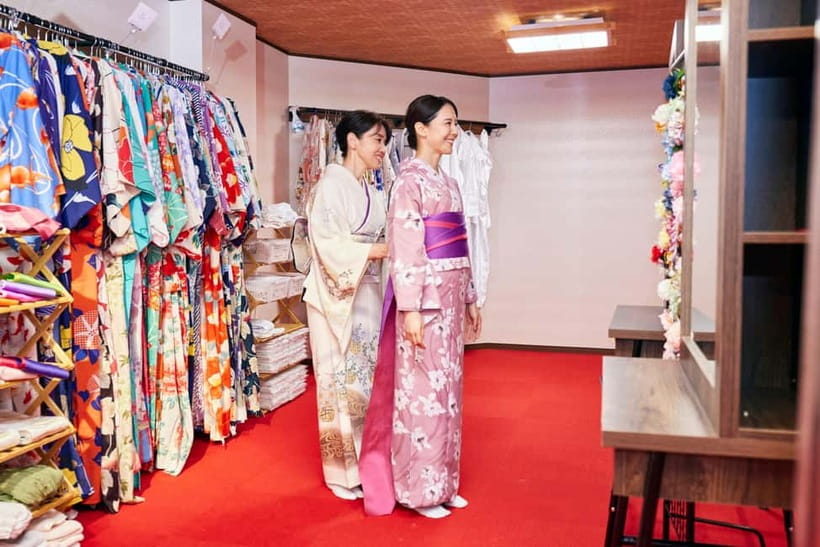
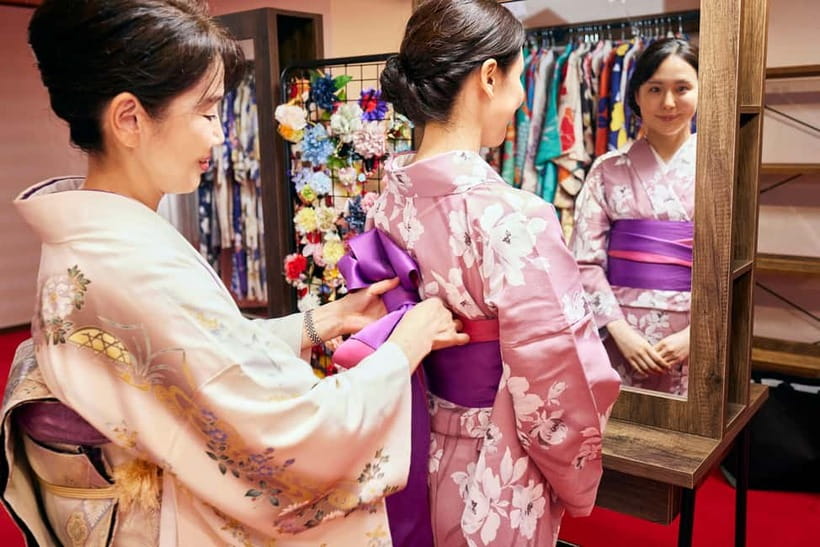
The first part is all about your outfit. You choose a seasonal kimono with help from staff, and it feels more like getting dressed for a special event than borrowing clothing. Then they move through the details: obi tying, accessories, and making sure it looks right on you, in real time.
If you’re a woman with long hair, hair styling is included. One review called out that the hairstylist was quick and the result looked effortless—exactly what you want, because a ceremony is not the moment to fight with pins. (Short hair is not mentioned as eligible, so plan around that.)
Also, this is one of those Tokyo experiences where your photos are part of the flow, not an afterthought. Reviews mention styled photo spots set up inside, plus a small garden area for pictures. And yes, some people are allowed to keep the kimono on afterward for sightseeing, so you’re not limited to one room and done.
You can also read our reviews of more tours and experiences in Tokyo.



The tea room etiquette: Wa, Kei, Sei, Jaku made practical
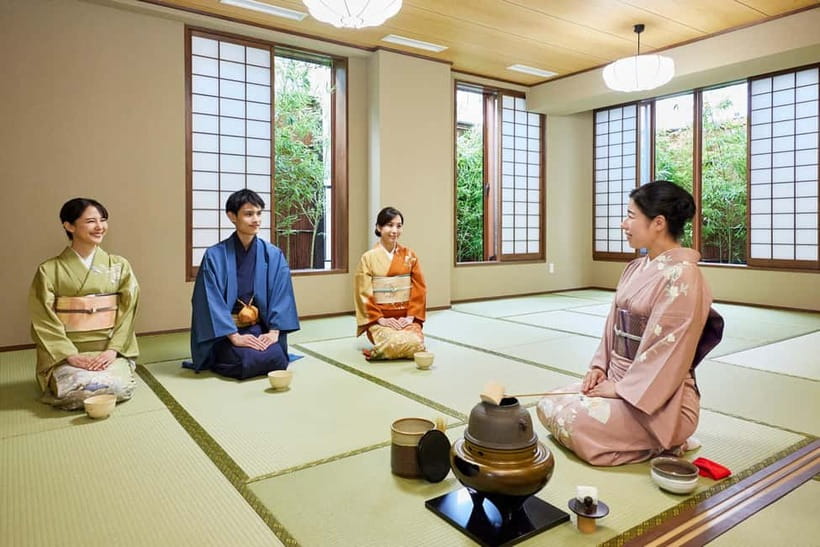
Next you settle into the tea room, where the tone shifts. The whole ceremony is calm by design. You’re not rushing through steps; you’re learning why each gesture matters.
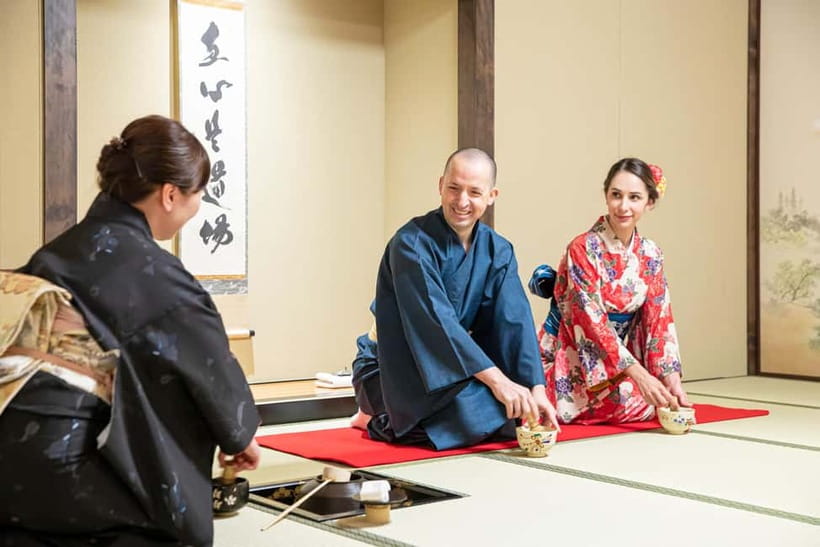
The guide explains the Zen principles behind the ritual: Wa (harmony), Kei (respect), Sei (purity), and Jaku (tranquility). What I like is that this isn’t just memorizing words. You see the attitude show up in how the host handles tools carefully and how you’re guided to do things at the right pace.
You’ll also notice the bilingual setup. The staff are described as supporting English guidance throughout, and reviews include moments where the host used Japanese first, then added English when needed. That matters because it helps you stay in the loop even if some terms move fast.
Different hosts show up in reviews—Mia, Wakana, Yoko, Kyoko—but the common thread is the same: they explain the presentation clearly and keep it friendly. One guest even noted the host was respectful and detailed, which is what you want when you’re learning a ritual you’ve only seen in videos.
Watching matcha tools used with care
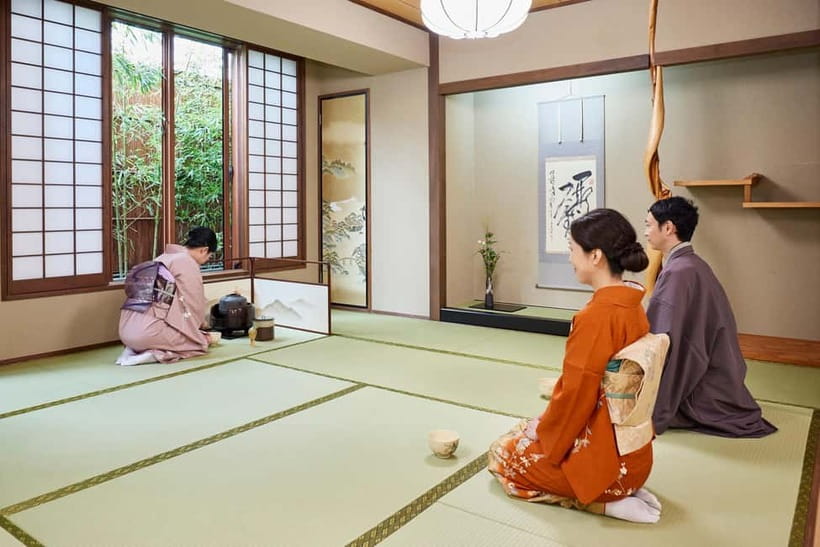
Before you try anything, you watch. The host demonstrates matcha preparation with precise handling of utensils. The tea tools are treated like real artifacts, not props, and that changes your mindset immediately. Instead of thinking, I’m here to drink green tea, you start thinking, I’m learning how to perform a sequence.
The tools and pace are also why this works well for beginners. You don’t need prior tea knowledge. The guide sets the tempo, shows the motions, and explains what you’re looking at—then you copy it when it’s your turn.
One more practical note: the ceremony is quiet. Conversations are kept minimal, and you’ll be sitting and focusing. That can feel calming if you want a break from Tokyo noise. It can feel too still if you’re hoping for a lively, party-style activity.
Whisking your own matcha: the part you’ll brag about
Then comes your turn. You’ll whisk your own bowl of matcha. This is where the experience stops being just cultural theater and becomes personal.
You’ll follow the guide’s steps for preparing matcha, and the instructions are in English. Reviews repeatedly mention that the matcha portion was not only fun, but also informative—people loved learning the traditional way, then getting to try the technique themselves.
What to expect emotionally: the first attempt can feel a little awkward because you’re sitting in seiza-style posture on tatami and following a ritual sequence. But guides typically coach you through it. By the end, you have something tangible in your hands: a bowl of green tea you made.
And yes, it tastes like matcha. You’re also not drinking it alone. The ceremony includes your matcha paired with seasonal wagashi.
Wagashi pairing: seasonal sweets with real attention
Wagashi are part of the point. These are Japanese sweets designed to complement the tea, and they change with the season. You’ll taste the matcha right alongside the wagashi, so you experience the pairing as a whole.
One review specifically mentioned the wagashi being vegan friendly. Since the sweets are seasonal, I wouldn’t assume every batch is the same, but it’s a helpful data point if you eat plant-based. If you have any dietary needs, you’ll want to check with the operator directly before your session.
Either way, the sweets add warmth after a quiet tea portion. You’re not just drinking bitterness; you’re balancing it with something delicate, often shaped to reflect the current season. Even if you’re not a big sweets person, tasting wagashi is one of the best ways to get a fuller picture of what tea culture feels like on the inside.





Seating, shoes, and comfort: how the 90 minutes stays manageable
The ceremony runs about 90 minutes. That time includes dressing, the tea presentation, your matcha attempt, and the tasting portion. Most of it happens indoors, with tatami mats involved.
Two practical constraints matter here:
- Shoes are not allowed.
- Tatami seating is the default.
If you prefer not to sit on tatami, bamboo chairs are available—but only if you request them in advance. That’s worth doing if you’re sensitive to knees or ankles, or if you simply want to enjoy the ritual without extra discomfort.
Also, the group size is around 12–14 participants. That’s small enough to feel personal, but large enough that staff will be moving around quickly. It means the experience can feel well-paced: you’re not waiting forever, but you also aren’t singled out every second.
One small bonus: reviews mention that there’s time and help for photos, including staff assisting couples and solo travelers. If you want kimono photos without hassling with strangers, this is a real advantage.
What you get for $66: value that includes the hard parts
At $66 per person for a 90-minute session, the value comes from what’s included rather than what’s sold separately. Here’s the “you’re paying for this” list:
- Traditional tea ceremony with English guidance
- Kimono rental plus professional dressing
- Hair styling for women with long hair
- Matcha green tea preparation
- Seasonal wagashi
- (Optionally) bamboo chairs if you request ahead
If you’ve ever priced kimono dressing on its own in Tokyo, you know the cost can climb fast. This package bundles the hard parts—clothing, correct fitting, and the tea instruction—into one experience. You’re not just buying a drink; you’re paying for guidance and time in a structured ceremony.
One more detail: this is not an all-day meal event. There are no meals included beyond the wagashi. So if you’re hungry, plan a meal before or after. The ceremony itself is designed to be calm and focused, so don’t turn it into a rushed pit stop.
Who should book this and who should skip it
This is a great fit if you want:
- A real cultural activity, not just a photo-op
- Hands-on matcha preparation
- A kimono experience with actual dressing help
- English guidance throughout
It’s also a good choice for solo travelers. One review described extra photo attention for a solo guest, which is exactly the kind of thoughtful touch that makes a small group activity feel welcoming.
I’d be more cautious if you:
- Need lots of movement or noise and energy
- Have strong mobility limits with tatami seating (chair requests are possible, but plan ahead)
- Are traveling with children under 7, since children in that age range are not permitted
Should you book Kimono Tea Ceremony in Asakusa?
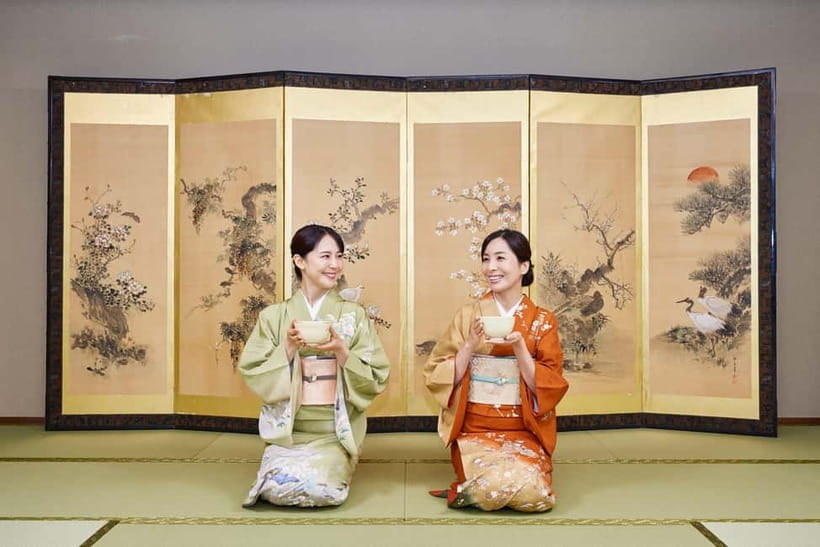
If you want one high-impact Tokyo experience that blends dressing up, calm tradition, and a hands-on skill (whisking matcha), I think it’s an easy yes. The price makes sense because kimono rental and professional dressing are baked in, and you also get English instruction plus wagashi.
Book it especially if you care about getting the details right—like how the ceremony tools are handled and what the etiquette principles mean. And if you’re hoping for comfortable seating, make sure you request a bamboo chair ahead of time.
If you’re chasing fast thrills, skip it and choose something more active. This one is about quiet attention, careful steps, and leaving with photos you’ll actually want to keep.
FAQ
How long is the kimono and tea ceremony experience?
It lasts about 90 minutes, with starting times depending on availability.
Is the tea ceremony guided in English?
Yes. The instructor provides English guidance throughout the experience.
Are shoes allowed during the experience?
No. Shoes are not allowed.
Can I use a chair instead of sitting on tatami mats?
Yes. Bamboo chairs are available upon advance request.
Is hair styling included, and who is it for?
Hair styling is included for women, but it’s listed as long hair only.
Are children allowed?
Children under 7 years old are not permitted.