REVIEW · TOKYO
Tokyo: Learn about Japanese Traditional art KABUKI in Ginza
Book on GetYourGuide →Operated by gotcha Corporation · Bookable on GetYourGuide
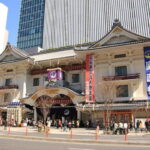
Kabuki culture in 90 minutes, right in Ginza. This short tour is a practical way to get oriented with Japan’s famous stage tradition, starting with a guided walk through the Kabukiza gallery and ending with a shopping mission for Kabukiza-only souvenirs. One important heads-up: Kabuki viewing isn’t included, so you should not expect a short performance as part of the ticket.
After the Kabukiza stop, you’ll also swing by Mitsukoshi Ginza, a department store with over 350 years of history—perfect if you want a more modern side of traditional Japan. This is a small-group, English-guided experience (up to 9 people) that’s built for people who want the cultural highlights without spending half a day getting ready for theater.
In This Review
- Key things to know before you go
- Kabukiza in Ginza: why this 90-minute format works
- Meeting at Nissan Crossing: getting oriented fast
- Kabukiza gallery with a guide: what you’re really learning
- Kabukiza-only shopping: where the value hides
- Mitsukoshi Ginza: a 350+ year old department store detour
- Guide quality and small-group pacing (and why it can change your day)
- Price and value: is $51 fair for what you get?
- Who should book this Kabuki in Ginza tour
- Should you book? My decision checklist
- FAQ
- Where is this Kabuki experience located?
- How long is the tour?
- How much does it cost?
- What’s the meeting point?
- Is the tour in English?
- What is included in the ticket price?
- Is Kabuki viewing included?
- FAQ
- How many people are in the group?
- Can I cancel for a full refund?
- Is there a pay later option?
- Are shopping costs included?
- Will I have time for souvenirs?
- What is the main focus besides shopping?
- Does the tour stop at Mitsukoshi Ginza?
Key things to know before you go
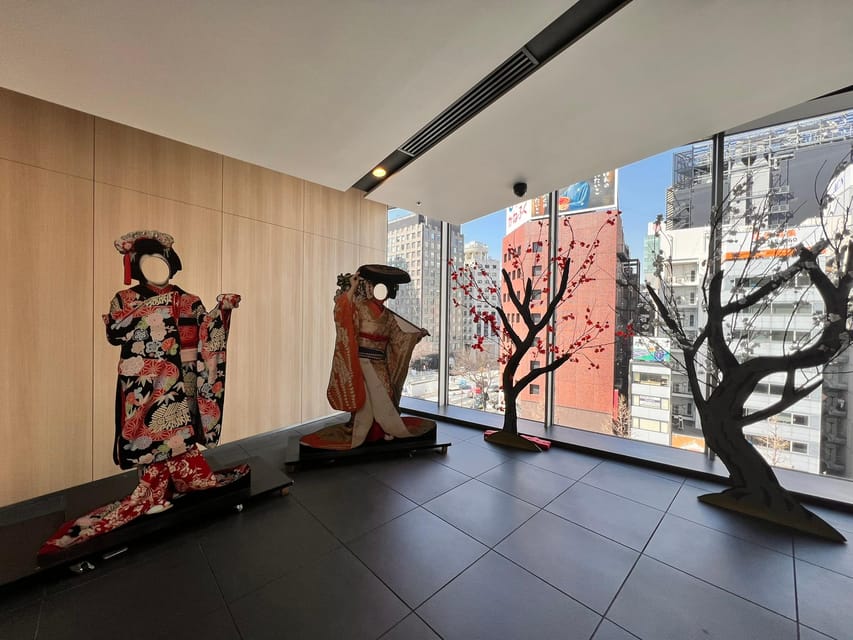
- Kabukiza gallery first: You’ll learn about Kabuki through exhibits rather than sitting in a theater seat.
- Souvenirs with restrictions: Some Kabukiza goods are only sold at Kabukiza, so plan to browse, not just peek.
- Ginza location advantage: You’re starting in a central area, so it’s easy to fit this into a tight Tokyo day.
- Mitsukoshi Ginza makes it a culture-plus-shopping stop: You get craft-like shopping in a department store setting with a long legacy.
- English guide quality matters: A guide named Nori received standout praise, while other trips noted the historical intro can stay basic due to the quick format.
Kabukiza in Ginza: why this 90-minute format works
Tokyo has a way of eating your day. Lines, getting lost, and transit timing can turn a simple plan into a time sink. What I like about this kind of short Kabuki culture tour is that it trims the busy work. You get a guided introduction to what Kabuki is and where it fits in Japanese entertainment, while still keeping time for the rest of Ginza.
You’re not signing up for a full theater evening here. Instead, you’re doing a high-efficiency version: learning + looking + shopping. If you’re in town for only a few days, this “taste of Kabuki” approach can make Japan feel less random.
The trade-off is also clear. Since Kabuki viewing is not included, you’ll want to treat this as an educational and cultural stop, not a performance ticket.
You can also read our reviews of more tours and experiences in Tokyo.



Meeting at Nissan Crossing: getting oriented fast
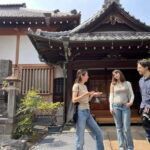
You meet in front of Nissan Crossing, which is right in the middle of the Ginza action. That matters more than it sounds. When your meeting point is easy to find, you spend less mental energy figuring out where to go and more energy enjoying what you came for.
Because the group is limited to 9 people, you’ll likely move at a comfortable walking pace. Still, Ginza is packed with shops and signage, so it helps to arrive a little early to get your bearings and avoid a stressful scramble.
If you’re pairing this tour with other Ginza plans, build in a little buffer for shopping time. This experience is partly about browsing, and the window is only 90 minutes.
Kabukiza gallery with a guide: what you’re really learning
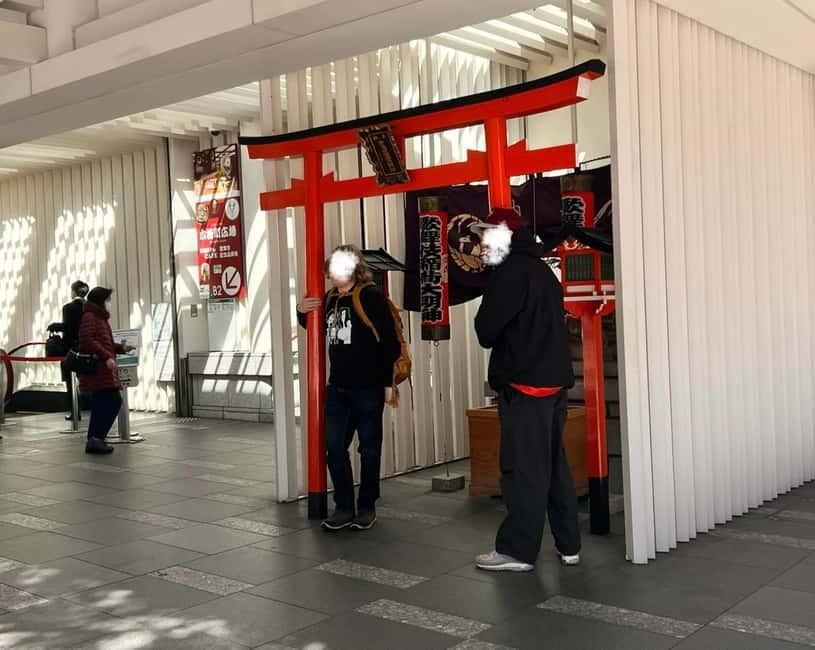
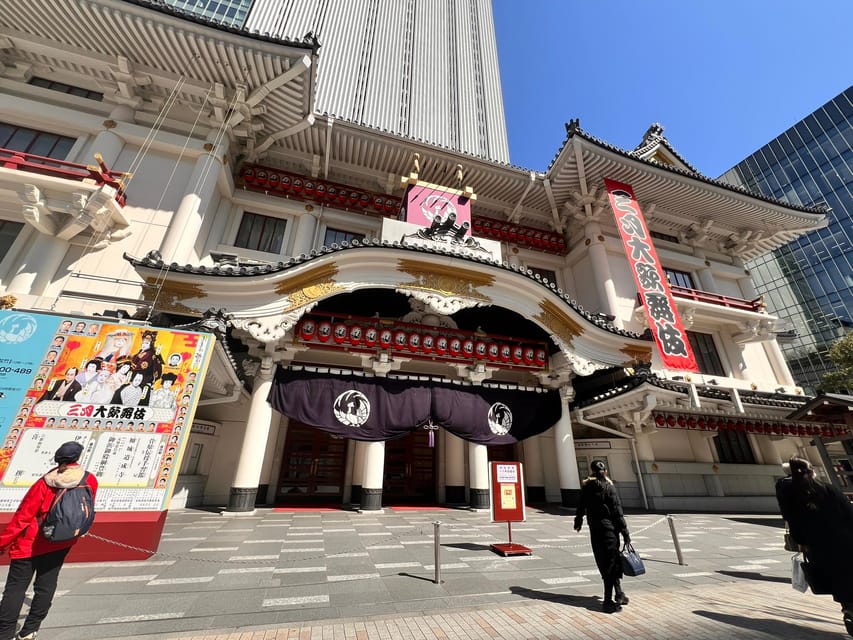
The core of the tour centers on the Kabukiza building and its exhibits. This is where you’ll spend time learning about Kabuki through what’s on display in the gallery.
Instead of just being told, you’re seeing the culture in context—think of it as an on-ramp. You’ll pick up enough background to appreciate what you’d otherwise miss if you only walked past the theater on your own. It’s the difference between noticing a famous building and understanding why it matters.
One practical tip: come with a few basic questions. For example, ask what makes Kabuki distinct in performance style, or what the theater experience usually looks like in Japan. The more you ask, the more you’ll get from a short intro.
Depth may vary. In one praised booking, a guide named Nori was called out for being very good—exactly the kind of guide you want for a quick, high-impact session. In another experience, the Kabuki theater history intro was described as fairly basic, with some of that likely connected to the fast pace and language fit. Translation: this is a friendly orientation, not an hour-long lecture.
Kabukiza-only shopping: where the value hides
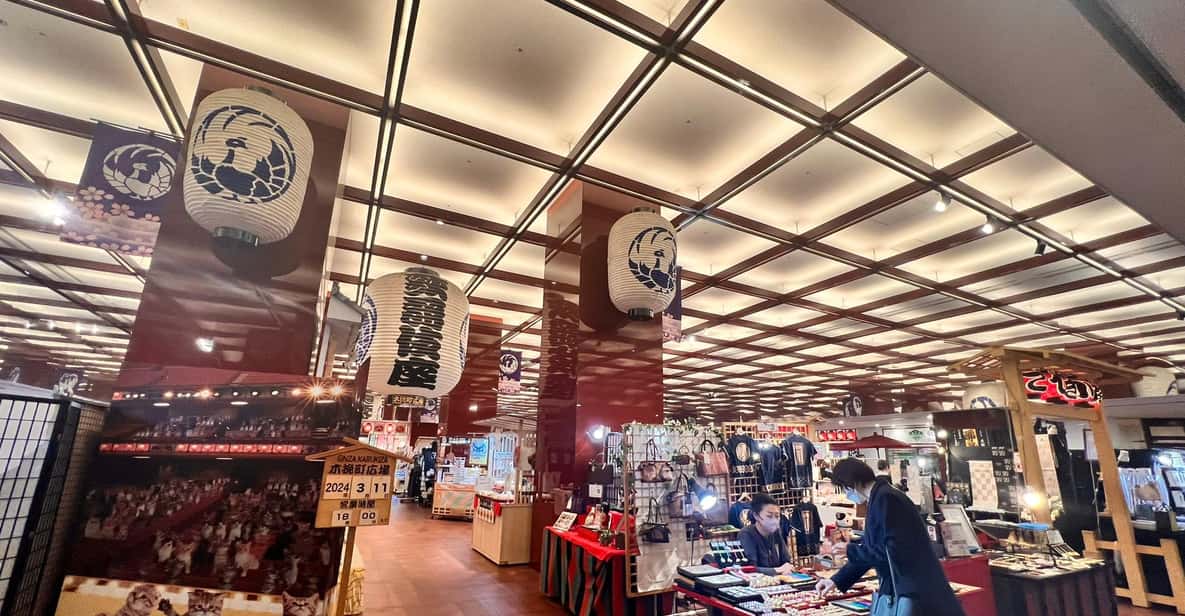
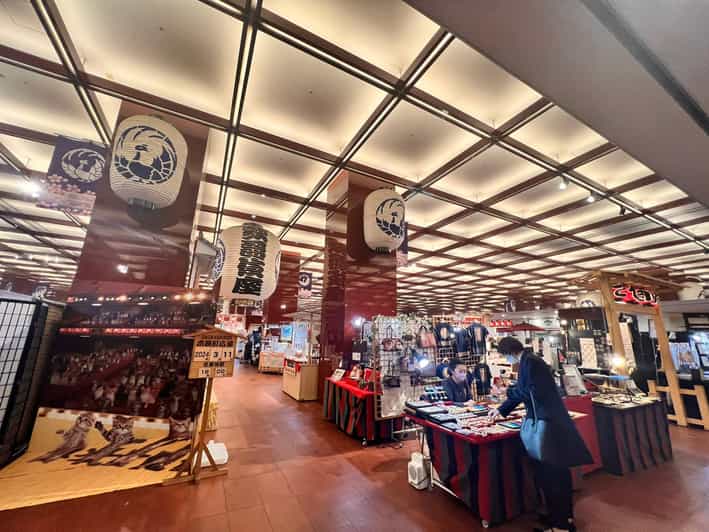
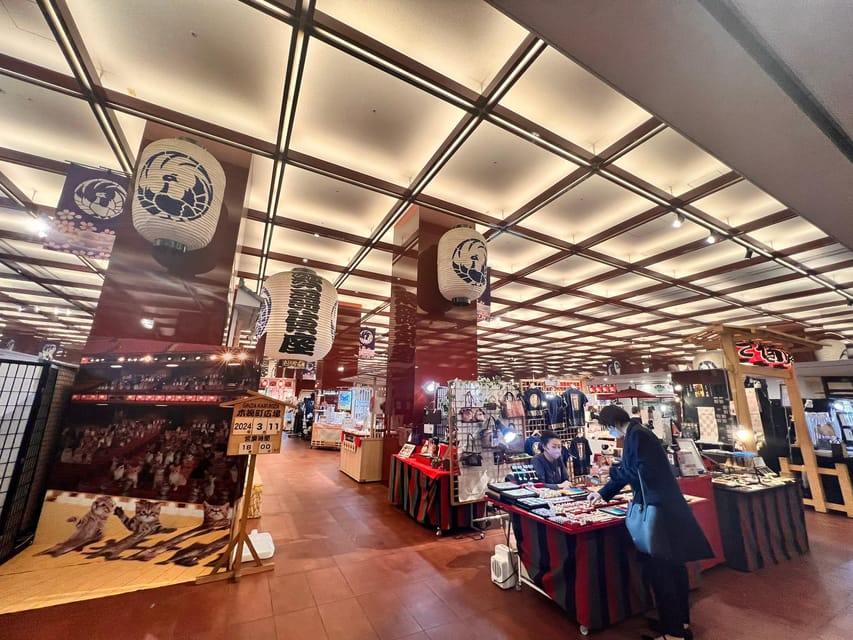
Here’s where the tour becomes genuinely fun. Part of the point is shopping stops tied to the Kabukiza area, including souvenir opportunities that are only available at Kabukiza.
This is valuable for two reasons.
First, “only here” items create a reason to browse during the tour instead of pushing shopping later. If you’ve ever regretted waiting until the end of the day to buy something, you’ll understand why this matters.
Second, Kabukiza goods often feel more specific than generic Japan souvenirs. You’re shopping in a place that’s connected to the theater culture itself, so you’re more likely to find items that reflect Kabuki aesthetics rather than standard mass-market merch.
What to do while you’re there:
- Take a slow walk through the shop area before you commit. Small differences in packaging and themes can matter.
- If you’re buying gifts, check whether items are easy to transport. Some Japanese snacks and accessories are fine, but it’s smart to check size first.
- If you’re a collector, focus on Kabukiza-branded items first. The tour’s time is short.
Shopping cost is not included, so decide your budget beforehand. The tour guide can help point you toward what’s relevant, but you’re the one choosing the items—and prices depend on what you pick.
Mitsukoshi Ginza: a 350+ year old department store detour
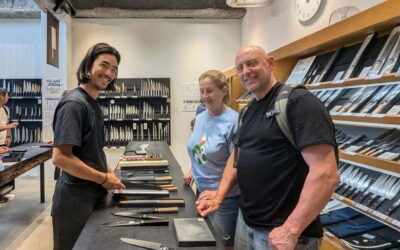
After Kabukiza, you’ll visit Mitsukoshi Ginza, described as the Japanese oldest department store, with over 350 years of history. This stop adds a different flavor to the experience.
Kabukiza connects you to a performing-art tradition. Mitsukoshi connects you to retail culture—crafts, quality goods, and the kind of shopping atmosphere that Tokyo does well. It’s also a good reality check. Even if you don’t buy much, you get a sense of how Japanese consumer culture preserves tradition through product choice.
This isn’t a hard-sell mall visit. The idea is to encounter high-quality traditional crafts and other items while still being close to the theater world you just learned about.
If you’re the type who likes one “signature” department store stop per trip, this can be a satisfying add-on. If you hate shopping, you’ll still likely enjoy the browsing atmosphere—just treat it as a free-form look rather than a guaranteed buying spree.

Guide quality and small-group pacing (and why it can change your day)
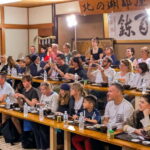
A small group (limited to 9) is more than a comfort detail. In a short 90-minute window, it affects everything: the pace, the chance to ask questions, and how much the guide can tailor explanations to the group.
The tour includes a live English guide, and guide performance is a major factor in satisfaction. One booking highlighted a guide named Nori with clear enthusiasm and good guidance. Another booking found the historical introduction basic, possibly because the tour format is tight and language nuance can get lost.
So here’s my practical advice: if you want more than a quick orientation, come prepared to steer the conversation. During the exhibit time, ask about specific things you care about—costumes, theater roles, staging traditions, or what Kabuki audiences typically look for. A friendly guide can do a lot with a few targeted questions.
Also, don’t expect the tour to provide everything you’d get from a full theater night. Think of the guide as your translator of ideas, not your substitute for a performance ticket.
Price and value: is $51 fair for what you get?
At about $51 per person for 90 minutes, this sits in the “short cultural add-on” category. You’re paying mainly for the guide and the structure: someone to take you through the Kabukiza area and explain what you’re looking at.
Kabuki viewing is not included, and shopping costs are on you. That’s the biggest value question. If you were hoping to trade your money for an actual performance seat, this may feel expensive for what it delivers.
But if your goal is:
- learn a quick Kabuki primer,
- see the Kabukiza theater building context,
- and hunt for Kabukiza-only items in a focused way,
then the cost can make sense. Ninety minutes is also enough time to feel like you did something meaningful without losing your whole day to planning and logistics.
For me, the fairest way to judge value is this: you’re buying guidance for Kabukiza + a shopping-focused route to specific areas. If that matches your travel style, it’s a good use of time.
Who should book this Kabuki in Ginza tour
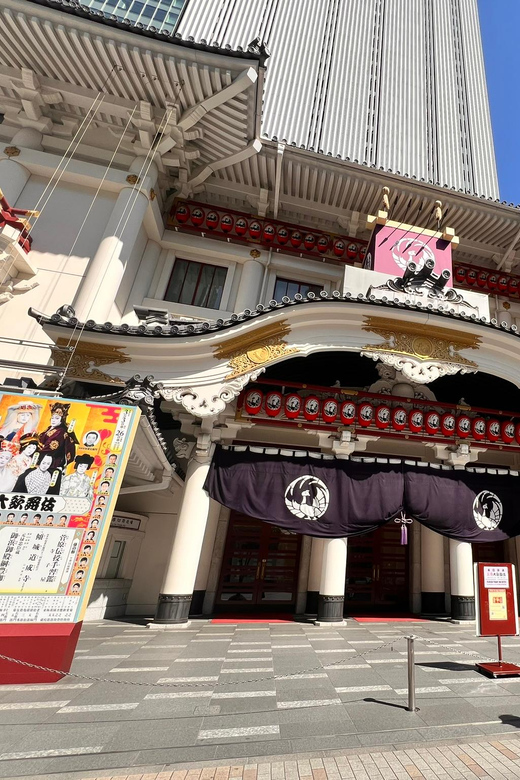
This tour fits best if you:
- want a quick introduction to Kabuki culture without committing to a full evening show,
- enjoy short, guided walks that include a bit of shopping strategy,
- will appreciate learning through exhibits at the Kabukiza gallery,
- and like being in the center of Tokyo’s culture world, where Ginza makes it easy to connect stops.
It may not be ideal if you:
- specifically want Kabuki viewing as part of the experience,
- expect a deep, multi-hour history lesson,
- or only want sightseeing with zero browsing time.
Should you book? My decision checklist
Book this tour if you’re looking for a compact Kabuki culture session that ends with a real reason to shop for Kabukiza-only souvenirs, plus a Mitsukoshi Ginza stop with quality goods under one guide’s direction.
Skip it or pair it with a separate performance ticket if you really want to see Kabuki on stage. Since viewing is not included, you’ll need another plan for the actual performance.
If you’re on a tight schedule in Tokyo and want something that feels specific—rather than generic “Japan culture shopping”—this is the kind of short, targeted experience that can fit cleanly into a busy day.
FAQ
Where is this Kabuki experience located?
It takes place in Honshu, Japan, with stops in the Ginza area around Kabukiza and Mitsukoshi.
How long is the tour?
The duration is 90 minutes.
How much does it cost?
The price is $51 per person.
What’s the meeting point?
Meet in front of Nissan Crossing.
Is the tour in English?
Yes, the live tour guide offers English.
What is included in the ticket price?
A tour guide is included.
Is Kabuki viewing included?
No. Kabuki viewing is not included, so this experience is more about the Kabukiza gallery and cultural introduction than attending a performance.
FAQ
How many people are in the group?
The group is small, limited to 9 participants.
Can I cancel for a full refund?
Yes. Free cancellation is available up to 24 hours in advance for a full refund.
Is there a pay later option?
Yes. You can reserve now and pay later (book your spot and pay nothing today).
Are shopping costs included?
No. Shopping cost at each store is not included and depends on what you buy.
Will I have time for souvenirs?
Yes. The tour includes stops at souvenir shops in the area, including items you can find at Kabukiza.
What is the main focus besides shopping?
The main focus is learning about Japanese traditional Kabuki culture through the Kabukiza exhibits with a guide.
Does the tour stop at Mitsukoshi Ginza?
Yes. After Kabukiza, the tour visits Mitsukoshi, Ginza branch, which is described as over 350 years old.