REVIEW · TOKYO
Tokyo:Cherry Blossom Mt Fuji & Shibazakura Festival Day Trip
Book on GetYourGuide →Operated by Hakuu Co Ltd. · Bookable on GetYourGuide
Mt. Fuji looks different here. This 10-hour day trip strings together the big spring payoff—Shibazakura at Lake Motosuko—plus several tightly timed Mt. Fuji photo spots you can’t really replicate on your own in one day. I especially like that the festival entry fee is included and that the tour gives you multiple chances to get the mountain framed just right. One drawback: quality can vary, and the road time is real, so you’ll want to be comfortable with a long van day and basic on-the-go explanations.
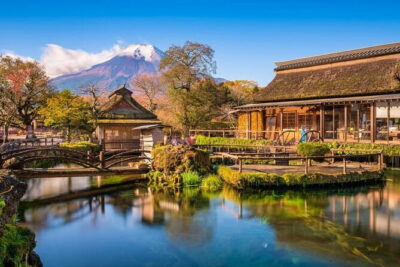
The heart of the trip is the Fuji Shibazakura Festival, when roughly 800,000 moss phlox blooms spread like a pink carpet with the snowy peak behind it. On top of that, you get a calmer contrast at Oshino Hakkai, where eight spring-fed ponds reflect the countryside mood. My one caution is that the quick photo stops are weather-dependent—if clouds roll in, you’ll still enjoy the places, but the iconic views can fade.
If you’re chasing spring color without the stress of trains and transfers, this works well—especially if you’re booking during mid-April to late May.
In This Review
- Quick, useful highlights
- The Shibazakura Festival at Lake Motosuko: the reason to go
- Oishi Park on Lake Kawaguchiko: the panoramic payoff
- The Lawson Fuji photo stop and Hikawa Clock Shop: fast, iconic, and weather-dependent
- Oshino Hakkai Springs: crystal ponds and a quieter kind of Japan
- Tokyo morning stops before the Fuji run: Ueno, Akihabara, Asakusa, Skytree
- Getting there in a comfy van: pickup, pacing, and what actually matters
- Price value check: why $77 might feel fair (or not)
- The guide and language side: English, Chinese, and a heads-up
- Rules that affect your day (pets, age, and what to avoid)
- Should you book this Fuji flower day trip?
- FAQ
- What’s the total duration of the tour?
- How much does it cost?
- How do I get picked up in Tokyo?
- Where do I meet the guide if I’m not doing pickup?
- What’s included in the price?
- Are meals included?
- What are the key stops on the itinerary?
- What time does the tour depart from Tokyo?
- Do I need WhatsApp?
- Is the tour wheelchair accessible?
Quick, useful highlights
- Lake Motosuko’s Shibazakura is the main event with about 120 minutes on-site and the entry fee included
- Oishi Park is a top panoramic Mt. Fuji viewpoint across Lake Kawaguchiko, with seasonal flower changes
- Lawson + Hikawa Clock Shop are classic Fuji framing stops (quick, but very weather-dependent)
- Oshino Hakkai Springs add a slower, rural contrast with eight clear ponds fed by Fuji snowmelt
- Central Tokyo pickup saves you time in a comfy van, with a Tokyo Station meetup option
The Shibazakura Festival at Lake Motosuko: the reason to go
This is the clear centerpiece. Departing Tokyo in the morning puts you in position to enjoy Lake Motosuko when the fields are at their best, usually during mid-April through late May. Once you arrive, the foothills turn into a sea of pink, created by around 800,000 moss phlox blossoms.
You’re there for about 120 minutes, including the entry ticket. In that time, I like to do two things: first, walk the fields for the wide “pink carpet + Fuji peak” photos; then, slow down and look for smaller patterns—clusters of blossoms and pond reflections—so your photos don’t all look identical.
Festival food is available, but it’s on your own tab. That’s actually a plus, since you can grab something quick without breaking your rhythm—just don’t plan on a full sit-down meal here.
A practical note: the magic depends on visibility. If Mt. Fuji is hidden by fog or low cloud, the blossoms still look great, but you may not get that dramatic snow-peak backdrop you came for. Build in some flexibility in your expectations and you’ll have a better day.
You can also read our reviews of more tours and experiences in Tokyo


Oishi Park on Lake Kawaguchiko: the panoramic payoff
After Shibazakura, you’ll head to Oishi Park, about 50 minutes away. This is one of the best Mt. Fuji panorama spots because you’re looking across the lake. Even when the angle isn’t perfect, you get the classic “mountain across water” feeling.
What I like here is that Oishi Park isn’t just a one-season photo stop. The park changes flower themes through the year—lavender in summer and cosmos in autumn are specifically mentioned. So even though this is a spring-focused tour, the place feels like it has a life beyond one moment.
Because it’s a walking garden, you can control your pace. Want quick photos and move on? Easy. Want to linger and enjoy the mountain-air calm? You can do that too. It’s the kind of stop that helps the day feel less rushed than a pure checklist.
The Lawson Fuji photo stop and Hikawa Clock Shop: fast, iconic, and weather-dependent
Next come two quick Mt. Fuji framing stops, each around 20 minutes. They’re small, but they’re famous for a reason: the mountain lines up with the street and signage in a way that makes your photos look instantly “Japan-spring.”
First: the photogenic Lawson convenience store with its classic blue sign positioned so Mt. Fuji can appear perfectly framed. Second: Hikawa Clock Shop, often called Ladder Town, where a narrow lane aligns with the mountain peak.
Here’s the key reality check: the beauty is highly weather-dependent. If Fuji is clear, these spots can be among your most memorable photos. If Fuji is misty or clouded over, you’re still seeing local scenes, but the “perfect alignment” effect won’t land as hard.
I treat these like nature’s bonus points. I show up for the shot; if the mountain cooperates, great. If it doesn’t, I still enjoy the quirky, everyday atmosphere.
Oshino Hakkai Springs: crystal ponds and a quieter kind of Japan
The final scenic stop is Oshino Hakkai, about 40 minutes. This is a traditional village setting with eight ponds fed by spring water from Mt. Fuji’s melted snow. The water is described as crystal-clear, and the ponds often have koi, which adds movement without needing anyone to hype it up.
This stop is great for two reasons. First, it gives you a calmer pace after the busy festival and photo stops. Second, it feels more rooted in everyday rural life instead of just viewpoints.
One fun detail: the ponds are connected to the area’s Fuji snowmelt water system, and you can taste the cold spring water. Even if you don’t go for the taste, walking the lanes and seeing the pond reflections can refresh your brain after a long van day.
If you’re the type who likes contrast—big spectacle then quiet—you’ll appreciate how Oshino Hakkai changes the mood.
Tokyo morning stops before the Fuji run: Ueno, Akihabara, Asakusa, Skytree
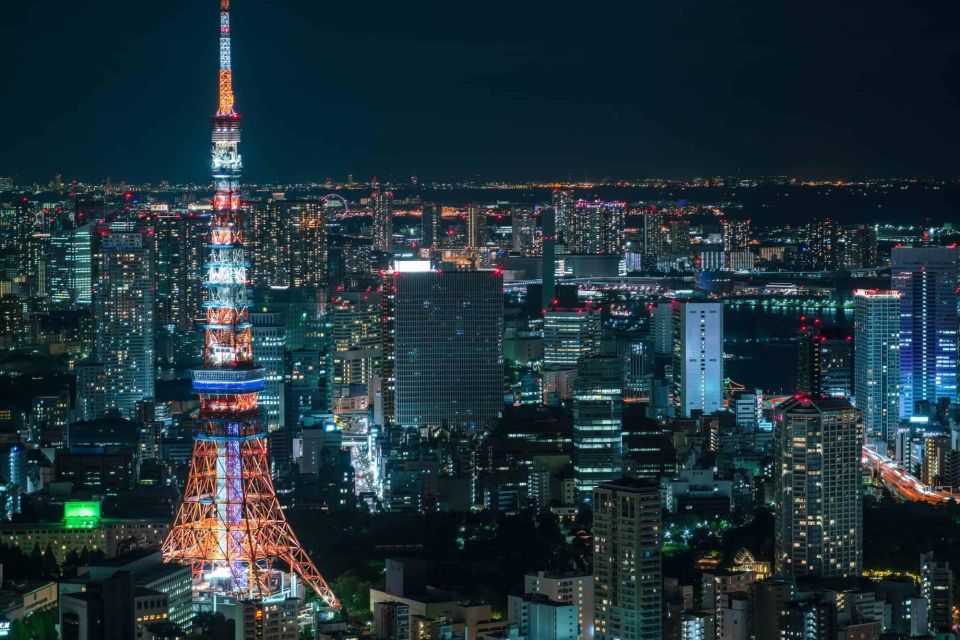
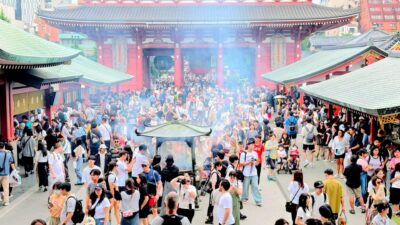
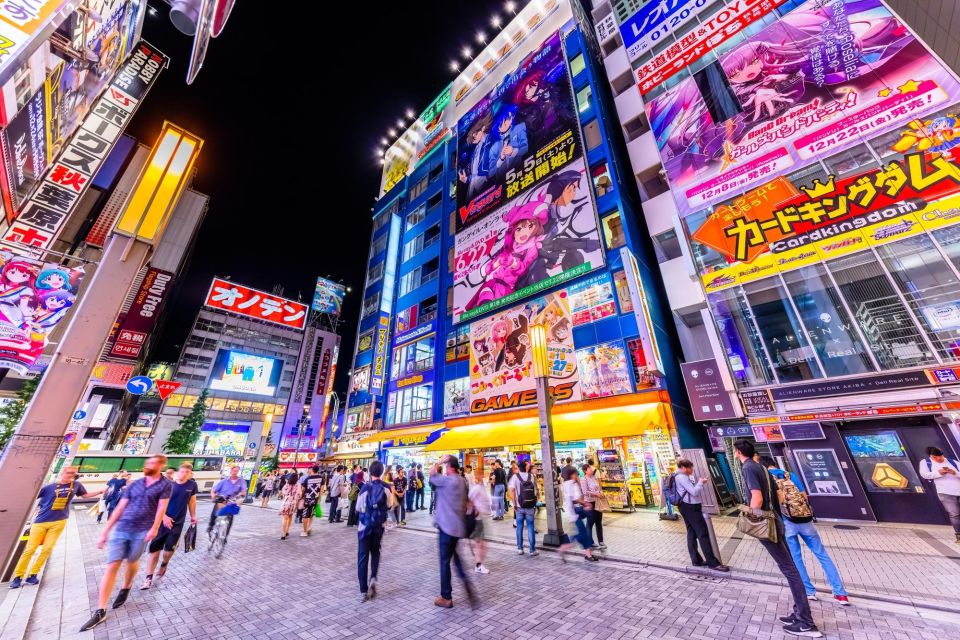
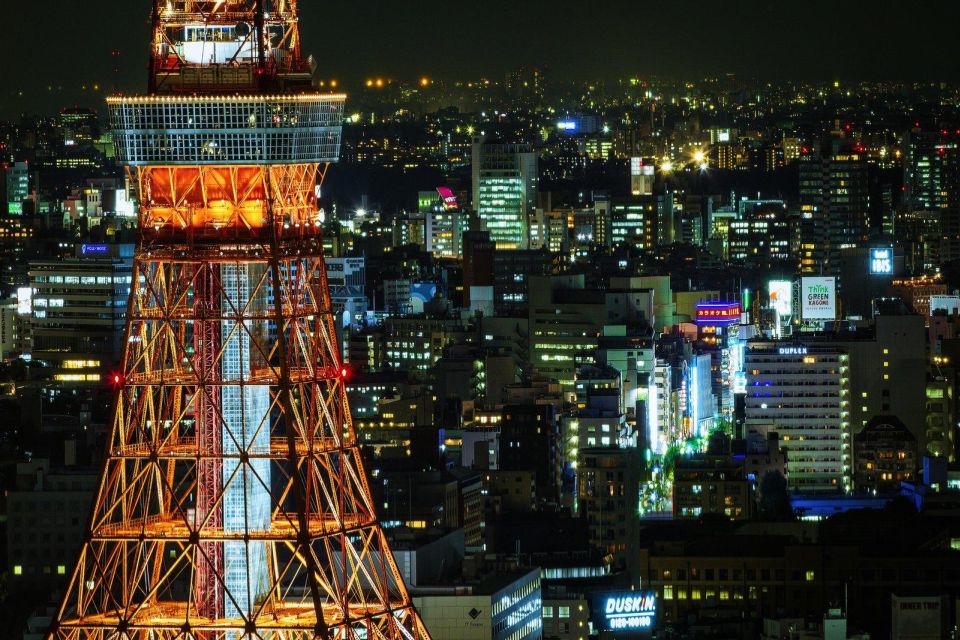
Your day doesn’t start as pure “Fuji only.” Depending on the flow of the route and traffic, the tour includes Tokyo sightseeing stops such as Ueno Park, Akihabara, Asakusa Shrine, and Tokyo Skytree Town, with time blocks listed for each.
- Ueno Park: a photo stop plus guided tour and walking (about 2 hours)
- Akihabara: guided tour, shopping, and an arts-and-crafts market visit (about 2 hours)
- Asakusa Shrine: photo stop, visit, guided tour, sightseeing (about 1 hour)
- Tokyo Skytree Town: photo stop and guided sightseeing (about 1 hour)
I like that mix because it turns the day trip into a “Tokyo first” experience, not just a one-note drive. That said, it also means the day can feel full. If your main goal is only Fuji, you may want to adjust your mindset and treat those Tokyo stops as add-ons—not the core event.
Also remember the tour explicitly warns that departure time and itinerary may alter based on peak-season traffic. If roads slow down, one of these city segments could feel shorter than expected, and the guide will be juggling the schedule.



Getting there in a comfy van: pickup, pacing, and what actually matters

The tour is designed to remove friction. You can either get hotel pickup in one of 12 central Tokyo wards or meet your guide at Tokyo Station Marunouchi North Exit. The meet address is listed as 1-chōme-9-1 Marunouchi, Chiyoda City.
Pickup timing works by a sequence set by the driver-guide based on where you’re staying. So don’t assume you’ll be the first stop. The upside is that it’s meant to reduce total wasted time.
One practical thing: you’ll communicate through WhatsApp, and the guide contacts you the night before. Make sure you actually have the app installed, since the tour notes it as essential for smooth communication.
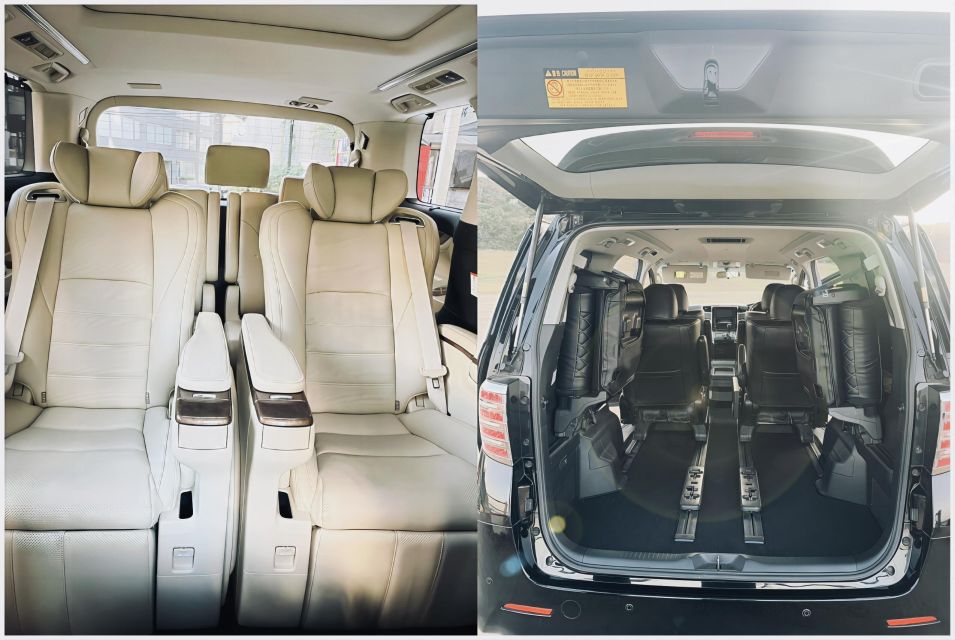
The vehicle ride is the glue that holds this day together. It’s also where the day becomes long. Expect a steady run between Tokyo and the Fuji area and plan your comfort accordingly. There’s limited space for luggage, so avoid bringing bulky bags.
Drop-off back in Tokyo is either at Tokyo Station (Marunouchi North side) or at one of the listed drop-off areas including Taito, Chiyoda, Chuo, and Shinjuku.
Price value check: why $77 might feel fair (or not)
At $77 per person for a 10-hour day with round-trip transport and multiple stops, the value mainly comes from what’s included:
- Round-trip transportation within the designated pickup areas
- English and Chinese speaking driver-guide service
- Shibazakura Festival entry fee at Lake Motosuko
- Highway tolls, parking fees, and vehicle expenses
If you tried to assemble this yourself, you’d likely pay for trains/buses plus separate tickets for one big festival stop, and you’d still be spending time figuring out timing for Oishi Park, the photo nodes, and Oshino Hakkai. Here, someone else handles the routing.
But the tour’s price is also tied to service quality. Since this is a van day with short stops, you’ll notice if communication is limited or if the driving style is uncomfortable. One negative experience described the driver as not acting like an expert guide and raised concerns about the driving experience. That doesn’t mean it’s always like that, but it does mean you should set expectations: you’re paying for transport and planned stops, not a deep, academic lecture.
So I’d treat the $77 as fair if you want scenery and photo time and you can roll with a schedule that may flex.
The guide and language side: English, Chinese, and a heads-up
The tour lists driver-guide language support in English, Japanese, and Chinese. It also states the service is English and Chinese speaking.
Still, in a bad experience, the driver was described as honest but not a true guide and not expert in English. That’s a reminder to keep your needs realistic. You’ll get help navigating and keeping things moving, but you may not get advanced cultural context at every stop.
If language matters to you, I’d arrive at Tokyo Station (or your pickup point) with the understanding that you might get high-level direction rather than detailed storytelling. Your best tool is also asking clear questions at the moment you need them—what time we leave, where the best photo angle is, and how long you’ll have.
Rules that affect your day (pets, age, and what to avoid)

A few “simple but important” rules are spelled out:
- Pets aren’t allowed (assistance dogs are allowed)
- Alcohol and drugs are not allowed
- People over 70 years old are not suitable for this tour
Also, while the tour mentions general guidance about tattoos and hot springs in its notes, nothing in the stated stops suggests you’re doing a hot spring swim. For Oshino Hakkai, you’re mainly walking ponds and village areas, so that advice may not come up. Just don’t plan on turning this into a bath day unless you confirm.
Finally, the tour notes limited luggage space. That matters more than people think when you’re carrying camera bags, small backpacks, and shopping items. Keep it light.
Should you book this Fuji flower day trip?
Book it if you want Shibazakura at Lake Motosuko and don’t want to stitch together multiple rides. You’ll get a classic spring Mt. Fuji combo: blossoms, a major viewpoint at Oishi Park, two quick Fuji photo alignments (Lawson and Hikawa Clock Shop), and a quieter finale at Oshino Hakkai.
Skip it or think twice if:
- You’re very sensitive to driving comfort on long road stretches.
- You mainly care about Fuji and would feel annoyed by Tokyo sightseeing add-ons.
- You’re counting on perfect Fuji visibility. Weather changes fast around Mt. Fuji, and the photo spots are specifically noted as weather-dependent.
My practical suggestion: if you do book, show up early, travel light, and treat the van ride as part of the experience. The payoff is real when the mountain and the blossoms both show up together.
FAQ
What’s the total duration of the tour?
The tour runs for about 10 hours.
How much does it cost?
It’s listed at $77 per person.
How do I get picked up in Tokyo?
You can choose central hotel pickup within designated areas, or meet at Tokyo Station Marunouchi North Exit.
Where do I meet the guide if I’m not doing pickup?
Meet at Tokyo Station Marunouchi North Exit, at 1-chōme-9-1 Marunouchi, Chiyoda City, Tokyo. The guide sends the exact gathering location photo via WhatsApp.
What’s included in the price?
Transportation (round-trip within pickup areas), an English & Chinese speaking driver-guide service, the Shibazakura Festival entry fee at Lake Motosuko, and highway tolls/parking/vehicle expenses are included.
Are meals included?
No. Meals and drinks are not included, and lunch is free time at the festival food stalls (you pay for what you choose).
What are the key stops on the itinerary?
Key stops include the Shibazakura Festival at Lake Motosuko, Oishi Park, photo stops at Lawson Kawaguchiko Station and Hikawa Clock Shop, and Oshino Hakkai Springs, then back to Tokyo.
What time does the tour depart from Tokyo?
Departure is scheduled between 7:30am and 8:30am, depending on pickup sequence and location efficiency.
Do I need WhatsApp?
Yes. The guide contacts you the night before via WhatsApp, and it’s noted as important for smooth communication.
Is the tour wheelchair accessible?
Yes, the tour is wheelchair accessible.