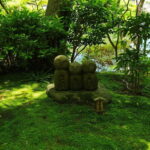
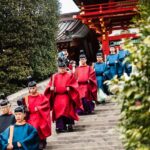
Kamakura temples feel close on foot. This full-day-style 5-hour walking tour strings together Sasuke Inari Shrine, Zeniarai Benten Shrine, and the Great Buddha of Kamakura at Kotoku-in, with a sit-down lunch that keeps your energy up. Two things I really like are the way the route mixes famous sights with calmer pauses, and how lunch at La Terrasse Zen Nichifutsu Chashitsu is built into the plan. One possible drawback: you’ll be on your feet for much of the morning and early afternoon, so plan comfortable shoes and a steady pace.
I also like that this isn’t just a photo run. You get a local guide leading the story behind what you see, including Jean and, on some departures, support from guides like Sr. Yamazaki and Bruno, which adds variety to the explanations. The day ends with an optional calm stretch at Yuigahama Beach, but the tour still loops back to the start point.
For value, the biggest win is that entrance fees and lunch are included, so you’re not mentally juggling add-ons mid-day. Still, you should double-check dietary needs when booking, since the lunch is a set bento with Japanese tea and you’ll want it to match your requirements.
In This Review
- Key highlights you’ll care about
- A tight Kamakura route that makes sense at 10:00 am
- Getting to the start point: Hotel New Kamakura and pickup
- Sasuke Inari Shrine: fox shrine, short visit, free entry
- Zeniarai Benten Shrine: the coin-washing ritual
- Kotoku-in and the Great Buddha: what 14 meters looks like up close
- La Terrasse Zen Nichifutsu Chashitsu: bento lunch with Japanese tea
- Eishoji Temple: the only nunnery in Kamakura and a bamboo walk
- Yuigahama Beach: where to land after the temples
- Price and value: what $130.07 actually covers
- What makes the guides matter (Jean, and sometimes more)
- Who should book this Kamakura walk
- Tips to make the day smoother
- Should you book Whispers of Kamakura?
- FAQ
- FAQ
- How long is the tour?
- What time does it start?
- Where does the tour meet?
- Is pickup available?
- Is lunch included?
- Are entrance fees included?
- What about dietary restrictions for lunch?
- What stops are included in the route?
- Is there any water or restroom support during the day?
- Does the tour end where it starts?
Key highlights you’ll care about
- Sasuke Inari Shrine on a fox-theme stop with free admission and a quick walking approach
- Zeniarai Benten coin washing where the ritual is the point, and admission is free
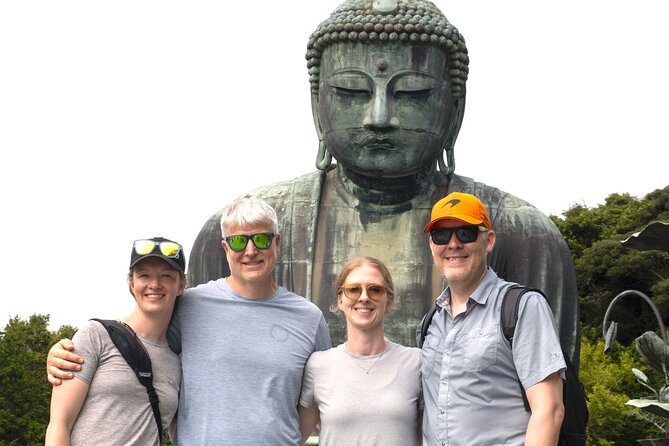
- Kotoku-in and a 14-meter Daibutsu (bronze Amitabha Buddha) with included entry
- Bento lunch at La Terrasse Zen with Japanese tea in a dedicated dining setting
- Eishoji Temple and its bamboo walk plus an especially quiet atmosphere
- Seaside finish at Yuigahama Beach for a relaxed end to a temple-heavy morning
A tight Kamakura route that makes sense at 10:00 am
Kamakura is one of those places where you can waste time if you play it too loosely. This tour keeps you moving in a practical order, starting around the Hotel New Kamakura area and working through a cluster of major stops without turning the day into a transportation puzzle.
You’re out for about 5 hours, and the schedule is built around short visits (most stops are about 40 minutes). That matters because temples and shrines are best when you’re not rushing through all the details just to hit the next landmark.
The tone is also important. You’ll see the big names like the Great Buddha, but you also get quieter moments at places such as Eishoji Temple, where the bamboo walk changes the rhythm of the day.
You can also read our reviews of more walking tours in Kamakura
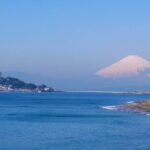
Getting to the start point: Hotel New Kamakura and pickup
The meeting point is Hotel New Kamakura, 13-2 Onarimachi, Kamakura, Kanagawa 248-0012. The start time is 10:00 am, and the tour returns to the meeting point.
Pickup is listed as offered, so if you’re staying nearby, ask when you book whether you can be collected instead of meeting at the hotel. Either way, you’re not trekking across the city blind at the start—this tour is set up to be easy to anchor to.
Two small included comforts help if you’re doing a lot of walking in Japan: bottled water is included, and there’s a restroom on board for the transfers between stops. That’s the kind of practical detail that keeps the day pleasant instead of exhausting.
Sasuke Inari Shrine: fox shrine, short visit, free entry
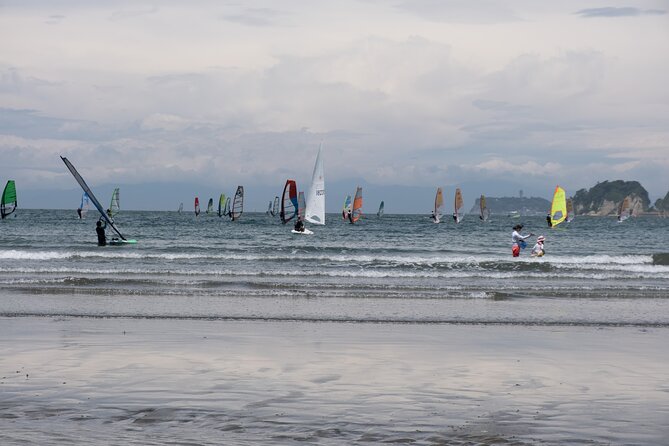
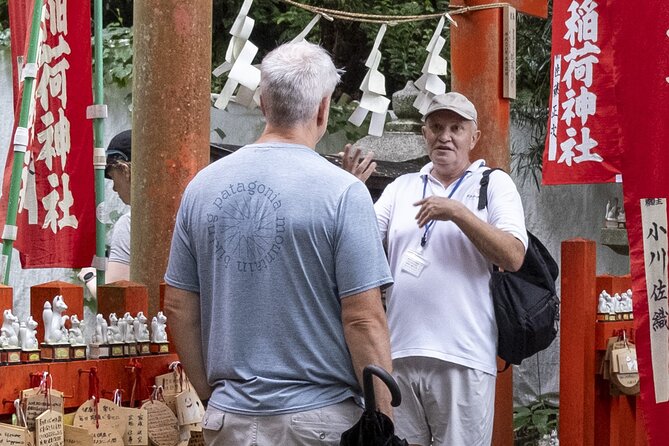
Your first stop is Sasuke Inari Shrine, and it’s about a 20-minute walk from Kamakura Station. Even if you’re not coming from the station directly, it gives you a sense of scale: this is a manageable start, not a long slog.
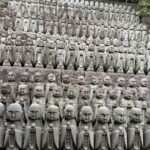
The focus here is that the shrine is dedicated to fox. That might sound narrow, but in practice it gives you an immediate theme for the visit. You’ll spend around 40 minutes here, and admission is free.
The best way to enjoy this stop is to slow down for the first minute or two and let the guide frame what you’re seeing before you start photographing. Once you understand the theme, details like the symbolism and the overall feel of the shrine make more sense fast.
Potential drawback: because it’s free and popular, you may want to go in with patience if there are crowds. If your goal is quiet, treat the first part of your visit like a warm-up and aim for a calmer moment before the group starts moving.
Zeniarai Benten Shrine: the coin-washing ritual
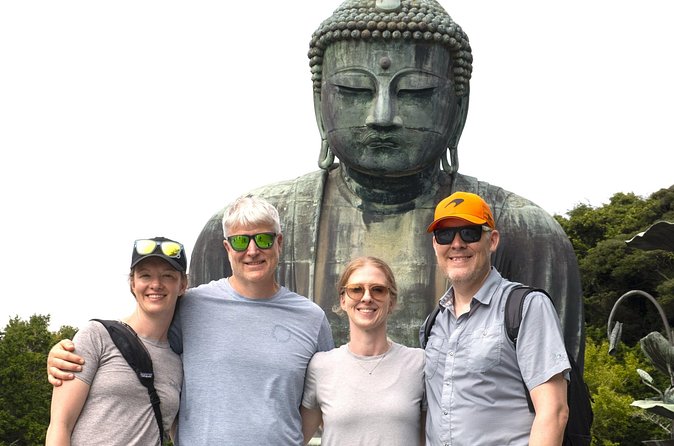
Next is Zeniarai Benten Shrine, known for the “coin washing” idea—its name points to the ritual itself. People come here to wash their money, and there’s a belief that the money washed in the shrine’s spring will double.
This is another about 40 minutes stop, and admission is free. That makes it a strong value pick: you’re paying nothing at the gate, but you’re still getting a very distinctive experience.
What I like about this stop is that it’s interactive in spirit. You’re not just looking at architecture—you’re witnessing a practice people treat like a meaningful pause in their day. Even if you don’t follow the ritual personally, the atmosphere explains why this shrine is worth including between the bigger sightseeing anchors.
One thing to consider: if you’re sensitive about crowds at active ritual sites, plan to stay flexible with your viewing spot. The guide can help you time your moments so you’re not stuck waiting in the flow for too long.
Kotoku-in and the Great Buddha: what 14 meters looks like up close

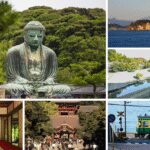
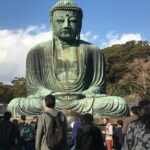
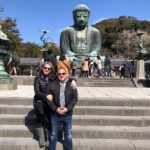
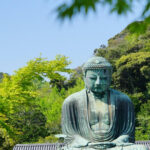
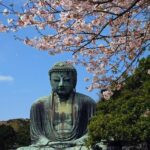
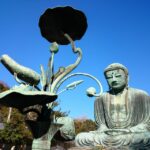
Then you hit the reason many people come to Kamakura: Kotoku-in (Great Buddha of Kamakura). The statue is a bronze Amitabha Buddha, commonly called the Great Buddha, and it’s about 14 meters high. The tour also notes it was built in the 13th century.
This stop is built for a real look, not a quick pass-through: you get around 40 minutes, and entry is included.
Here’s what makes it satisfying: a statue like this doesn’t land just from a textbook. Standing there, you can actually notice the scale and the way the site is arranged to hold your attention. The guide’s explanation helps you connect the details you see to the timeframe you’re standing inside.
Practical note: this is often a prime photo target, so take a couple of angles early, then settle in for the guide’s key points. That way, you leave with both the pictures and the meaning.
You can also read our reviews of more tours and experiences in Kamakura
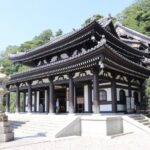
La Terrasse Zen Nichifutsu Chashitsu: bento lunch with Japanese tea
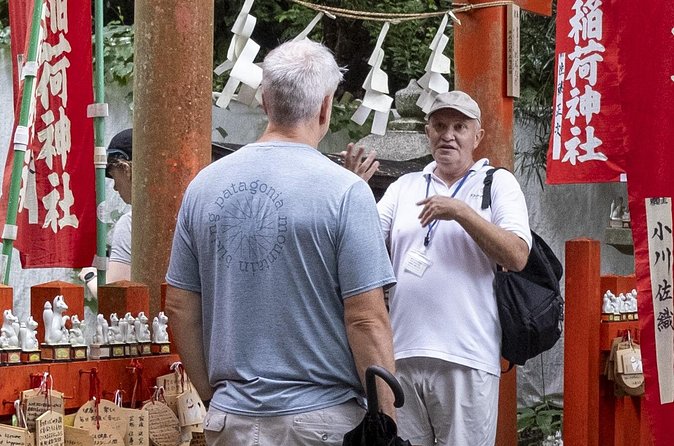
After temples and shrines, lunch is where your day either stays pleasant or starts to drag. This tour handles that well: you go to La Terrasse Zen Nichifutsu Chashitsu for a set bento lunch with Japanese tea.
Lunch lasts about 1 hour, and it’s included. The key detail for planning is that if you have dietary requirements, you’re supposed to indicate them during booking so the meal can be adjusted.
I especially like that lunch isn’t an afterthought or a rushed stop. It’s a scheduled break designed to reset your energy before the final temple segment. In a walking day, that matters more than you might expect.
When choosing what to bring for yourself, keep it simple: if you’re the type who needs caffeine, consider planning accordingly, since the lunch experience is the main guaranteed refresh moment on the schedule. Otherwise, you can just enjoy the meal and let the day slow down.
Eishoji Temple: the only nunnery in Kamakura and a bamboo walk
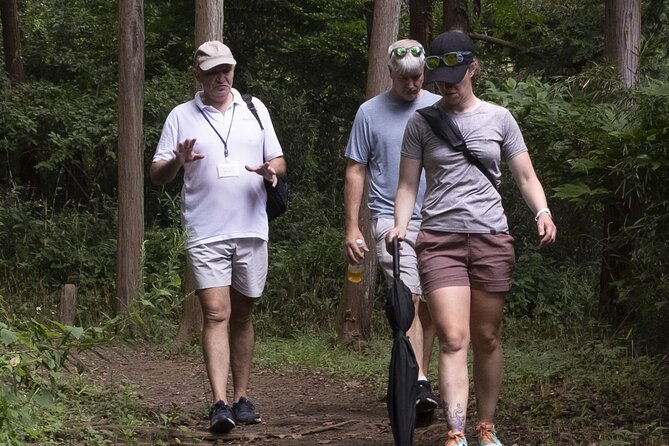
Your next and final major cultural stop is Eishoji Temple. The tour highlights that Eishoji is the only nunnery in Kamakura, and you’ll also take a pleasant walk through a bamboo forest.
This is another 40-minute stop, and admission is included. If you’ve spent the morning in busier areas, this is where the day often changes from sightseeing mode to quieter, reflective mode.
What to expect: the bamboo walk naturally tightens your attention. Even with a group, the setting helps you slow down. Let your guide finish the key context, then take your time walking—this is one of those places where rushing means you miss the point.
If you’re aiming for photographs, go easy on the sprinting. Bamboo paths tend to look best when you stand still long enough for the light and perspective to settle.
Yuigahama Beach: where to land after the temples

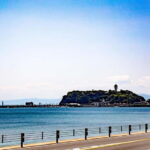
You finish back at the start point, but the tour also builds in a relaxed ending at Yuigahama Beach. Think of it as a way to close the day without going straight from stone statues to trains.
Even if you only spend a short time at the seaside, it’s a smart emotional shift. After hours around shrines and temple grounds, a beach break helps your legs loosen up and gives you space to think about what you saw.
The practical part: because the activity ends back at the meeting point, treat the beach time as your decompression window, not a separate long excursion.
Price and value: what $130.07 actually covers
The listed price is $130.07 per person. For a tour like this, the real question is what you’re buying besides the sightseeing checklist.
You’re getting:
- Lunch included at La Terrasse Zen with bento and Japanese tea
- Entrance fees included at the stops that require them
- Bottled water plus restroom support during transfers
- A private group format (only your group participates)
- A guide who connects the locations to what you’re seeing on site, not just where they are
If you tried to assemble this alone, you’d likely pay for lunch and several admissions, and you’d spend extra time coordinating routing and timing. Here, the day is packaged so you can focus on the experience rather than the logistics.
Where the price may feel heavy: if you’re the type who enjoys solo wandering with no guided interpretation, you might find you only want a couple of the stops. In that case, you’d compare the guided structure to how much autonomy you personally need.
But if you like turning famous places into understandable places, the included guide time and built-in meals are the part that make this a fair deal.
What makes the guides matter (Jean, and sometimes more)
One consistent theme in how this tour is run is storytelling that stays grounded in what you’re physically looking at. Jean’s approach is described as both historic and narrative, and that style helps the day feel connected instead of compartmentalized.
On some departures, you may also travel with additional guides such as Sr. Yamazaki and Bruno, which can add different viewpoints to how the sites are explained. The result is usually a tour that feels personal for your group, not like an audio-track march.
This is also where the “private tour” structure pays off. If your group has questions—about what a shrine represents, why a site is important, or what to notice—the format makes it easier to get answers without waiting for a big crowd.
Who should book this Kamakura walk
This tour fits best if you:
- Want a temple and shrine route that’s compact and logical
- Like having someone explain what you’re seeing without overwhelming you
- Appreciate a real sit-down lunch break in the middle of walking
- Prefer a private setting, even if it’s a short day
It also says most people can participate. That said, the day is still a walking tour, so you’ll get the most out of it if you’re comfortable with steady walking and some time on your feet.
If you’re traveling with kids or seniors, you’ll want to check with the operator about pace. The schedule uses short visits, which can help, but the total walking time is still part of the experience.
Tips to make the day smoother
Bring comfortable shoes. Kamakura is very walkable, and the tour schedule depends on keeping a smooth pace between stops.
Dress for modest temple-shrine expectations. You’ll likely be moving through outdoor paths and bamboo areas, so keep your layers practical and consider a light layer for shade or breeze.
If you have dietary requirements, handle that at booking so La Terrasse Zen can plan the bento accordingly. It’s the one “closed” part of the day where flexibility is limited.
Finally, show up ready to listen. When a guide has room to explain, the sites feel less like attractions and more like places with meaning.
Should you book Whispers of Kamakura?
If you want a structured Kamakura day that hits the biggest anchors—Sasuke Inari, Zeniarai Benten, Kotoku-in Great Buddha, and Eishoji—while also giving you a real lunch reset and a calm finish at Yuigahama Beach, this tour is a strong choice.
I’d skip it only if you’re set on total independence and you don’t care about guided interpretation. Otherwise, the included lunch, entrance fees, and the way the stops are paced make it easy to justify the price without feeling like you’re constantly paying extra.
FAQ
FAQ
How long is the tour?
The tour is about 5 hours (approx.).
What time does it start?
It starts at 10:00 am.
Where does the tour meet?
The meeting point is Hotel New Kamakura, 13-2 Onarimachi, Kamakura, Kanagawa 248-0012, Japan.
Is pickup available?
Pickup is listed as offered.
Is lunch included?
Yes. Lunch is included at La Terrasse Zen Nichifutsu Chashitsu, and it includes a bento with Japanese tea.
Are entrance fees included?
Yes. Entrance fees are included for the listed sites.
What about dietary restrictions for lunch?
If you have dietary requirements, you should indicate them at booking under Special Requirements.
What stops are included in the route?
The tour includes Sasuke Inari Shrine, Zeniarai Benten Shrine, Kotoku-in (Great Buddha of Kamakura), La Terrasse Zen Nichifutsu Chashitsu for lunch, and Eishoji Temple.
Is there any water or restroom support during the day?
Bottled water is included, and there is a restroom on board.
Does the tour end where it starts?
Yes. The activity ends back at the meeting point, though you also have time at Yuigahama Beach as a relaxed finish.