REVIEW · TOKYO
Mount Fuji Hakone with English-speaking Guide
Book on GetYourGuide →Operated by Japan Travel and Tour · Bookable on GetYourGuide
Fuji looks different at every turn, and this day trip is built for that. You’ll get a private charter you can tailor on the fly, plus an English-speaking guide to help you hit the right spots without wasting time. It’s one of the easiest ways to pack Mt. Fuji and Hakone into a single day while still keeping the day fun, not rushed.
The big thing to plan around is weather. Mt. Fuji views can change fast, and the tour specifically calls out that the Mt. Fuji 5th Station stop depends on conditions. Also, key items like food and any special rides or cruises (and the Mt. Fuji entry ticket) aren’t included, so you’ll want a little cash buffer.
In This Review
- Key things worth knowing before you go
- A private Fuji-Hakone day that feels organized
- Choosing your route: Mt. Fuji focus vs Mt. Fuji plus Hakone
- Mt. Fuji surroundings style (if you want more Fuji, less hopping)
- Mt. Fuji + Hakone style (if you want the lakes and ropeways too)
- Mt. Fuji 5th Station: the day’s make-or-break viewpoint
- Lake Kawaguchi + Fuji-side towns: scenic breathing room
- Oshino Hakkai: eight ponds and snack-and-photo time
- Kitaguchi Hongu Fuji Sengen Jinja + Arakurayama Sengen Park
- Lake Ashi and Hakone ropeway country: the big scenery shift
- Hakone ropeway and the Kachi Kachi ropeway: ride time costs extra
- Owakudani: volcanic energy on the clock
- How the guide keeps the day fun (not chaotic)
- Timing reality: early start, then a steady rhythm
- What’s included vs what you’ll pay for
- Price and value: $387 for up to 6 people
- Who this tour fits best
- Should you book this Mt. Fuji Hakone tour?
- FAQ
- How long is the Mount Fuji Hakone tour?
- What is the price?
- Is this a private group tour?
- What language support is included?
- Where do you get picked up and dropped off?
- What are some of the main stops?
- Are food and drinks included?
- Is the Mount Fuji entry ticket included?
- Is the tour wheelchair accessible?
Key things worth knowing before you go
- Private group, up to 6: you control pace and what you prioritize.
- Two route styles: choose the Mt. Fuji focus plan or the Mt. Fuji + Hakone plan.
- Mt. Fuji 5th Station is the car-access limit: you’ll go as far up as this kind of day trip can.
- Lakes and classic viewpoints: Lake Kawaguchi for scenery, Lake Ashi for Hakone drama.
- Ropeways and optional boat time: expect extra ticket costs for rides not included.
A private Fuji-Hakone day that feels organized
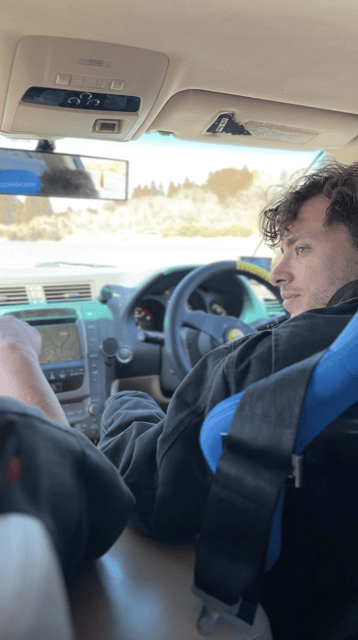
This is a full-day charter designed to solve a real problem: getting from Tokyo to the Fuji/Hakone zone and still seeing several highlights. Instead of bouncing around with multiple tickets and transfers, you roll with hotel pickup and drop-off, plus parking fees handled in the background.
What you’ll feel most is the flexibility. The guide isn’t just reading off a script. The tour is explicitly customizable, and the suggested routing is really a menu. If you want more viewpoint time, less museum time. If you want shrines and short walks over big rides, you can steer it that way. That’s a big deal in Japan, where day-tripping can turn into a checklist if you don’t manage it.
English support matters, too. The tour includes an English live guide, and there’s also an English audio guide included. That combination helps if your Japanese is limited and you want to understand what you’re seeing without constantly asking your phone to translate signs.
You can also read our reviews of more guided tours in Tokyo

Choosing your route: Mt. Fuji focus vs Mt. Fuji plus Hakone
One of the most important practical notes: you’ll select either a Mt. Fuji surroundings itinerary or a Mt. Fuji and Hakone itinerary style. That choice shapes what “success” looks like by the end of the day.
Mt. Fuji surroundings style (if you want more Fuji, less hopping)
This plan leans into:
- Mt. Fuji 5th Station (if weather allows)
- Lake Kawaguchi area viewpoints
- Oshino Hakkai
- A few scenic shrines and parks around Fuji
Some stops are included as free entries (like certain shrines/parks and Oshino Hakkai), while other experiences around the area may cost extra depending on what you choose.
Mt. Fuji + Hakone style (if you want the lakes and ropeways too)
This style blends:
- Lake Kawaguchi scenery
- Mt. Fuji 5th Station (weather permitting)
- Kachi Kachi ropeway
- Hakone ropeway
- Lake Ashi
- Owakudani (often paired with the Hakone-side experience)
If you’re picturing Hakone as the main event, this is the route that makes sense. You’ll trade some Fuji-side time for the classic Hakone machinery: ropeways, lake views, and that volcanic vibe near Owakudani.
Mt. Fuji 5th Station: the day’s make-or-break viewpoint

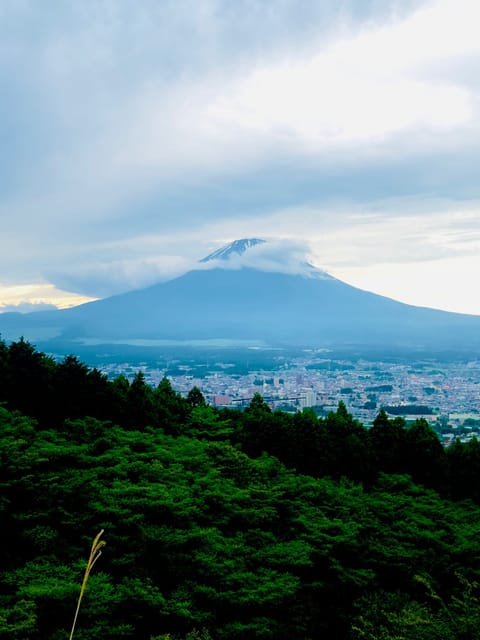
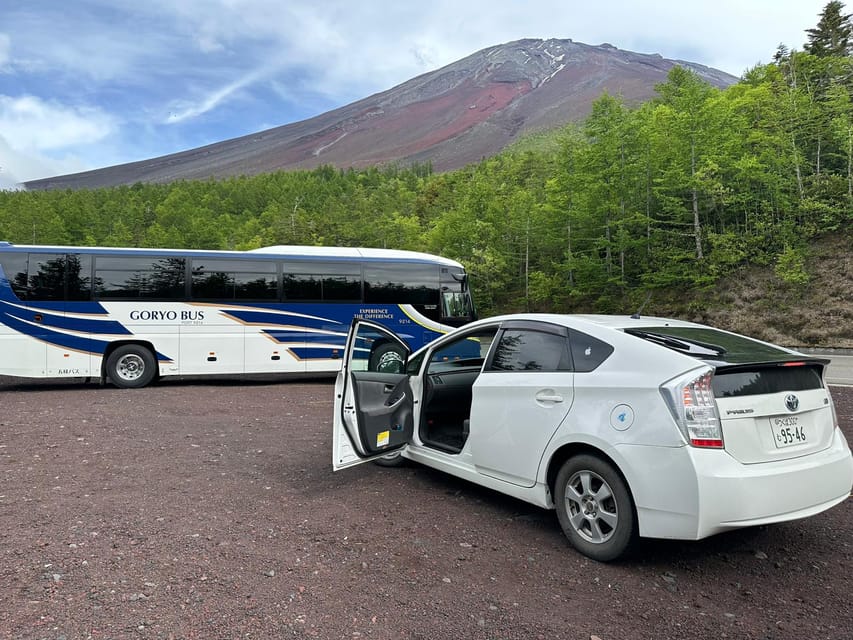
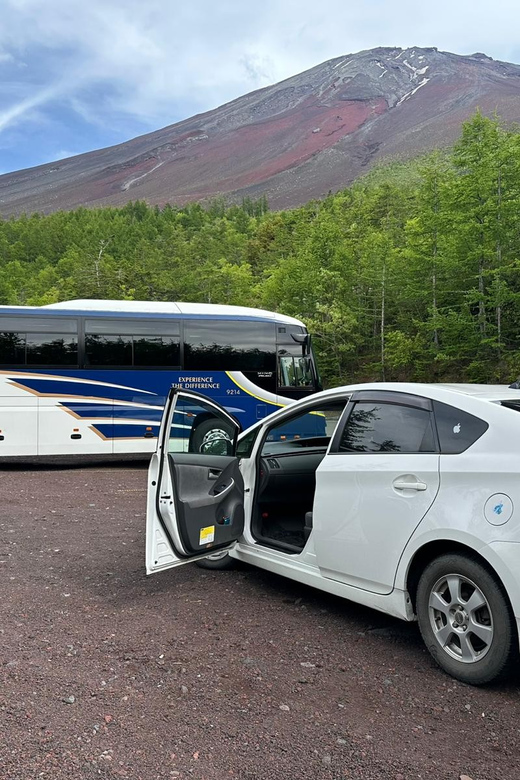
Mt. Fuji 5th Station is typically the highest stop reachable by car on this kind of schedule, and it’s timed as a short, focused visit. The tour plans about 30 minutes there, and it’s clear that the guide is watching weather conditions.
Here’s how to think about it so you don’t feel short-changed:
- If visibility is good, 5th Station is a strong payoff for how iconic Mt. Fuji is.
- If visibility is poor, you’ll still get the experience of reaching the main car-access area—but you may not get the dramatic panoramic views you dreamed of.
Also note: the Mt. Fuji entry ticket isn’t included. You’ll want to factor that cost into your day, even if you’re mainly focused on views and photos.
Lake Kawaguchi + Fuji-side towns: scenic breathing room
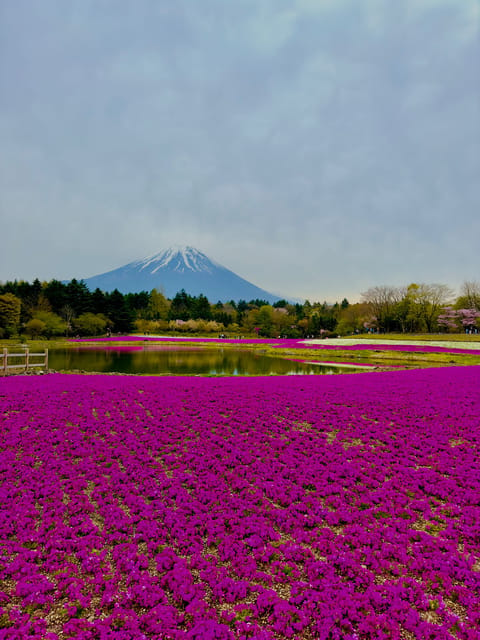
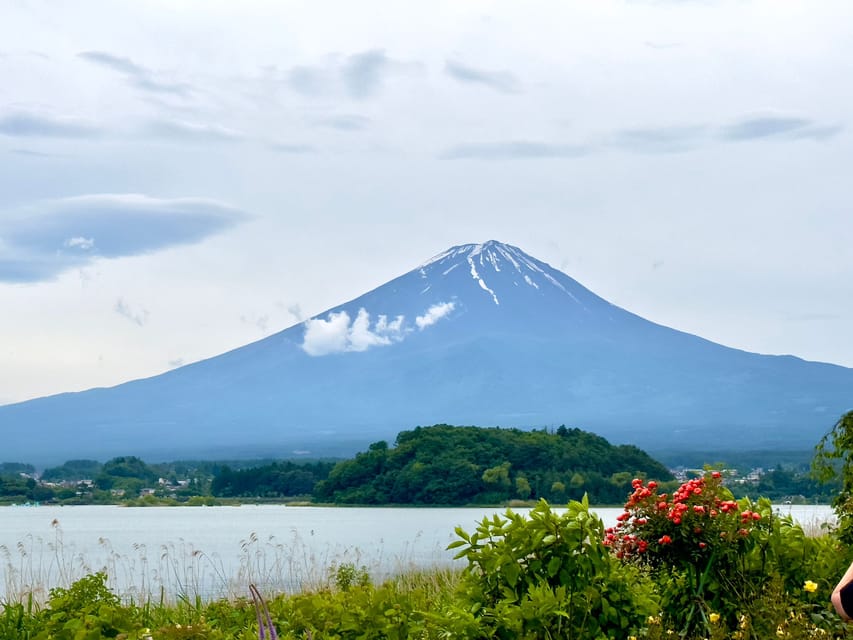
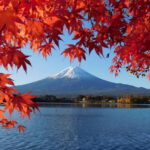
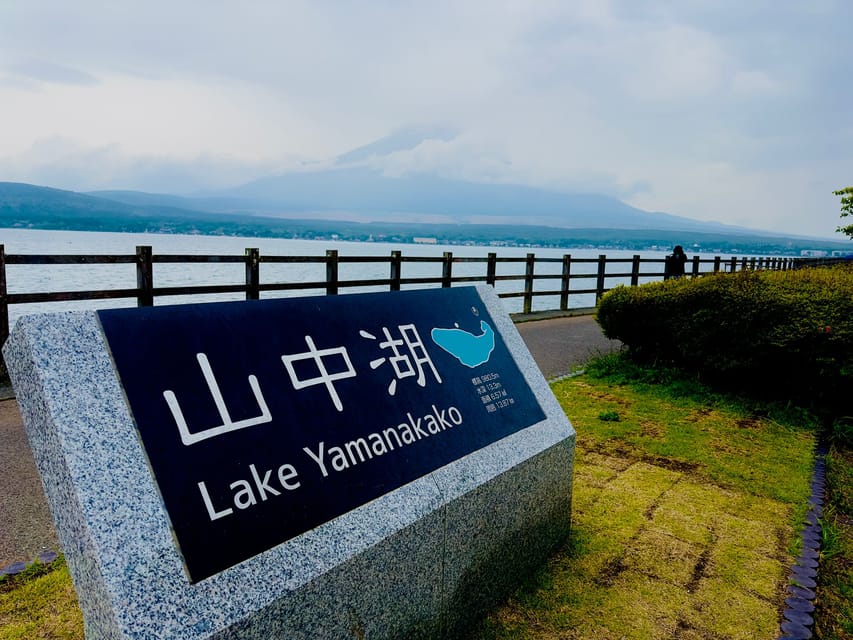
Lake Kawaguchiko is one of the most practical Fuji viewing bases for day trips from Tokyo, and it’s built into this charter for a reason. You’ll spend about one hour in this area, and the timing gives you space to enjoy views without feeling like you’re sprinting.
What makes Lake Kawaguchi especially useful on a mixed Fuji/Hakone day is options. Depending on what the guide suggests and what you feel like doing, you can connect to viewpoints from:
- the Kachi Kachi ropeway area, and/or
- sightseeing around the lake with the classic Mt. Fuji photo angles
If you choose the Fuji surroundings side, you’ll likely shift from lake scenery into smaller, iconic stops. Two of the best-known are Oshino Hakkai and the shrine/parklike areas designed for quick, scenic walks.
Oshino Hakkai: eight ponds and snack-and-photo time
Oshino Hakkai is scheduled at about one hour, and it’s famous for its cluster of ponds with Fuji views in clear weather. Even if it’s cloudy, the place still works as a pleasant break from the bigger travel hubs. You’ll also have the chance to browse souvenir and food stalls nearby, which is helpful because food and drinks aren’t included on the tour.
A practical tip: if you care about photos, treat this like your second chance after Mt. Fuji 5th Station. Clouds can move, and the best shots often happen when you stay flexible.
Kitaguchi Hongu Fuji Sengen Jinja + Arakurayama Sengen Park
These stops are designed for different types of payoff:
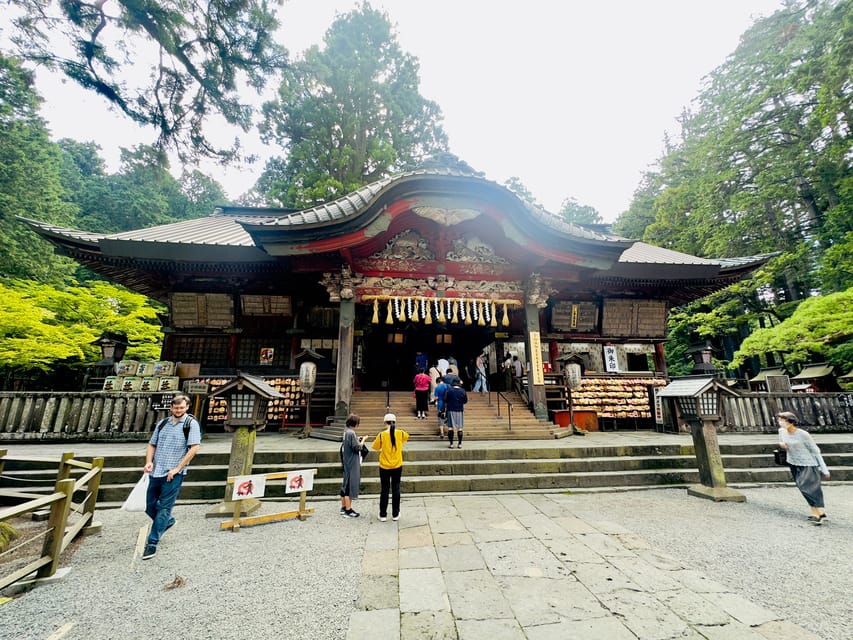
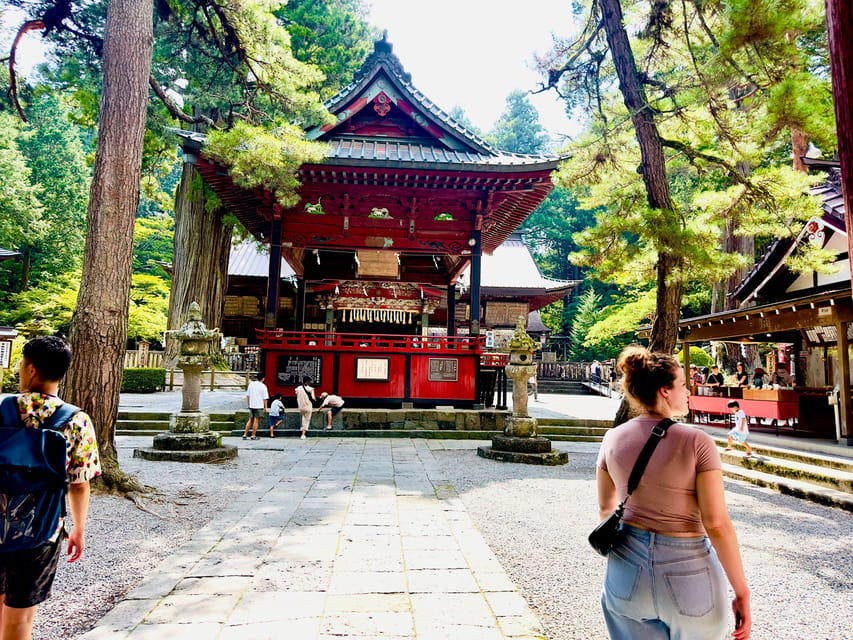
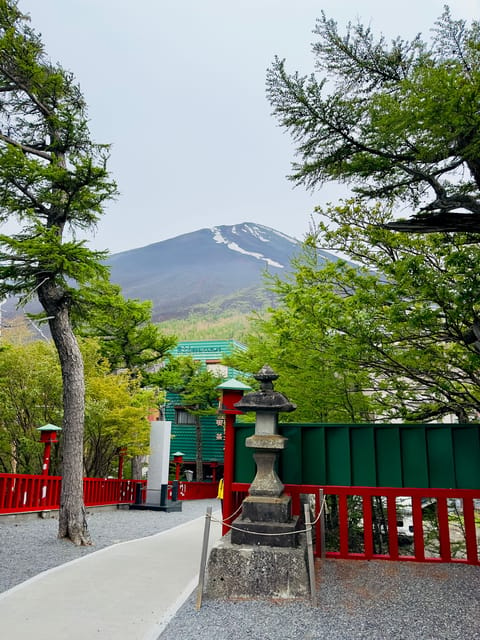
- Kitaguchi Hongu Fuji Sengen Jinja is about the shrine approach and the historical route feeling of reaching Fuji from the north side.
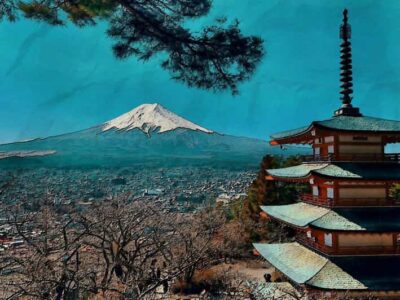
- Arakurayama Sengen Park brings the famous hilltop viewpoint vibe, reached via 398 steps.
The shrine stop is timed at about one hour. The park stop is also about an hour, which gives you enough time to do the steps at an easy pace and still have time to look around and take photos.
If you’re traveling with kids or anyone who hates stairs, you can ask the guide to manage pacing. Since this is private and customizable, you’re not stuck doing a one-size-fits-all walk.
Lake Ashi and Hakone ropeway country: the big scenery shift
When your itinerary includes Hakone, the character of the day changes. The vibe becomes more scenic-and-dramatic: ropeways overhead, lake views below, and volcanic history in the background.
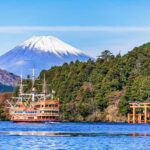
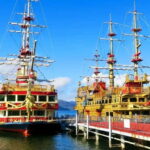
You’ll spend about one hour at Lake Ashi. Lake Ashi is also called Hakone Lake or Ashinoko Lake, and it’s the centerpiece for many Hakone-style photos. The tour notes that you can experience a Pirate Cruise at Lake Ashi, though any special ride or cruise is not included in the price.
That distinction matters. If you want the boat experience, budget for it. If you don’t, Lake Ashi still works as a viewpoint stop, and you can use your hour for photos and the classic walking-around rhythm.
Hakone ropeway and the Kachi Kachi ropeway: ride time costs extra
The route includes ropeway options (Kachi Kachi and Hakone ropeway) as part of the Hakone mix. Ropeways are the kind of thing you feel instantly: you go from being in the valley to seeing the region from above.
But rides like these are typically where your day-trip costs can creep upward. The tour’s basic inclusions cover the guide, pickup/drop-off, and parking—not the extra transport experiences. If you’re trying to keep costs controlled, ask the guide what’s most worth it for your day’s weather.
Owakudani: volcanic energy on the clock
The Fuji + Hakone routing references Owakudani. This is often paired with the so-called black egg experience, which is a fun, very Hakone thing to do if you’re in that mood. The tour data doesn’t lock in the exact duration for Owakudani, so treat it as a “time permitting” kind of stop when you’re planning your own must-dos.
How the guide keeps the day fun (not chaotic)
The strongest part of the experience isn’t any single attraction. It’s the way the guide manages order.
On one family-friendly trip, the guide Abdullah was noted for speaking English well and keeping the day smooth for everyone in the group. On another trip, the driver-guide Haseeb was praised for optimizing time—dropping the group where they needed to be, pointing them toward the right next activity, and keeping the whole day on track.
Even when the guide style is more of a practical local helper than a lecture-style guide, you still benefit from someone who:
- understands the classic sequence of sights
- knows where you can get quick wins
- keeps you from losing time to confusion or long detours
One caution from real-world use: if you ask for lots of additional services beyond what’s already planned, it can become a surcharge situation. If your goal is a clean Fuji-Hakone highlight day, stick to the core route and add only one or two extra paid experiences you truly care about.
Timing reality: early start, then a steady rhythm
A day trip like this is built around efficiency. The tour includes hotel pickup, and the suggested schedule includes a start in the morning with return to Tokyo by evening.
One example pacing that helps you picture the day: a Hakone-focused day left Tokyo around 7:30 and wrapped up by about 17:00 when the group kept the plan tight and skipped an additional boat option at Lake Ashi. Your timing can shift based on traffic, crowds, and—most importantly—visibility on Mt. Fuji.
Here’s how to use this info wisely:
- If Mt. Fuji views are the priority, don’t over-stack optional paid rides early in the day. Leave room for the stops that depend on weather.
- If Hakone is the priority, you can keep the plan moving and still hit the ropeways and lake without turning the day into a sprint.
What’s included vs what you’ll pay for
Your baseline includes:
- Hotel pickup and drop-off
- Parking fees
- English-speaking tour guide
- English live tour and English audio guide
What’s not included:
- Food and drinks
- Any special ride or cruise
- Mount Fuji entry ticket
This split affects how you budget. If you’re the type who likes to eat as you go (very normal in Japan), plan on covering your own meals and snacks. And if you want the ropeways and Pirate Cruise, you’ll need extra spending beyond the $387 group price.
Price and value: $387 for up to 6 people
At $387 per group (up to 6), the pricing is aimed at private convenience. If you divide it across a small group, it can compare favorably to piecing together transport + separate local tickets + a guide you hire for just one area.
What you’re really paying for:
- a private charter and pickup/drop-off
- someone to manage the order of stops
- parking logistics taken care of
- English language support throughout
The value rises if you have more than one person. A solo traveler might still find it worthwhile if you want easy logistics and don’t want to wrestle with connections. But if you’re traveling with a group of friends or a family, the math usually gets more comfortable quickly.
Who this tour fits best
This is a smart choice for people who want:
- a private group experience without spending days planning
- a mix of iconic sights across Mt. Fuji and Hakone
- English guidance so you can focus on the sights, not translations and routes
It also suits families. One noted trip worked well for a family setup, and the itinerary format is flexible enough to adapt if someone needs more breaks.
If you’re the type who only wants one location and never wants to drive around, consider whether a smaller, single-area plan might feel calmer. But if you want a “Japan highlight sampler” day done right, this hits that sweet spot.
Should you book this Mt. Fuji Hakone tour?
You should book if you want an easy, private way to see Mt. Fuji 5th Station (weather permitting), plus Fuji lakes and Hakone scenery, without dealing with the logistics alone. It’s especially attractive if you’re traveling with up to 6 people and want the freedom to adjust what you do hour by hour.
Skip it or rethink your expectations if clear Mt. Fuji views are your only goal. Conditions can change, and the tour explicitly frames the 5th Station visit around weather. Also, if you’re strict on spending, remember that food and rides/cruises and the Mt. Fuji entry ticket are extra.
If you can be flexible on views and you’ll actually enjoy the ride-and-walk rhythm of Fuji + Hakone, this is a strong day-trip deal.
FAQ
How long is the Mount Fuji Hakone tour?
The duration is 1 day.
What is the price?
It is $387 per group, up to 6 people.
Is this a private group tour?
Yes. It’s listed as a private group.
What language support is included?
You get an English-speaking tour guide, plus an English audio guide included.
Where do you get picked up and dropped off?
Pickup and drop-off are included, with pickup at your own location (with Tokyo pickup described in the activity details).
What are some of the main stops?
Stops can include Mt. Fuji 5th Station, Lake Kawaguchiko, Lake Ashinoko (Lake Ashi), Oshino Hakkai, Kitaguchi Hongu Fuji Sengen Jinja Shrine, Arakurayama Sengen Park, and Saiko Iyashi no Sato Nemba (if time allows), plus ropeway and Hakone area viewpoints depending on the chosen route.
Are food and drinks included?
No. Food and drinks are not included.
Is the Mount Fuji entry ticket included?
No. The Mount Fuji entry ticket is not included.
Is the tour wheelchair accessible?
Yes, it is listed as wheelchair accessible.