REVIEW · TOKYO
Private Drifting Lesson w/ OG Instructor Tokyo Drift Japan
Book on GetYourGuide →Operated by Matenro Drift Racing | JDM Drift Tours and Lessons · Bookable on GetYourGuide
Drifting lesson, taught like the real deal. This private session with Matenro Drift Racing gets you step-by-step coaching from OG drift teachers like Hiro and Ross, with English support so you’re not guessing. I also love the finish: a replica undercover police car moment that feels like a real pursuit. The big consideration is the price at $708 per person, plus it’s about a 6-hour commitment with only 3 hours of driving.
If you’re a beginner, your goal is a proper donut first, and if you’re moving well you’ll push toward a figure 8 during the 3-hour practice block. Intermediate drivers work with e-brakes and more higher-gear changes, and everyone takes a graduation challenge course at the end. You’ll get free pickup and dropoff in Tokyo, plus helmets and gloves.
In This Review
- Key things that make this drift school worth your time
- Tokyo-to-the-track day: how your 6 hours actually unfold
- What makes the schedule feel good
- One practical drawback
- The skills roadmap: donuts, figure 8s, and the graduation challenge
- Beginners: donut first, then figure 8
- Intermediate: e-brake setups and higher-gear changes
- The graduation challenge for everyone
- The best part for most people: clear feedback loops
- Minami Chiba Circuit and the car-to-car energy
- What you’ll drive: JDM car choices and why they matter
- Beginner cars: Mazda MX-5 Miyata NB
- Intermediate or more skilled drivers: Nissan 350Z, Mazda RX-8, Nissan 180SX
- Cars change, but the method stays consistent
- The private coaching advantage: step-by-step, translated, and filmed
- OG teachers in the car, with English support
- You get plenty of wheel time
- Video capture is part of the experience
- The police pursuit finale: what to expect from the replica car moment
- Price and value: $708 per person, and what you’re really buying
- What you supply (and what you shouldn’t show up without)
- Who this drifting lesson fits best
- Should you book this private OG drift lesson in Tokyo?
- FAQ
- Is this experience completely private?
- How long do I actually drive?
- Where does the activity start and end?
- What car will I drive?
- Can beginners do it?
- Do they provide instruction in English?
- What safety gear is included?
- What should I wear?
- Is free cancellation available?
Key things that make this drift school worth your time
- Truly private, OG-level coaching from the Matenro Drift Racing team
- Beginner win condition: a proper donut, with figure 8 as the next target
- Police pursuit finale in a replica undercover police vehicle
- English support on the ground via fluent English-speaking translators and staff
- JDM cars matched to your skill (MX-5 Miyata NB for beginners; 350Z / RX-8 / 180SX for more skilled drivers)
- Real wheel time with video capture from inside and outside the car
Tokyo-to-the-track day: how your 6 hours actually unfold
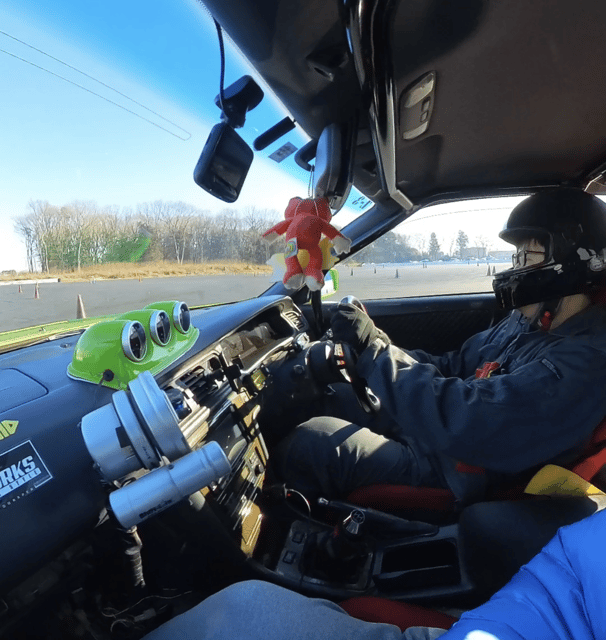
This is one of those activities that feels simple on paper but runs smoothly in practice: you’re picked up in Tokyo, driven out to the circuit near Minami Chiba, then you spend the day learning how to drift for real.
You’ll start with free pickup in the Tokyo area (they prefer within about 5 km of the center of Tokyo). The pickup vehicle is listed as a Lexus LS460, and you might find a different team vehicle depending on the day, since at least one booking reported a minivan. Either way, the key point for you is that you’re not navigating trains or renting extra transport just to get to a drifting track.
After pickup, you’ll drive to Minami Chiba Circuit, roughly an hour from Tokyo. That travel time matters because it gives you a buffer for the stuff you cannot skip: getting briefed, going over hand signals and safety rules, and getting comfortable before you strap in. It also helps the team keep the session private and paced, instead of rushing everyone through a demo.
Then comes the center of the day: about 3 hours of hands-on drifting practice. Your instructor time is step-by-step. You’re not just doing laps and hoping it sticks. You’re coached to correct things like throttle timing, steering angle, and how to control the car as it rotates.
Finally, you’re back in Tokyo with dropoff. Total time is listed as about 5–6 hours, and they also describe a full 6-hour day on the experience timing. Plan on a normal meal sometime between pickup and the track if you get hungry easily, because you’ll likely be focused on the lesson when you arrive.
You can also read our reviews of more private tours in Tokyo


What makes the schedule feel good
You’ll notice the session is built around a clear learning path. Beginners get a measurable goal early (donut), then progress if you’re ready. Intermediate drivers get more advanced techniques, not a watered-down repeat of beginner drills. That structure is why people describe it as the best thing they did in Japan—because it doesn’t feel like a ticket to sit near a track.
One practical drawback
This is not a quick hit. If you’re the type who hates being away from Tokyo for most of the day, this can feel like a big commitment. The trade-off is real: you get a private setup, a personal teacher, and enough practice time to actually improve.
The skills roadmap: donuts, figure 8s, and the graduation challenge
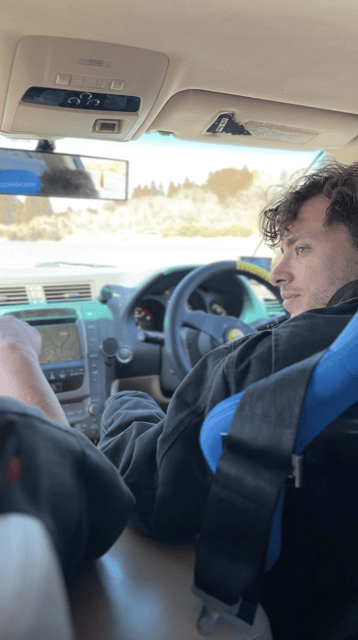
The lesson is organized by your driving level, and it’s built around outcomes you can understand.
Beginners: donut first, then figure 8
For beginner drivers, the course is designed to help you learn a proper donut in about 3 hours. If you master that donut, you move to a figure 8. That sequencing matters because a donut teaches you how the car behaves in sustained rotation, while the figure 8 forces you to transition between turning directions and keep the car stable.
Your instructor is in charge of the pacing. You’re not trying to copy a perfect clip from the internet. You’re learning the mechanics and the timing, then applying it repeatedly until it feels natural.
You can also read our reviews of more tours and experiences in Tokyo




Intermediate: e-brake setups and higher-gear changes
If you come in with some drifting knowledge, you’ll get more technical skill work: e-brakes, more higher gear changing, and setups that help you control angle and rotation as speed increases. The goal is less about learning the idea of drifting and more about making your car control more consistent.
The graduation challenge for everyone
There’s a graduation challenge course included. That part matters because it turns the lesson from practice into assessment. It gives you a reason to focus during the session and helps you see what improved between the first runs and the final runs.
The best part for most people: clear feedback loops
From the coaching style described, you’ll get direct instructions and frequent corrections. One booking specifically called out that the instructor Ross demonstrated drifting ease from inside the car while the group took turns driving. That kind of teaching tends to stick, because you’re seeing what success looks like, not just hearing it.
Minami Chiba Circuit and the car-to-car energy
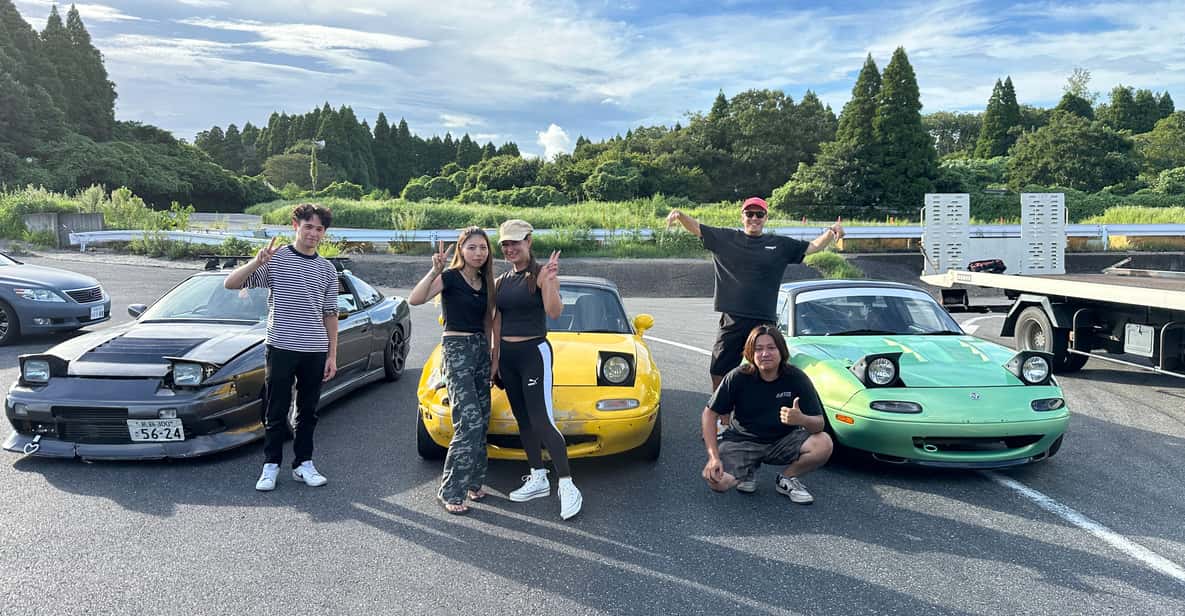
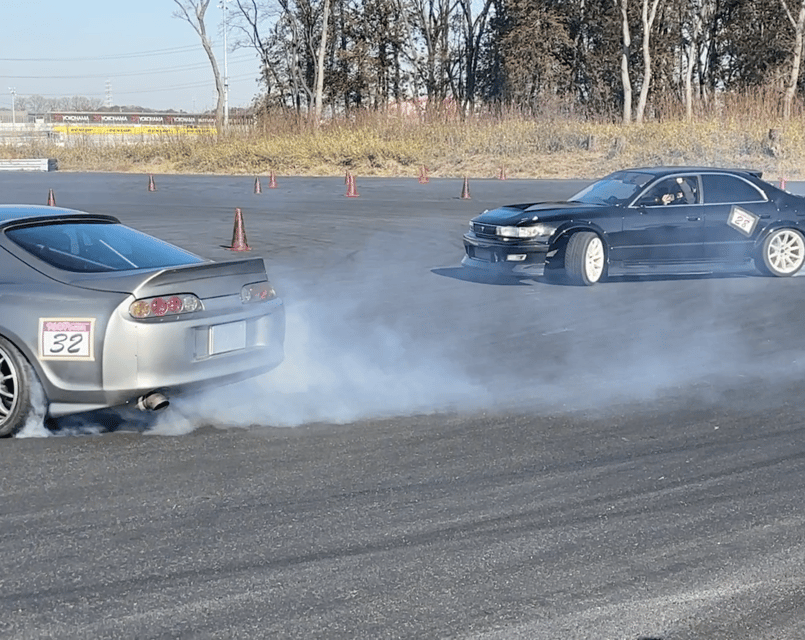
Even if you’ve drifted in video games, a real circuit changes everything: sound, grip, the way tires talk through vibration. When you arrive at Minami Chiba Circuit, you’re not walking into an empty training area. You may see other drift cars doing laps or practice in the area, which adds energy to the session.
This matters for your learning because drift is a “feel” skill. You want your brain and your hands synced before you start taking the car sideways. Seeing other cars drift (even at a distance) helps normalize the motion, and it makes you more relaxed when your turn comes.
Also, the team keeps things professional. You’ll have safety gear—helmets and gloves—before you start driving. That alone makes it easier to focus on technique instead of worrying about the basics.
What you’ll drive: JDM car choices and why they matter
Your exact car depends on your skill level and the day. That’s normal for a drift school, but it’s important to understand what it means for you.
Beginner cars: Mazda MX-5 Miyata NB
Beginners may drive a Mazda MX-5 Miyata NB. The practical benefit is that MX-5 platforms are often used because they can be approachable and predictable for learning fundamentals. If you’re new to drifting, “manageable behavior” beats a car that punishes every mistake.
Intermediate or more skilled drivers: Nissan 350Z, Mazda RX-8, Nissan 180SX
Intermediate drivers may drive a Nissan 350Z, Mazda RX-8, or Nissan 180SX. These cars are classic JDM options and can support more aggressive drifting setups. If you already know how to control rotation, your car choice will likely feel like you’re stepping up to a bigger playground.
Cars change, but the method stays consistent
Because the teachers adjust to your skill, the main value isn’t the badge—it’s the coaching method. The team aims to give you authentic drift techniques using the car you’re in that day.
The private coaching advantage: step-by-step, translated, and filmed
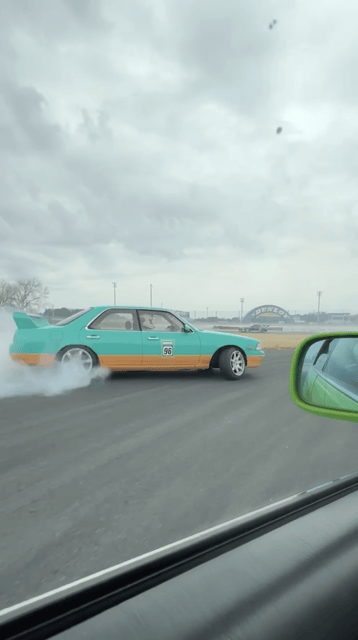
A “private lesson” can mean different things. Here, it’s clearly designed so you’re not waiting your turn while someone else gets instruction.
OG teachers in the car, with English support
The experience is described as being taught by legendary OG teachers privately for 3 hours, and it includes fluent English-speaking translators and staff. That combination is what helps you learn faster, especially if you don’t speak Japanese.
In one reported session, the guide Hiro helped with communication so a beginner group could connect with expert drifter Ross. Even if you don’t care about names, the lesson is the same: the team works to close the language gap so you actually follow the corrections.
You get plenty of wheel time
A repeated theme in the feedback is “a lot of wheel time,” and that matches what you should want from a 3-hour practice block. If you show up expecting rides and watching, you’ll be disappointed. If you show up ready to drive and learn, you’ll likely feel satisfied with how much time you spend behind the wheel.
Video capture is part of the experience
You can also expect video capture from inside and outside the car. One booking described cool shots from both angles. That’s useful for you later because you can compare the first runs to the better runs and spot patterns, like when you oversteer or when throttle comes in late.
The police pursuit finale: what to expect from the replica car moment
The experience includes a replica undercover police vehicle so you can feel what an actual police chase drift would be like at the end of the day. In other words, you get a themed finale on top of pure technique.
This is fun in a very specific way: it gives you a change of pace and a final “wow” memory without turning the day into a gimmick. You’re still in a drift context; it’s just a more cinematic scenario.
Also, because it’s placed at the end, you’re most likely already warmed up with the core skills. By then, you’ll understand what the car is asking for, and the police-style moment becomes a reward for your progress.
Price and value: $708 per person, and what you’re really buying
Yes, $708 per person sounds steep at first glance. But you’re not paying for a group show. You’re paying for a private drift school structure with OG instruction, JDM cars, safety gear, and a full half-day around your lesson.
Here’s how the value stacks up for you:
- Private instruction: you get a dedicated coaching setup for your skill level, not a shared session where you do a few laps and wait.
- 3 hours of practice: that’s where skill improves. The experience is built around that block.
- JDM cars: you drive real performance machines, including MX-5 and other classic drift platforms depending on level.
- English support: communication matters a lot in motorsports. The translator piece isn’t just comfort; it affects how quickly corrections land.
- Pickup and dropoff: free transportation from your Tokyo location within their preferred range saves you time and adds convenience.
The main “value reality check” is simple: you’re paying for access—time with OG teachers, a private track session setup, and real steering inputs in a JDM drift car. If you’re a casual car fan who wants to watch, you might not feel the price is worth it. If you want to learn, the structure makes the cost easier to justify.
What you supply (and what you shouldn’t show up without)
Bring long sleeve shirts and long pants, plus sneakers. No sandals. This isn’t optional if you want to stay comfortable and meet the basic safety expectations of a driving lesson. It’s an easy prep task, but do not treat it like a detail.
Who this drifting lesson fits best
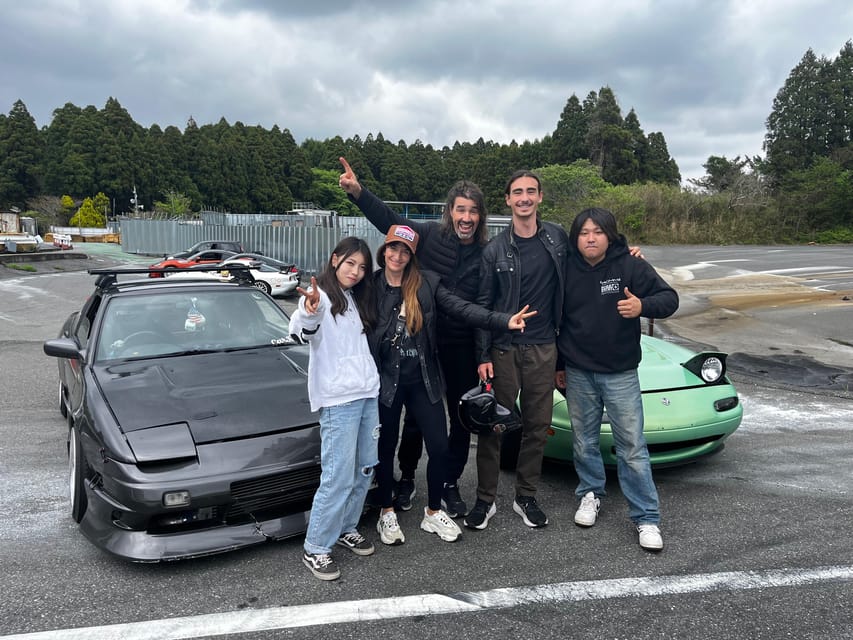
This experience fits best if you fall into one of these buckets:
- You’re a JDM or car culture fan who wants more than watching from the sidelines.
- You’re a beginner who wants a clear learning target (donut), not random practice.
- You’re an intermediate driver who wants technique refinement with e-brakes and gear-change work.
- You want a private experience with English help and step-by-step feedback, especially if drifting terminology and Japanese instructions could otherwise slow you down.
If you’re the kind of person who gets nervous in a fast environment, you’ll probably appreciate that the day includes helmets and gloves, plus real instruction rather than just throwing you in. If you hate long days outside Tokyo, you’ll need to decide whether the 6-hour commitment feels worth it.
Should you book this private OG drift lesson in Tokyo?
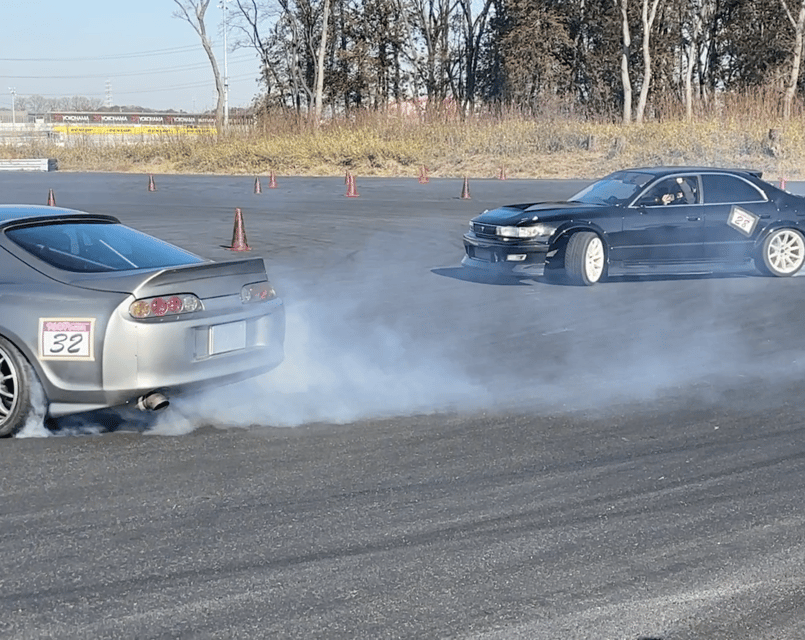
I’d book it if your goal is to learn drifting with real coaching and you’re ready to drive for 3 full hours. The private setup, OG teacher guidance, English support, and the clear beginner-to-intermediate progression (donut → figure 8 or e-brakes and gear changes) make it feel like training, not a stunt.
I would hesitate if the price is a stretch for your trip budget or if you prefer shorter, more casual activities. Also, if you dislike long transport days, plan your Tokyo schedule carefully so you’re not rushing to dinner and check-in right after the track.
If you do book, show up in the right clothing, stay focused during the briefing, and treat the graduation challenge like your final test run. That’s when the day’s progress usually clicks.
FAQ
Is this experience completely private?
Yes. It’s described as a completely private lesson and school with a private group setup.
How long do I actually drive?
You get 3 hours of practice with expert instruction. The full experience day is about 6 hours, including pickup, travel, and setup.
Where does the activity start and end?
Pickup and dropoff are included for your chosen Tokyo location. The pickup is preferably within about 5 km of the center of Tokyo, and you’ll be transported to Minami Chiba Circuit about an hour away.
What car will I drive?
It depends on your skill level and the day. Beginners may drive a Mazda MX-5 Miyata NB. More skilled drivers may drive a Nissan 350Z, Mazda RX-8, or Nissan 180SX.
Can beginners do it?
Yes. Beginners focus on learning a proper donut, and if you master that you move on to a figure 8 during the practice period.
Do they provide instruction in English?
Yes. The experience includes English, Japanese, and fluent English-speaking translators and staff.
What safety gear is included?
Helmets and gloves are included.
What should I wear?
Bring long sleeve shirts and long pants, and wear sneakers. Sandals are not suitable.
Is free cancellation available?
Yes. Free cancellation is available up to 24 hours in advance for a full refund.