REVIEW · KAMAKURA
Kamakura Zen: Great Buddha, Nature, Bamboo & Samurai Culture
Book on GetYourGuide →Operated by ShogunTours · Bookable on GetYourGuide
Kamakura works best in small, focused bursts. This tour strings together Zen temples, a bamboo grove, and samurai-era sites in one smooth 4-hour loop, so you get variety without wasting time. I particularly like how it balances big spiritual landmarks with quiet garden spaces, and then pivots into warrior history at the shrine. One thing to consider: it’s a fixed group plan with walking and some stairs, so you’ll want comfy shoes and an easy pace.
Two highlights I’m drawn to are the Great Buddha stop and the bamboo-and-tea moment at Hokokuji. You get iconic sights plus the calmer, slower side of Kamakura, which is what makes the day feel restorative instead of rushed. And one practical perk: your guide takes photos for you, which saves you from playing photographer every few minutes.
If you’re hoping for a fully flexible day on your own schedule, this isn’t that. You’ll follow a set order, and transportation to and from (and during parts of the day) is not included—so plan your transit separately.
In This Review
- Key Points You’ll Care About
- Why Kamakura’s Great Buddha and Samurai Sites Fit a Half Day
- Price and What You Actually Get for $64
- Meeting Point and Getting Started Without Stress
- Kotoku-in Great Buddha: Big Presence, Short and Worth It
- Hase-dera Zen Gardens, Kannon Statue, and Benzaiten’s Cave
- Hokokuji Bamboo Forest: The Quiet Break You’ll Remember
- Tsurugaoka Hachimangu: Samurai Spirit in Temple Form
- Komachidori Street: Snack, Souvenir, and Old-Town Mood
- Walking, Stairs, and Weather: The Practical Side of Zen
- Who This Tour Suits Best (and Who Might Want Something Else)
- Should You Book This Kamakura Zen and Samurai Tour?
- FAQ
- Is this tour 4 hours long?
- Where do I meet for the tour?
- What language is the tour guide?
- What stops are included in the tour?
- Are entry tickets included?
- Is the matcha tea experience included?
- Do I need to pay for transportation during the tour?
- Is there walking and stairs?
- Does the tour run in bad weather?
- Is this tour suitable for wheelchair users?
- Can I cancel, and what’s the refund policy?
Key Points You’ll Care About
- Great Buddha + Hasedera’s Zen gardens in one morning stretch of temple time
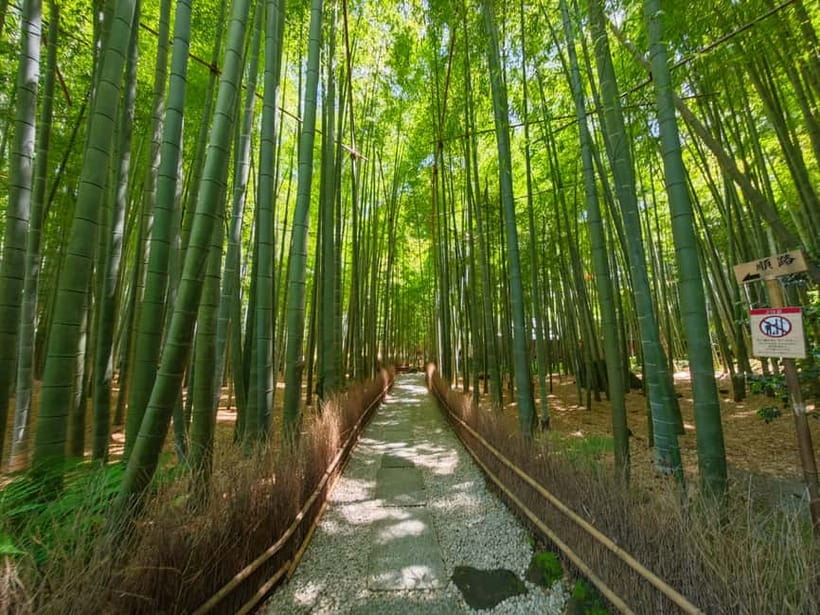
- Hokokuji bamboo grove plus an optional matcha tea experience in the tea house area
- Tsurugaoka Hachimangu Shrine gives you the samurai context behind Kamakura’s warrior reputation
- Komachidori Street ends the tour with snack-and-souvenir old-town energy
- Deen (English-speaking guide) gets praise for being personable, timely with explanations, and offering useful local tips
- Photo stops included so you don’t lose time wrestling with your phone camera
Why Kamakura’s Great Buddha and Samurai Sites Fit a Half Day
Kamakura is often sold as a “temple town,” but it’s more interesting than that. The place carries layers: Buddhist tradition, Zen calm, and the warrior culture that once shaped how the city worked. This tour is built around that mix.
The schedule is tight but not frantic: you start near Kamakura Station, then move through a sequence of sites that feel like chapters in one story. Big icons (like the Great Buddha) frame the day, while gardens and bamboo add a quieter rhythm. Then the samurai spirit comes forward at Tsurugaoka Hachimangu, where the setting matches the theme in a way you can feel right away.
Also, the timing is built for your legs. It’s about 4 hours, and while you will walk, the day is paced by short transit hops and visits that aren’t overly long at each stop.
You can also read our reviews of more tours and experiences in Kamakura.


Price and What You Actually Get for $64
At $64 per person for about 4 hours, the real value isn’t just “getting a guide.” It’s what’s bundled.
Here’s what’s included:
- Entry tickets to all temples and shrines on the itinerary
- An English-speaking local expert guide
- Photos taken for you during the tour
- Matcha tea experience at the Bamboo Forest (optional)
What’s not included:
- Transportation (your train or bus to/from Kamakura and for any parts not covered)
- Meals, snacks, drinks, souvenirs
That matters because temple and shrine tickets do add up, especially when you’re doing multiple sites in one visit. Paying for one guided loop can be cheaper than individually coordinating tickets and timing—and it saves you the hassle of figuring out which stop is where and in what order.
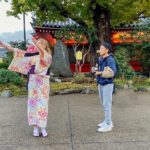
The photos included are also a quiet value-builder. When you’re visiting iconic statues and temple courtyards, you usually end up taking the same photo angle again and again. Having someone take them for you means you get better shots without losing time.
Meeting Point and Getting Started Without Stress
You meet at the Kamakura City Tourist Information Center, located at the East Exit of Kamakura Station. After you pass through the ticket gate, turn left; it’s just ahead.
This is one of those details that makes or breaks a half-day. Arrive about 10 minutes early so you’re not late-walking your way into the group. The tour runs rain or shine, so being on time keeps the day from turning into a weather scramble.
You’ll also want to bring:
- Comfortable shoes
- Water
- Cash
Cash is especially useful because the tour ends on Komachidori Street, where you’ll likely want snacks and small souvenirs. Even if you’re not shopping, having cash helps if you run into a place that’s not card-friendly (and street-food stalls can be like that).
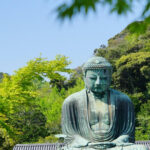
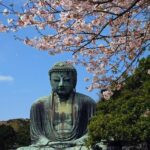
Kotoku-in Great Buddha: Big Presence, Short and Worth It
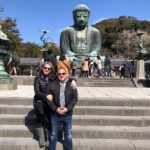
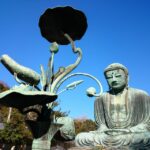
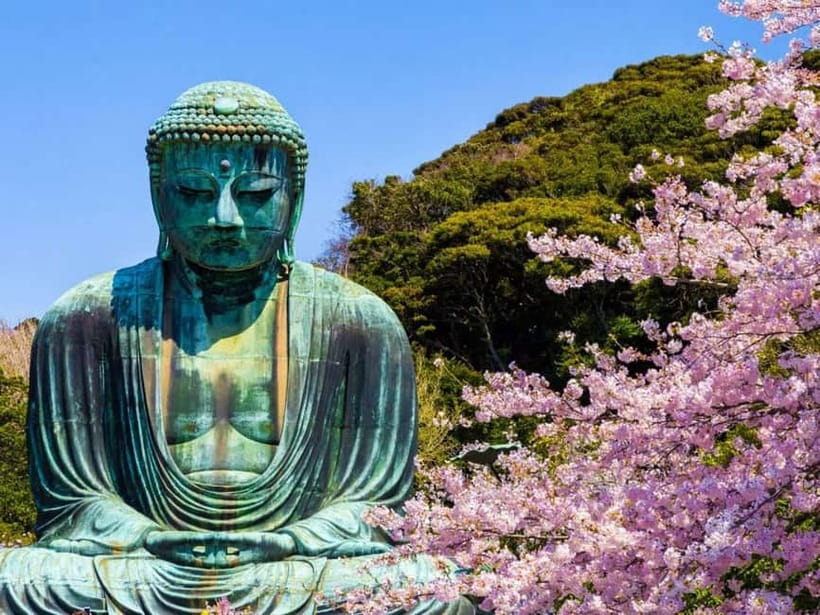
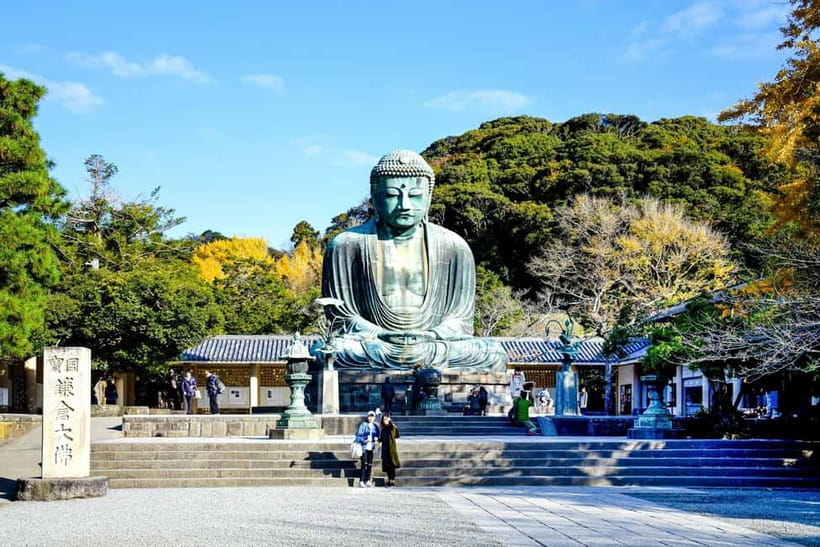
Your tour begins with a bus/coach ride of about 10 minutes to Kōtoku-in, where you’ll spend around 30 minutes.
This stop is the headline. The Great Buddha area has a scale that changes how you walk through the space. Instead of treating it like just another photo backdrop, you feel how the site is designed to hold attention—calmly, not theatrically. Even with a short time window, you get enough minutes to look around, take in the setting, and read the space at a slower speed.
A practical tip: since the tour is time-boxed, don’t get stuck at just one corner. Aim for a quick loop of the main viewpoint areas, then settle into one longer look so you get both coverage and calm.
Hase-dera Zen Gardens, Kannon Statue, and Benzaiten’s Cave
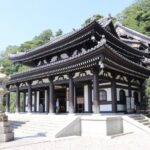
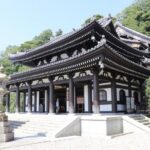
Next you walk about 5 minutes to Hase-dera, with roughly 45 minutes here. This is one of the most satisfying portions because it’s not only about statues—it’s about the way the grounds guide your pace.
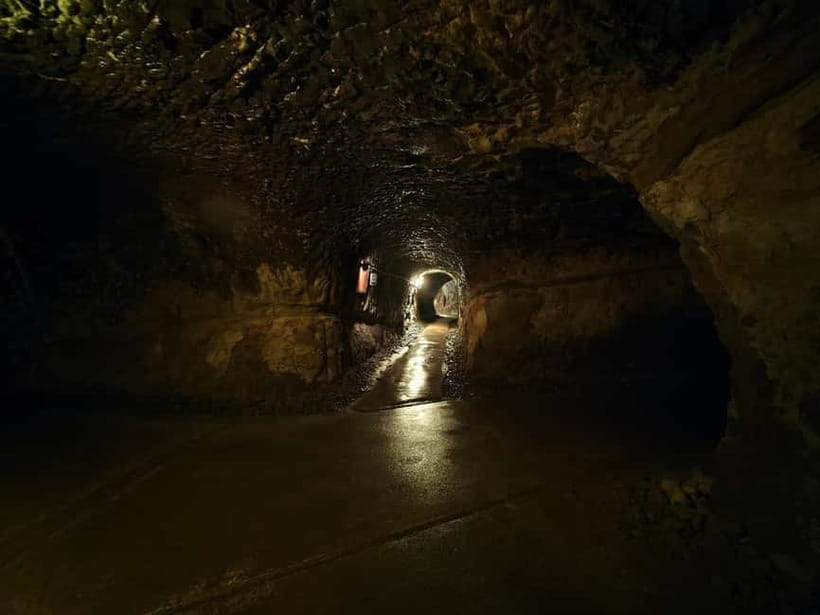
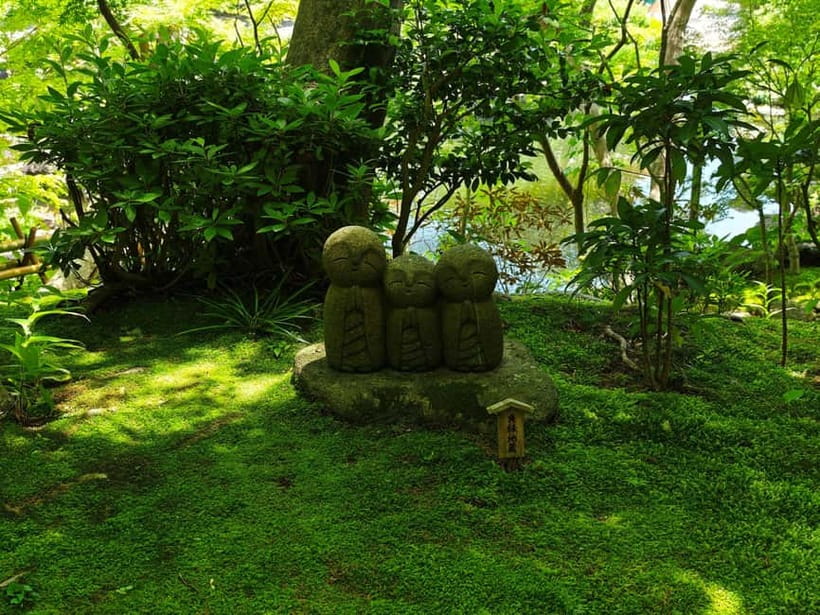
You’ll see the Kannon statue and spend time in the tranquil temple environment. Hasedera is known in this context for gardens that slow your thinking down, calming Zen spaces, and the quieter feel of Benzaiten’s cave. That cave component is a great contrast to the open-air Great Buddha moment—same spirituality, different mood.
What I like about this stop for your day planning: it works like a reset button. After the monumental Great Buddha stop, you transition into a more human-scale experience—paths, courtyards, and spaces meant for lingering. Even if you’re not a temple superfan, the variety of scenery keeps things interesting.
Possible drawback: temple grounds can mean steps and uneven walking. You’re only spending 45 minutes, but you still need good shoes.

Hokokuji Bamboo Forest: The Quiet Break You’ll Remember
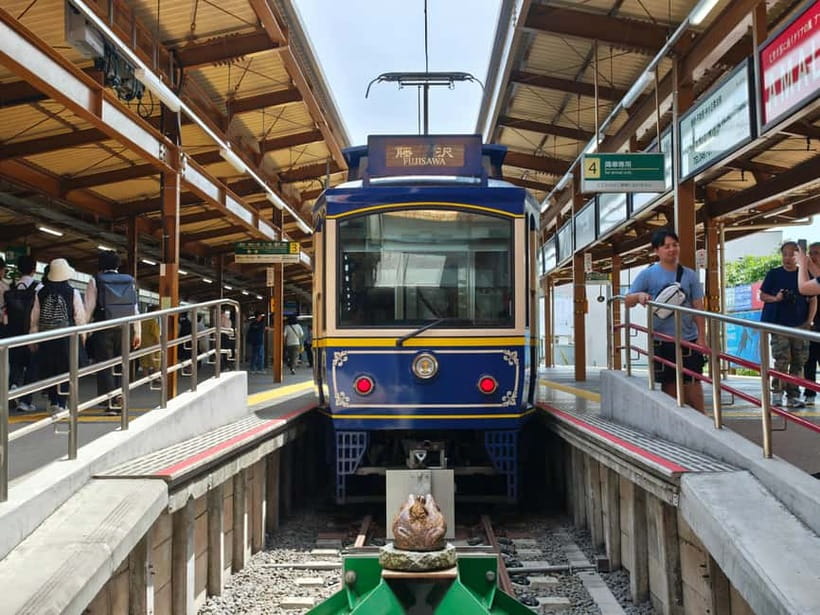
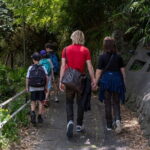
After a tram ride of about 10 minutes, you head to Hokokuji Bamboo Forest for around 30 minutes.
This is where the tour goes from “culture and history” to “take a breath.” A bamboo grove changes the sound of a place. It’s not silent, but it feels shaded and muted in a way that makes you slow down without trying.
The highlight here is the bamboo forest itself, plus the experience connected to the tea setting. The tour includes an optional matcha tea experience at the tea setting in the area. Even if you’re not a matcha person, you’ll still find the location part of the charm—the point is the break as much as the drink.
One nice detail: in feedback from recent guests, the matcha drink and the tea stop are specifically recommended, especially because the setting feels special on a sensory level, not just a checklist level.
If you want to make this part work best for you, plan to use the 30 minutes intentionally:
- Take a slow bamboo walk first
- Then decide whether to do the matcha break
You’ll get more value if you don’t rush straight to the tea and miss the grove’s calm.
Tsurugaoka Hachimangu: Samurai Spirit in Temple Form
Next comes a bus ride of about 10 minutes to Tsurugaoka Hachimangu Shrine, where you’ll spend about 30 minutes.
This is the samurai anchor of the day. The shrine is described as the heart of Kamakura’s warrior past, and the atmosphere supports that idea. Here you’re not looking at just religious art; you’re standing inside a cultural setting tied to power, authority, and history—so the day’s earlier “Zen side” suddenly gains context.
What I like about this structure (Buddha → Zen gardens → bamboo calm → samurai shrine) is how it prevents Kamakura from feeling one-note. When the warrior history arrives, it lands with more meaning because your brain has already been through the calm contrast.
A small consideration: this part is still a shrine visit. You’ll want to stay flexible and respectful in the way you move through the space. If you’re the type who takes photos constantly, pace yourself—this is a place where slower observation feels better.
Komachidori Street: Snack, Souvenir, and Old-Town Mood
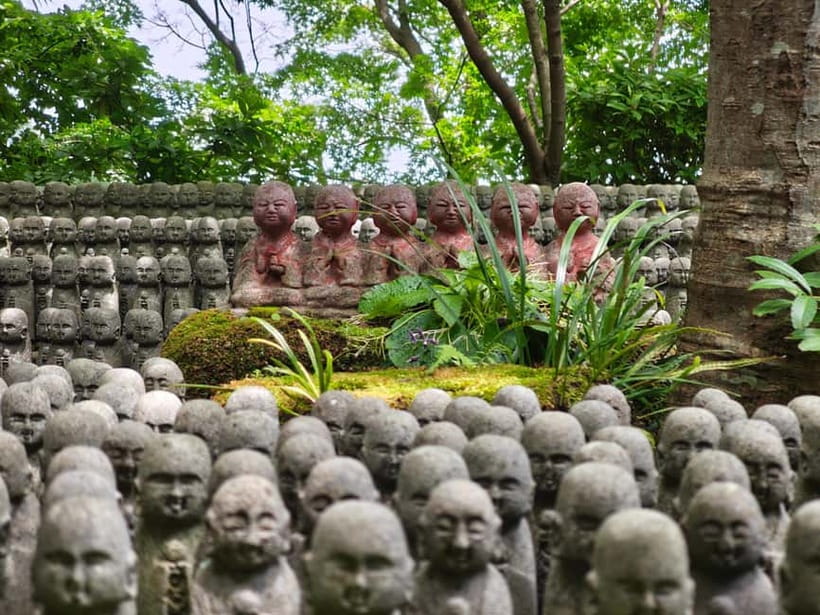
To end, you walk about 5 minutes to Komachidori Street, where you’ll have around 30 minutes for shopping and visiting.
This is where Kamakura becomes everyday. Komachidori is lively, with local snacks, souvenirs, and old-town charm. It’s the right kind of finale after temple and shrine time, because it lets you turn the cultural experience into something you can taste or take home.
This is also where your guide’s local tips can help. One recent English-speaking guide, Deen, was praised for being personable and for sharing practical advice beyond the main sites—like a good lunch tip and an afternoon suggestion. Even if you don’t follow every recommendation, it helps you plan the rest of your day more intelligently.
Practical move: decide early whether you want snacks or souvenirs first. With only 30 minutes, a clear priority avoids the classic “I’ll browse for a second” time trap.
Walking, Stairs, and Weather: The Practical Side of Zen
This tour runs rain or shine, so come ready. You’ll do walking and there are some stairs, so comfortable shoes are non-negotiable.
Also, remember you’re on a public group tour with a fixed itinerary. That means you’ll move as a group, not at your own pace. If you’re hoping for lots of extra free time at one site, you won’t get it—this is designed for balance across multiple places.
If the weather is bad, stick to simple strategies:
- Bring an umbrella or light rain gear
- Wear shoes that handle wet surfaces
- Keep water on you so you’re not forced into purchasing mid-walk
Who This Tour Suits Best (and Who Might Want Something Else)
This experience is best for you if:
- You want a half-day plan that combines Zen, nature, and samurai culture
- You like guided context—especially around the sites and Japanese cultural meaning
- You’d enjoy a calm bamboo walk followed by a shrine visit that explains the warrior background
- You want help with photos and you don’t want to over-plan transit between stops
It may not be the best fit if:
- You want complete freedom to linger wherever you want
- You have limited mobility, since it’s not suitable for wheelchair users
- You’re mainly looking for a food-focused Kamakura tour (this is culture-first, with snacks at the end)
Should You Book This Kamakura Zen and Samurai Tour?
I’d book it if your goal is a smart, efficient day with real variety. The value is strong because entry tickets and an English guide are included, plus you get the bamboo and tea break and a proper samurai-era shrine stop—not just a string of random photo locations.
The decision comes down to your tolerance for a fixed route and walking. If you’re comfortable with some stairs and you like having a plan made for you, this is an easy yes. If you need slow solo time or wheelchair-access accommodations, you’ll probably want a different setup.
FAQ
Is this tour 4 hours long?
Yes. The total duration is listed as 4 hours.
Where do I meet for the tour?
Meet at the Kamakura City Tourist Information Center, located at the East Exit of Kamakura Station.
What language is the tour guide?
The tour is guided in English.
What stops are included in the tour?
The itinerary includes Kōtoku-in, Hase-dera, Hokokuji Bamboo Forest, Tsurugaoka Hachimangu, and Komachidori Street.
Are entry tickets included?
Yes. Entry tickets to all temples and shrines are included.
Is the matcha tea experience included?
The matcha tea experience at the Bamboo Forest is optional but included if you choose it.
Do I need to pay for transportation during the tour?
Transportation is not included. Train or bus fare to/from and during the tour is not included.
Is there walking and stairs?
Yes. Comfortable shoes are recommended, and there will be walking and some stairs.
Does the tour run in bad weather?
Yes. The tour runs rain or shine.
Is this tour suitable for wheelchair users?
No. It is not suitable for wheelchair users.
Can I cancel, and what’s the refund policy?
Free cancellation is available up to 24 hours in advance for a full refund.