REVIEW · TOKYO
Japanese dried-type Sweets (Ohigashi) making
Book on GetYourGuide →Operated by 日本文化体験 庵an東京 AN TOKYO · Bookable on GetYourGuide
Wasanbon ohigashi is smaller, sweeter, and more personal. I like that you work with 100% Wasanbon instead of flavoring shortcuts, and I also like how you pick your own wooden mold shape before you start. The one thing to consider is timing: the session is short, so you’ll want to arrive on time and focus once the making begins.
This is a straightforward hands-on workshop in Honshu’s Japan, centered in Tokyo at AN TOKYO Japanese Culture Experience (Japanese Culture Experience provider AN TOKYO). You’ll learn the basics of this traditional Japanese dried sweet, then turn that knowledge into a shape you can see, photograph, and eat.
If you’re expecting a long, slow cooking lesson, you might feel a little rushed. But if you want a fun craft + real taste payoff in about half an hour, this fits nicely.
In This Review
- Key Things to Know Before You Make Ohigashi
- Making Ohigashi with 100% Wasanbon: What You Actually Create
- The 30-Minute Workshop Flow: From Explanation to First Bite
- Choosing a Wooden Mold Shape: Where the Fun Gets Real
- No-Color Default vs Optional Color: What Changes in the Experience
- Taste and Texture: Why Freshly Made Wasanbon Hits Differently
- Price and Value: Is $10 for Ohigashi Making Worth It?
- Timing, Language, and Keeping It Smooth in Tokyo
- Who Should Book This Wasanbon Ohigashi Workshop
- A Quick Decision Guide: Should You Book This One?
- FAQ
- Where is the experience located?
- How long does the ohigashi making experience take?
- How much does it cost?
- What sweets will I make?
- Can I choose the shape of my sweets?
- Do I have to add color to the sweets?
- What language is the instruction?
- What are the operating hours?
- Is there an optional certificate or other add-on?
- What is the cancellation window?
Key Things to Know Before You Make Ohigashi
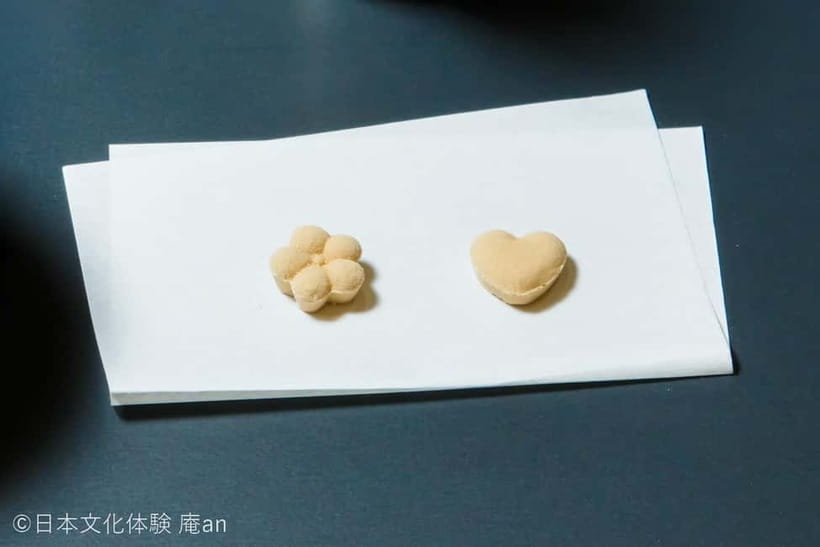
- 100% Wasanbon dough: you’re working with the real thing, not a mixed sugar approach
- Pick your own wooden mold: your shape choice affects the final look immediately
- Freshly made flavor: the workshop is built around eating your own sweet
- No-color default: you make a natural-toned ohigashi unless you add extra color
- Clear teach-and-go structure: explanation, making, photos, then a tasting window
Making Ohigashi with 100% Wasanbon: What You Actually Create
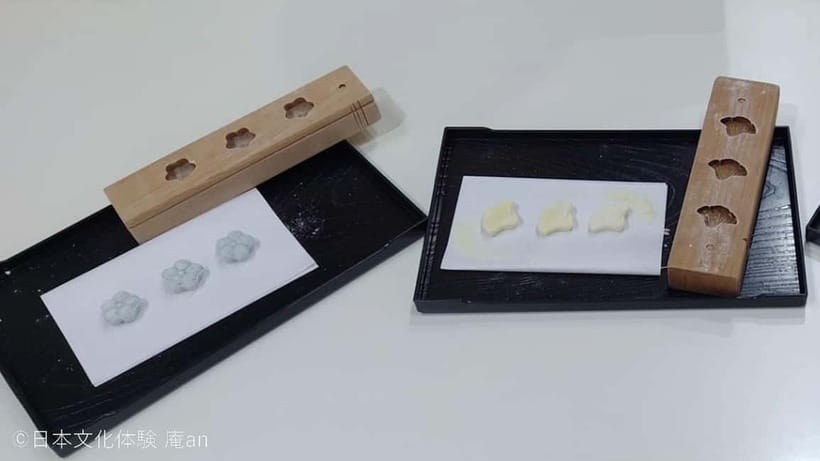
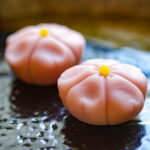
Ohigashi (Japanese dried-type sweets) are the kind of treats that feel simple until you taste them and realize the sugar choice matters a lot. In this workshop, you’re making ohigashi using traditional Japanese sugar called Wasanbon. The standout here is the promise of 100% Wasanbon, which matters because Wasanbon has a mellow, soft sweetness that doesn’t taste like many modern, heavily processed sugars.
The goal is not just to copy a recipe. It’s to experience why Wasanbon desserts can taste different even when the form looks similar. You’ll start with an explanation of Japanese traditional sweets, then shift into hands-on making. You won’t be juggling complicated steps or special equipment. You’ll be shaping sugar into a finished dried sweet you can hold, admire, and eat.
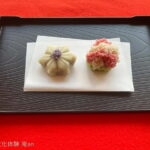
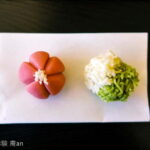
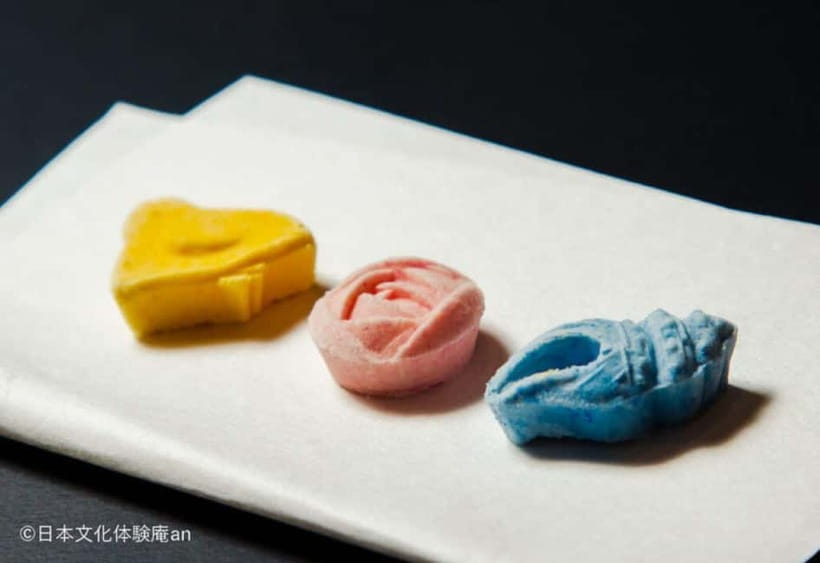
And yes, the workshop is designed to be cute and satisfying. The molds are wooden, and that’s not just decoration. The mold design helps create clean, clear forms, so your final sweet looks like an intentional traditional confection instead of a lumpy experiment.
You can also read our reviews of more tours and experiences in Tokyo
The 30-Minute Workshop Flow: From Explanation to First Bite
The session is built like a tight, friendly rhythm. Even though the overall duration is listed as 30 minutes, the experience naturally breaks into a few distinct stages: learning, making, a photo moment, and then time to eat and drink.
Here’s what you can expect, in plain order:
You’ll begin with a short explanation of Japanese traditional sweets. This is where you get the “why” behind the activity, not just the “do this, then that.” It’s the part that helps your making feel connected to the culture, especially since Wasanbon is traditional Japanese sugar.
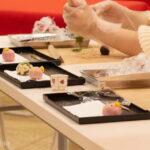
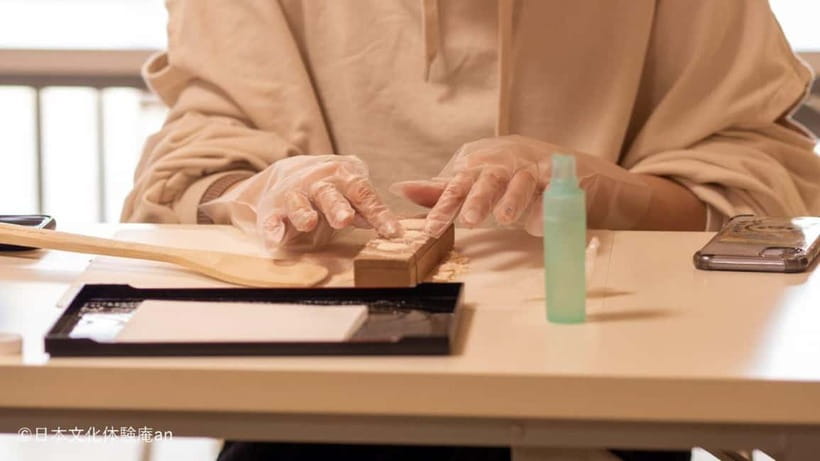
Next comes the main event: making your Japanese dried-type sweet. You’ll get guidance while you shape the ohigashi using the wooden mold you choose. This is where the experience earns its keep. It’s hands-on, quick enough to stay fun, and structured enough that you don’t have to worry about failing.
Then there’s picture time. You’ll have a chance to capture what you made—useful because ohigashi can look a bit different from your expectations once you see the final molded shape.
Finally, you’ll get eating/drinking time so you can taste what you made while it’s at its best. That fresh-made flavor is part of the whole point of the workshop: you’re not just paying for a craft. You’re tasting the craft.
Choosing a Wooden Mold Shape: Where the Fun Gets Real
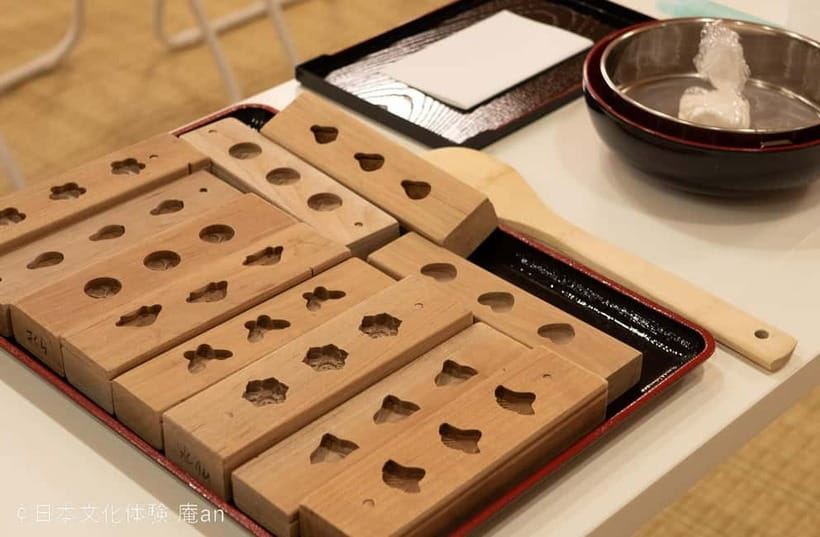
This is one of the most practical joys of the class: you choose the shape before you make the sweet. Wooden molds in this kind of workshop are small and detailed, and they help lock in patterns and edges that make the final ohigashi look traditional and polished.
You’ll have multiple shape options, and they’re described as cute wooden molds. That wording is accurate in spirit: the goal isn’t to make a generic square cookie. It’s to create something with a designed silhouette, like the kind of sweets you might see paired with tea or seasonal offerings.
The value for you is simple. When you pick your mold, you’re making the experience personal. Two people can take the same workshop and end up with completely different-looking sweets. And when you get to taste it, it feels like your sweet, not just something you watched someone else make.
If you like crafts, this will feel satisfying right away. If you’re not a craft person, it still works because the process is guided and the mold choice gives you a sense of control without needing skill.
No-Color Default vs Optional Color: What Changes in the Experience
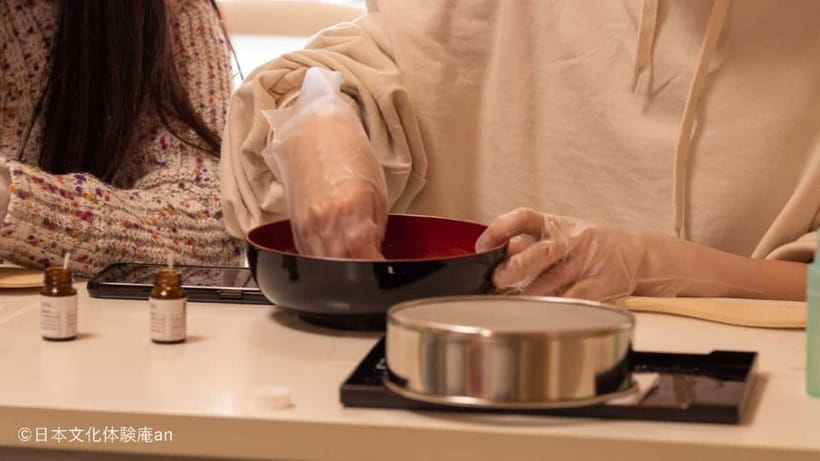
By default, you will make ohigashi without adding any color. That means you’ll see and taste the natural, mellow look and sweetness that come from Wasanbon itself.
There’s also an option if you want more visual pop. For an additional 200 JPY, you can make colorful ohigashi, and you apply on the day. So you get a choice:
- Keep it natural-toned and classic
- Add color for a more playful, striking look
This choice matters because it changes the vibe of the final sweet. The no-color version keeps the focus on sugar taste and texture. The colorful version shifts attention slightly toward appearance, which can be fun if you’re making a souvenir or bringing the sweets into a photo-heavy travel moment.
Also, if you’re food-curious, the no-color approach can teach you something quickly: you’ll notice how much the sugar alone provides in flavor and aroma without added color effects.
Taste and Texture: Why Freshly Made Wasanbon Hits Differently
Ohigashi made from Wasanbon is about more than sweetness. The class emphasizes the feel and taste of freshly made sweets, and that’s a real factor with sugar confections.
Wasanbon is described as fluffy and smooth, melting in your mouth, with a unique flavor you can’t fully understand until you try high-quality Wasanbon yourself. In other words, the “freshly made” part matters because you’re tasting while the sweet is at its intended stage, not as something that sat around long enough to lose character.
This workshop also tries to demystify the sugar. You’ll spend 30 minutes shaping it, then you’ll taste it. That gives you a quick, memorable comparison point for how Wasanbon behaves versus what you might expect from other sugars.
For me, the practical takeaway is this: you’ll leave with a clear sense of whether Wasanbon-style sweetness is your kind of sweet. If you love gentle flavors, you’ll likely enjoy it. If you only like super bold candy sweetness, you might find it more subtle than what you’re used to. Either way, it’s a meaningful tasting.



Price and Value: Is $10 for Ohigashi Making Worth It?
At $10 per person, this workshop sits in the “short experience with a real food payoff” category. You’re paying for:
- Instruction (in Japanese, with English translation provided as much as possible)
- A guided session where you make your own ohigashi
- The base ingredients experience centered on 100% Wasanbon
- Time to eat and drink afterward
Is $10 cheap? Not in the sense of a random museum ticket. But it’s also not a full-on meal or multi-hour class. It’s paying for something travelers can’t replicate easily on their own during a tight Japan trip: the specific sugar-driven technique and a proper molded shape you can take in hand.
The value improves if you treat this as a taste experience, not a souvenir-shopping stop. You’re not just buying a finished sweet. You’re learning, shaping, and then tasting the result. That’s what makes the price feel reasonable.
If you want extras, costs rise slightly. Color is 200 JPY extra, and an experience completion certificate is 300 JPY. Those are optional add-ons, not required parts of the core experience.
Timing, Language, and Keeping It Smooth in Tokyo
This workshop runs from 10:00 to 17:00. If you reserve after 17:00, your reservation is processed the next day. The instructor is Japanese, and English translation is provided as much as possible, with an option to request additional help by contacting them.
Two practical points that matter in real life:
- Don’t plan on sliding in late. They won’t hold the event to accommodate delays.
- If you’re traveling with a group, decide who is going to participate. Those who don’t participate aren’t allowed to enter.
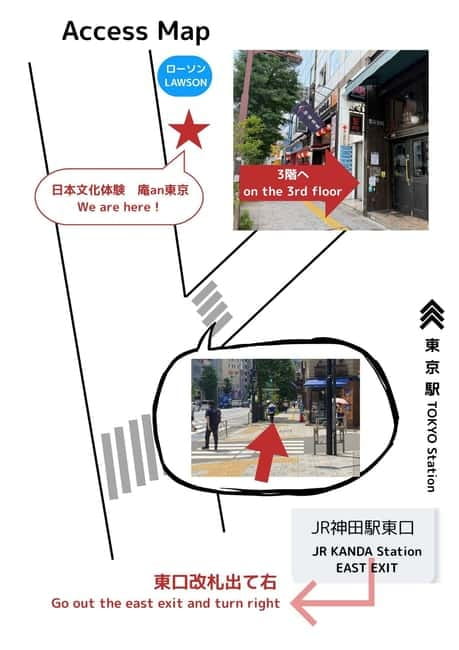
Meeting point is AN TOKYO Japanese Culture Experience. The coordinates are 35.6916541, 139.7715022. That’s helpful if you navigate by maps app and want to match the exact pin rather than hunting around.
This matters because the class is short. You’ll get more from it if you show up ready, focused, and on time. If you’re the kind of traveler who likes quick cultural wins, this timing fits.
Who Should Book This Wasanbon Ohigashi Workshop
This workshop is a good match if you want one or more of these:
- A hands-on food activity that doesn’t require advanced cooking skills
- A quick cultural craft to break up a day of sightseeing
- A chance to taste Wasanbon using the traditional sugar itself
- A souvenir that isn’t mass-produced and feels personal
I’d especially recommend it if you enjoy Japanese tea culture or you like sweets that aren’t overly intense. The mellow sweetness and texture focus can feel like a reset from heavier desserts.
It also works well for couples and solo travelers because the experience is structured and short. For families, children who sit on their parents’ laps are free of charge if they are under 2 years old. (That’s a detail worth noting if you’re traveling with a toddler.)
If you’re strongly interested in technique or want a deep multi-session cooking course, this may feel too short. But for most people looking for an authentic, approachable cultural workshop, it’s a strong fit.
A Quick Decision Guide: Should You Book This One?
Book it if you want a short, guided food craft where you control the look by choosing your own wooden mold, then you taste your own freshly made ohigashi. The 100% Wasanbon focus is the big reason this stands out, because you’re not just learning shapes—you’re learning what that specific sugar tastes like.
Skip it if you need a longer lesson, or if you’re the type of traveler who dislikes classes that move quickly and expect you to arrive on time. With a short session, there’s less room for drifting or chatting once making begins.
FAQ
Where is the experience located?
It takes place at AN TOKYO Japanese Culture Experience in Tokyo, Japan (Honshu). The coordinates are 35.6916541, 139.7715022.
How long does the ohigashi making experience take?
The listed duration is 30 minutes.
How much does it cost?
The price is $10 per person.
What sweets will I make?
You’ll make Japanese dried-type sweets (ohigashi) using Wasanbon, a traditional Japanese sugar.
Can I choose the shape of my sweets?
Yes. You can choose the shape using cute wooden molds.
Do I have to add color to the sweets?
No. You make ohigashi without adding any color by default. For an additional 200 JPY, you can make colorful ohigashi if you apply on the day.
What language is the instruction?
The instructor is Japanese, and English translation is provided as much as possible. You can contact them if you would like to add English translation.
What are the operating hours?
Operation hours are 10:00 to 17:00. Reservations received after 17:00 are processed next day.
Is there an optional certificate or other add-on?
Yes. An experience completion certificate is available for an additional 300 JPY.
What is the cancellation window?
You can cancel up to 24 hours in advance for a full refund. After 17:00, cancellations are treated as the next day.