REVIEW · TOKYO
Japanese Traditional Sweets making
Book on GetYourGuide →Operated by 日本文化体験 庵an東京 AN TOKYO · Bookable on GetYourGuide
Sweets, shaped like art, in one hour. This Japanese Traditional Sweets workshop in Tokyo focuses on making two seasonal Nerikiri with Kyoto-produced bean paste, then letting you taste what you just crafted. I love how hands-on it is, and I also like that you get to eat your sweets on the spot instead of only leaving with a souvenir.
One thing to plan for: the class can feel rushed, and you may have a harder time seeing if you’re seated far back in the room. If you prefer slow, careful pacing (or you get lost when instructions move fast), go in with realistic expectations and try to position yourself where you can watch well.
In This Review
- Key Things to Know Before You Go
- Nerikiri in Tokyo: What You’re Really Learning
- Kyoto’s Bean Paste: Why the Base Matters
- Entering AN TOKYO: Meeting Point and First Impressions
- The 65-Minute Flow: How the Time Gets Used
- Flower-Shaped Nerikiri: The First Shaping Challenge
- Kinton Nerikiri: A Seasonal Style You’ll Remember
- Eating Your Nerikiri On the Spot: The Part Most People Forget
- Price and Value: What You’re Paying For (and What You’re Not)
- How Good Is This for Solo Travelers?
- Instructor, Language, and What to Do if You Miss a Step
- Room Practicalities: When the Setup Can Feel Annoying
- Who Should Book This Workshop (and Who Should Consider Another Option)
- FAQ
- What do I make in this Japanese Traditional Sweets experience?
- How long is the experience?
- Where is the meeting point?
- What is included in the price?
- Is there an option to take sweets home?
- Can I eat the sweets on the spot?
- Is there English support during the class?
- What if I need to cancel?
- Should You Book This Nerikiri Class in Tokyo?
Key Things to Know Before You Go
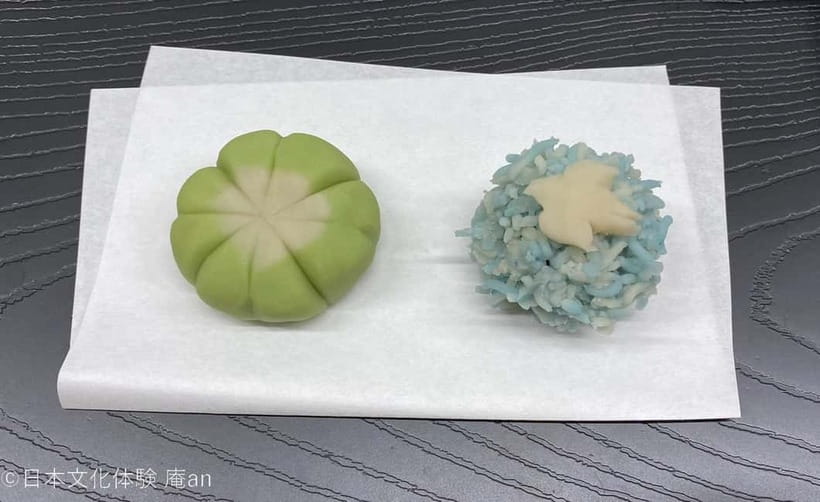
- Kyoto bean paste drives the flavor: You’ll work with white/red bean paste from Kyoto’s long-established shops.
- You make two Nerikiri designs: A flower shape and a Kinton Nerikiri, both tailored to the season.
- You eat your sweets right there: No waiting, no guesswork, just taste after you finish.
- Solo-friendly social energy: It’s structured well for people joining alone.
- Pace is the tradeoff: Expect a fast-moving class, especially during transitions between steps.
Nerikiri in Tokyo: What You’re Really Learning
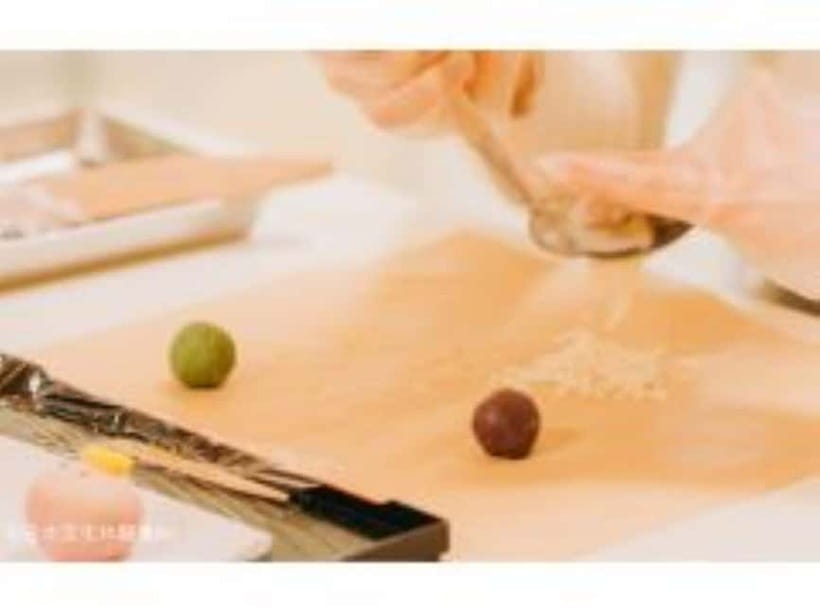
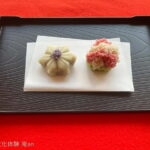
Nerikiri is one of those Japanese sweets where technique matters as much as taste. You’re not just mixing ingredients—you’re shaping paste into a seasonal theme, then presenting it like a small edible sculpture. That’s why this class feels more like a compact craft lesson than a simple tasting.
You’ll spend the session making two sweets. The goal is clear: take seasonal bean paste work from your hands to the plate, with enough coaching to get you from blank paste to finished shapes.
If you like food that’s seasonal, visual, and precise, this is a strong match. If you only want to sample quickly, you might find the making part a bit intense because you have limited time at each step.
You can also read our reviews of more tours and experiences in Tokyo
Kyoto’s Bean Paste: Why the Base Matters
The workshop starts with a key ingredient choice: white/red bean paste produced by Kyoto’s long-established shops. That matters because Nerikiri is all about texture. If the paste is too dry, it cracks. If it’s too soft, it loses shape. When the base paste is consistent and dependable, your results are more likely to look like what you imagined.
You’re also learning a basic reality of Japanese sweets: flavor is tightly connected to ingredient quality and processing, not just sweetness level. Even without a long explanation lecture, the results tell you quickly whether the paste behaves well and tastes clean.
This is one reason the class has good value. You’re paying for the chance to work with a solid, traditional starting point—not just for a generic craft project.
Entering AN TOKYO: Meeting Point and First Impressions
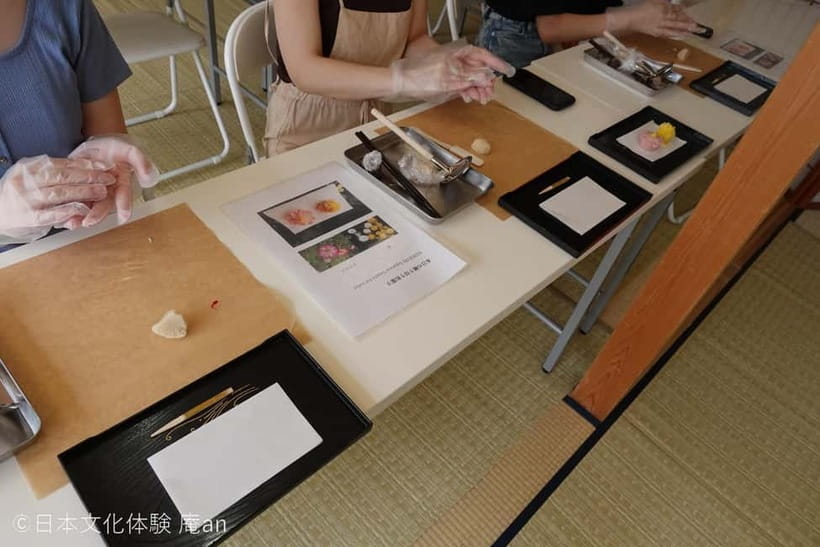
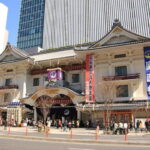
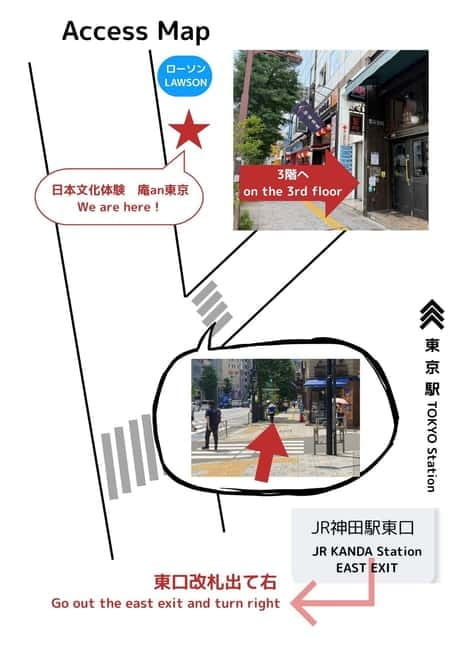
The meeting point is AN TOKYO Japanese Culture Experience at the AN TOKYO Japanese Culture Experience location in Tokyo. Plan to arrive on time, because the experience notes that they can’t hold the event to accommodate delays.
The session runs 10:00 to 17:00, and reservations after 17:00 get processed the next day. That schedule is helpful if your Tokyo day is already packed, but it also means you should treat this as a firm time commitment.
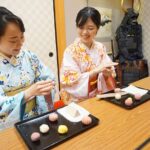
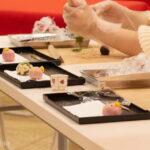
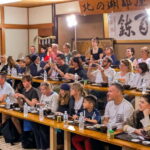
You’ll be in a room set up for instruction, with an instructor who teaches in Japanese and provides English translation as much as possible. If you’re sensitive to fast speech, try to sit where you can see both the instructor’s hands and the steps being explained.
The 65-Minute Flow: How the Time Gets Used
This experience is scheduled for 65 minutes total, and the structure keeps moving: explanation first, then two shaping stages, then photo time, then eating. That’s exciting if you like momentum, but it’s also why the class can feel rushed to some people.
Here’s how the timing typically works in practice:
- You begin with a short explanation of Japanese traditional sweets.
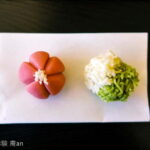
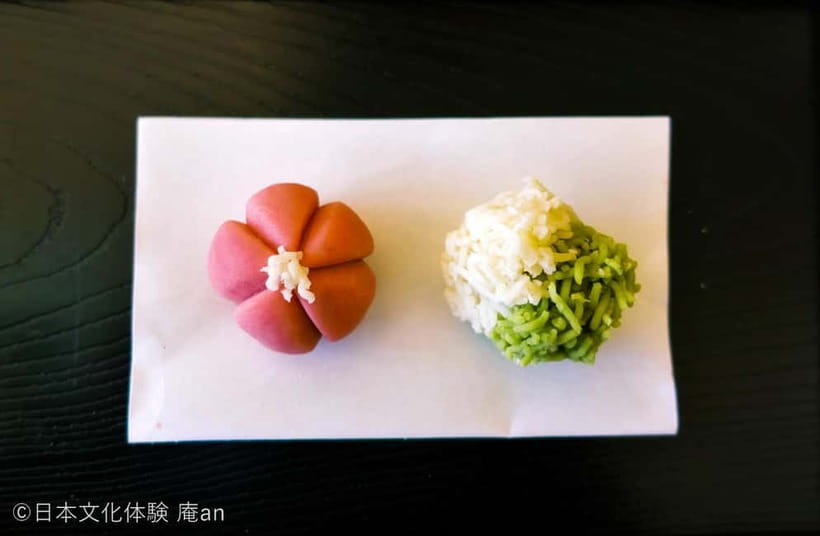
- Then you make the first flower-shaped Nerikiri.
- After that comes Kinton Nerikiri making.
- You’ll get a picture time moment once the sweets are plated.
- Then you eat your sweets before leaving.
The “picture time” and tasting are not optional add-ons. They’re part of how you get the full experience: you make, you see it finished, and you taste it while it’s at its best.
Flower-Shaped Nerikiri: The First Shaping Challenge
The flower-shaped Nerikiri stage is where you learn the physical basics: how to portion, how to press, and how to shape without overworking the paste. Nerikiri looks delicate, but the success depends on controlling your pressure and your pace.
Expect the instructor to move through steps quickly, because the class needs to fit both sweets into one session. That’s one of the reasons people who like slower instruction sometimes feel frustrated. The fix is simple: watch carefully from the start and keep your hands active as soon as you’re told.
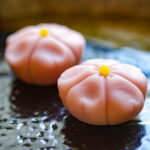
You’ll also start seeing why this is called an art form. When you place your handmade Nerikiri on a plate, it really does look like a finished design rather than something you just assembled. That visual payoff is a big part of the appeal.





Kinton Nerikiri: A Seasonal Style You’ll Remember
After you finish the first sweet, you move to Kinton Nerikiri making. Kinton is a name you’ll hear when talking about seasonal wagashi styles, and the key is that it’s meant to match the season you’re in. In other words, the workshop is not only teaching technique; it’s also showing how Japanese sweets reflect time of year.
This second stage usually feels both easier and harder. Easier because you’ve got your starting rhythm from the flower shape. Harder because now your hands have less time to think while the class keeps flowing.
If you want photos that look different from your first attempt, Kinton is where you can usually show more personality in shaping and finishing. Even if your details are not perfect, the overall look still lands because the design language is clear and seasonal.
Eating Your Nerikiri On the Spot: The Part Most People Forget
A big plus here is that you’re allowed to eat the sweets you make on the spot. That changes the experience in two ways.
First, you’re tasting immediately, so you get to compare texture and flavor while your sweets are still in the “just finished” state. Second, it adds confidence. If something tastes great but looks rough, you still leave happy. If it looks great but tastes just okay, you learn quickly and understand the process better next time.
This matters for value. Paying around $11 per person for a full hour-plus experience that ends with tasting your own work is more satisfying than classes where you only watch.
Price and Value: What You’re Paying For (and What You’re Not)
The price is listed at about $11 per person for 65 minutes of hands-on Nerikiri making, including the set of activities. Given that you make two sweets, this works out to a lot of instruction time and practical output for the cost.
What’s not included:
- A sweets take-out box costs 100 JPY.
- An experience completion certificate costs 300 JPY, and if you want a name printed, you need to let them know in advance. Otherwise, they leave a blank space.
If you’re the type who wants edible souvenirs to travel well, the take-out box is worth knowing about. If you’re only interested in eating right away, you can skip it.
How Good Is This for Solo Travelers?
This class has the structure that works well for solo participants: you’re placed into a shared room activity, you follow steps, and you end with a shared “finished product” moment. The experience is simple enough that you’re not stuck doing everything alone, and the pace keeps the energy up.
Just be aware of the pace issue. If you’re the kind of person who likes to ask many questions or take extra time with shaping, you may feel squeezed. If you’re comfortable following a guided workflow, it can be a friendly way to meet other people quietly focused on the same craft.
Instructor, Language, and What to Do if You Miss a Step
The instructor is Japanese, and English translation is provided as much as possible. That’s helpful, but it also means you should prepare to rely on visual demonstration.
My practical advice: keep your eyes on the instructor’s hands during the transitions. Don’t wait for perfect comprehension. With wagashi, the physical action tells you a lot.
If you want additional English translation support, the information says you can contact them to add it. That’s useful if you’re traveling with limited Japanese and you know you’ll need extra clarification.
Room Practicalities: When the Setup Can Feel Annoying
There’s one practical complaint worth taking seriously: one past participant noted there wasn’t anywhere to hang coats, so items ended up on the floor alongside bags. Another concern was that the room can hold a large group, and if you sit at the back, you might have trouble seeing.
You can’t change the room layout, but you can change your strategy:
- Arrive a little early so you can choose a seat where you can see well.
- Bring a small bag you can keep close without needing extra storage space.
- Wear something easy that doesn’t require careful management while you’re shaping paste.
This isn’t a dealbreaker for most people, but it’s better to know than to discover mid-class.
Who Should Book This Workshop (and Who Should Consider Another Option)
Book it if you:
- Want hands-on Japanese sweets rather than just tasting.
- Like seasonal details and visual crafts.
- Enjoy learning through doing, not through long lectures.
- Want a relatively affordable Tokyo experience that ends with food you made yourself.
Consider skipping or choosing a slower class if you:
- Get frustrated when instructions are fast and transitions happen quickly.
- Prefer a quiet classroom where you can take your time without moving on.
- Need lots of storage for personal items like coats or larger bags.
If you’re somewhere in the middle, go anyway, but show up ready to follow the flow. Nerikiri is one of those crafts where timing matters, and part of the fun is learning under real workshop conditions.
FAQ
What do I make in this Japanese Traditional Sweets experience?
You make two seasonal Japanese traditional sweets called Nerikiri. The class includes flower-shaped Nerikiri making and Kinton Nerikiri making.
How long is the experience?
The total duration is 65 minutes, including explanation, making, picture time, and eating.
Where is the meeting point?
The meeting point is AN TOKYO Japanese Culture Experience at the coordinates 35.6916541, 139.7715022.
What is included in the price?
Included is the set of Nerikiri making (Japanese Traditional Sweets).
Is there an option to take sweets home?
Yes. A sweets take-out box is available for 100 JPY, but it is not included in the price.
Can I eat the sweets on the spot?
Yes. You can eat the sweets during the included eating time.
Is there English support during the class?
English translation is provided as much as possible. The language is Japanese, and if you want to add English support, you can contact the provider.
What if I need to cancel?
The experience offers free cancellation up to 24 hours in advance for a full refund.
Should You Book This Nerikiri Class in Tokyo?
If you want a true Japanese Traditional Sweets experience that’s hands-on and ends with you tasting what you shaped, I think this is a solid booking. The big strengths are the Kyoto bean paste, the chance to make two seasonal Nerikiri, and the fact that eating and photos are built into the session.
Just go in expecting a guided, fast-paced workshop. If you’re prepared for momentum and you choose a good seat, you’ll likely leave with sweets that feel like something you made on purpose, not something you rushed through.
![[Self-Drive] Tokyo & Daikoku Custom Car Driving Tour - The all-important paperwork and age rules (don’t skip this)](https://b.tokyosights.com/wp-content/uploads/self-drive-tokyo-daikoku-custom-car-driving-tour-400x400.jpg)