REVIEW · TOKYO
Tokyo 6hr Private Guided Tour & Japanese Sweets Making Experience
Book on Viator →Operated by Japan Guide Agency · Bookable on Viator
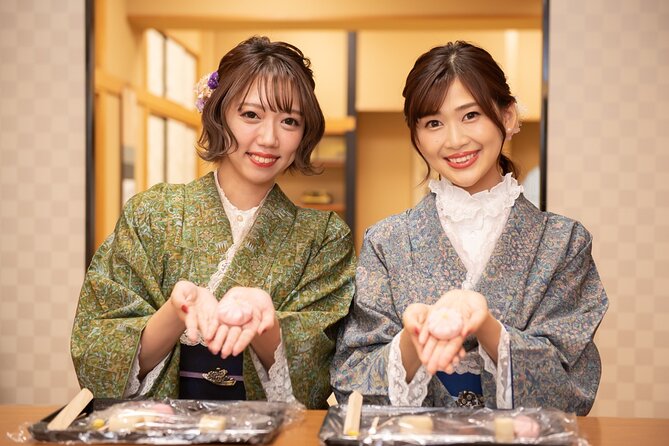
Wagashi making turns sightseeing into memory. This private guided Tokyo day pairs classic photo stops with a hands-on wagashi workshop in Asakusa, where you learn how Japanese sweets are shaped and finished. I like that you get one-on-one time to ask questions instead of rushing alone, and the day is designed around real cultural context, not just checklists.
Two things I really like: the tour is customizable (you pick 2–3 sites from the options), and the guide time is genuinely focused on you. I also like that several stops are listed with free admission, so you can spend more of your budget on experiences like the wagashi workshop and less on entry fees. One consideration: some gardens have ticket costs not included, and you cannot go inside the Imperial Palace buildings.
If you want a Tokyo day that feels personal, this is a strong format. The practical catch is that it’s a private walking tour with no private transportation included, so you’ll rely on public transit (and tickets) to connect between neighborhoods.
In This Review
- Key highlights to know before you go
- A Private Tokyo Day With Wagashi as the Main Event
- How the 6 Hours Work: Choose 2–3 Stops, Not Everything
- Asakusa and Jidaiya: Old Tokyo Vibes With a More Authentic Angle
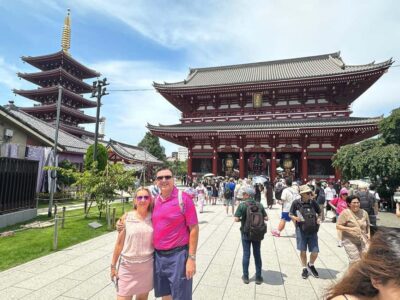
- Senso-ji Temple: Why the Landmark Matters More With Context
- Tsukiji Fish Market: Food Focus and a Local-Style Stroll
- Meiji Jingu Shrine: A Calm Break Inside a Fast City
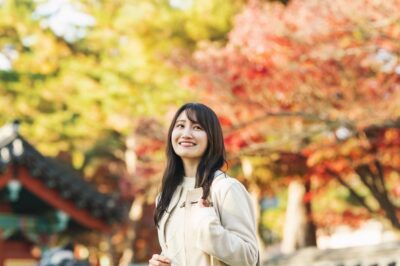
- Garden Choices: Shinjuku Gyoen, Koishikawa Korakuen, Hamarikyu, Rikugien
- Imperial Palace Area: What You Can See Without Going Inside
- Akihabara and Takeshita Street: Modern Tokyo in Two Different Flavors
- Shinjuku Golden Gai: Tiny Streets, Strange Shops, and a Legendary View
- The Real Value: Your Guide Helps You Understand and Navigate
- Getting Around: No Private Transport, So Plan for Metro Time
- Price and Value Check: Is $172 per Person Fair?
- Who Should Book This Tour (and Who Might Skip It)
- Should You Book This Wagashi + Sights Private Tour?
- FAQ
- How long is the Tokyo private guided tour?
- Is this tour private?
- Can I choose which places we visit?
- Can we visit all the places shown in the tour list?
- Where is the wagashi making experience?
- Is admission included for all stops?
- Does the tour include entry inside the Imperial Palace?
- Do we have to pay for transportation during the tour?
- Is pickup available?
- What is the age requirement?
Key highlights to know before you go
- Private, guide-focused pacing that lets you ask questions instead of following a generic group script
- Asakusa wagashi making experience included, with a real hands-on cultural payoff
- Pick 2–3 stops from the Tokyo highlights list, instead of trying to do everything
- Mostly free admission stops, which helps the value equation
- Garden tickets may be extra, depending on which options you choose
- Imperial Palace interior is not included, so plan for an exterior/area visit
A Private Tokyo Day With Wagashi as the Main Event
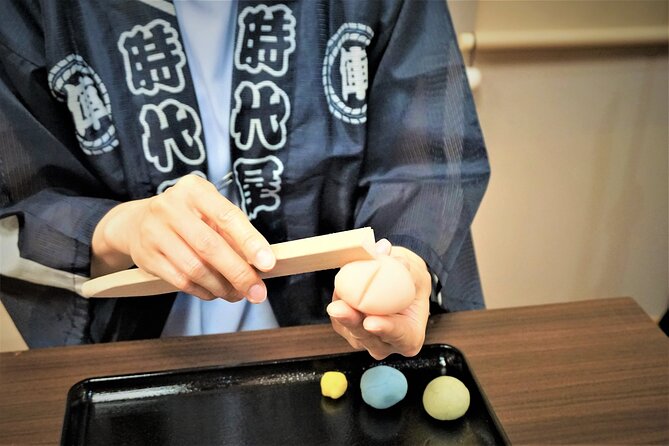
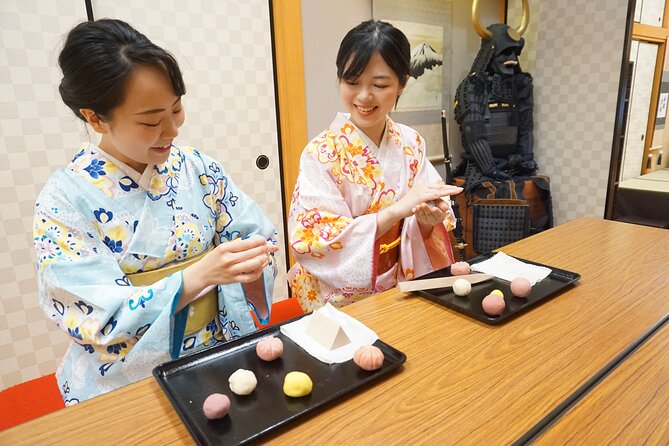
Tokyo can feel like a blur when you’re moving on your own. This style of tour gives you a guide’s attention while you visit major areas, then closes with a wagashi workshop in Asakusa, which turns the day from “seeing” into something you’ll actually remember.
The value here isn’t only that the sweets are included. It’s that the workshop fits naturally after you’ve spent time in older neighborhoods and sacred spaces, so the cultural themes land better. And if you’re the type who likes to understand what you’re looking at, the guide-led explanations make those moments easier to decode.
You can also read our reviews of more guided tours in Tokyo


How the 6 Hours Work: Choose 2–3 Stops, Not Everything
The biggest logistical point is also the biggest quality point: you’re not forced to hit every famous area. You customize your day with 2–3 sites chosen from the options, and you can’t visit all listed places on the schedule.
That matters because Tokyo distances can surprise you. With a private format, the day works best when you pick stops that match your interests: traditional culture (Asakusa, Senso-ji, Meiji Jingu), food stops (Tsukiji), garden calm (Shinjuku Gyoen, Koishikawa Korakuen, Hamarikyu Gardens, Rikugien), or modern city energy (Akihabara, Takeshita Street, Shinjuku Golden Gai).
For many people, this is the sweet spot: a full day’s worth of variety, without the “wear yourself out doing everything” problem.
Asakusa and Jidaiya: Old Tokyo Vibes With a More Authentic Angle
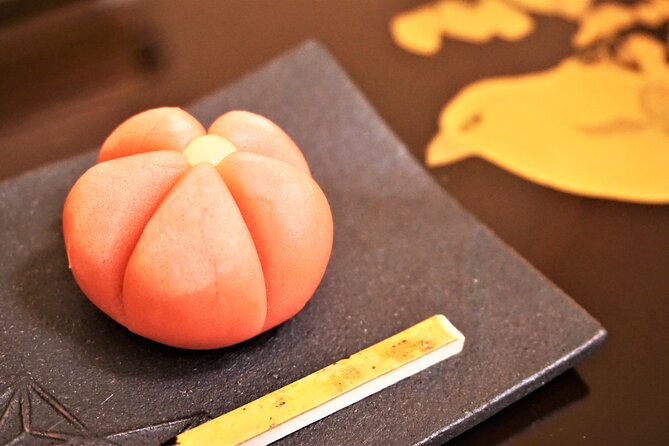
Asakusa is the center of Tokyo’s shitamachi, the so-called low city, where the mood of earlier decades still hangs in the air. In practical terms, that means you can expect a neighborhood that feels more lived-in than a pure business district.
One option before or alongside Asakusa is Jidaiya, described as an experience program that offers a good alternative to standard Asakusa sightseeing for people who want something more profound and authentic. If you’re tired of surface-level temples-and-malls sightseeing, this kind of stop can help you get a different angle on the area.
The drawback? If your priority is only famous icons, Jidaiya may feel less instantly recognizable than a big-name temple. But it’s exactly that “deeper cut” style that makes it valuable for the right traveler.
Senso-ji Temple: Why the Landmark Matters More With Context
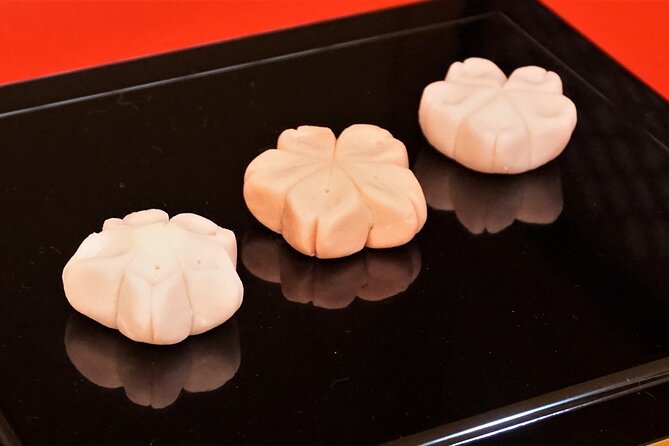
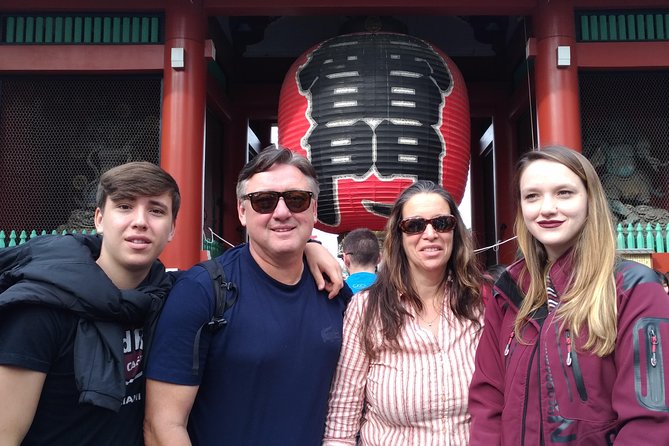
Senso-ji (also known as Asakusa Kannon Temple) is one of Tokyo’s most colorful and popular temples. The tour frames it with cultural context, including the legend that in the year 628 two brothers found something significant that led to the temple’s early story.
You only spend a short stretch here, so the guide’s role becomes crucial: it’s the difference between seeing a busy place and understanding why people treat it with seriousness and ritual. If you’re the kind of person who likes to know what’s going on at a shrine or temple—symbols, customs, and proper behavior—this stop is a strong pick.
Timing note: the visit length is brief, so choose this if you want a “high-impact, no-nonsense” temple moment, not an unhurried stroll that turns into half a day.
Tsukiji Fish Market: Food Focus and a Local-Style Stroll
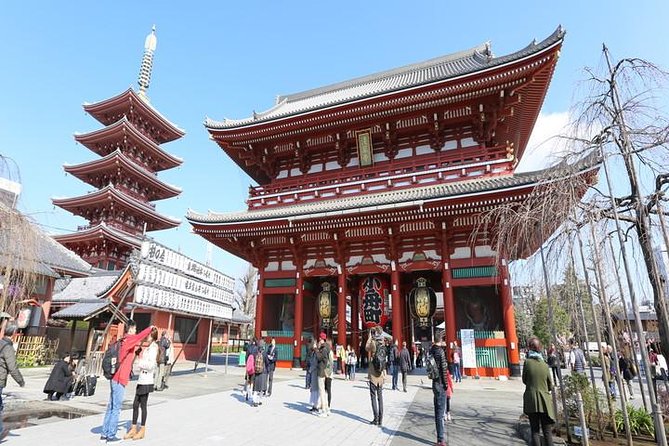
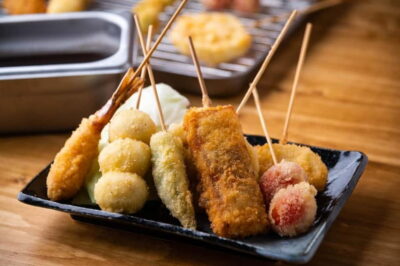
Tsukiji is described as the old fish market of Japan—full of delicious and unique foods. There’s also an important local angle: the tour encourages you to purchase something while you’re there to support the local community.
In a city where food experiences can become tourist traps, I like that the format pushes you toward buying rather than only photographing. Even if you don’t go heavy on shopping, the stop helps you understand why this place is a legendary part of Tokyo’s food identity.
Practical tip: treat Tsukiji as a “browse, then buy something” moment. If you try to do everything, you’ll lose the joy of tasting.
You can also read our reviews of more private tours in Tokyo


Meiji Jingu Shrine: A Calm Break Inside a Fast City
Meiji Jingu Shrine is dedicated to the deified spirits of Emperor Meiji and his consort, Empress Shoken. The tour positions it near Harajuku Station (by the JR Yamanote Line), which is handy because you can connect shrine calm to Tokyo’s high-energy streets without losing the day’s flow.
This stop is a nice balance to Asakusa’s more old-city atmosphere. If your Japan trip needs one “reset” moment—space for quiet, even just for a bit—Meiji Jingu is a good anchor.
You spend about 30 minutes, which is enough for a meaningful walk-through without turning the day into a slow moving day that crowds out other interests.
Garden Choices: Shinjuku Gyoen, Koishikawa Korakuen, Hamarikyu, Rikugien
If you love the idea of Tokyo that feels slower and softer, you’ll probably choose at least one garden stop. The tour offers several, and the key difference is the type of garden and its historical framing.
- Shinjuku Gyoen National Garden: one of Tokyo’s largest and popular parks, with spacious lawns, meandering walking paths, and tranquil scenery that helps you escape the city.
- Koishikawa Korakuen Garden: one of Tokyo’s oldest Japanese gardens, built in the early Edo Period at the Tokyo residence of the Mito branch of the Tokugawa family.
- Hamarikyu Gardens: a large landscape garden alongside Tokyo Bay, with seawater ponds that change level with the tides and a teahouse on an island.
- Rikugien Garden: built around 1700 for the 5th Tokugawa Shogun, with the name meaning six poems garden.
Important money note: these garden stops list admission as not included, so your final cost can change depending on which you pick. If you want to keep the trip more budget-stable, you can mix a free-admission stop (like Asakusa or Senso-ji) with just one paid garden.
Imperial Palace Area: What You Can See Without Going Inside
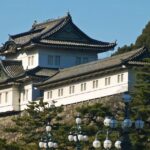
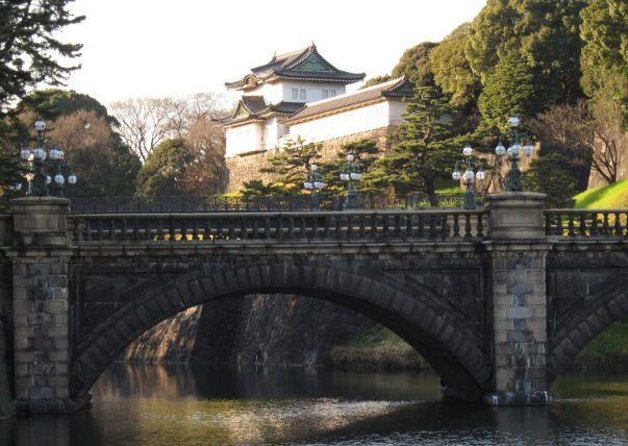
The tour includes the Imperial Palace area, but it explicitly says you do not get access to the inside of the Imperial Palace buildings.
What you do get is the chance to view the palace site, which the description frames as the former location of Edo Castle, surrounded by moats and massive stone walls, with a large park area. So this isn’t a “palace interior” experience. It’s more of a respectful, exterior-focused look at one of Tokyo’s major historic power sites.
If your dream is architecture and interior access, you should temper expectations. But if your goal is to connect Edo-era history to what you can still see today, it’s still a worthwhile stop.
Akihabara and Takeshita Street: Modern Tokyo in Two Different Flavors
Tokyo has a split personality: traditional layers, then fast, loud, brand-new street culture. This tour lets you jump into both.
- Akihabara: famous for its electronics shops, and it’s described as the center of Japanese character (and related) culture in more recent years.
- Takeshita Street / Harajuku: the area around Harajuku Station is presented as the center of Japan’s extreme teenage cultures and fashion styles.
These stops are shorter (about 20–30 minutes), so you’re using them as “texture” stops—quick snapshots of modern Tokyo energy. If you go too deep, you’ll lose time you could spend on shrines, gardens, or the wagashi workshop.
Also, because these are not quiet places, your guide’s job matters: you’ll get suggestions on where to stand, what to notice, and how to connect the dots between neighborhoods.
Shinjuku Golden Gai: Tiny Streets, Strange Shops, and a Legendary View
Shinjuku Golden Gai sits near Kabukicho and includes a fun detail in the description: Godzilla looming over you. The area is described as having a down town city atmosphere and being full of small shops, including Donkihote for interesting gifts.
If you’re looking for something different from the usual temple/shrine rhythm, Golden Gai adds personality. It’s also the kind of place where a guide can help you avoid wasting time in “just walking” loops. In a short time window, you want someone to point you to what’s most distinctive.
The Real Value: Your Guide Helps You Understand and Navigate
This is a private tour, and the guide’s influence is a big part of why the rating is so high. I’d especially watch for the kinds of strengths people highlight in their guides: customizing the day, explaining local customs and behavior, and making Tokyo transit feel less scary.
Guide names tied to that style include Takako, Sachi, Sachiko Horiguchi, Ted, Coco, Aiko, and Emiko. The common thread across these accounts is confidence-building and personalization. For example, Ted is described as giving insight into Japanese culture and the train system, and Sachiko Horiguchi’s tour is noted for helping someone feel confident using the train system right after.
That matters because Tokyo is easy to love and sometimes hard to navigate. When your guide shows you how to think about routes, station areas, and how to get where you need to go, you’ll keep that advantage after the tour ends.
I also like that Emiko is described as starting with communication and even giving an overview from across the shrine area before walking in—good pacing for first-time visitors who want context quickly.
Getting Around: No Private Transport, So Plan for Metro Time
The tour does not include private transportation, and that’s worth thinking about. You’ll move by public transport, and there’s a listed cost reference for a 24 hour Metro Pass: 800 yen for adults, 400 yen for children.
What this means for you: build mental margin for station navigation and transfers. If you’re someone who gets stressed by moving between lines, pick stops that are logically connected in your day’s route plan. If you already feel comfortable with trains, you’ll probably find the pacing smooth and efficient.
Also, pickup is offered, but the meeting point is on foot. So you’ll want to confirm the exact pickup arrangement close to departure so you’re not hunting around Tokyo streets.
Price and Value Check: Is $172 per Person Fair?
At $172 per person for about 6 hours, the price isn’t “cheap,” but it also isn’t just paying for walking. You’re paying for:
- a licensed local guide with your private group format
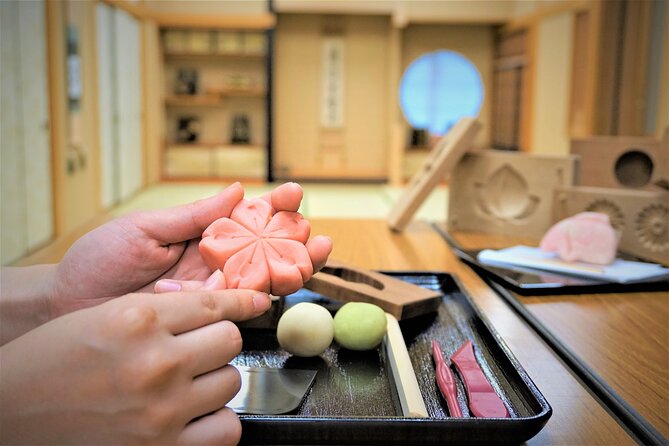
- wagashi making experience included
- a flexible selection of 2–3 stops you can shape around your interests
- access to several stops where admission is free
That free-admission mix can matter. Many of the listed sites are shown with admission ticket free (Jidaiya, Asakusa, Senso-ji, Tsukiji, Meiji Jingu, Imperial Palace area, Akihabara, Takeshita Street, Shinjuku Golden Gai). Gardens like Shinjuku Gyoen, Koishikawa Korakuen, Hamarikyu, and Rikugien show ticket not included, so those are the likely add-ons.
If you choose one of the paid gardens and still get the wagashi workshop plus a guide-led context for 2–3 major areas, the total usually feels more balanced. If you choose only free stops and keep garden choices simple, you may feel an even stronger value.
Who Should Book This Tour (and Who Might Skip It)
This tour fits best if you:
- want a private guide who can tailor the day to your interests
- like hands-on food culture, not just restaurant stops
- want Tokyo icons plus the explanations that make them easier to understand
- appreciate transit guidance so you can keep confidence for the rest of the trip
It may not fit you if you:
- want an all-inclusive “do every site” day (you can’t visit all places listed)
- expect Imperial Palace interior access (it is not included)
- prefer a very long, slow walk through gardens without needing to manage a tight 6-hour window
Age note: it’s only for those 12 and over, so it won’t work for young kids or babies.
Should You Book This Wagashi + Sights Private Tour?
If you’re deciding between a self-guided day and something guided, I’d lean toward booking this when you care about context and hands-on learning. The combination of a private guide plus Asakusa wagashi making is the core draw, and the customizable stop count keeps the pacing realistic.
Go ahead and book if you want a Tokyo day that teaches you how to look, not just where to stand. Skip it only if you’re set on checking off every single attraction in the city or if your top priority is Imperial Palace interior access.
If you tell me your travel dates and which 2–3 stops you’re leaning toward (shrines, markets, gardens, or neighborhoods), I can suggest a smart pairing so your 6 hours feel effortless.
FAQ
How long is the Tokyo private guided tour?
It runs about 6 hours.
Is this tour private?
Yes. It’s a private tour/activity, meaning only your group participates.
Can I choose which places we visit?
Yes. You can customize your tour with your choice of 2–3 sites from the listed options.
Can we visit all the places shown in the tour list?
No. You cannot visit all places on the itinerary.
Where is the wagashi making experience?
The wagashi making is part of an Asakusa workshop included in the tour.
Is admission included for all stops?
Many stops list admission ticket free, but some garden stops show admission ticket not included.
Does the tour include entry inside the Imperial Palace?
No. The tour does not include access to the inside of the Imperial Palace.
Do we have to pay for transportation during the tour?
Private transportation is not included. A Metro Pass cost is referenced for 24 hours (800 yen adult, 400 yen child), and you’ll use public transportation.
Is pickup available?
Pickup is offered.
What is the age requirement?
Only travelers 12 and over can participate.