REVIEW · TOKYO
Tokyo: Beyond Asakusa to Kappabashi Kitchen Town
Book on GetYourGuide →Operated by Reelu inc · Bookable on GetYourGuide
Asakusa pulls you in fast. This 2-hour walk strings together Kaminarimon Gate views and a hands-on fortune ritual that you actually do, not just watch. I love that the group guides you step by step through the temple etiquette, so the scary parts feel manageable, even on a crowded day. One thing to plan for: it’s a lot of walking and ritual participation, so comfortable shoes and a little patience for queues really matter.
My other big reason I like this tour is the switch from sacred Asakusa streets to Kappabashi Kitchen Town, where you can shop with a purpose. You get context for what you’re seeing—how pro kitchens use the same knife styles and tools sold here, plus the fun visual world of hyper-realistic plastic food displays. If you get a guide like Shun or Sanae (both have been praised for clear, engaging storytelling), the history and culture click faster, and you’ll shop more efficiently instead of wandering in circles.
In This Review
- Key things I’d circle on your map
- From Kaminarimon’s red lantern to Nakamise snacks
- The gates, the treasures, and the rules at Senso-ji
- Your o-mikuji fortune: drawing, reading, and tying it right
- Asakusa shrine and the mix of Shinto and Buddhism
- Nakamise to nighttime: Hoppy Street and izakaya culture
- Rokku Street: old entertainment Tokyo with a modern twist
- Kappabashi Kitchen Town: knives, tools, and plastic food artistry
- The tour value: why $17 can work (and when it won’t)
- Who this suits best
- Small logistics that make the day smoother
- Should you book this tour?
- FAQ
- Where do I meet for the tour?
- How long is the tour?
- How much does it cost?
- What languages are available?
- What’s included in the tour?
- Are food and drinks included?
- Do I need to bring cash?
- Is there a fortune-telling activity?
- What should I wear?
- What’s the cancellation policy?
Key things I’d circle on your map
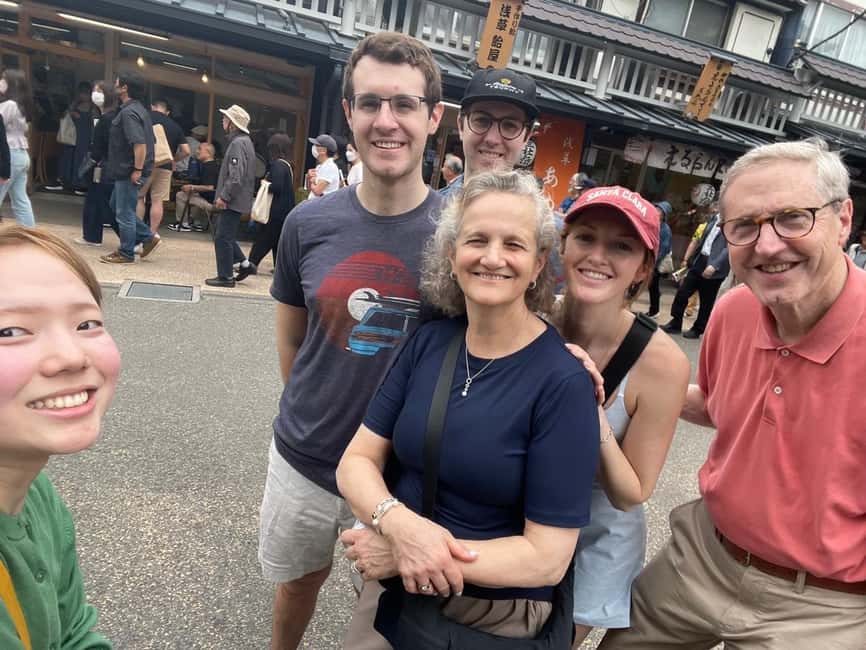
- Hands-on o-mikuji fortune-telling: draw, read, and tie your paper the proper way instead of treating it like a photo prop
- Cleansing fountain and incense etiquette: you learn what you’re doing and why at the temple before you copy the motions
- Kappabashi for serious kitchen lovers: generations-old knife craft, plus the kind of tools and displays you see in real restaurant workflows
- Hoppy Street night energy: a narrow alley feel with hoppy, kushikatsu, and after-work social culture in plain view
- Rokku Street history in pop-culture form: an entertainment quarter that mixes old-school Tokyo vibe with modern Japanese fun
- Guide storytelling that makes walking easier: examples and personal anecdotes help you remember what you saw between stops
From Kaminarimon’s red lantern to Nakamise snacks
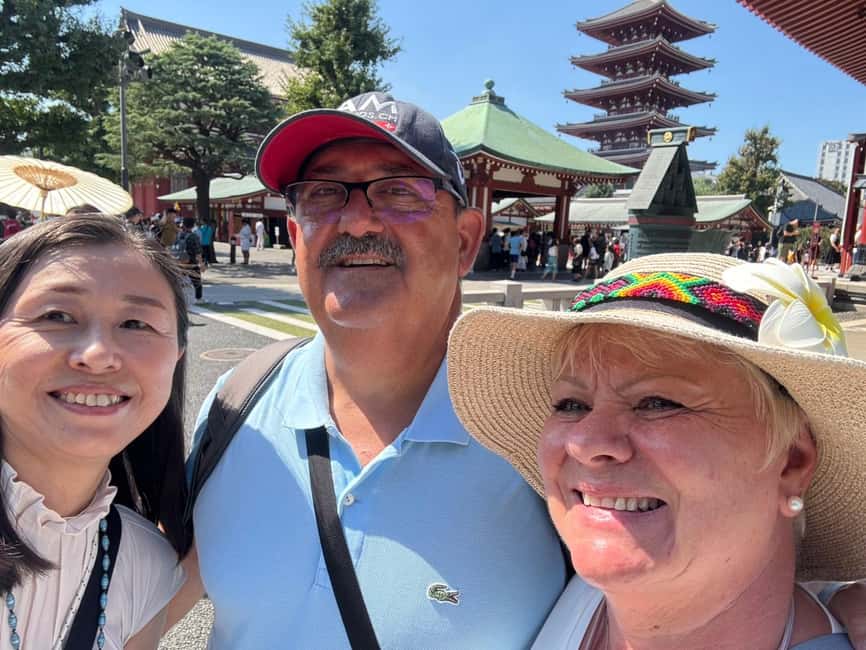
Your tour starts at the Starbucks by Kaminarimon Gate in Asakusa. The big red lantern at the entrance is the kind of landmark that makes you feel like you’ve stepped into the story before you even move—especially if it’s your first time in this part of Tokyo. The guide will get the group together quickly, explain the flow of the walk, and help you orient so you don’t waste time guessing where to go next.
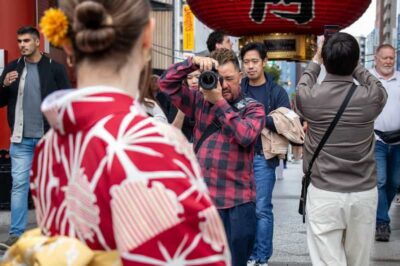
Next comes Nakamise Shopping Street, one of Tokyo’s oldest shopping corridors. You’ll stroll past stalls that sell traditional snacks and small handcrafted souvenirs. What I like here is not only the variety—it’s the slow, street-level window into Edo-period merchant culture. You’ll have time to sample snacks (they’re not included, so budget a bit), and you’ll learn how to spot the difference between quick tourist items and things that feel made by local hands.
A small caution: Nakamise can be crowded, and you’ll be walking through a lot of stop-and-go. If you’re sensitive to heat or claustrophobic spaces, pick a comfortable pace and keep your water handy.
You can also read our reviews of more tours and experiences in Tokyo.


The gates, the treasures, and the rules at Senso-ji
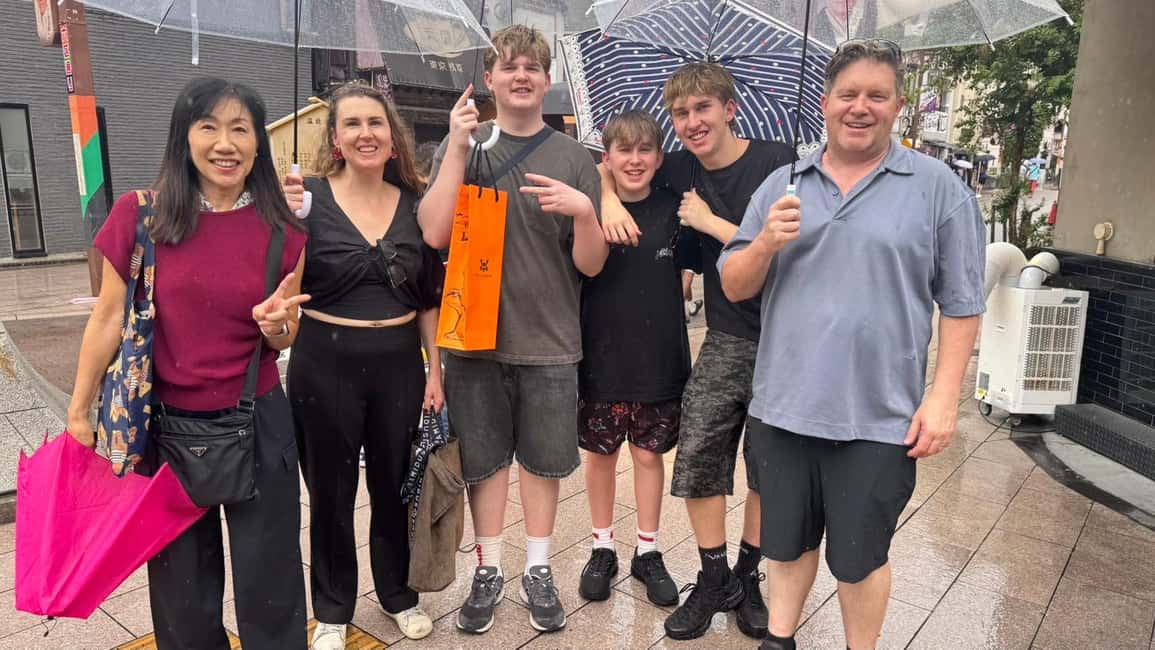
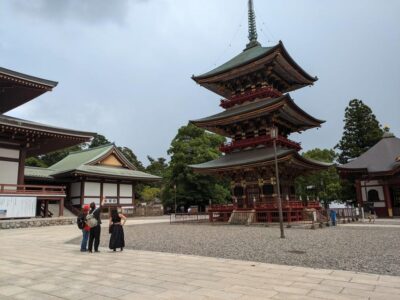
Senso-ji is the star of the area. You’ll head through the Hozomon Gate, known for its Buddhist treasures and for being treated as a serious spiritual gateway. It’s a good stop to slow down because the architecture and symbolism do a lot of work for you. Even if you don’t know the names of everything, you’ll understand the vibe: this is a place where people move with purpose.
From there, the tour walks you through the temple experience in a way that feels respectful instead of chaotic. You’ll see the purification routine at the cleansing fountain, then learn how incense fits into the ritual. These small actions matter because they turn the temple from a sightseeing item into a living tradition.
One practical tip: when the guide explains the steps, watch their hands first. Temple routines can look simple, but the order and gestures are part of the meaning. The whole point here is that you learn enough to participate correctly, not just copy random motions.
Your o-mikuji fortune: drawing, reading, and tying it right
One of the most memorable parts is the Japanese fortune-telling ritual. You don’t just get pointed at a rack of fortunes—you get taught how to do it properly. That includes how to draw your paper, how to read what it says, and how to tie it when you’re done.
I like this because it’s interactive in the best way. You’ll be standing there, doing something small but meaningful, and the result is instant—then you can step back and take in the temple around you. It’s also a nice break from shopping mode. Instead of collecting objects, you collect a moment (and maybe a little curiosity about what your fortune says).
If you’re traveling with limited Japanese, you’ll still be fine as long as you follow the guide’s cues. The guide’s job here is to reduce friction so you can focus on the experience.
Asakusa shrine and the mix of Shinto and Buddhism
The tour also includes a stop at the Shinto shrine adjacent to Senso-ji. This is where you’ll see Japan’s two major religious traditions side by side. The buildings and architectural details are different, but the coexistence feels natural, not forced.
What you’ll likely enjoy most is the clarity: the guide helps you connect what you’re seeing to why it exists in the same area. That makes the shrine less mysterious and more understandable. It’s a great contrast to the Buddhist temple space, and it gives you a fuller picture of how worship looks on the ground in Tokyo.
Nakamise to nighttime: Hoppy Street and izakaya culture
After the temple area, you shift into Asakusa’s evening energy. The tour heads toward Hoppy Street, a narrow alley lined with izakaya-style spots. If you’ve ever wondered what Japanese after-work drinking culture looks like up close, this is the kind of street-level answer you can walk through.
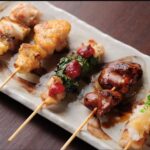
You’ll learn what people mean when they talk about hoppy—a local beer-like beverage—and how it pairs with casual, snacky food culture. Kushikatsu also comes up here, which is useful because it connects the drink scene to the food you’ll see in these alley shops. The guide explains the social rhythm of it: groups come in, order together, and the atmosphere does part of the entertaining.
Two things to keep in mind. First, it can feel very close and lively as the alley fills. Second, food and drinks are not included, so bring a realistic budget if you want to try what’s being discussed.


Rokku Street: old entertainment Tokyo with a modern twist
Next is a walk through Rokku Street, an older entertainment quarter with a reputation that stretches back across Tokyo’s changing nightlife. The area once rivaled larger theater districts, and today it feels like a gentle mix of old and new Japanese pop culture.
I like this stop because it bridges the day-to-night story of the walk. After all the temple symbolism and ritual practice, it’s refreshing to see Tokyo’s entertainment history living on in everyday streets. You can look at signage, shop fronts, and the overall mood and get a sense of how Tokyo keeps reusing space instead of starting over.
If you’re a photo person, this is where you’ll likely get more street-style shots than formal temple images.
Kappabashi Kitchen Town: knives, tools, and plastic food artistry
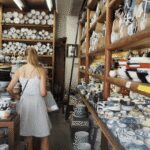
Finally, you reach Kappabashi Kitchen Town, and the pace changes again. This is where serious culinary people shop, and it’s been that way for more than 100 years. You’ll see why chefs and restaurateurs keep coming back: there’s a whole ecosystem of kitchen tools and products, not random souvenirs.
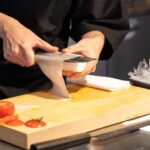
The tour highlights Japanese knives crafted by generations-old smithies. Even if you don’t plan to buy a knife (and many people don’t on day trips), it’s valuable to see the craftsmanship and understand the categories. The guide’s explanations help you connect the look of the knife to the idea of professional use.
One of my favorite visual stops in Kappabashi is the plastic food displays. These are hyper-realistic “food” models used in storefronts to advertise dishes. You’ll see them up close and understand why they work: they’re consistent, fast, and always look perfect, even in rainy weather.
This is also where the guide’s shopping sense pays off. You’ll get recommendations on where to spend time, so you don’t end up trapped in the most tourist-heavy corner. For example, it’s easy to spot small food-themed souvenirs like a sushi keychain, and the shops make browsing feel like a game—without losing the plot.
Practical note: bring cash if you plan to buy anything. Kitchen shops often move quickly, and small items add up fast once you start comparing quality.
The tour value: why $17 can work (and when it won’t)
At about $17 per person for a 2-hour guided experience, the value depends on what you want out of Tokyo. If your goal is only to take photos at landmarks, you could wander on your own for free. But if you want the etiquette and meaning—especially around the fortune ritual and cleansing steps—guidance turns sightseeing into something you understand in real time.
This is also a good use of time if you’re short on hours. You cover major Asakusa landmarks, then transition to a nightlife alley and finish in a specialized shopping zone. Doing that solo might take longer because you’ll spend time figuring out what’s worth your attention.
When $17 might feel less worth it: if you already know temple rituals well, or if you don’t care about kitchenware shopping at all. This tour isn’t just “temple photos.” It’s a culture + food + tools mix.
Who this suits best
This works especially well for:
- First-timers who want structure and context in Asakusa
- People who enjoy hands-on cultural moments like the fortune-telling ritual
- Food lovers who want both street culture (hoppy and kushikatsu vibes) and the craft side (Kappabashi knives and tools)
- Shoppers who like having a plan instead of random browsing
If you’re not comfortable with participation or you don’t like crowded streets, you’ll want to pace yourself and maybe skip ordering anything on Hoppy Street.
Small logistics that make the day smoother
You’ll cover multiple neighborhoods by foot, so comfortable shoes are non-negotiable. The tour includes ritual participation, plus walking through commercial streets where you might want to pause. Plan to travel light. If you’re buying kitchenware, shops can mean extra carrying.
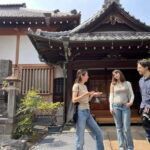
The guide will hold a paper with the tour name, and you meet at Starbucks Coffee at Kaminarimon in Asakusa. Expect a group flow rather than a slow, sit-down experience.
Also, the tour is offered in English, Spanish, French, Chinese, Korean, Portuguese, Japanese, and Russian. If you’re booking in a language you’re comfortable with, you’ll likely get more out of the explanations at the gates and during the ritual steps.
Should you book this tour?
I’d book it if you want Tokyo that’s more than checklists: temple ritual you can actually do, a real taste of Asakusa street nightlife culture, and then a kitchenware stop where you can see why professionals shop in this district for decades. It’s especially strong for travelers who like learning the why behind what they’re doing.
Skip it if your only goal is quick landmark photos or if you’re traveling with very limited walking tolerance. Also consider passing if you’re not interested in Kappabashi at all—because that end stop is a big part of what makes the tour feel different.
If you decide to go, go in with the right mindset: watch the guide during the ritual steps, ask questions if something is unclear, and give yourself time to browse in Kappabashi. That’s when the $17 stops feeling like a deal and starts feeling like a smart way to spend two hours in Tokyo.
FAQ
Where do I meet for the tour?
Meet your guide in front of Starbucks Coffee at Kaminarimon in Asakusa. The guide will hold a paper with the tour name.
How long is the tour?
The duration is 2 hours.
How much does it cost?
The price is $17 per person.
What languages are available?
English, Spanish, French, Chinese, Korean, Portuguese, Japanese, and Russian.
What’s included in the tour?
A guided walking tour, cultural immersion activities, participation in the purification ritual, exploration of Hoppy Street, and a tour of Kappabashi Kitchen Town.
Are food and drinks included?
No. Food and drinks are not included, so you’ll need to budget for anything you want to eat or drink.
Do I need to bring cash?
Yes, bring cash for personal shopping.
Is there a fortune-telling activity?
Yes. You participate in a traditional Japanese fortune-telling ritual, including how to draw, read, and tie the fortune paper.
What should I wear?
Wear comfortable shoes for walking, since the tour includes multiple areas on foot and some time standing during ritual activities.
What’s the cancellation policy?
Free cancellation is available up to 24 hours in advance for a full refund.