REVIEW · TOKYO
Tokyo: Chopstick Making Workshop with Artisan
Book on GetYourGuide →Operated by Local Guide Stars · Bookable on GetYourGuide
Carving your own chopsticks is oddly relaxing. In about an hour, you’ll shape real wood with traditional tools and leave with a personalized souvenir you can actually use.
I especially like how the workshop stays hands-on and beginner-friendly, with English-speaking staff who help you correct mistakes as you go. I also like the wood choice part: you can pick from 10+ types, with three included in the $16 price and better-grade options for an extra fee.
One thing to consider: if you’re the slow-and-perfect kind of maker, the hour can feel a bit tight—one past guest noted the pace sometimes runs fast in practice.
In This Review
- Key Things You’ll Love About This Chopstick Workshop
- Where the Workshop Starts: Hashiyuki Chopsticks Shop & Workshop in Taito-ku
- Choosing Wood in a Tokyo Chopstick Workshop: What’s Included and What Costs Extra
- Carving Your Chopsticks: Tools, Technique, and How Not to Mess It Up
- Smoothing, Finishing, and Optional Engraving for Real Personalization
- Taking Your Chopsticks Home the Same Day
- Value and Price: Is $16 Worth It for a Tokyo Workshop?
- Who Should Book This Workshop (and Who Might Want a Different Activity)
- Quick Practical Tips Before You Go
- Should You Book This Tokyo Chopstick-Making Workshop?
- FAQ
- How long is the chopstick making workshop?
- Where is the meeting point?
- How much does it cost?
- What is included in the price?
- Can I choose wood for my chopsticks?
- Is there an engraving option?
- Is the workshop wheelchair accessible?
- What languages are spoken during the workshop?
- FAQ
- How small is the group?
Key Things You’ll Love About This Chopstick Workshop
- Small group vibe (up to 10): more attention, less waiting around.
- English-speaking guidance: you’ll get clear instructions even if you’re new to tools.
- Choose from 10+ woods: you can tailor the look and feel of your chopsticks.
- Traditional technique, simple flow: carve, smooth, finish, and leave with usable chopsticks.
- Engraving is an upgrade option: worth it for gifts and best-friend names (extra fee).
Where the Workshop Starts: Hashiyuki Chopsticks Shop & Workshop in Taito-ku
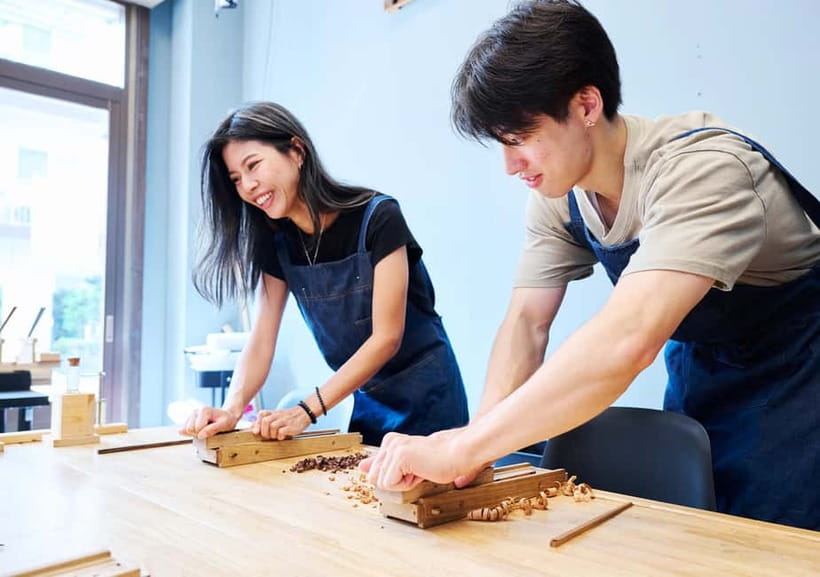
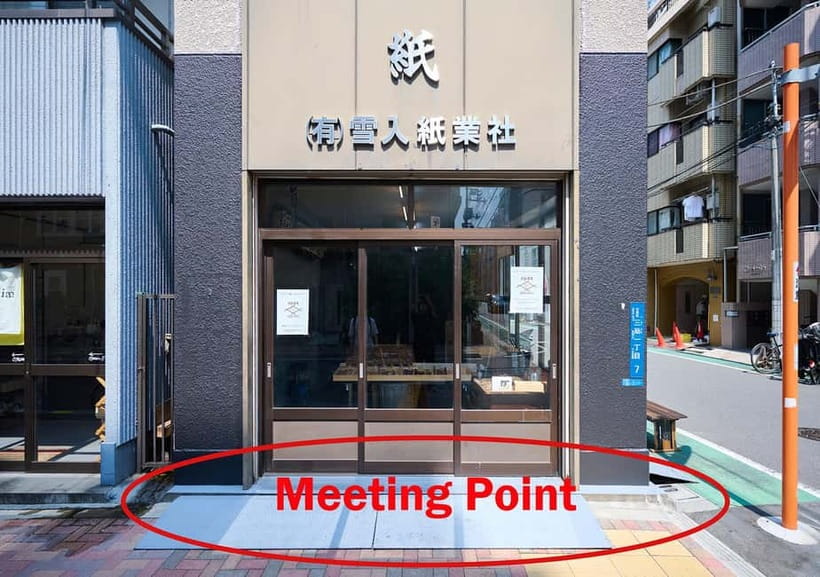
The meeting point is Hashiyuki Chopsticks Shop & Workshop, at 1-7-1 Misuji, Taito-ku, Tokyo (雪入紙業社 / Yukiirishigyosya). If you like walking through real neighborhoods rather than “photo stop” areas, this is the kind of place you’ll appreciate: a working craft shop where the process matters more than the show.
Plan to arrive a few minutes early so you can settle in, pick your wood, and start carving without stress. The workshop lasts about 1 hour, so being on time helps you get the full experience—especially if you want to smooth things thoroughly.
You can also read our reviews of more tours and experiences in Tokyo

Choosing Wood in a Tokyo Chopstick Workshop: What’s Included and What Costs Extra
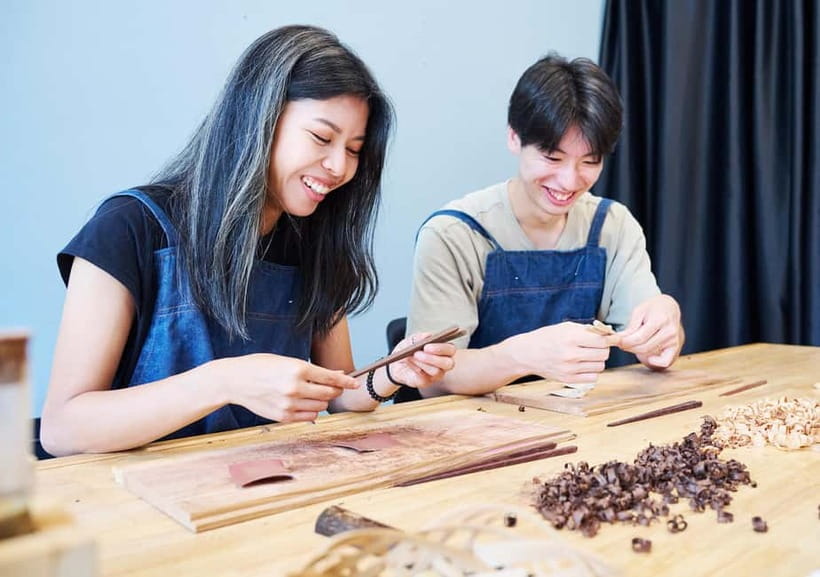
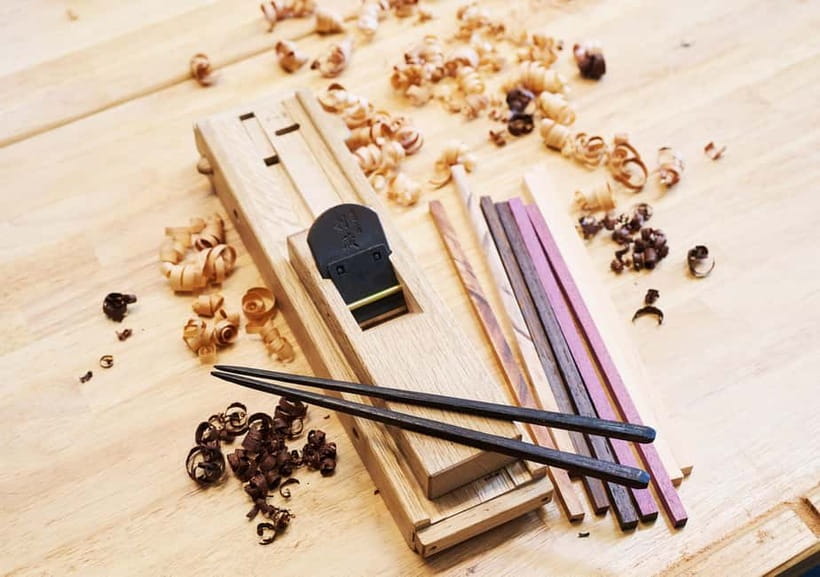
One of the best value points here is the way the pricing is structured. Your ticket covers the workshop and includes access to three types of wood free of charge. Other higher-grade woods are available if you want something nicer—or if you’re picky about the look and feel.
You’ll be choosing based on how you want your chopsticks to look when finished. Since you’re carving and sanding the wood yourself, the wood selection isn’t just a cosmetic detail. It affects how the final surface feels, and it gives your finished chopsticks a more personal story than a generic souvenir.
If you’re buying this for yourself, go with wood that fits your style (warm tones, slightly different grain, whatever you prefer). If you’re buying it as a gift, selecting a nicer grade can make the gift feel more special without turning the experience into a complicated shopping trip.
Carving Your Chopsticks: Tools, Technique, and How Not to Mess It Up
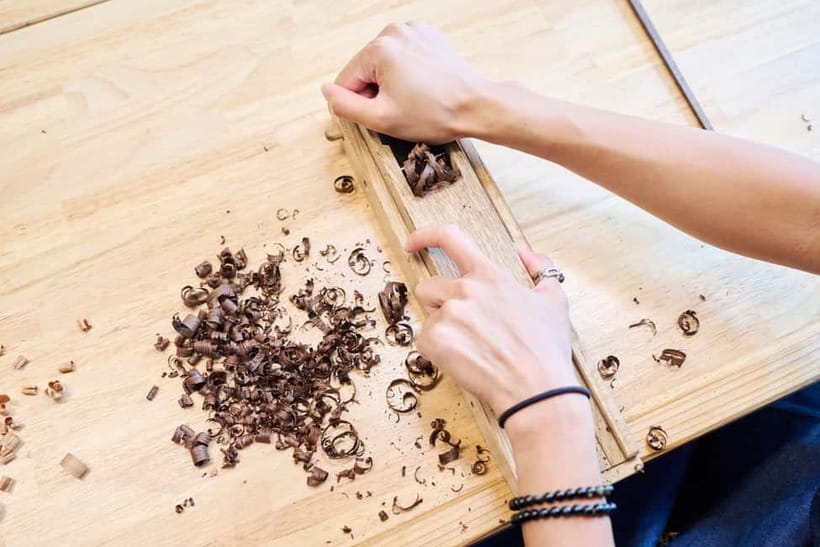
The core of the experience is hand-crafting wooden chopsticks using traditional methods. You’ll start with rough wood blanks and work your way toward a pair that actually looks like chopsticks, not a craft project in progress.
The guides provide the structure. Multiple English-speaking instructors have been mentioned by name—Yuki, Angie, Tomo, Victoria, Chihiro, Kaana, Rad, Anthony, and Chichiro—and the consistent theme is hands-on coaching. When you hit a snag, they help you correct the next steps so you don’t end up with scrap.
Here’s what matters for you as a beginner:
- You don’t need prior woodworking skills. The workshop is designed for travelers who are trying something new.
- Go slow where it counts. The most visible mistakes usually happen during shaping—so listen carefully at the start and then keep your pressure steady.
- It’s meant to be challenging enough to feel rewarding, but not stressful.
One note from a past guest: in some cases, the hour can feel rushed, especially when staffing or group timing doesn’t line up perfectly. If you’re the type who needs extra breathing room, consider booking a time when you won’t feel late for anything else afterward.
Smoothing, Finishing, and Optional Engraving for Real Personalization
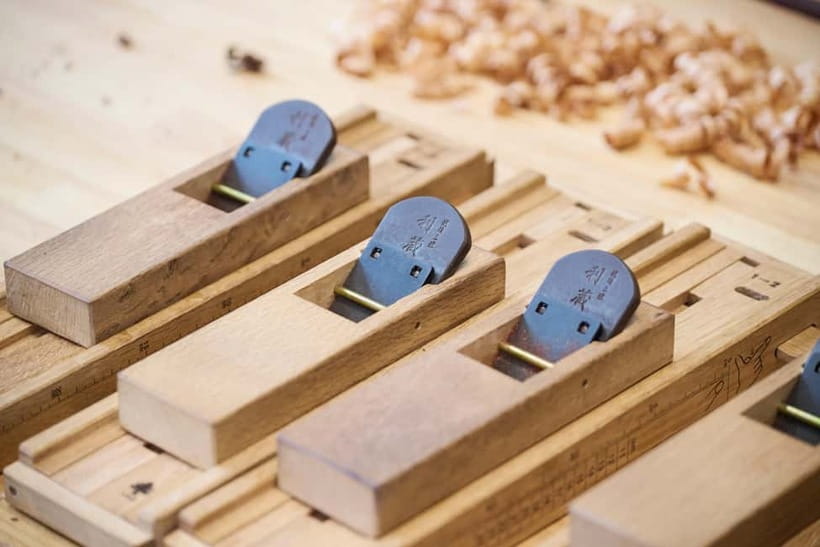
Once the basic shape is there, the workshop shifts into smoothing and finishing. This is where your chopsticks stop looking homemade and start looking intentional. Sanding and finishing are also the part that makes the “I made this” feeling sink in—because you can see progress fast when your hand is guiding the surface.
You’ll also wrap up your personalization. The workshop includes making chopsticks that are uniquely yours, and there’s often an engraving option available for an additional fee. One guest specifically recommended spending extra—mentioning about ¥1000—for engraving, especially if you want names for a friend, a couple, or a family gift.
If you’re thinking about engraving, decide early. It’s the difference between a cool souvenir and a meaningful one that gets used at the table. Names also make chopsticks feel less like a trophy and more like something you’ll pull out for years.
Taking Your Chopsticks Home the Same Day
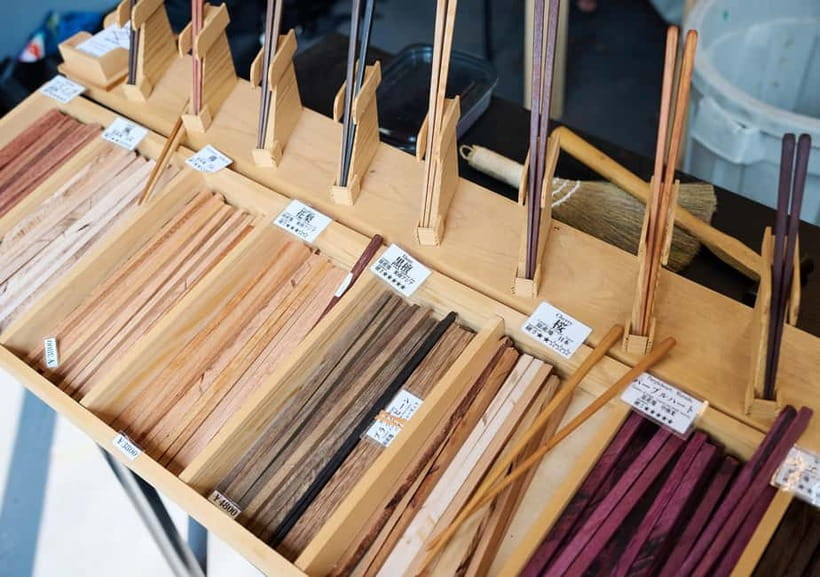
The best part for practical travelers: you take them home the very same day. That means no shipping delays, no “it’ll arrive later” disappointment, and no extra packing gymnastics to protect something that might not be ready.
Your chopsticks come wrapped neatly, so you can use them immediately or gift them right away. If you’re traveling with limited luggage, this is a nice win: it’s a compact keepsake compared to many food tastings, art prints, or wearable souvenirs.
And yes, they’re actually meant for use. That’s what makes this workshop different from a lot of craft demos: you end up with something functional that fits into daily life.





Value and Price: Is $16 Worth It for a Tokyo Workshop?
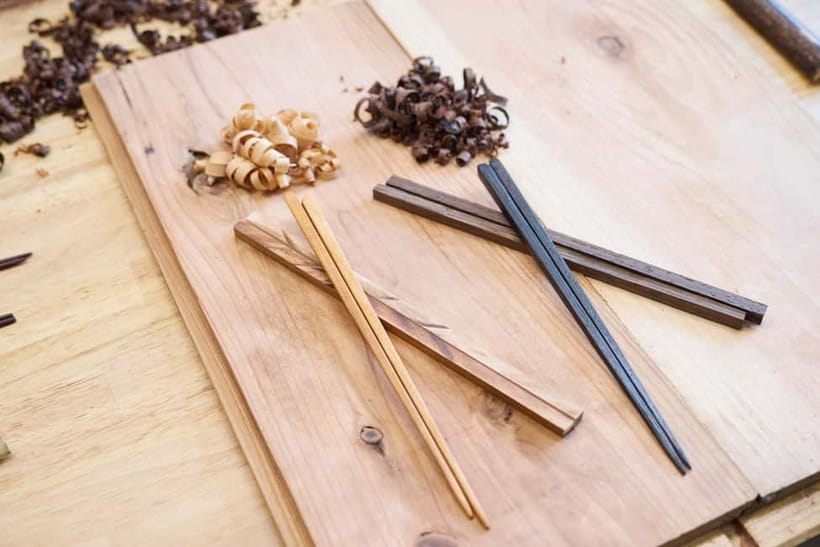
At $16 per person for a 1-hour, small-group workshop, this is strong value if you want a hands-on souvenir rather than another item you store in a drawer. You’re paying for:
- guided tool use (not just watching),
- wood selection (with three included options),
- making a full pair of chopsticks,
- and taking them home the same day.
The optional add-ons—higher-grade woods and engraving—let you scale the experience. If you’re budget-conscious, the included woods are a solid start. If you’re buying for someone you really care about, upgrading for engraving is the most straightforward way to make the gift feel personal.
One more value angle: the workshop is described as calming and well run. Even if carving isn’t your usual hobby, the process has a low-stakes rhythm. It’s the kind of activity that breaks up Tokyo’s pace without eating your whole afternoon.
Who Should Book This Workshop (and Who Might Want a Different Activity)
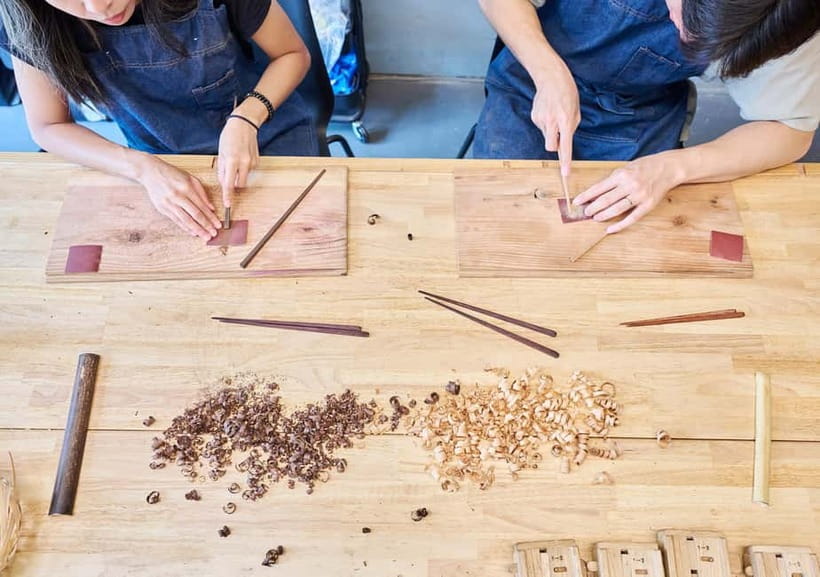
This suits you if you:
- want an authentic Japanese craft experience without advanced skills,
- like small-group activities,
- enjoy learning from English-speaking guides,
- and want a souvenir you’ll actually use.
It may feel less ideal if you:
- need lots of time to work slowly and redo steps (a past guest noted the process can feel rushed in the allotted hour),
- hate any tool-based activity at all,
- or expect a long, leisurely session with zero time pressure.
For families, it can work across ages because the structure is supportive and guidance is available. One guest mentioned enjoying it from age 8 up to adulthood—so it’s not just “for art people.”
Quick Practical Tips Before You Go
- Wear sleeves you don’t mind getting a little dusty. You’ll be shaping and sanding wood.
- Don’t overthink your first wood pick. Start with included options unless you’re very set on a specific look.
- If you want engraving, plan for the extra cost and decide what you want beforehand.
And if you’re juggling Tokyo days: there’s free cancellation up to 24 hours and a reserve now, pay later option, so you can book without locking your whole schedule immediately.
Should You Book This Tokyo Chopstick-Making Workshop?
I think you should book it if you want a Tokyo activity that’s practical, creative, and genuinely different from the usual checklist. The strongest reasons are simple: you get a functional souvenir you made yourself, the workshop is small and guided by English-speaking staff, and you leave with something you can use the same day.
Skip it if you’re only looking for passive sightseeing or you know you’ll feel rushed by a tight one-hour workshop. If that’s you, choose a slower class instead.
If you land here, you’ll come away with a pair of chopsticks that has a story tied to your hands, not just your photos.
FAQ
How long is the chopstick making workshop?
The workshop lasts about 1 hour.
Where is the meeting point?
You’ll meet at Hashiyuki Chopsticks Shop & Workshop, 1-7-1 Misuji, Taito-ku, Tokyo (雪入紙業社 / Yukiirishigyosya). Coordinates: 35.7032168, 139.7853879.
How much does it cost?
It’s priced at $16 per person.
What is included in the price?
The price includes the chopstick making workshop, tools and materials, and the chance to choose from wood types (three types are included free of charge). You also make your own personalized chopsticks and receive English-speaking staff support.
Can I choose wood for my chopsticks?
Yes. You can choose from over 10 types of wood. Three types are included for free, and other higher-grade woods are available for an additional fee.
Is there an engraving option?
An engraving option is available for an extra fee, based on how past participants upgraded their chopsticks.
Is the workshop wheelchair accessible?
Yes, it’s listed as wheelchair accessible.
What languages are spoken during the workshop?
Staff provide support in English and Japanese.
FAQ
How small is the group?
The workshop is limited to a small group, with a maximum of 10 participants.