REVIEW · TOKYO
Tokyo’s Kitchen: Tsukiji Market Food & Culture Walk
Book on GetYourGuide →Operated by Intrepid Urban Adventures - Japan · Bookable on GetYourGuide
Tsukiji is Tokyo’s kitchen in motion. This 3-hour food-and-culture walk takes you through the Tsukiji Outer Market with an English-speaking guide, then ties what you eat to the area’s spiritual roots. I love how the guide makes the chaos feel organized, and I like that the tastings go beyond sushi into snacks and seasonal wagashi. One thing to plan for: the market is busy and the floors can get wet, so wear closed-toe shoes and come ready to taste.
A big plus is the small group size, capped at six people. That keeps you close to your guide, lets you ask questions, and makes it easier to pause at stalls long enough to understand what’s special. The other drawback: vegetarian/vegan options exist, but your choices may be limited in a working fish market, so tell the operator ahead of time.
I also found the shrine stops more practical than poetic. You’ll learn simple gestures and customs (the kind people actually do), and it helps the food story make sense instead of staying stuck in tourist facts. Guides I’ve seen praised by name—like Mikki, Oku, Mihori, Shinto, Shino, Yumi, Kyou, Meg, and Kimi—tend to bring extra context and humor to the morning.
In This Review
- Key things that make this Tsukiji walk work
- Map your Tsukiji morning: where you meet and how it flows
- Higashi-ginza to Kabuki Inari Shrine: getting in the right mindset
- Tsukiji Outer Market: how a tiny group helps you taste better
- Sushi history you can actually use: from tradition to today
- Buddhist and Shinto connections: why the rituals aren’t random
- What you might taste: snacks, sake, and the “don’t eat first” rule
- Craft shops and vendor interactions: the part that feels personal
- Shrines inside the flow: Namiyoke Inari Jinja as your calm closer
- Ending near Tsukiji Fish Market: keep your momentum going
- Price and value: what $80 really buys you
- Who should book this Tsukiji walk (and who might skip it)
- Should you book this Tsukiji Market food-and-culture walk?
- FAQ
- How long is the Tsukiji Market food and culture walk?
- Where do I meet for the tour?
- How big is the group?
- What’s included in the tour price?
- Are there food options for vegetarians or vegans?
- Is sake or alcohol included?
- What should I wear?
- Where does the tour end?
- Can I cancel for a refund?
- What’s the child policy?
Key things that make this Tsukiji walk work
- Six-person max group keeps you from getting swallowed by the crowd.
- Shrine rituals included: you’ll practice respectful gestures and learn why they matter.
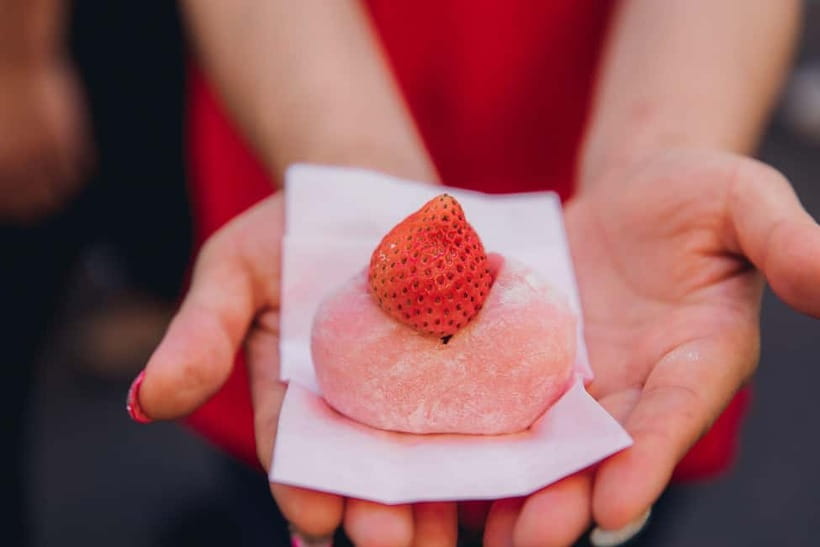
- More than sushi: samples can include street snacks and seasonal wagashi.
- Sushi history + market evolution explains how Tsukiji changed over time.
- Strong guide-vendor access: many tastings happen because the guide knows people at stalls.
- You end near the action at the Tsukiji Fish Market area, so the morning has momentum.
Map your Tsukiji morning: where you meet and how it flows
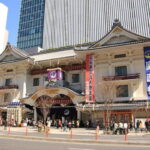
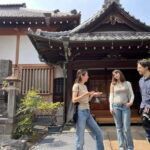
This tour is designed as a focused morning walk, not a long sightseeing day. You’ll meet at Higashi-ginza Station (Exit 3), at street level on Harumi Street, in front of the Kabukiza Theatre side, by the little shrine with the torii gate.
That meeting spot matters. You’re starting close enough to Tsukiji’s food district that you don’t waste time crossing half the city before you start eating. And because the tour runs about 3 hours, the pace stays tight: walk, taste, learn, repeat.
The route has a clear rhythm:
- first, a shrine stop,
- then Tsukiji Outer Market for the core food circuit,
- another shrine touchpoint for context and customs,
- and finally you finish around the Tsukiji Fish Market area.
If you like your mornings structured, this schedule is a good fit. If you prefer long unplanned wandering, keep your expectations aligned: you’re getting guided value, not freestyle time.
You can also read our reviews of more walking tours in Tokyo

Higashi-ginza to Kabuki Inari Shrine: getting in the right mindset
Your first guided stop is Kabuki Inari Shrine. Even if you’ve visited shrines before, this one is useful because the guide explains what you’re looking at and what locals do with their hands and posture.
Why this matters for a food tour: Tsukiji is famous for seafood, but it’s also tied to belief systems that shape daily behavior. The tour connects the dots between the spiritual side of Japanese culture and the way market people treat rituals, respect, and routine.
You’re not expected to turn into a shrine expert. You just learn the simple gestures, then you carry that awareness into the market itself. It makes your food stops feel less random, like you’re stepping into a place with rules—some of them invisible until a local points them out.
Tsukiji Outer Market: how a tiny group helps you taste better
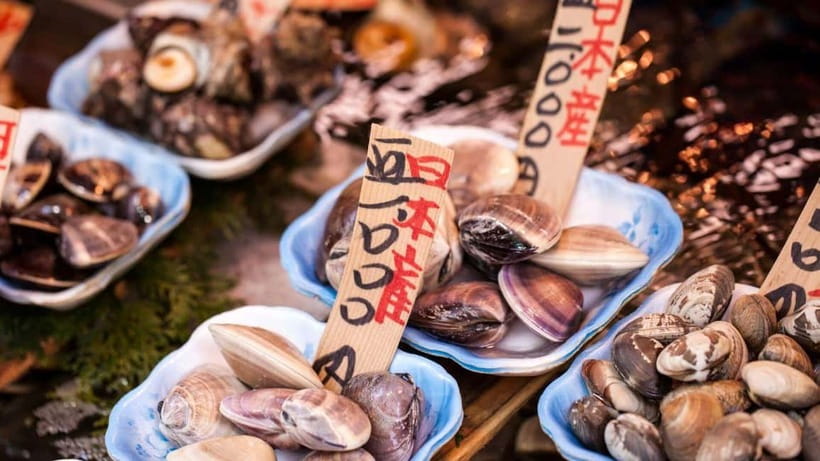
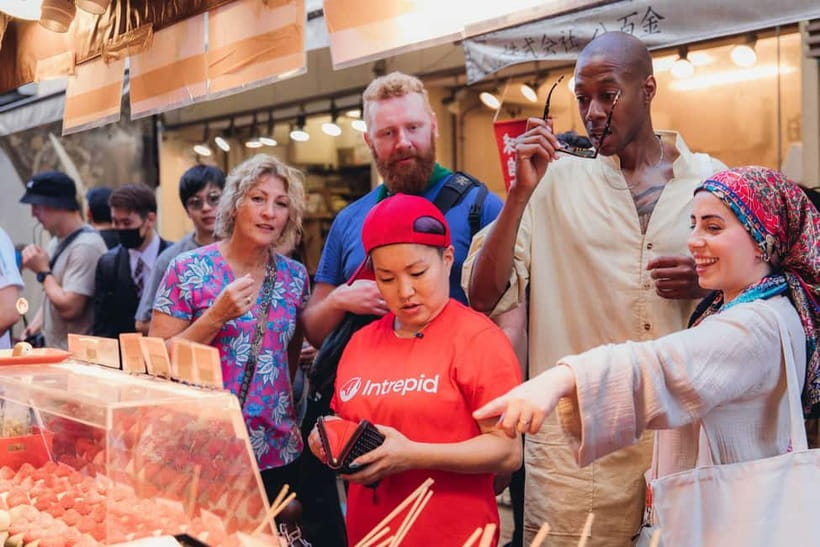
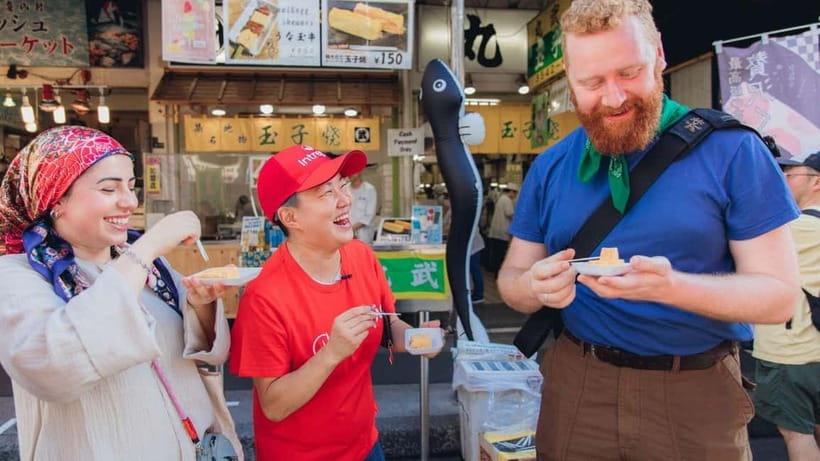
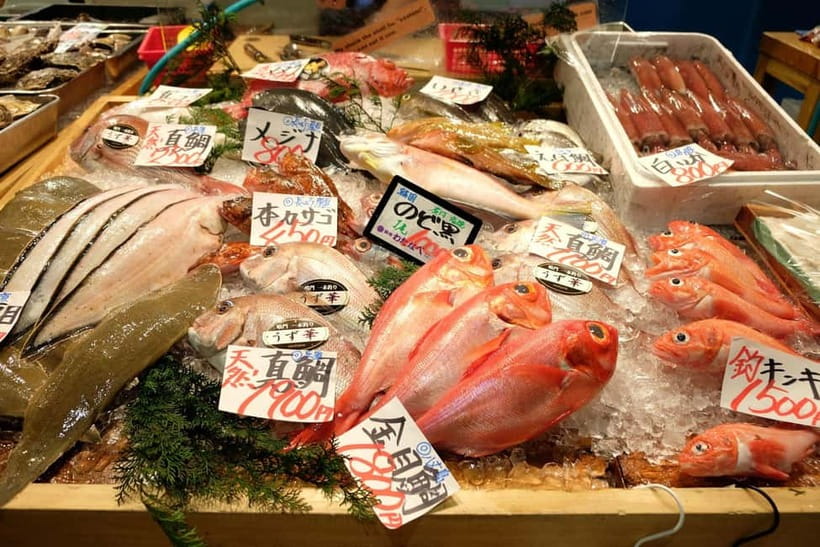
Now for the main event: Tsukiji Outer Market. This is the kind of place where the sheer number of stalls and smells can overwhelm you fast. The tour’s biggest practical advantage is that you’re in a small group of six, which means you can actually move as a unit and still pause when something looks worth asking about.
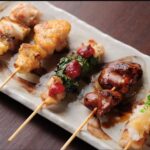
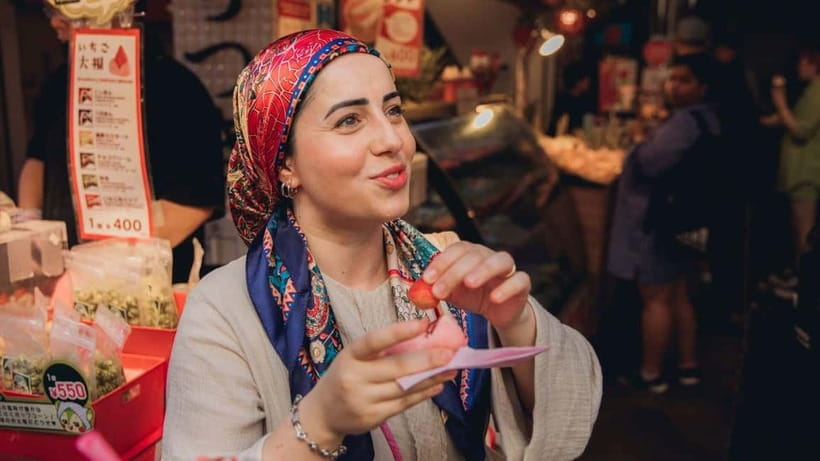
You’ll sample multiple items while your guide translates and explains. The tastings can include:
- fresh sushi,
- Japanese snacks from market stalls,
- and seasonal wagashi sweets.
More than the specific foods, the value is knowing what to look for. You learn how to read the stall rhythm (when lines form, what’s moving fastest, what’s made in-house versus prepared elsewhere). That turns your time from eating-for-eating’s-sake into a real “how it works” experience.
And many guides are praised for having a friendly rapport with vendors. When vendors greet your guide by name, it changes the energy. You’re not just a stranger watching from the side. You feel like you’re being introduced to a working community.
Sushi history you can actually use: from tradition to today
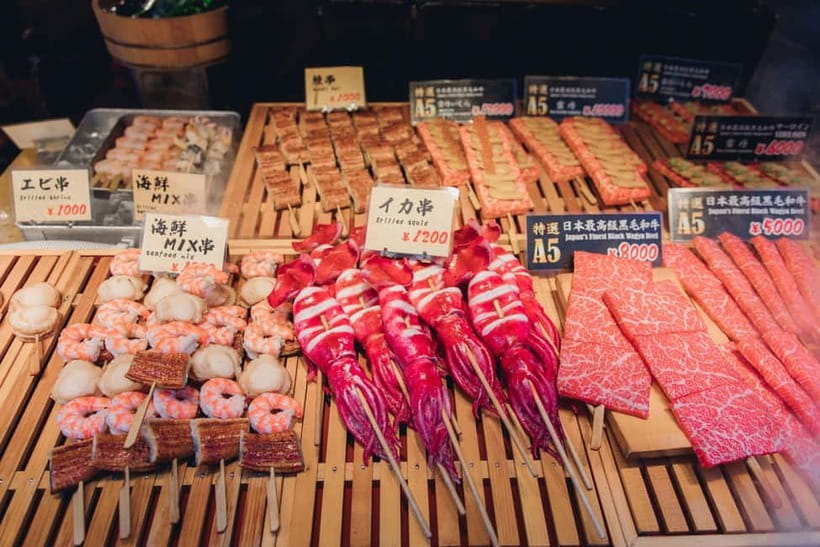
A good Tsukiji tour should teach you how sushi became what it is. This one does that by linking food technique and market culture with the wider story of Japan’s eating habits.
You’ll hear about sushi history and how Tsukiji evolved—including how the famous tuna auction moved to Toyosu. That piece helps you understand why Tsukiji Outer Market still matters even though the most famous auction scene changed locations.
This also helps you avoid a common disappointment. If you arrive expecting a single iconic activity, you might miss the point. The Outer Market is about day-to-day food preparation and high-volume tasting culture. When you understand that shift, the morning clicks.
Buddhist and Shinto connections: why the rituals aren’t random
One of the most interesting parts of this experience is the way it frames food and markets through Buddhist and Shinto roots. You won’t just hear names of beliefs; you’ll see how the guide connects them to behavior—especially respect, cleanliness, and everyday gestures.
Then you get another shrine stop at Namiyoke Inari Jinja. This second visit is peaceful, and it acts like a reset button after the intensity of the market. You practice the small customs again, which helps your brain switch from fast tasting to slower observation.
If you’re the type who likes travel meaning, this is the part that gives the tour weight. If you’re more practical, it still helps because it turns your guide’s explanation into a memory cue for how market people act and why.
You can also read our reviews of more food & drink experiences in Tokyo


What you might taste: snacks, sake, and the “don’t eat first” rule
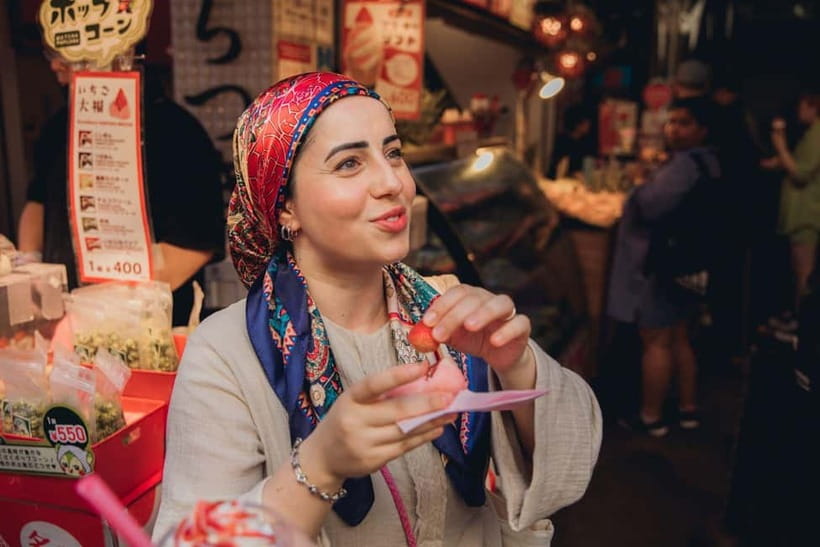
This tour is built around tastings, not a full meal. You should come hungry enough to enjoy small bites. Many people note that you shouldn’t have breakfast first, because once tasting starts, it doesn’t stop.
The food range can vary by what’s available, but the style of sampling is consistent: many small servings. That means you can try more variety without feeling overly stuffed.
Based on what guides have been praised for, you may encounter items like:
- sashimi and fresh sushi,
- tamago or tamagoyaki (rolled omelet),
- matcha and dashi flavor explanations,
- mochi and green tea sweets,
- and even drinks such as sake.
Some tours include the chance to do fun hands-on moments. One guide was praised for helping participants grind wasabi, and another was noted for explaining where and how tamagoyaki is made. Even when your exact items differ, the promise is the same: you’ll taste your way through the market with context.
One thing to note: alcohol has an age guideline—20+ for alcoholic drinks in Japan. If you’re under that age, you’ll get non-alcoholic alternatives instead.
Craft shops and vendor interactions: the part that feels personal
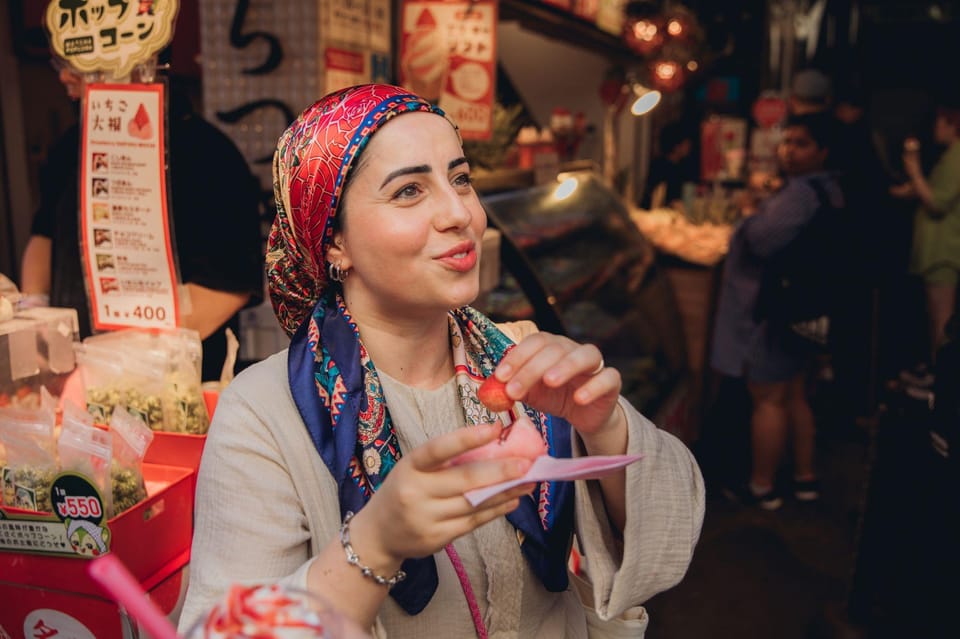
Tsukiji’s best moments aren’t always the headline foods. Often it’s the small stalls that sell a tool, ingredient, or ready-made bite that locals actually use.
This tour includes time to meet friendly vendors and discover craft and food shops beyond just the biggest counters. You’re not just “passing by” stores; you’re being introduced, and the guide helps you understand what’s worth your money and what’s more of a novelty.
In the best cases, your guide also uses photos, maps, and simple models to make technical stuff easier to grasp. That kind of support shows up in the praise for guides like Oku and others who explain details in plain language.
There’s also a subtle benefit here: when a guide has connections, you can ask questions that you wouldn’t get from standing in line. You’ll walk away with a better sense of what Japanese vendors consider important—freshness, technique, and seasonal timing.
Shrines inside the flow: Namiyoke Inari Jinja as your calm closer
After the Outer Market stretch, you’ll visit Namiyoke Inari Jinja. In practical terms, this helps your body. After eating and walking, your legs and stomach both appreciate a quieter moment.
In cultural terms, it reinforces the tour’s main idea: Japanese food culture is connected to everyday rituals. The guide explains simple gestures locals use to show respect, and it makes the earlier market talk easier to remember.
If you tend to rush through shrines on your own, this stop prevents that. You’ll know what you’re doing and why before you move on.
Ending near Tsukiji Fish Market: keep your momentum going
The tour finishes at TSUKIJI FISH MARKET. That ending location is helpful because it keeps the morning’s focus on what matters most. You’re not dropped somewhere random far away from the sights you just learned about.
What should you do after? If you want value, keep your eyes open for food-related tools, packaged seasonings, and small snacks you didn’t taste. This area is also good for a later snack run, but you’ll be better prepared now.
Also: because the tour is 3 hours, you’ll still have time for the rest of your day in Tokyo. That’s a smart setup for pairing with other nearby neighborhoods—just don’t schedule anything that requires a full stomach right afterward.
Price and value: what $80 really buys you
At $80 per person for a 3-hour guided experience, the price isn’t “cheap,” but it can be good value if you care about understanding what you’re eating.
Here’s what you’re paying for:
- a local English-speaking guide who translates and explains,
- multiple tastings (fresh sushi, snacks, wagashi),
- two shrine visits with cultural context,
- and group size limited to six for real interaction.
That combination is the difference between eating random market snacks and leaving with a story you can tell. If you’ve struggled with markets before—getting lost, missing key stalls, or not knowing what you’re buying—this tour tackles the problem head-on.
One warning on value: additional food and drinks are not included. That’s normal for this type of tour, but it means you should budget a little extra if you want more than the planned tastings, especially if you enjoy sake or want a souvenir snack to take home.
Who should book this Tsukiji walk (and who might skip it)
This tour is a strong match if you:
- want small-group guidance in a crowded place,
- like food with context—history, technique, and cultural meaning,
- enjoy tasting multiple items instead of doing one big meal,
- and appreciate a mix of market + shrine.
You might skip it if you:
- hate queues or crowded spaces,
- want a totally free-form market roam,
- or need highly specific diets (vegetarian/vegan options are available, but choices may be limited).
It’s also a nice “first morning in Tokyo” style activity because it gives you a working lens on how the city eats and why markets have rituals.
Should you book this Tsukiji Market food-and-culture walk?
I’d book it if your goal is to experience Tsukiji with fewer guesswork moments. The small group size, the structured tastings, and the shrine stops make the tour feel like more than a snack run.
If you’re mainly after the cheapest food possible or you want maximum unstructured time, you might prefer self-guided wandering. But if you want to understand what sushi and market culture mean—and try a lot in just a few hours—this is the kind of guided morning that makes the rest of your Tokyo trip easier.
FAQ
How long is the Tsukiji Market food and culture walk?
It lasts about 3 hours.
Where do I meet for the tour?
You meet at Higashi-ginza Station, Exit 3, on street level by the little shrine (torii gate) in front of the Kabukiza Theatre, on Harumi Street.
How big is the group?
The group is limited to 6 participants for a more personal pace.
What’s included in the tour price?
You get a guided walking tour of Tsukiji Outer Market, a local English-speaking guide, multiple tastings (fresh sushi, Japanese snacks, wagashi), and a visit to nearby historic shrines with cultural explanations.
Are there food options for vegetarians or vegans?
Vegetarian and vegan options are available, though choices may be limited due to the market. Tell them ahead of time if you have dietary needs.
Is sake or alcohol included?
Alcohol may be included as part of tastings, but only guests aged 20 or older can have alcoholic drinks. If you’re under 20, you’ll be offered non-alcoholic alternatives.
What should I wear?
Tsukiji market floors can be wet, so closed-toe shoes (like sneakers) are recommended.
Where does the tour end?
It finishes at TSUKIJI FISH MARKET.
Can I cancel for a refund?
Yes, you can cancel up to 24 hours in advance for a full refund.
What’s the child policy?
Children aged 5 and under join free. If you’re bringing a child under 6, you should let the operator know when you book.