REVIEW · TOKYO
Tokyo: Pvt. Tour – Edo Castle & Imperial Palace East Gardens
Book on GetYourGuide →Operated by gotcha Corporation · Bookable on GetYourGuide
Tokyo’s palace grounds feel like a reset button. This private tour threads together Edo Castle ruins and the Imperial Palace East Gardens with an English guide who puts the space in context, not just points at it. I especially like the calm pacing through the gardens, and the way the guide explains what you’re seeing in plain terms. One possible catch: you’re limited to the East Gardens, so you won’t enter the Emperor’s Inner Palace.
The starting point is easy to reach, and the group stays small enough to ask questions without feeling rushed. Expect gate details, stonework, moats, and a historic main gate area, then a slow walk through landscaped grounds that change with the season. Because flower timing varies, you might not see peak blooms on your dates—though the guide will still help you read the garden like a map.
If you want Tokyo history in a walkable, human-scale format, this is a smart use of 2 hours. You get stories about Japan’s feudal and imperial past, plus practical explanations so you’re not standing there guessing. Just remember the Imperial Palace entry includes a baggage inspection, so plan for that pause.
In This Review
- Key things to know before you go
- Getting started at Wadakura Fountain Park without wasting time
- Edo Castle ruins: stone walls and moats that make history feel real
- The historic main gate area: where old security meets new Tokyo
- Ninomaru Garden: seasonal flowers and a break from the city
- Imperial Palace East Gardens: what you’re allowed to see (and what you’re not)
- The value of a 2-hour private format (and why it’s priced like this)
- How long you should budget and what the pace feels like
- Who this tour suits best
- Should you book this Edo Castle & Imperial Palace East Gardens tour?
- FAQ
- How long is the tour?
- Is this tour private?
- What’s included?
- Does this tour include the Inner Palace where the Emperor resides?
- Where do we meet the guide?
- How far is the meeting point from major train stations?
- Is there baggage inspection at the Imperial Palace?
- Are there restrictions on items like knives?
- What’s the cancellation policy and can I pay later?
Key things to know before you go
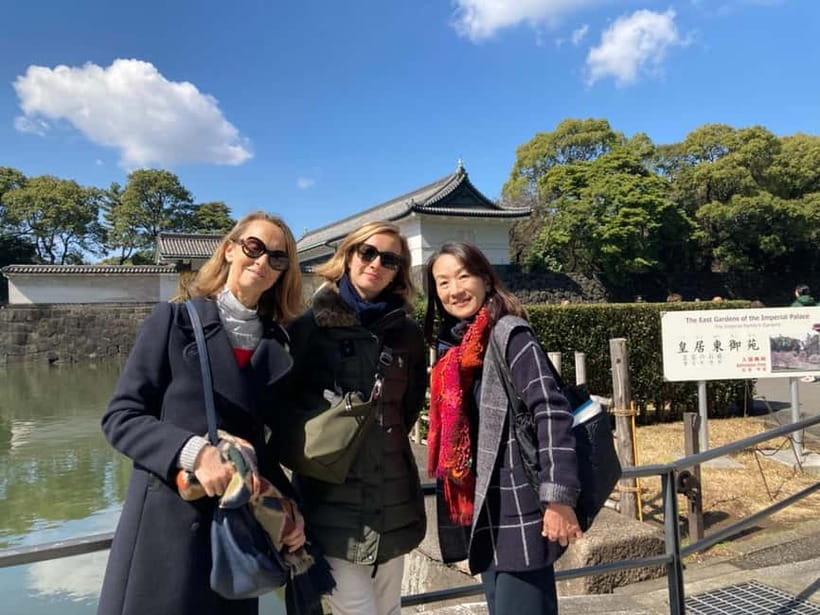
- Meet up near Otemachi or Tokyo Station: quick walk to Wadakura Fountain Park, Starbucks area
- It’s East Gardens only: no entry into the Emperor’s Inner Palace
- Edo Castle ruins you can actually see: stone walls, moats, and major structure remains
- Ninomaru Garden is seasonal: cherry blossoms, irises, and autumn leaves depending on timing
- You’ll learn with a guide in strong English: guides like Hiroshito, Yoshi-san, Yuji, and Naoko are praised for clarity
- Baggage inspection on Palace grounds: arrive ready to slow down a bit at entry
Getting started at Wadakura Fountain Park without wasting time
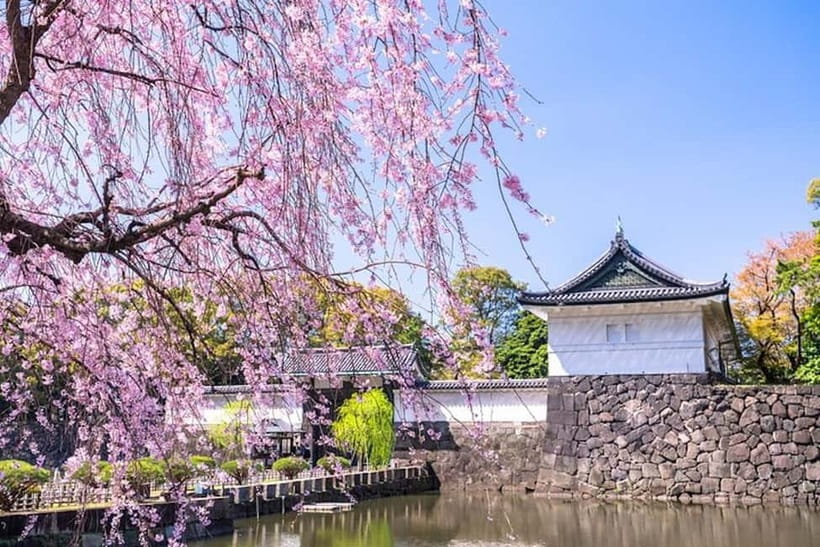
I like that this tour begins in a straightforward, central place: meet your guide in front of Starbucks in Wadakura Fountain Park. The instructions are specific—look for the sign board that says gotcha—and it’s about a 3-minute walk from Tokyo Metro Otemachi Station exit D2, or around 10 minutes from Tokyo Station Marunouchi central exit.
That matters because the Imperial Palace area is easy to confuse if you’re arriving on your own. With a guide, you get a clean handoff from the busy streets to the compound—no wandering, no guesswork about where the entrance flow actually starts.
Since this is a private group tour, you can set a comfortable pace. You’re not sharing commentary with a big crowd, which makes a difference when questions come up mid-walk (they often do with the history here).
You can also read our reviews of more tours and experiences in Tokyo.



Edo Castle ruins: stone walls and moats that make history feel real
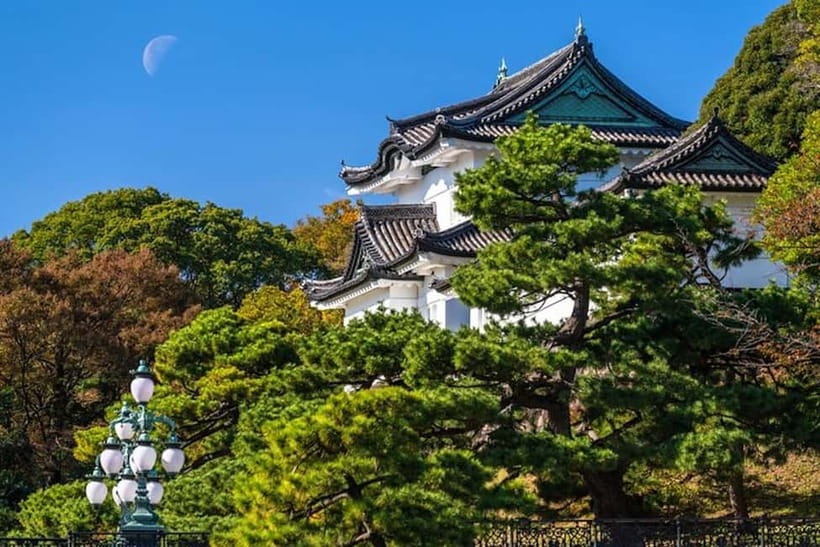
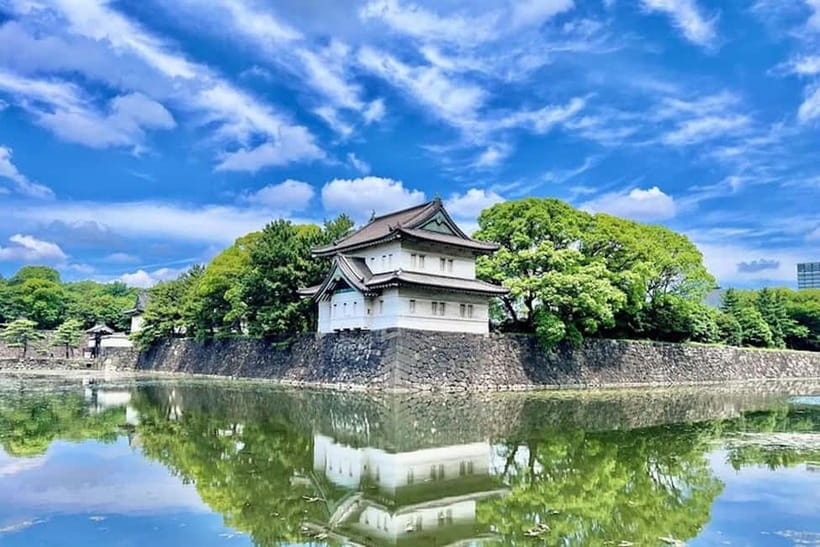
The Edo Castle portion isn’t about a lecture hall. It’s about walking through the evidence—ancient stone walls, moats, and the scale of the keep area. Even when you’re looking at remains rather than intact structures, the size and layout help you understand why this place mattered.
Here’s what I’d watch for as you walk: the way the moat line frames movement, and how the stonework shows feudal-era engineering. A guide can connect these physical details to the human story—what the castle system was built to do, and why Edo Castle became such an influential power base.
The guides on this experience are repeatedly praised for making those connections clearly. For example, Hiroshito is described as fantastic and kind, and Mr. Masahito is noted for explaining the history of gardens and the palace buildings clearly. That’s the point of paying for a guided walk here: you get help translating the site into meaning.
The historic main gate area: where old security meets new Tokyo
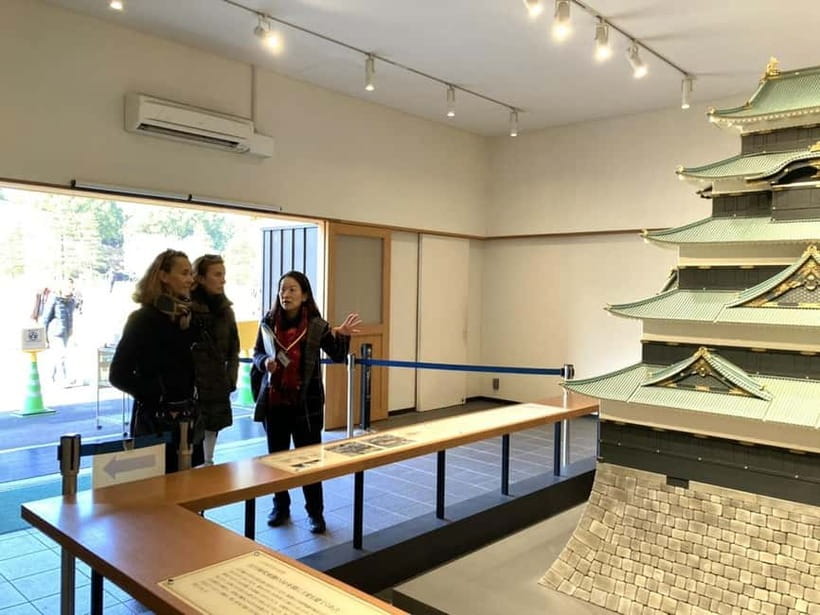
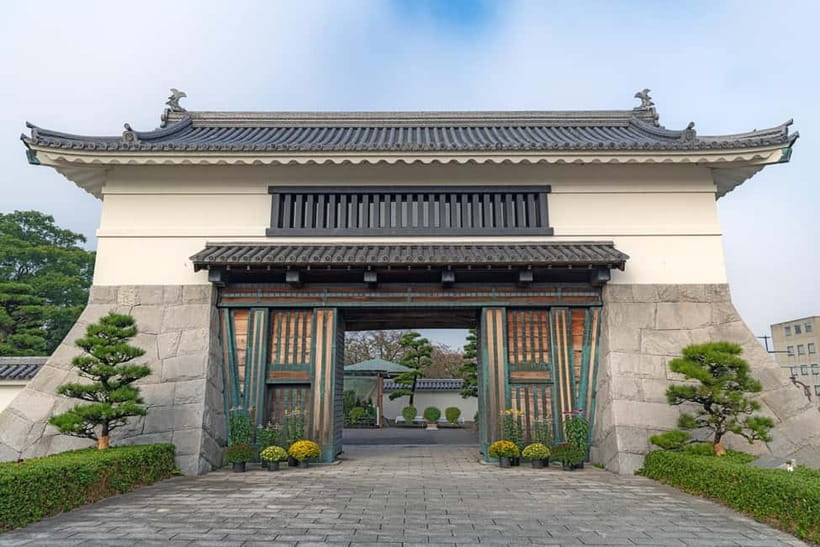
Right after you begin, you’ll pass the historic Main Gate area with a traditional guardhouse feel, plus a visible blend of old and new security. It’s a small stop compared with the full walk, but it’s a useful “orientation moment.”
Think of it as a bridge between eras. You’re stepping from modern Tokyo into a place built to control access, and the layout cues you to how power once worked here. A good guide will point out how that gate area shapes the flow of visitors and why the compound feels different the second you enter.
If you’re the type who likes small details—how people move through space—this is one of those moments that makes the rest of the tour click.
Ninomaru Garden: seasonal flowers and a break from the city
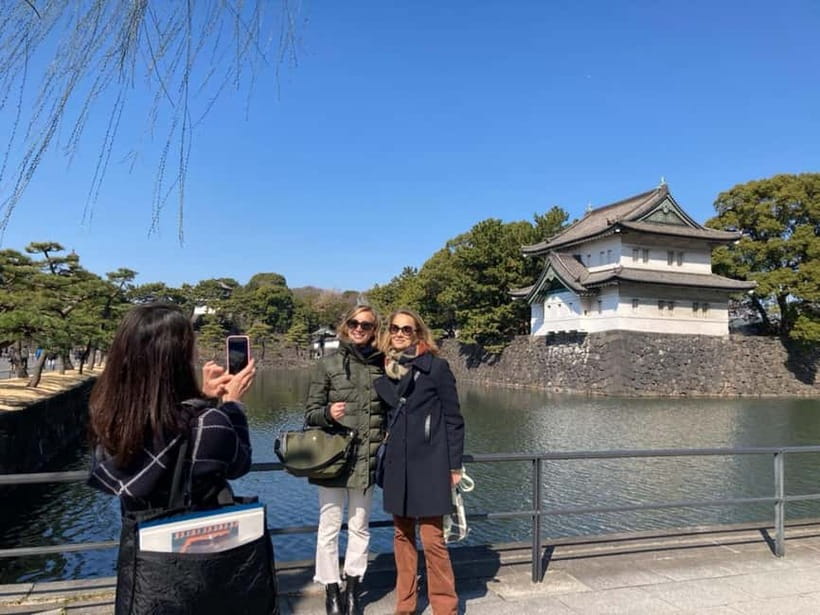
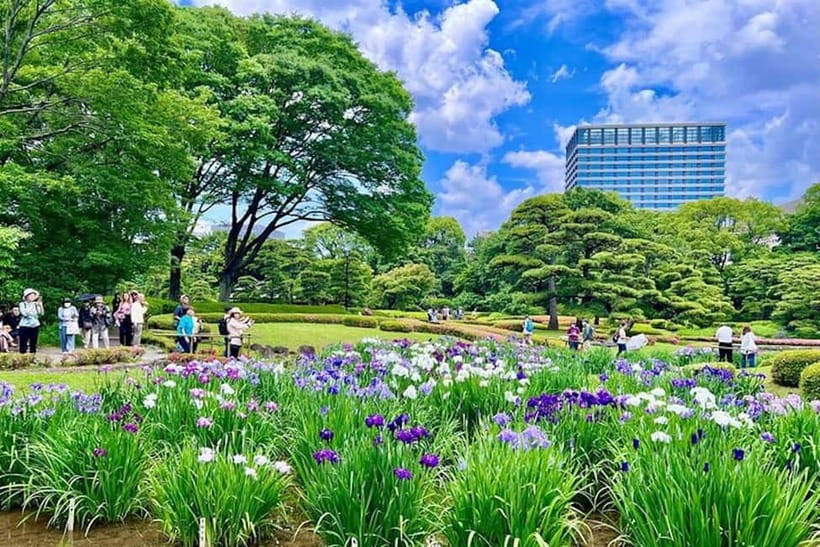
Then you shift into greenery: Ninomaru Garden, a traditional Japanese garden with seasonal highlights. The tour notes call out the flower cycle—cherry blossoms in spring, irises in summer, and autumn leaves in autumn—and that’s exactly how you should think about it.
If you’re visiting when blooms are peaking, this is a beautiful payoff. If your timing is off (it happens), you’ll still get value from the structure: paths, sightlines, and the garden’s overall design. One participant flagged that cherry blossoms weren’t really out yet in April, but the guide still made the garden experience meaningful—proof that the tour isn’t only about perfect flower timing.
This is also where the private format helps. You can pause, take in a view, and keep your group together at a comfortable pace. Guides like Yoshi-san and Yuji are praised for walking at a family-friendly rhythm and sharing insights you likely wouldn’t notice on your own.
Imperial Palace East Gardens: what you’re allowed to see (and what you’re not)
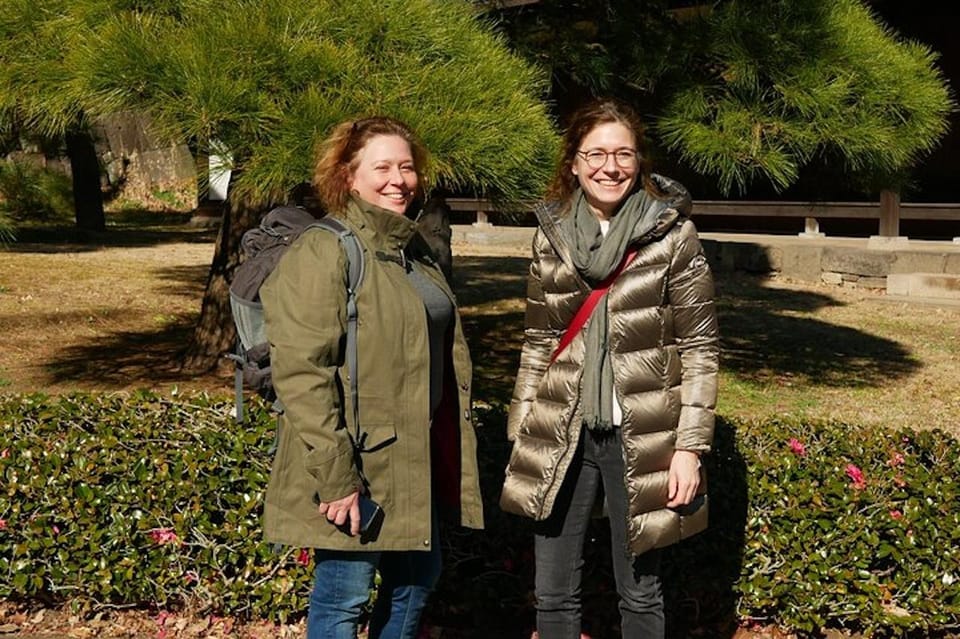
The core experience is a guided walk through the Imperial Palace East Gardens. You’ll hear stories that connect Japan’s imperial past to the buildings and garden spaces around you—stories that make the area feel less like a postcard and more like a lived-in chapter of Tokyo.
One very important limitation: this tour does not include the Inner Palace, where the Emperor resides. That means you won’t get inside the most restricted areas. But you will still cover the East Gardens portion with guidance, so you’re not just walking around hoping you’re looking at the right thing.
When people feel satisfied here, it’s usually because the guide helps them understand what the garden and buildings are meant to convey. Naoko, for instance, is praised for knowledge about buildings, past and present inhabitants, and garden details like koi—the kind of specifics that make a garden walk more than scenery.
Also: once you enter the grounds, visitors are subject to baggage inspection. Don’t treat this like a minor detail. It affects how quickly you’ll get moving, so it’s smart to keep your arrival mindset calm and uncomplicated.





The value of a 2-hour private format (and why it’s priced like this)
The price is listed at $63 per person, and for a 2-hour guided private experience in central Tokyo, the math mostly works if you want context more than photos.
Here’s what you get for your money:
- An English-speaking guide
- A guided walking tour of the East Gardens
- Built-in help interpreting Edo Castle remains and the garden layout
If you try to do this on your own, you can certainly see the East Gardens area. But without guidance, it’s easier to miss why certain spaces feel ceremonial, how the garden’s design guides your attention, and how the Edo Castle remains connect to the larger story.
That’s why the repeated praise for guides matters. People mention strong English, coherent explanations, and even follow-up efforts—like one guide who contacted another guide when a question needed verification. That’s not just nice service; it’s the difference between hearing a list of facts and understanding what you’re standing on.
How long you should budget and what the pace feels like
This tour runs 2 hours. For many visitors, that’s the sweet spot: long enough to cover multiple areas (Edo-related remains, main gate area, Ninomaru Garden, then East Gardens), but short enough that you’re not cooked by Tokyo walking.
What I recommend you do before you go is mentally switch from sightseeing mode to “walking with purpose” mode. The places here reward attention: sightlines, stonework, and the flow from gate to garden. If you treat it like a checklist, you’ll skim the best parts.
Also, because flower seasons vary, don’t tie your happiness to a single expectation. Even when blooms are not at peak, a good guide can help you see the garden as design—not just color.
Who this tour suits best
This is a strong fit if you:
- Want Imperial Palace East Gardens access with clear explanation
- Care about Edo-era context beyond generic facts
- Prefer private pacing over group herding
- Enjoy gardens and architecture details, not just big monuments
It may be less ideal if you specifically want to enter the Inner Palace. Since that’s not part of the tour, you’ll need a different plan if that’s your top priority.
For families, it can also work well when the guide keeps a comfortable rhythm—there are mentions of attentive pacing for families and flexible walking.
Should you book this Edo Castle & Imperial Palace East Gardens tour?
I’d book it if you want Tokyo’s power-and-garden mix explained clearly in a calm, walkable 2-hour block. The best part is not just the scenery—it’s the way the site becomes understandable: Edo Castle remains in stone and water, then the East Gardens turned into a story you can follow.
Book it especially if you:
- Like having an English guide who points out the “why” behind what you see
- Want to slow down inside palace grounds without spending your brain power figuring it all out
- Appreciate seasonal garden design, even if your timing isn’t perfect for peak blossoms
Skip it if your goal is specifically the Emperor’s Inner Palace, because this tour stays within the East Gardens area.
FAQ
How long is the tour?
It lasts 2 hours.
Is this tour private?
Yes, it’s a private group experience.
What’s included?
You get a guide and a walking tour of the Imperial Palace East Gardens.
Does this tour include the Inner Palace where the Emperor resides?
No. It is not possible to enter the Inner Palace on this tour.
Where do we meet the guide?
Meet your English-speaking guide in front of Starbucks in Wadakura Fountain Park. Look for the guide holding a sign board that says gotcha.
How far is the meeting point from major train stations?
It’s about a 3-minute walk from Tokyo Metro Otemachi Station exit D2, and about a 10-minute walk from Tokyo Station Marunouchi central exit.
Is there baggage inspection at the Imperial Palace?
Yes. Upon entering the grounds of the Imperial Palace, visitors are subject to a baggage inspection.
Are there restrictions on items like knives?
If you plan to purchase Japanese knives or other items that could be used as weapons at Tsukiji or Asakusa, wherever, you should leave them in a coin locker or similar before the meeting.
What’s the cancellation policy and can I pay later?
Free cancellation is available up to 24 hours in advance for a full refund, and you can reserve now and pay later.