REVIEW · TOKYO
Tokyo: Private Tailored Tour with a Local Guide
Book on GetYourGuide →Operated by Maji Super Tours · Bookable on GetYourGuide
Tokyo can feel like a maze. This private, tailored day makes it manageable by focusing on landmarks and the context that turns them meaningful. I love the fact that you get a local guide who can steer the pace to your interests, and I also love how the route mixes iconic stops like Shibuya Crossing with older neighborhoods like Yanaka.
One thing to consider: the tour is designed around lots of walking, and while it lists wheelchair accessibility, it also states it is not suitable for wheelchair users or people with mobility impairments—so you’ll want to confirm the specifics before booking.
In This Review
- Key things you’ll like about this tour
- A private Tokyo day that actually feels personal
- Price and logistics: what $63 covers (and what doesn’t)
- Meiji Jingu: the slow start that resets your brain
- Harajuku and Takeshita Street: fashion energy, sweets, and motion
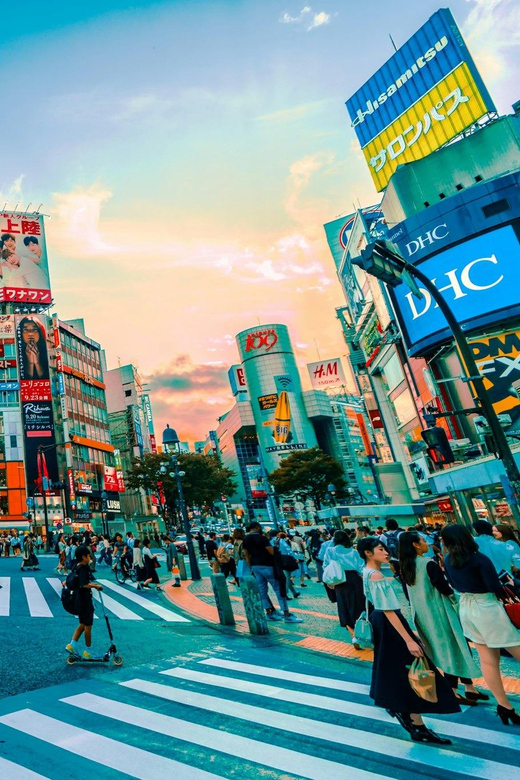
- Shibuya Crossing and Hachiko: iconic, yes, but not empty
- Asakusa and Sensō-ji Temple: red lanterns and lived-in detail
- Shinjuku viewpoints, Showa nostalgia, and Nakano Broadway variety
- Yanaka’s shitamachi streets: the old Tokyo mood you’ll miss
- Who this tour suits best
- Tips so your day goes smoothly
- Should you book this Tokyo private tour?
- FAQ
- What’s included in the tour price?
- Where can the tour pick you up?
- How long is the tour?
- What languages are the guides available in?
- Do I need to pay entrance fees?
- Is it wheelchair accessible?
Key things you’ll like about this tour
- Private and customized so the day doesn’t feel like a fixed script
- Two pickup points (Asakusa Station or Harajuku Station) if you don’t want hotel pickup
- Iconic Tokyo + local context from Meiji Jingu to Sensō-ji and the shitamachi streets of Yanaka
- Shibuya and Hachiko handled with a guide so you know where to stand and what to notice
- A variety of neighborhoods including Harajuku, Shibuya, Asakusa, Shinjuku, Nakano Broadway, and Yanaka
- Your transit and entrances aren’t included, so budget for trains and attraction fees
A private Tokyo day that actually feels personal
A group tour in Tokyo often means watching from the back of the crowd. Here, you’re in a private group, so you’re not rushing just to keep up with strangers. That changes everything when you’re trying to understand what you’re seeing instead of just ticking boxes.
I also like that this is built for tailoring. Your guide can adjust the emphasis—more shopping, more temples, more photo stops, more neighborhood wandering—based on what you care about that day. In real terms, that’s how you get a tour that feels like Tokyo instead of a checklist.
You can also read our reviews of more guided tours in Tokyo

Price and logistics: what $63 covers (and what doesn’t)
At $63 per person for a full day with a local guide, this is best seen as a planning and interpretation service. You’re paying for local know-how and a route built around key areas, not for transportation or admission tickets.
What you should expect not to be included:
- Meals and drinks
- Transportation costs
- Entrance fees
That last point matters. Tokyo’s top sights can have paid areas, and even when places are free, you still have to pay for trains and subways. One caution I’d flag: public transit cost is not included, so the value depends on how much you’d otherwise pay to move around on your own.
Also bring cash for personal expenses, since not all places accept credit cards.
Meiji Jingu: the slow start that resets your brain
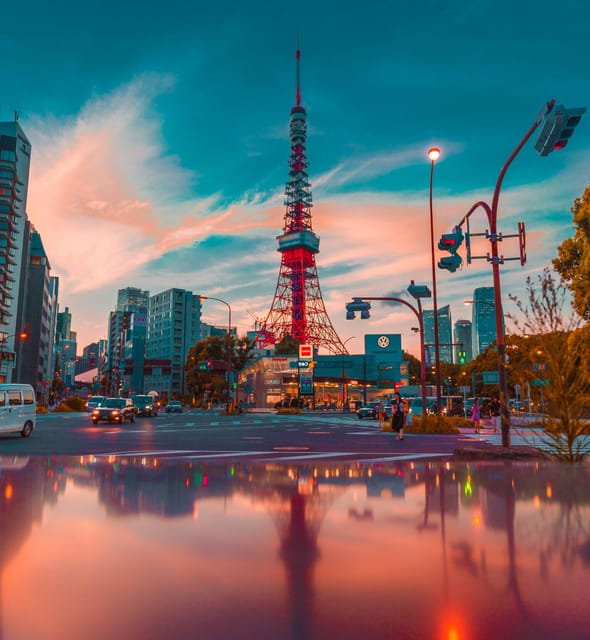
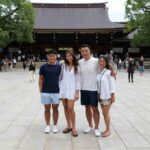
You start with Meiji Jingu, a Shinto shrine honoring Emperor Meiji and Empress Shoken. The approach along the familiar paths is part of the experience—calm, shaded, and a good break from Tokyo’s speed.
Why this stop works early:
- It gives you a cultural anchor before the day turns loud and visual.
- It’s a great moment to learn how to read a shrine setting without guessing.
- It sets the tone for the rest of the day: Tokyo isn’t only neon and crowds; it has long traditions running under everything.
If you’re someone who gets overwhelmed quickly, this is a smart first chapter. Put on comfortable shoes and don’t treat it like a quick photo stop.
Harajuku and Takeshita Street: fashion energy, sweets, and motion
Next comes Harajuku, with time around Takeshita Street. This is where Tokyo’s pop fashion side is front and center—colorful outfits, fast trends, and the kind of people-watching that’s hard to replicate anywhere else.
What’s great here is the guiding. A local host can point out what you’re looking at and help you handle the flow of foot traffic without turning it into constant shoulder-to-shoulder anxiety.
You can also expect time for treats. The tour setup specifically includes Takeshita Street’s vibe—fashion, sweets, and the stream of colorful characters.
One practical tip: if you don’t love crowds, position yourself strategically. Ask your guide when to move and when to pause so you spend your energy choosing moments, not fighting congestion.
Shibuya Crossing and Hachiko: iconic, yes, but not empty
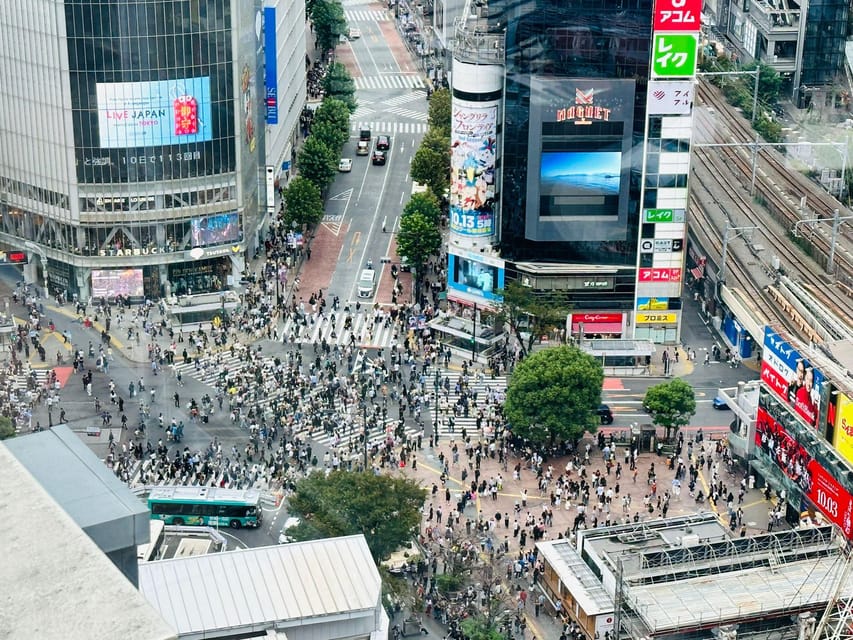
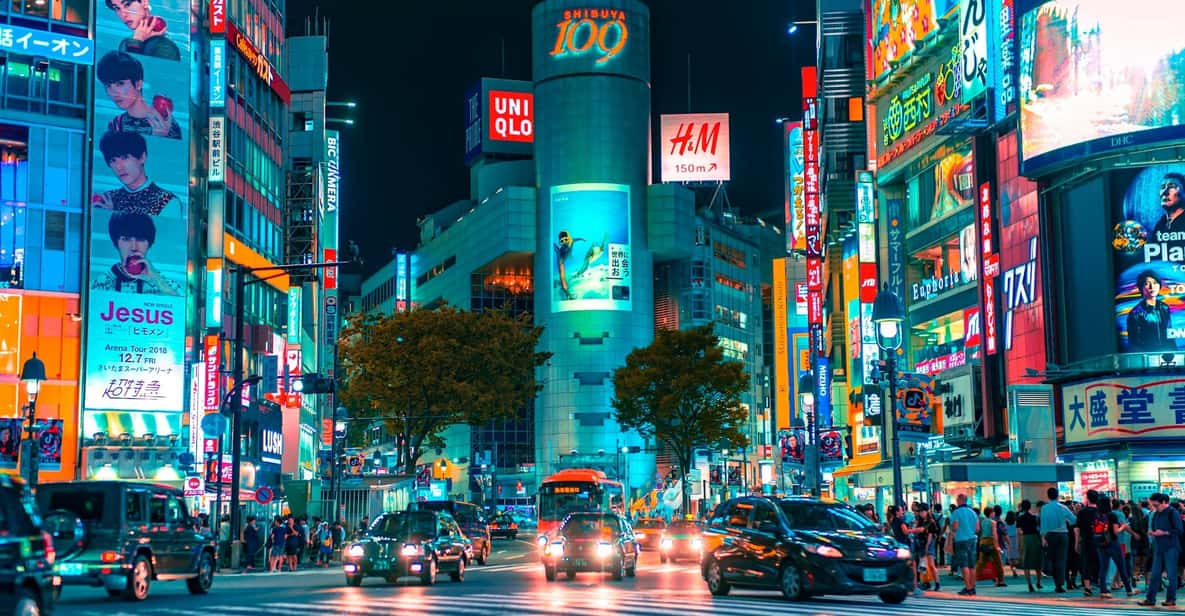
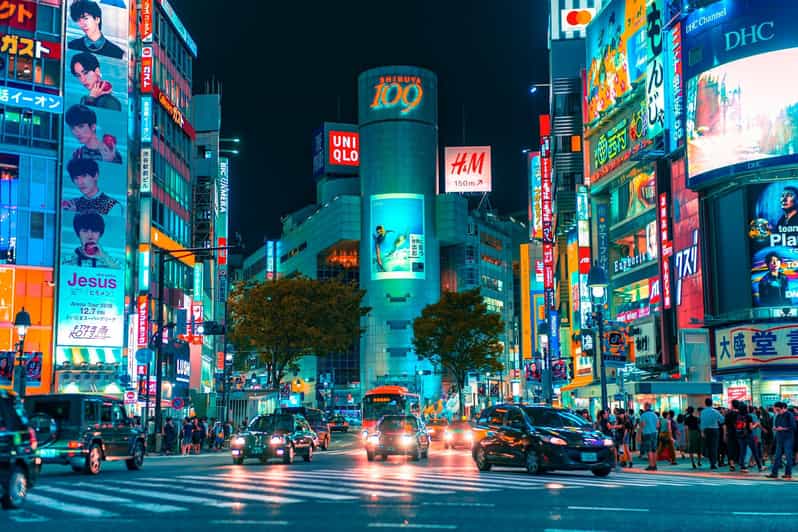
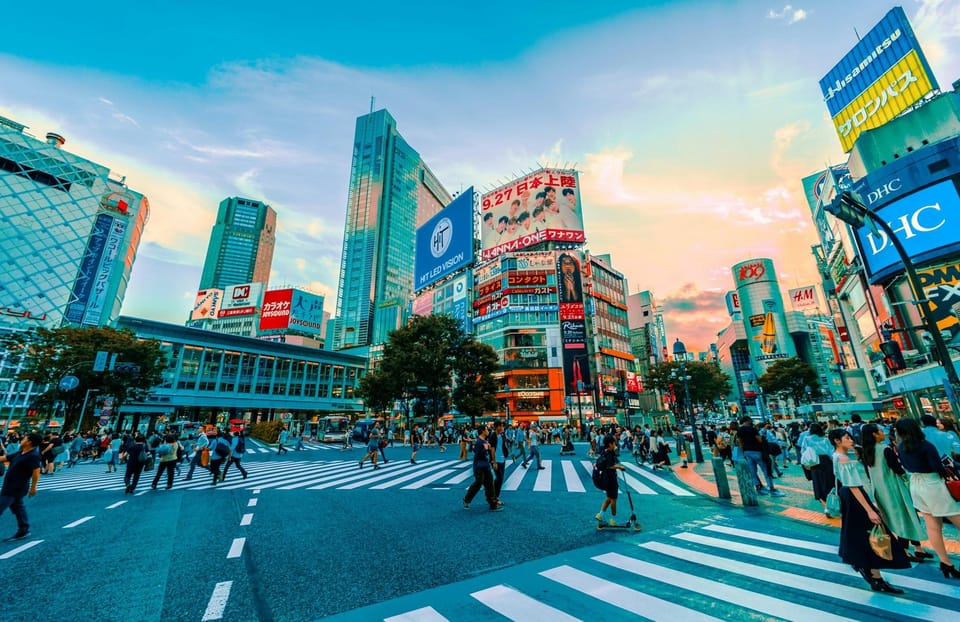
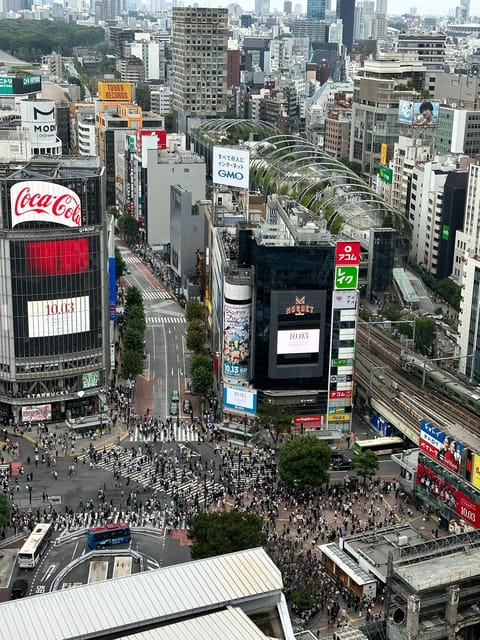
Then you hit the Shibuya Crossing moment. It’s famous for a reason, but the real win on a guided day is knowing how to experience it properly.
On the way, you’ll also visit the Hachiko statue—a quick but emotional piece of Tokyo’s everyday storytelling. Having a guide here helps you connect the landmark to the meaning behind the space, instead of just standing there for a single snap.
What to plan for:
- You’ll be photographing and crossing with people everywhere.
- You’ll want your guide’s timing, especially if it’s busy.
- The photo moment is short, but the neighborhood understanding takes longer.
If you like street-level Tokyo drama—signs, motion, lights, and layered crowds—this part lands well.
You can also read our reviews of more private tours in Tokyo

Asakusa and Sensō-ji Temple: red lanterns and lived-in detail
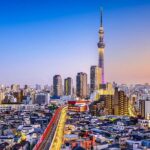
After Shibuya, the tour heads toward Asakusa and Sensō-ji Temple, famous for its red lanterns. This is the section where Tokyo looks older and more human, with temple history and neighborhood character side by side.
Sensō-ji is worth your time because it doesn’t feel like a staged attraction. It’s a working cultural site, and your guide explains background and notable spots as you walk, so you understand what you’re seeing while you’re seeing it.
Why a local guide matters here:
- Temple layouts and traditions can be confusing if you don’t have context.
- The best moments are often in the small details around the main sights.
- You’ll get a route that helps you avoid doubling back.
Wear shoes that handle uneven pavement and long walking. This is not the day for stiff soles.
Shinjuku viewpoints, Showa nostalgia, and Nakano Broadway variety
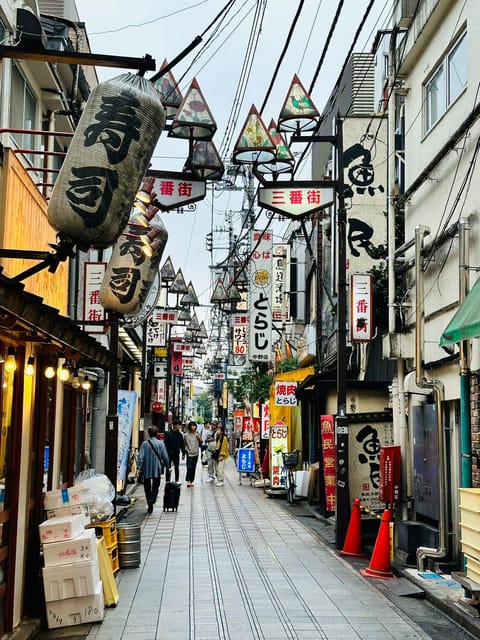
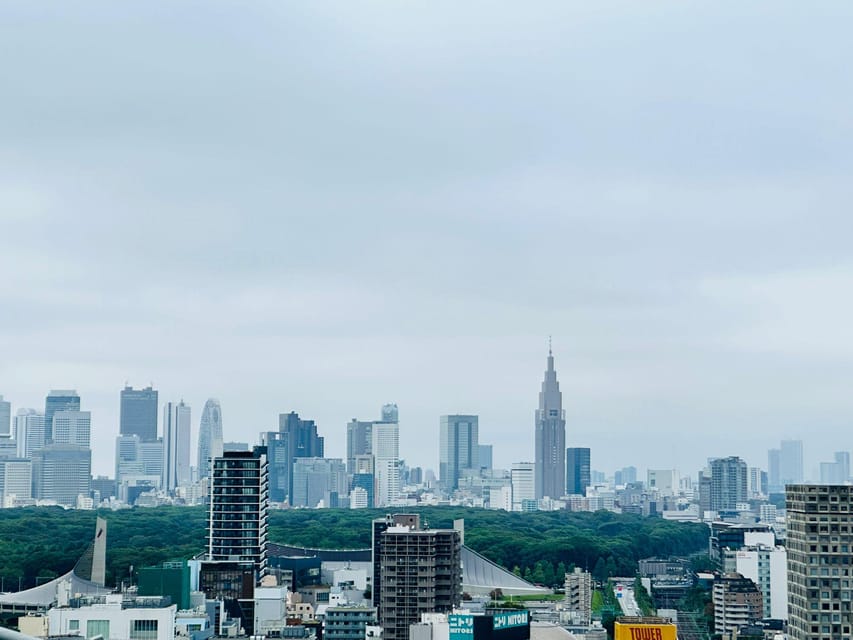
Tokyo’s personality changes again around Shinjuku. Your guide will show you hidden treasures and insider spots, including viewpoint time at the Metropolitan Government Building and a visit to Omoide Yokocho for that nostalgic Showa-era feel.
A viewpoint stop pays off when you use it the right way. From a high angle, Tokyo stops looking random. You can start to understand how neighborhoods relate to each other, even if you’re never going to remember every street name.
Then Omoide Yokocho is the contrast. It’s less about skyline and more about atmosphere—the old Tokyo energy where the setting itself feels like a throwback.
Your day also includes Nakano Broadway. I like adding a stop like this because it shifts you away from only landmark tourism. It gives you room to browse and experience a different kind of Tokyo shopping culture at a human pace, guided so you can spend less time figuring out where to go and more time looking.
Yanaka’s shitamachi streets: the old Tokyo mood you’ll miss
To close (or near the close), you’ll spend time in Yanaka, a neighborhood known for shitamachi ambiance—traditional feel, warm community spirit, and that nostalgic old-Tokyo character.
This is the part that often surprises people. Tokyo’s big sights are impressive, but Yanaka is where you slow down and notice how everyday life and old streets can coexist. Your guide helps you spot quieter corners—small shops and galleries tucked away where you wouldn’t think to wander on your own.
If you like photographs that feel real—textures, small facades, street corners that look lived in—this is where you’ll get them. And if you’re a history fan, it doesn’t turn into a lecture. It stays practical: walk, look, ask, and let the neighborhood do the talking.
Who this tour suits best
This fits you if:
- You want a private day without planning every move.
- You like a mix of iconic landmarks and neighborhood time.
- You’d rather ask questions than rely on guessing what you’re looking at.
It may not fit you if:
- You want a mostly seated day. This route is built around walking between major areas and neighborhoods.
- You have mobility limits. The activity lists it as not suitable for people with mobility impairments and wheelchair users, even though it also mentions wheelchair accessibility—so confirm with the provider before committing.
Language-wise, the guide can be in English, German, Italian, Spanish, or French. That’s a big deal in Tokyo, where even basic wayfinding gets easier when you can ask questions naturally.
Tips so your day goes smoothly
A few small habits make this day way better:
- Wear comfortable walking shoes. You’ll cover multiple neighborhoods.
- Bring a refillable water bottle. You’ll want it during longer stretches.
- Dress for weather. Tokyo’s seasons can shift how pleasant long walks feel.
- Have cash for personal stops. Not every place is card-friendly.
- Plan your transit budget. Since transportation costs aren’t included, your total spend depends on how much you move and when.
Also, consider your “energy budget.” If you love photo stops, you’ll fill your time quickly. If you want more calm walking and fewer crowded moments, tell your guide early—this tour is designed for that kind of adjustment.
Should you book this Tokyo private tour?
I’d book it if you want a structured day that still feels flexible. The route hits the big names—Meiji Jingu, Harajuku, Shibuya, Sensō-ji, Shinjuku, Yanaka—then adds the neighborhood texture that makes Tokyo stick in your memory.
It’s also a good value if you would rather pay for guidance than spend your time designing a route. At the same time, be honest about costs beyond the base price: transportation and entrance fees are on you, and walking time is real.
If you’re choosing between doing everything solo and doing this with a guide, ask yourself one question: do you want to understand Tokyo as you go, or just rush through sights? If the answer is the former, this private day with Maji Super Tours is a strong match.
FAQ
What’s included in the tour price?
The tour includes a private and customized experience and a local guide, with exploration of Tokyo’s top attractions and lesser-known places. Meals/drinks, transportation, and entrance fees are not included.
Where can the tour pick you up?
Pickup is included with two options: Asakusa Station or Harajuku Station. If you don’t want hotel pickup, you can arrange to meet at either station.
How long is the tour?
It’s a 1-day experience. Starting times depend on availability.
What languages are the guides available in?
Live guides are offered in English, German, Italian, Spanish, and French.
Do I need to pay entrance fees?
Yes. Entrance fees to attractions are not included, so bring extra budget for paid areas.
Is it wheelchair accessible?
The information provided includes wheelchair accessibility, but it also states it is not suitable for wheelchair users and people with mobility impairments. Since that’s conflicting, you should confirm the exact route and support before booking.