REVIEW · TOKYO
Guided Tour of Walking and Photography in Asakusa in kimono
Book on GetYourGuide →Operated by LightSpeedStar Inc. · Bookable on GetYourGuide
You can turn Asakusa into a photo story. This 4-hour kimono walking and photography tour pairs classic sights with a photo-focused guide, so your outfit fits the scenery and you’re not stuck taking self-timer pics. I also like that the guide handles both kimono dressing and tour guiding, so you spend less time figuring things out and more time looking good in the frame.
Two things I really like: you start with a proper kimono fitting and hair setup, then a guide steers you to spots where kimonos look right—at Kaminarimon, along Nakamise, and at the Sumida River. And you get someone else doing the heavy lifting for photos, using your camera, which makes it much easier to enjoy the walk. In at least one real outing, the guide was Emiko, and the experience stood out for her kindness, practical culture tips, and help with families.
One consideration: this kind of tour depends on timing and the meeting point. If something goes sideways with coordination, you could lose time waiting, so I’d plan to arrive early and use the guide’s WhatsApp contact when you get the pre-tour message.
In This Review
- Key things to know before you go
- Kimono walking in Asakusa: why this photo tour works
- Getting fitted: the kimono shop and hair setup takes about an hour
- First photo stops at Kaminarimon and Senso-ji Temple
- Nakamise Shopping Street: souvenir shopping with the guide’s pacing
- Sumida River Terrace and Tokyo Skytree: the kimono-meets-skyline finale
- The guide: kimono expertise plus camera know-how
- Duration and pacing: what a 4-hour day feels like
- Price and value: why $116 can make sense (and when it might not)
- Practical tips for a smoother kimono day in Asakusa
- If you pick the next-day return option
- Should you book this Asakusa kimono walking and photography tour?
- FAQ
- Where is the meeting point for this tour?
- How long is the tour?
- What’s included in the price?
- What is not included?
- Do I get help taking photos?
- What places do we visit?
- Is the group small?
- What languages are available?
- Can the tour accommodate wheelchair users?
- Will the guide contact me before the tour?
- What is the cancellation policy?
Key things to know before you go
- Kimono + guided walking: you’re not just renting fabric; you get styled and routed for photos.
- Your guide shoots with your camera: less fiddling, better candids.
- Top Asakusa landmarks on foot: Kaminarimon, Senso-ji, Nakamise, and the Sumida River Terrace.
- Small group size (max 7): easier pacing and more time at each photo stop.
- Best-for-photo positioning: the guide steers you to angles that suit kimonos and the background.
- Optional kimono next-day return: if you pick it, you can keep exploring after the tour.
Kimono walking in Asakusa: why this photo tour works
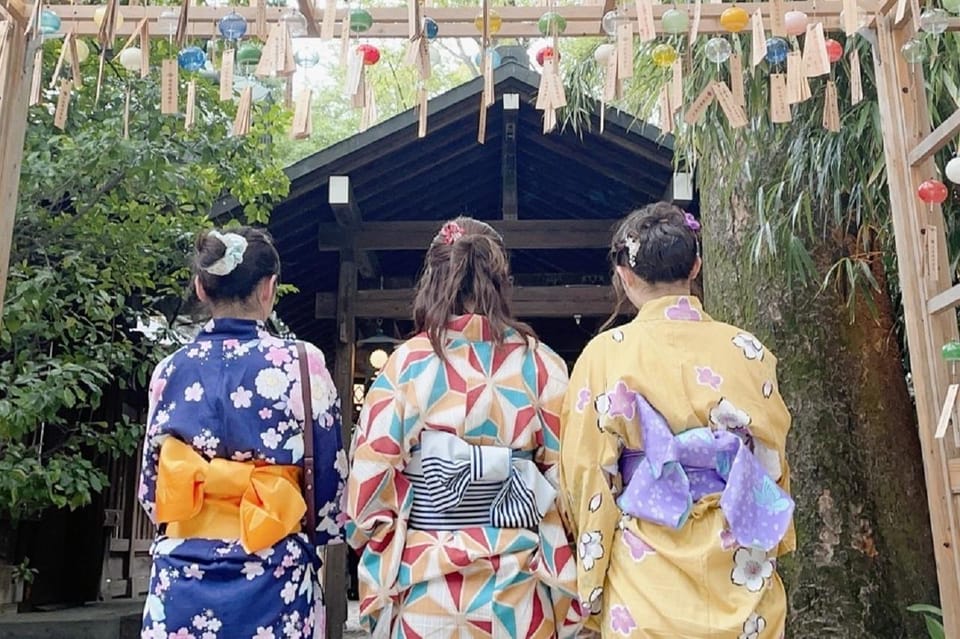
Asakusa is one of those Tokyo areas where the details matter. Stone steps, paper lanterns, shop signs, and temple architecture already look like a postcard, so a kimono doesn’t feel like costume play—it feels like it belongs. This tour is built around that idea: your outfit becomes part of the scene, not a separate activity.
The smartest part is the combination of kimono prep and sightseeing in one flow. You’ll spend time getting dressed and styled, then immediately head to photo stops where that same outfit looks natural. When the guide also thinks like a photographer, you end up with photos that look planned, not accidental.
The other big win is simplicity. You walk, shop a bit, and get prayer-and-pagoda moments without having to map every angle yourself. You just follow the plan, show up on time, and let the guide manage the rhythm.
You can also read our reviews of more walking tours in Tokyo

Getting fitted: the kimono shop and hair setup takes about an hour
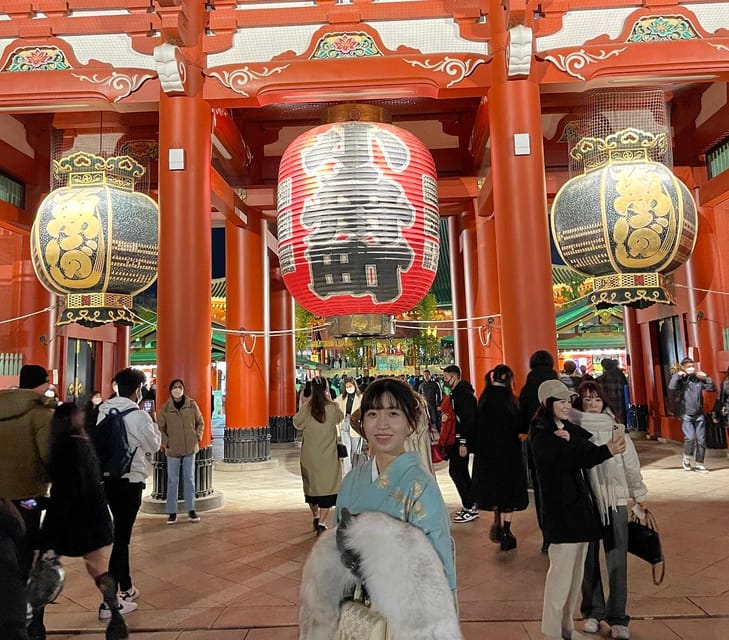
Before you hit the streets, you go to the kimono shop and build your look. The process starts with selecting your kimono, then choosing a hairstyle, and having the kimono adjusted for how you’ll walk and pose. The whole prep stage takes around one hour, so you’re not rushed through the fun part.
You’ll also get advice from your guide on Japanese cultural perspective. That part matters because kimonos are not just visual—they come with customs around formality and presentation. Even a short explanation can help you photograph more respectfully and feel more confident in the role.
A practical note: kimonos can feel different from normal clothes, especially when you’re moving for hours. The tour is designed for this, but you’ll still want to walk slowly, keep your steps even, and let the guide show you how to manage posing without tugging at the fabric.
First photo stops at Kaminarimon and Senso-ji Temple
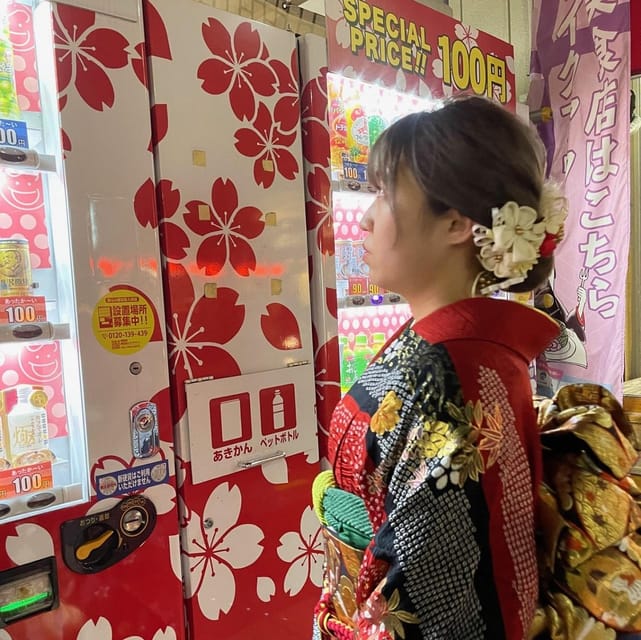
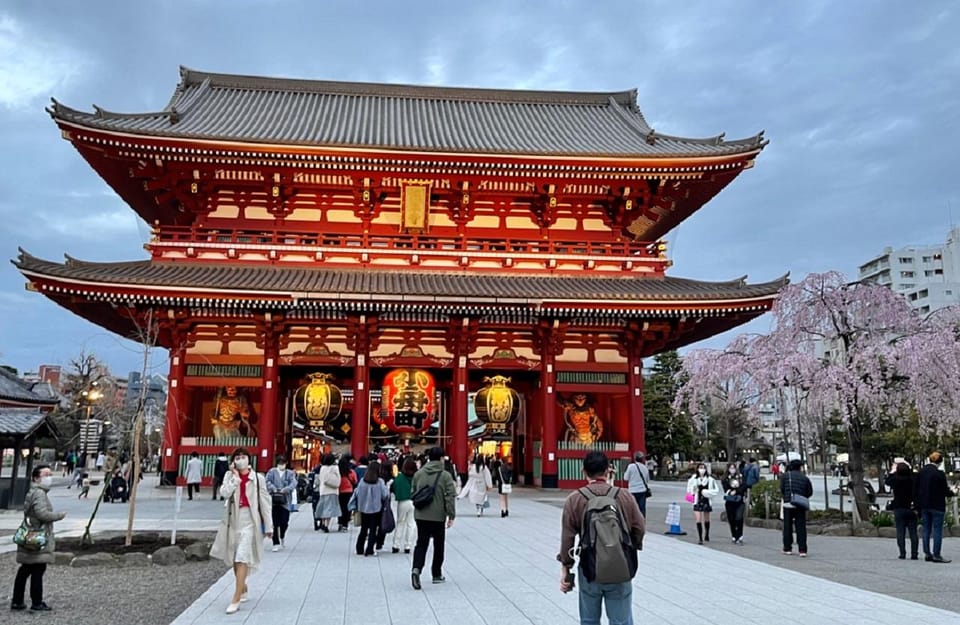
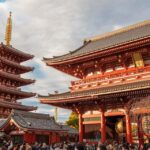
Kaminarimon is the entry gate you’ve probably seen in photos. Here, the tour takes you right to the main gateway area called Kaminari Gate (Kaminarimon). This is a great start because the gate gives instant context: temple Tokyo, lanterns, big architectural lines, and a kimono silhouette that looks right.
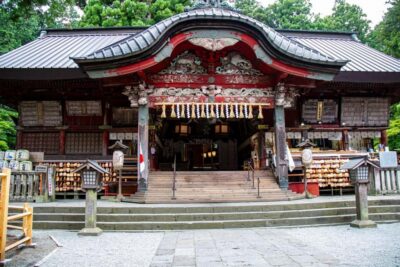
From there, you head to Senso-ji Temple, a site with more than 1,000 years of history. You’ll have time to sightsee and walk, and there’s also the chance to offer prayers. Even if you’re not into formal rituals, stepping into that space gives your photos a deeper story than just pretty scenery.
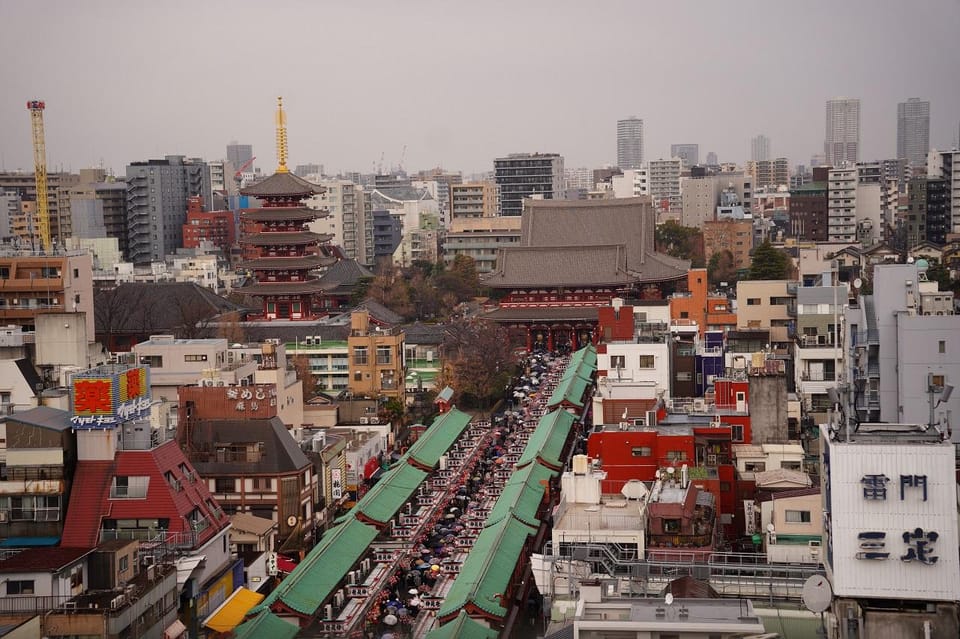
Senso-ji’s five-story pagoda is one of the iconic landmarks that often becomes the background for Asakusa photos. The tour also sets you up for frames that include other landmarks, depending on the season. For example, if cherry blossoms are in bloom, you can capture cherry blossoms, Senso-ji, and even Tokyo Skytree in one photo—an Asakusa + skyline blend that’s hard to recreate on your own.
Nakamise Shopping Street: souvenir shopping with the guide’s pacing
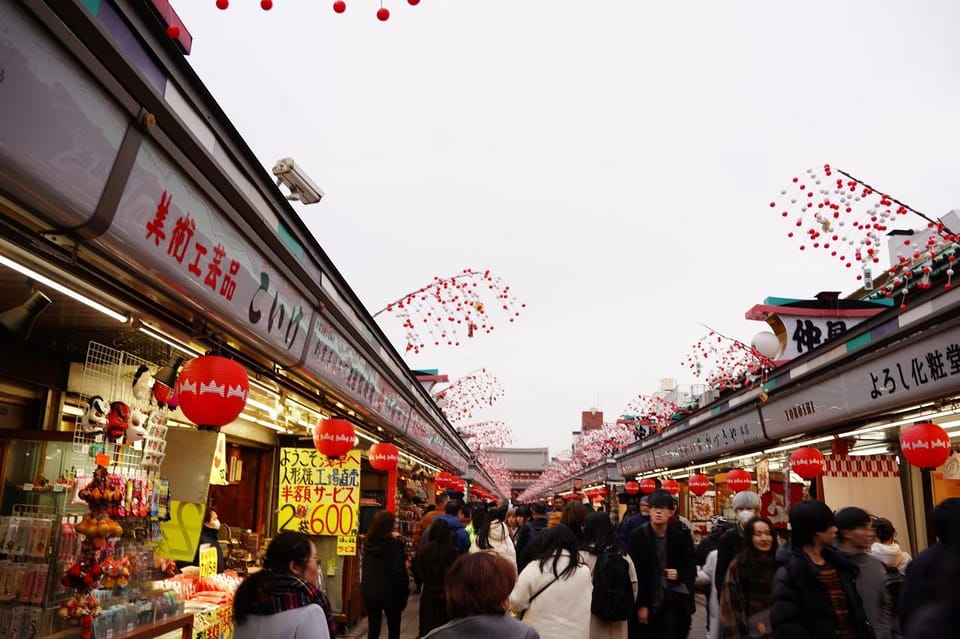
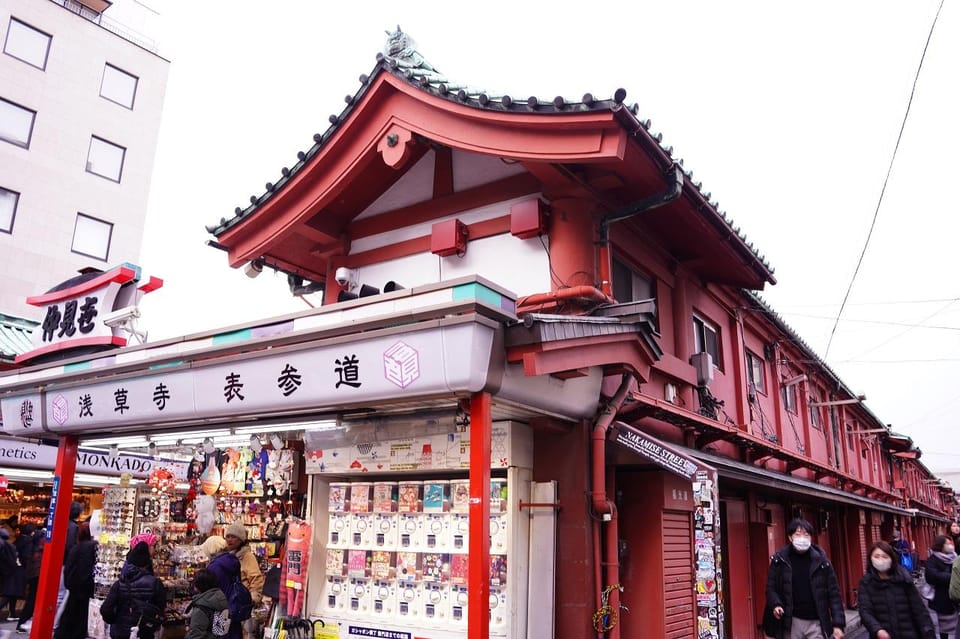
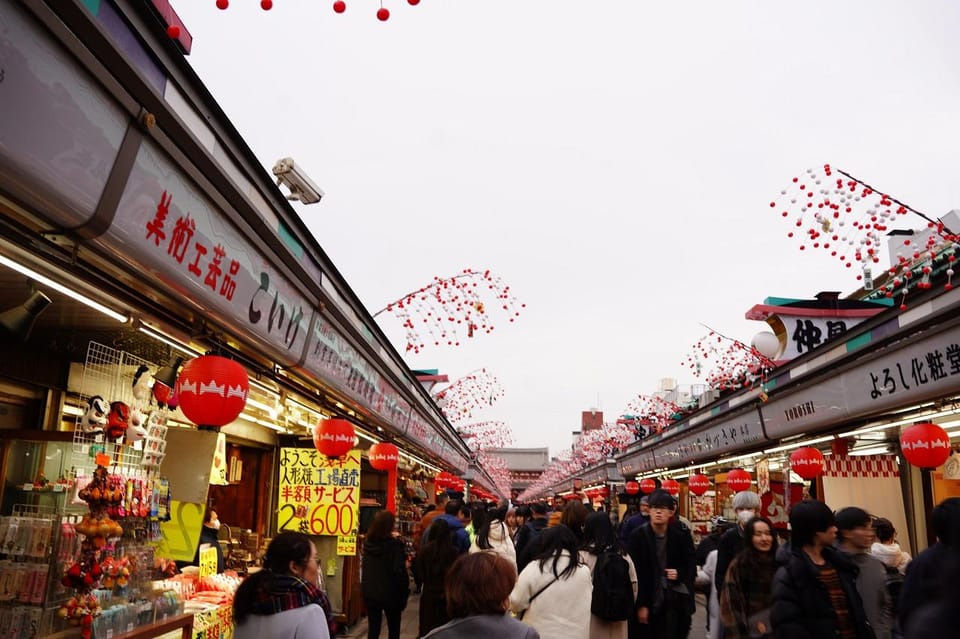
Next comes Asakusa Nakamise Shopping Street, one of the older shopping streets in Japan. The best part isn’t just the snacks and souvenirs—it’s that it’s a controlled stretch where you can slow down, browse, and still feel like you’re part of the route. You get time to visit, shop, and sightsee (about 15 minutes in the flow), which is enough to grab a few gifts without turning the walk into an all-day shopping mission.
A guide also helps here because Nakamise can get crowded and direction mistakes happen. You’ll move along while the guide keeps your group together, and you can use the time to pick things that fit your style—traditional sweets, small trinkets, or practical souvenirs. In at least one real experience, the guide offered help with hediyelik-style shopping decisions, which is exactly the kind of support that saves time and regret later.
If you’re planning to photograph while shopping, keep this in mind: kimonos + busy pedestrian lanes means you’ll want to pause for photos at natural openings, not in the middle of foot traffic. Let the guide handle the best moments, and you’ll come away with photos that look relaxed, not frantic.
Sumida River Terrace and Tokyo Skytree: the kimono-meets-skyline finale
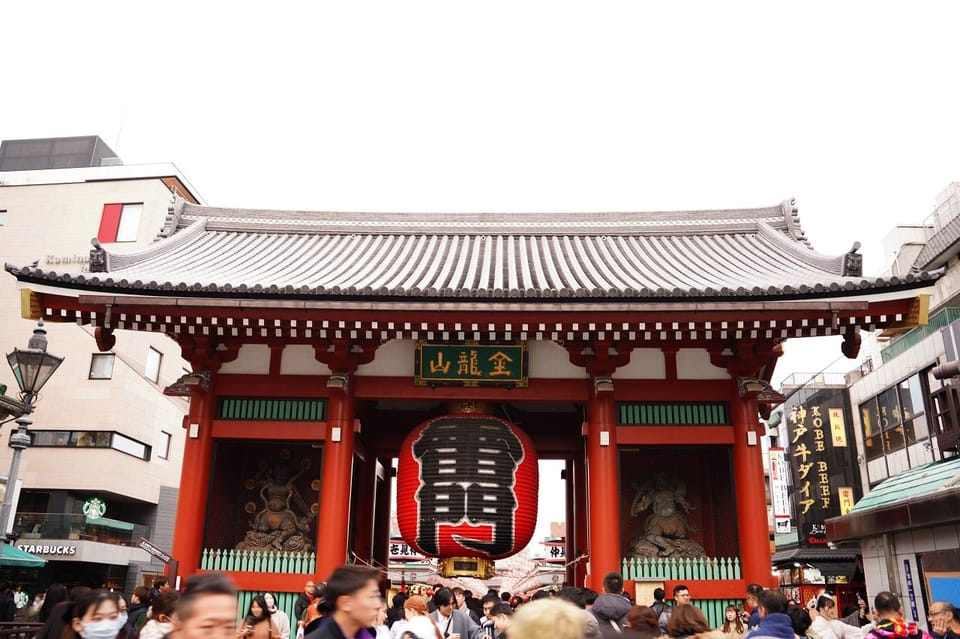
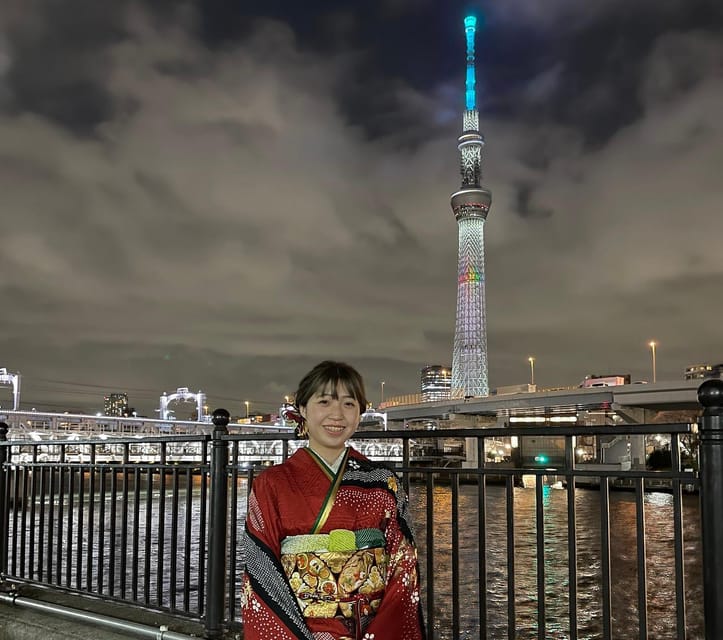
After temple and shopping, you’ll make your way to the Sumida River Terrace on the Left Bank area by Shirahige Bridge downstream. This stop changes the look of your photos. Instead of temple gates and shopping façades, you get open river views and wider sightlines that make kimonos feel elegant and full-length.
The tour is specifically aiming for “you wearing your kimono with big backdrops.” When the background includes Tokyo Skytree and seasonal elements like cherry blossoms, the result can look like you built an editorial shoot—without paying for a studio. You’ll have about 30 minutes at this terrace section, which is enough time to get different angles: standing shots, walking shots, and tighter portraits where the kimono pattern is still sharp.
This is also where your guide’s photo instincts really pay off. If you’ve ever tried to photograph someone in a kimono while balancing crowd noise, camera angles, and the sun, you know how quickly that becomes a stress test. Having someone else work the camera (using your device) means you can focus on enjoying the moment and staying comfortable in your outfit.
You can also read our reviews of more guided tours in Tokyo
The guide: kimono expertise plus camera know-how
This is a tour where the guide isn’t an afterthought. The experience is built around a guide who can handle kimono dressing and also guide you through Tokyo sightseeing. That’s a rare combo, because a kimono shop guide and a walking guide often feel like two different jobs. Here, they’re linked, and it shows in how smoothly the day flows.
The guide will also tell you best places to take photos that blend with kimonos. That’s more than just knowing landmarks. It’s about choosing angles where colors and patterns don’t fight the background, and where your body shape reads clearly in full-length shots.
Another helpful detail: the guide takes pictures for you using your camera. In real life terms, this means you aren’t switching constantly between self-timer and trying to explain settings. You hand over your camera, the guide frames and shoots, and you keep moving. Some experiences also tend to include short video moments, and either way, you’re more likely to get usable keepsakes because you’re not rushing your own camera technique.
Small group size (up to 7 participants) keeps the guide’s attention more focused. It’s also easier to manage gaps in a kimono group because everyone’s pace and comfort level can differ.
Duration and pacing: what a 4-hour day feels like
Four hours sounds short, but kimono time changes the math. About an hour is spent getting dressed and styled. After that, you’ll cover key Asakusa sights on foot with several photo opportunities and built-in walking segments.
The pacing is designed for “steady stops,” not “marathon sightseeing.” You’ll visit Kaminarimon, walk Nakamise, tour through Senso-ji, and then finish with the Sumida River terrace. There’s also a return segment back to Asakusa Station, so you’re not stuck calculating how to get home while your kimono is fading into “okay, how do I sit down?”
One smart thing: there’s a free time window around Kaminarimon. That gives you breathing room for photos, quick snacks, or a calmer moment to just take it in without feeling like you’re being marched.
Price and value: why $116 can make sense (and when it might not)
This tour lists at $116 per person for 4 hours. What you’re paying for is not just a guide walking you around—it’s also the kimono component.
Included:
- A fixed standard kimono fee
- An English-speaking guide
- Guide support tied to a qualified travel itinerary supervisor framework (that’s part of why the structure feels set)
Not included:
- Any kimono option fee
- Entrance fees (if any apply at specific spots)
- Transportation
- Food and drinks
- Other personal expenses
So when does it feel like good value? If you want the full kimono experience and you want professional-style photo help without needing another person to take your pictures. The “guide shoots with your camera” part is what usually justifies the price for couples and solo travelers, because that’s the pain point on self-guided outings.
When it might feel less worth it is if you’re purely interested in sightseeing and you’re already planning to rent a kimono on your own. In that case, you’d compare costs for renting plus paying someone for photo help. But if you want the whole package—kimono fitting, curated photo stops, and easy navigation—this is pretty direct.
Practical tips for a smoother kimono day in Asakusa
A few things will make a big difference:
- Arrive early at the meeting point. You meet at Asakusa Station (Ginza Line) Exit 1, and the guide stands with a LightSpeedStar logo sign in orange. Early arrival reduces stress if crowds are heavy.
- Wear comfortable footwear under or with your kimono plan. The tour is on foot, with multiple short walks and photo pauses.
- Bring your camera (or phone) fully charged. The guide will take photos with your camera, and you’ll want enough battery for multiple angles at Kaminari Gate and the river terrace.
- If you’re traveling with kids, bring patience and snacks. In one example, a family noted how the guide was helpful with a 2-year-old, which is exactly what you want: an adult who can adjust pace without losing the photo plan.
- Plan for hands-on communication. The guide contacts you about your kimono around 7 days before, and you can reach the company by WhatsApp. If you have questions about fit, comfort, or anything about your kimono choices, it’s a good channel to use.
One more real-world consideration: because timing matters, coordination glitches can happen. A separate experience reported a 45-minute wait due to the tour being forgotten, so treat the first meeting as important. Still, that’s why the WhatsApp contact and early arrival are your best tools.
If you pick the next-day return option
There’s an option where you can return the kimono the next day. If you choose it, you’ll continue sightseeing in kimono, and the guide will advise where to go. This can be a fun way to stretch out the kimono experience beyond the structured 4-hour photo walk—especially if you want one more evening or morning stroll in Asakusa.
Just keep an eye on your comfort level. Kimonos are lovely, but long wear adds up. If you choose next-day return, plan your second day like a gentle trip, not a full Tokyo sprint.
Should you book this Asakusa kimono walking and photography tour?
Book it if you want an easy, photo-driven day with your kimono matching the scenery. This tour is especially worth it if you’ll struggle to get good photos on your own, if you want someone to handle kimono dressing guidance, and if you like Asakusa landmarks like Kaminari Gate, Nakamise, and the Sumida River terrace viewpoints.
Skip (or at least think hard first) if you’re extremely strict about free time and spontaneity. The day has a strong structure: kimono prep first, then set photo stops. And because timing matters, you should be ready to arrive on schedule and stay in communication via WhatsApp.
If you’re aiming for a classic Tokyo look—kimono + temple gate + skyline—the setup here is built for exactly that.
FAQ
Where is the meeting point for this tour?
You meet at Asakusa Station (Ginza Line) 1 gate. The guide will be holding a sign with the company LightSpeedStar logo in orange.
How long is the tour?
The tour runs for 4 hours.
What’s included in the price?
The price includes the fixed standard kimono fee and an English-speaking guide.
What is not included?
Kimono option fees are not included, and entrance fees (if any), transportation, food and drinks, and other personal expenses are also not included.
Do I get help taking photos?
Yes. The guide will take pictures for you using your camera, and they will also suggest good photo spots that work well with kimonos.
What places do we visit?
You’ll visit Kaminarimon (Kaminari Gate), Asakusa Nakamise Shopping Street, and Senso-ji Temple, and you’ll also go to the Sumida River Terrace near Shirahige Bridge downstream.
Is the group small?
Yes. The group is limited to 7 participants.
What languages are available?
The live guide offers English, Chinese, and Japanese.
Can the tour accommodate wheelchair users?
Yes, the tour is listed as wheelchair accessible.
Will the guide contact me before the tour?
Yes. The guide contacts you about 7 days before the date about your kimono. You can also contact the company by WhatsApp.
What is the cancellation policy?
You can cancel up to 24 hours in advance for a full refund. There is no refund for no-shows or late arrivals.