Kitchen Street turns souvenirs into tools.
This tour through Asakusa Kappabashi is interesting because you’re not just window-shopping. You get a local guide, Hirose-san, to explain how Japanese makers think, then you move store to store with purpose—toward knives, utensils, and tableware you can’t easily replicate at home.
I like two things most. First, you get the real story behind honyaki and the rare water-hardened knife craft, including the samurai-to-modern connection through traditional steel forging methods. Second, you can shop for tableware souvenirs that are specifically only available in Asakusa Kappabashi, including the kind of restaurant-grade pieces food professionals use.
One drawback: this is a shop-focused walk, so the value depends on your willingness to look closely and maybe buy one special item. If you’re not interested in shopping, you may find the time better spent doing more neighborhood sightseeing.
In This Review
- Key highlights you’ll feel fast
- Asakusa Kappabashi: where kitchen gear becomes a cultural souvenir
- 2 hours, multiple shops, and a guide who keeps you efficient
- The knife lesson: samurai technique to modern honyaki
- Stop 1: Dengama and Majimaya for early product comparison
- TSUCHI-YA glass vessels and crafts: when tableware becomes art you can use
- Hashitou and Iidaya: a mid-walk reality check for practical gifting
- CUTLERY TSUBAYA (つば屋庖丁店): the knife-and-tableware crossroads
- Food sample shopping: Ganso Shokuhin Sample-ya Kappabashi Showroom
- MUSASHI JAPAN: Knife & Sake Shop for people who like pairing cultures
- Tableware, chopsticks, Nanbu ironware, and the souvenir logic
- Price and value: why $19 makes sense for what you get
- Who should book this tour, and who might skip it
- Should you book Hidden Tokyo: Explore Kitchen Street with a Local Guide?
- FAQ
- Where do I meet the guide?
- How long is the tour?
- What does the tour price include?
- What is not included in the price?
- How much does the tour cost?
- Is this tour private?
- What languages are offered?
- Is it refundable if plans change?
Key highlights you’ll feel fast
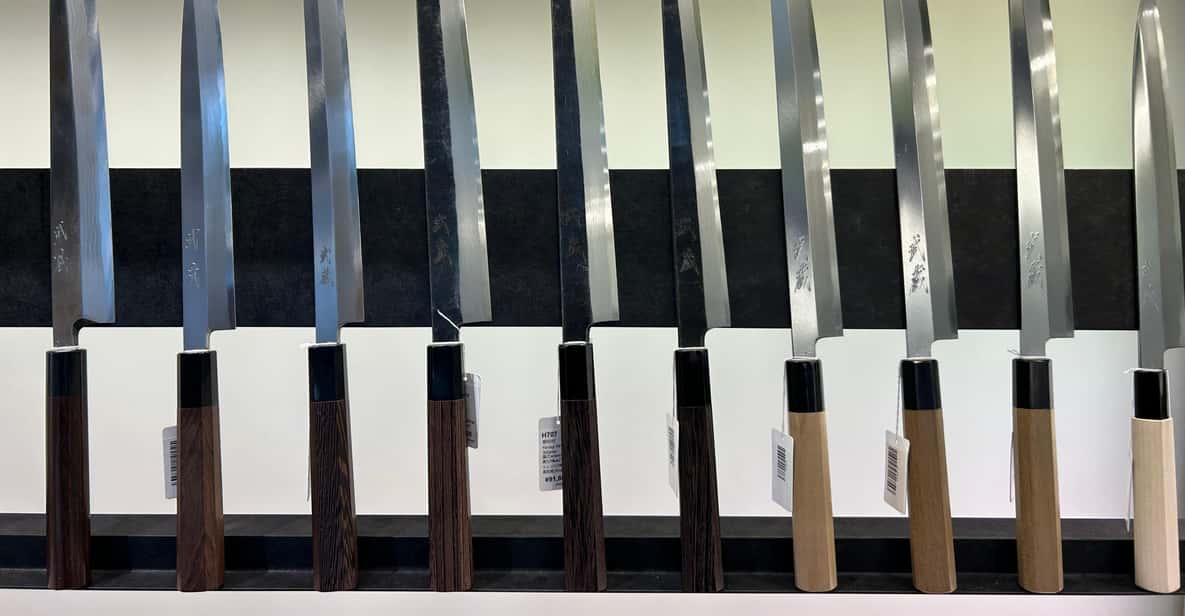
- Honyaki explained in plain language before you see the knives in person
- Water-hardened knives you’re unlikely to find elsewhere in Tokyo
- Asakusa Kappabashi-only souvenirs for tableware and kitchen sets
- Food samples as Japanese culinary props, not just novelties
- Short stops designed for efficiency, even on hot days
- A guide who adds real Asakusa tips beyond the shops
Asakusa Kappabashi: where kitchen gear becomes a cultural souvenir
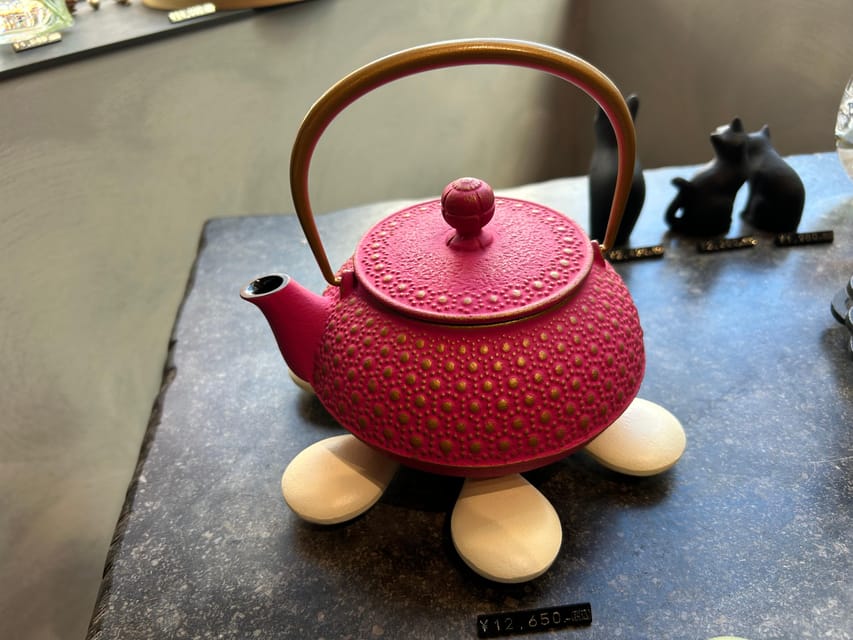
If you’ve ever bought a chopstick set and then realized it felt like airport trinket stuff, this area is different. Kappabashi (around Asakusa) is where Japan’s kitchen-world shops show their best gear—things that are made to be used, gifted, and respected.
What makes this tour work is that it’s built around products, not just places. You’re learning how Japanese products are made and how to spot differences that matter when you’re holding the item. The shops are also the kind where food professionals gather from all over Japan, so the selection tends to be serious.
And yes, you’ll see the classic souvenir angles too: tableware, chopsticks, small kitchen tools, and food-show props. But the goal isn’t to grab the loudest thing on the shelf. The goal is to find one meaningful Japanese-made item—something that fits your taste and your budget.
You can also read our reviews of more guided tours in Tokyo
2 hours, multiple shops, and a guide who keeps you efficient
The tour runs about 2 hours, and that timing is part of the value. You start near 田原町駅 (Tawaracho Station), but the meeting point is at Wawaramachi metro station, exit 3, where the guide carries a sign that says GetYourGuide. From there, you walk from shop to shop without it turning into a whole day of wandering.
Because it’s a guided format (and a private group), you don’t waste time asking basic questions in each store. You also get faster decision-making. One review mentioned how the guide handled a very hot day efficiently, choosing the right shops so the route didn’t feel like a zigzag mess. That matters in real life: you want to spend your energy looking, not pacing.
Languages available are Japanese, English, and German, so you can match your comfort level. The guide for this experience is 廣瀬和雄 (Hirose Kazuo), and his style is described as sympathetic and generous with time—especially with explanations.
The knife lesson: samurai technique to modern honyaki
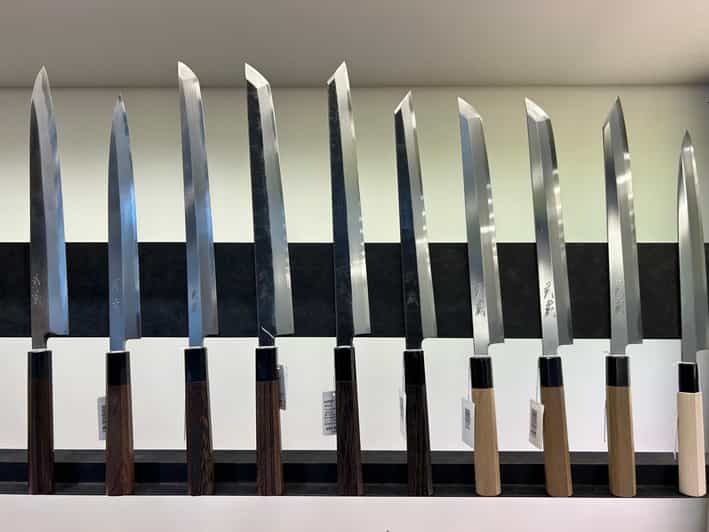
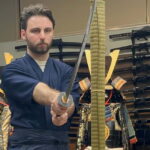
This is where the tour earns its keep. You’ll connect samurai-era sword technique with modern Japanese knives, and the explanation isn’t just romantic talk. It helps you understand why some knives cost more and why some feel different the moment you pick them up.
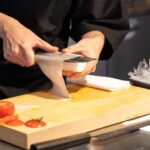
A key term is honyaki. In simple terms, honyaki knives are made by taking a single piece of steel from a block, using a forging method that imitates the hon-forging approach associated with Japanese swords. If that sounds technical, the guide’s job is to make it understandable while you’re standing in the store looking at actual blades.
One of the knife shops in Kappabashi focuses on water-hardened knives, described as extremely rare and requiring advanced techniques. That’s the kind of detail that’s hard to learn by yourself while reading labels. Here, you get the context for what you’re seeing, and you get to handle pieces that represent top-level craft.
A practical note: you don’t have to buy a knife to enjoy this part. Even if you’re just learning, seeing the craftsmanship up close usually changes how you understand Japanese cutlery. And if you do want to buy, you’ll shop with smarter questions.
Stop 1: Dengama and Majimaya for early product comparison
The first stretch matters because it sets your eye. At Dengama and then Majimaya (both with guided visit, shopping time, and walking through), you’re primed to notice what separates one tableware option from another.
Since these are specialty kitchen-and-table shops, the value here isn’t one magic item. It’s learning the patterns: what tends to be made for everyday restaurant use versus what’s mostly for show, how pieces are presented, and how Japanese products aim for both function and aesthetics.
If you’re the type who gets overwhelmed in stores, this early pacing helps. You can compare, ask basic questions through the guide, and avoid the common mistake of buying the first thing that looks pretty.
Possible drawback at this stage: you may feel tempted to start shopping immediately. That’s normal. Still, if you have a single main souvenir goal—like a knife, a set of chopsticks, or one specific tableware piece—keep your priorities in mind so you don’t blow your budget on stop one.
TSUCHI-YA glass vessels and crafts: when tableware becomes art you can use
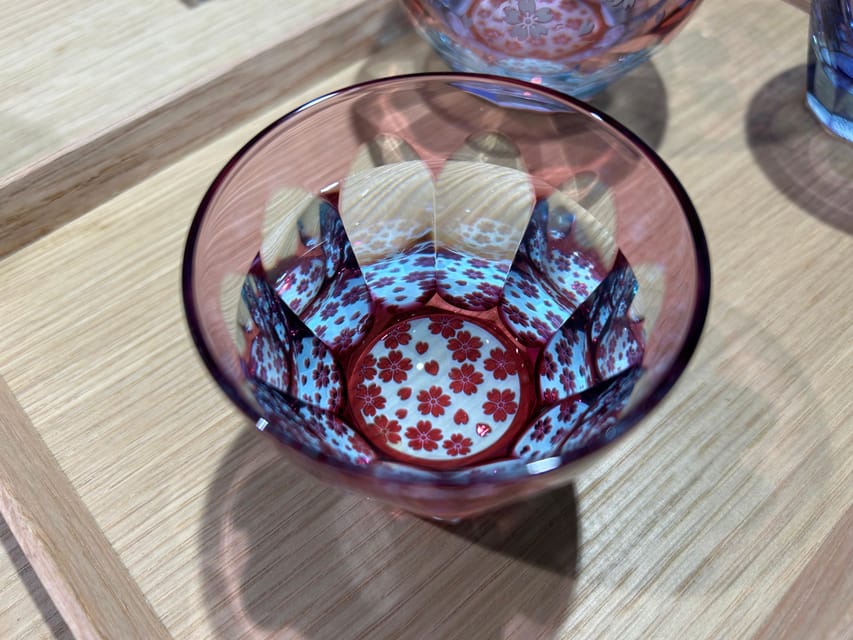
Next you’ll visit TSUCHI-YA ガラスの器と工芸, a stop that explicitly centers on glass vessels and crafts. This is the kind of place that makes you slow down because light and form change what you think a simple item is worth.
Even if you don’t buy glass, the guided part is useful. You learn how Japanese product makers think about everyday objects: shape, feel, and how items look on a table. That’s exactly the kind of “small detail” knowledge you can actually use when you’re choosing a souvenir at the end.
A good way to approach this stop is to decide what you want the item to do. Is it for daily use at home? Is it for serving? Is it purely a display piece? The guide’s explanations make it easier to match the product to your real-life use.

Hashitou and Iidaya: a mid-walk reality check for practical gifting
After glass, you’ll hit Hashitou and Iidaya, both part of the guided shop sequence. This middle portion is often where you either sharpen your plan or realize you’re buying too much stuff too fast.
These stops reinforce what you’re really shopping for in Kappabashi: Japanese kitchen and table items that look great, but also make sense as gifts or future use. The benefit of having a local guide here is that you don’t have to guess which shops are worth your attention. You get guidance on where to focus your time and how to spot stand-out product characteristics.
A small consideration: because this tour is shop-heavy, you’ll be walking and comparing with your hands and eyes a lot. If you’re carrying lots of other purchases already, you might want to keep your shopping light until the most relevant stores later in the route.
CUTLERY TSUBAYA (つば屋庖丁店): the knife-and-tableware crossroads
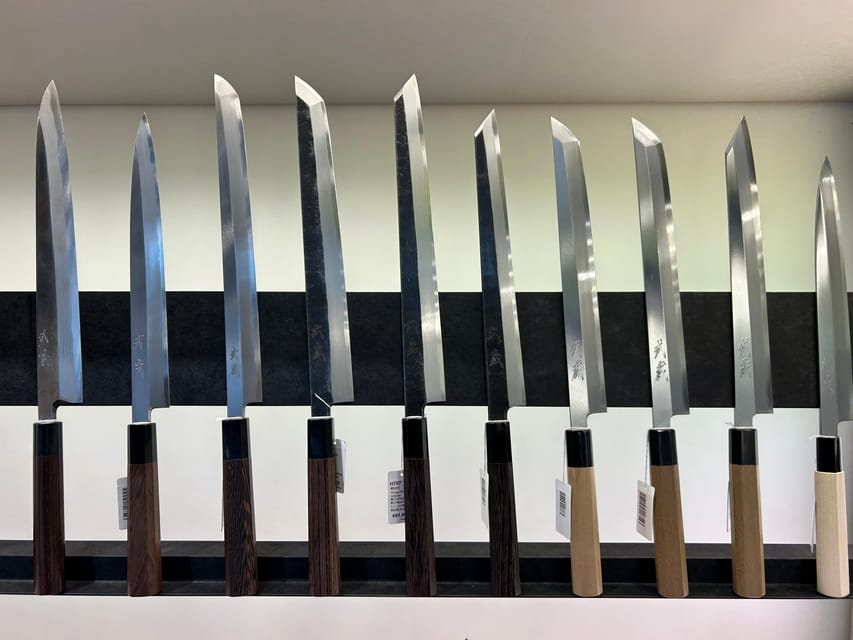
Now you’re in a major moment: つば屋庖丁店 | CUTLERY TSUBAYA. This stop is built for cutlery lovers and gift buyers who want something that looks legitimately Japanese, not generic.
Here’s what I’d watch for: the way knives are discussed and presented. Because the tour already explained concepts like honyaki and the idea of rare water-hardened blades, your eyes aren’t starting from zero. You’re able to connect the story to the product.
Tsubaya also fits the tour’s souvenir angle. Along with knives, you’ll be in the world where professionals shop, and where tableware items and kitchen tools sit in the same ecosystem. That makes it easier to build a cohesive souvenir set—like pairing a knife with chopsticks or complementary utensils.
If you’re budget-minded, this is also where you can choose your “one special item” strategy. Spend where it counts. Save on everything else.
Food sample shopping: Ganso Shokuhin Sample-ya Kappabashi Showroom
One of the most fun parts of Japanese city life is spotting restaurant fronts with plastic food displays. On this tour, Ganso Shokuhin Sample-ya Kappabashi Showroom turns that curiosity into a shopping-and-learning moment.
Food samples aren’t random props here. They’re part of how restaurants communicate menus at a glance. And in a guide-led setting, you can actually learn what you’re looking at while you browse.
This stop is a great option if you want a souvenir that’s lighter than a knife and still very Tokyo. It’s also a stop that tends to work for a wider age range. One review even highlighted that the private tour can be good for kids, which makes sense here: visual, playful, and not as intimidating as knife shopping.
MUSASHI JAPAN: Knife & Sake Shop for people who like pairing cultures
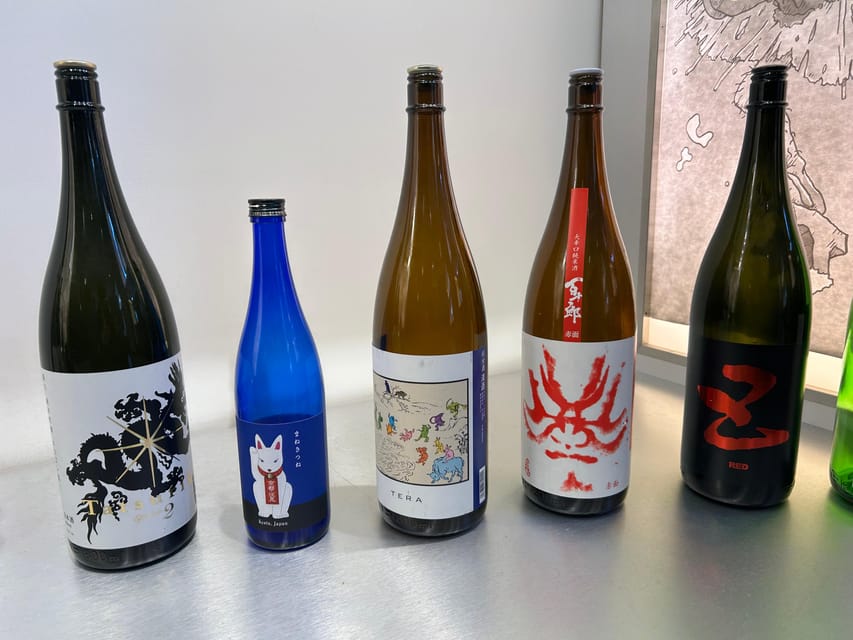
You’ll finish with MUSASHI JAPAN 合羽橋店 Knife & Sake Shop. The name tells you the vibe: knives plus sake culture. Even if you don’t drink sake, it’s a useful reminder of how Japanese products cluster around food and rituals, not just cooking.
This stop gives you one last chance to match what you learned to what you want to carry home. If you decide your souvenir should be a knife, this is where you can re-check your choice. If you went the tableware route earlier, you can still look for finishing touches that connect to the same kitchen aesthetic.
Tableware, chopsticks, Nanbu ironware, and the souvenir logic
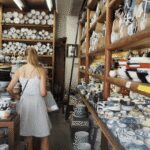
The tour’s product focus is practical: you’re looking at items that real kitchens use and real restaurants respect. Expect to see things like chopsticks, Japanese tableware, Nanbu ironware, and food samples, plus other kitchen-friendly items.
The reason I like this approach is that it helps you avoid typical souvenir regret. A random magnet is easy to buy and easy to forget. A tableware set or a useful utensil has a purpose, and that makes it feel worth the money even years later.
If you want the most value, pick a souvenir category before you start spending:
- One item that’s special and personal (often knife or a premium tableware piece)
- One smaller add-on (often chopsticks or a related utensil)
- One playful visual item (food samples can fit this role)
That keeps your shopping under control while still giving you freedom to find something you genuinely like.
Price and value: why $19 makes sense for what you get
At about $19 per person for roughly 2 hours, this is the kind of tour that feels fair because you’re paying for an expert guide plus a tight walking route through multiple specialty shops.
What’s not included matters here: shopping costs at stores are separate, and transportation is self-pay. That’s normal for a shopping tour. But it also means you’re not locked into buying anything. You’re mostly paying for context, guidance, and time-saving comparisons.
If you planned to visit Kappabashi on your own, you could wander. But without a guide, you’d likely miss the explanations behind honyaki and the significance of rare water-hardened knives. Even if you never purchase a knife, understanding what you’re seeing is the real “extra” you’re buying for this price.
In other words: the guide helps you shop smarter, not harder.
Who should book this tour, and who might skip it
This tour is a strong fit if you want:
- A guided way to shop for Japanese kitchen and tableware in Asakusa Kappabashi
- Knife craft context, especially around honyaki and water-hardened blades
- A souvenir hunt with real meaning, not just random gifts
I’d think twice if you want mostly outdoor sightseeing, or if you’re not interested in shopping at all. Because this experience is built around shops, the momentum and time focus can feel wasted if you’re looking for views and street scenes.
It also works well for people who travel with kids, based on real feedback about the private, straightforward structure.
Should you book Hidden Tokyo: Explore Kitchen Street with a Local Guide?
I’d book it if your idea of a great Tokyo day includes hands-on shopping and learning what makes Japanese products different. You’ll get the most value if you treat this as a guided research trip for one or two key souvenirs. The tour is also ideal if you like the idea of bringing home something you’ll actually use—tableware that looks right on a table, chopsticks you’ll grab, or a knife story you can tell.
Skip it only if you dislike shopping environments or you’re determined not to spend anything beyond the tour. The guide can inform your choices, but the shopping part is the heart of the experience.
FAQ
Where do I meet the guide?
Meet at Wawaramachi metro station, exit 3. The guide will have a sign stating GetYourGuide.
How long is the tour?
The duration is 2 hours.
What does the tour price include?
It includes a tour guide and a walking tour.
What is not included in the price?
Shopping cost at each stores and transportation expenses are not included.
How much does the tour cost?
The price is listed as $19 per person.
Is this tour private?
Yes, it’s a private group.
What languages are offered?
The live guide is available in Japanese, English, and German.
Is it refundable if plans change?
Yes. There is free cancellation up to 24 hours in advance for a full refund.