REVIEW · TOKYO
Tokyo: Traditional foot-kneaded Udon noodles class
Book on GetYourGuide →Operated by Izusha's WASHOKU Kitchen · Bookable on GetYourGuide
Your feet learn to make udon. In Musashino, Izumi turns a quiet suburb kitchen into a hands-on class where you foot-knead Musashino udon dough and later eat it cold with hot soup. You also get real instruction on dashi, the stock that powers so much Japanese flavor.
I really like the way the class balances play and technique. First comes the unusual step—yes, you’ll put your feet on the dough—then you learn the mechanics of rolling and cutting into noodles with proper tools. After that work, you sit down to a meal that you helped create, instead of watching someone else cook.
One thing to consider: the standard meal includes pork soup, so if you need vegetarian or vegan options, tell Izumi in advance. The class is limited to a small group of up to 4, which makes it friendly, but it also means you should match your schedule to the available start times.
In This Review
- Key Highlights You’ll Remember
- Musashino: West Tokyo’s Udon Roots in a Real Home Kitchen
- Your 150 Minutes: From Dough to Noodles (Yes, With Your Feet)
- Dashi Lessons: The Flavor Base You’ll Actually Use Later
- Pork Soup Dip Meets Musashino Udon: Cold and Hot at Once
- Rolling, Cutting, and Eating: Why the Technique Feels Like Real Craft
- Matcha and Wagashi: A Relaxed Finish After Messy Work
- Price and Value: Does $70 Make Sense in Tokyo?
- Logistics That Matter: Small Group, Pick-Up, and Diet Notes
- Who Should Book This (and Who Might Not)
- Should You Book This Udon Class?
- FAQ
- Where does the class take place?
- How long is the experience?
- How big is the group?
- Do I get picked up from a train station?
- What’s included in the price?
- Is there a vegetarian option?
- Is the public transportation to the station included?
- What can I learn besides the udon noodles?
- What languages does the instructor speak?
Key Highlights You’ll Remember
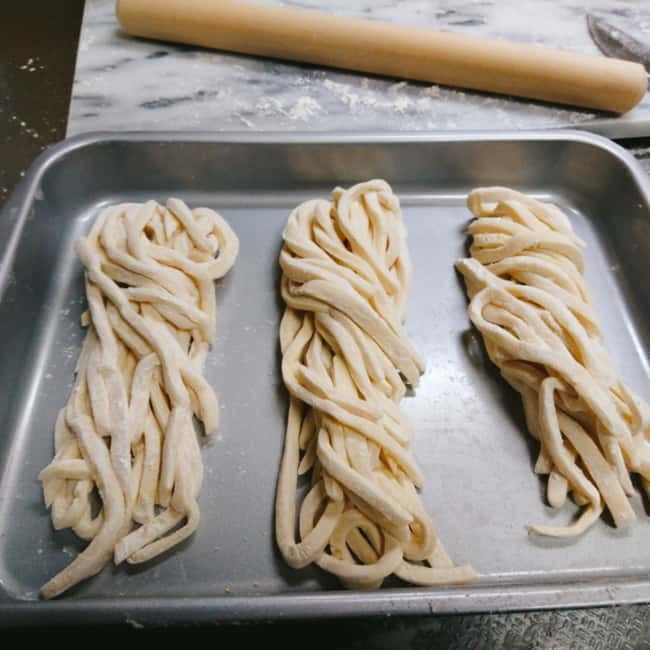
- Foot-kneading Musashino udon dough on a wooden board, then transforming it into real noodles
- Learning dashi stock (not just a seasoning shortcut) so you understand the flavor base
- Rolling and cutting practice with udon tools, including a special udon knife
- Cold noodles plus hot pork soup dip for an instant flavor contrast
- Casual matcha and wagashi tea time right after you cook
- Small-group, English-friendly instruction from Izumi at her home in Musashino
Musashino: West Tokyo’s Udon Roots in a Real Home Kitchen
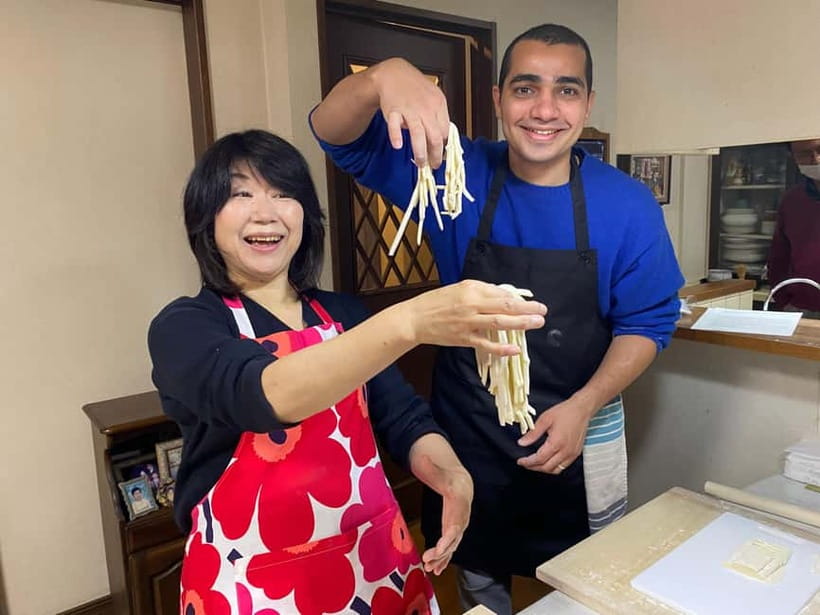
Musashino sits in the west of Tokyo, a greener pocket than the city center. The area has long been tied to wheat farming, and the local style of udon has been made there for centuries. That matters, because this class isn’t about chasing a trendy gimmick. It’s about making a specific style of noodle the way local makers historically did.
Izumi’s workshop is in the kitchen of an ordinary Japanese house, not a studio set up for tourists. You’ll be cooking among real utensils and real rhythms. That home setting also makes the class feel calm and personal, even when the dough is under your feet.
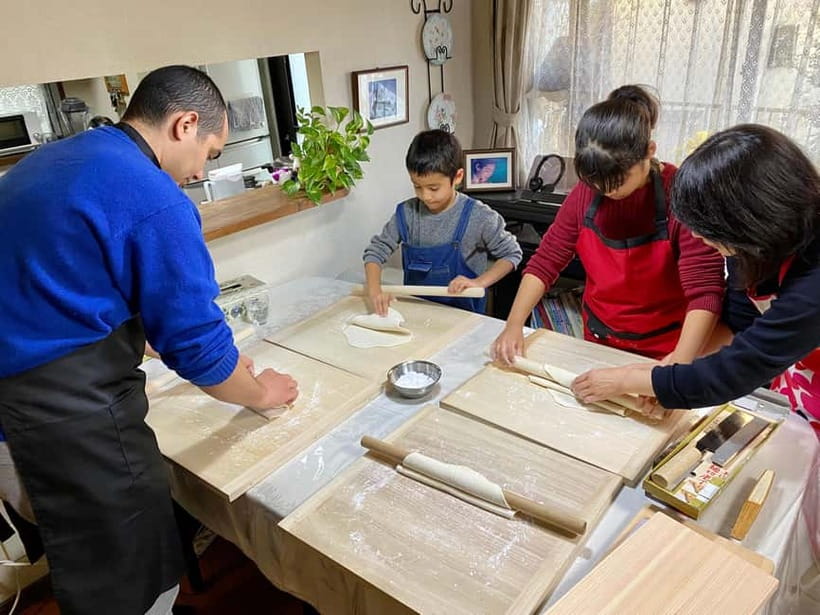
Another small detail I appreciate: the class uses a lineup of tools designed for udon-making—like a large wooden kneading board, a long rolling pin, and big bowls for dough work. You’re not just mixing ingredients. You’re learning the workflow.
You can also read our reviews of more tours and experiences in Tokyo

Your 150 Minutes: From Dough to Noodles (Yes, With Your Feet)
This experience lasts about 150 minutes, and it moves in a tight, satisfying order. You start with dough prep, then the class turns playful with the foot-kneading step. The best part is that you’re not doing it once and hoping for the best; you’ll get guidance so you know what you’re aiming for.
Here’s how the noodle-making phase typically unfolds:
- Make the udon dough first, with the instructor guiding you through consistency and handling.
- Knead with your feet using the traditional foot-kneading method. It’s hands-on in the most literal way.
- Roll the dough into a sheet, using the long rolling pin and proper pressure.
- Cut into noodles with a special udon knife for clean, usable strands.
Foot-kneading is the headline, but the real skill lesson is how texture changes as you work the dough. You’ll feel it become more uniform, less sticky, and easier to roll. That’s why this class works well even if you’ve never cooked before. The steps are visual, physical, and repeatable.
You’ll also be making your own portion. That means you leave with the pride of doing the whole process, not just assembling a bowl at the end. One booking noted the foot method felt therapeutic once they got into it, and that tracks. When the class has music in the background and the pacing is friendly, the kneading stops feeling awkward and starts feeling like a rhythm.
Dashi Lessons: The Flavor Base You’ll Actually Use Later
After the dough work, you shift gears to dashi stock, which is essential to Japanese cooking. Dashi is basically the flavor backbone of many soups and sauces. If you’ve ever tasted miso soup or doused noodles with a light, savory broth and wondered why it tastes so clean, this is part of the answer.
In this class, you learn how to prepare dashi in a hands-on way, not just what it is. That gives you a framework for understanding why your final meal tastes the way it does.
I like that this step comes after you’ve already tasted the reality of cooking. You’ve made dough, you’ve handled tools, and your senses are awake. Then dashi training lands with context: it shows how a simple stock can carry flavor without heaviness.
Pork Soup Dip Meets Musashino Udon: Cold and Hot at Once
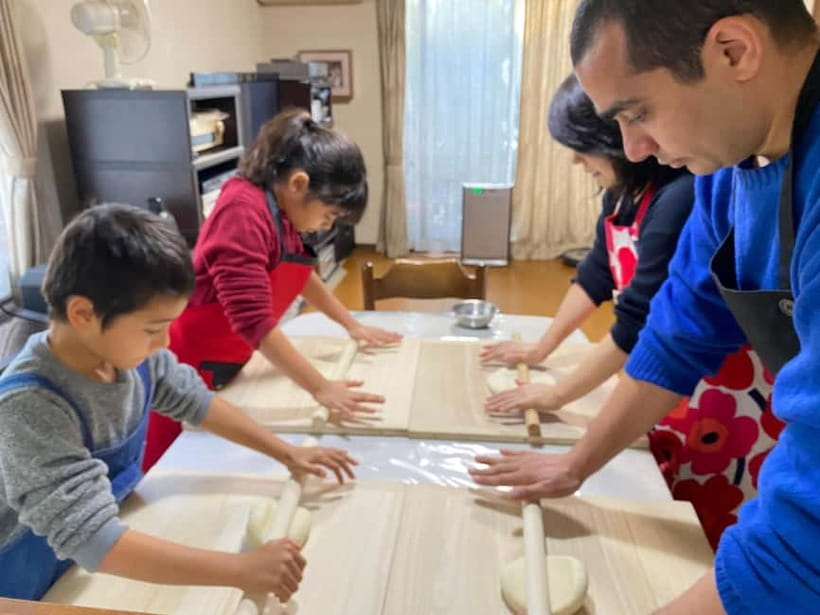
You’ll make a meal that uses the dashi you just learned. With that dashi, you prepare a pork soup that’s commonly served as a dipping broth for udon noodles. You get to watch (and participate in) how the soup is built around the stock base.
Then comes the best part: eating your results.
The class is designed around a specific contrast—freshly made cold noodles paired with hot pork soup for dipping. That temperature difference is more than a gimmick. Cold noodles make the wheat flavor feel clear and slightly nutty, while hot broth brings warmth, richness, and saltiness to the mix. One important tip: if you let the noodles sit too long, you’ll miss that crisp freshness. The timing matters, and you’ll feel that in the first bite.
If you’re vegetarian or vegan, this is the moment you’ll want your plan ready. The standard version is pork-based, so you should tell Izumi ahead of time if you want a vegetarian or vegan lesson and adjust your expectations for what replaces the pork. The class offers optional vegetarian lessons, and the broader summary indicates vegan options can be arranged too.
Rolling, Cutting, and Eating: Why the Technique Feels Like Real Craft
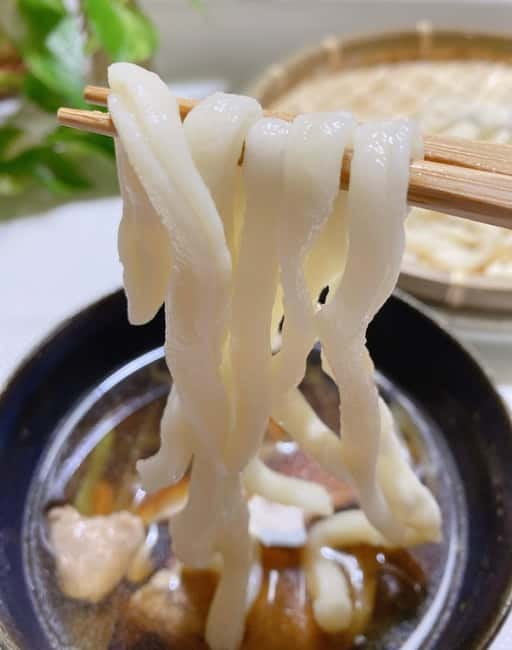
Many cooking classes end with you assembling something simple. This one teaches craft. Rolling into a sheet and cutting with a dedicated udon knife aren’t hard steps, but they do require care. When you get it right, the noodles cook and eat the way udon should: springy and satisfying, not mushy.
The tools matter here. The long rolling pin helps you manage even thickness, and the large kneading board gives you enough surface area for dough work. These details make it easier for you to succeed, especially as a first-timer.
And eating what you made closes the loop. You’re not left thinking about measurements you didn’t fully grasp. You taste texture, salt balance, and the effect of dashi.





Matcha and Wagashi: A Relaxed Finish After Messy Work
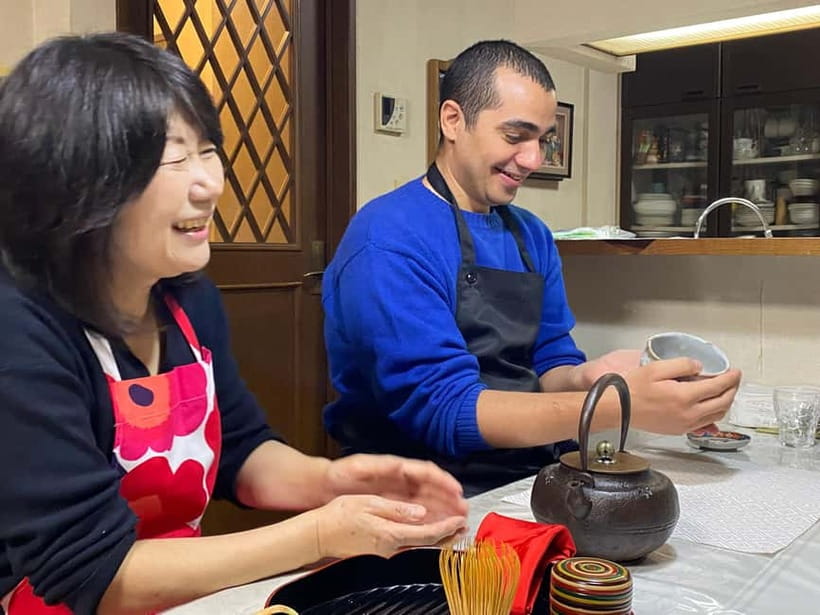
Once the noodles and soup are done, the class transitions into a casual Japanese tea ceremony. You’ll have matcha and wagashi (traditional sweets). It’s not a formal, silent ritual that demands perfect etiquette. It’s more like a calm reset right after hands-on cooking.
This is a smart pacing choice. After the dough work, your hands feel messy and tired. Tea time gives you a clean break—cool down a little, slow your breathing, and actually enjoy the flavors you just made.
One review mentioned the whole atmosphere stayed lively and joyful, with background music during the cooking. That blend of relaxed home life plus structured cooking instruction is exactly why this class doesn’t feel like a chore.
Price and Value: Does $70 Make Sense in Tokyo?
At $70 per person for about 150 minutes, this isn’t a budget “make your own dumpling” class. It’s a small-group, home-kitchen experience with instruction, tools, and a meal.
What you’re paying for, practically:
- You get all ingredients and kitchenwares
- You receive recipes, which is a big deal if you want to repeat the dishes later
- Matcha and wagashi are included as part of the experience
- You get an apron and direct instruction from Izumi
- Pickup is included from Higashimurayama station
The value angle is simple: you’re not just learning a recipe. You’re learning a process that involves equipment and technique, plus you eat what you produce. For Tokyo, a lot of classes either overcharge for a generic cooking demo or skip the meal experience. Here, the meal is part of the lesson.
Your main extra cost is how you get to Higashimurayama station. Public transport to the station is not included, so build that into your planning.
Logistics That Matter: Small Group, Pick-Up, and Diet Notes
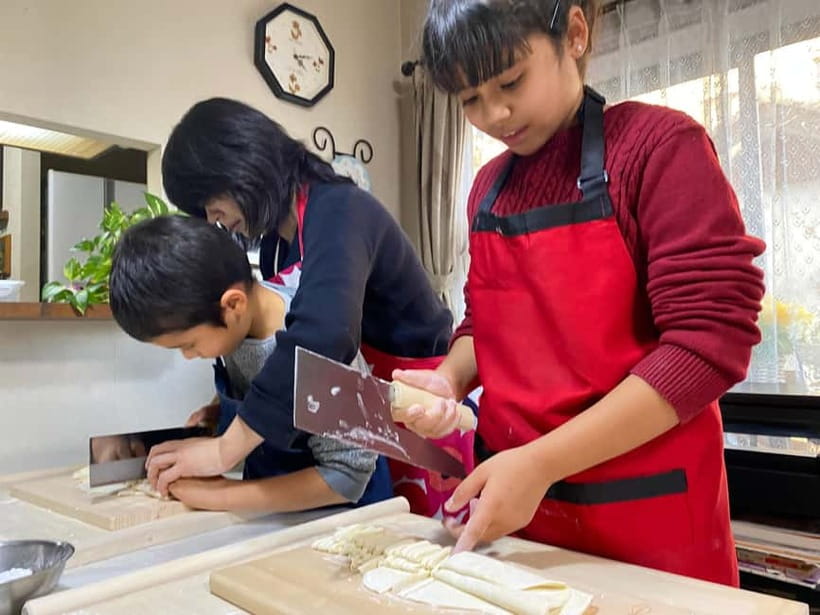
This runs with a small group limited to 4 participants. That number is important because udon-making takes space and attention. With fewer people, Izumi can slow down when someone needs help with dough texture or cutting.
Pick-up is another convenience. The host will ride you from Higashimurayama station to the venue. That removes one annoying part of “find the place in a neighborhood you don’t know yet.”
Language is English and Japanese, so communication won’t feel like a puzzle. If you have allergy needs or dietary restrictions, you should message in advance. The instructions are clear that you should let them know about allergies or ingredients you can’t eat.
Who Should Book This (and Who Might Not)
I’d point this class toward three types of travelers.
First, you should book if you like hands-on cooking and want something different from the usual sushi, ramen, or tempura tours. The foot-kneading method is genuinely unusual, and it’s the kind of experience you’ll remember months later.
Second, it fits beginners. Reviews point out it’s a strong first cooking class, and the structure is straightforward: dough, knead, roll, cut, then dashi and soup. Even if you’re new, you’ll end with noodles you can eat and talk about.
Third, it’s great for food lovers who care about technique. Dashi training is the kind of skill that travels with you. You’ll taste the difference and understand why.
You might want to skip or adjust if you have strong discomfort with food prep that involves stepping on dough, or if you can’t eat pork and haven’t arranged a vegetarian or vegan version ahead of time.
Should You Book This Udon Class?
Book it if you want a real Tokyo-area home-cooking experience with a technique lesson you won’t find on a typical sightseeing day. The combination is the draw: foot-kneaded Musashino udon, dashi learning, a meal that includes cold noodles and hot pork soup, and a matcha-and-wagashi finish.
If you’re traveling with dietary restrictions, reach out early and be very clear about what you can’t eat. Then it becomes a great value, because the class includes everything you need and feeds you with what you made.
If you only want watching without getting hands-on, you’ll likely find this more work than you want. But if you’re open to getting a little messy for something memorable, this is a solid choice for an off-the-map afternoon in West Tokyo.
FAQ
Where does the class take place?
It’s held at the instructor’s home in Musashino, a suburb in the west of Tokyo.
How long is the experience?
The class lasts about 150 minutes.
How big is the group?
The group is small, limited to 4 participants.
Do I get picked up from a train station?
Yes. The host provides pick-up from Higashimurayama station to the venue.
What’s included in the price?
All ingredients and kitchenwares are included, along with recipes, an apron, and the matcha tea ceremony experience.
Is there a vegetarian option?
Yes. A vegetarian udon lesson is available as an option, and lessons for vegetarians and vegans are noted as optionally available.
Is the public transportation to the station included?
No. The fee for public transportation to the station is not included.
What can I learn besides the udon noodles?
You’ll learn how to prepare dashi stock, which is essential to Japanese cooking, and you’ll use it as part of the meal.
What languages does the instructor speak?
The instructor speaks English and Japanese.