REVIEW · TOKYO
Tokyo: Mt. Fuji 5th Station, Kawaguchiko Tour w/ Cable Car
Book on GetYourGuide →Operated by LIMON Tours · Bookable on GetYourGuide
Fuji day trips feel like a gamble. This LIMON bus tour packs Mt. Fuji 5th Station at 2,305 m and a panoramic cable car plus Lake Kawaguchi cruising, often led by English speakers like Hiro or Sojiro. The catch: weather and road closures can block the top, so you need a backup mindset.
I like that the pacing is practical, with a guided handoff at Kawaguchiko so you can explore without constantly chasing the group. You also get real downtime built in, including lunch near Fuji Q Highland (many people choose the buffet at the Highland Resort Hotel and Spa).
In This Review
- Key moments I’d plan around
- Why Mt. Fuji 5th Station and Kawaguchiko belong together
- Meeting Toranomon Hills: arriving early actually matters
- Fuji 5th Station at 2,305 m: the best view comes from being above the clouds
- Fuji Q Highland lunch: buffet value and timing that keeps the day flowing
- Kawaguchiko, then the panoramic ropeway: 1,075 m in about 3 minutes
- Lake Kawaguchiko sightseeing boat: Appare Pier to Unoshima
- The Plan B that saves the day when Station 5 is closed
- Price and value: what $74 buys you and what it doesn’t
- Long day logistics: comfort, charging, and keeping your energy up
- Should you book this Mt. Fuji and Kawaguchiko tour?
Key moments I’d plan around
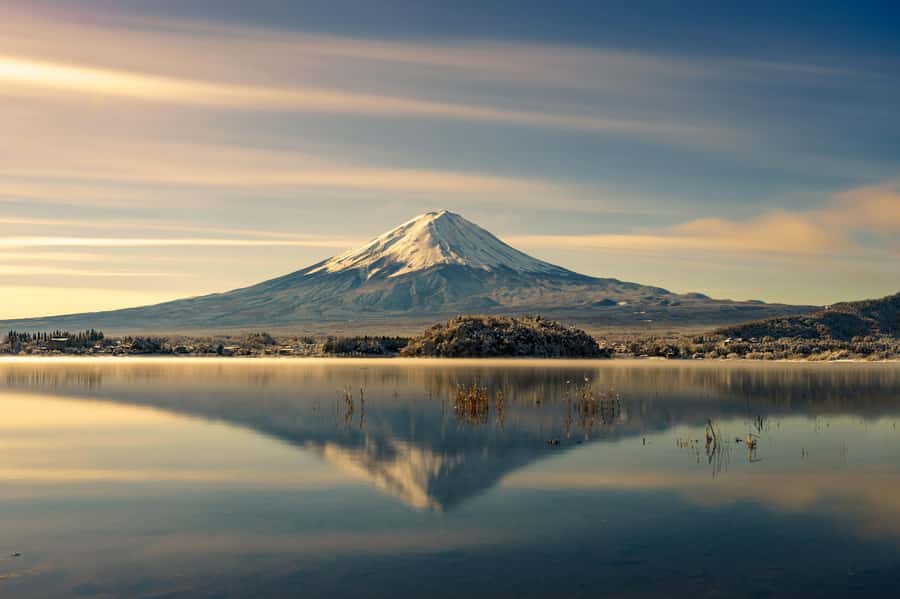
- Direct car access to Fuji 5th Station (2,305 m) for that famous above-the-clouds feeling
- A fast panoramic ride on the ropeway to an observation deck around 1,075 m
- Lake Kawaguchi sightseeing boat out of Appare Pier, cruising under Kawaguchiko Ohashi Bridge
- Unoshima Island stop (the only island in the Fuji Five Lakes) during the boat route
- Lunch with a view option near Fuji Q Highland, especially the included buffet for many guests
- A real Plan B when Station 5 can’t be reached, pivoting to Fuji-area alternatives
Why Mt. Fuji 5th Station and Kawaguchiko belong together
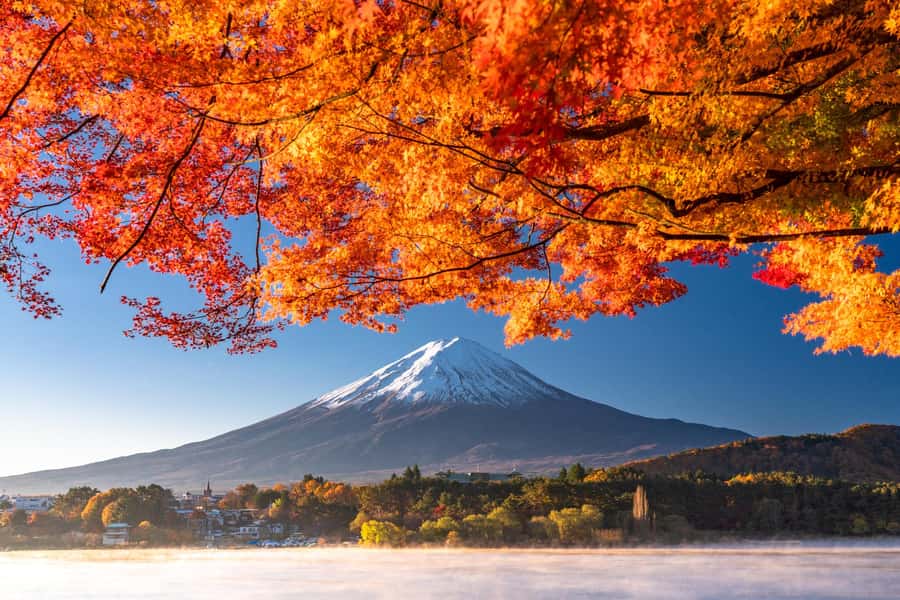
If you only do one “Fuji day,” you want two types of payoff. First: the height. Second: the lake.
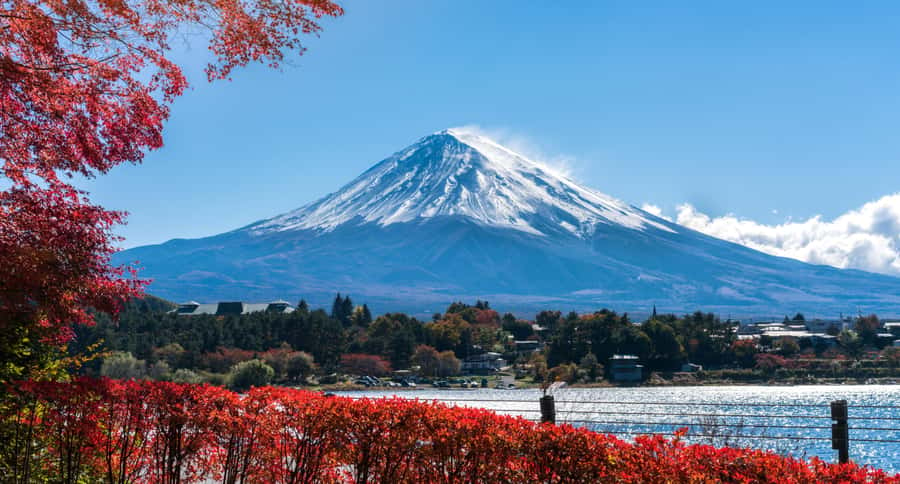
That’s why combining Fuji 5th Station with Kawaguchiko works so well. The bus goes up to where cars can reach—about 2,305 meters—so you’re not just looking at Fuji from far away. You’re close enough to feel the mountain’s scale, and on clear days you can see the view sit above the clouds. Even when visibility is less dramatic, being high up still gives you the Fuji-area geometry: ridgelines, the lake basin, and the layered distance that makes this region special.
Then you drop into the Kawaguchiko area, which is where Fuji becomes “human-scale.” The lake provides reflections, shoreline viewpoints, and an easier rhythm for photos and walking. You also get variety built into the attractions: a cable car/ropeway viewpoint, plus a boat ride that changes the angle as you move under the bridge and toward Unoshima.
The practical win is that you don’t need to stitch together trains and tickets. You ride in one day, and you’re guided at the key decision points.
You can also read our reviews of more tours and experiences in Tokyo.
Meeting Toranomon Hills: arriving early actually matters
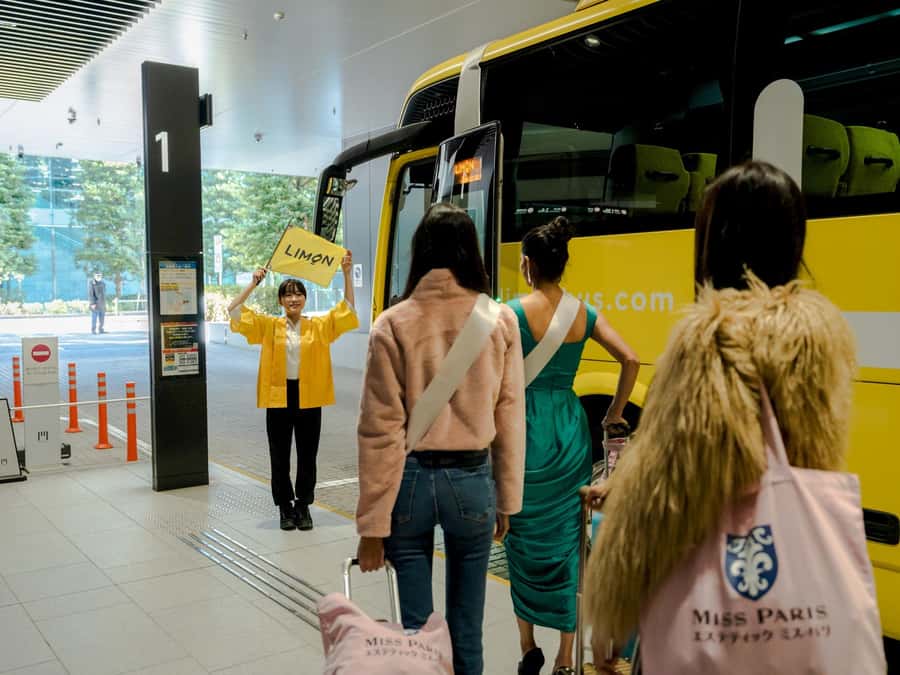
This is not a “meet whenever you want” trip. The meeting is at 7:50 AM at the Toranomon Hills Business Tower Bus Terminal 1, and the bus leaves at 8:00 AM. Look for a LIMON staff member wearing yellow holding a sign.
One thing that’s consistently tricky is the location itself. The terminal is inside a building, and you may need to use an elevator/escalator path to get there. People often lose time because they expect the bus platform to be right at street level. If you’re coming from the subway, give yourself extra buffer to find the right entrance and level.
Also, the ride starts early and ends back at the same meeting point. So you’ll want to protect your energy: download offline maps, bring water, and consider headphones for the long stretches. Several guides and drivers do a great job keeping things smooth, but the bus can’t escape Tokyo-to-Fuji traffic when it’s heavy.
Bottom line: if you’re even slightly unsure how to get to Toranomon Hills, arrive earlier than you think you need to.
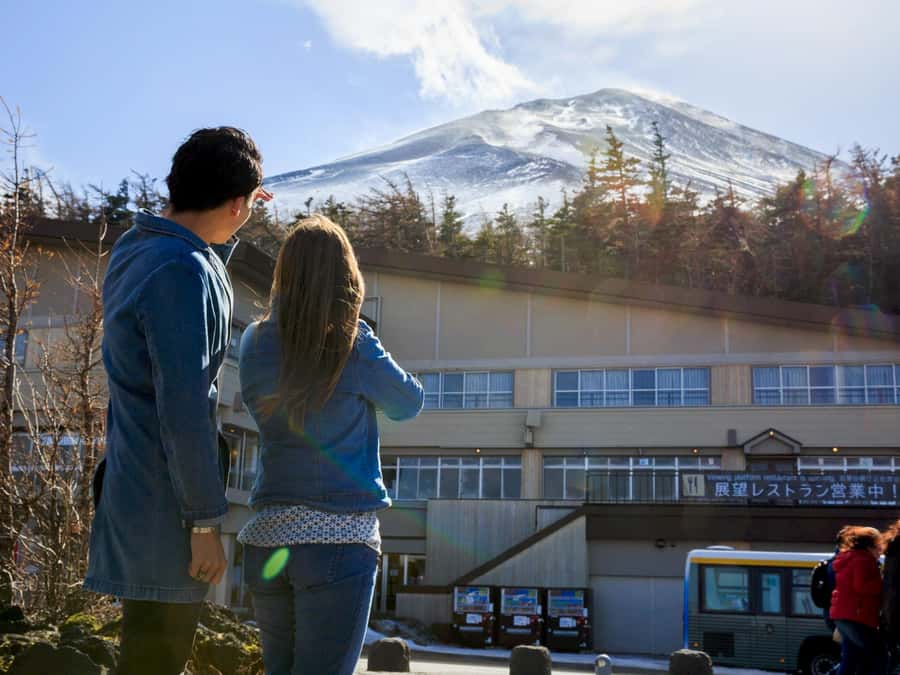
Fuji 5th Station at 2,305 m: the best view comes from being above the clouds
The main promise here is straightforward: you go high. The bus drives up to the middle point of Mt. Fuji at around 2,305 meters, which is the highest point accessible by car.
At this altitude, your experience changes. The air feels different, the weather is more unpredictable, and your photos depend heavily on visibility. On the best days, Fuji looks almost unreal—dominating the scene with clean edges, and the region stretching outward like a panorama. On foggier or rainy days, you might not see the summit clearly, but you can still get those mountain textures and “near-Fuji” scale.
I also like that the tour gives you a sense of “up close” rather than just a quick photo stop. You’re in the right place for time to wander, reframe shots, and take in the high-mountain atmosphere.
One practical tip: if Fuji is visible at all, take photos from multiple angles fast. Visibility can change hour by hour. Some guests mention trying local snacks at the station—like Fuji melon bread—and it’s a fun way to make the stop feel less rushed.
And yes, it’s possible that Station 5 can be unreachable due to road closures or safety. If that happens, you don’t just turn around—you pivot to alternatives (more on that below).
Fuji Q Highland lunch: buffet value and timing that keeps the day flowing
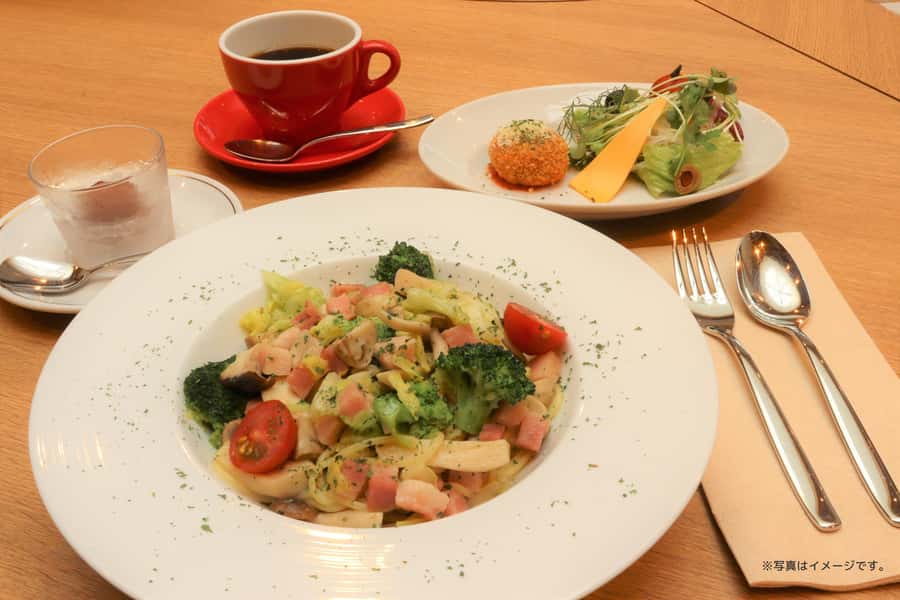
Around lunch time, the schedule makes a stop in the Fuji Q Highland area. Depending on the option you select, you can do a buffet-style lunch or a lighter meal.
The buffet option tends to be a highlight because it’s both filling and easy. You get variety without hunting around in an unfamiliar area, and it’s often paired with a view that makes the break feel worth it. One of the smartest ways to use this lunch stop is to eat early enough that you still have energy for the next stretch in Kawaguchiko.
If you choose the lighter option, you’ll need to plan to find food again near the lake later. That can be fine, but it adds your own timing pressure—especially if traffic shifts or if cable car/ropeway lines are long.
Either way, this lunch slot is valuable because it’s a pressure release. After early departure and a long drive upward, it helps you reset before the cable car and boat portion of the day.
Kawaguchiko, then the panoramic ropeway: 1,075 m in about 3 minutes
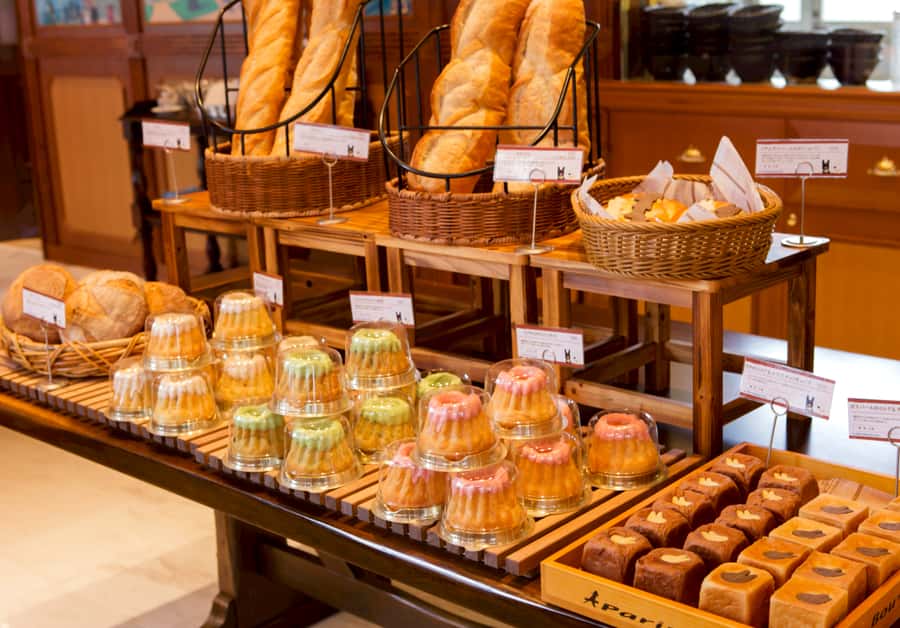
Once you reach Kawaguchiko, the tour guide hands you your tickets and you get some freedom to explore. One detail I appreciate: the tour uses taxi service to get customers to the attractions in the Lake Kawaguchiko area. That matters because it reduces the “drag your feet” feeling you sometimes get on big day trips.
Next up is the Panoramic Ropeway (described here like a cable car/ropeway experience). The top connection is at about 1,075 meters, and the ride takes roughly 3 minutes. Short ride, big payoff.
From the observation deck, the big idea is the layering of views. You’re looking down toward Lake Kawaguchi, and on clear days you can also see Fuji again. The deck viewpoint also offers sightlines toward the Southern Japanese Alps area, which is one of those details that makes your photos feel more dimensional instead of flat.
One caution: ropeway lines can be long on some days. You may not want to assume you’ll breeze through. If you’re the type who hates standing around, plan to stay flexible with timing at this stop—your guide does a good job keeping you on schedule, but lines can’t be controlled.
Lake Kawaguchiko sightseeing boat: Appare Pier to Unoshima
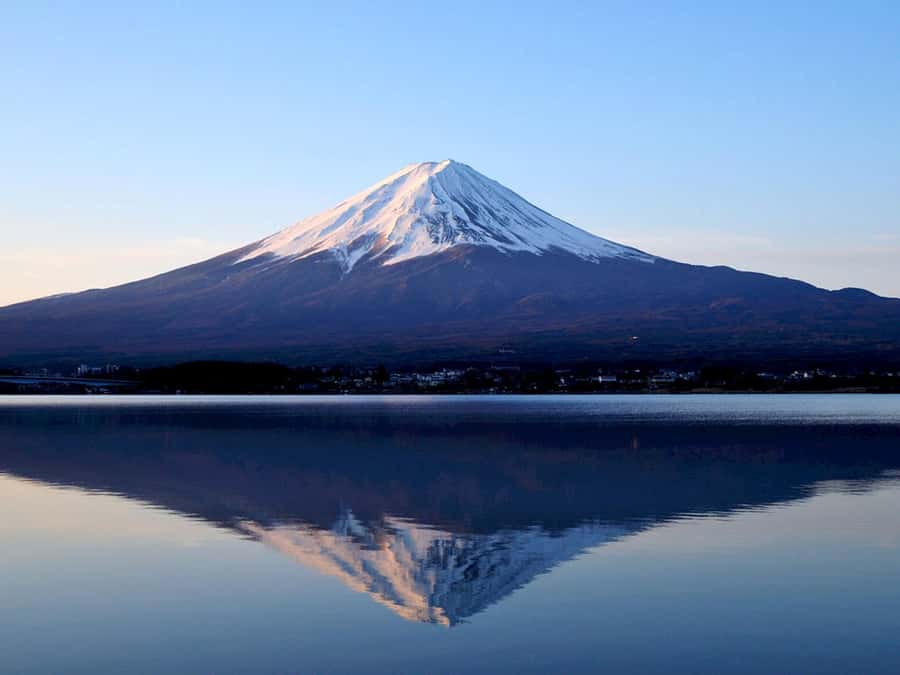
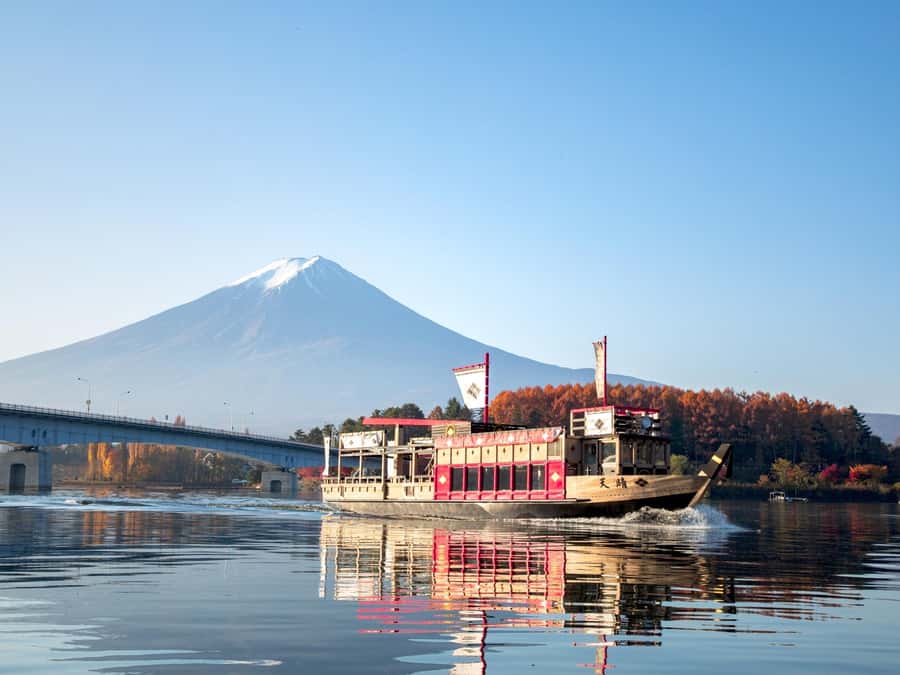
The boat part is what turns “mountain views” into “slow travel.” You board at Appare Pier and cruise under the Kawaguchiko Ohashi Bridge. The route swings by Unoshima, the only island in the Fuji Five Lakes.
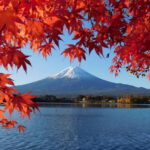
This is a great change of pace after walking and riding. Instead of searching for the perfect viewpoint, you’re moving through the scene, which naturally gives you new angles. The bridge pass is especially photogenic because it frames Fuji and the lake depending on the day’s visibility.
Also, the boat helps when Fuji is partially obscured. If you can’t see the summit sharply, you still get the lake’s geometry and those shoreline elements that make Kawaguchiko feel like a complete place, not just a stop on the way to something else.
One practical note: boat service and exact timing can change due to weather, traffic, or lack of time. So if you don’t get the full boat portion on a specific day, it’s usually because conditions demand flexibility—not because you missed something you should have done differently.
The Plan B that saves the day when Station 5 is closed
Let’s be honest: Mt. Fuji is weather-dependent. Clouds, rain, and sometimes road closures happen. That’s why I consider the backup plan a big part of the tour’s value.
If 5th Station is unreachable due to closures or safety, the tour pivots to either the Mt. Fuji Heritage Center or Oshino Hakkai. Oshino Hakkai is described as an idyllic town with great Mt. Fuji views and eight lakes formed from Fuji’s pristine spring water. It’s a very different kind of Fuji experience—less height, more water and village scenery—but it can still feel like you’ve come to the right place.
In practice, the Plan B is the thing that keeps a cloudy or blocked day from becoming a disappointment. You keep moving. You still get a Fuji-area context. And your guide adjusts what’s possible based on conditions.
One more reality check: even on days when you’re sure Fuji will show, visibility can change fast. So don’t treat any one moment as the only chance. Take what you can when it’s there, and let the rest of the day do its job.
Price and value: what $74 buys you and what it doesn’t
At about $74 per person, this is a mid-range day trip when you look at what’s bundled. You’re paying for:
- Round-trip transportation from Tokyo
- An English-speaking guide to manage timing and handoffs
- Lunch if you choose the lunch option
- Boat ride on Lake Kawaguchi if you choose the boat option
- Panoramic ropeway entry if you choose the ropeway option
If you add up those pieces separately—especially transportation and guided coordination—the value starts to make sense. You’re not just paying for tickets; you’re paying to avoid decision fatigue and timing mismatches.
Two things to watch for. First: some meal types aren’t available. The tour data states they cannot provide halal, vegan, or vegetarian meals. Second: luggage rules are strict. You can’t bring oversize luggage or suitcases, since there’s no luggage transport and storage on the bus isn’t set up for large bags.
So for value, this tour is best if you travel light and you’re okay with weather-driven variability. If you’re expecting a guaranteed summit view no matter what, that expectation can hurt you anywhere in Fuji-area tourism.
Long day logistics: comfort, charging, and keeping your energy up
A repeating theme with day trips like this is time. It’s a full day, and you should mentally prepare for a longer ride back to Tokyo—sometimes traffic can stretch the return.
A few practical items that help:
- Bring snacks and drinks since you’re on the move for a long time
- Use offline maps or save your favorite photo spots beforehand
- Expect you’ll do real walking at each stop, even if the main attractions are ticketed
- Comfortable clothes and comfortable walking shoes are strongly worth it
Wi-Fi and USB charging ports may vary by vehicle type, so don’t count on them. Some buses are comfortable and clean, but mountain days can involve temperature swings—pack layers even if Tokyo feels warm when you leave.
Also, the group experience is guided and structured, but you get freedom at Kawaguchiko once you’re handed tickets. That’s a sweet spot for people who like to wander for a bit while still knowing the big schedule won’t fall apart.
Should you book this Mt. Fuji and Kawaguchiko tour?
I’d book it if you want one organized day that hits both sides of Fuji tourism: high altitude (Station 5) and lake scenery (Kawaguchiko). The combination of panoramic views, the boat route under the bridge, and the quick cable car/ropeway experience makes this tour efficient without feeling like a rush-fest.
I wouldn’t book it as confidently if:
- you need strict dietary accommodations (halal/vegan/vegetarian aren’t provided)
- you’re traveling with big luggage you can’t pack down
- you’re the type who gets frustrated when weather reduces visibility (because that can happen here, and the tour does require flexibility)
If you go in with a realistic mindset—check your forecast, arrive early for the bus, wear good shoes, and accept Plan B as part of the experience—you’ll likely come away thinking it was a well-run Fuji day.